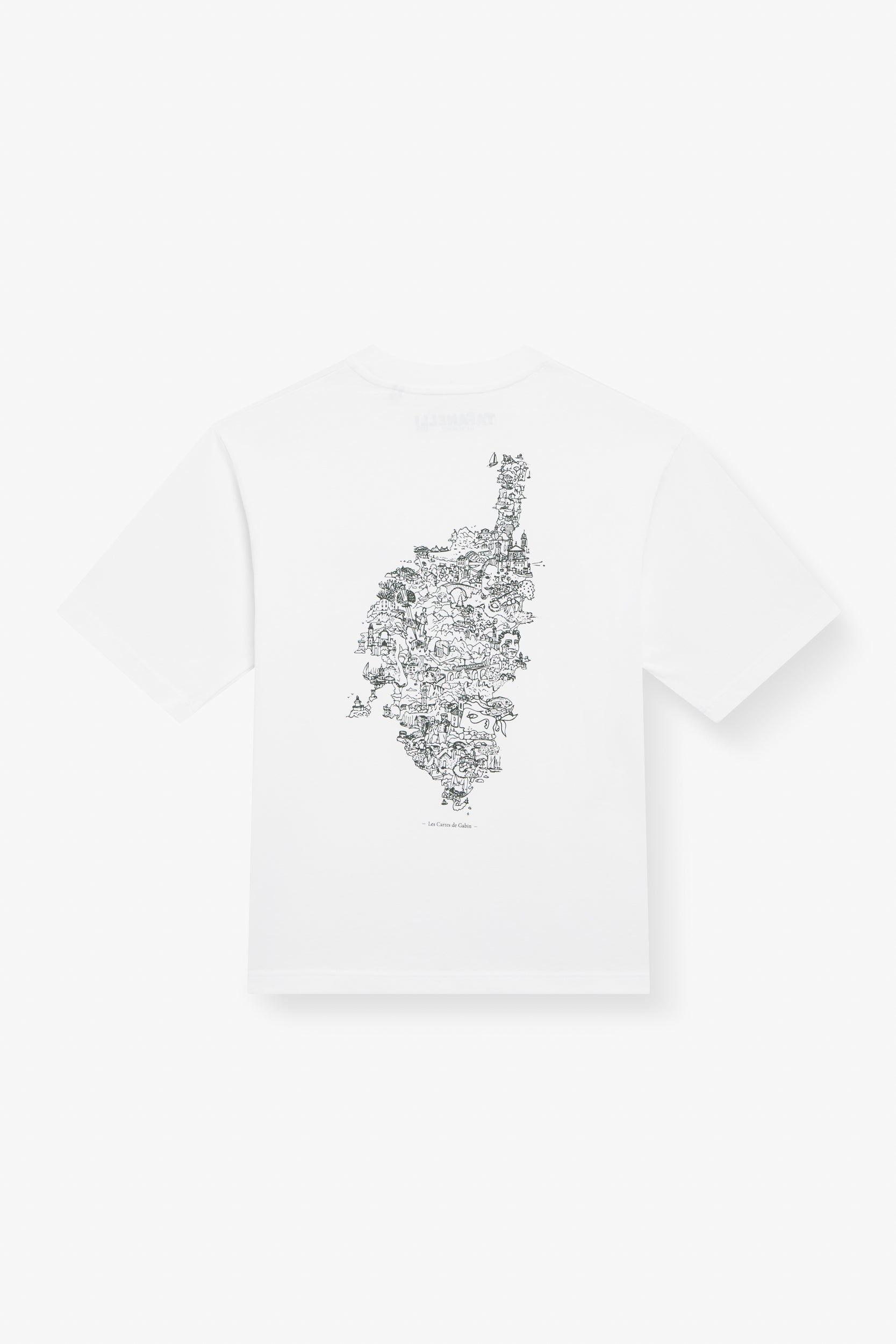

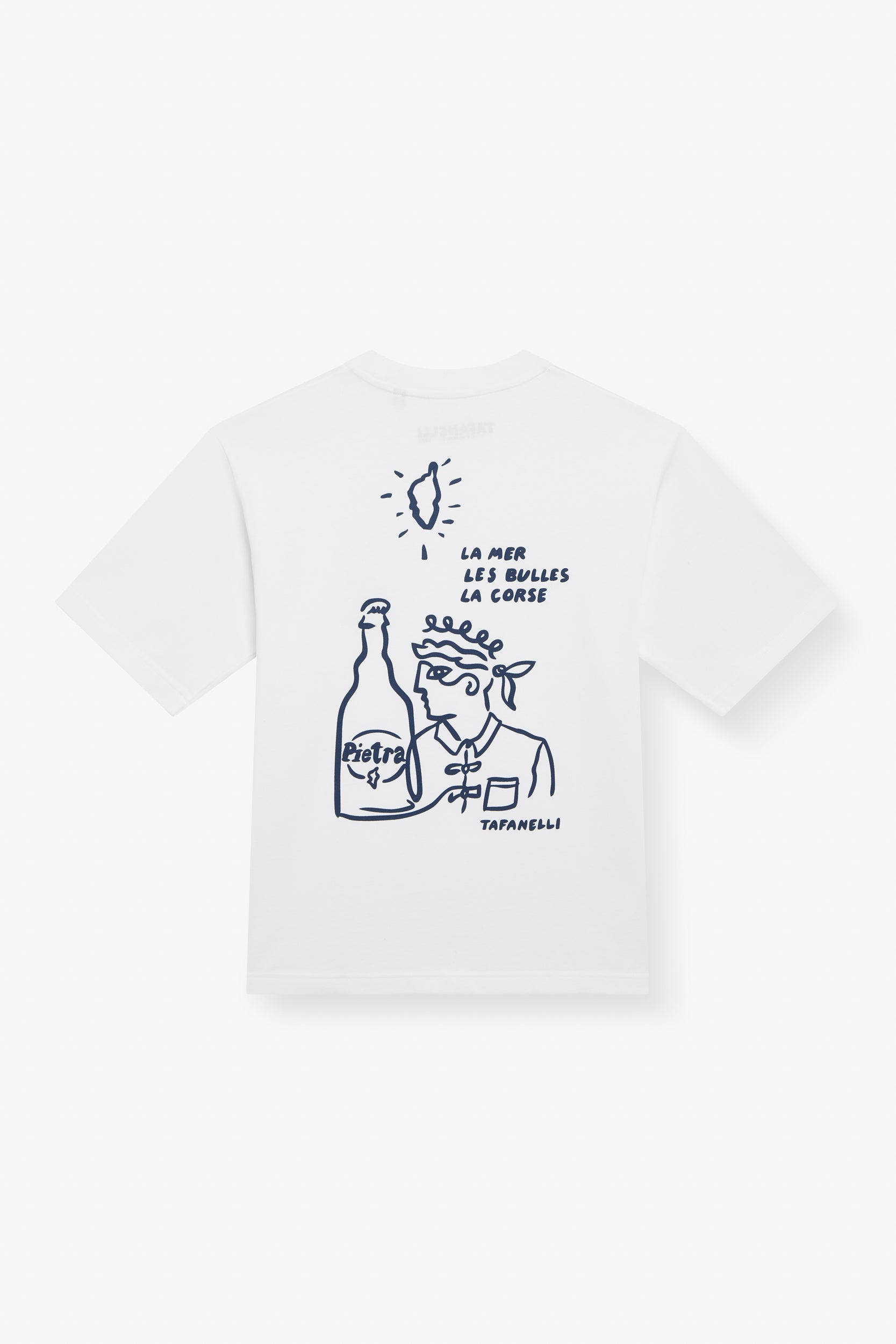


How to dry a handmade t-shirt
Drying is often the most overlooked step, yet it is the one that determines the longevity of an artisanal t-shirt. Drying a garment properly means preserving its cut, its color, and its texture. At Tafanelli, we see drying as a continuation of French craftsmanship: a moment of rest for the material, a return to the open air and natural light.

Natural drying, soft light, cotton at rest.
Drying, an extension of the craft
A t-shirt made in France, sewn from dense, organic cotton, needs to breathe after washing. The fiber, still swollen with water, relaxes and regains its shape and suppleness. Drying is therefore not just a matter of waiting: it is a moment of reconstruction. You must give it time, air, and avoid any harsh heat.
Successful drying results in a garment that keeps its cut, its color, and its comfort. It doesn't twist, harden, or lose its shape. It is an invisible but essential form of care, just as important as the sewing or the dyeing.
The drying rack
Simple and effective, the drying rack remains a good solution if you take a few precautions. The t-shirt should be laid flat, without folds, on the central bars—never hung by the shoulders or sleeves. If you place it on there while soaking wet, it risks leaving marks or stretching. It is better to wring it out slightly by hand, then smooth it out with your fingertips before letting it rest.
Avoid placing the drying rack in direct sunlight: direct light fades and hardens the cotton. The ideal is a ventilated room, away from the sun's rays, where the t-shirt dries slowly. This gentle drying respects the work of the fiber and prolongs the life of the screen printing, if there is any.
Flat drying
This is the most respectful method. Laying the t-shirt flat on a terry towel or a drying rack helps preserve its shape and prevents tension at the collar and seams. The cotton dries evenly, without twisting. This technique is ideal for thick t-shirts or artisanal models with a tight knit.
In French workshops, after dyeing, pieces often rest flat to "regain their shape." It is a step that requires patience and precision. At home, it’s the same ritual: a quiet moment, dry air, and a t-shirt drying naturally, without tension.
The hanger or the garment rack
The hanger is an elegant solution, but it requires vigilance. A wet t-shirt is heavier: hung too early, it can stretch at the shoulders. Use a wide hanger, made of wood or padded, that follows the shape of the garment. Never use thin wire hangers—they deform the fiber and leave marks. Only hang the t-shirt once it is well wrung out and almost dry.
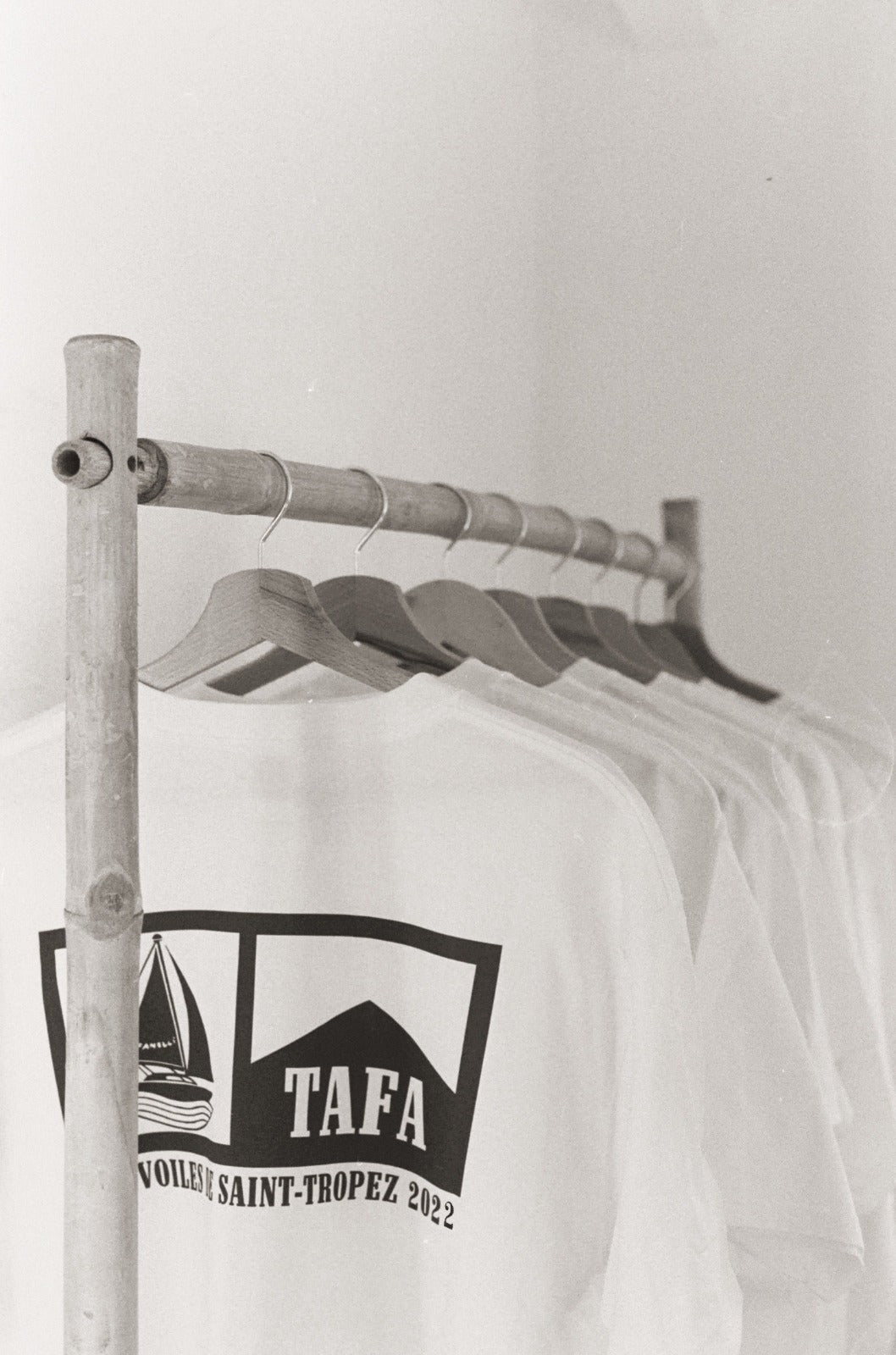
A garment rack allows for airing several pieces without direct contact. If space permits, this is an ideal option: air circulation accelerates drying without damaging the material. This is how garments dry in Tafanelli workshops—hung in the light, without constraints, the fabric free.
What to avoid
The tumble dryer, of course, remains the enemy of artisanal cotton. It breaks the fiber, dulls the color, and shrinks the cut. Excessively high heat strips the fabric of its natural hand. Similarly, avoid twisting the t-shirt to wring it out: this action damages the seams and weakens the reinforced stitches.
Good drying is slow, silent, and patient. It is a commitment to the way the garment was made: with care, with time, with respect. Slowness is not a loss; it is a guarantee of longevity.
Mediterranean drying
In Corsica, clothes often dry in the wind, hung between two walls, facing the sea. It is an image, but also a philosophy: letting the wind do the work. This natural drying, in the sea breeze, softens the fibers and keeps the cotton supple. It reminds us that a garment is alive, that it breathes, and that it needs air.
Drying a Tafanelli t-shirt is a bit like that: a slow, precise, almost poetic gesture. A return to the simplicity of the world of yesterday, where every fiber had its rhythm, and where we respected the rhythm of the fabric just as we did the sea.