Corsica by boat: anchorages, itineraries, and rules to know
Seen from the sea, Corsica is a different island. Coves that no road serves, cliffs that drop straight into the water, and reserves where underwater life remains intact. It is also the most demanding way to discover it: violent winds, regulated anchorages, protected reserves. Here is the complete guide: the most beautiful anchorages, an island tour itinerary, the rules to follow, and solutions for those who don't have a boat.
Corsica seen from the sea
Around one thousand kilometers of coastline, a large part of which is inaccessible except by boat. That is where the Corsica that roads never show is hidden.
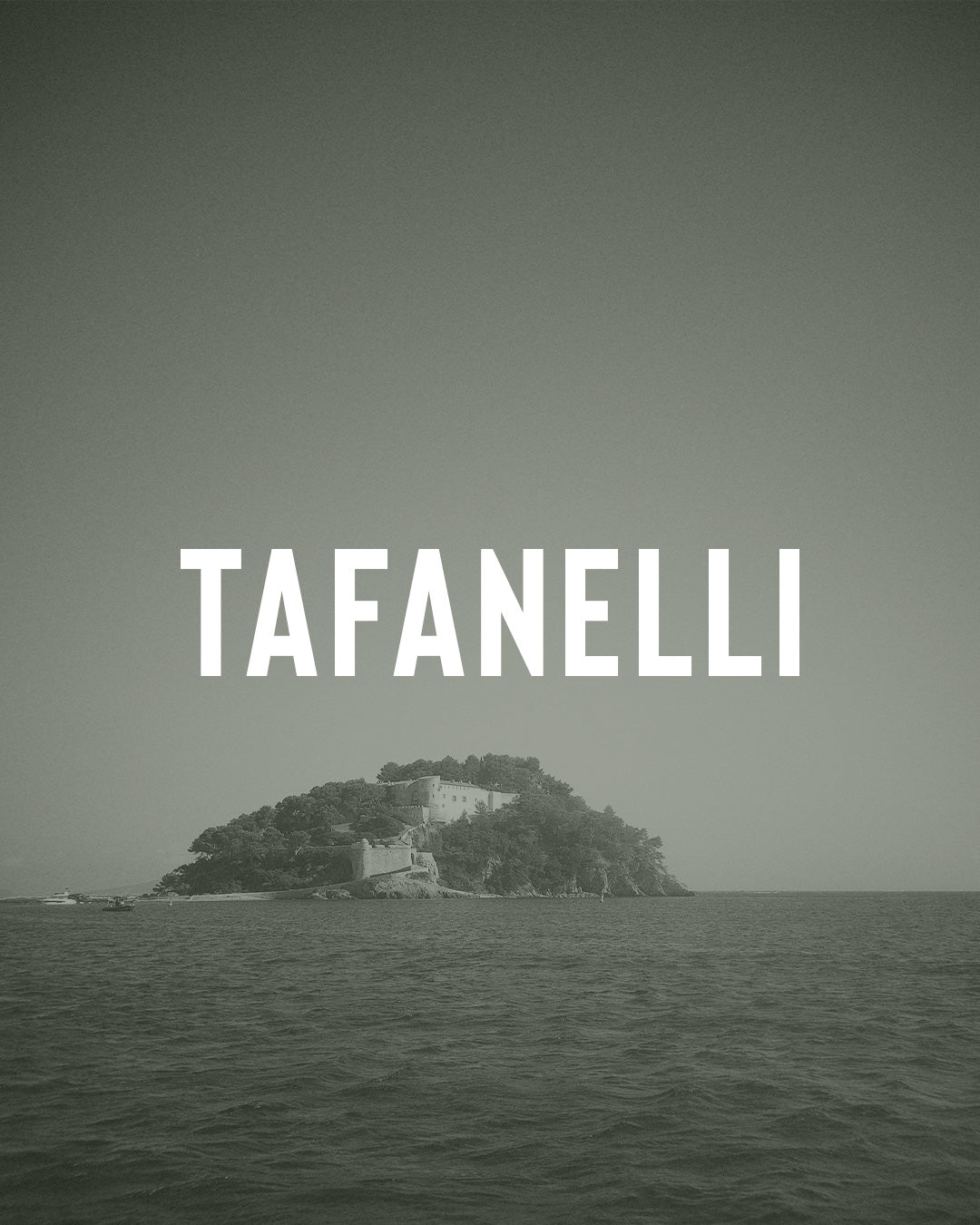
The cliffs of Bonifacio seen from below, with the city hanging overhead. The red porphyry of Scandola. The Lavezzi and Cerbicale islands, flat and granitic, set on turquoise water. The coves of Cap Corse where you are all alone on a morning in June.
Sailing in Corsica is not leisurely yachting. The terrain generates strong and unpredictable winds, shelters are unevenly distributed, and a good part of the coastline is protected. Well-prepared, it is one of the most beautiful sailing grounds in the Mediterranean.
In Corsica, the sea does not forgive approximation. The wind picks up in twenty minutes, and a perfect cove at noon becomes untenable by three in the afternoon.
The rules you absolutely must know
This is the point that too many boaters only discover once they are there, sometimes at the cost of a fine.
- Nature reserves are regulated. The Scandola reserve and the Bonifacio Strait, which includes the Lavezzi and Cerbicale islands, impose strict restrictions: prohibited anchorage zones, regulated navigation, and limited or even forbidden diving depending on the sector. Inquire with the Corsican Environment Office before leaving.
- Anchoring on posidonia seagrass beds is prohibited in many areas. Posidonia is a protected marine plant, essential to the Mediterranean ecosystem, and one anchor is enough to destroy what took decades to grow. Anchor on sand, which is recognizable by its light color.
- Organized mooring zones have been set up in several sensitive sites, sometimes with buoys and mandatory reservations in season.
- Wastewater and waste: nothing in the sea. Use port facilities.
- Landing is regulated on certain islands. On the Lavezzi islands in particular, access is marked and you must stay on the paths.
These rules are not red tape. Corsica has preserved seabeds that the rest of the Mediterranean has lost. Respecting them is the condition for it to last.
The wind: the true boss
The Corsican relief, with its peaks of over 2,000 meters just a few kilometers from the shore, creates daunting wind effects.
- The Libecciu (south-west): the prevailing wind, often strong, which kicks up a short, rough sea along the entire western coast.
- The Mistral (north-west): powerful, it descends onto the north of the island and makes the Bonifacio Strait difficult.
- The Gregale (north-east): it hits the eastern coast and Cap Corse.
- Site-specific effects: downdrafts in steep gulfs, accelerations at capes, and deceptive calm in the lee of the mountains.
The Bonifacio Strait deserves special mention: it is one of the most technical passages in the Mediterranean, with a Venturi effect between Corsica and Sardinia, currents, and shoals. Do not cross it without confirmed weather forecasts.
Check the marine weather twice a day, and always plan a backup route. In Corsica, you decide on your navigation that very morning.
The most beautiful anchorages
The North and Cap Corse
The coves of Cap Corse, Macinaggio, Tamarone Bay, Centuri at the tip, and the Giraglia island. The Gulf of Saint-Florent offers an excellent shelter and access by sea to the beaches of the Agriates Desert, notably Lotu and Saleccia.
The Balagne
The Gulf of Calvi, Punta di Spanu, Algajola Bay, and the Scandola reserve a little further south.
The West and Porto
Girolata, accessible almost exclusively by sea, one of the most legendary anchorages on the island. The Gulf of Porto and the Calanques de Piana seen from below. The Gulf of Sagone and the Gulf of Ajaccio, with the Sanguinaires Islands.
The South
The Gulf of Valinco, Roccapina Bay and its granite lion, Bonifacio and its marina in the cliffside gap, the Lavezzi and Cavallo islands.
The South-East
The Gulf of Porto-Vecchio, one of the island's largest natural shelters, with Palombaggia and Santa Giulia, the Cerbicale islands, and further north, Solenzara and the Nacres coast.
A 15-day island tour
The full tour is about 400 nautical miles. Fifteen days allow you to do it at a steady pace, keeping a buffer for windy days.
- Days 1 to 3: Bastia, tour of Cap Corse, Macinaggio, Centuri, then Saint-Florent.
- Days 4 and 5: The Agriates by sea, L'Île-Rousse, Calvi.
- Days 6 and 7: Scandola and Girolata, strictly respecting the reserve's regulations, then the Gulf of Porto.
- Days 8 and 9: Cargèse, Sagone, Ajaccio, and the Sanguinaires.
- Days 10 and 11: Propriano, the Valinco, Roccapina.
- Days 12 and 13: Bonifacio, the Lavezzi islands, and crossing the Strait if the weather permits.
- Days 14 and 15: Porto-Vecchio, the Cerbicale islands, then cruising up the eastern coast towards Solenzara and Bastia.
A counter-clockwise direction is generally preferred to approach the west coast with more favorable winds. But in Corsica, the day's weather decides, not the schedule.
Without a boat: day trips
No need to own a sailboat to see Corsica from the water. All the excursions below depart from ports accessible by car.
- Scandola and Girolata, departing from Porto, Calvi, Ajaccio, or Cargèse. The island's most spectacular excursion.
- The Lavezzi islands, departing from Bonifacio, including a tour of the cliffs and the Sdragonatu cave.
- Saleccia and Lotu, departing from Saint-Florent: the sea shuttle avoids the Agriates track, which is impassable by standard car.
- The Sanguinaires islands at sunset, departing from Ajaccio.
- Renting a small boat without a license by the day, available in most ports, to explore a bay at your own pace.
- Diving: the island's clubs provide access to sites you wouldn't otherwise see.
Our tips
- Sail in June or September. More manageable winds, less crowded ports, and free anchorages.
- Book your port slips in July and August, especially in Bonifacio, Calvi, and Porto-Vecchio.
- Anchor on sand, never on posidonia. Check the seabed before letting out the chain.
- Leave early. Mornings are often calm; the wind picks up in the afternoon.
- Keep a reserve of fuel and water. Certain sectors of the west coast have very few facilities.
- Bring protection. On the water, the sun strikes twice. Wear a hat, sunglasses, sunscreen, and a dense cotton t-shirt rather than going shirtless.
- Respect the fishermen. Nets and pots are marked; do not sail over them.
Frequently asked questions
Can you anchor anywhere in Corsica?
No. Anchoring is prohibited or regulated in nature reserves, notably Scandola and the Bonifacio Strait, and anchoring on posidonia seagrass beds is prohibited in many areas. Organized mooring zones exist at sensitive sites.
What is the best time to sail in Corsica?
June and September. Wind conditions are more stable than in the spring, and crowds are much smaller than in July and August.
How long does it take to sail around Corsica?
Count on about 400 nautical miles for the full tour. Fifteen days allow you to do it comfortably, with a buffer for windy days.
Is the Bonifacio Strait dangerous?
It is a technical passage known for its accelerated winds, currents, and shoals. It should be crossed with confirmed weather reports and careful preparation, never spontaneously.
How can I see Corsica from the sea without a boat?
Day trips departing from Porto, Calvi, Bonifacio, Ajaccio, or Saint-Florent allow access to Scandola, Girolata, the Lavezzi islands, or Saleccia. Renting small boats without a license is also possible in most ports.
The sea and TAFANELLI
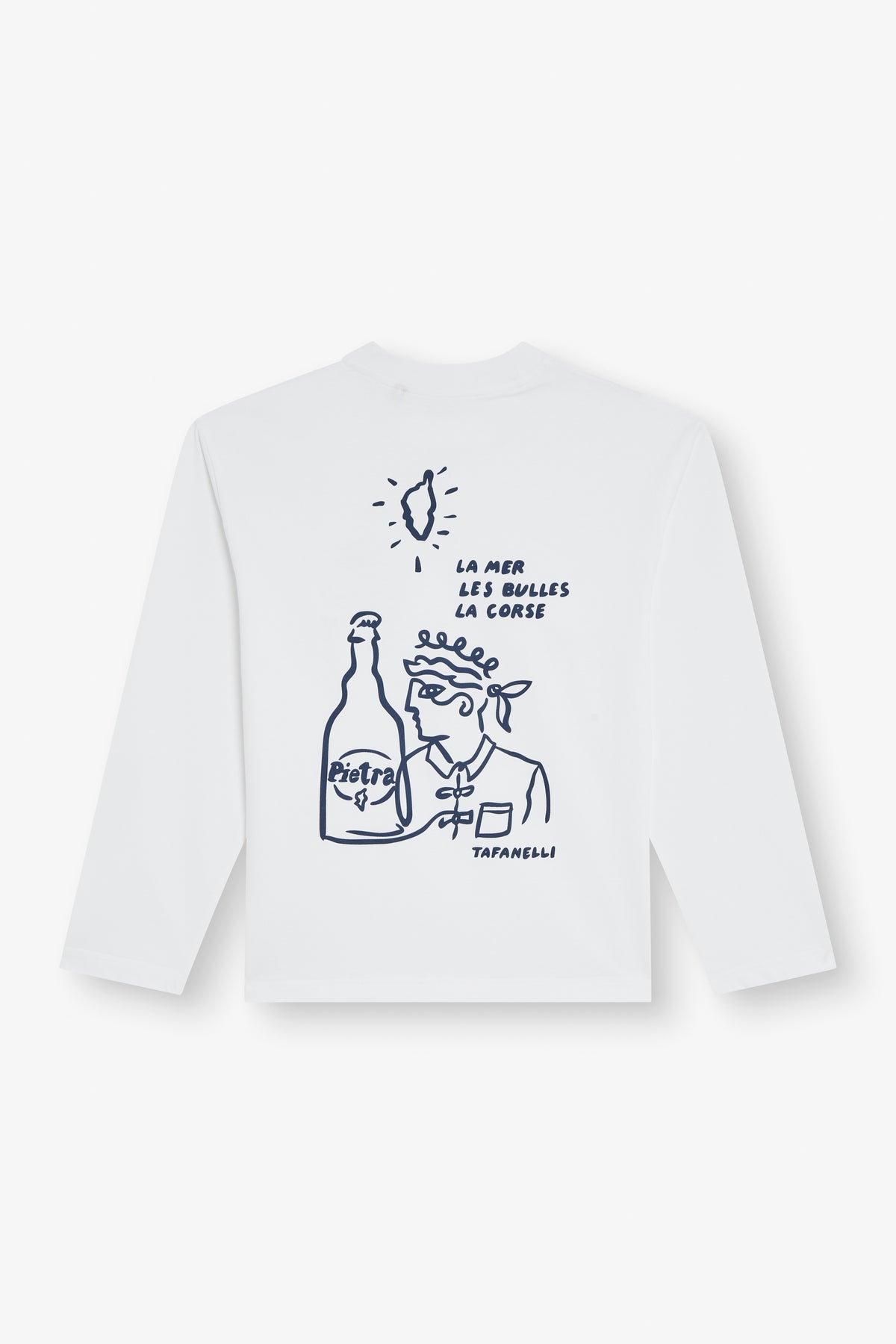
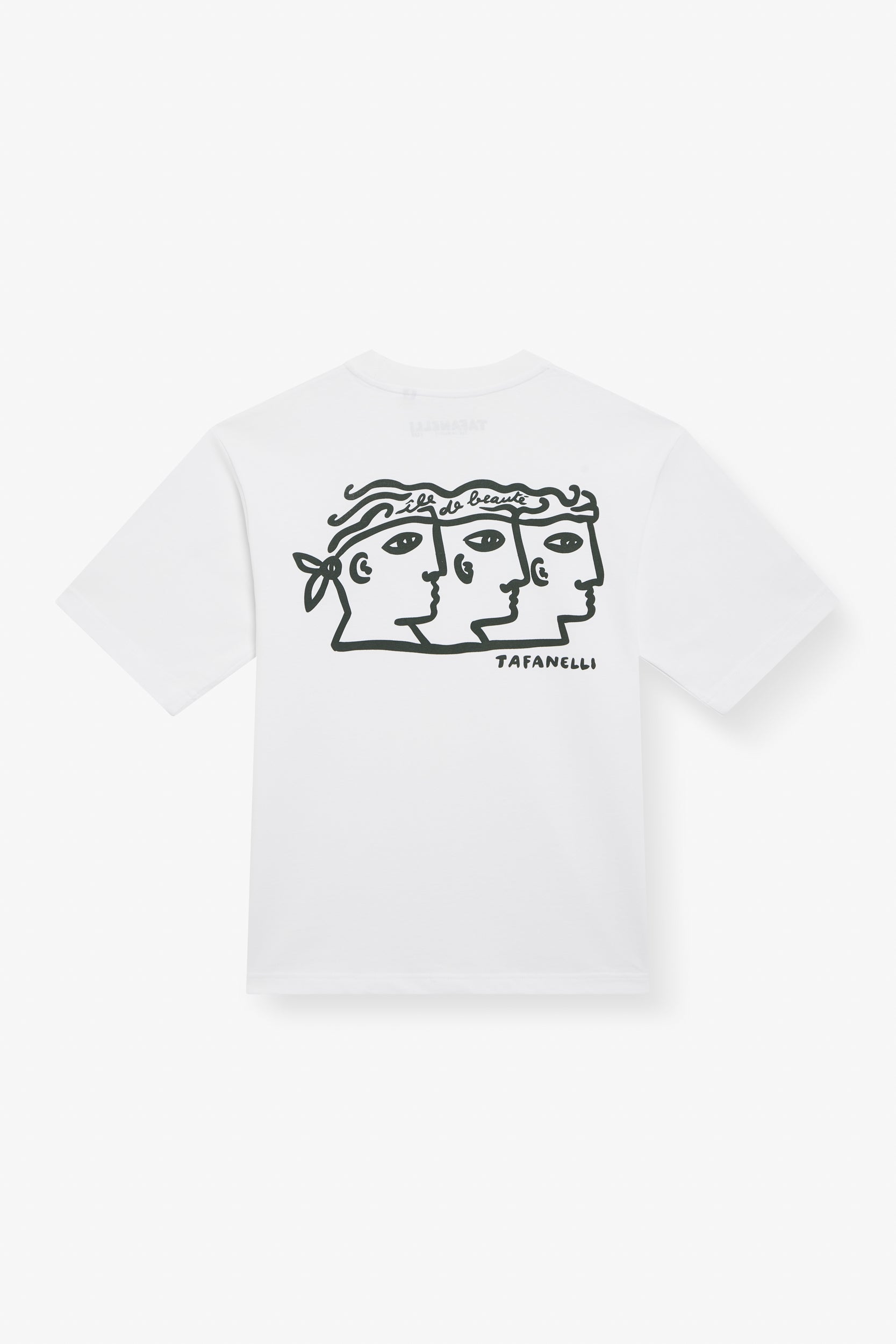
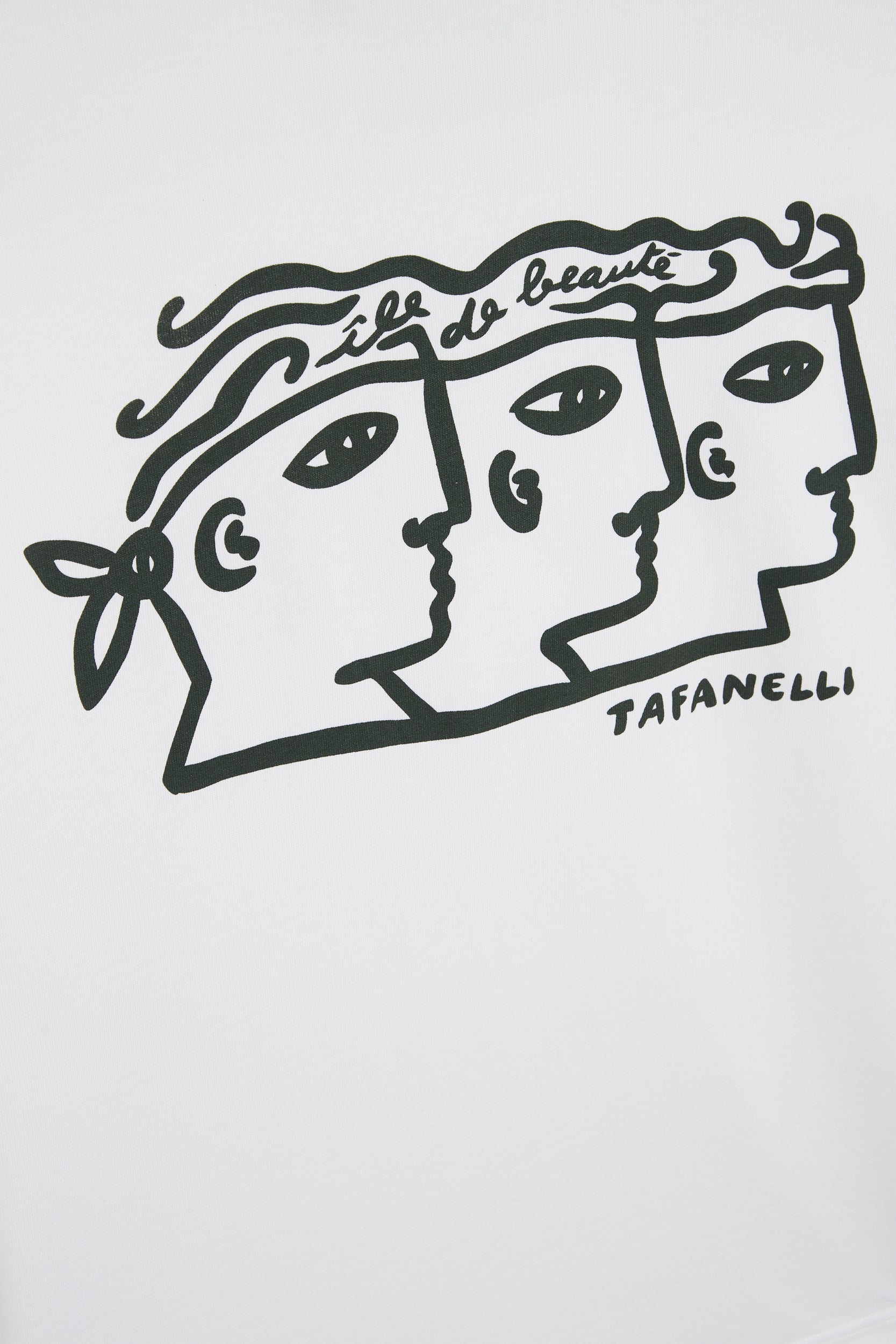
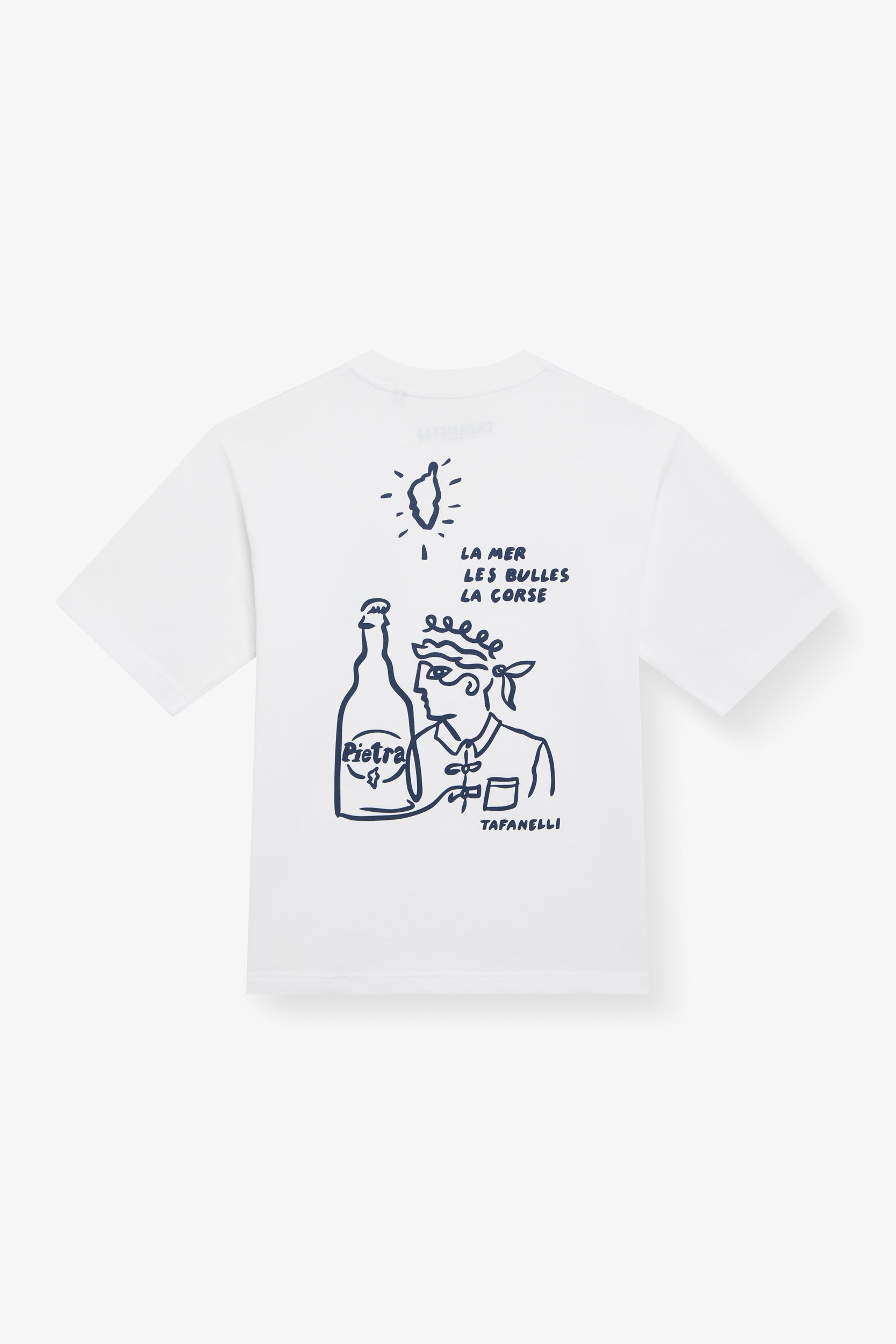
The sea is the first of the three elements that form our universe: mare, muntagna, machja. It is where most of our designs come from, from the Diver to the Sea Urchin Fishing.
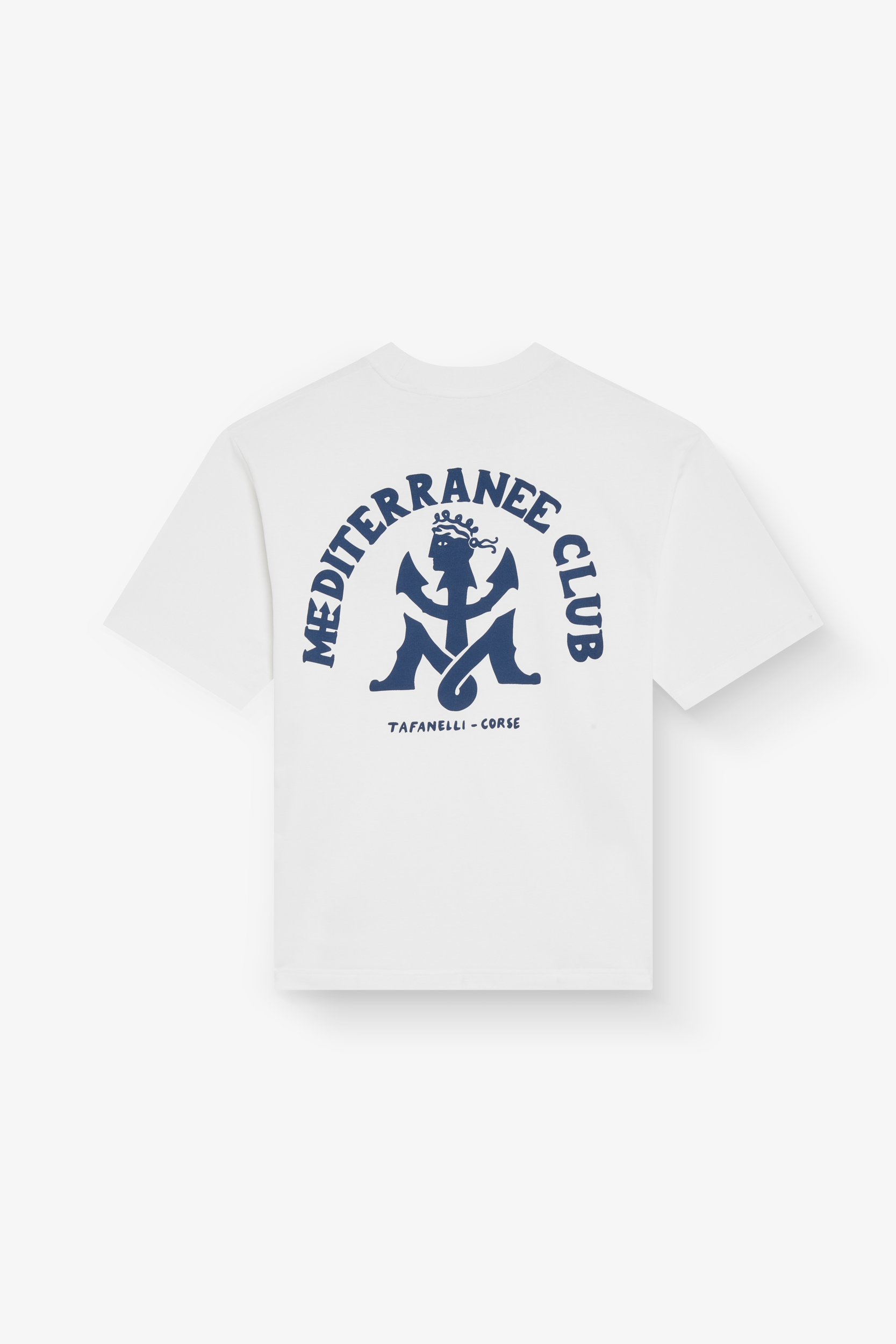
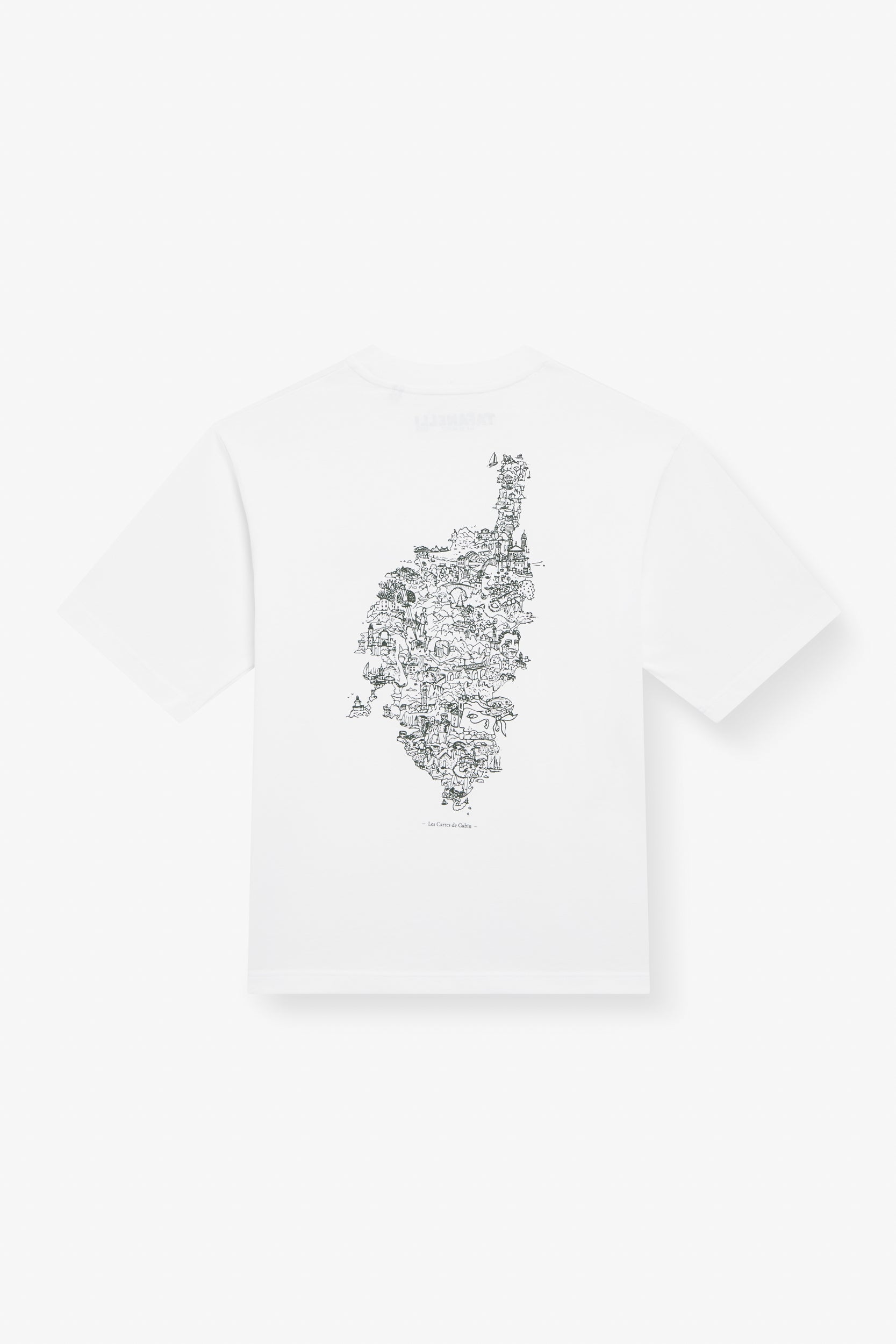
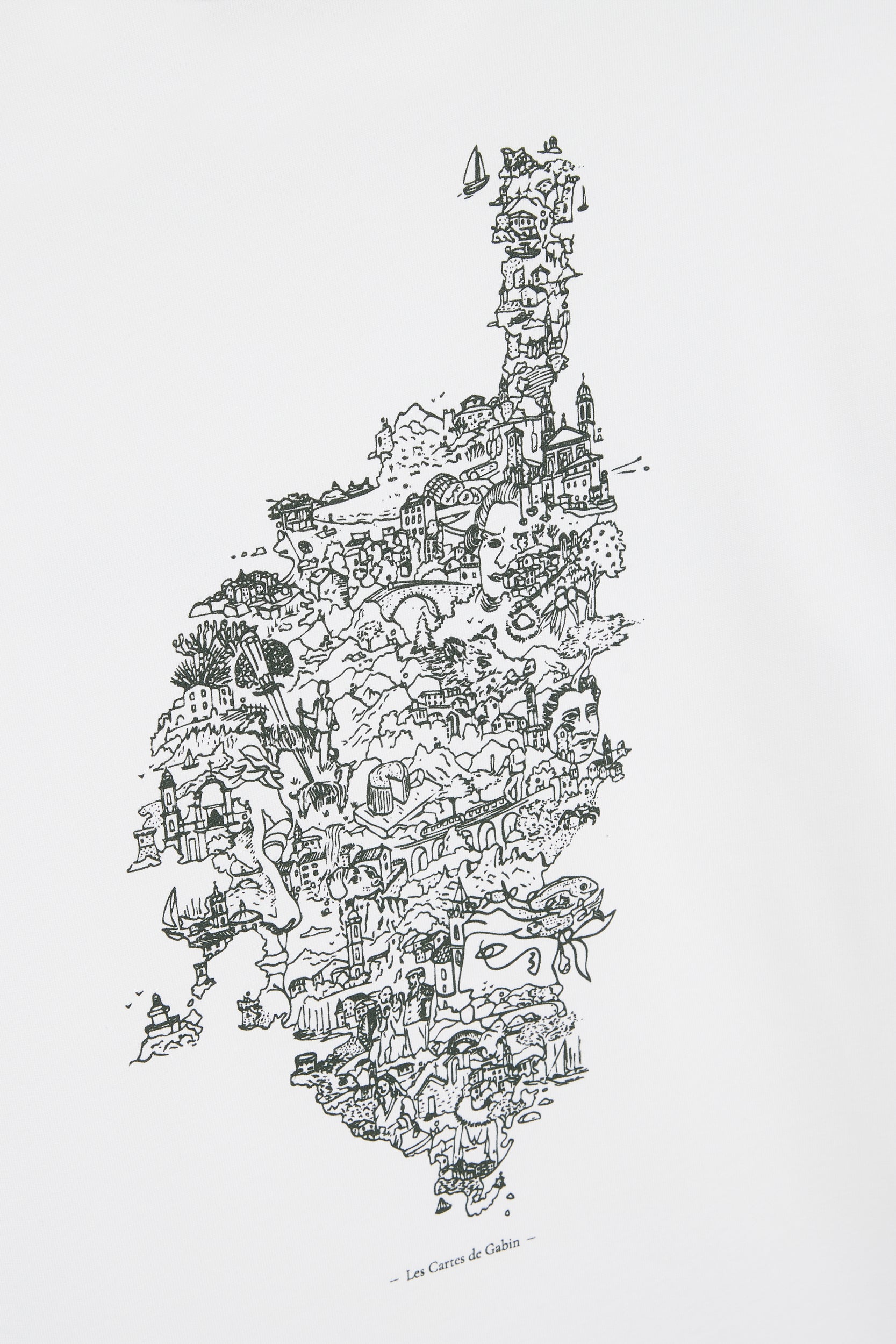
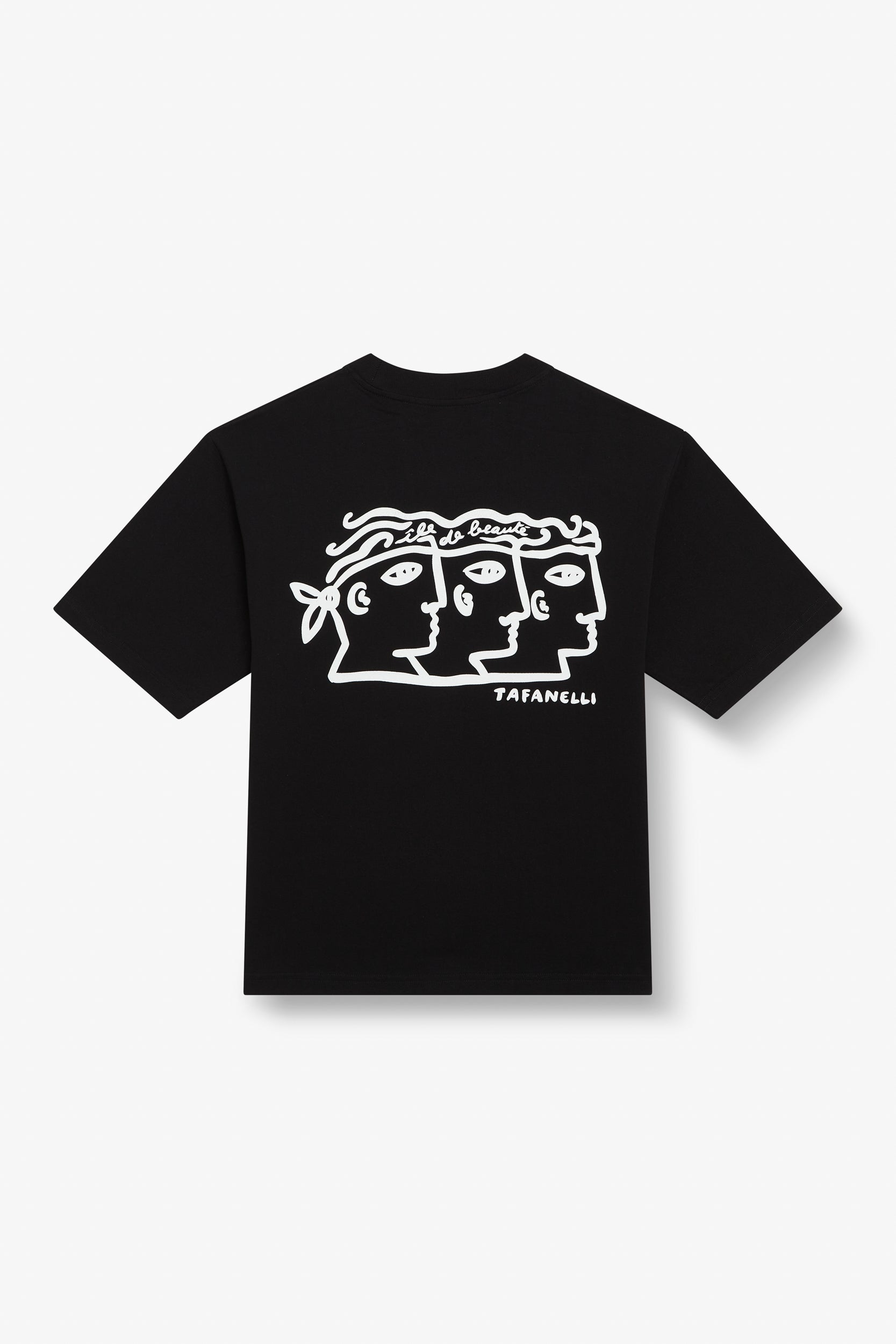
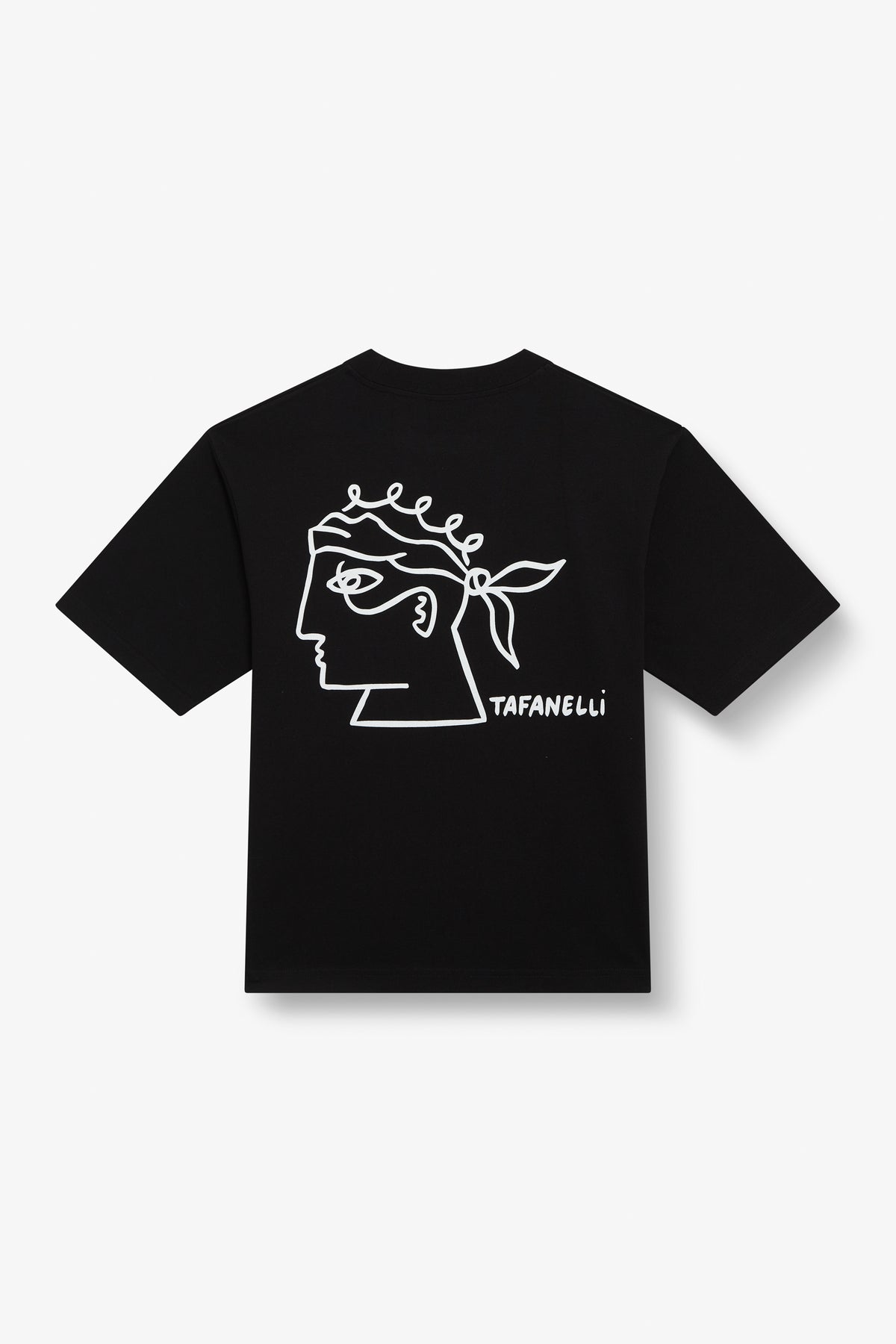
Our pieces are made for that lifestyle: premium 280g/sqm organic cotton, pre-washed, made in France, and screen-printed by hand. Salt, sun, and repeated washing don't scare them.
The onboard wardrobe:
- The Mediterranean Diver and the Calvi Diver.
- The La Trinità t-shirt: mare, muntagna, machja.
- The TAFANELLI cap: on the water, it is not an accessory.
And if you stop over, several of our addresses are just minutes from the ports: the complete list is on our retailers page.
To continue:
- Diving in Corsica
- The 10 most beautiful satellite islands of Corsica
- Corsica by van
- Corsica by bike, the GT20
- TAFANELLI, a Corsican brand and Mediterranean wardrobe
When passing through Corsica, the customer becomes a friend.
A DOPU,
TAFA