Jacquemus in Corsica: why the island is becoming the new fashion frontier
On June 29, 2026, Jacquemus will present its Spring 2027 collection at the Phare de la Pietra in Île-Rousse. For the first time, one of the most closely followed fashion houses in the world is hosting its runway show in Corsica, on a rocky islet facing the sea. This choice is no coincidence. It signals that the island, long absent from the maps of contemporary fashion, has just entered through the front door.
The event: Jacquemus in Île-Rousse, June 29, 2026
Simon Porte Jacquemus has confirmed his next runway show for June 29, 2026, in Île-Rousse, on the west coast of Corsica. The Spring 2027 collection will be presented at the Phare de la Pietra, the rocky islet that encloses the bay. The format will remain intimate, as is the trademark of Jacquemus shows: fashion press, friends of the house, a few buyers, and international and local celebrities.
A particularly remarkable detail: a casting of local Corsican models is being organized specifically for this show. Beyond the choice of location, it is therefore an entire human connection that is built into the event. The house is not just using Corsica as a backdrop; it is mobilizing its faces.
To put the stakes in perspective: Jacquemus has accustomed the fashion world to iconic runway shows chosen for their symbolic weight. The lavender fields of Valensole, the salt marshes of the Camargue, the gardens of Versailles, the Orangerie. Each time, the location becomes a character in the show. For the first time, Corsica joins this gallery.
The Phare de la Pietra: a monument already etched in fashion memory
The Phare de la Pietra is more than just a point on the map of the Balagne region. Built in 1857 on the rocky islet that extends from Île-Rousse, it has been marking the port entrance for Mediterranean sailors for over 150 years. Its silhouette of pink stone, perched on a spur plunging into the sea, makes it one of the most photographed lighthouses in Corsica.
Choosing it as a runway stage is an act of reinterpretation. Where lighthouses traditionally serve to guide, the Pietra lighthouse in turn becomes the landmark for another world—that of international fashion setting its gaze upon the island. For Corsicans, it is a turning point: heritage that was once familiar suddenly becomes globally celebrated.
This heritage elevation is also an opportunity to reinterpret the territory. Île-Rousse, Calvi, and the entire Balagne region will become, for a few weeks at least, a subject of rare fashion and lifestyle curiosity.
Why Corsica, and why now
Jacquemus's choice of Corsica did not come out of nowhere. It is part of several underlying movements that are worth noting.
The return of fashion to territories
After decades of runway shows centered on capitals (Paris, Milan, New York), contemporary fashion is seeking meaning in a return to specific locations. Runway shows no longer just present clothing; they tell the story of a geography. The Phare de la Pietra thus joins the lavender fields and royal gardens in the sentimental cartography of fashion.
The emergence of strong local identities
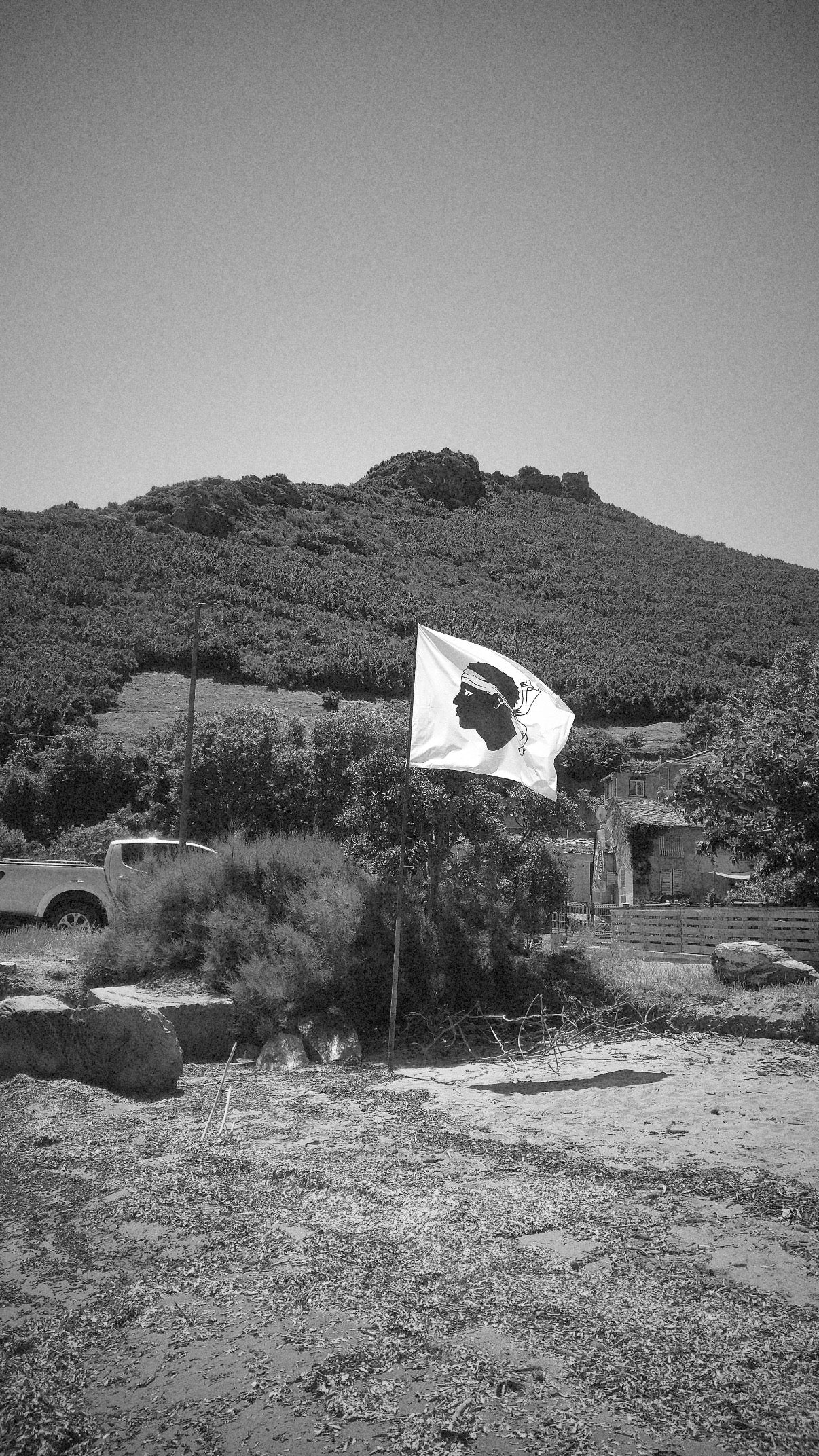
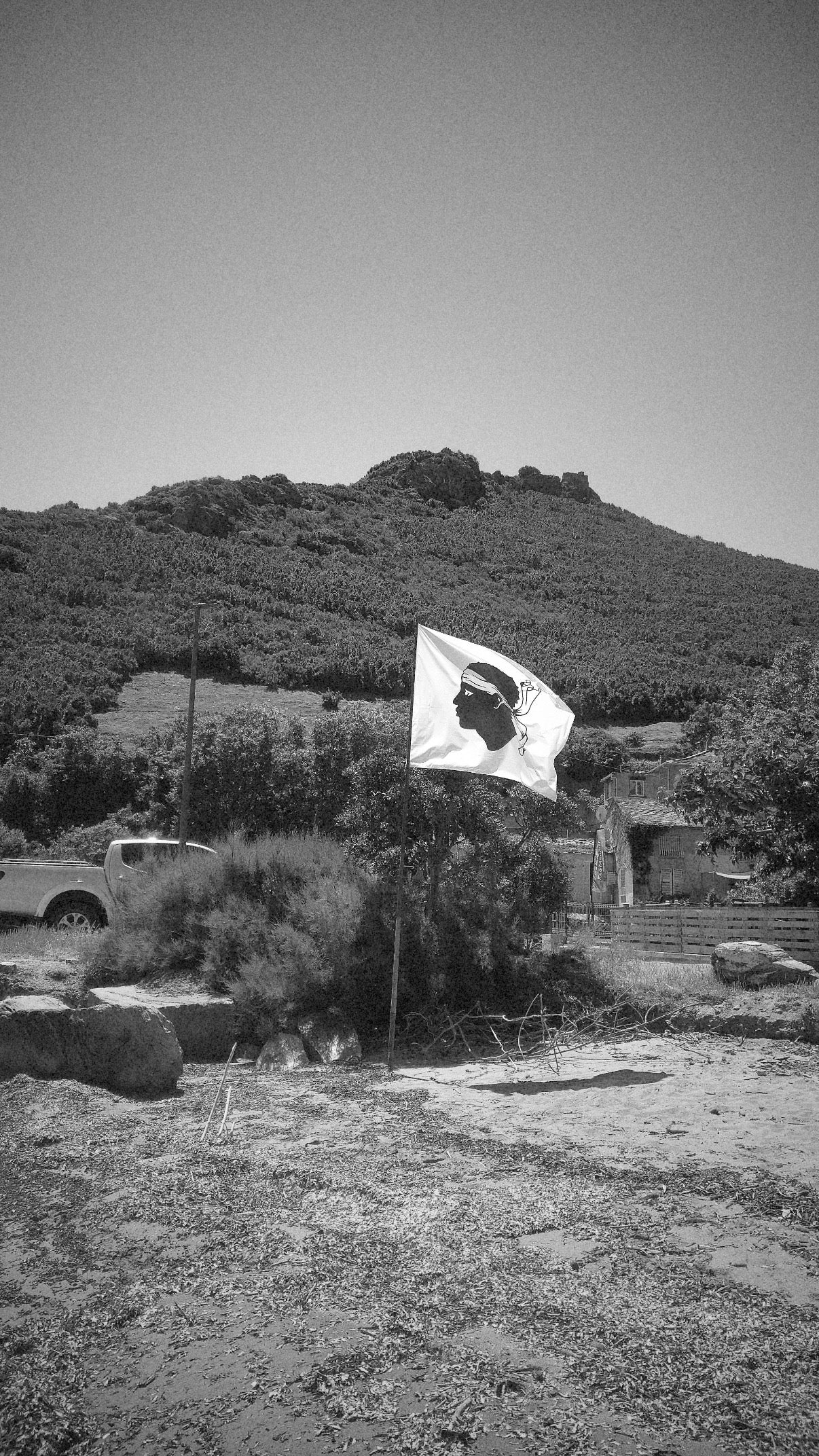
Fashion in the 2020s values rooted identities as a reaction to the homogenizing globalization of previous decades. Corsica, with its language, symbols, the Moor’s Head, its maquis, and its unique relationship with the sea, possesses intact and recognizable identity capital. This is exactly what contemporary fashion is seeking today.
The maturity of insular cultural tourism
Corsica is no longer just a beach destination. It now attracts an international clientele that comes for its heritage, cuisine, craftsmanship, and art of living. This move upmarket makes the island perfectly compatible with the Jacquemus universe, which caters to a global client sensitive to authenticity.
Corsican textile identity: a heritage that precedes the show
Before the Parisian fashion world turned its gaze toward Corsica, the island already carried its own textile identity, passed down from generation to generation. The "Bleu de Chine" worn by workers and sailors, the striped marinière, the ecru linen shirt, the scarf knotted around the necks of fishermen, the bandana tied over the heads of shepherds. All these pieces make up a vernacular wardrobe that tourism and mass commerce have never managed to erase.
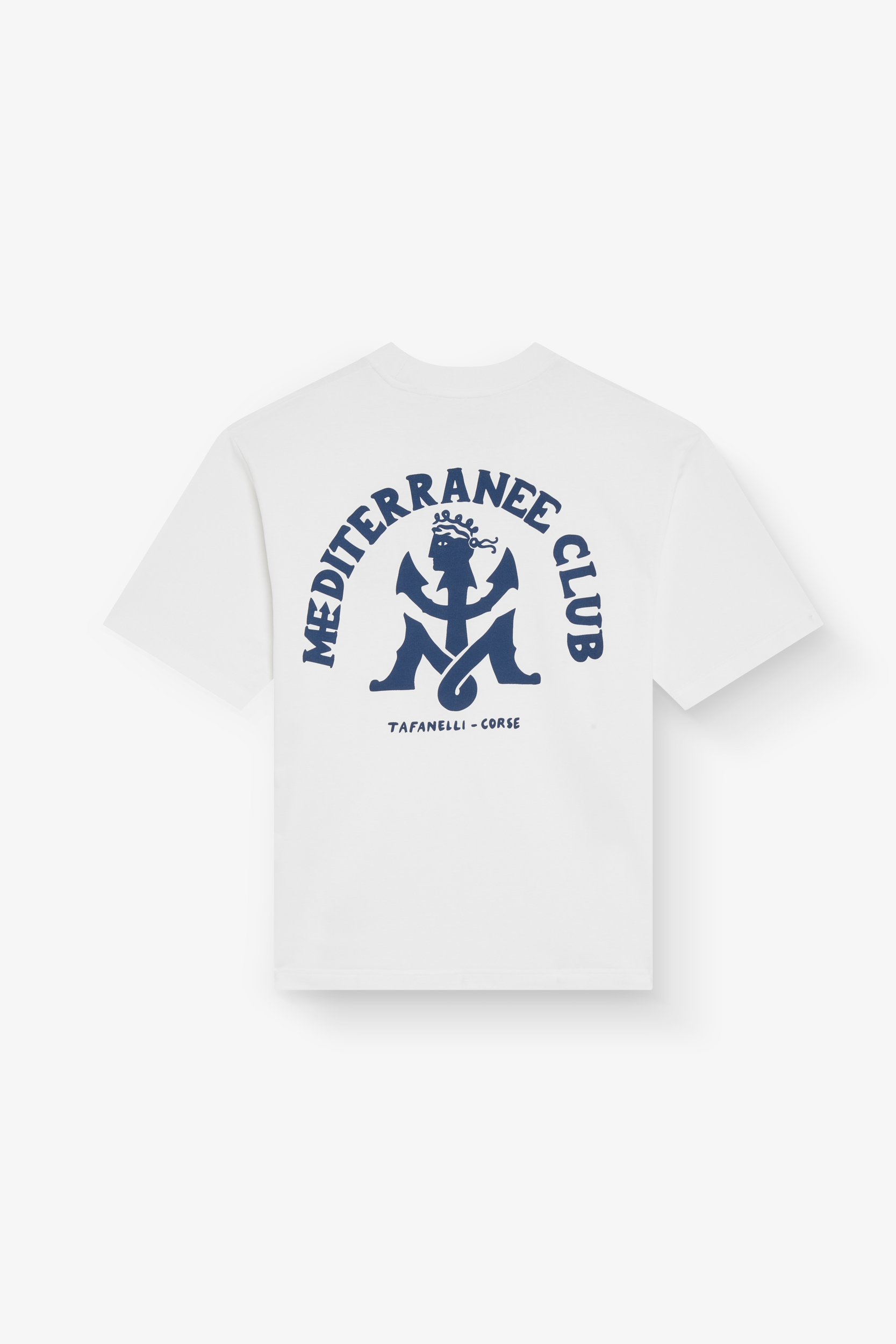
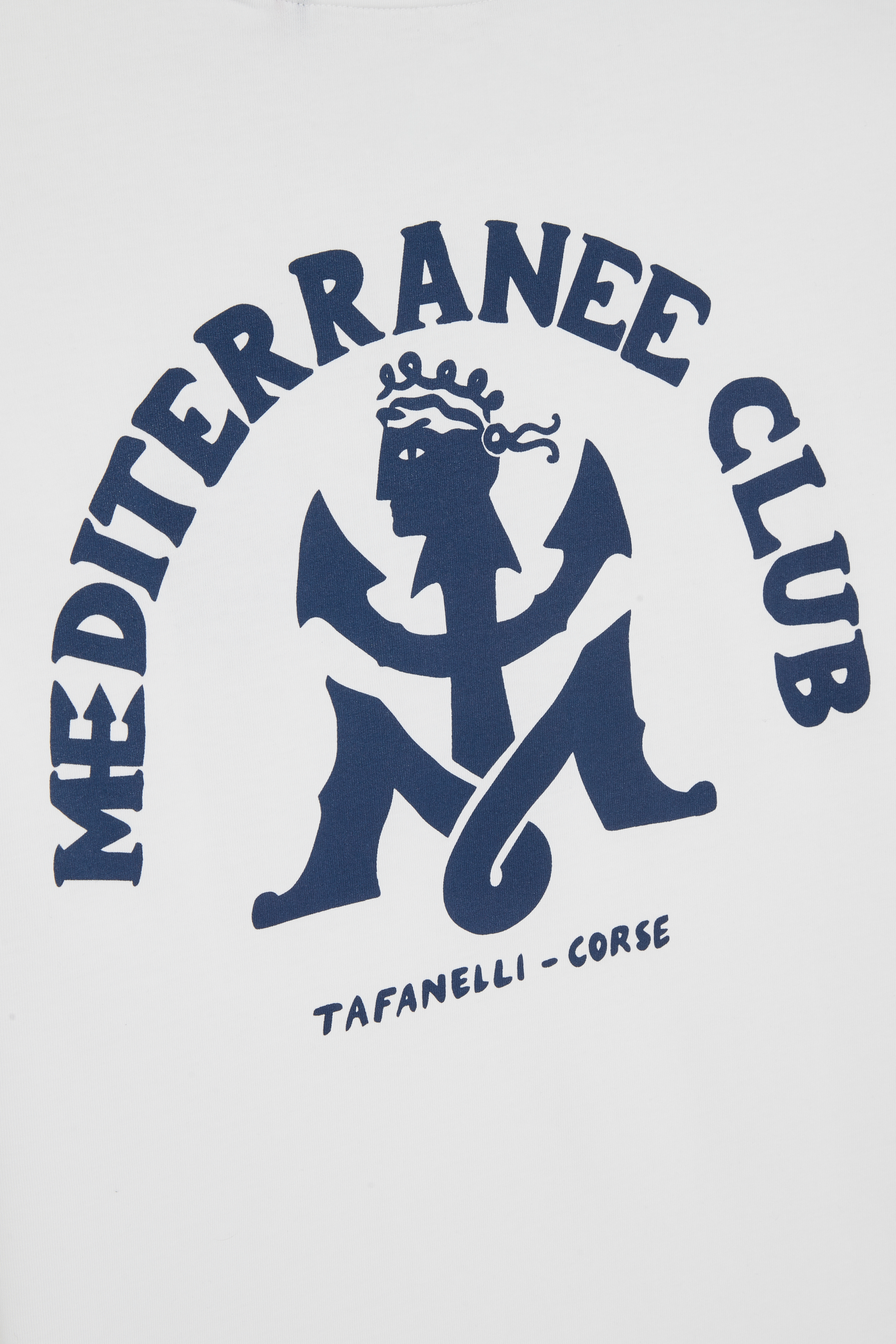
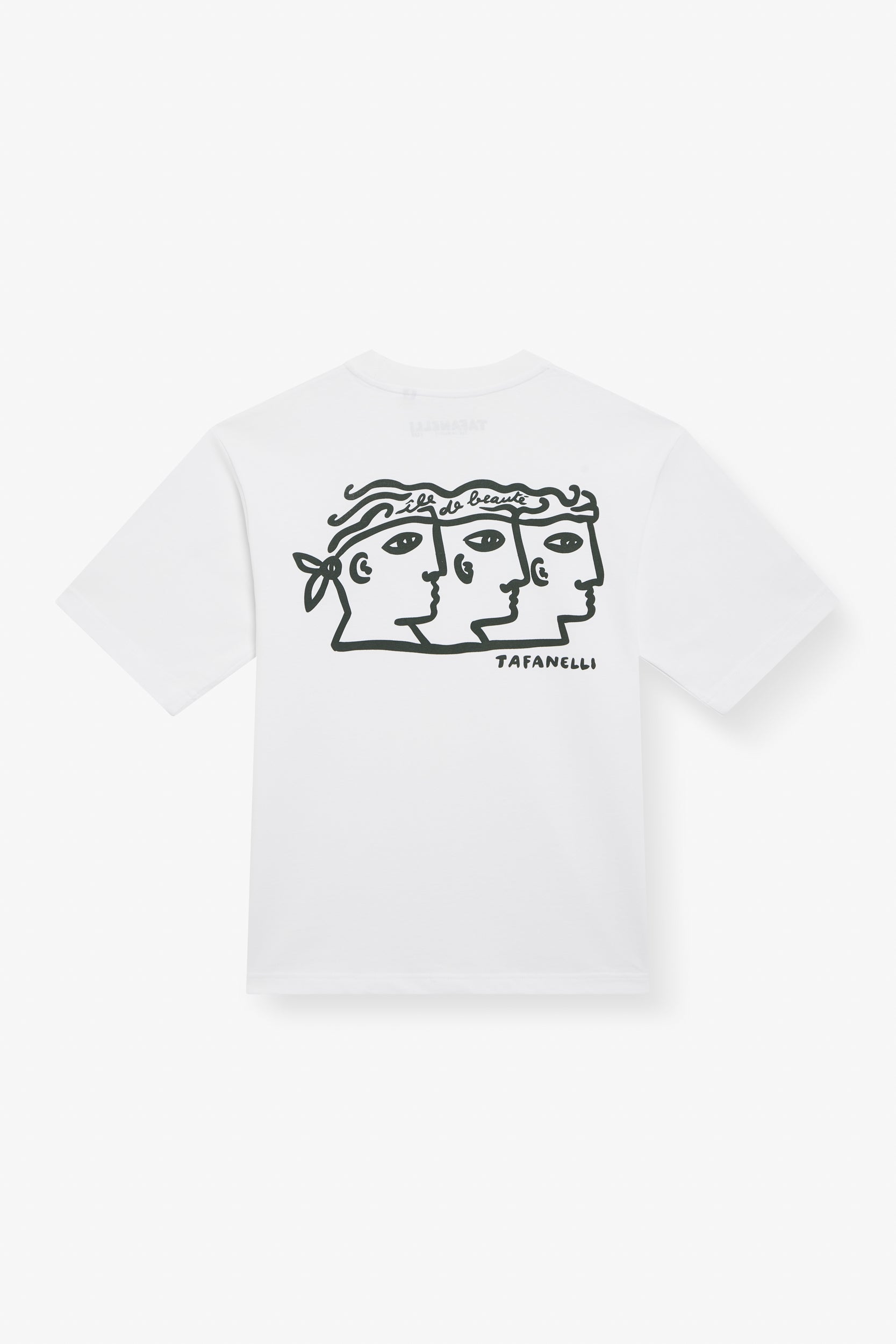
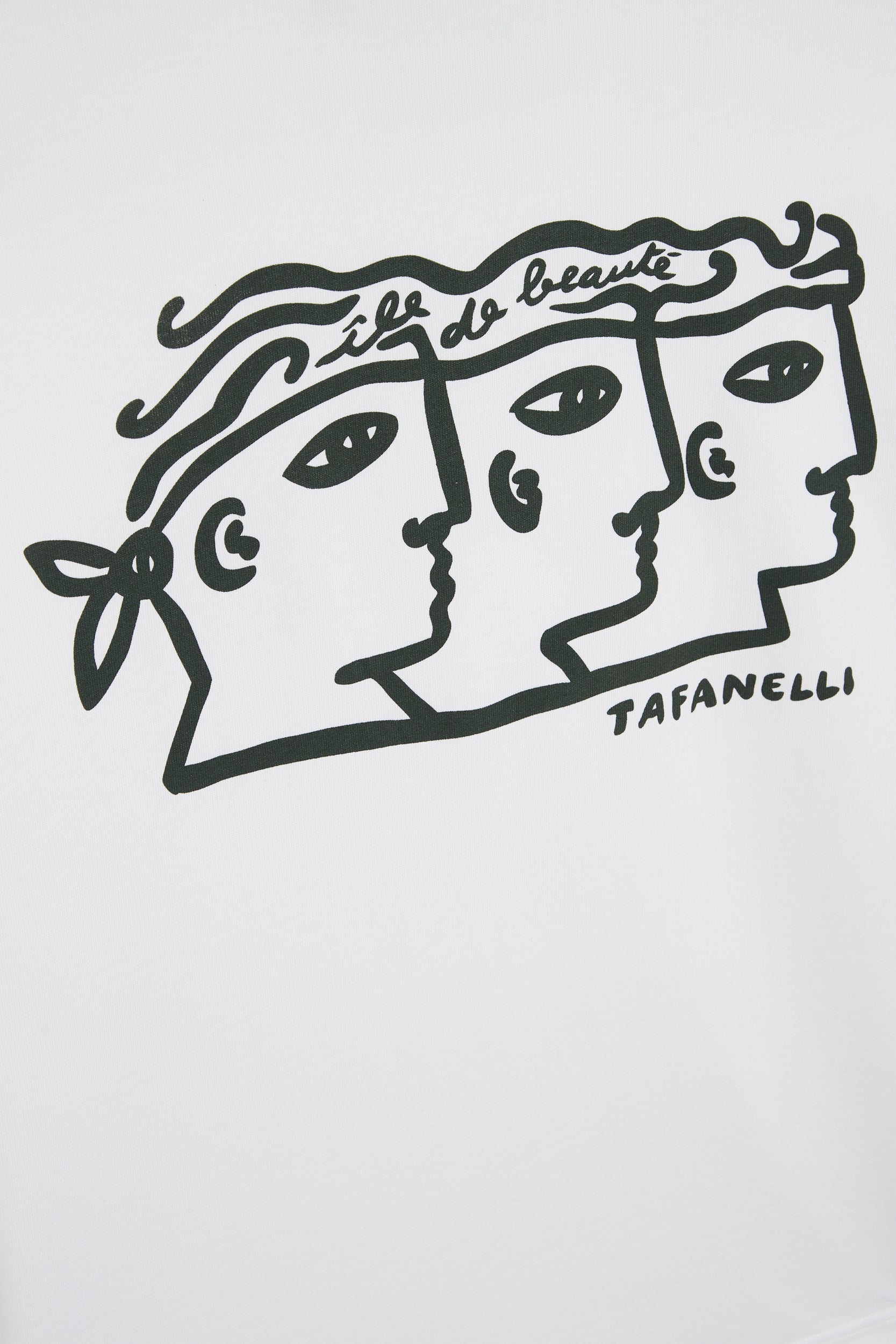
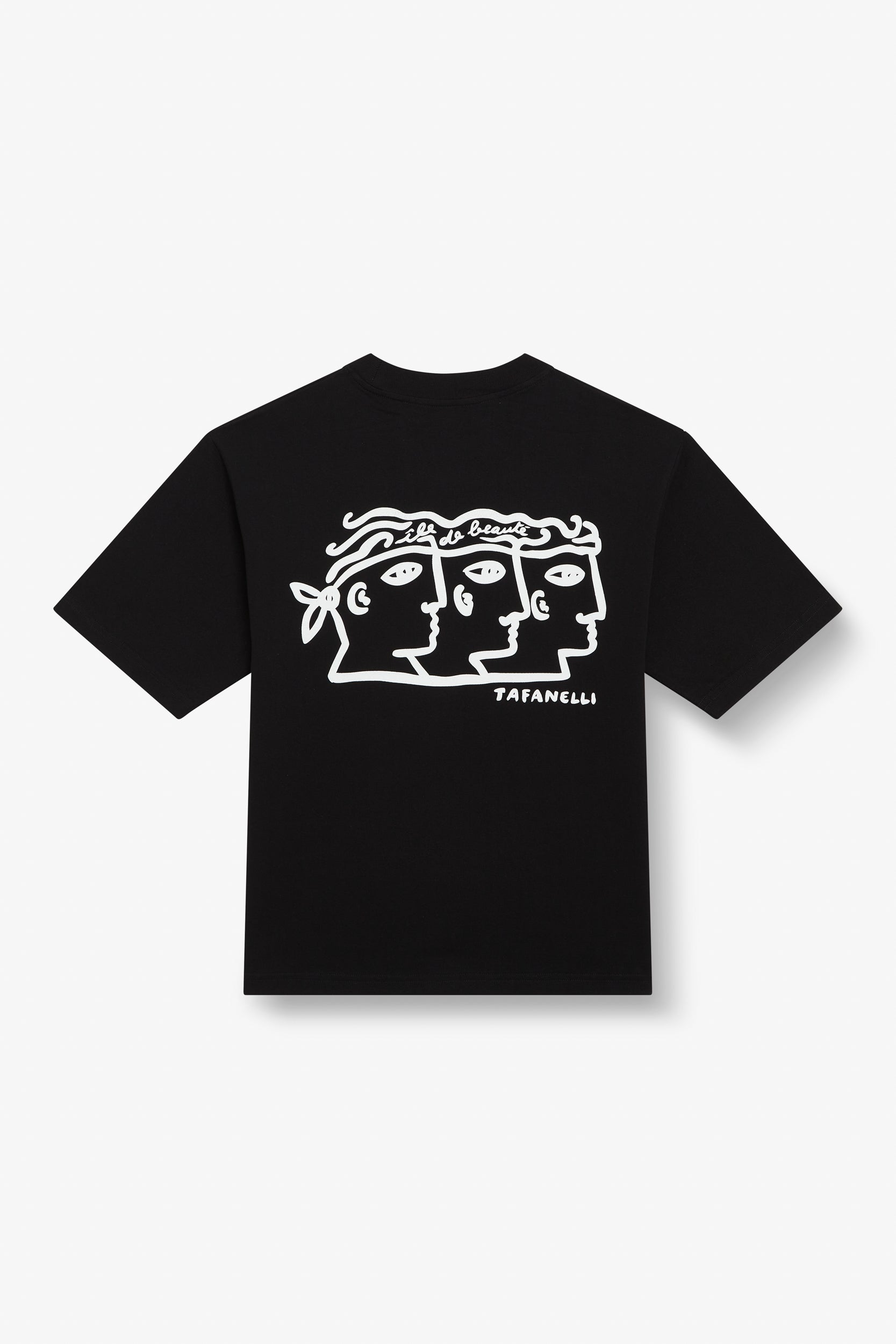
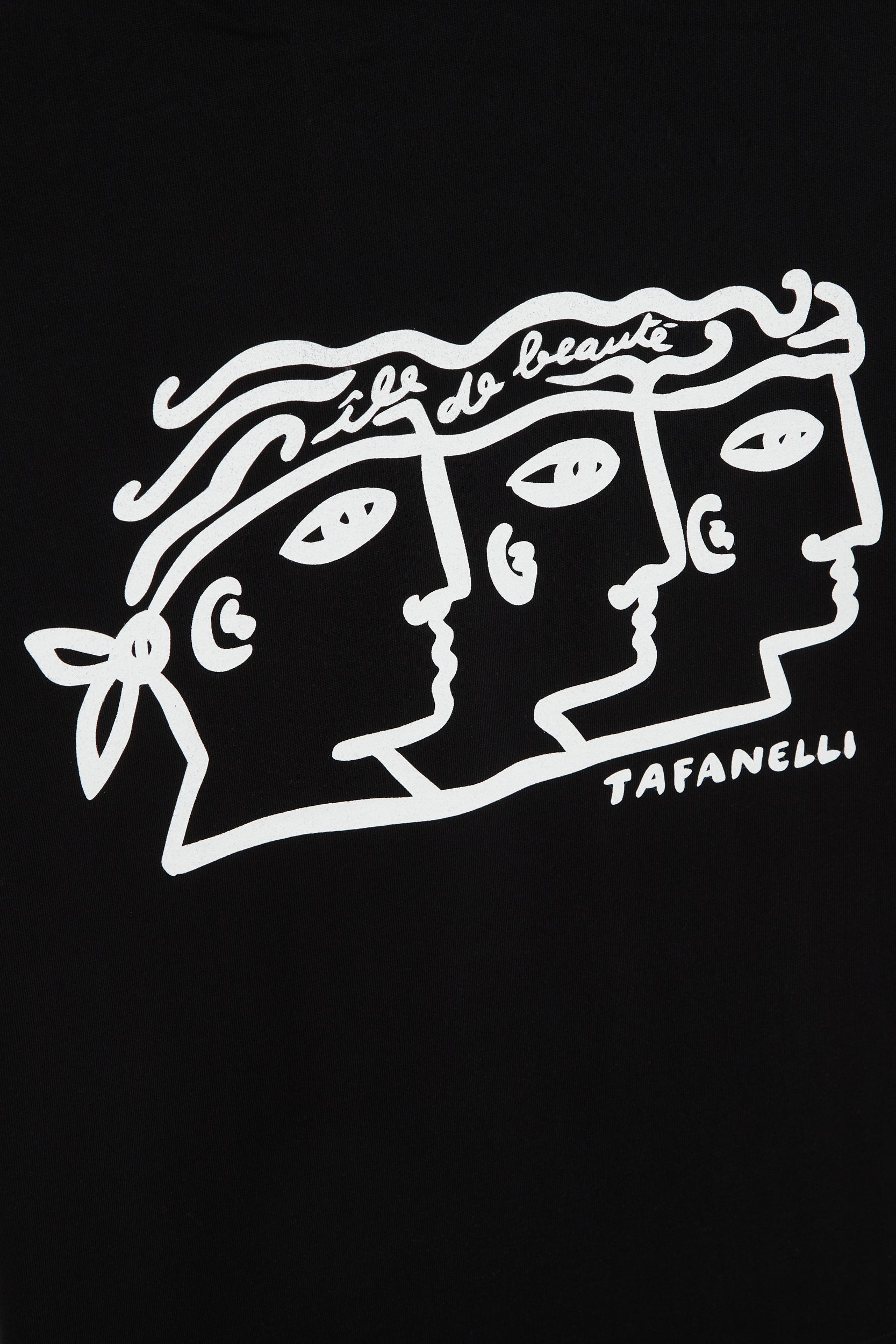
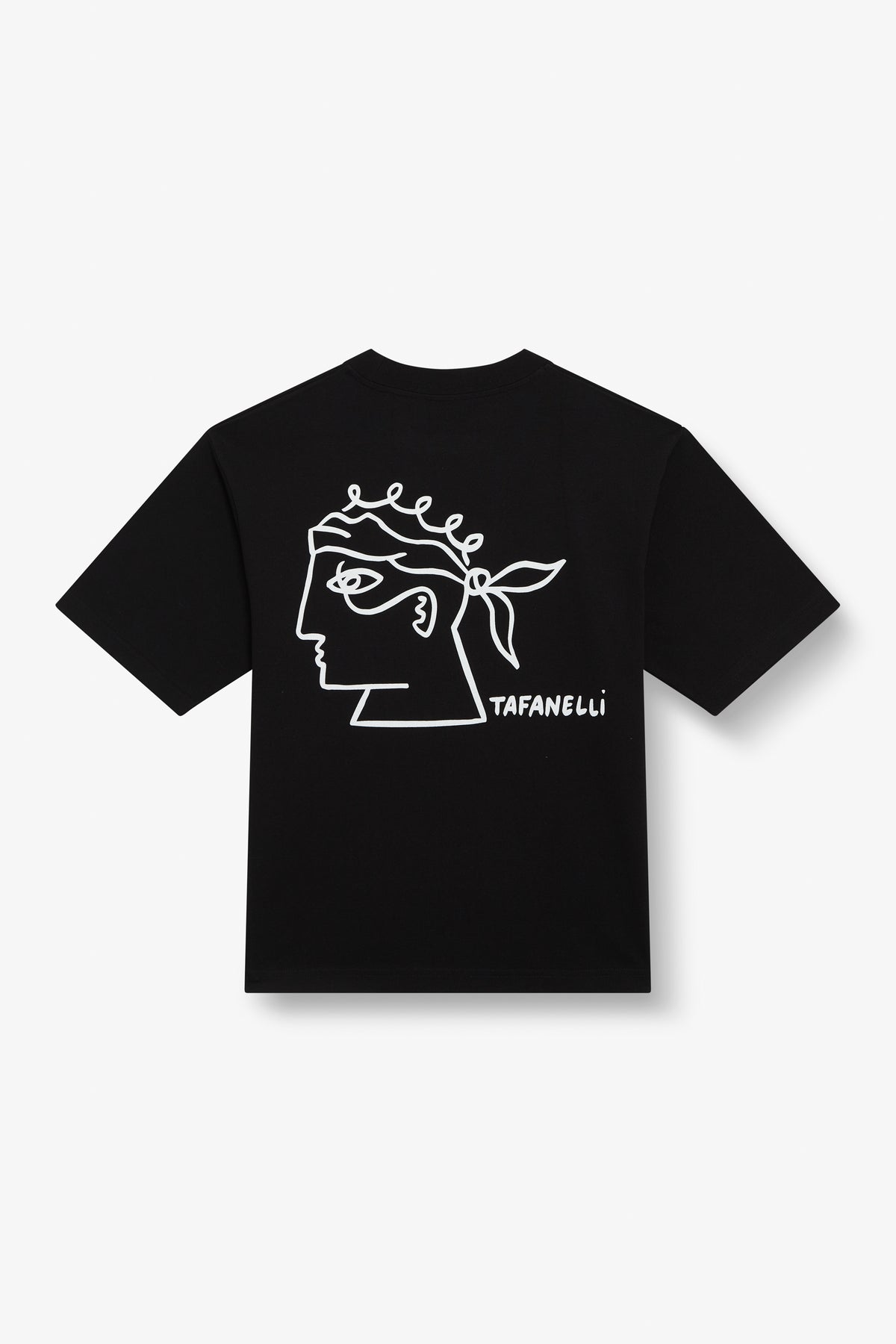
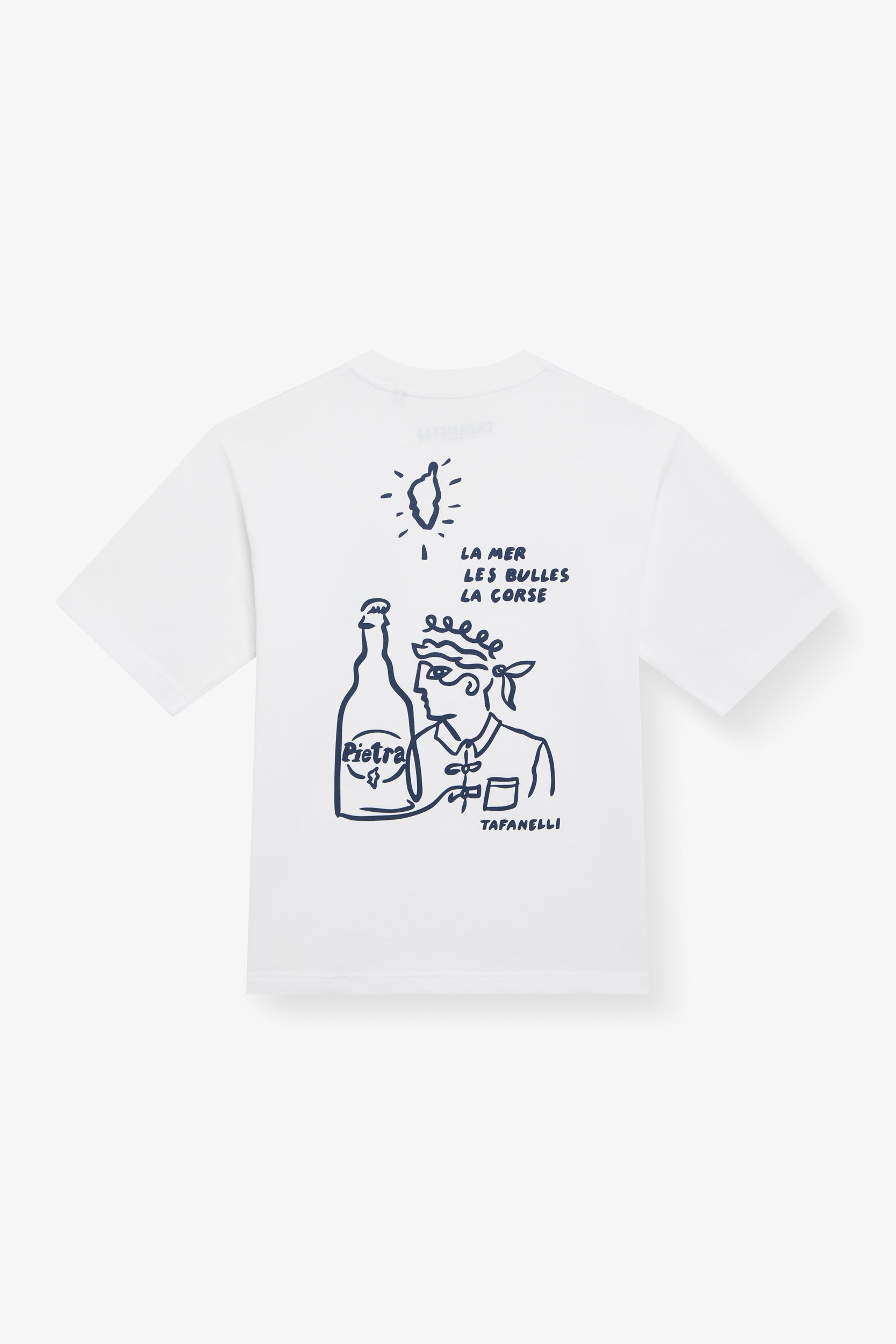
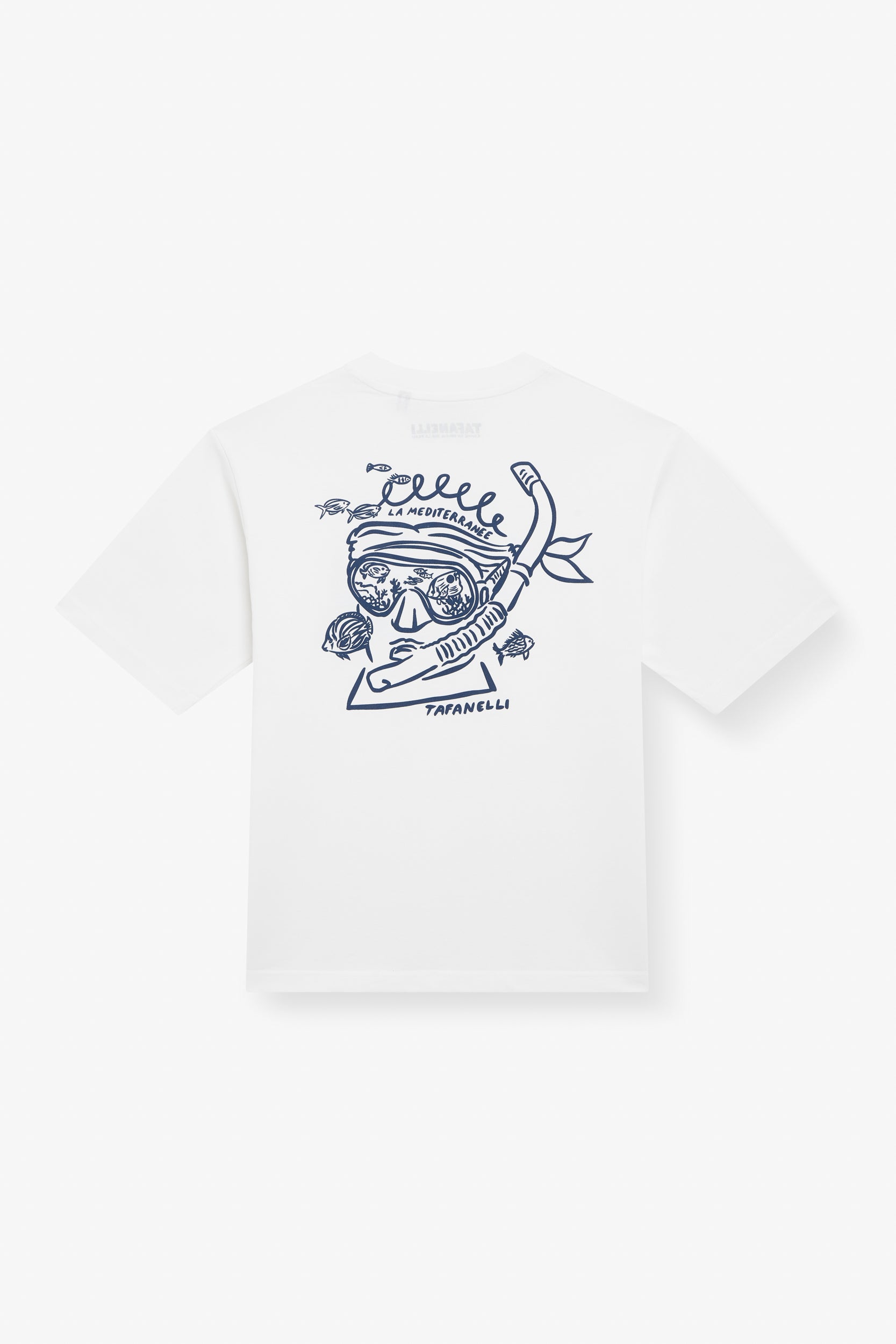
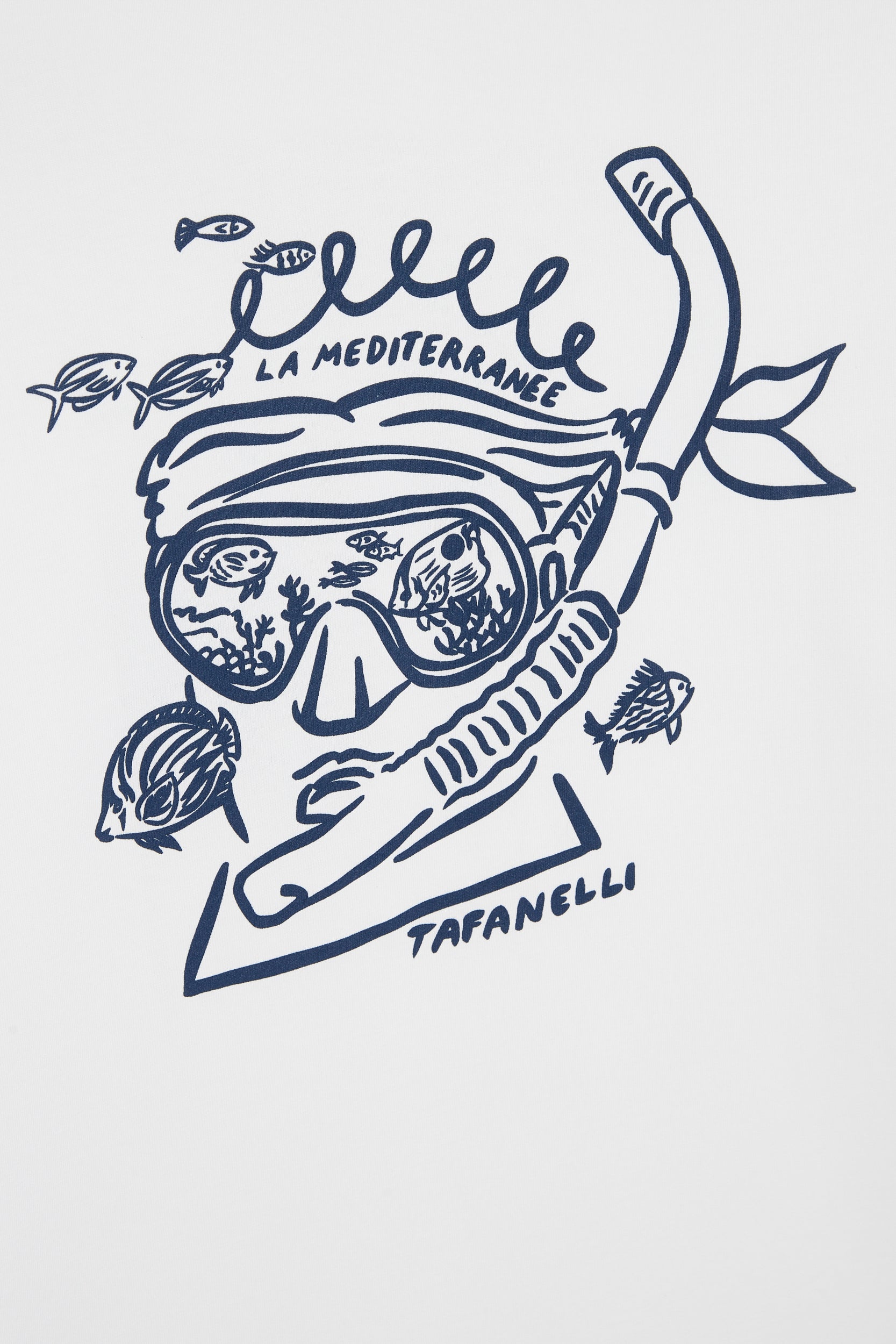
At TAFANELLI, we have been working for several years to honor this heritage and engage it in a dialogue with the codes of the contemporary Mediterranean wardrobe. Our signature pieces—the Calvi Diver, the Sea Urchin Hunt, the Roccapina, the Mermaid Club—were born from this desire to continue the insular textile tradition without freezing it in folkloric nostalgia.
To understand the roots of this wardrobe, read our articles TAFANELLI, a contemporary Corsican brand and The Bleu de Chine, Corsican textile heritage.
The contemporary Corsican wardrobe: what defines an insular piece
If international fashion is preparing to discover Corsica through Jacquemus, those who follow should know how to recognize what defines the identity of a truly insular piece. Here are the four essential markers.
Iconography
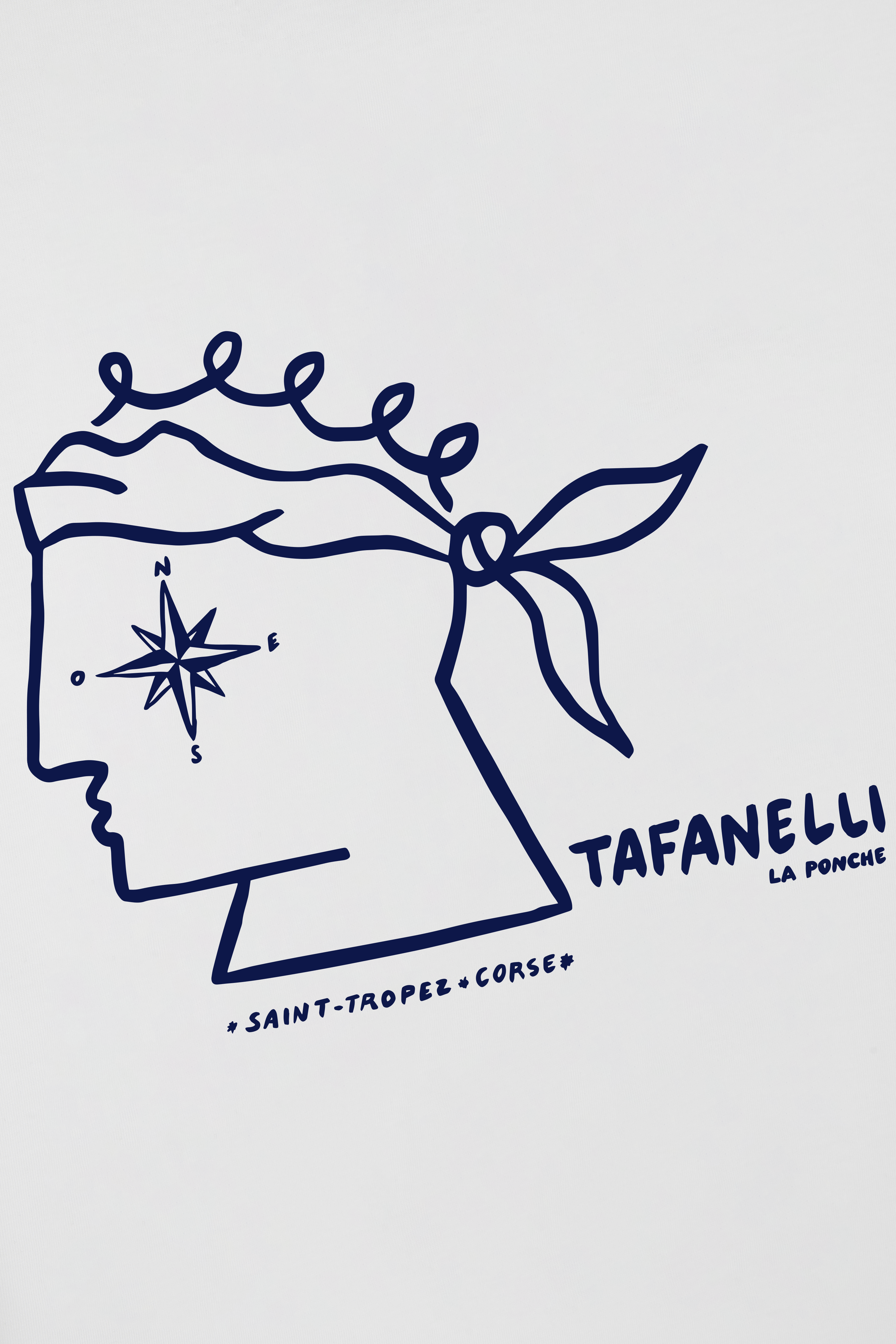
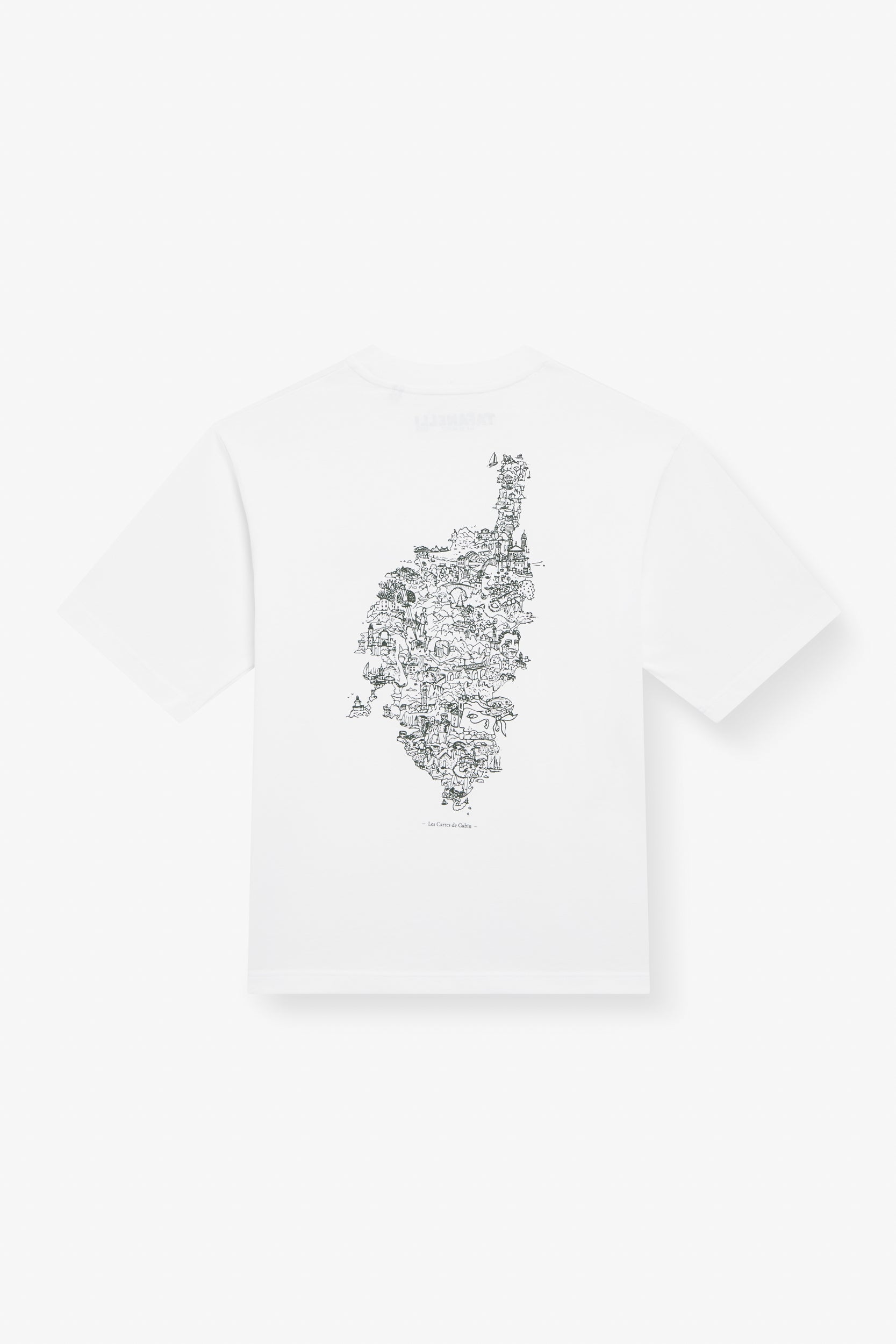
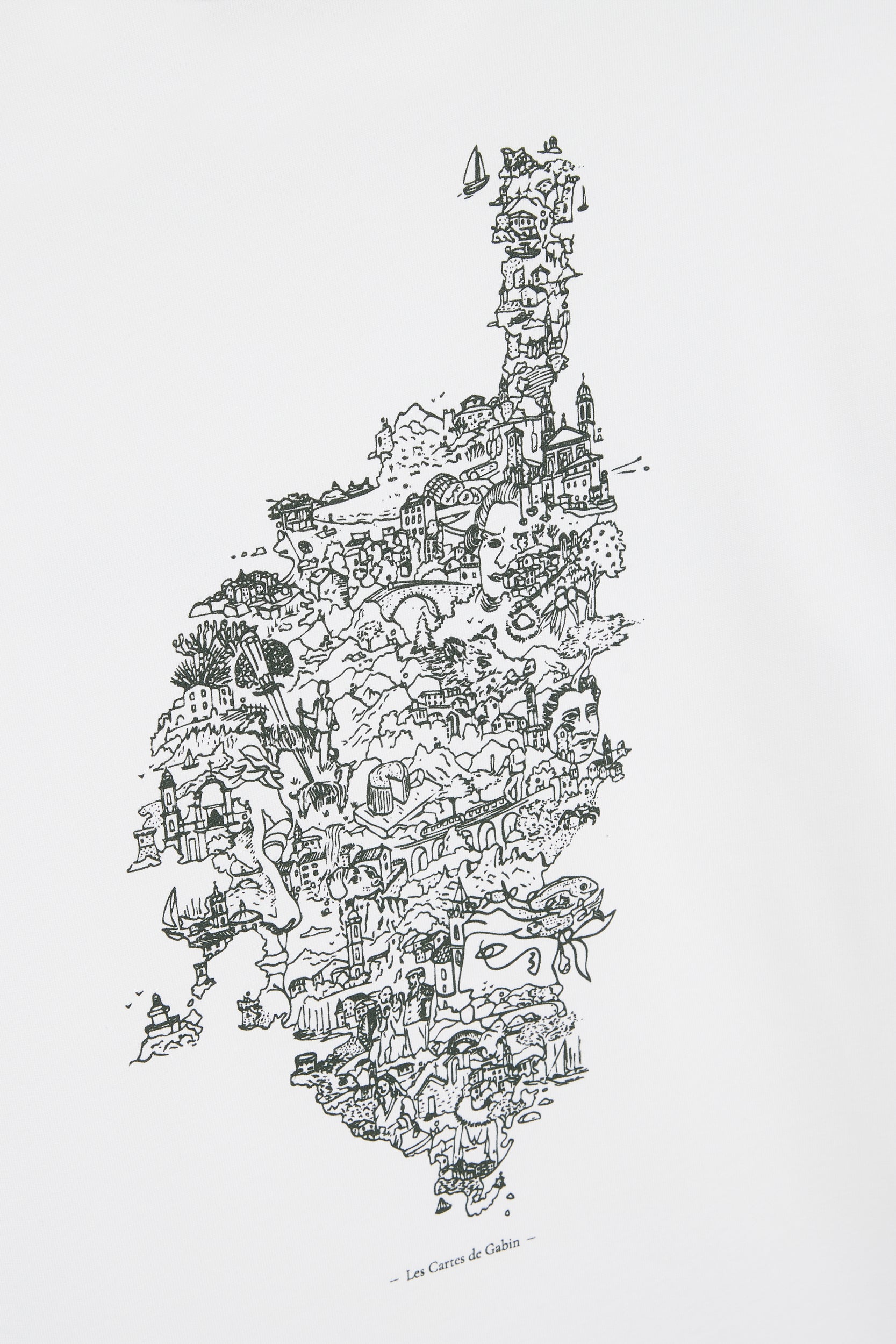
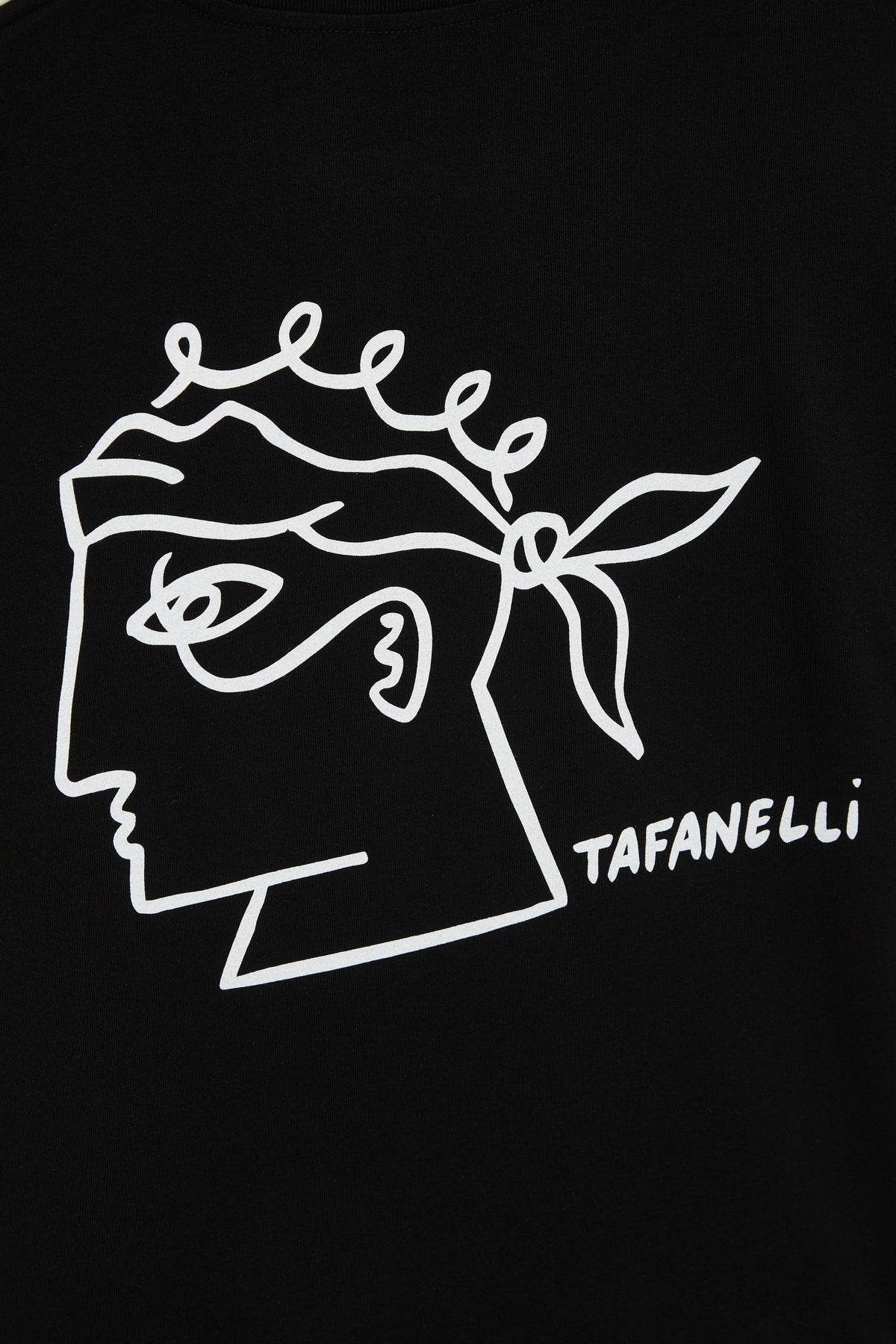
The Moor’s Head, the maquis, the Tyrrhenian Sea, the shepherd, the sailor, the diver. Figures that belong to the Corsican collective memory and are translated into graphic signatures unique to each house.
Color palette
Deep navy blue, natural ecru, off-white, maquis khaki, tile terracotta, cinnabar red from the flag. Colors that blend like a Corsican landscape—sober and identifiable.
Noble materials
Dense cotton made in France, Mediterranean linen, recycled boat sails, oilcloth. Materials that withstand harsh light and salt without fading.
Subtle branding
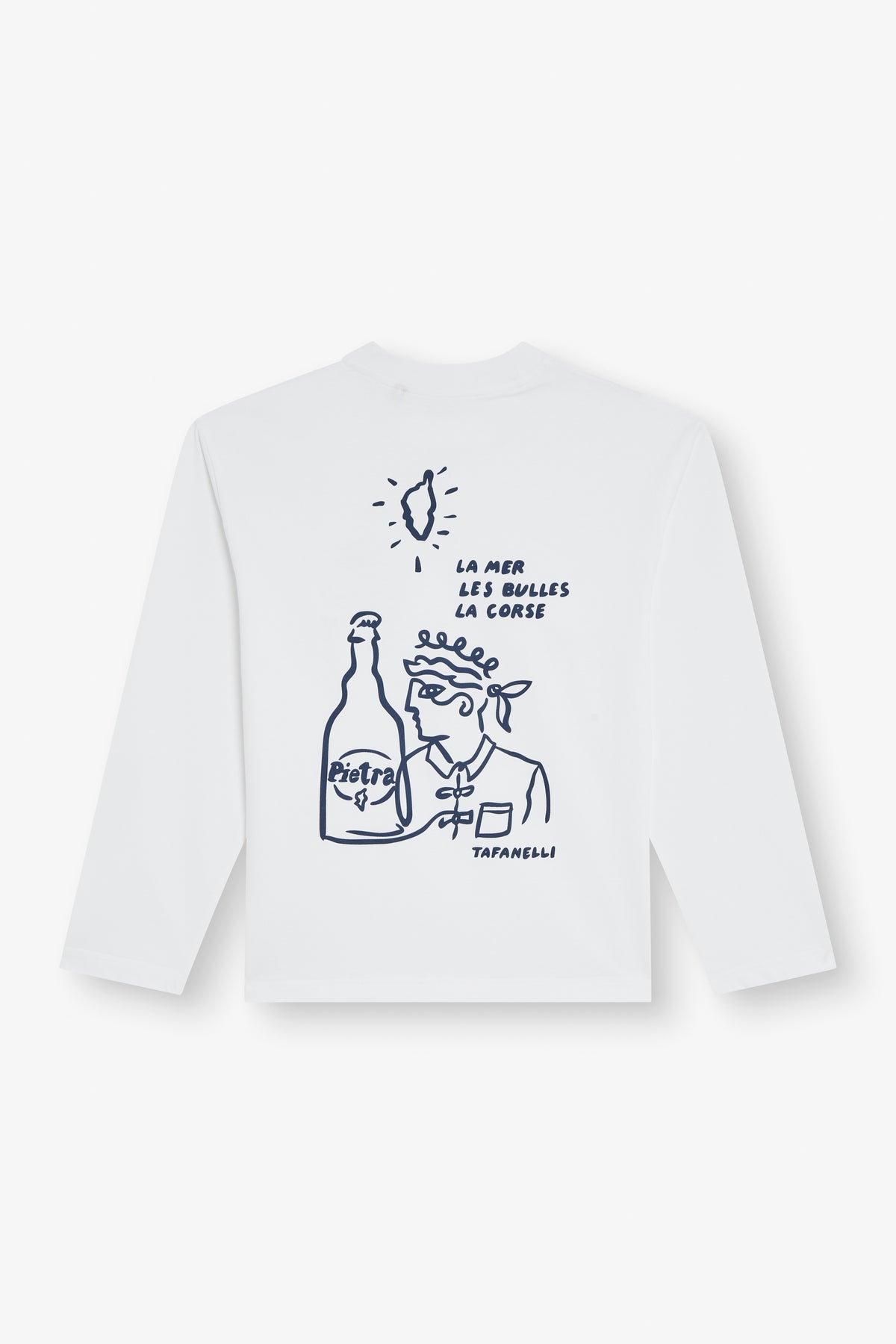
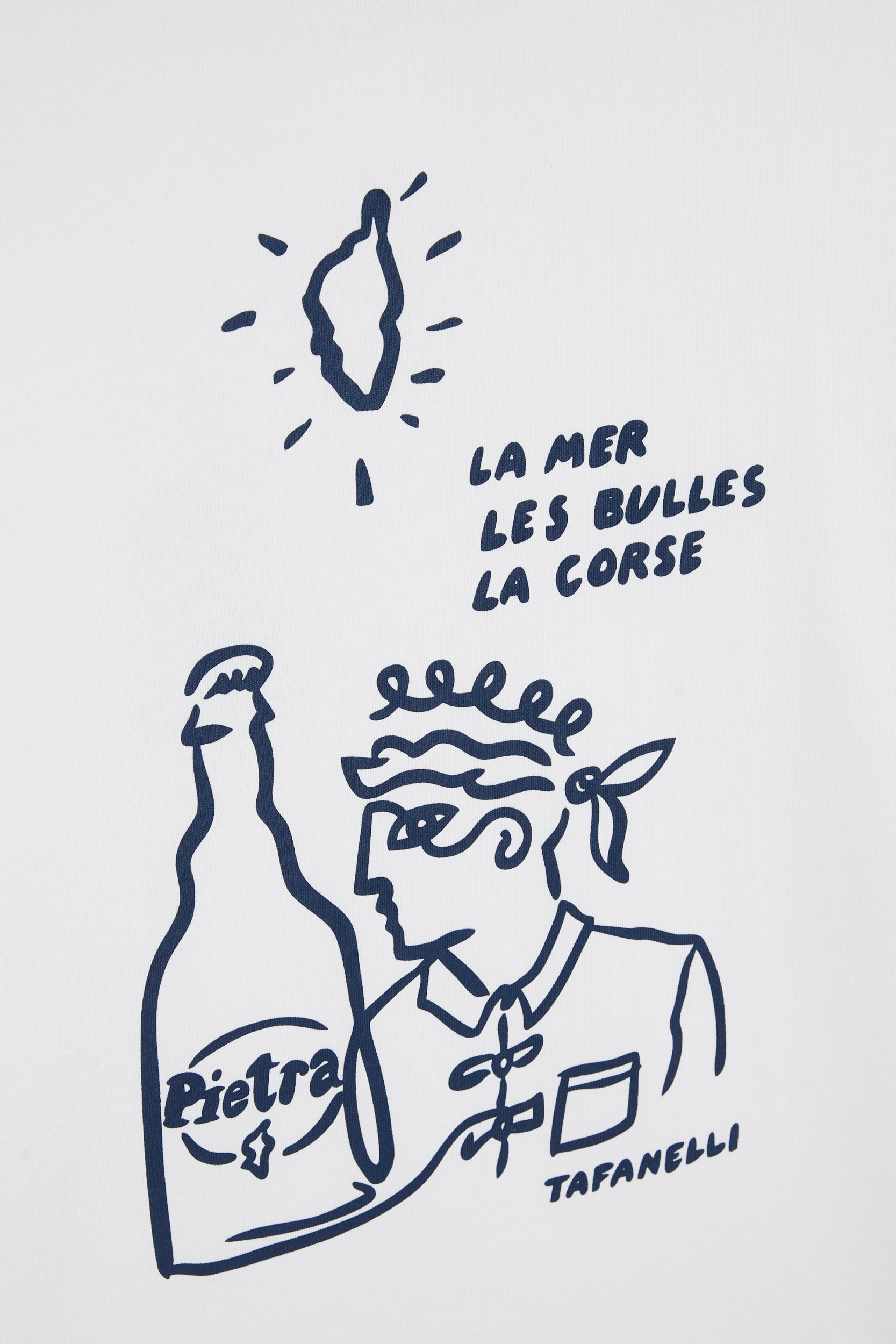
The signature piece is worn on the back, like a coat of arms. On the front, the branding remains minimal. It is the opposite of ostentation. Corsican fashion speaks softly but clearly.
These four criteria outline a family of recognizable objects, heir to a long vernacular tradition and adapted for contemporary use. This is precisely what TAFANELLI has championed since its inception.
And after the show: what remains for Corsican fashion
The Jacquemus show on June 29 will be a moment in time. A strong media snapshot that will be commented on, photographed, and repeated on loop for a few weeks, perhaps a few months. Then the fashion caravan will move on.
But the underlying movement that leads a house like Jacquemus to choose Corsica will not stop. Contemporary fashion will continue to look for territories to tell stories about, and Corsica will continue to be an object of global desire. The question for Corsican brands like ours is what we offer to this global gaze turned upon us.
The TAFANELLI answer is simple: we continue what we were already doing. Pieces made with dignity in France, original Mediterranean designs, insular iconography passed down and reworked, noble materials, and subtle branding. The Jacquemus show changes nothing about our course, but it validates the direction we have long charted.
To discover our wardrobe, visit our full collection and our map of retailers in Corsica and beyond.
Frequently asked questions
When is the Jacquemus show in Corsica?
The Jacquemus Spring 2027 show will take place on June 29, 2026, at the Phare de la Pietra in Île-Rousse, Haute-Corse. The format is intimate, reserved for the fashion press, friends of the house, a few buyers, and international and local celebrities.
Where is the Phare de la Pietra?
The Phare de la Pietra is located on a rocky islet that extends from Île-Rousse, on the west coast of Corsica, in the Balagne region. It is accessible by a causeway from the port and remains one of the most visited lighthouses on the island.
Why did Jacquemus choose Corsica?
Several reasons converge: contemporary fashion is returning to territories with strong identities, Corsica possesses intact and recognizable symbolic capital, and Jacquemus is known for his shows in locations that tell a story of geography. The Phare de la Pietra joins the gallery of iconic places chosen by the house.
What fashion brands exist in Corsica today?
Several contemporary brands embody Corsican fashion, each with its own signature. TAFANELLI is one of them, with its Mediterranean wardrobe made in France and its original Mediterranean designs. To discover TAFANELLI, check out our History page.
Can the public attend the Jacquemus show in Corsica?
The show is strictly by invitation, as are all of the house's runway shows. No tickets are available to the public. However, the media coverage will be significant, allowing everyone to follow the event remotely via the house's Instagram accounts and international fashion media.
What are the codes of a contemporary Corsican wardrobe?
Four main markers: rooted iconography (Moor’s Head, sea, maquis, local figures), a sober palette (navy, ecru, khaki, white), noble materials (dense Made in France cotton, linen, boat sails, oilcloth), and subtle branding with the signature on the back rather than the front.
TAFANELLI — CONTEMPORARY CORSICAN WARDROBE
Discover the island's textile identity
Pieces made in France, original Mediterranean designs, contemporary Corsican iconography. The wardrobe that extends the island's textile tradition.
View the full collection