The Jacquemus wardrobe, the TAFANELLI wardrobe: two interpretations of the contemporary Mediterranean
With the Jacquemus show in Île-Rousse in June 2026, two Mediterranean worlds meet on the same territory. Jacquemus, a house from the Provençal south, is extending its gaze as far as Corsica. TAFANELLI, a contemporary Corsican brand, has been in dialogue with the imagery of the Tyrrhenian Sea since its inception. Here is a comparative reading of two complementary approaches to the same Mediterranean grammar.
Two stories, one common geography
Jacquemus was born in 2009 in Aix-en-Provence, founded by Simon Porte Jacquemus, then nineteen years old. His first collection paid an explicit tribute to his mother, Valérie Jacquemus, as well as to the rural Provence where he grew up. In less than fifteen years, the house has established itself as one of the most closely watched French brands in the world, with iconic shows chosen for their symbolic weight: the lavender fields of Valensole, the salt marshes of the Camargue, the gardens of Versailles, and now the Pietra Lighthouse in Île-Rousse.
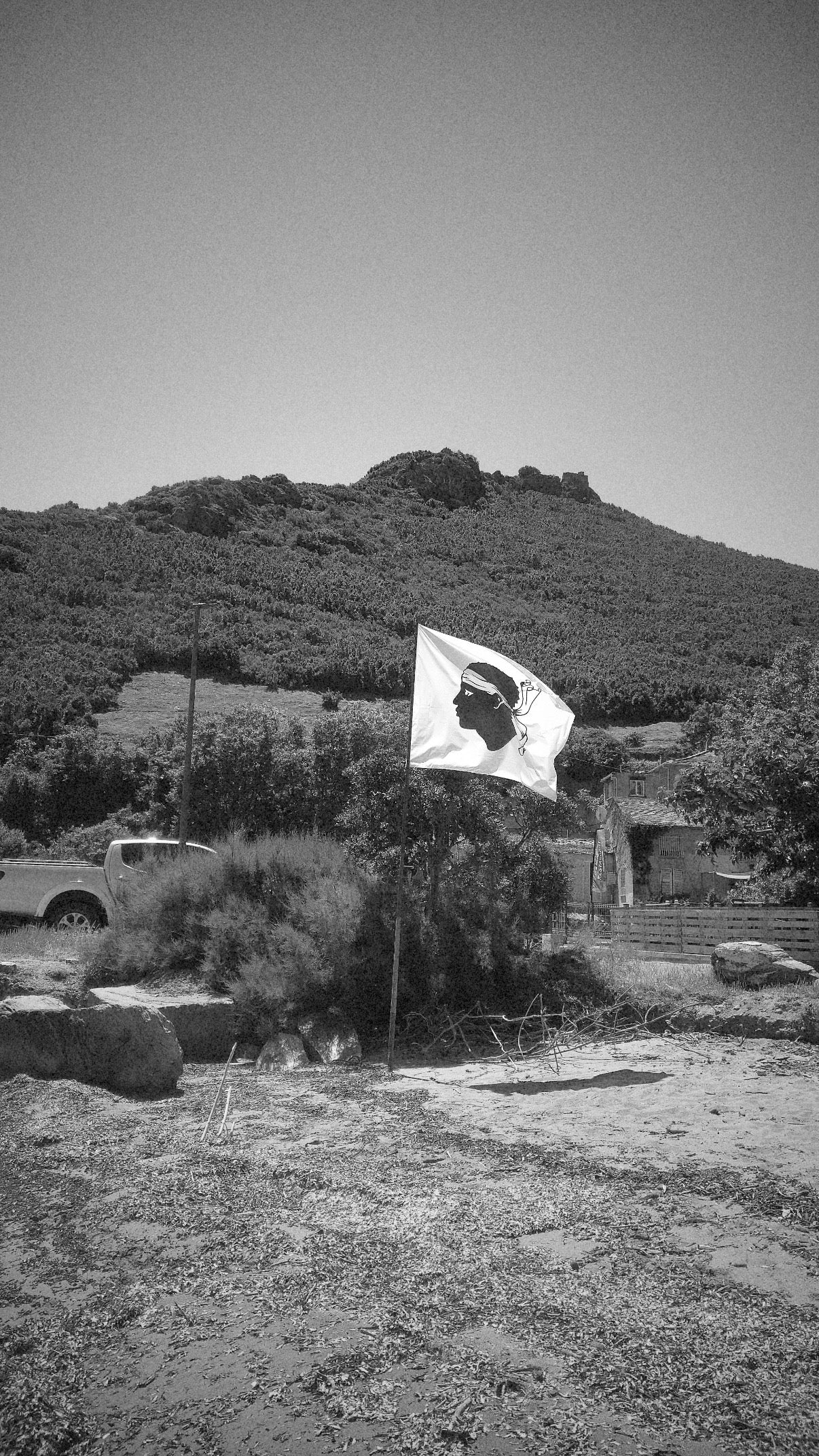
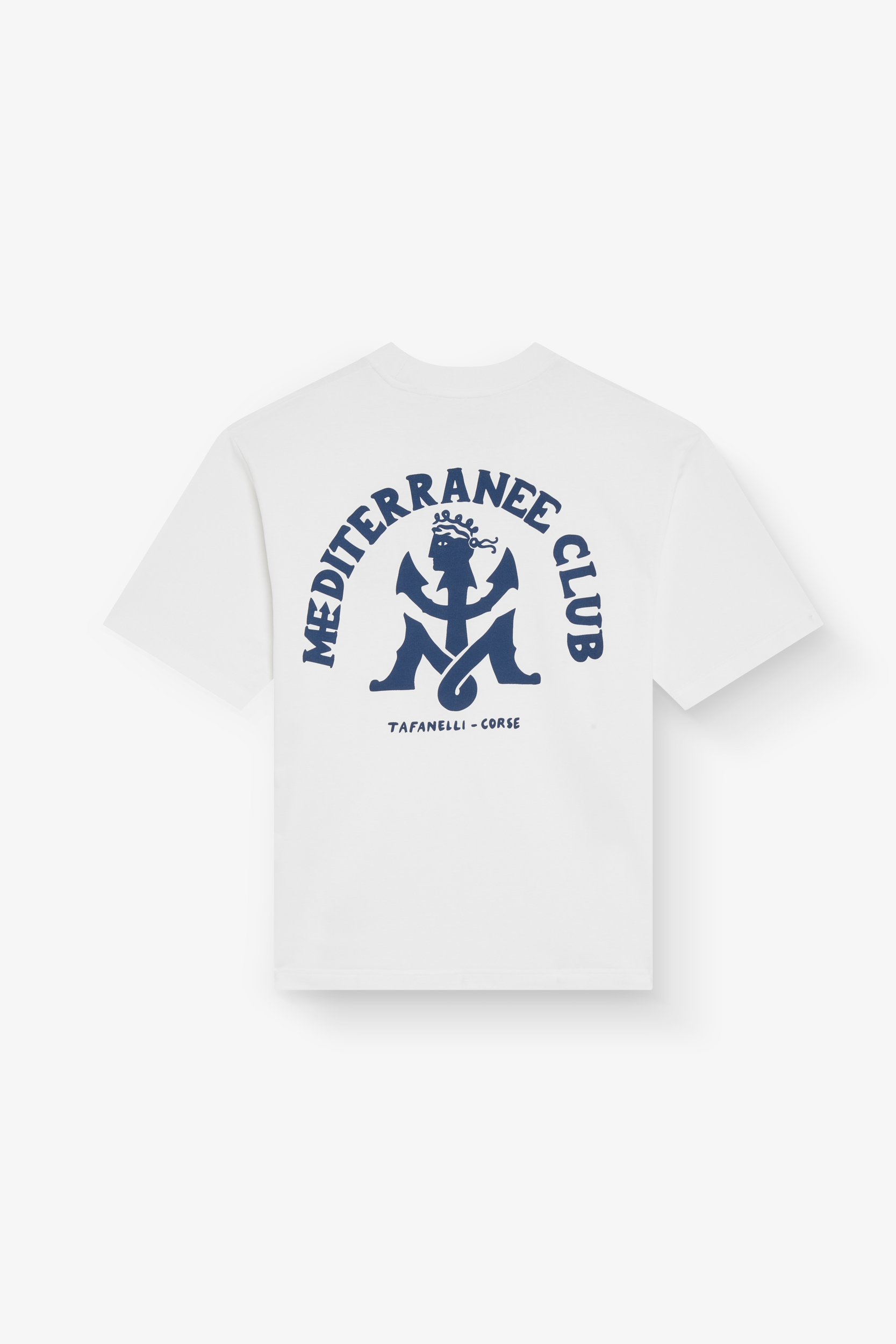
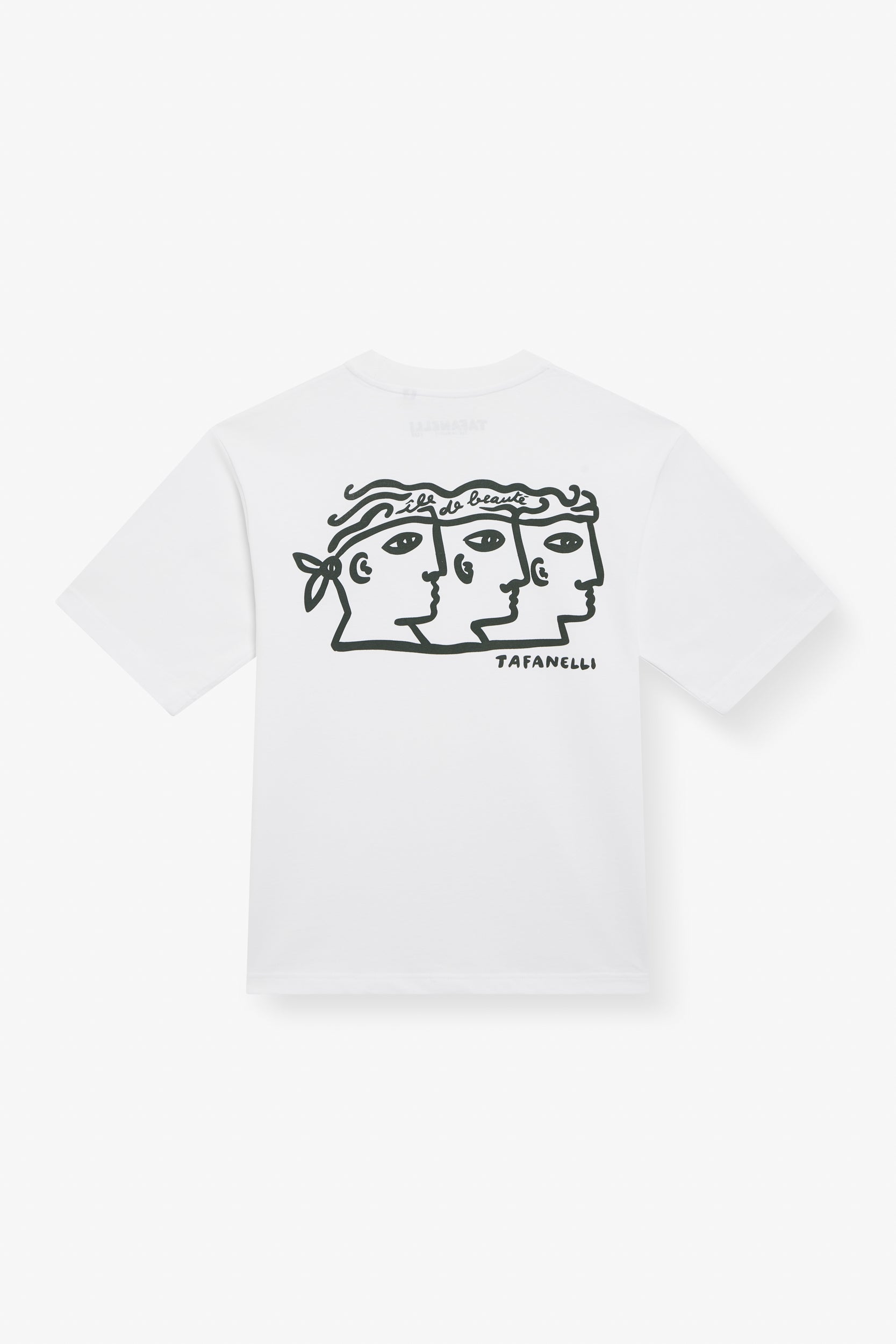
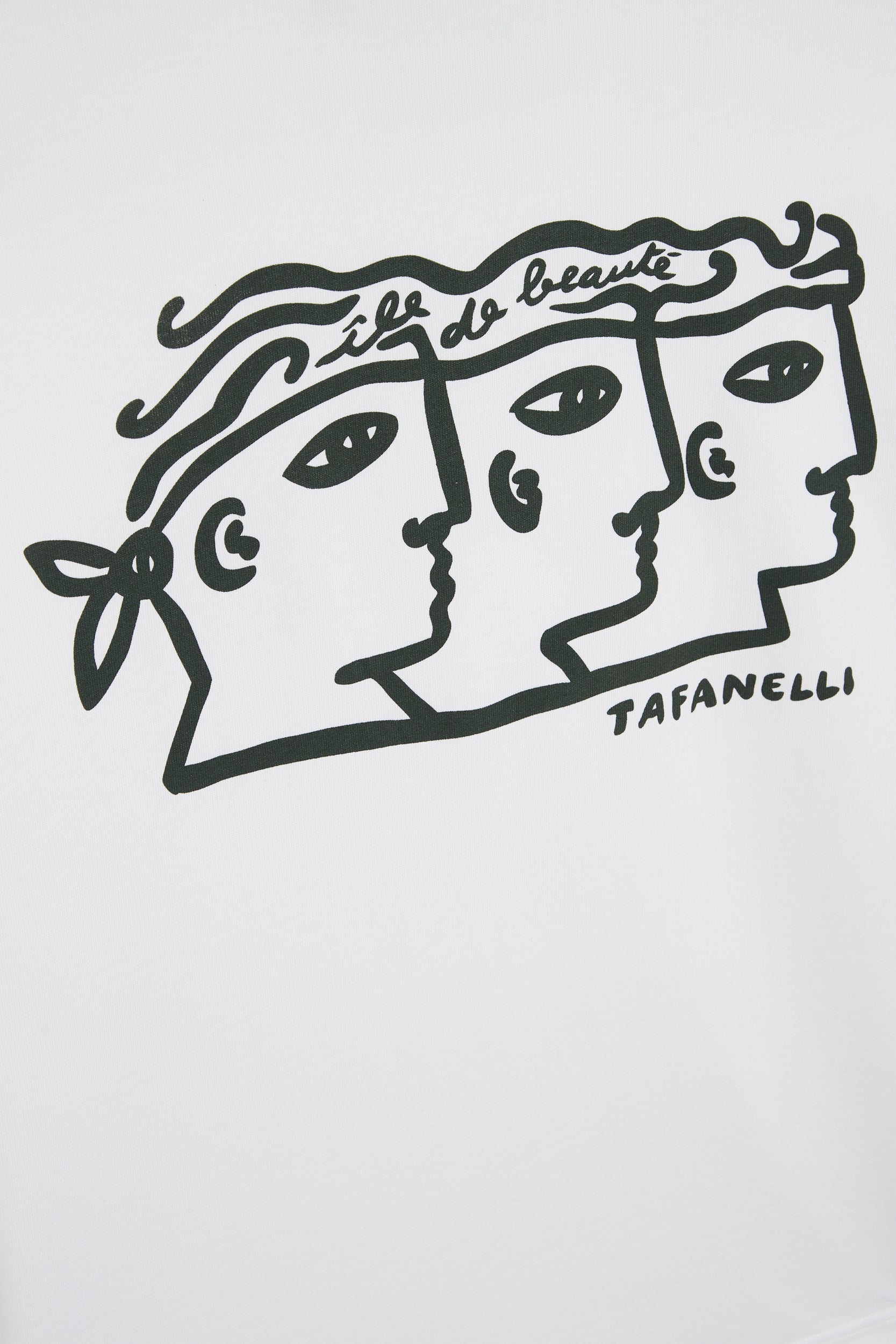
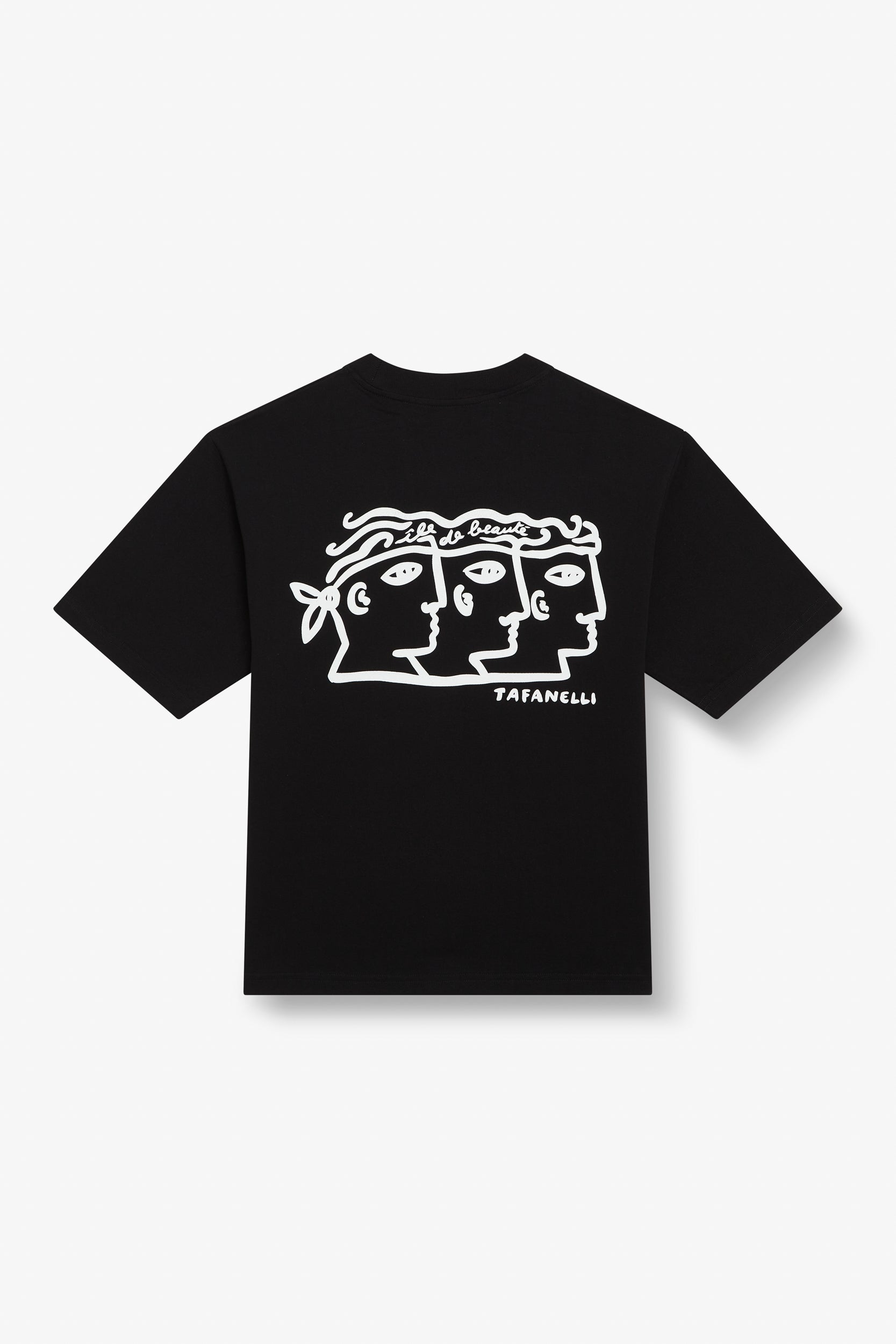
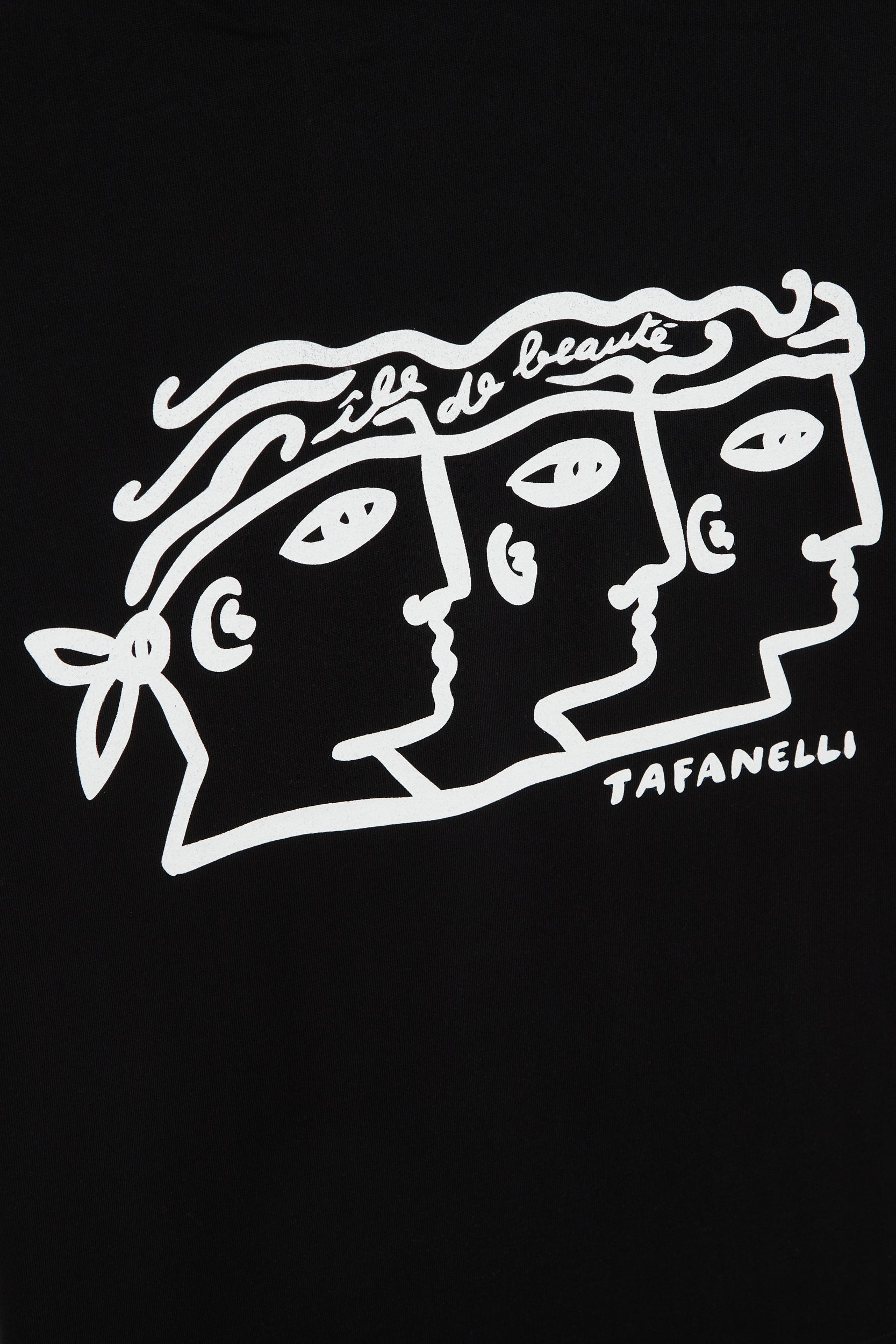
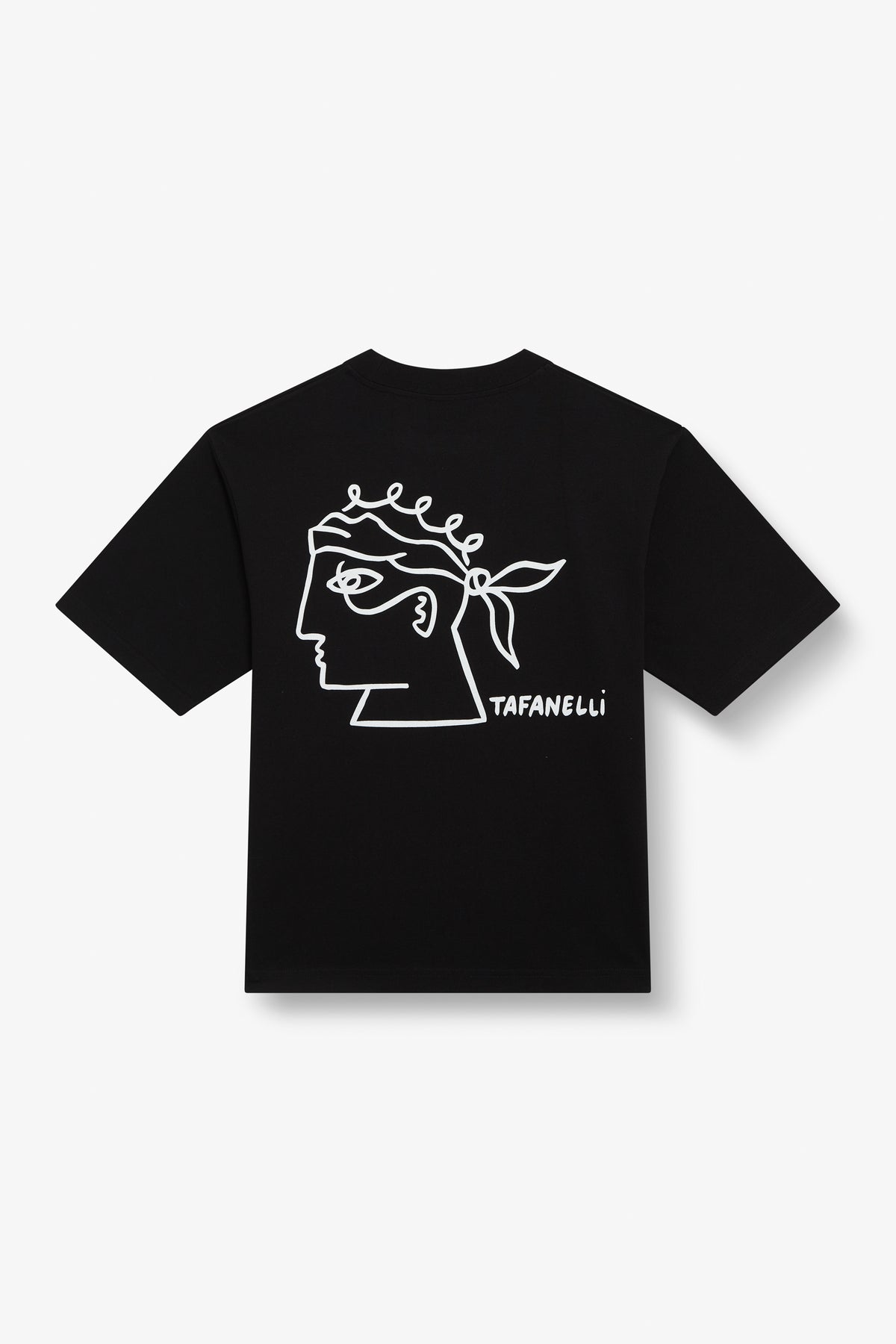
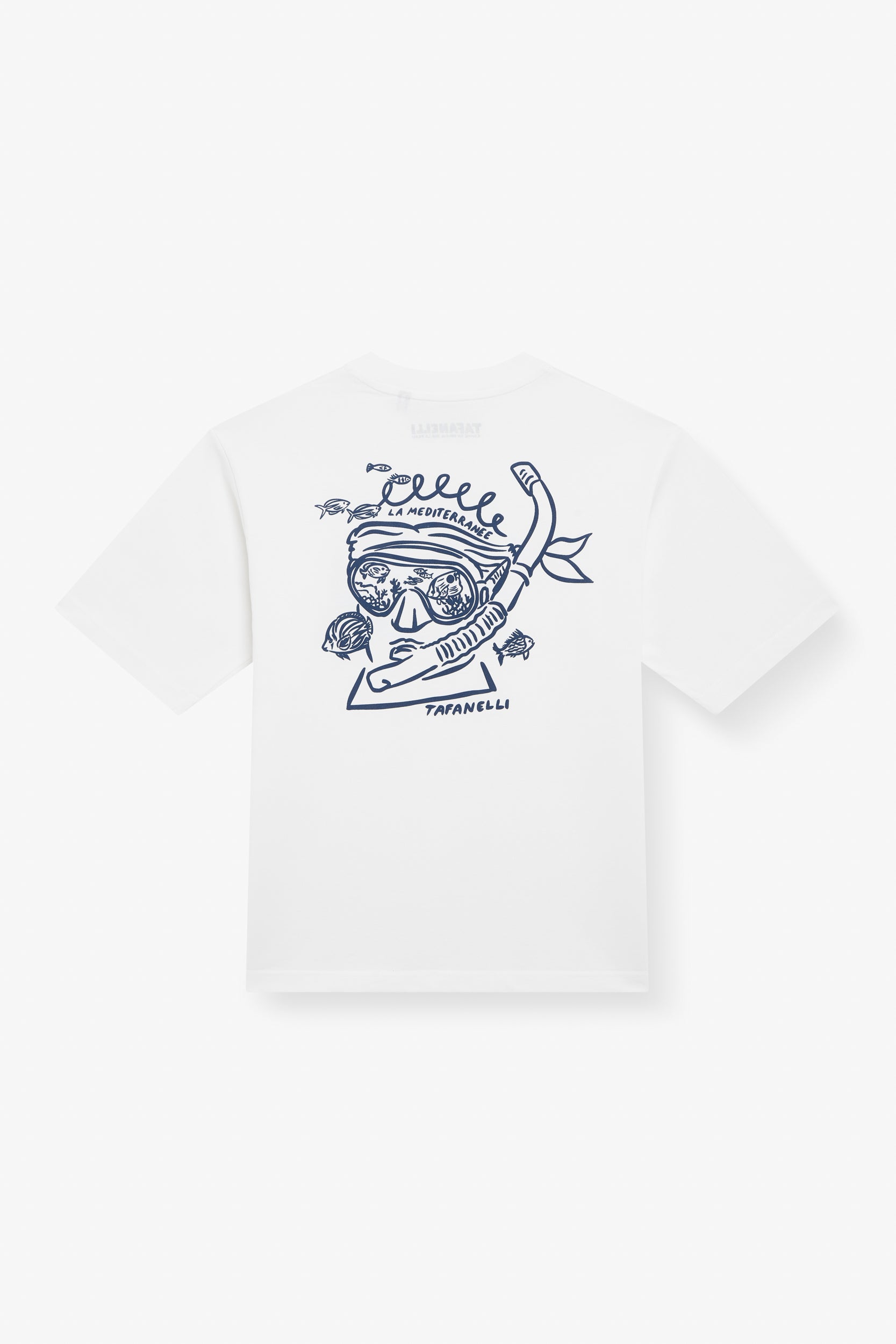
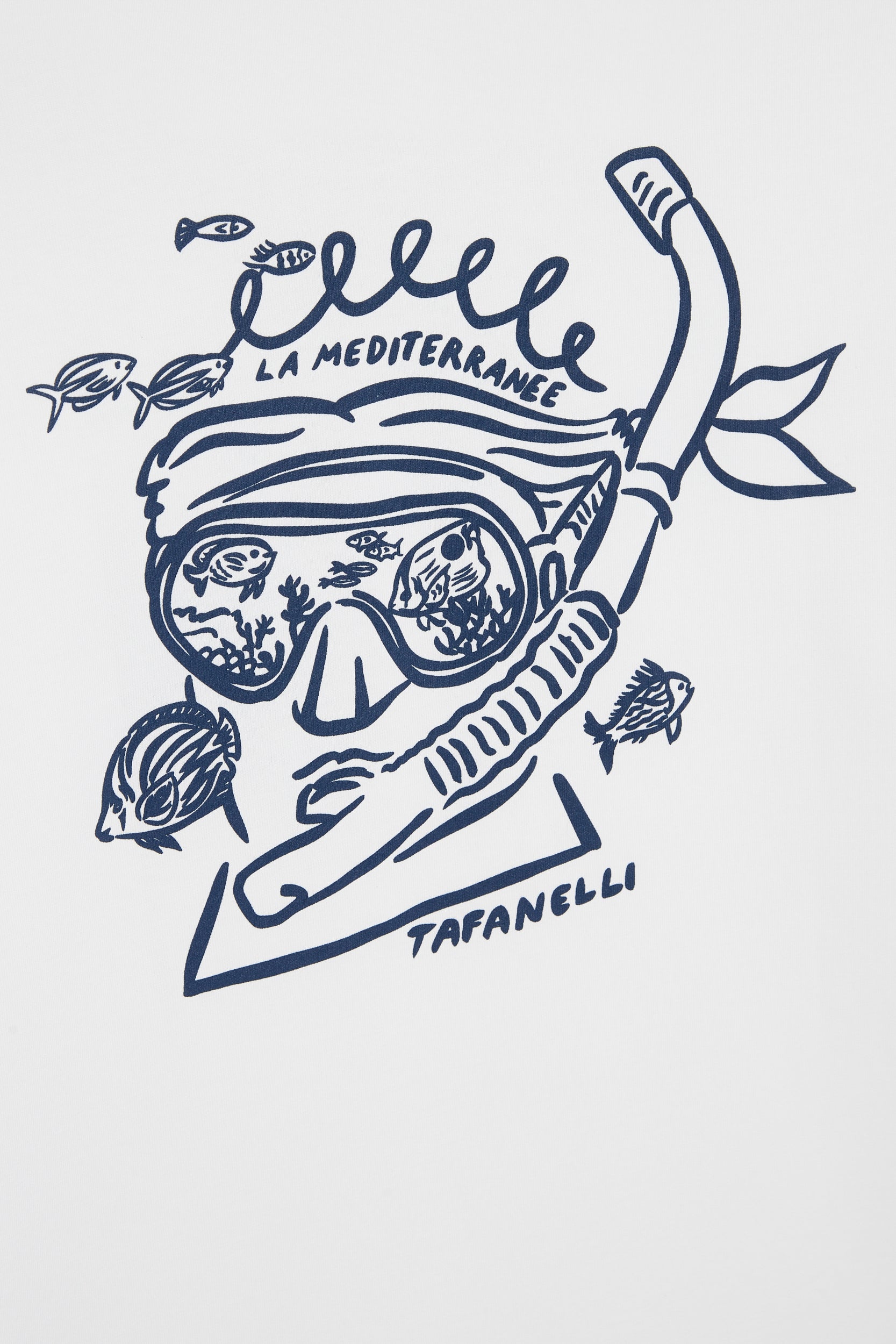
TAFANELLI is a contemporary Corsican brand, rooted in an insular family memory and a continuous dialogue with the broader Mediterranean territories (Saint-Tropez, the Var, Sardinia). Our signature pieces — the Calvi Diver, the Roccapina, the Siren Club, Sea Urchin Fishing, the Sportmer — draw on Corsican iconography and its Mediterranean extension. Our wardrobe, made in France, champions an ethics of short supply chains, noble materials, and territorial transmission.
The two houses therefore share a common sentimental geography: the western Mediterranean, from the Provençal south to Corsica, passing through the Var and Tropezian coasts. But each writes a distinct version, complementary rather than competitive.
The Jacquemus approach: the Mediterranean of the French South
The Jacquemus approach relies on a few strong markers. It is a Provençal, inland, agricultural Mediterranean, which mingles with broader Mediterranean codes (Italian, Greek, Andalusian). The house cultivates an imaginary of Southern lands, where the mother, the farm, the village market, the peasant apron, and family childhood play central roles.
In terms of the wardrobe, several signatures have taken hold:
- Loose and flowing cuts, a tribute to the silhouettes of Provençal peasant women
- Woven straw hats, which have become iconic to the brand
- Solar colors (yellows, oranges, whites) that evoke the light of the South
- Miniature bags (the Chiquito in particular), a gimmick turned emblem
- Spectacular shows in agricultural or French heritage settings
The Jacquemus approach has contributed to reinventing the narrative of the French South for international fashion. Where Saint-Tropez had embodied luxurious summer fashion for 60 years, Jacquemus expanded the perimeter to include all of agricultural and popular Provence, projecting a new poetic imaginary onto it. It is in this lineage that the 2026 Corsican show is inscribed.
The TAFANELLI approach: the insular and Tropezian Mediterranean
The TAFANELLI approach is part of a different genealogy: that of contemporary Corsica, its vernacular figures, and its Mediterranean extension through neighboring territories (Saint-Tropez, the Var, the French Riviera). Our vocabulary is that of the Tyrrhenian Sea, the maquis, perched villages, and Tropezian beaches.
Our clothing signatures:
- Dense 240-280 gsm cotton t-shirts, straight cut, white or navy
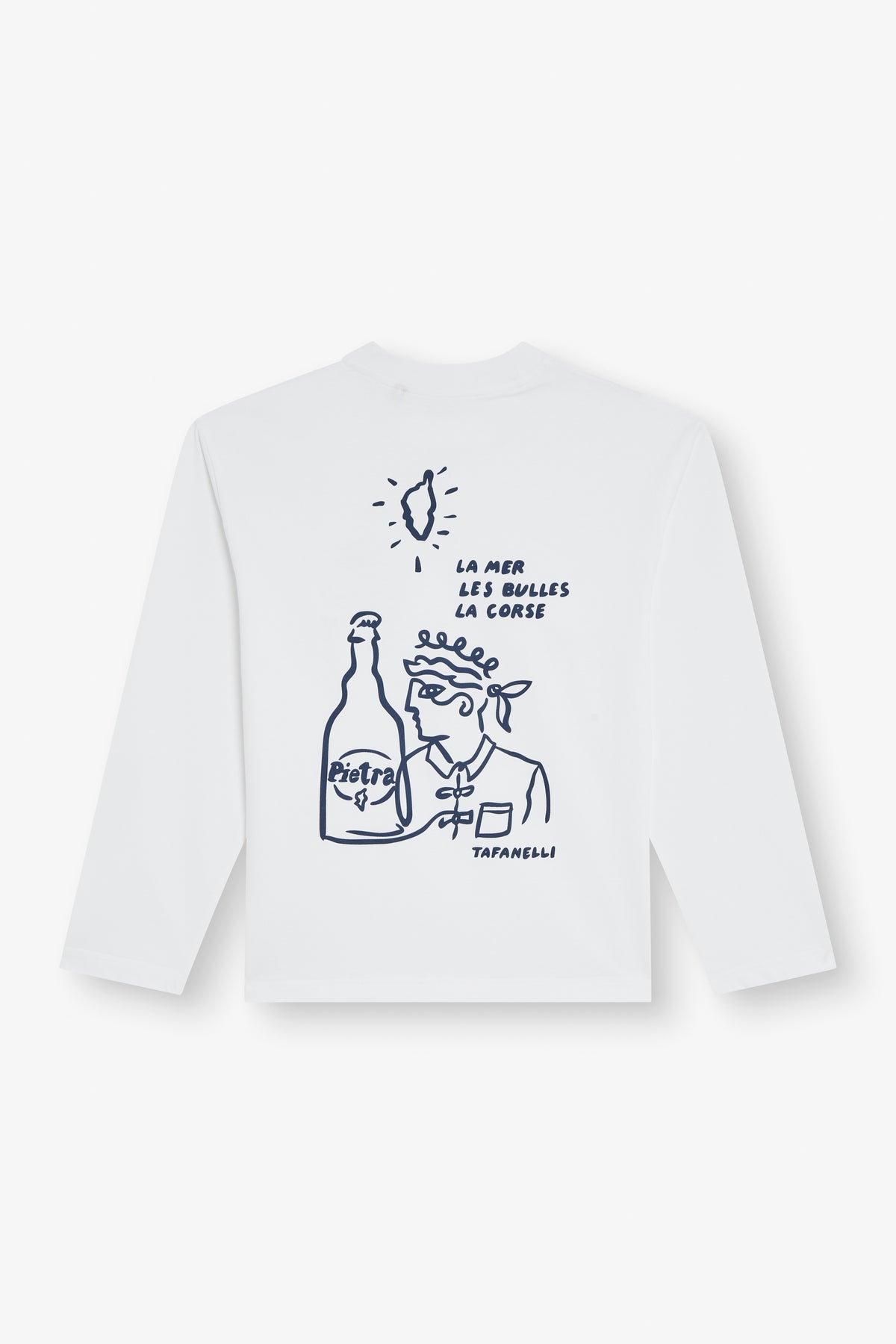
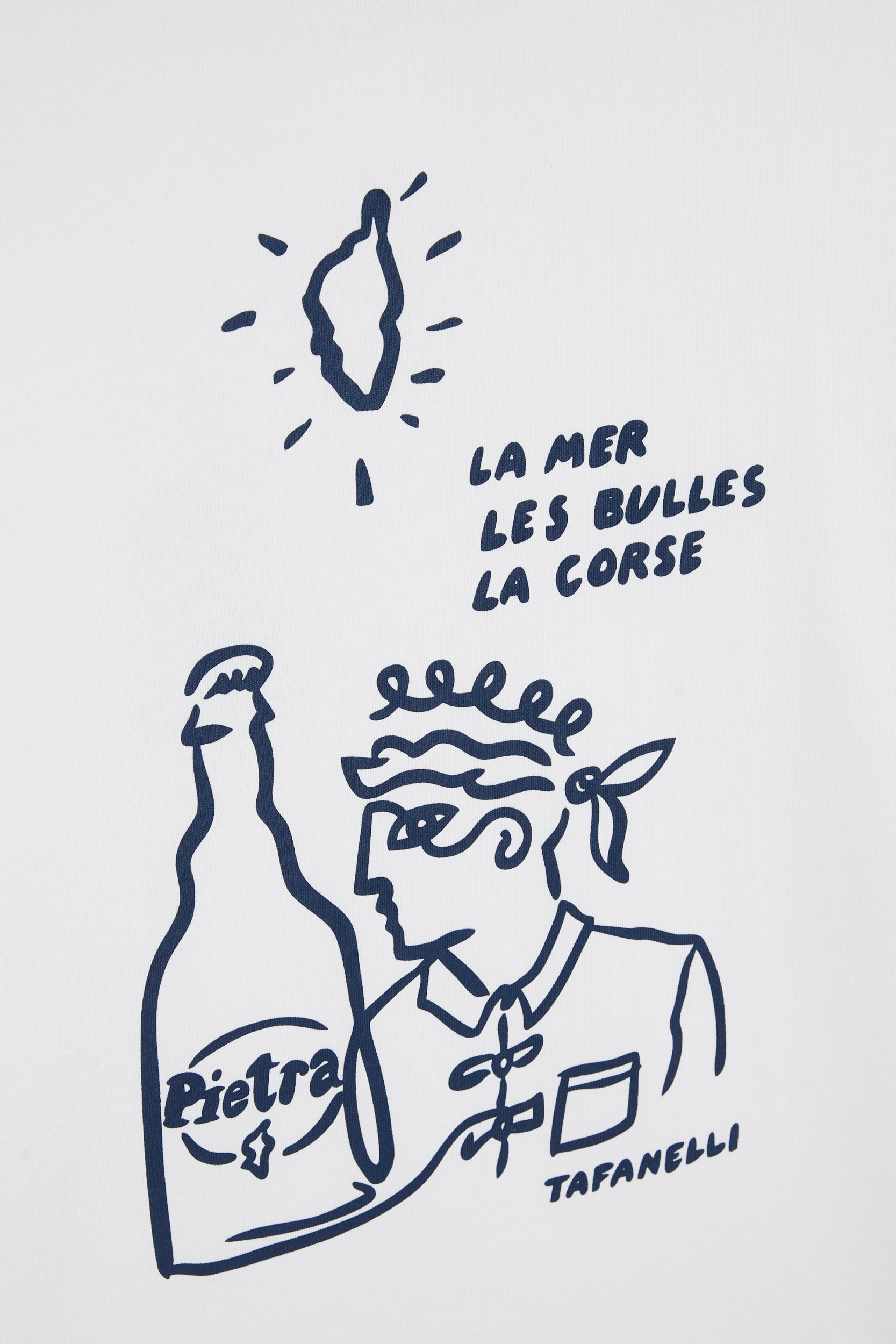
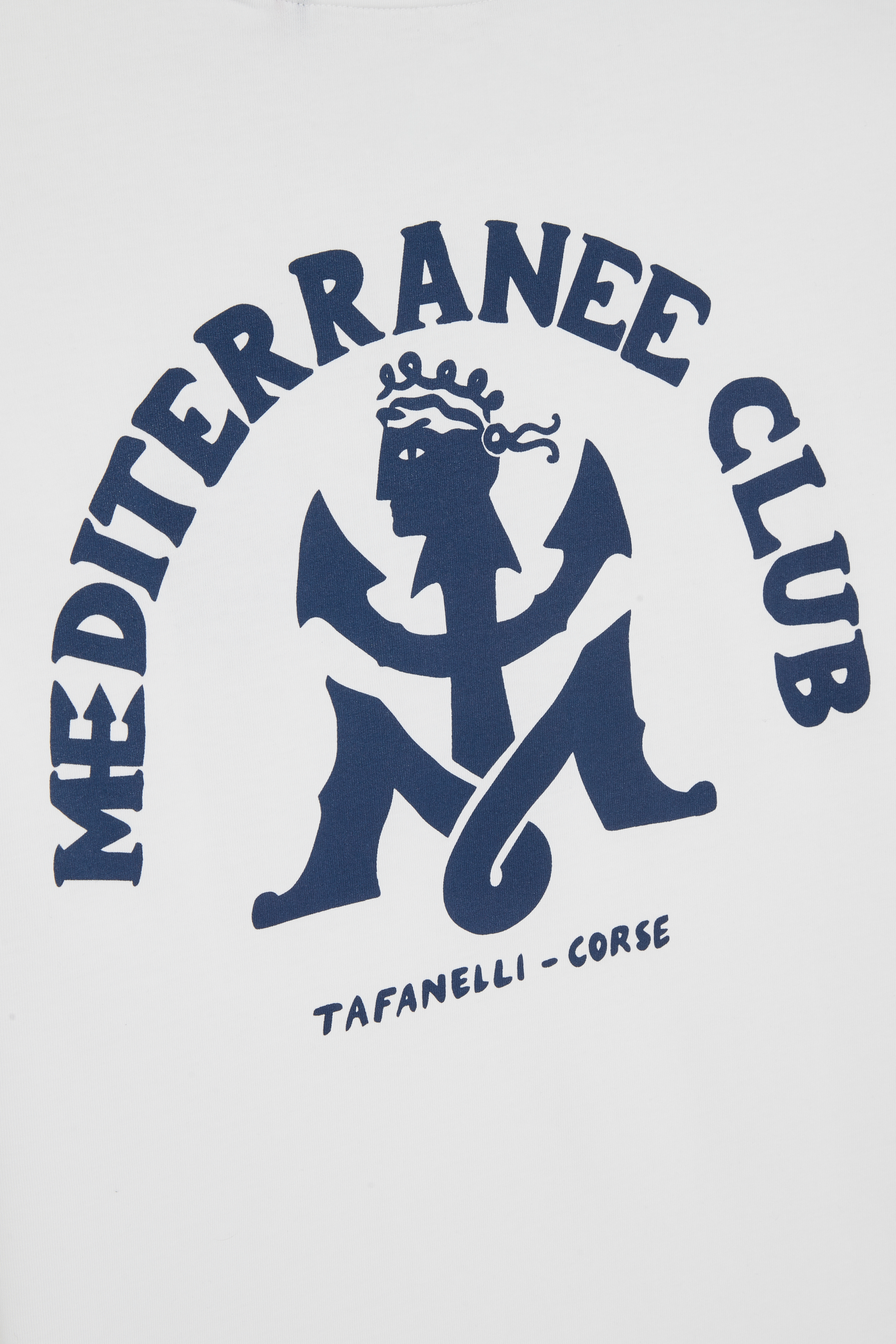
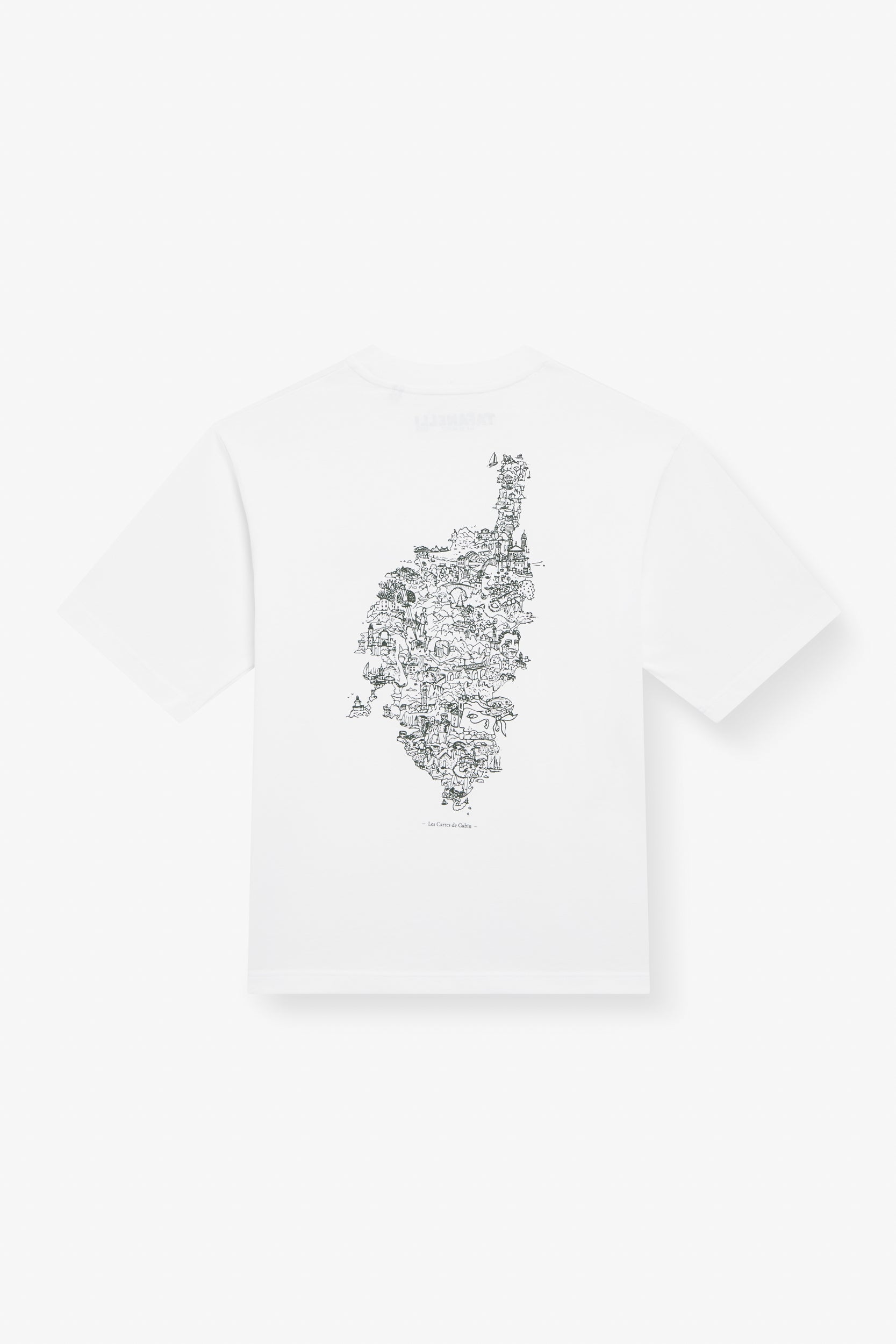
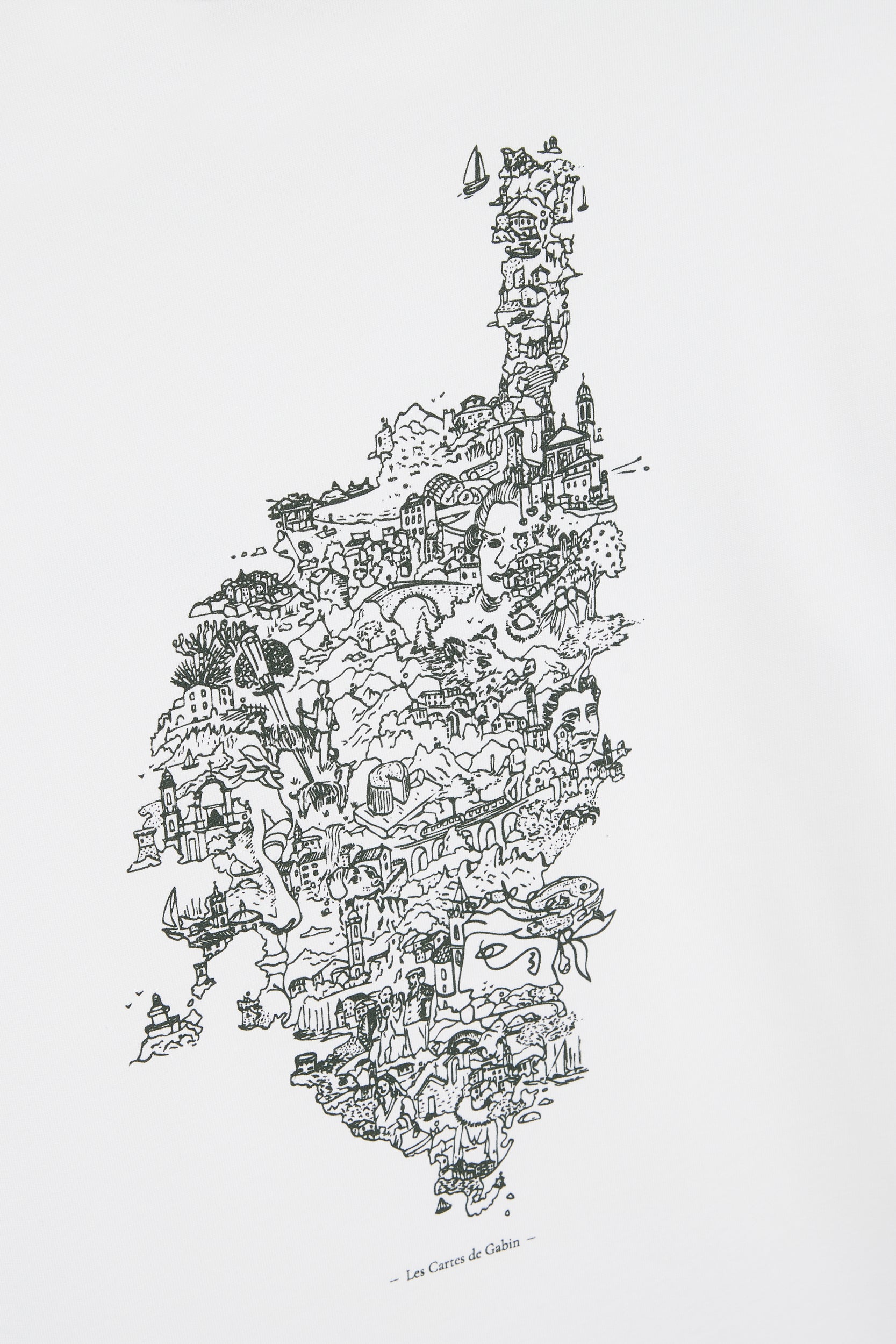
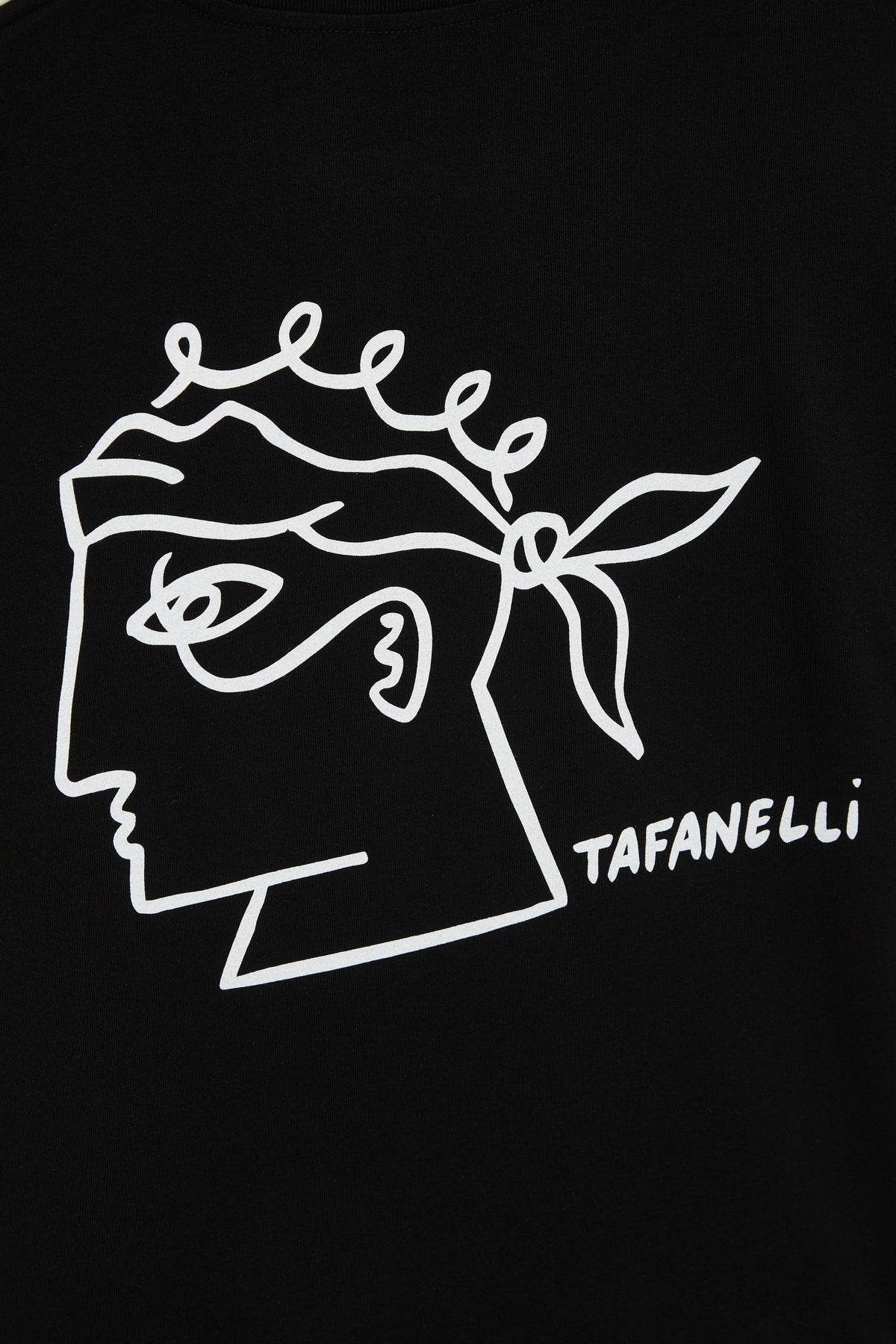
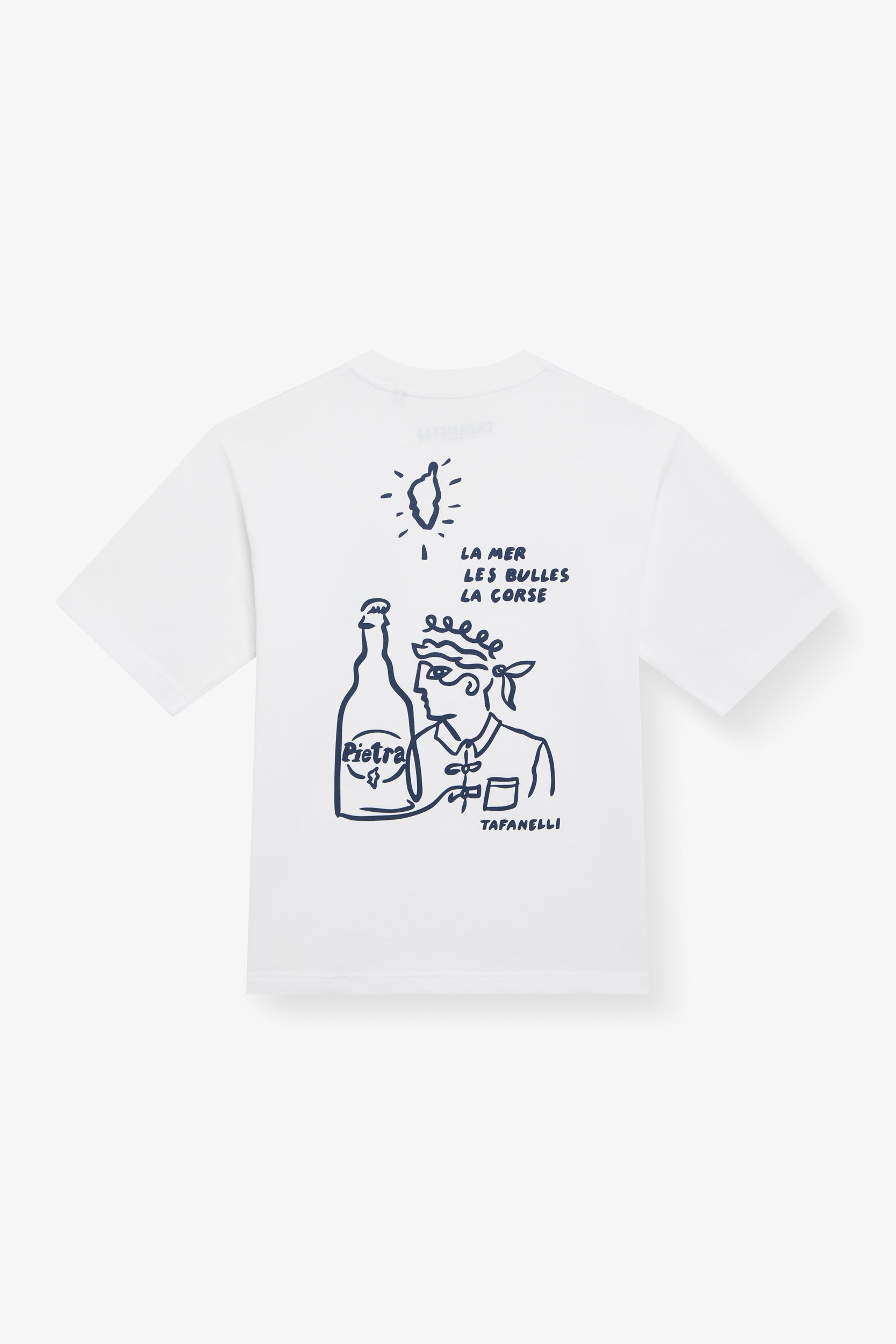
- Original back-print designs (Calvi Diver, Roccapina, Siren Club, Sea Urchin Fishing) that draw on insular memory
- Jackets made from recycled boat sailcloth or oiled canvas, a marine heritage
- Washed cotton caps, Mediterranean scarves, bandanas
- A stable and sober palette: white, ecru, navy, khaki, terracotta
The TAFANELLI approach is rooted less in agricultural folklore than in maritime textile memory. Our figures are those of the sailor, the diver, the fisherman, the villager, rather than the Provençal shepherd. But they belong to the same great Mediterranean family.
To understand this approach in depth, read our articles TAFANELLI, a contemporary Corsican brand and The symbolism of TAFANELLI designs.
What the two houses share
Beyond their differences, Jacquemus and TAFANELLI share several editorial choices that make them part of the same contemporary movement.
Territorial anchoring
Both houses claim a precise geography and do not merely evoke the Mediterranean as a cliché. Provence for one, extended Corsica for the other.
Family storytelling
Jacquemus pays tribute to his mother, TAFANELLI to his family lineage and his home village of Montemaggiore. Both reject industrial anonymity.
A tribute to sobriety
Neither gives in to the culture of XXL logos or commercial neon colors. Sober palette, clean cuts, discreet signatures.
Production in France
Both houses choose mostly European production, consistent with their cultural roots.
What sets them apart
Several markers clearly distinguish the two approaches, without any being "better" than the other. It is precisely their complementarity that makes them interesting.
| Criteria | Jacquemus | TAFANELLI |
|---|---|---|
| Reference geography | Agricultural Provence, Camargue, extended French South | Corsica, Var, Tropezian peninsula, insular Mediterranean |
| Dominant figures | The mother, the peasant, rural childhood | The sailor, the diver, the fisherman, the insular shepherd |
| House format | International house, global fashion shows | Independent brand, selective retailer network distribution |
| Average price of a t-shirt | €120 to €250 | €75 to €90 |
| Design approach | Structuring cuts, vibrant colors, gimmick accessories | Original back-print designs, sober palette, discreet signature |
| Cultural stance | Poetic elevation of the rural everyday | Insular textile transmission in a contemporary grammar |
Where they converse: common codes
While Jacquemus and TAFANELLI have distinct styles, their wardrobes cross over on several pieces and common codes. Here are the most obvious meeting points.
- The natural cotton t-shirt, a central piece of both universes, which declines the same grammar (noble material, straight cut, sober color) with different designs
- The linen shirt, worn open against the skin, a shared heritage of the entire western Mediterranean
- Natural material hats and caps, straw for Jacquemus, washed cotton for TAFANELLI
- The white, ecru, navy palette that structures both main collections
- The knotted scarf, an accessory common to both universes, a universal Mediterranean variation
- Espadrilles or loafers, natural flat footwear, without logos
A wearer can absolutely combine a Jacquemus piece and a TAFANELLI piece in the same outfit, and the result will work both visually and culturally. It is a sign of belonging to the same great contemporary Mediterranean family.
Why this plurality is good news
The Jacquemus show in Île-Rousse in June 2026 is not a threat to Corsican brands, nor their scheduled end. On the contrary, it is the opening of a new chapter in which multiple interpretations of the Mediterranean can coexist, complement, and enrich each other.
The Mediterranean needs several voices to be told accurately. Provence and Corsica are not the same territory. The sailor and the shepherd are not the same figure. The continental French south and the insular one do not carry the same memory. Having a Jacquemus that tells the story of the former and a TAFANELLI that tells the story of the latter is doing justice to the real richness of the common geographical area.
For visitors to Corsica in 2026, this is also good news. They can discover the Jacquemus show if the opportunity arises, and wear TAFANELLI pieces during the same summer season that extend this imaginary into another variation. Two houses, one same sea, a thousand ways to inhabit it.
To discover our wardrobe in detail, visit our complete collection and our map of retailers in Corsica and beyond.
Frequently asked questions
Is Jacquemus a Corsican brand?
No. Jacquemus is a French house originating from Provence, founded by Simon Porte Jacquemus in Aix-en-Provence in 2009. The choice of Corsica for his Spring 2027 show is a geographical and cultural tribute to the island, not a sign of insular origin.
Is TAFANELLI comparable to Jacquemus in terms of positioning?
Both houses share a common Mediterranean grammar (noble materials, sober palette, strong territorial anchoring, local production), but their approaches are distinct. Jacquemus is an international house with luxury positioning (t-shirt €120-250). TAFANELLI is an independent brand with accessible premium positioning (t-shirt €75-90). Both can coexist in the same wardrobe.
Can one wear Jacquemus and TAFANELLI together?
Absolutely, and it is even coherent. Both brands share enough common codes (palette, materials, sobriety) to pair together naturally. A TAFANELLI t-shirt under a Jacquemus shirt, or vice versa, works perfectly in a Mediterranean summer outfit.
Why is Jacquemus showing in Corsica instead of Saint-Tropez?
Jacquemus has already invested heavily in the Provençal and Var territory in his previous shows. The choice of Corsica in 2026 marks an extension of his Mediterranean sentimental cartography. It is also a territory still untouched by international fashion shows, and therefore has intact symbolic capital to explore.
Where to buy TAFANELLI in Saint-Tropez and Corsica?
In Saint-Tropez at Sportmer, in Ramatuelle at La Pomme de Pin, in Calvi at Chez Tao, Le Bout du Monde (beach hut) and U Nichjaretu (restaurant on the road to Porto), in Bonifacio at Mon Bijou, in Saint-Florent at Momento, in Lecci at the Grand Hôtel de Cala Rossa. For the full list, check our retailers page.
Does the Jacquemus show risk weakening Corsican brands?
On the contrary. The event attracts a global gaze to the island and its cultural identity, which benefits the entire insular textile ecosystem. True Corsican brands, rooted in the territory, have everything to gain from increased visibility of Corsica as a fashion destination. It is an opportunity to assert their priority, authenticity, and roots.
TAFANELLI — MEDITERRANEAN WARDROBE
The Corsican take on the Mediterranean
Dense cotton Made In France, original Mediterranean designs. The wardrobe that extends the insular textile tradition into a contemporary grammar.
View the complete collection