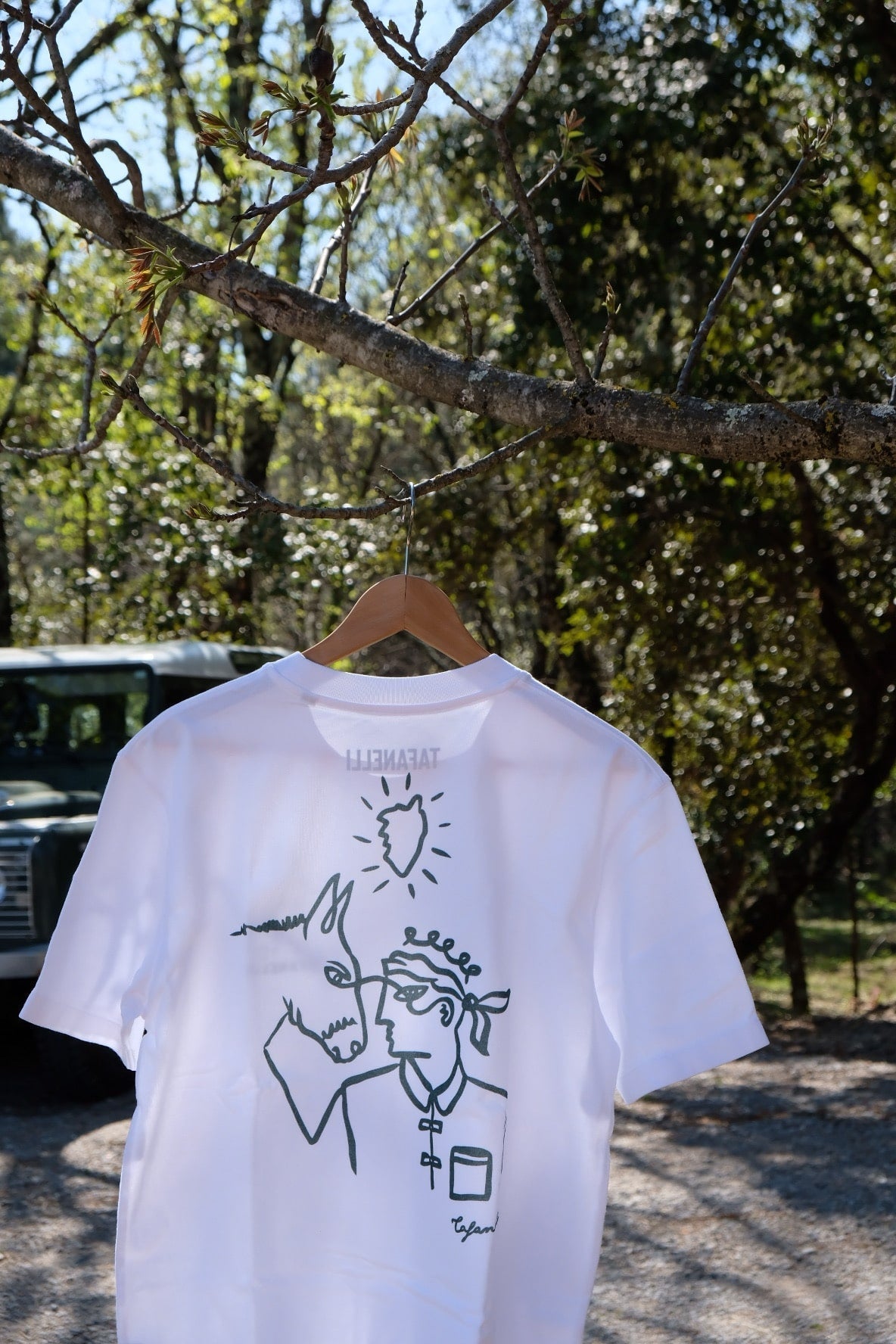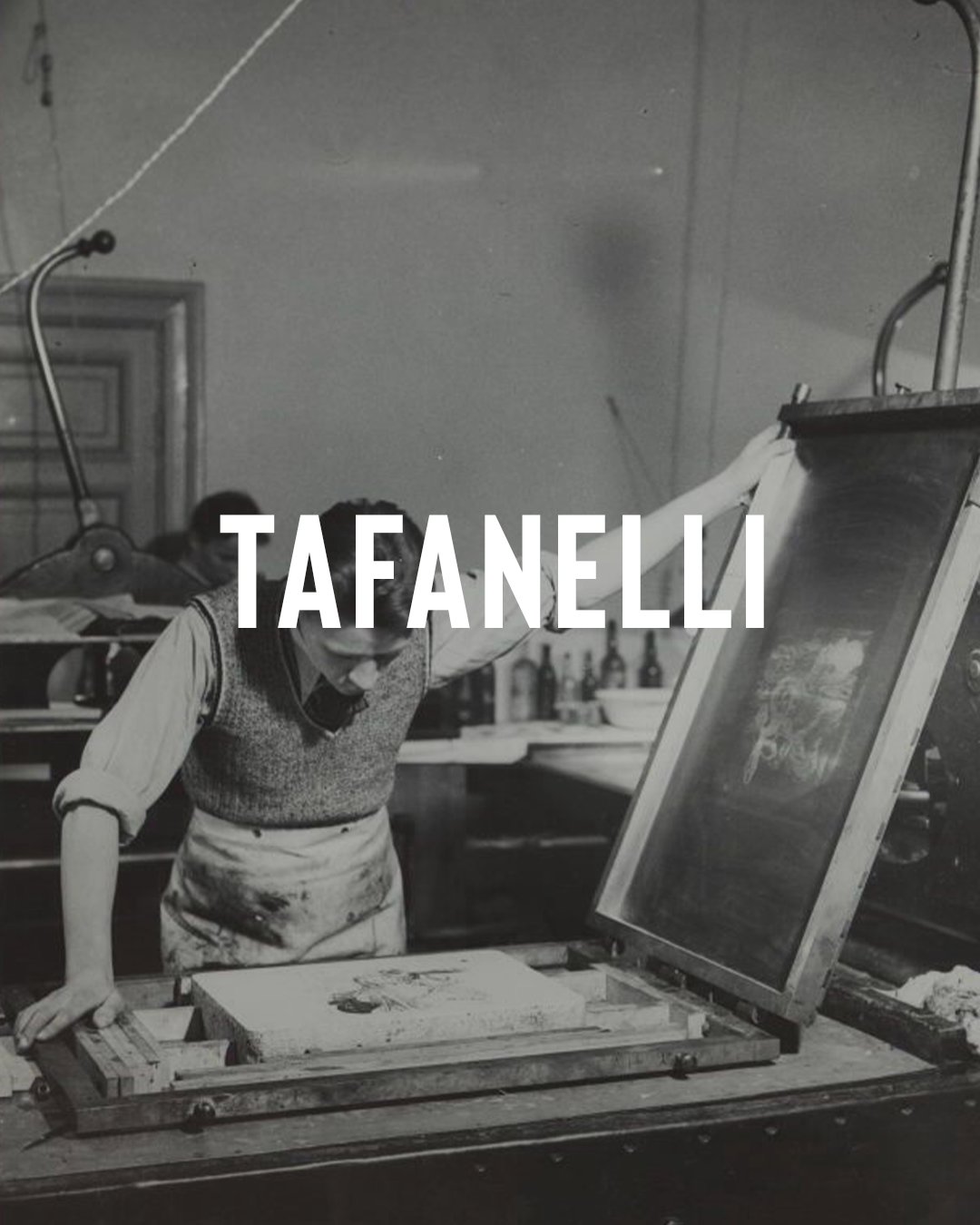
The artisan's hand: the garment's primary signature
Before the design, before the material, there is a hand. A hand that cuts, adjusts, sews, presses. At Tafanelli, this hand is not a tool: it is the garment’s primary signature. Every stitch carries a human trace—silent, yet essential.

Every garment begins with a gesture. And a gesture is already a signature.
The gesture before the logo
In a world where everything is branded, signed, and labeled, the true signature is the one you do not see. At Tafanelli, it is in the hand. The hand of the artisan who knows the fabric, feels its tension, and knows when to stop. The garment does not bear a brand—it bears a gesture. It is this precise, repeated, transmitted gesture that creates its true value.
A well-made garment is a hand that took the time to understand the material before transforming it. Nothing more, nothing less.
The hand as a measure
The hand does not lie. It knows the margins, the fibers, the density of the thread. It senses the accuracy of a seam, the tension of a hem, the suppleness of cotton. In our workshops, each piece passes through many hands before it leaves. No machine replaces this tactile intelligence—this attention that only slowness allows.
The garment, here, is not calculated. It is measured by the hand. And that is its true value.
The hand as memory
Each artisan leaves a trace, sometimes invisible, sometimes palpable. A softer fold, a tighter seam, a more patient pressing. These are the details that make the beauty of a handmade garment. The hand is the memory of the gesture—one that can neither be automated nor copied.
In a Corsican or French workshop, this memory travels from table to table, from generation to generation. It is a silent but universal language.
The hand as an ethic
The hand is also a conscience. A way of working slowly, cleanly, honestly. It controls every detail, refuses compromise, and chooses rigor over speed. At Tafanelli, making by hand means trusting this human intelligence. It is not a technique, it is an ethic: that of honest work, of the sincere garment, of the respected gesture.
Every stitch, every button, every pressing carries this quiet vow: to do well, even if it takes longer.
The garment as an imprint
When you wear a Tafanelli garment, you are wearing a fragment of this gesture. It is not anonymous production: it is an inhabited object. The small irregularities, the nuances, the slight differences from one piece to the next are all proofs of humanity. This is what distinguishes a handmade garment from a mass-produced one: the former has a soul.
And that is why it ages better. Because it has already been touched with respect.
The return of the gesture
In a world obsessed with automation, the hand is becoming rare—and therefore precious. It reminds us that beauty comes from the gesture, not from output. At Tafanelli, we claim this return to manual labor as a cultural act. Preserving craftsmanship means preserving a way of existing, of creating, of inhabiting time.
A garment is not signed in ink. It is signed by hand.