Why we naturally associate price with quality
In many fields, paying more means getting better. In clothing, this logic exists… but it is incomplete.
Price gives an indication. It doesn’t guarantee anything. It can reflect a true high standard. It can also reflect an image, a story, or a commercial strategy.
What the price really includes
When you buy a garment, you don't just pay for the material. You also pay for:
stores, margins, logistics
image, campaigns, influence
positioning, desirability
fabric, actual manufacturing
The problem is that the portion actually linked to the product varies enormously from one brand to another.
The weight of marketing
Some brands invest heavily in their image. That’s not a problem. But it means that the final price does not solely reflect the quality of the garment.
The result: two t-shirts at the same price can have completely different quality.
The fabric remains the true judge
What makes the difference over time is the fabric. Not the logo. Not the storytelling. Not the price.
A well-chosen fabric holds up better. It pills less. It ages better. It keeps its structure.
If you want to understand this point in detail, also read why some clothes last 10 years.
Construction is often ignored
The quality of a garment doesn’t depend only on the fabric. It also depends on how it is constructed.
A good fabric poorly assembled will yield a bad result. A well-constructed garment will always last longer.
How to recognize a truly high-quality garment
| Element | What to look for |
|---|---|
| Material | Density, drape, appearance |
| Construction | Stitching, tension, balance |
| Finishing | Collar, fit, stability |
These are the elements that really make the difference. Not price alone.
Our vision
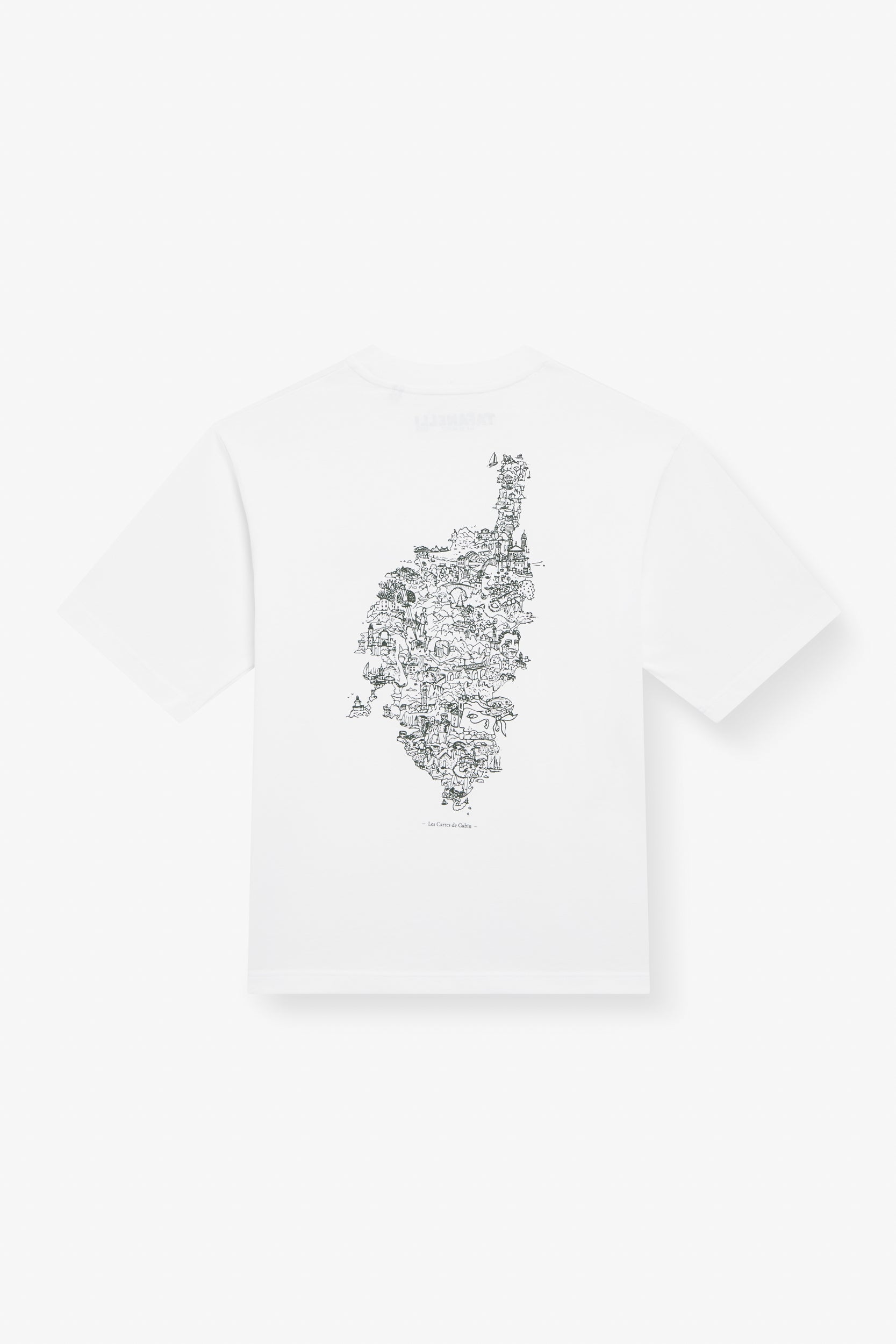
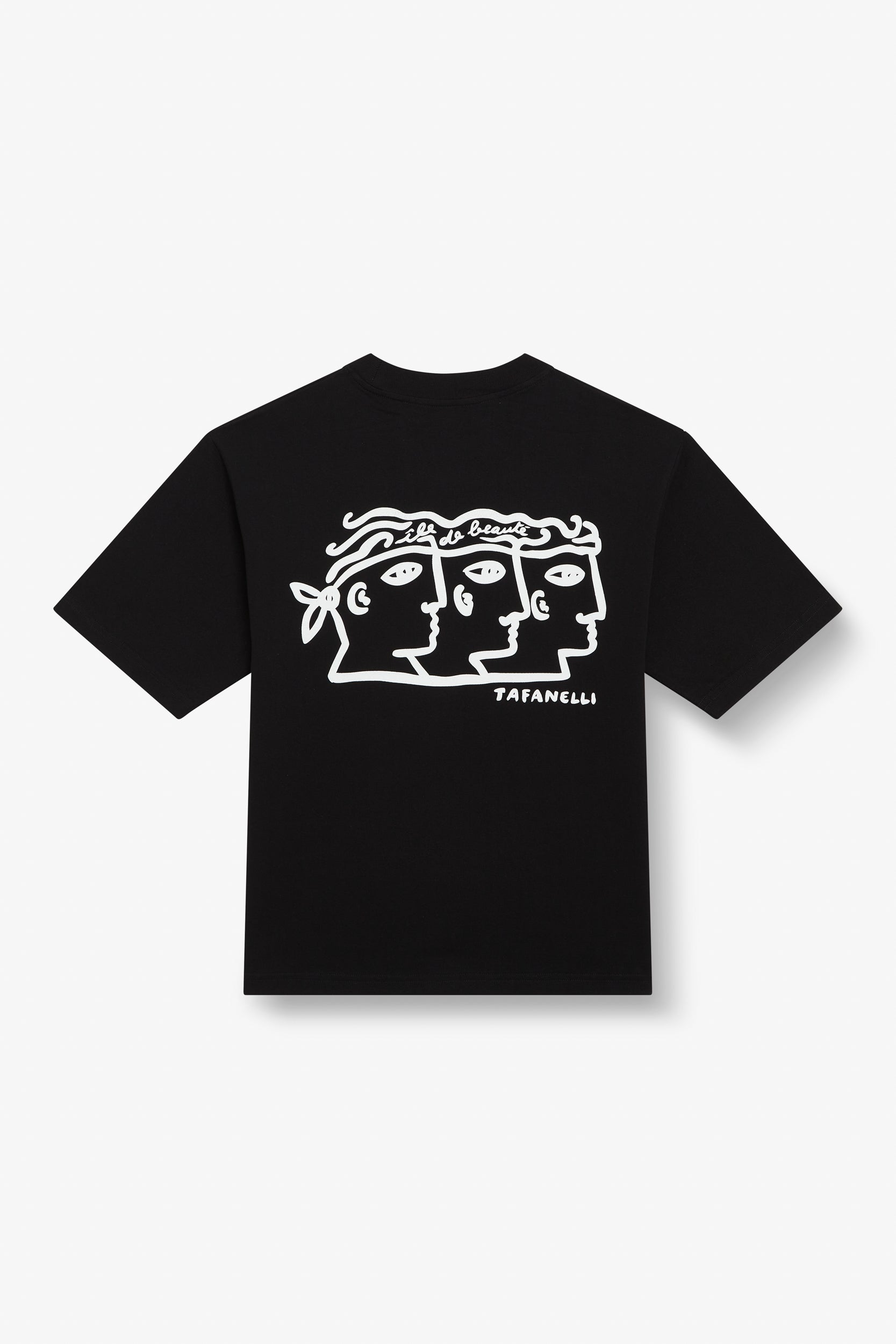
At Tafanelli, we believe that a good garment must justify its price by what it is, not just by what it represents.
Discover a product-centered approach.
See the t-shirts