Why a t-shirt shrinks in the wash
A cotton t-shirt is made of natural fibers that have been stretched during spinning, weaving, and then construction. When you wash it, especially with heat, these fibers tend to tighten up and return to a more compact form. It is this phenomenon that causes shrinkage.
The result is often seen first in the length, the sleeves, or the overall ease around the chest. A t-shirt that used to fit perfectly can suddenly appear shorter, stiffer, and less comfortable.
Key takeaway: shrinking is a natural reaction of cotton, amplified by heat, moisture, and mechanical movement.
Some models are more sensitive than others. Cotton that is unstable, poorly prepared, or too thin will react more. Conversely, a better-constructed piece with a dense material and good manufacturing control will maintain its shape much better over time.
Mistakes that cause a t-shirt to shrink
Washing at too high a temperature
Above 30°C (86°F), natural fibers contract more easily. Repeated washing at 40°C or 60°C significantly accelerates the phenomenon.
Tumble drying
This is often the main culprit. The combination of direct heat and rotation causes the cotton to tighten drastically.
Spin cycle too fast
Excessive spinning stresses the material, breaks the flexibility of the fiber, and accentuates the deformation of the garment.
Cotton that is too fragile or unstable
Entry-level t-shirts, with shorter fibers or lighter construction, shrink much faster.
One must also be wary of a frequent reflex: thinking that a hotter wash cleans better. For an everyday t-shirt, this logic often costs more in lifespan than it brings in real effectiveness.
How to avoid shrinkage
Good news: a few simple steps are enough to significantly limit the problem. The goal is not to wash less, but to wash more carefully.
Wash cold or at 30°C maximum
This is the best foundation for preserving the fiber, the cut, and the suppleness of the cotton.
Avoid the tumble dryer
Opt for air drying, either flat or on a hanger, depending on the garment's structure.
Turn the t-shirt inside out before washing
This protects the surface, the colors, and any screen-printed patterns.
Choose a gentle spin cycle
600 to 800 RPM is sufficient in most cases.
Do not overload the machine
An overstuffed drum increases friction and unnecessarily stresses the material.
Proper care doesn't just change the look of a t-shirt. It extends its cut, its drape, and its lifespan.
If you are interested in how a piece maintains its shape over time, you can also check out our guide on the weight of a quality garment.
The role of t-shirt quality
Not all t-shirts react the same way to washing. Cotton density, yarn quality, knitting consistency, and the general stability of the piece play a major role. This is precisely where a good t-shirt makes the difference.
A denser model holds its structure better. A higher fabric weight alone doesn't solve everything, but it often provides better shape retention, a nicer feel, and superior resistance to repeated deformation.
| T-shirt type | Washing behavior | Long-term results |
|---|---|---|
| Entry-level | Shrinks faster, stretches or twists more easily | Rapid loss of shape |
| Mid-range | Decent stability with careful maintenance | Good lifespan, variable results |
| Premium dense | Better resistance to shrinkage | More stable cut, cleaner drape |
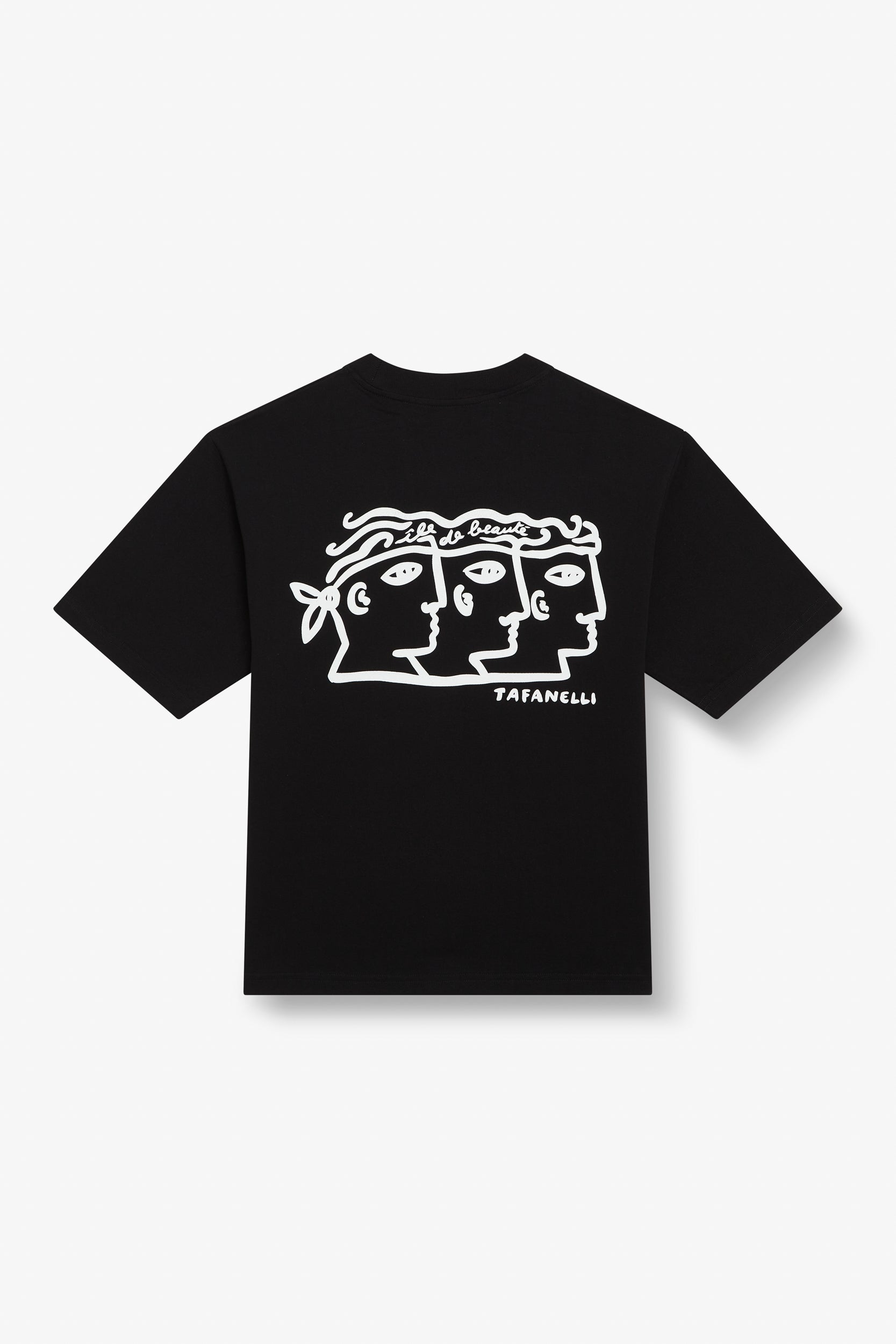
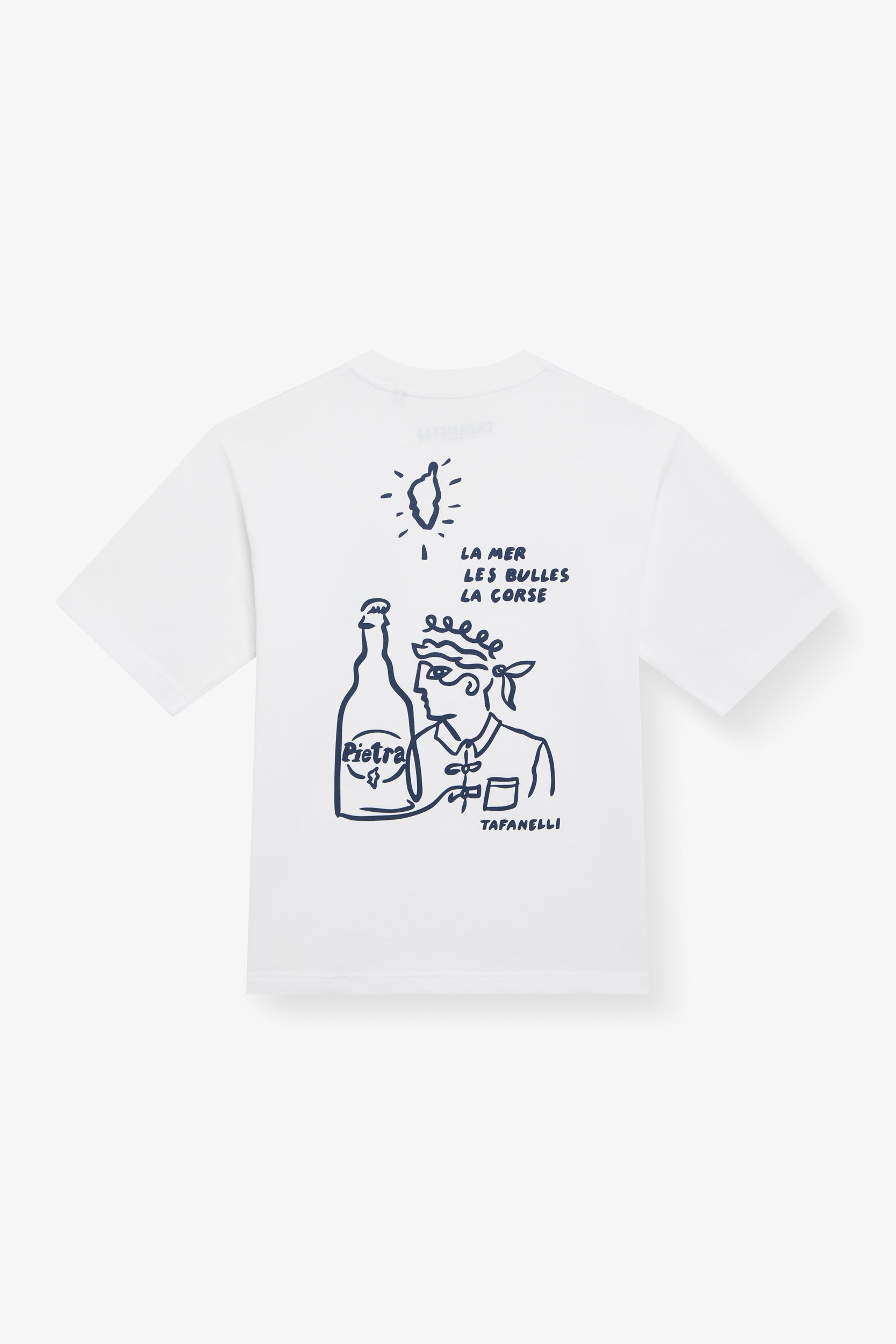
At Tafanelli, our approach is based on dense 260 GSM cotton, chosen for its feel, substance, and stability. If you want to see the difference with a piece designed to last, check out our Tafanelli t-shirts.
Frequently asked questions
Can a t-shirt return to its original size after shrinking?
Sometimes, partially. Dampening the piece and then gently stretching it can help, but the result remains limited and rarely perfect.
Does organic cotton shrink more?
No. It may seem more sensitive when it is less treated, but it is not the "organic" nature that causes shrinkage. Maintenance and manufacturing stability count for more.
Why does my t-shirt shrink even in cold water?
Because the quality of the cotton, the type of knitting, and the stability of the piece also play a role. Temperature is only one factor among others.
Should the tumble dryer always be avoided?
To preserve the cut of a cotton t-shirt, yes. It is the riskiest method if you want to maintain a good fit over time.
A good t-shirt shouldn't let you down after the first wash. The difference lies in the material, the density, and the way it is designed.
Discover Tafanelli t-shirts