

Why a t-shirt can cost €80
At first glance, all t-shirts may look similar. A simple shape, two sleeves, a collar, cotton. Yet, between a €20 t-shirt and an €80 t-shirt, the differences are found in what you cannot always see immediately.
A good t-shirt doesn't cost more just because it has a brand name. It costs more because every choice counts: the quality of the cotton, the weight of the fabric, the development of the cut, the precision of the construction, stability during washing, and durability.
A cheap t-shirt might be interesting for very occasional use. But if it loses its shape, shrinks, twists, or loses its collar quickly, its real price becomes less advantageous than it seems.
The material, the first invisible difference
The material is one of the first elements that explains the price. Not all cottons are created equal. The length of the fibers, the density of the thread, the feel, the resistance, and the drape of the fabric deeply change the final result.
Higher quality cotton is more expensive to produce. It generally offers better drape, better stability, and a cleaner feel when worn. Conversely, cotton that is too light may lack structure, become transparent, or quickly lose its shape.
Cotton that is too thin may seem pleasant at first, but it often does not hold up as well over time.
Denser cotton gives the garment more presence and improves the drape.
This point is essential if you want to understand the true quality of a t-shirt. To go further, you can read our guide: which t-shirt to wear when it is very hot.
The cut and the drape
An €80 t-shirt must fit just right. This is one of the most important criteria. The cut requires time, trials, adjustments, and sometimes several prototypes before achieving the right balance.
The shoulders must be well-placed, the length must remain controlled, the sleeves must respect the proportions of the body, and the volume should follow the silhouette without clinging to it.
If you want to understand this point precisely, we have detailed all the benchmarks here: how a t-shirt should drape.
Manufacturing and finishing
The price of a t-shirt also depends on how it is made. More demanding construction involves more inspection, more precision, and often smaller production runs.
The seams must be regular, the collar must remain stable, the bottom of the garment must maintain its line, and the fabric must not twist after washing. These details require real production rigor.
A t-shirt that loses its shape quickly costs less at first, but it quickly loses its utility value. To better understand this subject, also discover: which t-shirt does not lose its shape.
The real price is calculated over time
An €80 t-shirt might seem expensive if you only compare it to the price tag. But the real calculation is done based on the number of wears. A t-shirt worn 5 times does not have the same value as a t-shirt worn 50 times.
If a model retains its drape, its collar, its color, and its shape for several seasons, its cost per wear becomes much more consistent.
It is this logic that helps understand the difference between a quick purchase and a truly durable garment. We have developed this subject here: which t-shirt to choose to last a long time.
€20, €40, or €80 t-shirt: the real difference
A €20 t-shirt often follows a volume-based logic. It may do the job in the moment, but it is rarely designed to last a long time. The material is often lighter, the cut more standardized, and the finishing simpler.
A €40 t-shirt can already offer decent quality, but it all depends on the material, the place of manufacture, and the precision of the assembly. This is a zone where differences can be significant.
At €80, the customer has the right to expect more: a real material, a worked-out cut, serious manufacturing, wash resistance, a strong identity, and a garment you want to keep.
€20: accessible price, but often limited lifespan.
€40: intermediate quality, highly variable depending on the brand.
€80: expected excellence in material, cut, and construction.
The right price always depends on the actual longevity of the garment.
How to know if the price is justified
A price is justified when the product delivers on its promises. For a t-shirt, this means a cut that fits well, a material that is pleasant but stable, a collar that doesn't stretch out too quickly, and a real capacity to be worn often.
Design matters, of course. But it is not enough. A beautiful look on a poor textile base remains a poor t-shirt. Quality must be felt when worn, in the hand, in the drape, and over time.
If you want to complete this reading with a more global approach, discover our pillar guide: what is the best t-shirt for men.
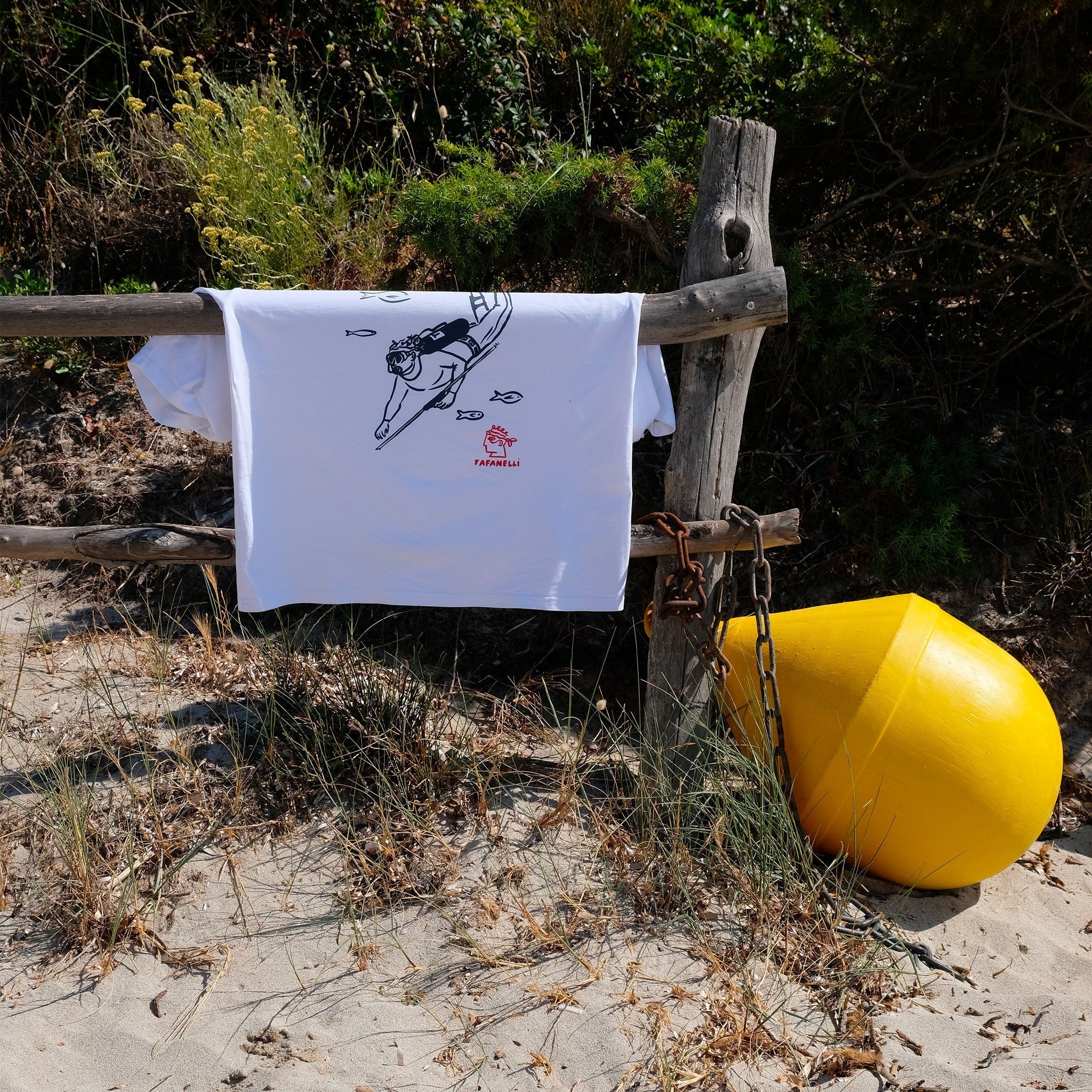
At TAFANELLI, the t-shirt is designed with this logic. A piece that is simple in appearance, but crafted to accompany daily life, summer, the sea, the city, and the passing seasons.
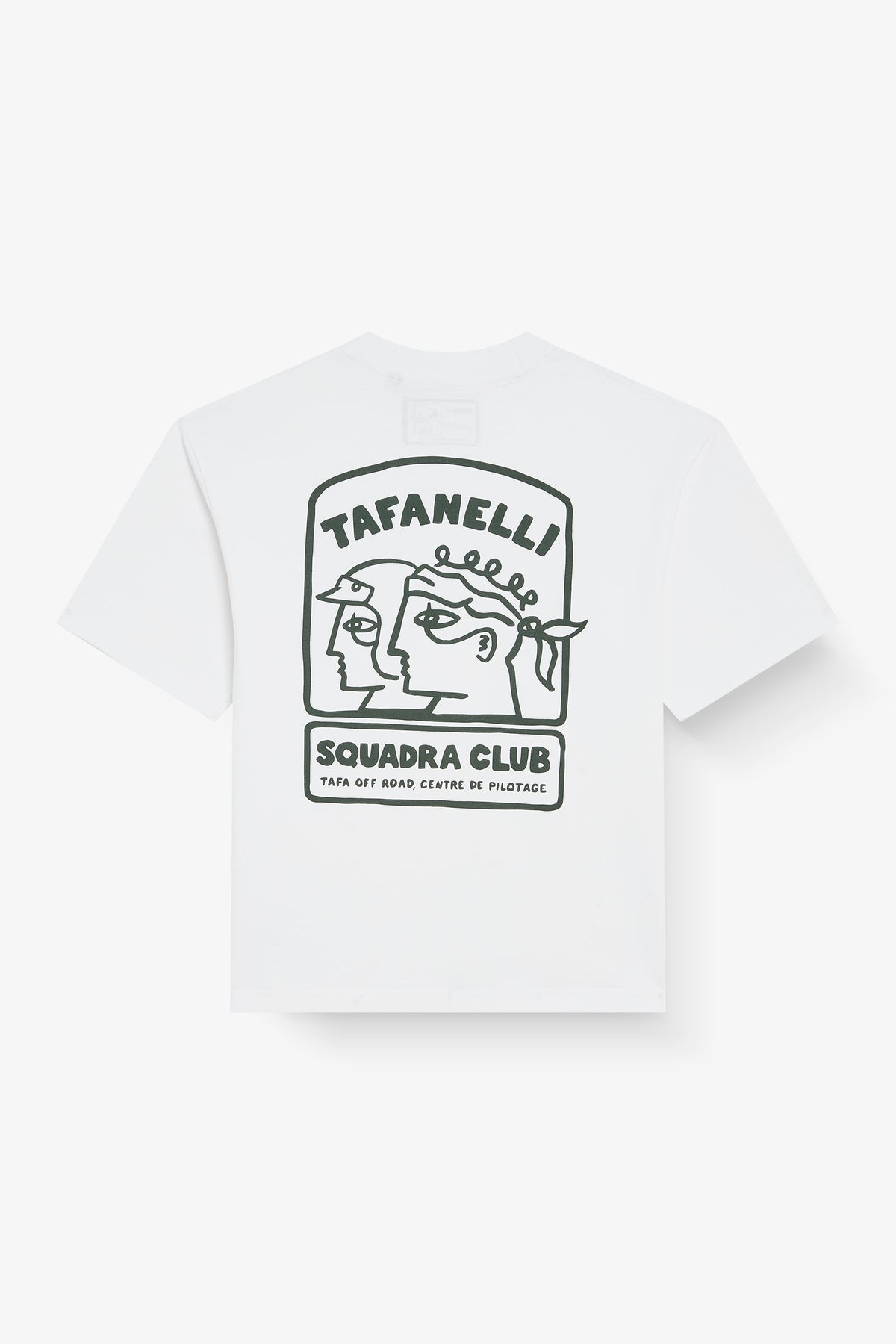
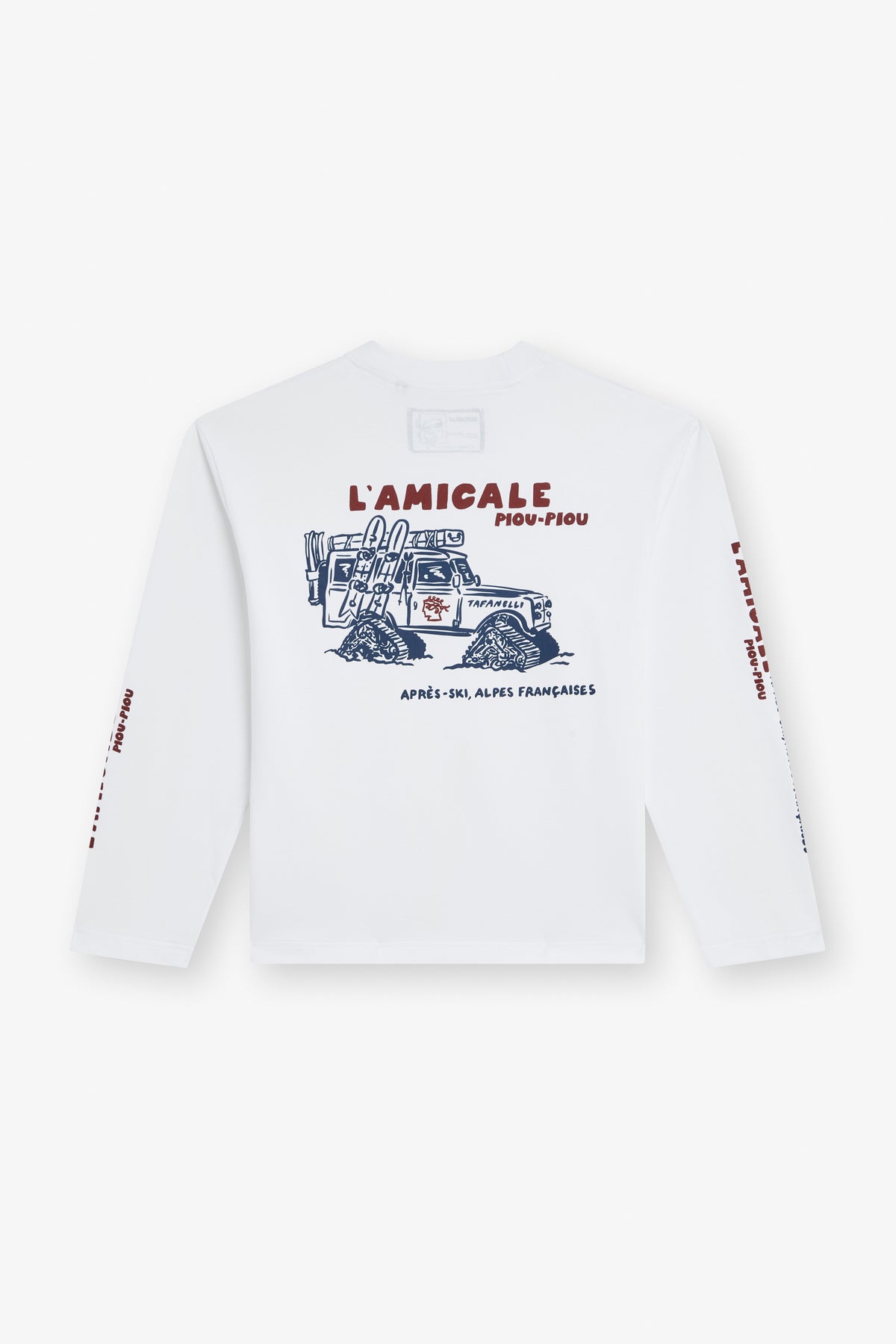
Discover TAFANELLI t-shirts: pieces designed to last, fit just right, and maintain their look over time.
Discover TAFANELLI t-shirts