Made in France T-shirt: the complete guide to choosing the right one
A made in France t-shirt is more than just a marketing claim: it is a guarantee of quality, traceability, and durability. Yet, you still need to know how to distinguish a true t-shirt manufactured in France from a mere garment. Cotton, fabric weight, fit, finishes, fair pricing: here is the complete guide to choosing a French t-shirt that will stay with you for years — and understanding why it is worth every euro.
Why choose a made in France t-shirt?
In the face of fast fashion, the made in France t-shirt is a common-sense choice. By favoring French manufacturing, you win on all fronts:
- Quality: better-selected materials, meticulous craftsmanship, rigorous control.
- Traceability: you know where and how the garment was made.
- Ethics: respectful working conditions, far from opaque workshops.
- Footprint: shorter supply chains and reduced impact.
- Durability: a garment designed to last, not to be thrown away after one summer.
In short, buying a t-shirt made in France means buying less but better — and supporting craftsmanship.
An €8 t-shirt and a made in France t-shirt do not tell the same story. The former has hidden costs — human, ecological, and for your closet which will constantly need refilling. The latter is paid for once and follows you for years.
How to recognize a true French t-shirt
Beware of misleading claims. "Designed in France" or "French brand" does not mean manufactured in France. A truly French t-shirt ideally involves several steps carried out in France:
- Knitting the fabric (turning yarn into jersey).
- Manufacturing (cutting and sewing the garment).
- Printing / silkscreening, when there is a design.
Reliable indicators: a detailed composition, a clear mention of the place of manufacture, sometimes a label (Origine France Garantie, France Terre Textile...), and a brand that is transparent about its supply chain. A serious company owns and documents its manufacturing process.
Cotton: organic, premium, origin
The quality of a t-shirt begins with its material. Choose premium cotton, ideally organic: softer, more resistant, and grown without pesticides. The origin of the cotton also counts (Europe, Portugal...), because even if made in France, the yarn rarely comes from France.
Good cotton has a dense and supple feel, a deep color, and a structure that does not slacken after the first wash. It is the foundation for everything else.
Fabric weight, the secret to a good t-shirt
This is the criterion connoisseurs look at first: the fabric weight, expressed in g/m² (gsm). It measures the density of the fabric.
- 140-180 gsm: light, often transparent, entry-level.
- 190-220 gsm: acceptable standard.
- 240-280 gsm: heavyweight, thick, structured, superior quality — the crisp and durable drape of fine pieces.
The higher the weight, the more opaque the t-shirt is, the better it holds up over time, and the more style it has. To learn more: which fabric weight to choose for a t-shirt and what is a 250 gsm t-shirt.
Fit and finishes
Beautiful material is not enough: the fit and finishes make the garment.
- Fit: straight, slim, or boxy — the essential thing is that it is distinct and intentional, not approximate.
- Collar: a dense ribbed edge (often cotton + elastane) that does not stretch out is the sign of a serious t-shirt.
- Seams: regular, reinforced at stress points (shoulders, armholes).
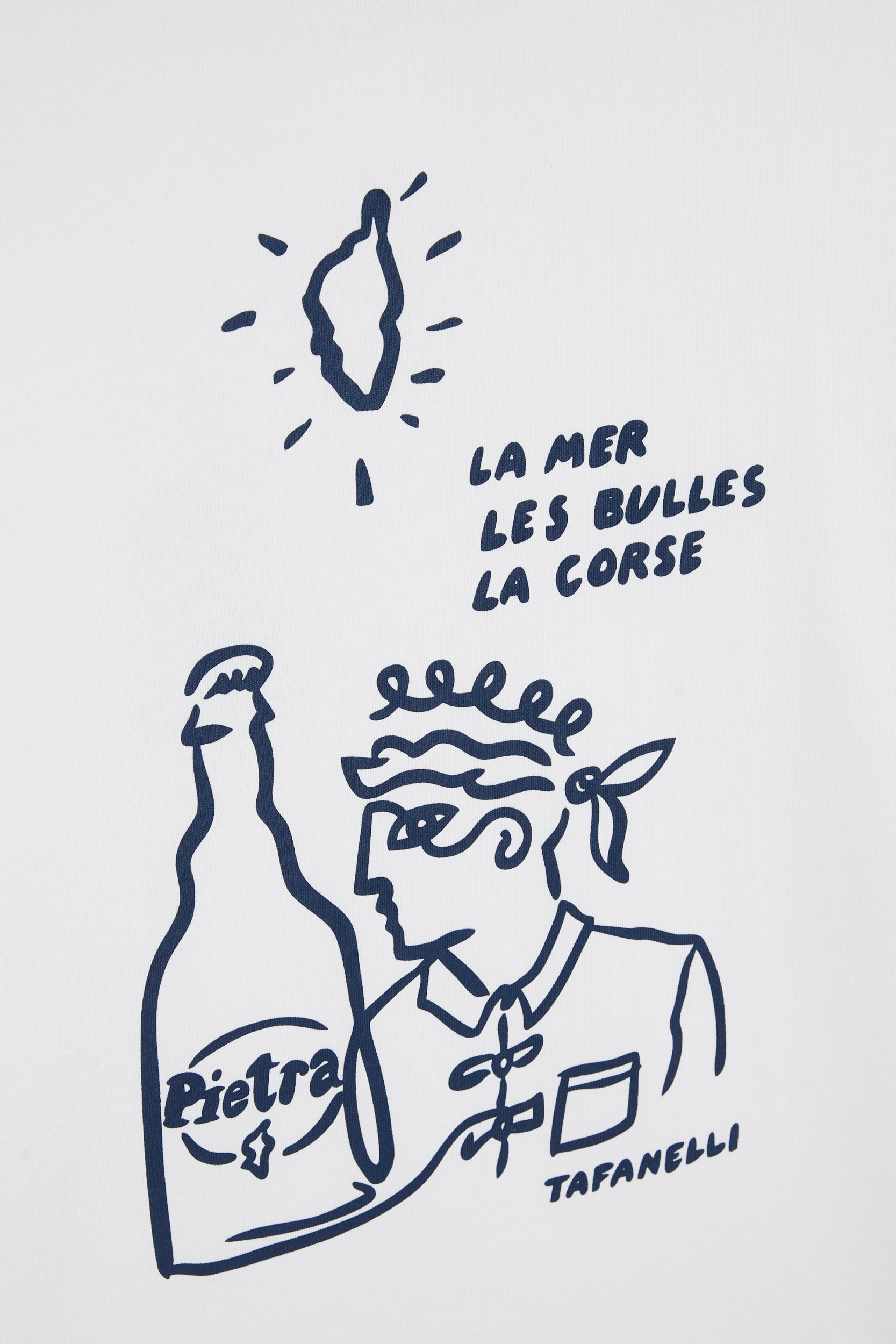
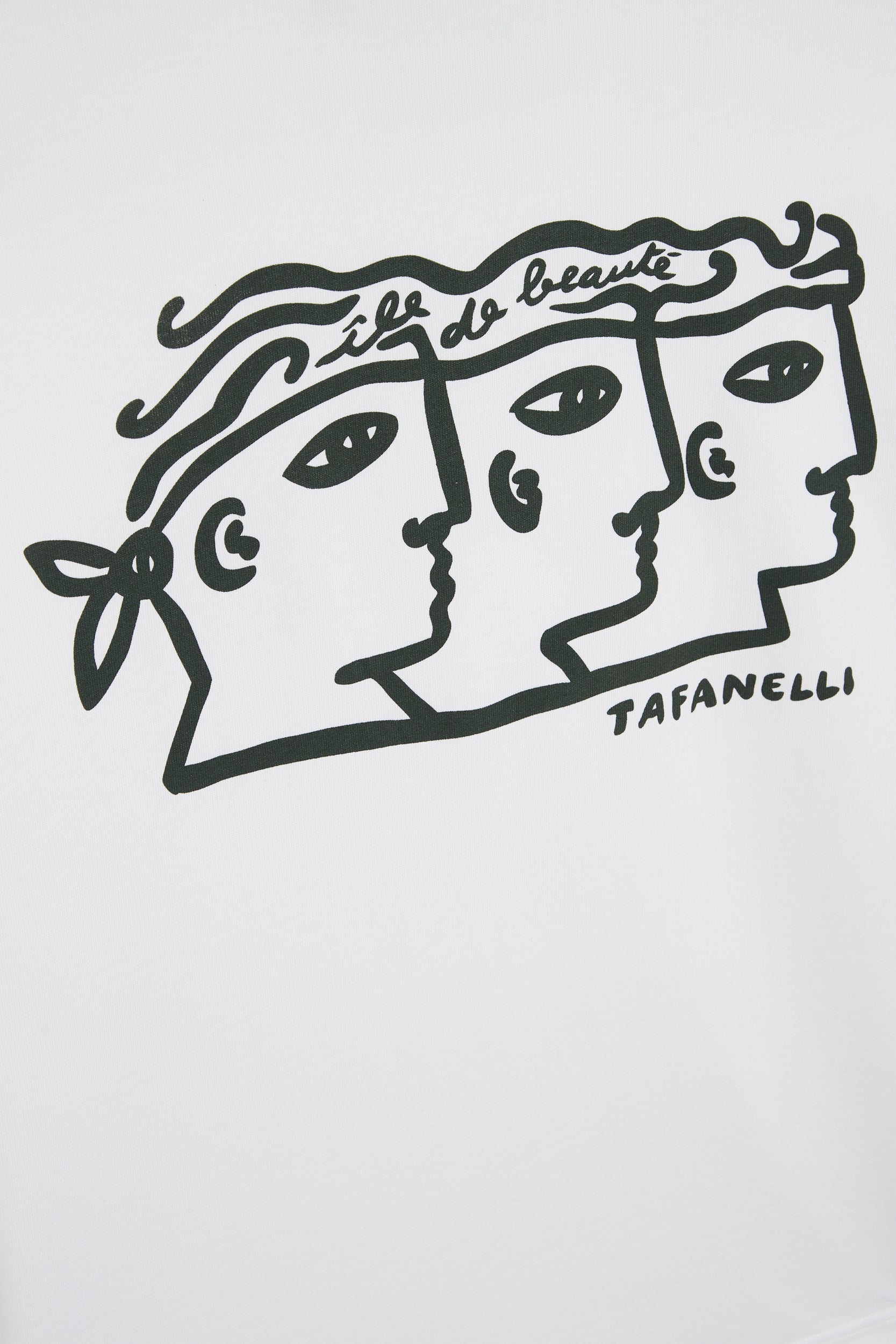
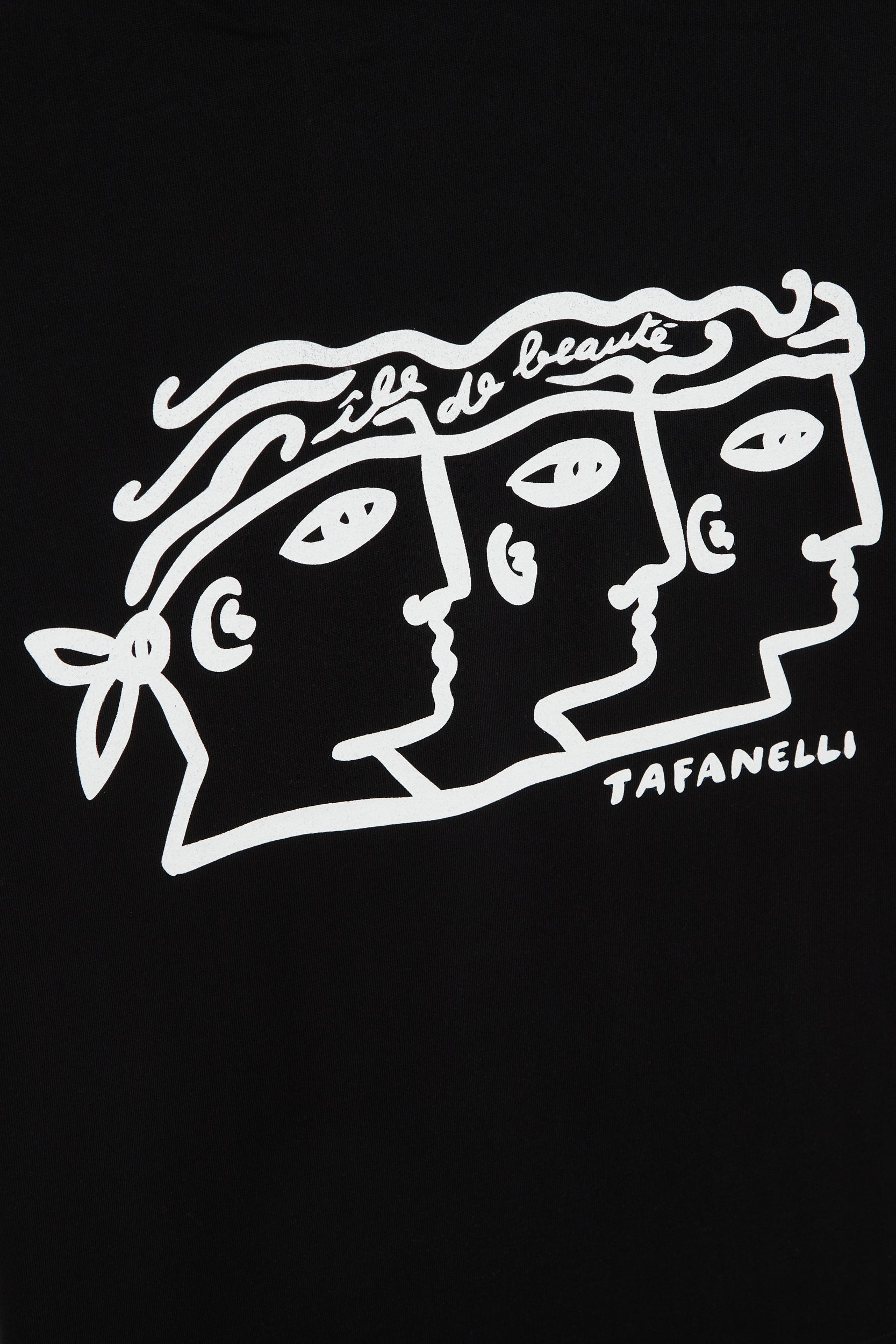
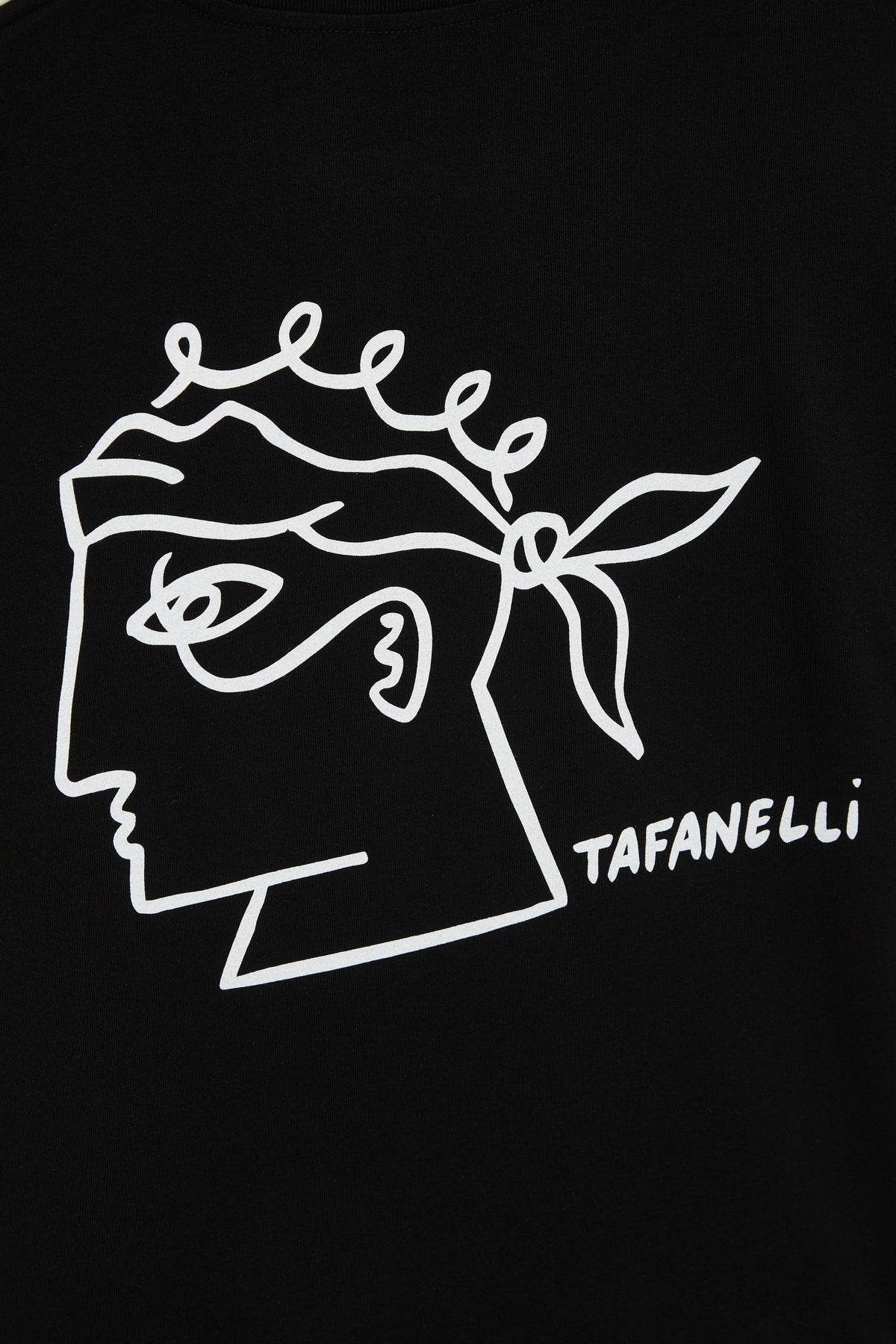
- Details: quality label, sharp and durable silkscreen printing.
These details, invisible at first glance, make all the difference between a t-shirt you keep and one you throw away.
A fair price
A made in France t-shirt, in thick, well-cut organic cotton, cannot cost €10. Between the material, the knitting, the French manufacturing, and the silkscreen printing, the price reflects real work and fair pay at every step.
It is an investment, not an expense: relative to the number of years worn, a beautiful t-shirt ends up costing less than a pile of disposable ones. We explain this in detail in what is the real price of a good t-shirt.
Durability: true luxury
Luxury today is not about consuming a lot: it is about owning pieces that last. A high-quality, well-maintained t-shirt lasts for years and develops character as it ages.
You still need to take care of it: wash cold, inside out, no tumble drying. All our advice can be found in how to wash a silkscreened t-shirt without damaging it. And to make sure you get it right when buying, how to choose the right size.
Frequently asked questions
What is a truly made in France t-shirt?
It is a t-shirt whose key stages (knitting, manufacturing, and often printing) are carried out in France. "French brand" or "designed in France" is not enough: look for the manufacturing notice and, ideally, a label.
Why is a French t-shirt more expensive?
Because the material, labor, and French standards have real costs. This price guarantees quality, ethics, and durability — a t-shirt that lasts for years.
What weight for a good t-shirt?
For a qualitative and durable piece, aim for 240 to 280 g/m² (heavyweight): opaque, structured, with a beautiful drape.
Where to buy a quality made in France t-shirt?
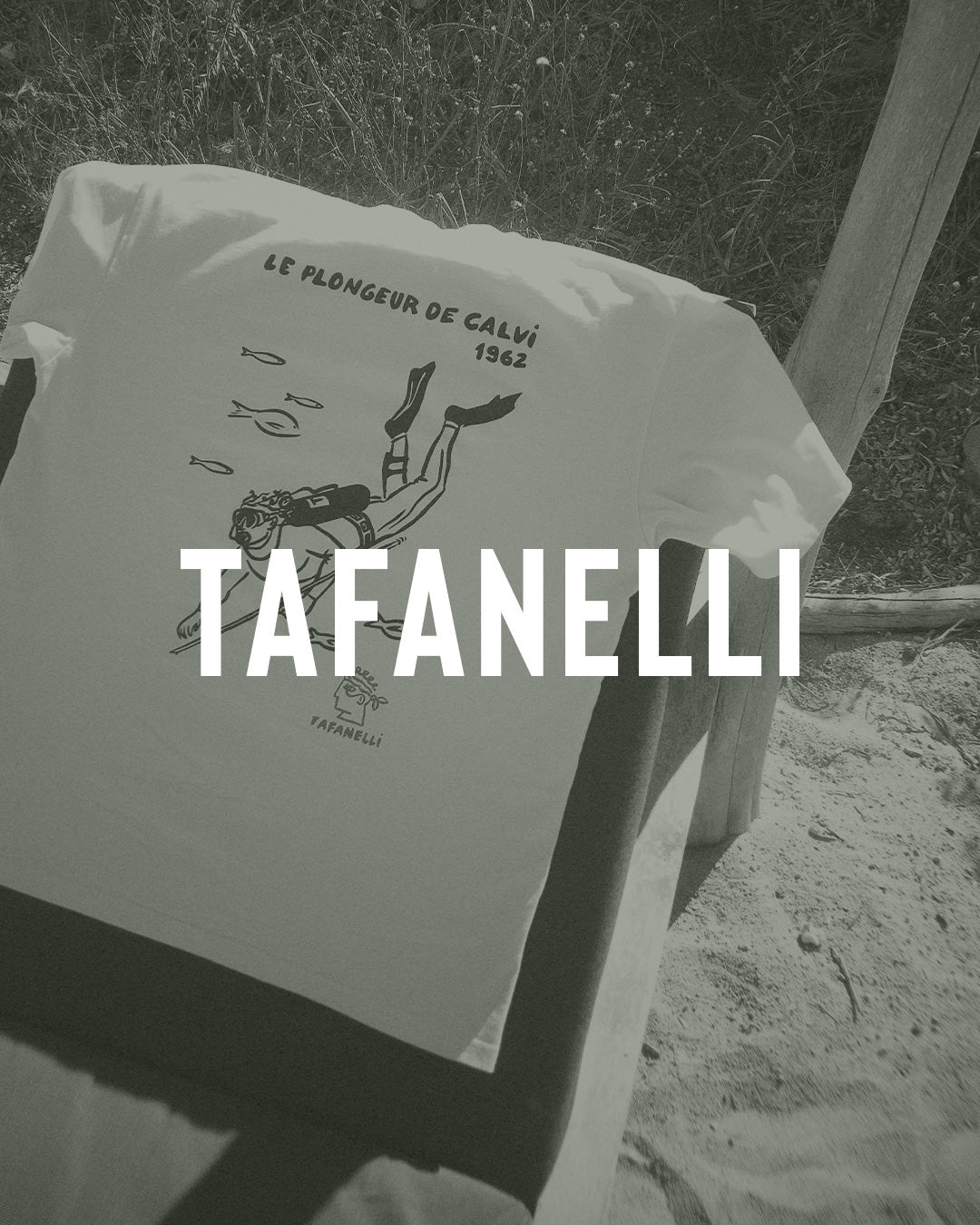
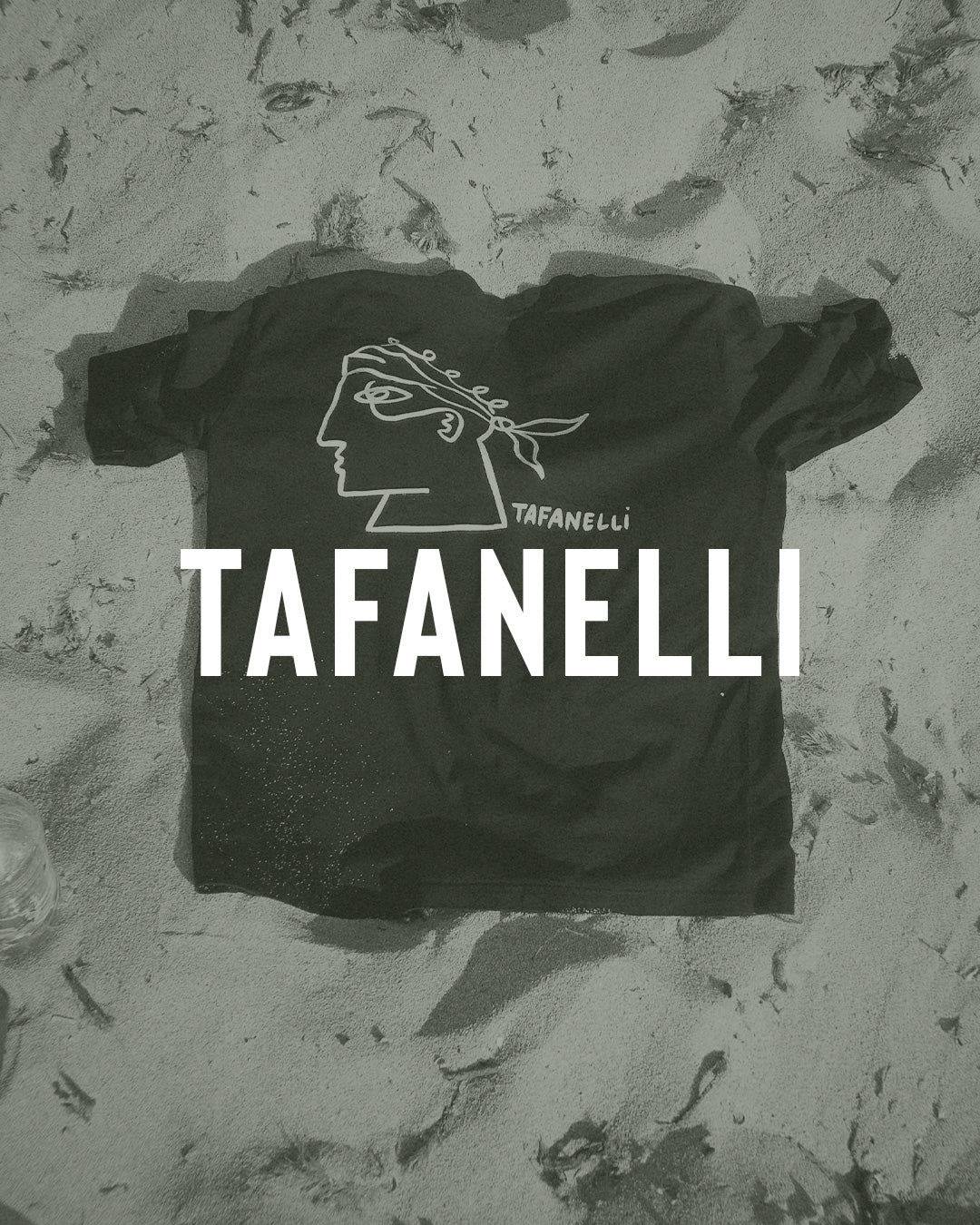
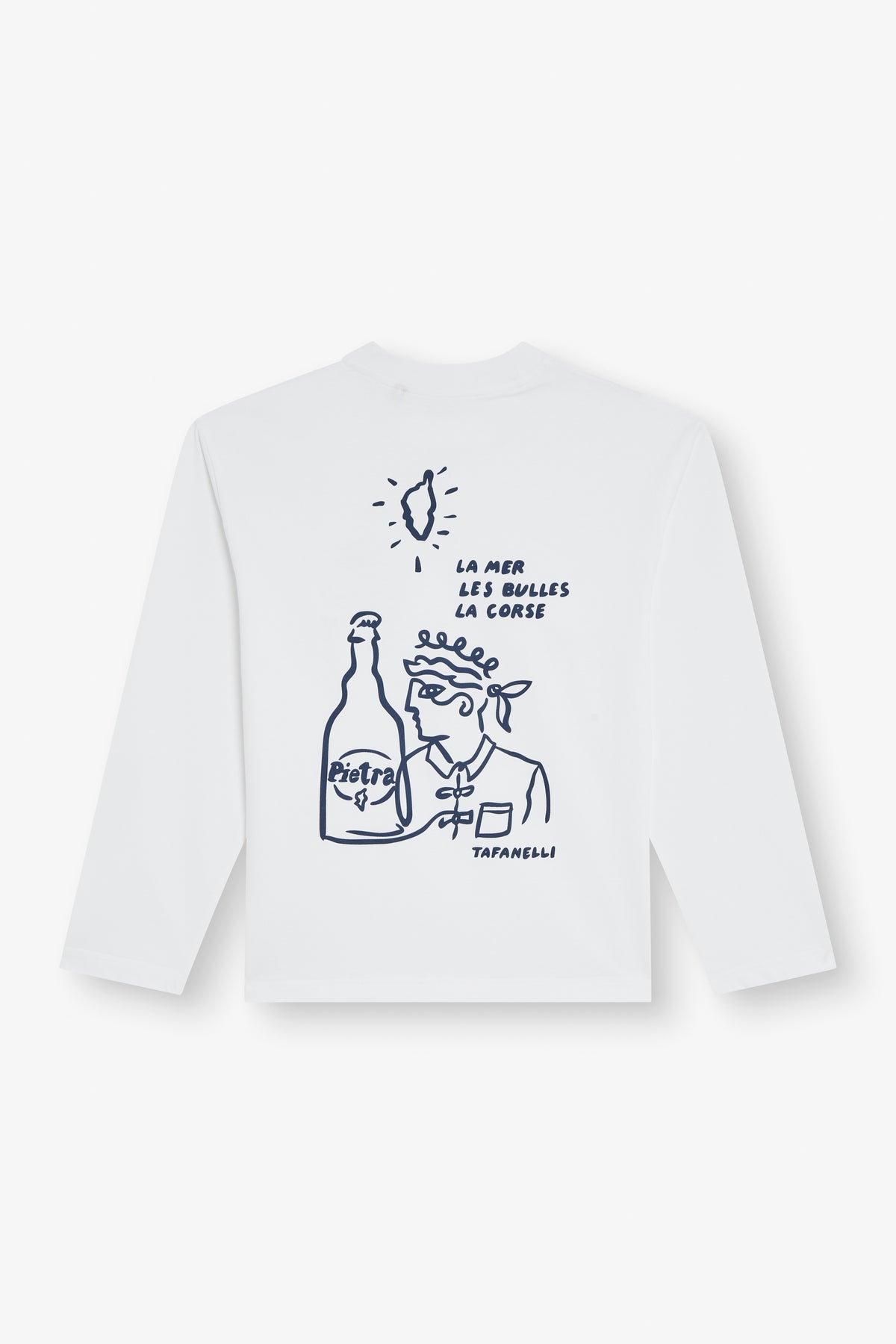
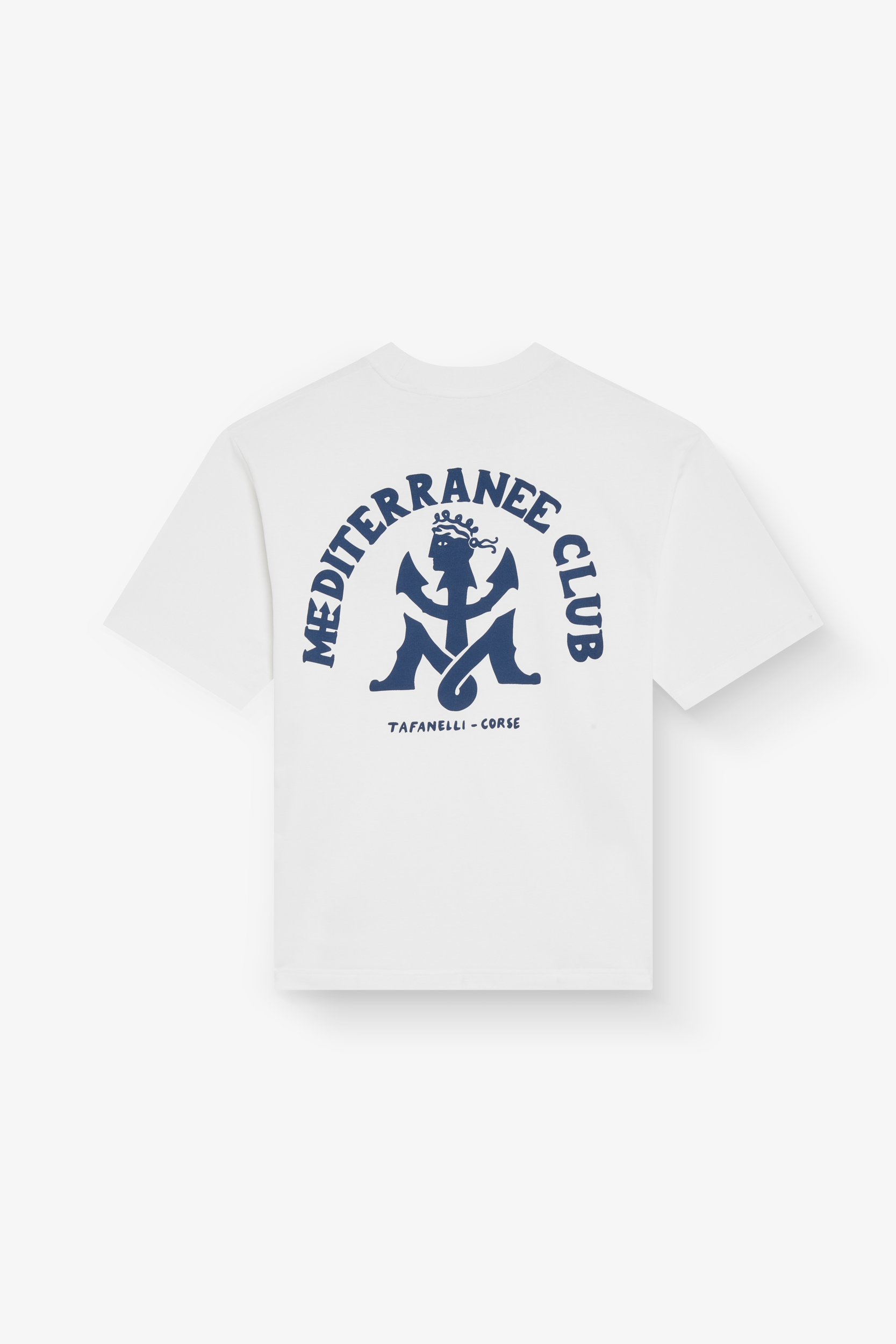
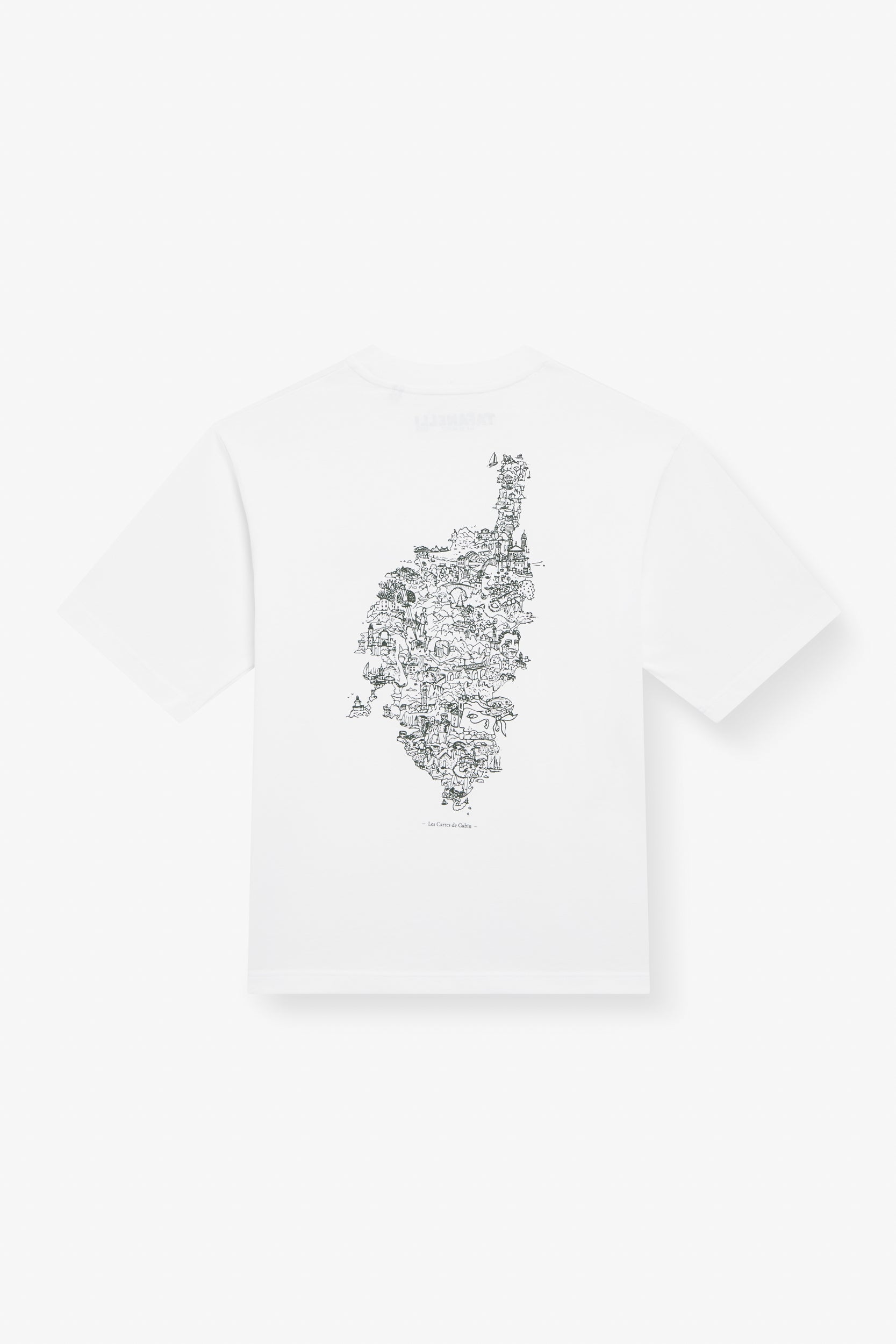
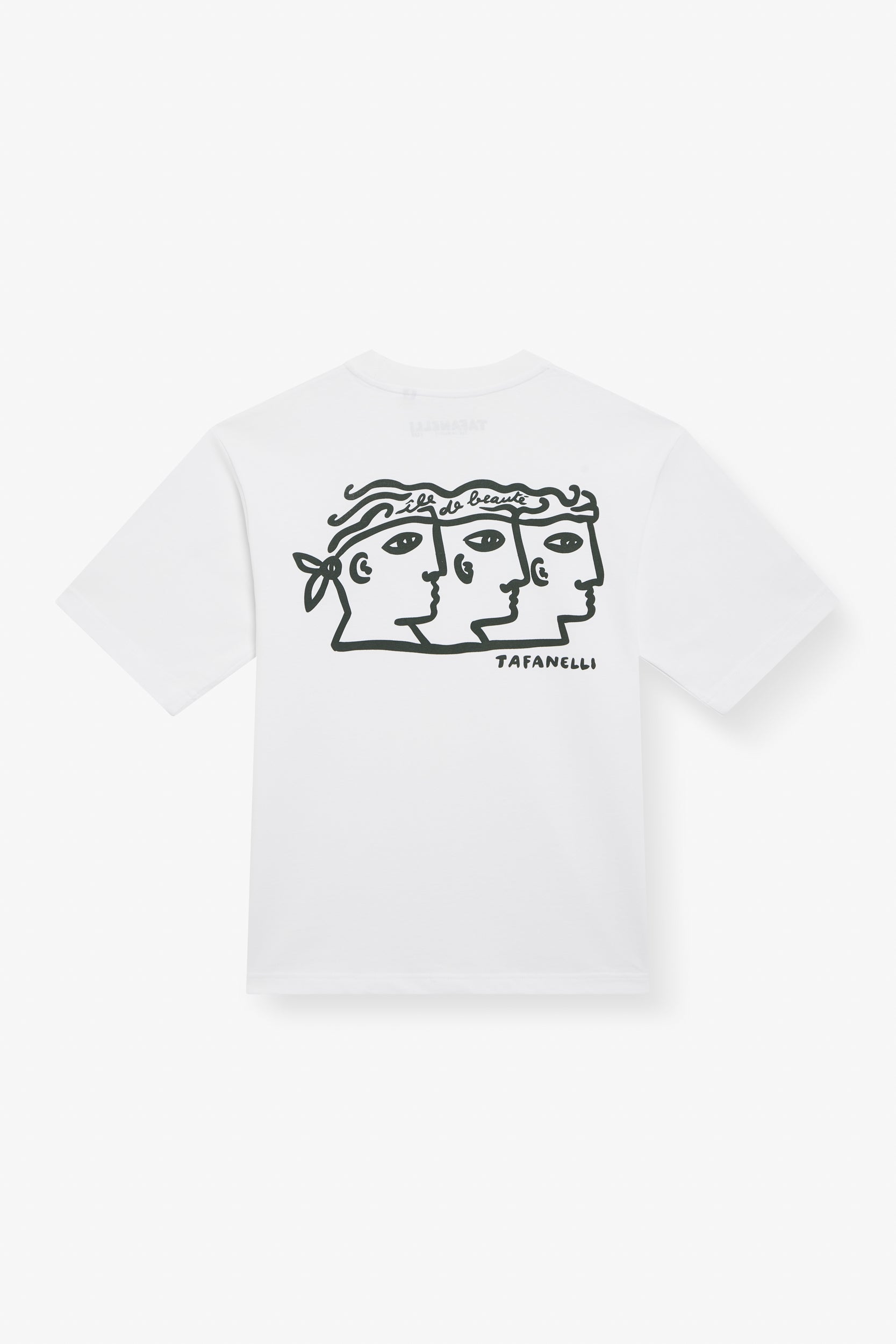
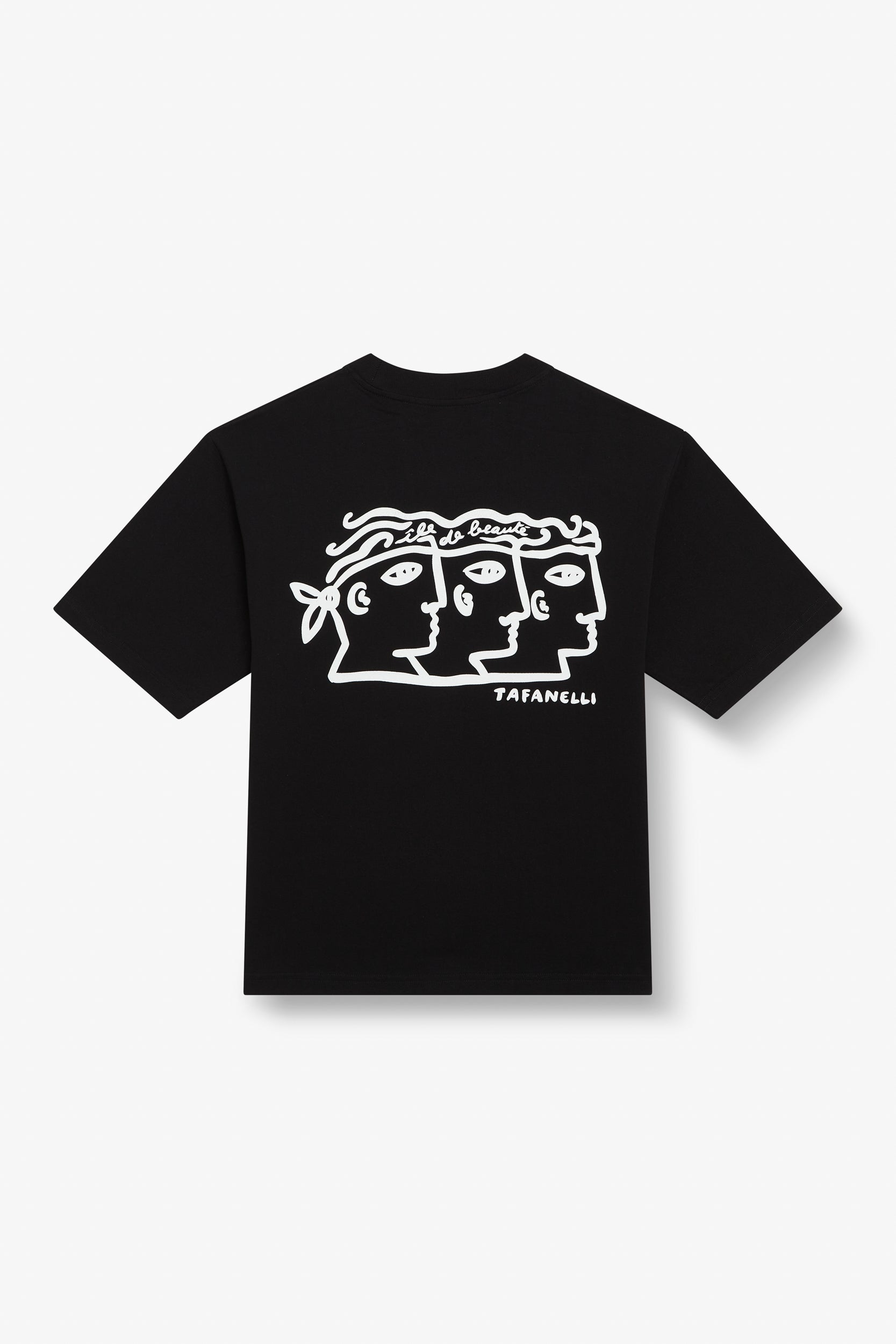
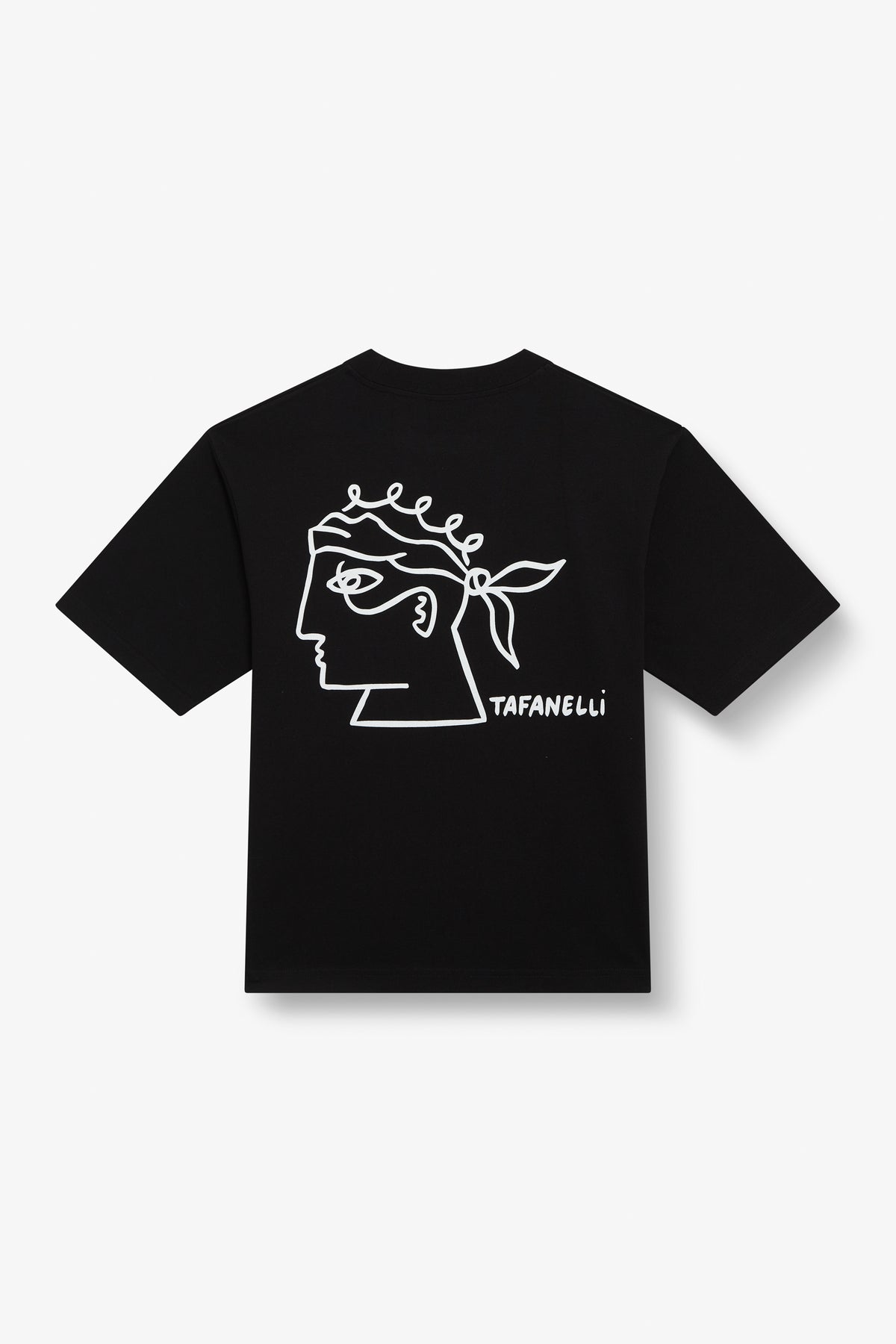
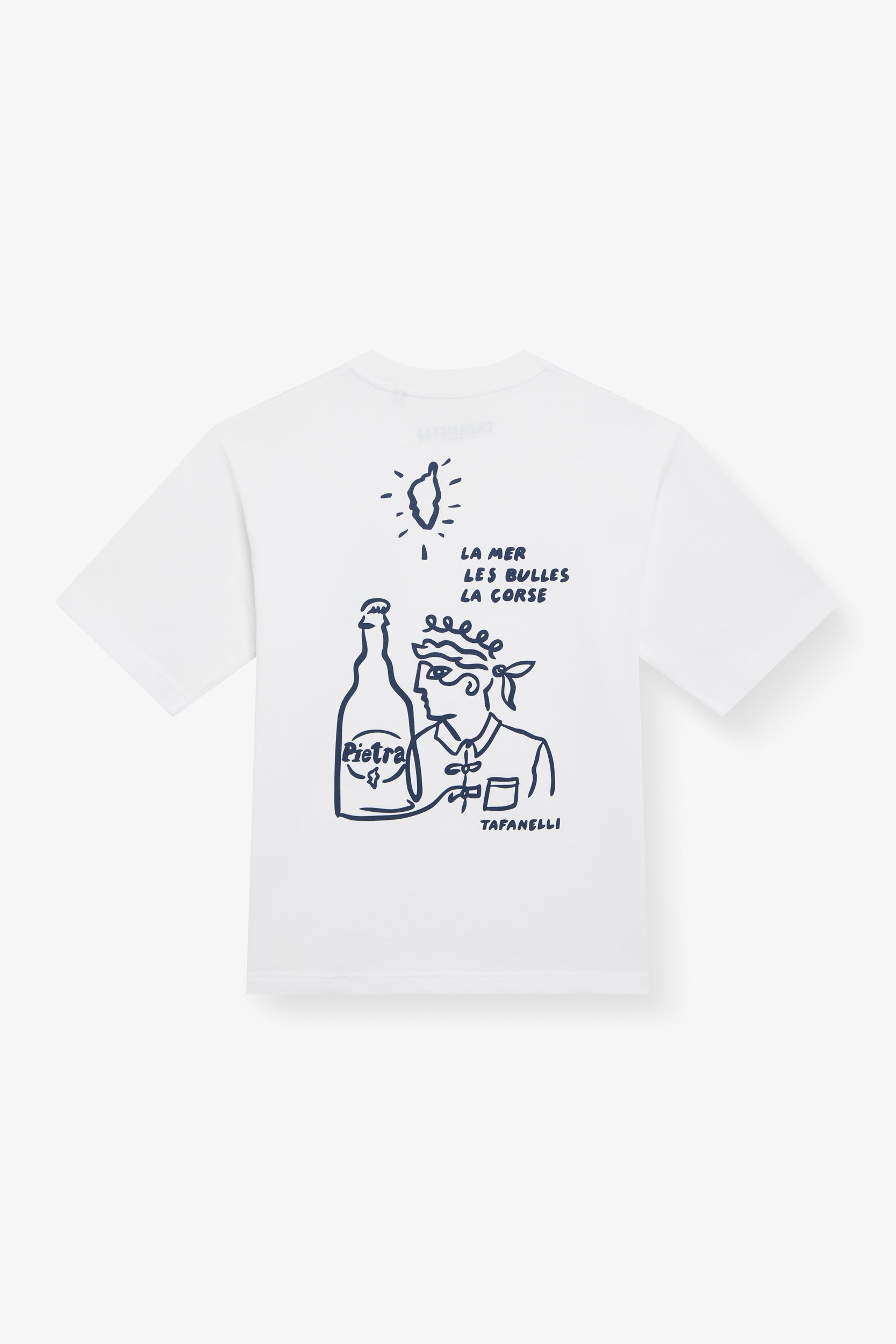
From brands that are transparent about their manufacturing, such as TAFANELLI: t-shirts made in France, 280 g/m² premium organic cotton, available at tafanelli.fr.
The TAFANELLI made in France t-shirt
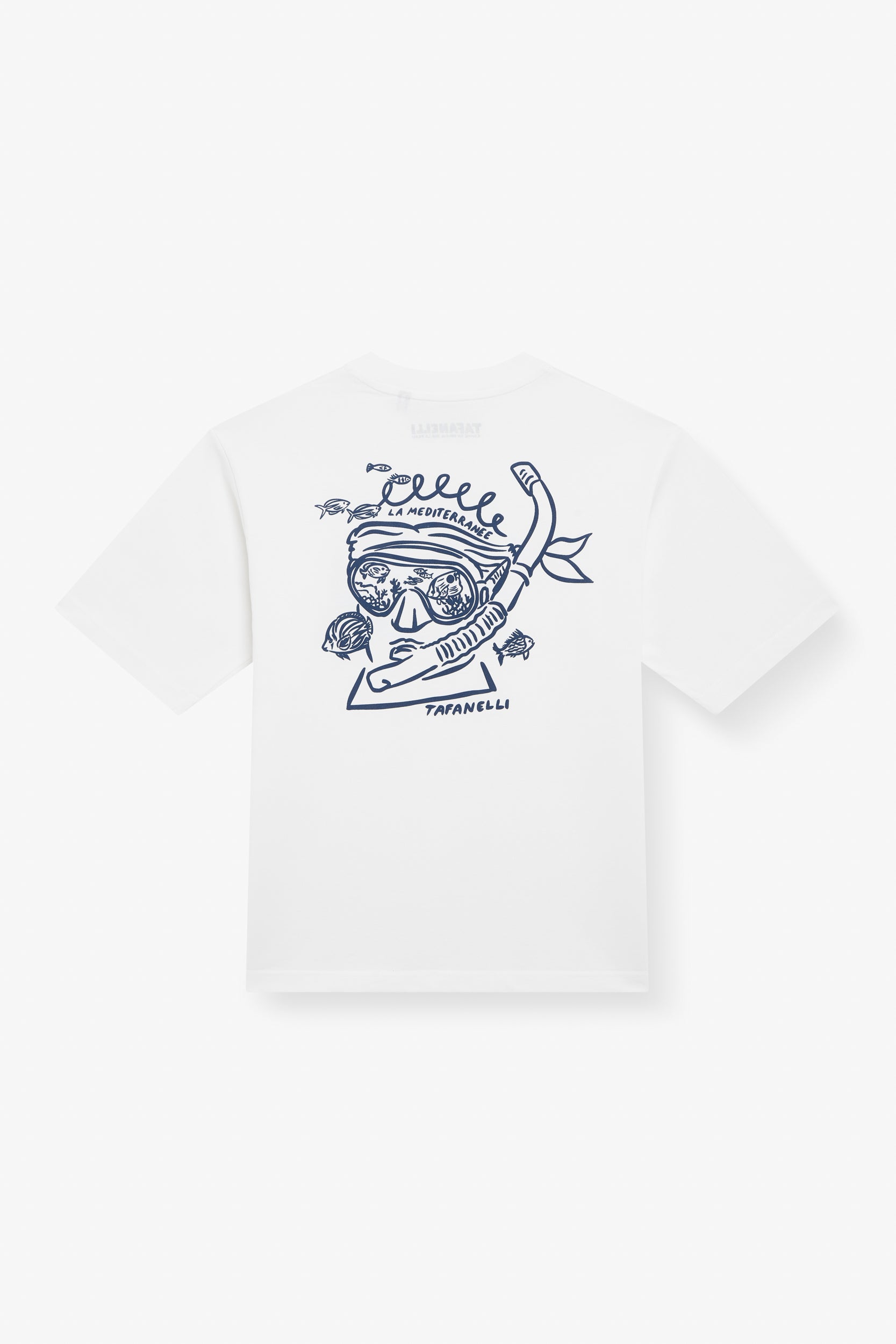
At TAFANELLI, every t-shirt checks all the boxes in this guide: made in France, 280 g/m² premium organic cotton, pre-washed, with a fit refined over four years, hand-silkscreened. A piece designed to weather the summers and be passed on — universal quality, served by a Corsican soul.
Discover the wardrobe:
- The t-shirt collection, all made in France.
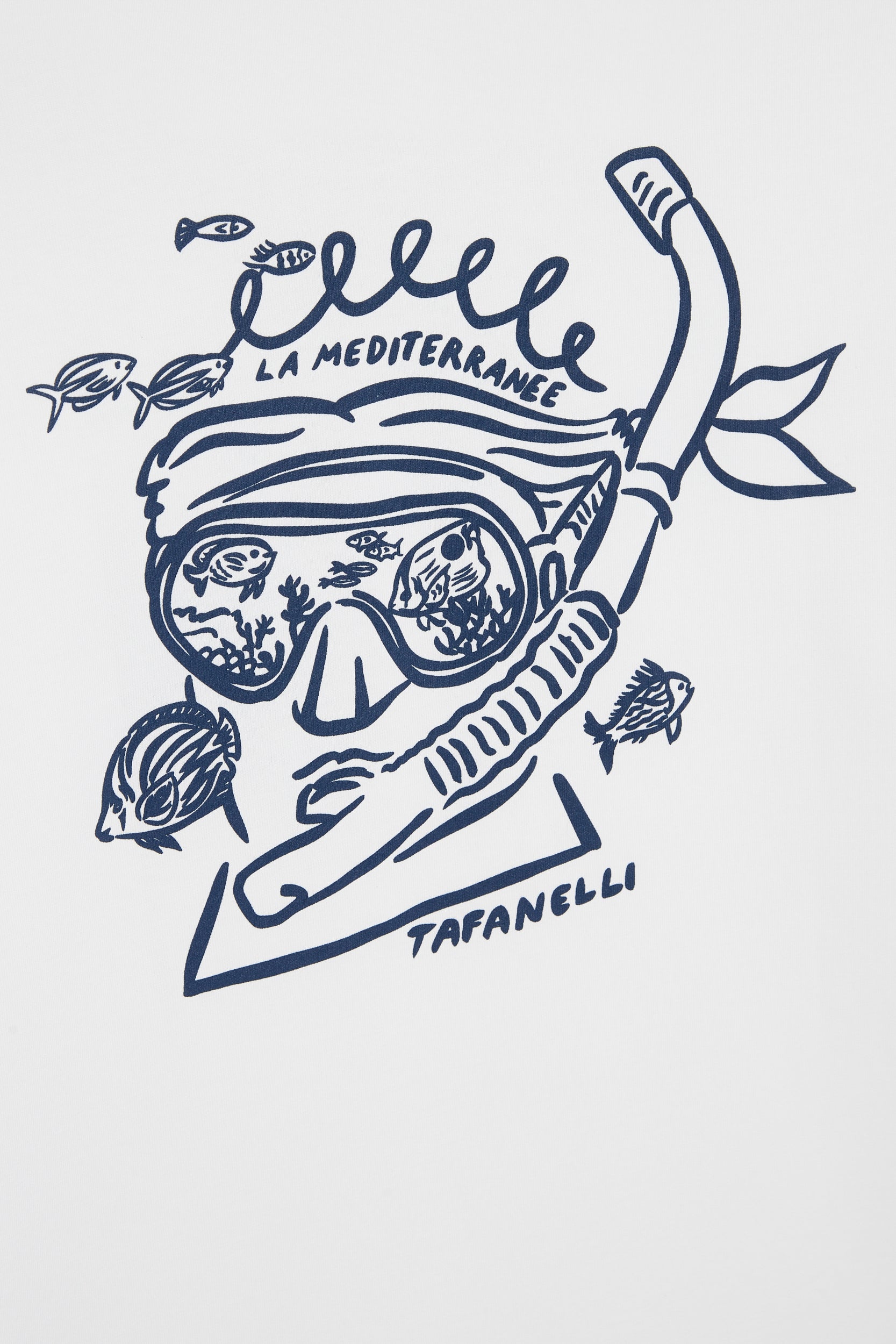
- The Corsica 1755 t-shirt, La Trinità, the Mediterranean Diver.
To choose and maintain your pieces properly:
- Which fabric weight to choose for a t-shirt
- What is a 250 gsm t-shirt
- What is the real price of a good t-shirt
- How to choose the right t-shirt size
- Corsican brand: the TAFANELLI Mediterranean wardrobe
Passing through Corsica, the customer becomes a friend.
A DOPU,
TAFA