
Balagne: A complete guide to the Corsican micro-region chosen by Jacquemus
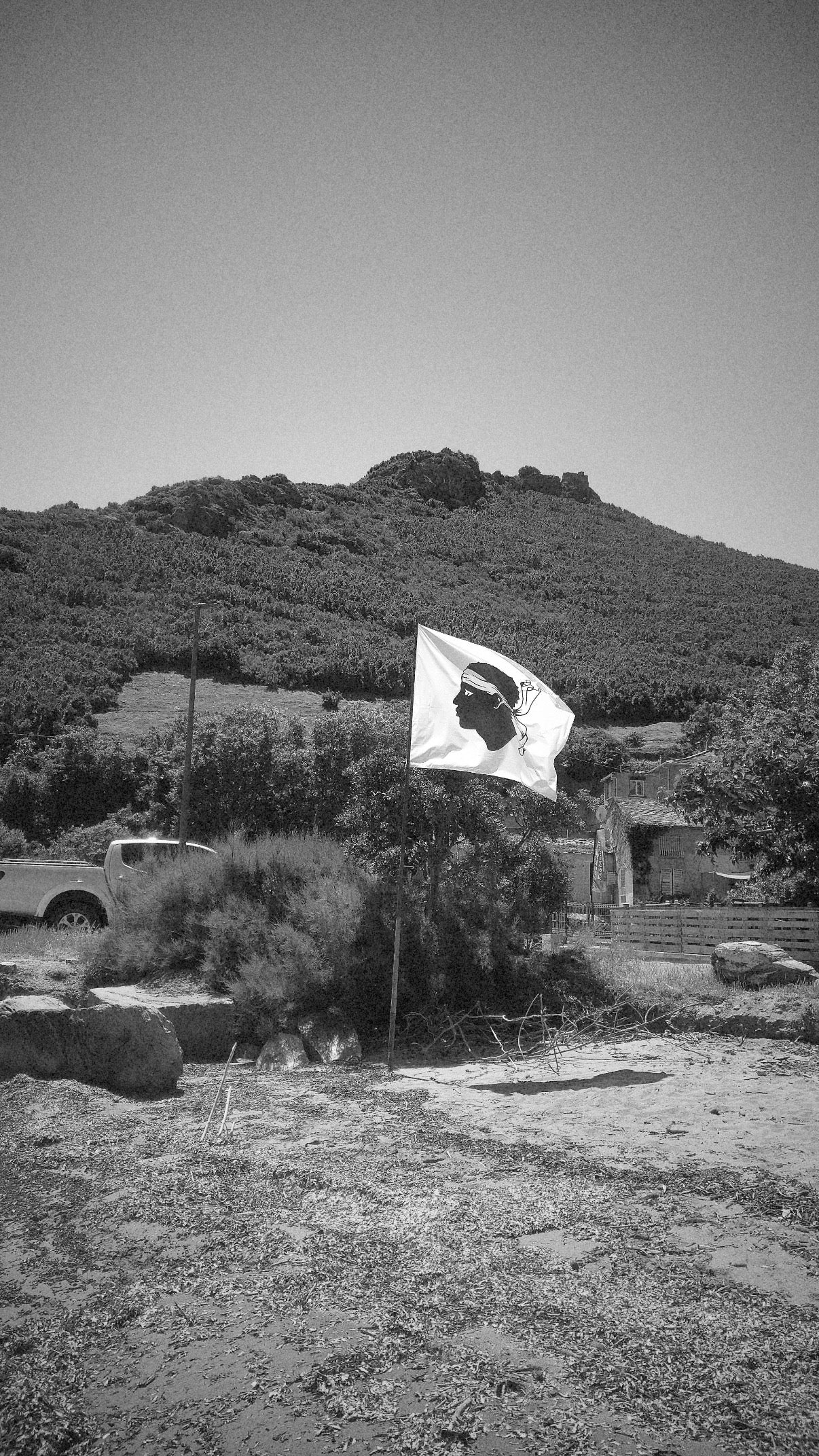
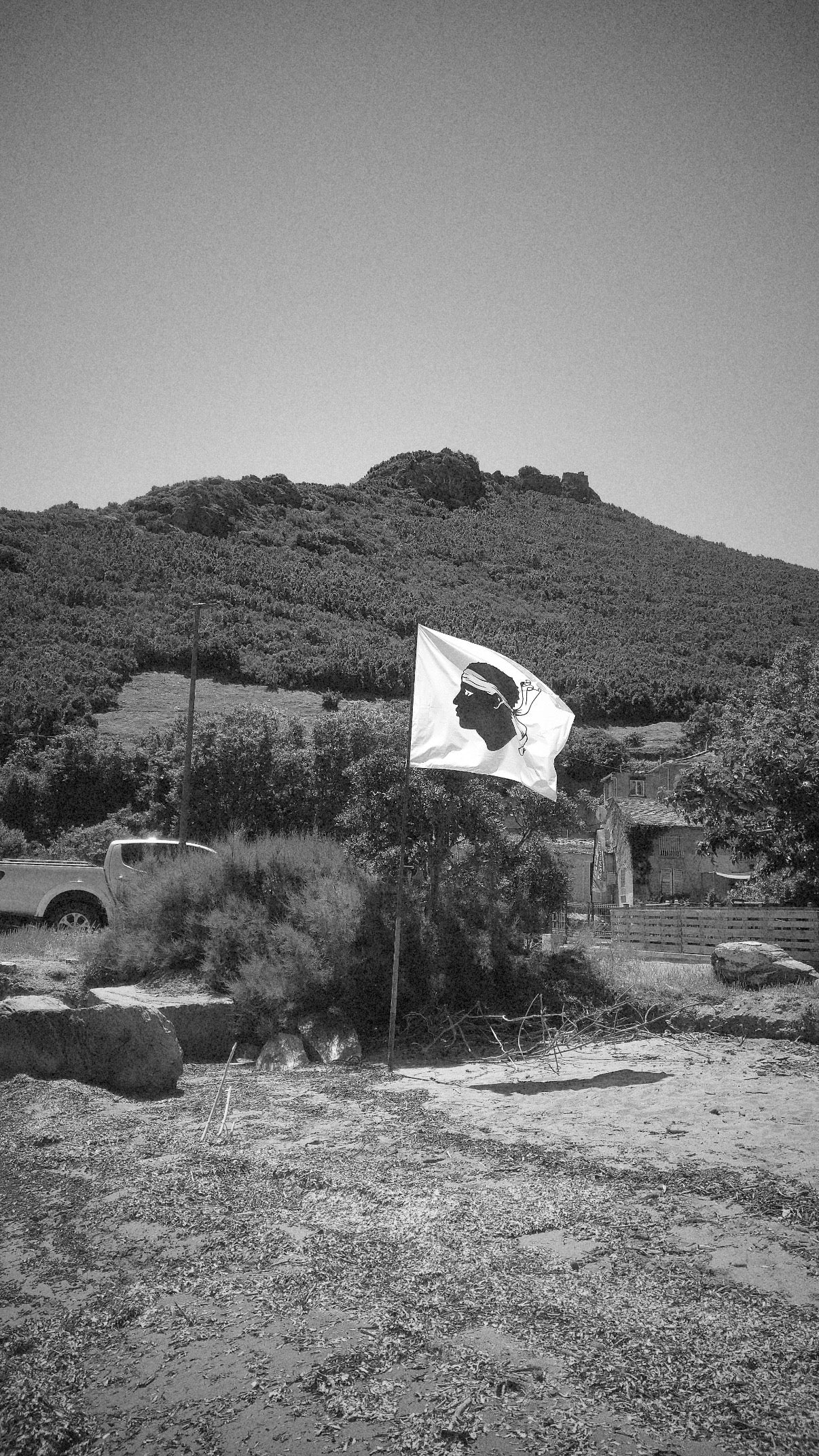
Between the Tyrrhenian Sea and the peaks of the hinterland, the Balagne region unfolds its perched villages, Genoese citadels, and wild beaches along the northwest coast of Corsica. It is this micro-region that Jacquemus chose for his Spring 2027 fashion show, specifically its capital, Île-Rousse. Here is the complete guide to this land, which concentrates some of the most beautiful heritage, gastronomic, and cultural treasures in Corsica within a few dozen kilometers.
What is the Balagne?
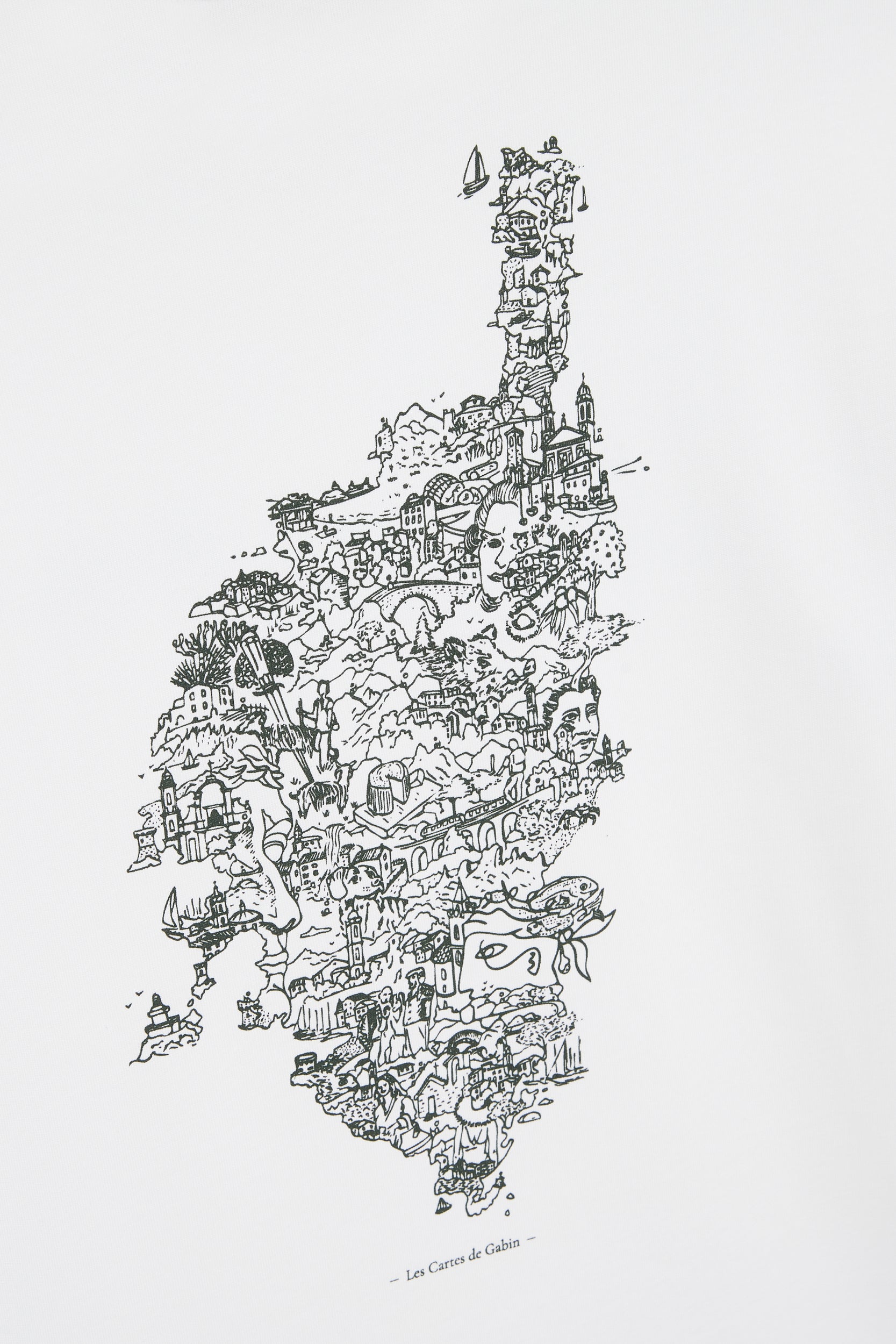
The Balagne is a historic micro-region of Haute-Corse, located in the northwest of the island. It roughly extends between Calvi in the west, Île-Rousse in the north, and the Reginu valley in the east, rising up toward the peaks of the Cinto, which reach over 2,700 meters. Within this strip of territory, about 30 kilometers long and 20 wide, one finds a remarkable concentration of perched villages, vineyards, centuries-old olive groves, and preserved beaches.
The Balagne has historically been nicknamed the "garden of Corsica" due to the fertility of its soil and its mild climate. Since antiquity, it has been a land of olive oil, citrus, and grain, exporting its products to the continent and the Italian peninsula. This agricultural tradition continues today in an upscale tourism economy that favors authenticity.
It is in this singular land—at once sea and mountain, urban and village, agricultural and seaside—that Jacquemus chose to host his Spring 2027 fashion show. To understand why this choice makes sense, also read our article Jacquemus in Corsica: Why the island is becoming the new territory of fashion.
Île-Rousse, the capital of Balagne
Founded in 1758 by Pasquale Paoli to compete with Calvi, then in the hands of the Genoese, Île-Rousse has kept a unique urban character from its Paolist origins: a grid layout around Place Paoli, covered market halls in the center, a marina, and a municipal beach with golden sand just steps from the town center.
Don't miss in Île-Rousse:
- Place Paoli, the beating heart of the town, shaded by centuries-old plane trees, ideal for a coffee in front of the bust of Pasquale Paoli
- The covered market halls, a daily market overflowing with local products: olive oil, Corsican cheeses, charcuterie, fruit, and fish
- The Pietra Lighthouse, an iconic monument on its rocky islet, chosen by Jacquemus for his show. See our dedicated article: The Pietra Lighthouse: Everything you need to know about the monument chosen by Jacquemus
- The municipal beach, accessible on foot from the center, with translucent water
- The Balagne tramway, which connects Île-Rousse to Calvi while hugging the coast, a 23 km journey that is one of the most picturesque in Corsica
Île-Rousse is also the arrival point for most ferries from the continent (Nice, Marseille, Toulon), making it a natural gateway to the Balagne for visitors.
Calvi and its Genoese citadel
25 kilometers west of Île-Rousse, Calvi is the second major town of the Balagne and probably one of the most photographed in Corsica. Its silhouette is immediately recognizable: a 13th-century Genoese citadel that juts out like a fortified cape into the bay, overlooking the port and the long, five-kilometer stretch of white sand beach.
Essentials in Calvi:
The Citadel
Built in the 13th century by the Genoese to defend the bay. The monumental entrance gate, the ramparts overlooking the sea, the Saint-Jean-Baptiste Cathedral, and the former house of Christopher Columbus (according to a disputed local tradition).
The port and Quai Landry
The lifestyle backbone of Calvi. Bars, restaurants, and terraces where all of Balagne gathers. This is where you'll find Chez Tao, an institution since 1935 and a TAFANELLI anchor point in Calvi.
Calvi Beach
Five kilometers of golden sand, turquoise water, and a view of the citadel. One of the most beautiful urban beaches in the Mediterranean.
Calvi on the Rocks
An iconic festival held every summer that brings in an international crowd who loves mixing beach life with electronic music.
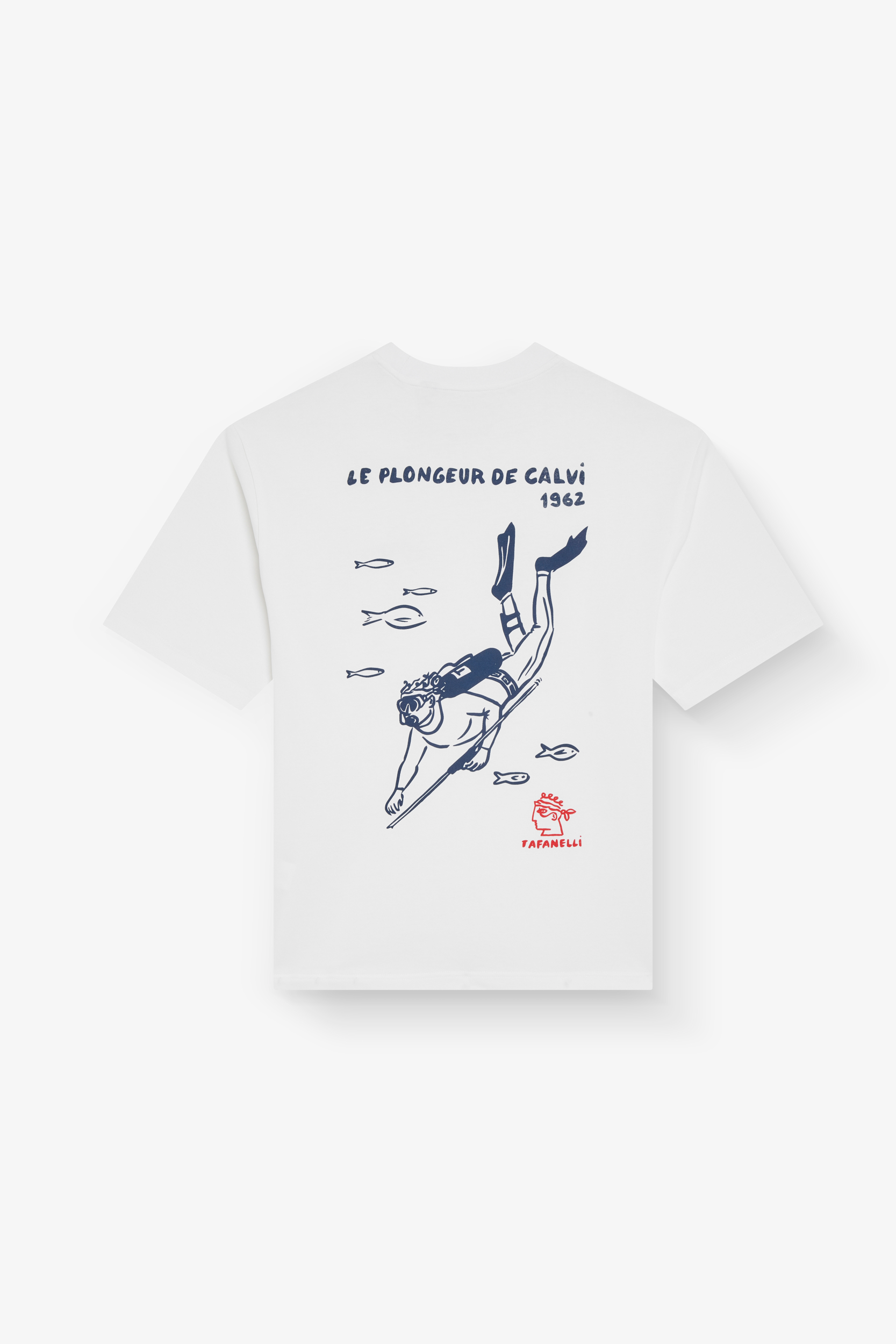
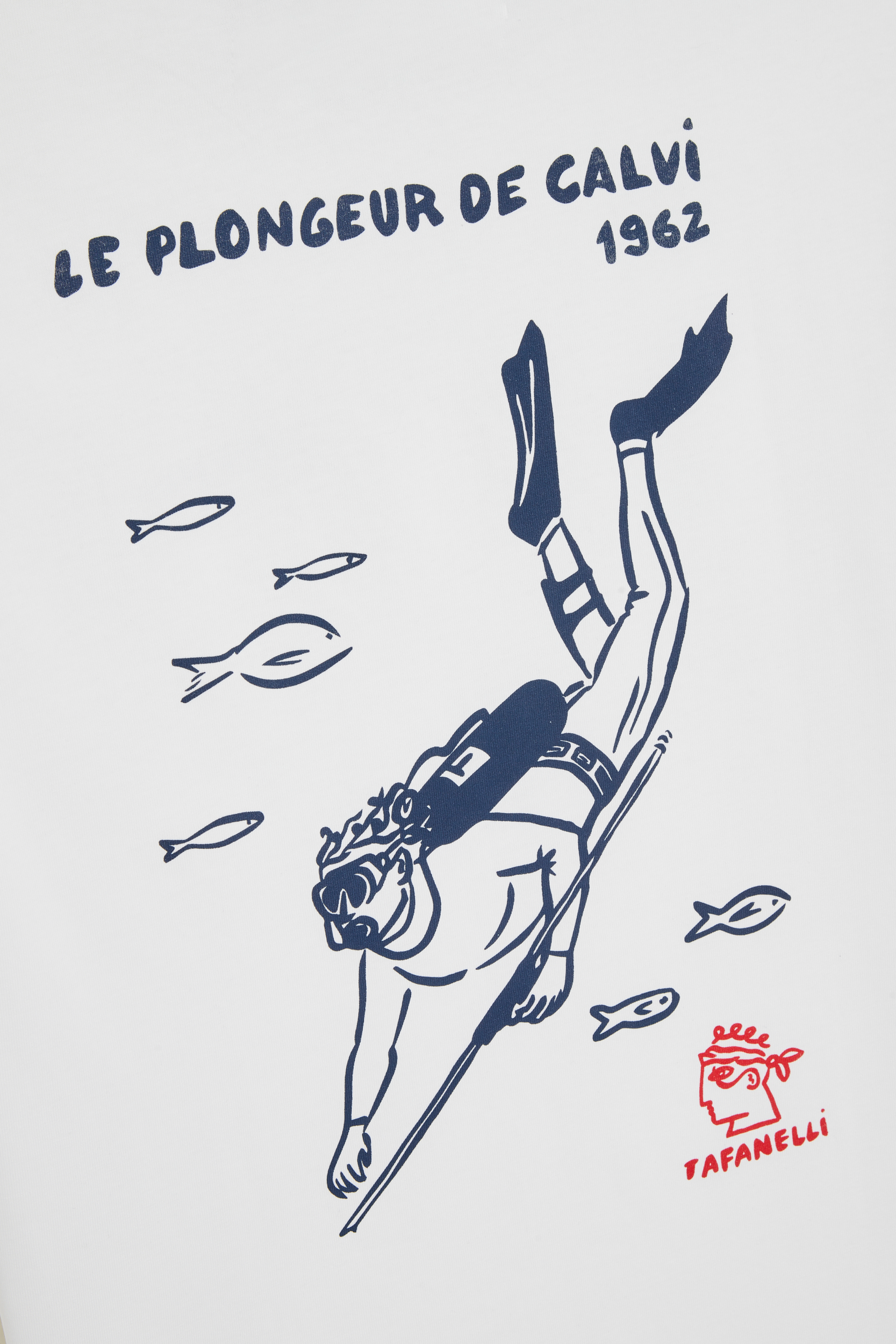
To understand the soul of Calvi and its relationship to TAFANELLI, read our article The Diver of Calvi: The history of an iconic piece.
Must-visit perched villages
Beyond its two urban centers, the Balagne derives its charm from the unique concentration of perched villages it harbors. All connected by the D71 panoramic road, known here as the "Artisans' Route," they can be explored in one to two days.
Sant'Antonino
Ranked among the most beautiful villages in France, Sant'Antonino is one of the oldest villages in Corsica, founded in the 9th century. Perched at an altitude of 500 meters and accessible only on foot from the parking area, it offers a 360-degree view of the entire Balagne, from Calvi to the Agriates Desert.
Pigna
A village of musicians and artisans, Pigna has focused on culture to reinvent itself. You will find workshops for luthiers, ceramists, and traditional musicians. The Pigna Auditorium hosts concerts all year round in a hall with exceptional acoustics.
Lumio
Situated on the heights above Calvi, Lumio offers some of the most beautiful sunset views over the bay. The village is quiet, authentic, and relatively untouched by mass tourism despite its beauty.
Aregno
Known for its Romanesque church, San Costanzo, one of the most beautiful examples of 11th-century Pisan architecture in Corsica. Features a pink and white stone checkered facade and medieval statues carved into the rock.
Montemaggiore
The cradle of TAFANELLI. Nestled in the heart of the inner Balagne, it maintains an authenticity preserved by its relative tourist discretion. The village is worth a visit for its sloping alleys, Baroque church, and panoramic view of the Balagne peaks.
The gastronomy of Balagne
The Balagne is one of the richest regions in Corsica for gastronomy. Several specialties are inseparable from this micro-region.
- Balagne PDO Olive Oil: Produced from the local Sabina variety, it is one of the best olive oils in the Mediterranean. To be enjoyed with bread, tomatoes, or fresh cheese
- Brocciu: Fresh sheep or goat cheese, the base for many Corsican specialties (brocciu cannelloni, fiadone)
- Corsican charcuterie: Coppa, lonzu, prisuttu, figatellu. The best come from farmers in the Balagne hinterland
- Corsican PDO Honey: Chestnut, summer maquis, autumn maquis. Balagne produces some of the most fragrant varieties
- AOC Corse Calvi wines: Fresh rosés for the summer, mineral whites from Vermentinu, and warm reds from Niellucciu
- Balagne citrus: Lemons, clementines, and pomelos, particularly flavorful thanks to the climate and soil
The Île-Rousse market halls and the Calvi market are the best starting points for discovering these products. Several restaurants in Balagne feature them in high-level dishes, particularly around the port of Calvi and in the perched villages.
The Agriates Desert
Northeast of the Balagne, the Agriates Desert is a wild territory of 16,000 hectares, classified as a protected site. Contrary to what its name suggests, it is not a desert in the climatic sense of the term, but an expanse of dense maquis, sparsely inhabited, crisscrossed by tracks accessible only by 4x4 or on foot.
The Agriates harbor some of the most beautiful beaches in Corsica, accessible only by trail or by boat:
- Saleccia Beach, white sand and translucent water, with a view of Cap Corse
- Lotu Beach, accessible by boat from Saint-Florent, a turquoise lagoon
- Ghignu Beach, even wilder, frequented only by hikers
For a day in the Agriates, bring plenty of water, a hat, sunscreen, and appropriate footwear if you plan to walk. The "Sentier des Douaniers" (Customs Trail) along the coast is one of the most beautiful in Corsica but requires good physical fitness.
The ideal summer wardrobe for Balagne
The Balagne requires a wardrobe that combines summer comfort with versatility: you go from a beach to a perched village at 500 meters altitude in less than an hour of driving, and you dine in the cool evening air after a day of 32-degree heat by the sea.
Essential pieces:
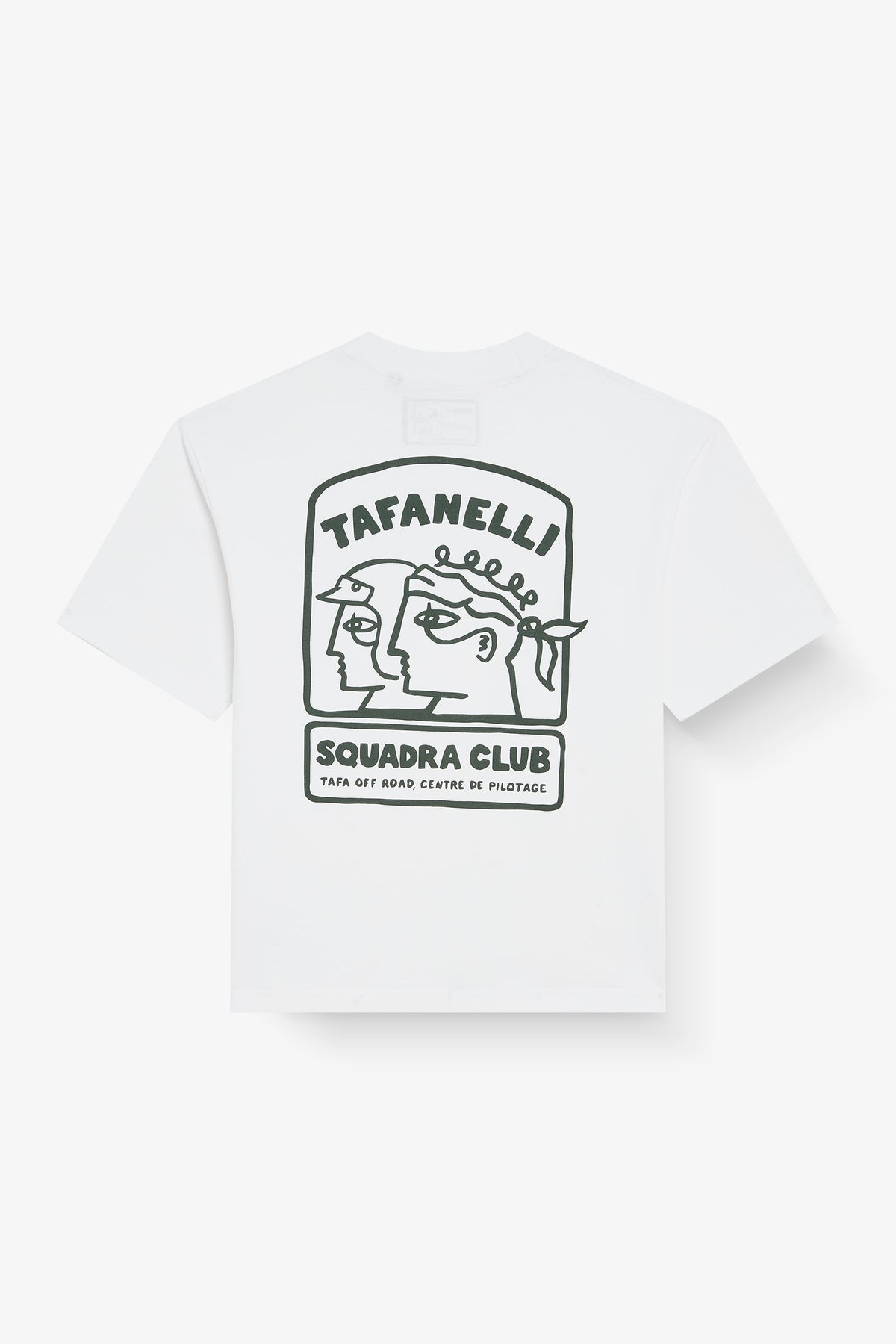
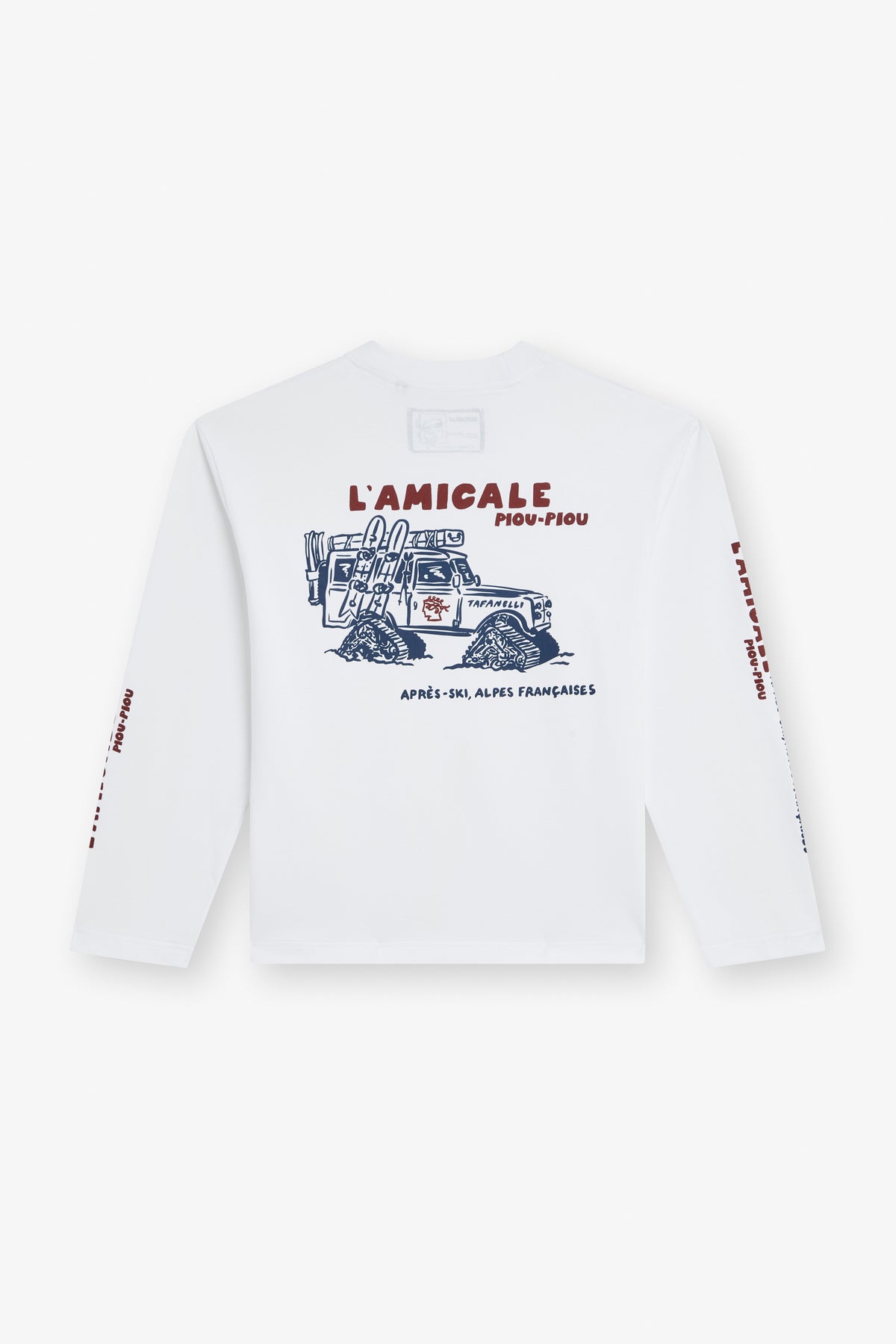
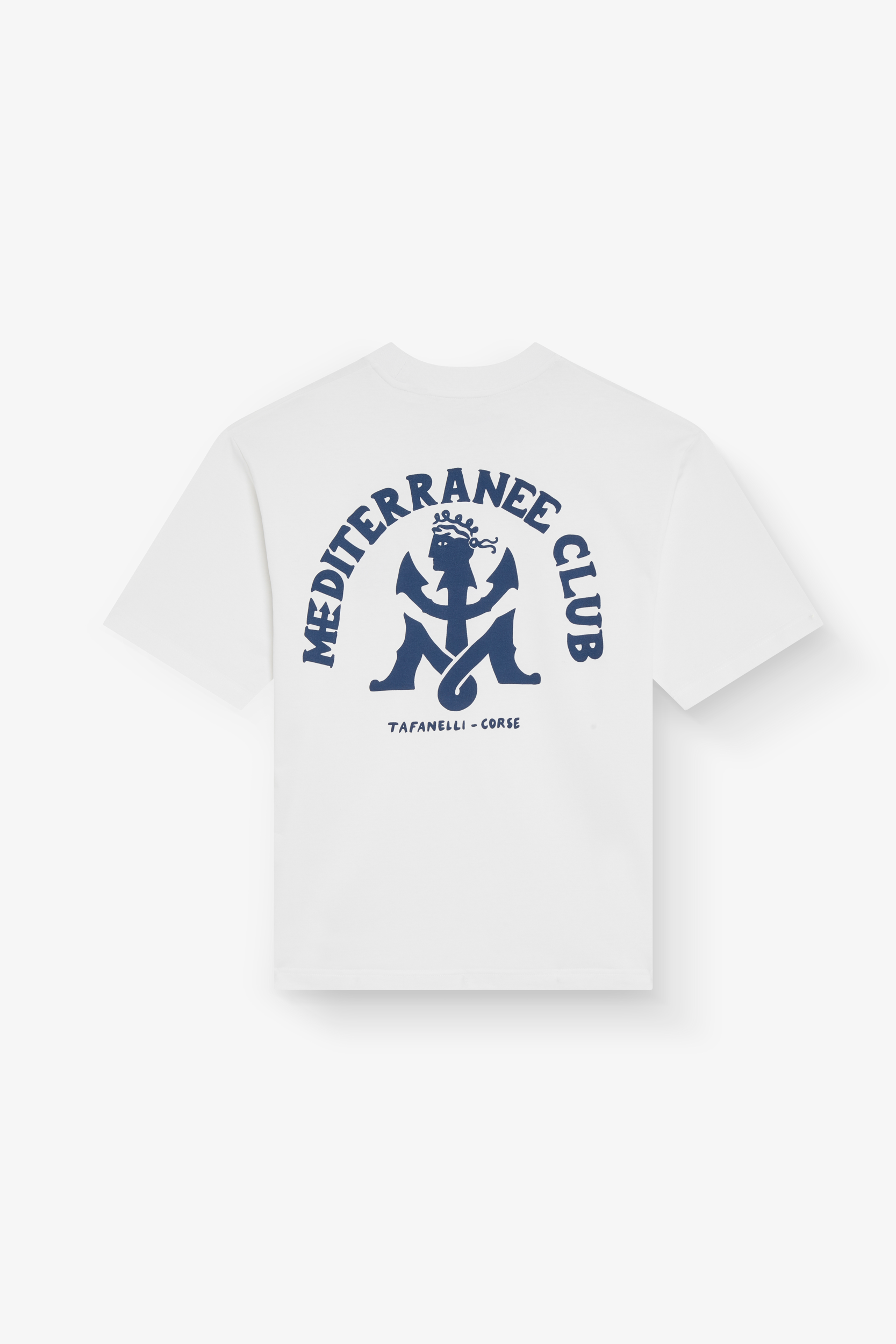
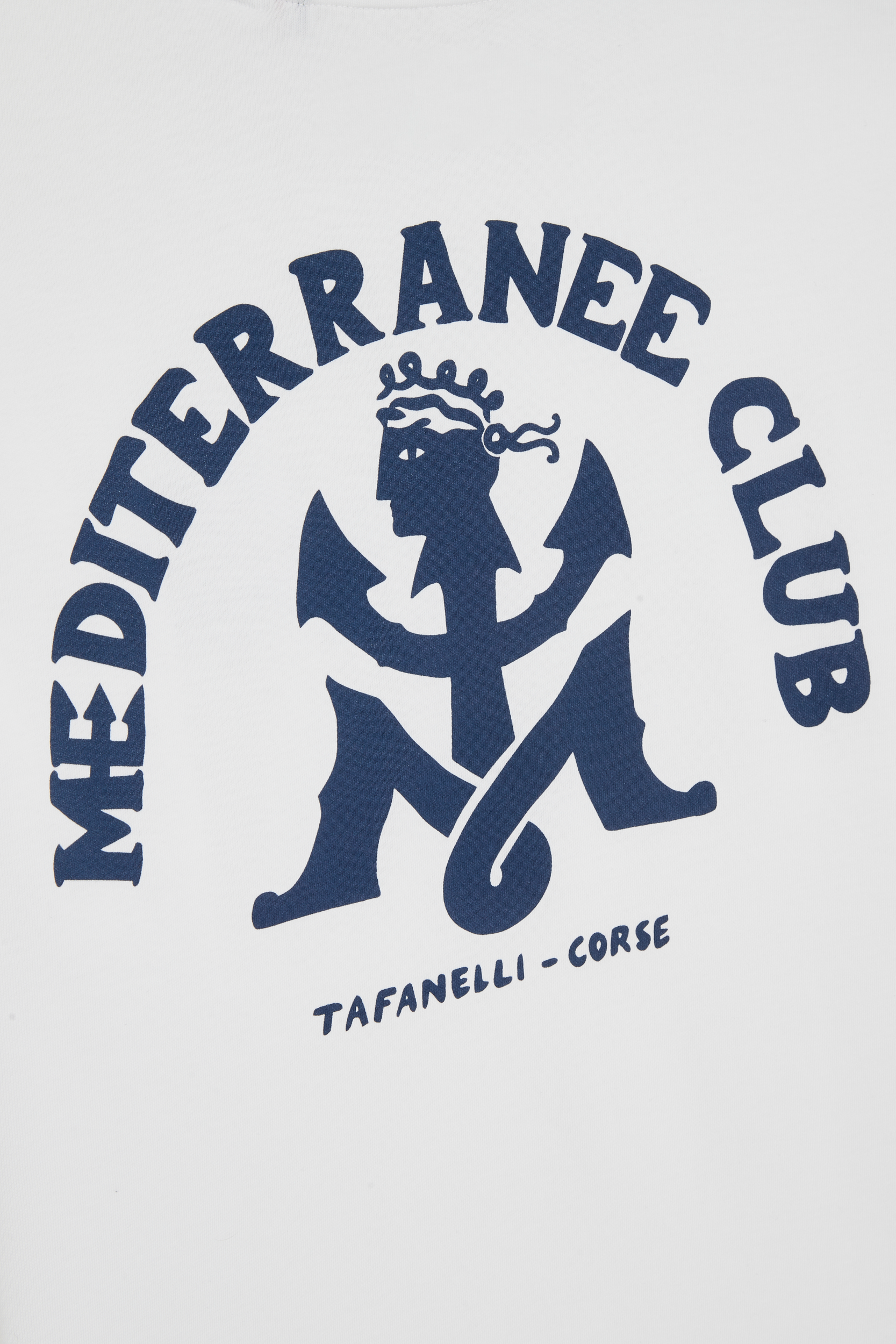
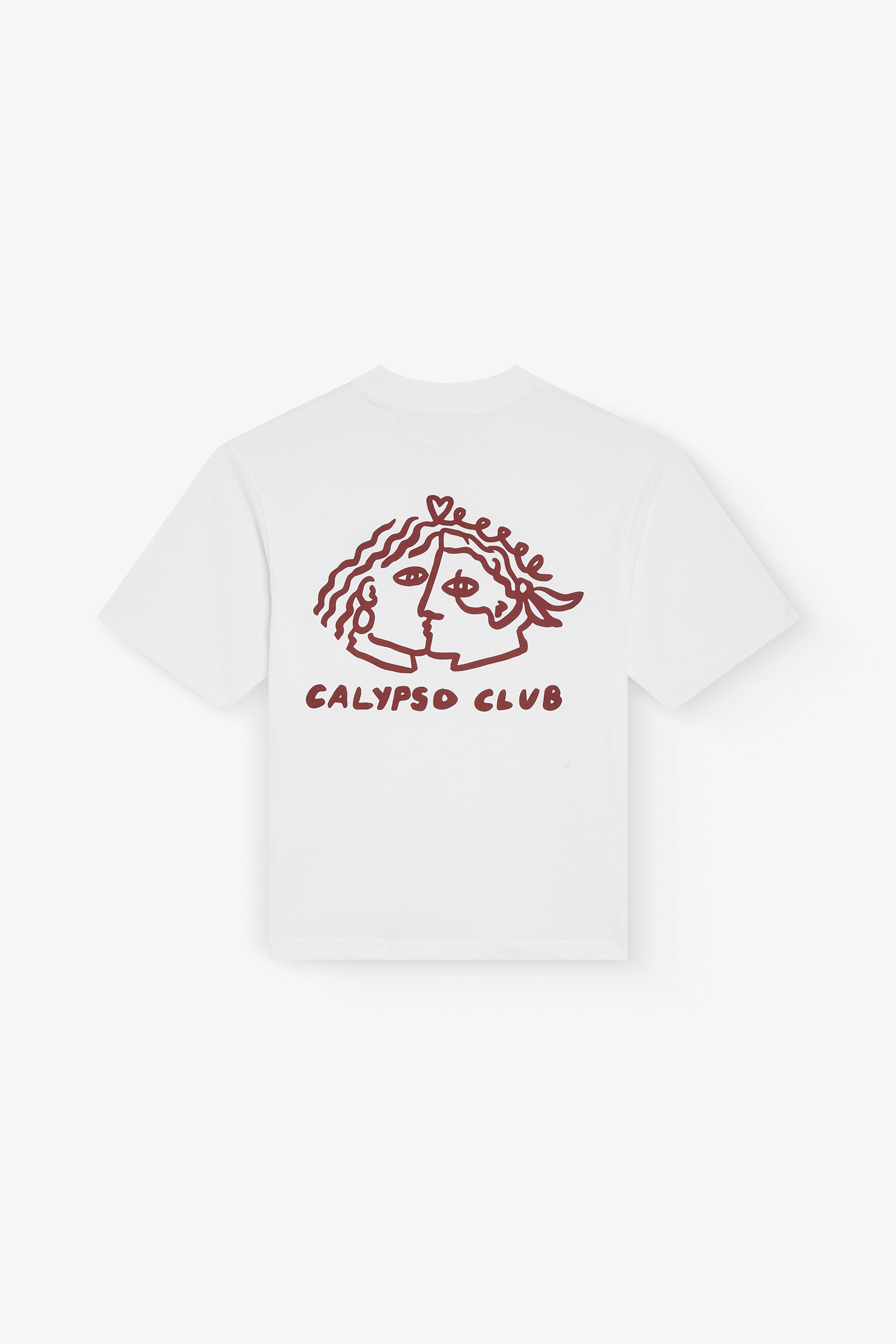
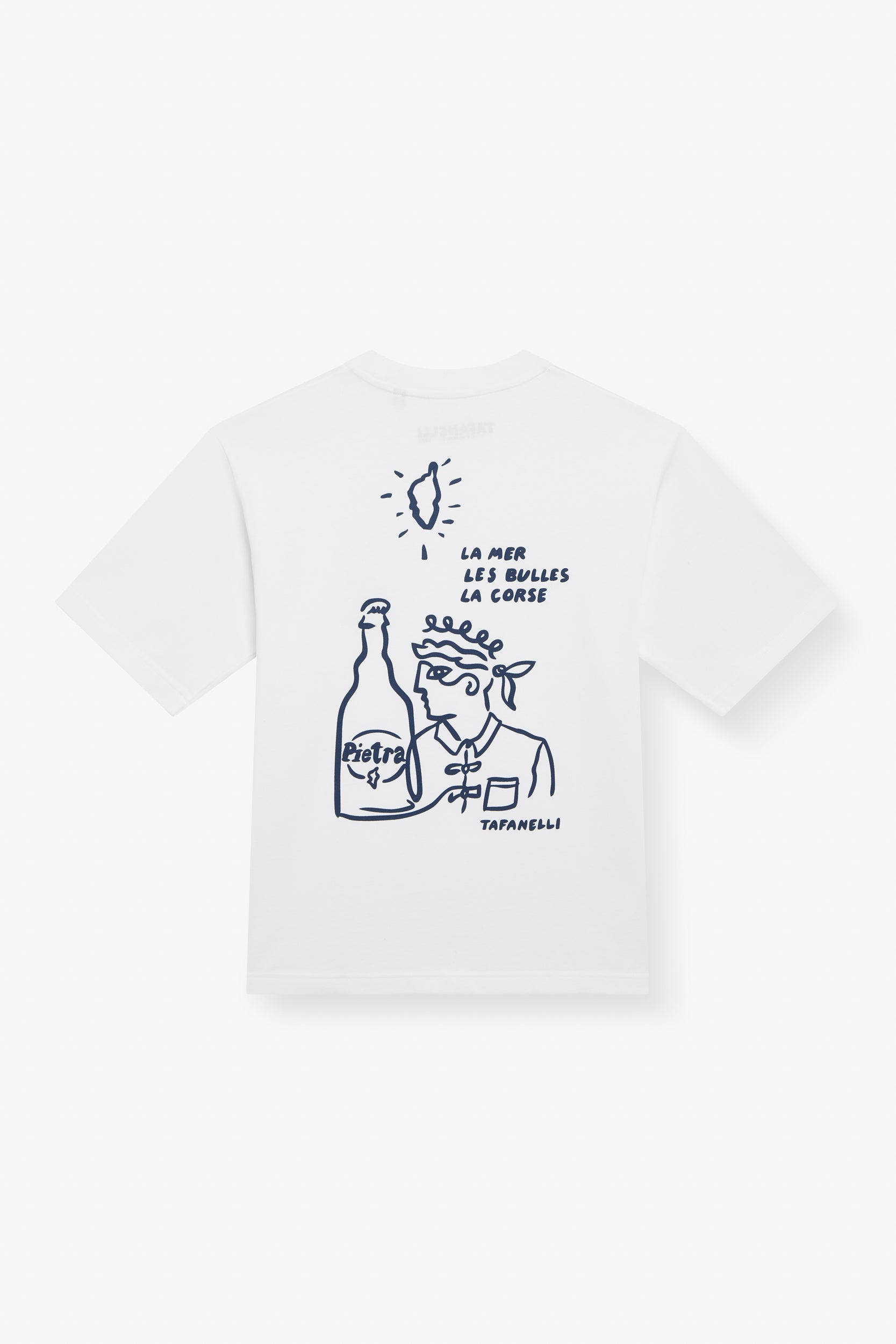
- Several dense cotton t-shirts, white and navy, for the days
- An ecru linen shirt, for evenings and dinners in perched villages
- A versatile pair of shorts that can withstand salt and sea just as well as a walk through Calvi
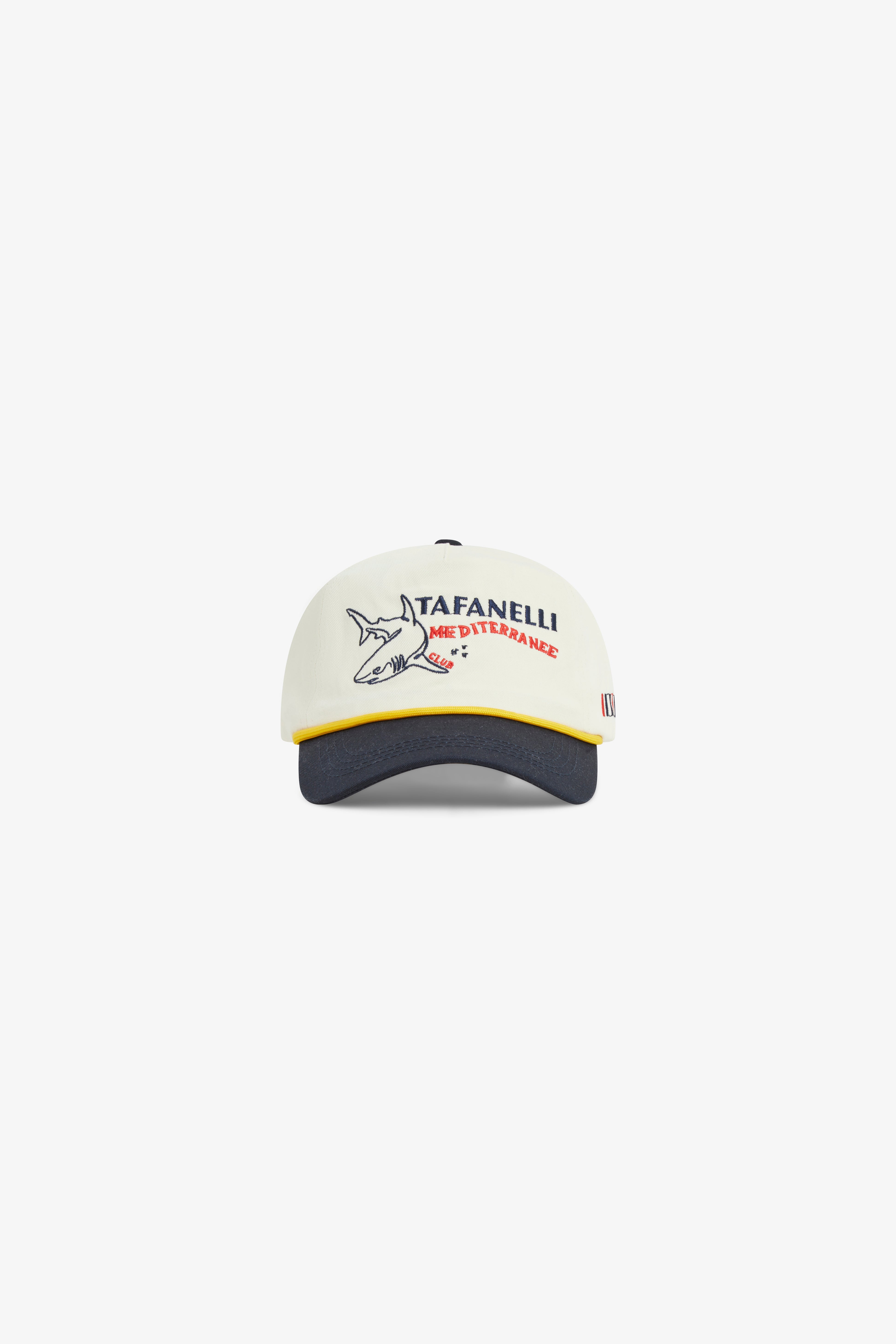
- A washed cotton cap, essential against the harsh light of a Balagne afternoon
- A knotted scarf, worn around the neck during the day, or on the shoulders in the cool of the evening
- Espadrilles or low-top sneakers, lightweight, suitable for both the seaside and walking through village alleyways
For the complete selection, read our article The Mediterranean summer wardrobe: 7 essential pieces.
TAFANELLI addresses in Balagne
If you are visiting the Balagne and wish to discover or complete your TAFANELLI collection, several partner retailers present our brand in the micro-region. All have been selected for the consistency of their world with our own.
Chez Tao, Calvi
A Calvi institution since 1935, located in the citadel. A TAFANELLI selection is available throughout the summer season.
Le Bout du Monde, Calvi
A magnificent beach hut set on the sand in the bay of Calvi. A TAFANELLI selection with your feet in the sand and a view of the bay and the citadel.
U Nichjaretu, near Calvi
A magnificent restaurant on the road to Porto, in the bay of Nichiaretu. Exceptional natural setting, authentic island atmosphere, and a TAFANELLI selection.
For the complete list and the precise location of all retailers in Corsica, consult our TAFANELLI retailer map.
Frequently Asked Questions
Where is the Balagne located in Corsica?
The Balagne is a historic micro-region located in the northwest of Corsica, in Haute-Corse. It extends between Calvi in the west, Île-Rousse in the north, and the Reginu valley in the east. It covers approximately 600 km², with about 30 kilometers of coastline and a mountainous hinterland rising toward the Cinto range.
When is the best time to visit the Balagne?
May-June and September offer the best compromise: ideal temperatures between 22 and 28 degrees, moderate crowds, and the sea is still warm (around 22-24 degrees in September). July and August are peak times, with a full summer atmosphere but more people at the must-see locations.
How do you get around the Balagne?
The car remains the most practical mode of transport for exploring the perched villages and remote corners. The Balagne tramway connects Île-Rousse to Calvi along the coast, perfect for a relaxing day. For the perched villages, some companies offer guided excursions that tour the main sites.
Where to stay in the Balagne?
Several options depend on your preference. Île-Rousse and Calvi offer the most comfortable hotels and the most activity. The perched villages (Sant'Antonino, Pigna, Lumio) offer more intimate guest houses with spectacular views. The seaside between Calvi and Île-Rousse features some high-end hotels and residences with pools.
Which perched village should I choose if I only have one day?
Sant'Antonino remains the most iconic choice for a first visit: exceptional panorama, pedestrian-only access, and a preserved atmosphere. If you want a more culturally vibrant village, Pigna offers artisan workshops and concerts. For a sunset over Calvi, Lumio is unbeatable.
Is there a link between Jacquemus and the Balagne?
Jacquemus is a French house originating from Provence, not Corsica. Choosing the Balagne for his Spring 2027 show is a geographic and cultural homage to the micro-region, not a sign of local heritage. It is rather the occasion of an encounter between a major French fashion house and a territory it wished to celebrate.
TAFANELLI — BALAGNE WARDROBE
The wardrobe designed for Balagne
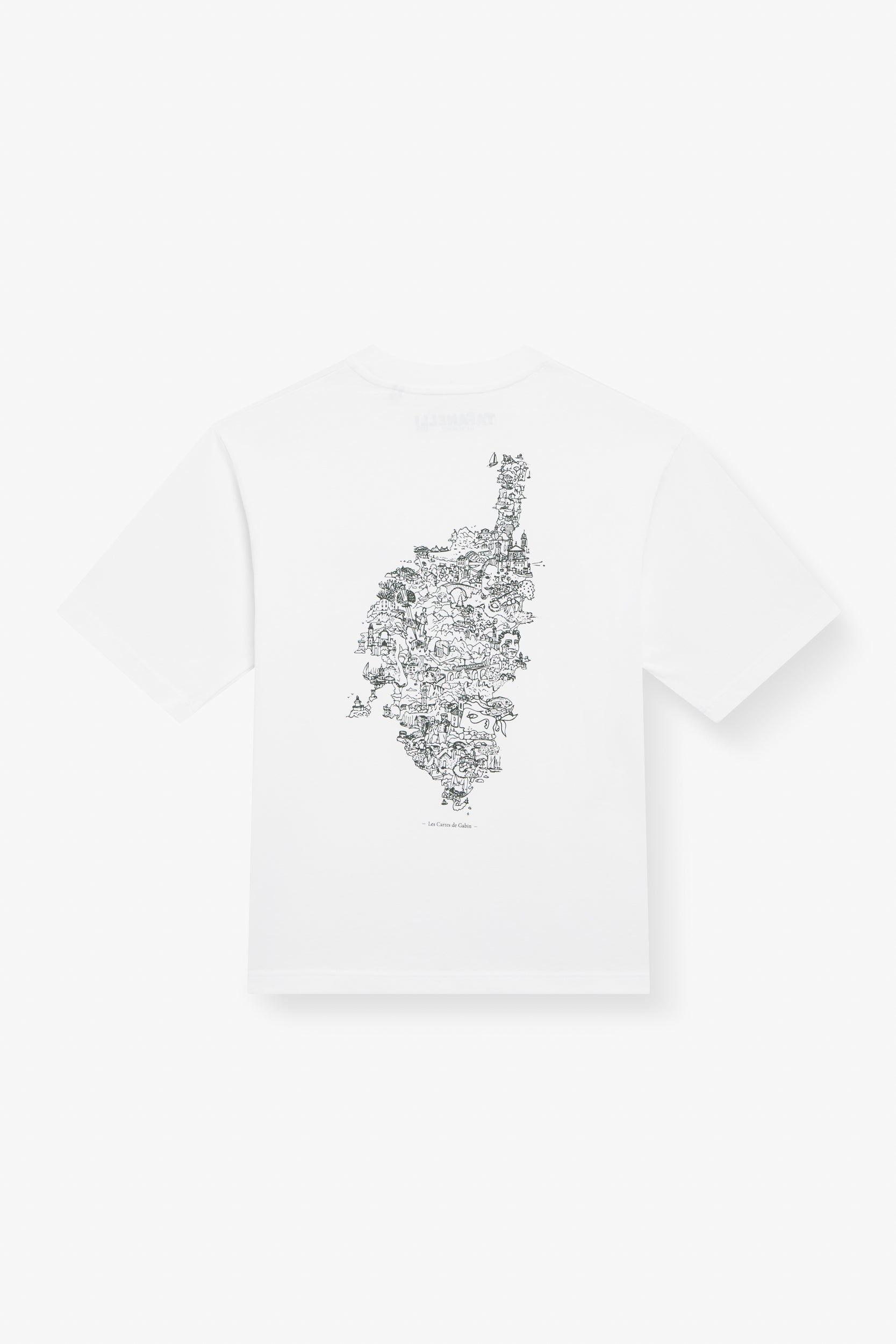
Dense cotton Made In France, original Mediterranean designs. Pieces conceived for days between Calvi, Île-Rousse, and the perched villages.
View the complete collection