From Pampelonne to Île-Rousse: The Mediterranean, fashion's new frontier
Over the past 60 years, Pampelonne has evolved from a discreet beach into a global capital of summer fashion. In 2026, Jacquemus will hold its runway show in Île-Rousse, making Corsica the next territory toward which the industry’s gaze is converging. Between the Saint-Tropez peninsula and the island's west coast, the same Mediterranean codes are shaping a new geography of contemporary fashion. A look at a major shift.
The shift of the fashion imagination toward the Mediterranean
For decades, contemporary fashion looked toward the north. Paris, Milan, London, Antwerp, New York. The capitals of cold, asphalt, and enclosed runways. The Mediterranean remained in the shadows, perceived more as a holiday ground than a creative territory. This perception is now undergoing a radical reversal.
Since the mid-2010s, several signals have converged on a renaissance for the south. Jacquemus showcased in the Camargue as early as 2018. Loewe holds presentations in Capri. Dolce & Gabbana is reinvesting in Sicily. Luxury brands are setting their campaigns on Iberian, Dalmatian, and Greek shores. And now, Corsica is entering this map with the Jacquemus Spring 2027 show scheduled in Île-Rousse for June 2026.
This displacement is not incidental. It signals a fatigue with dominant Parisian codes, a search for geographic authenticity, and a need to tell stories about territories rather than concepts. The Mediterranean, rich in textile history, colors, materials, and character, offers exactly what contemporary fashion is seeking today.
Saint-Tropez and Pampelonne: 60 years of fashion history
While Corsica is only just entering the global fashion consciousness today, Saint-Tropez has been established there for over sixty years. Brigitte Bardot and the French New Wave turned the peninsula into the home of relaxed summer elegance as early as the late 1950s, a look almost immediately adopted by the international industry.
The movement has been constant. In the 1960s, Saint-Tropez embodied sexual freedom and modernity. In the 1970s, it welcomed the international jet set. By the 1980s and 1990s, it had become an institution. Today, it retains its aura while reinventing itself through a more discreet, grounded contemporary scene that values an authentic Tropezian way of life over the glitz of previous decades.
Specifically, Pampelonne, the bay stretching between Saint-Tropez and Ramatuelle, concentrates this symbolic weight. Five kilometers of blonde sand, a dozen iconic beach clubs, and a sartorial vocabulary that has refined itself decade after decade: the dense cotton white t-shirt, the Breton stripe, the open linen shirt, the tied scarf, and swim shorts that look nothing like traditional swimwear.
To understand these codes in depth, read our article The Saint-Tropez t-shirt: the codes of the peninsula.
The rise of Corsica in the contemporary fashion narrative
Corsica is no newcomer to the collective imagination. It has always been part of the French narrative, with Napoleon, Tino Rossi, the events of May 13, 1958, polyphonic singing, and the maquis. But in the international fashion narrative, it is only appearing now, at a time when the need for powerful and authentic territories has regained significance.
Jacquemus's choice is therefore not an isolated event. It is a sign of a broader movement that sees the island—long protected from certain types of tourism industrialization—becoming a premier destination for fashion players. Several international brands, even without staging runway shows there yet, are already increasingly using Corsica for photo shoots, capsules inspired by the island, and partnerships with local artisans.
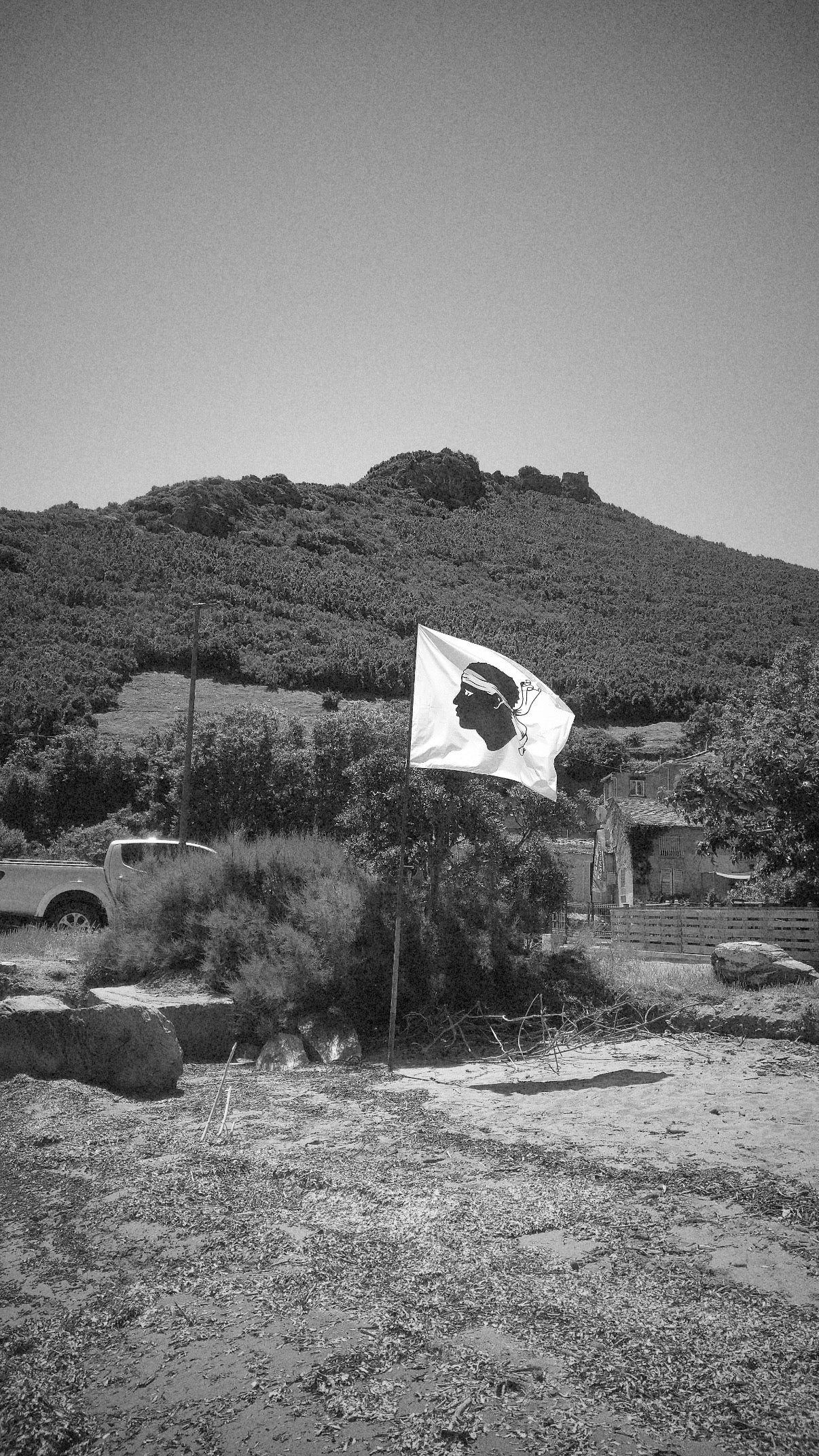
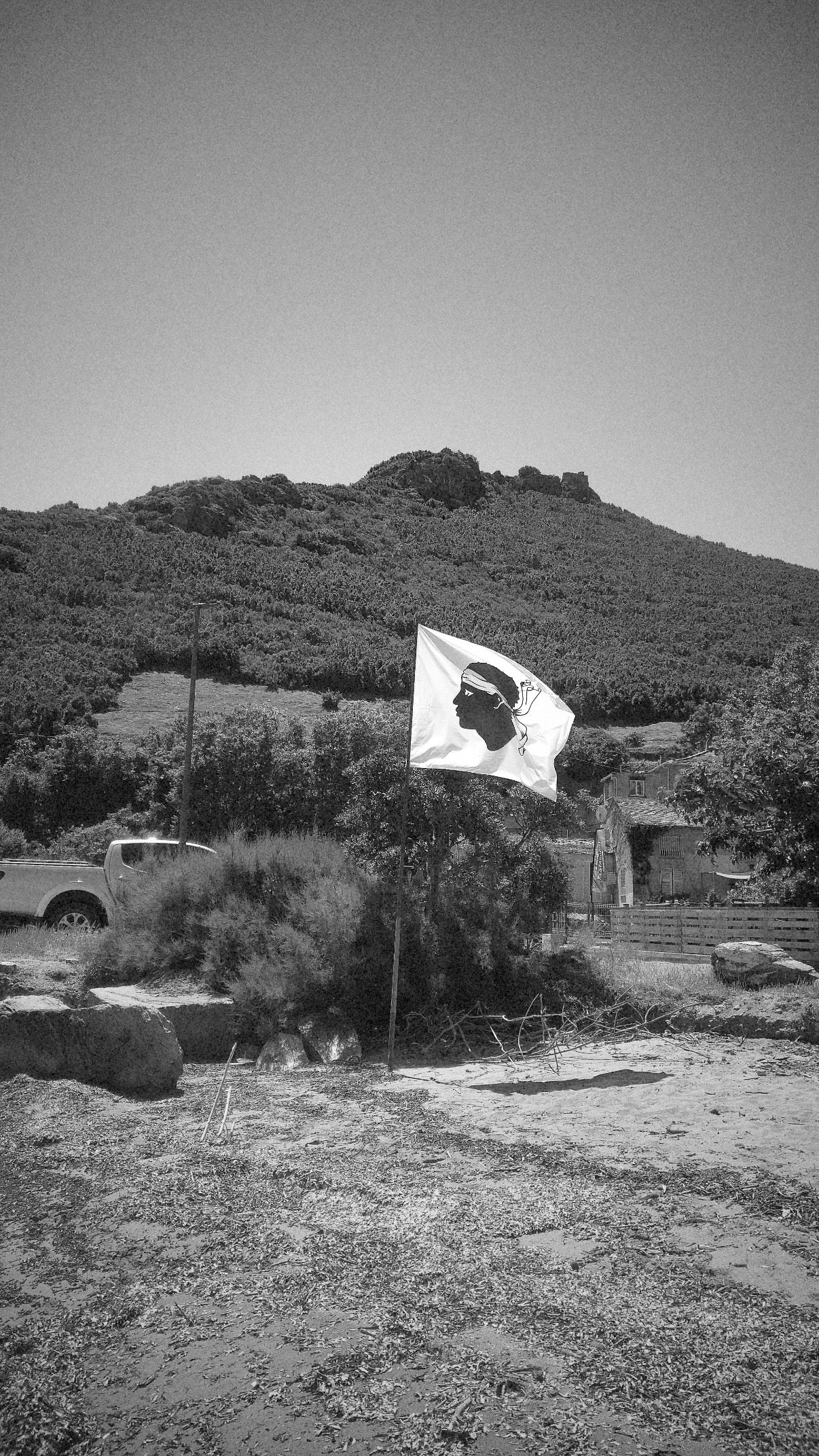
The major difference from Saint-Tropez lies in Corsica's late entry into this circuit. The island possesses an intact symbolic capital: the Moor's Head, the flag, the shepherd, the maquis, the Tyrrhenian Sea, hilltop villages, and Genoese citadels. None of this has been "used up" by fashion, making it a treasure trove today for designers in search of meaning.
To further this analysis, consult our article Jacquemus in Corsica: why the island is becoming fashion's new territory.
What unites Pampelonne and Île-Rousse
Beyond the obvious differences (Pampelonne is a highly frequented mainland beach, while Île-Rousse is an island port town), both territories share a common Mediterranean grammar that explains why they attract the same interest today.
| Criteria | Pampelonne | Île-Rousse |
|---|---|---|
| Light | Harsh, direct, golden in the late afternoon | Harsh, grazing, pink in the late afternoon |
| Dominant elements | Sand, turquoise sea, umbrella pines | Pink stone, turquoise sea, maquis |
| Sartorial codes | Dense cotton, linen, neutral palette, sobriety | Dense cotton, linen, neutral palette, sobriety |
| Way of life | Long lunches, lounge chairs, dinner at the port | Long lunches, shaded squares, dinner at the port |
| Heritage | Hilltop villages (Ramatuelle, Gassin, Grimaud) | Hilltop villages (Sant'Antonino, Pigna, Lumio) |
These parallels are not anecdotal. They define a common cultural family that contemporary fashion is increasingly identifying as a category in its own right. "Mediterranean chic" is more than a slogan: it is a sartorial and cultural grammar that transcends borders.
The common wardrobe: shared Mediterranean codes
Whether you spend your summer in Pampelonne or in Balagne, the ideal wardrobe is surprisingly similar. The same pieces, in the same materials and colors, make sense in both territories.
The dense cotton t-shirt
240 to 280 g/m². White by day, navy by night. A central piece of the Mediterranean wardrobe, on both sides of the Tyrrhenian Sea.
The ecru linen shirt
Worn open over the t-shirt, never buttoned to the top. Linen is the historic fiber of the entire Mediterranean.
The tied scarf
Worn at the neck during the day, over the shoulders when the chill sets in. The Mediterranean bandana is a common marker of identity for both territories.
The washed cotton cap
Sun protection and a silhouette finisher. As appropriate in Pampelonne as it is in Calvi.
The espadrille or loafer
Flat, natural, logo-free. Mediterranean footwear is, above all, discreet.
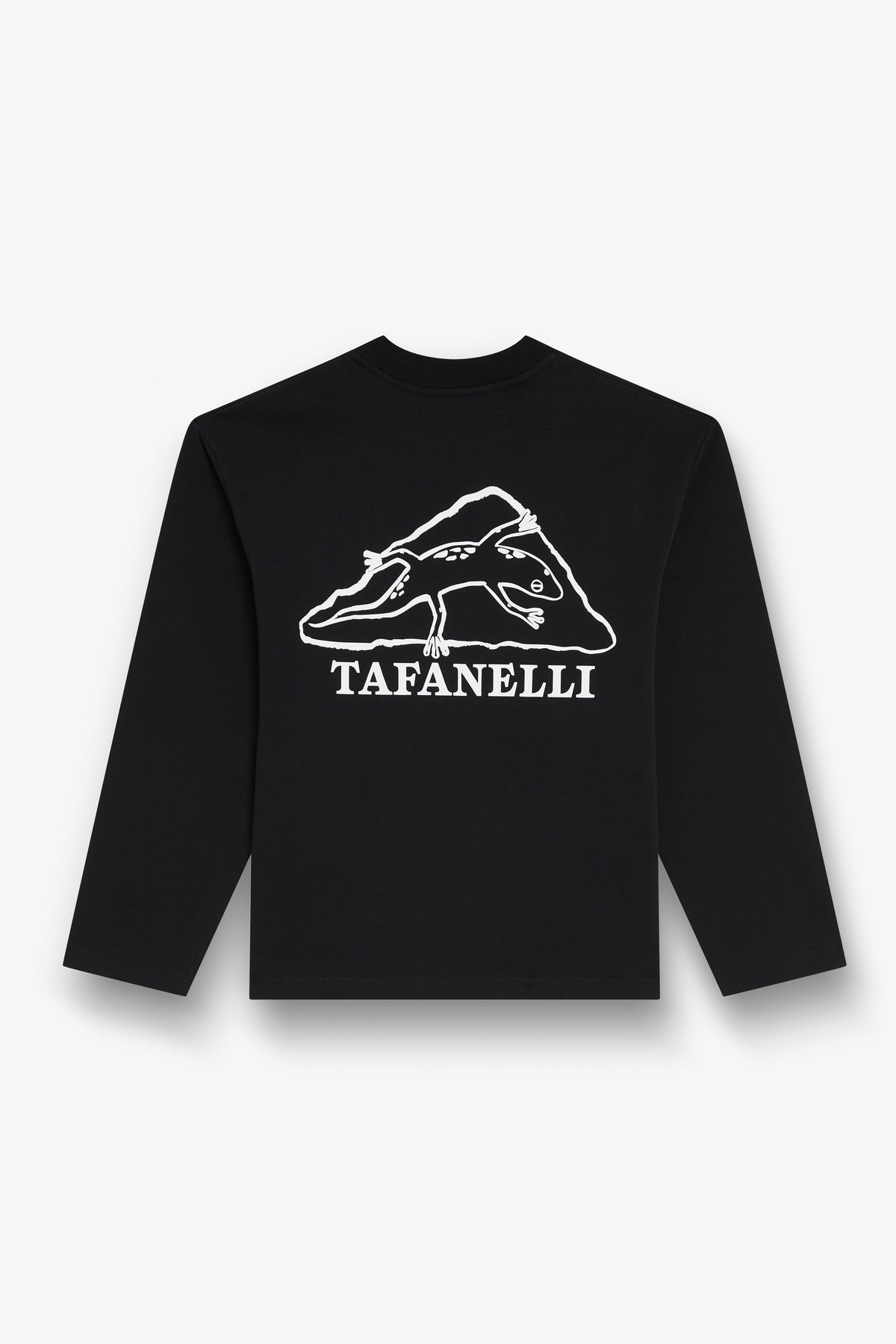
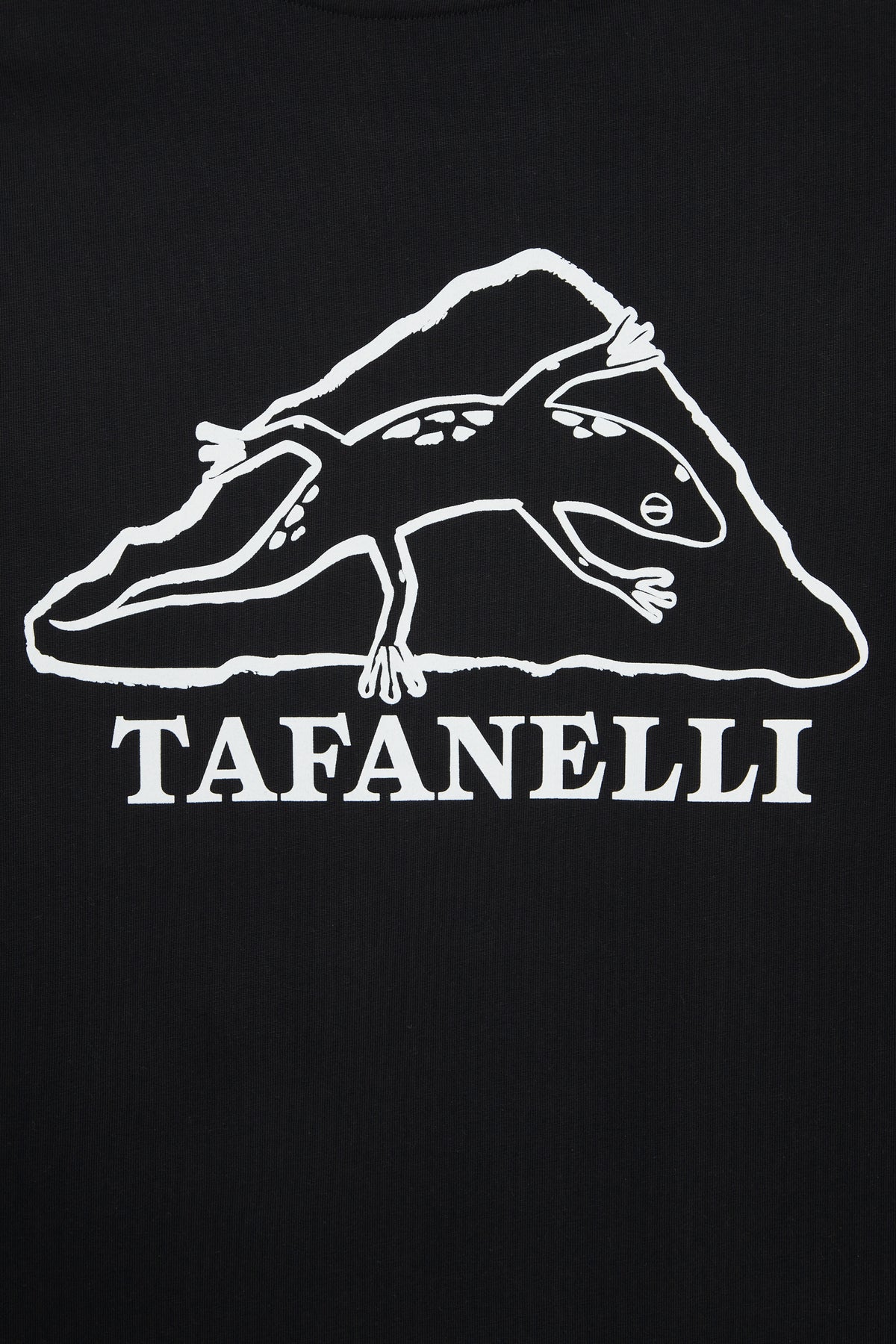
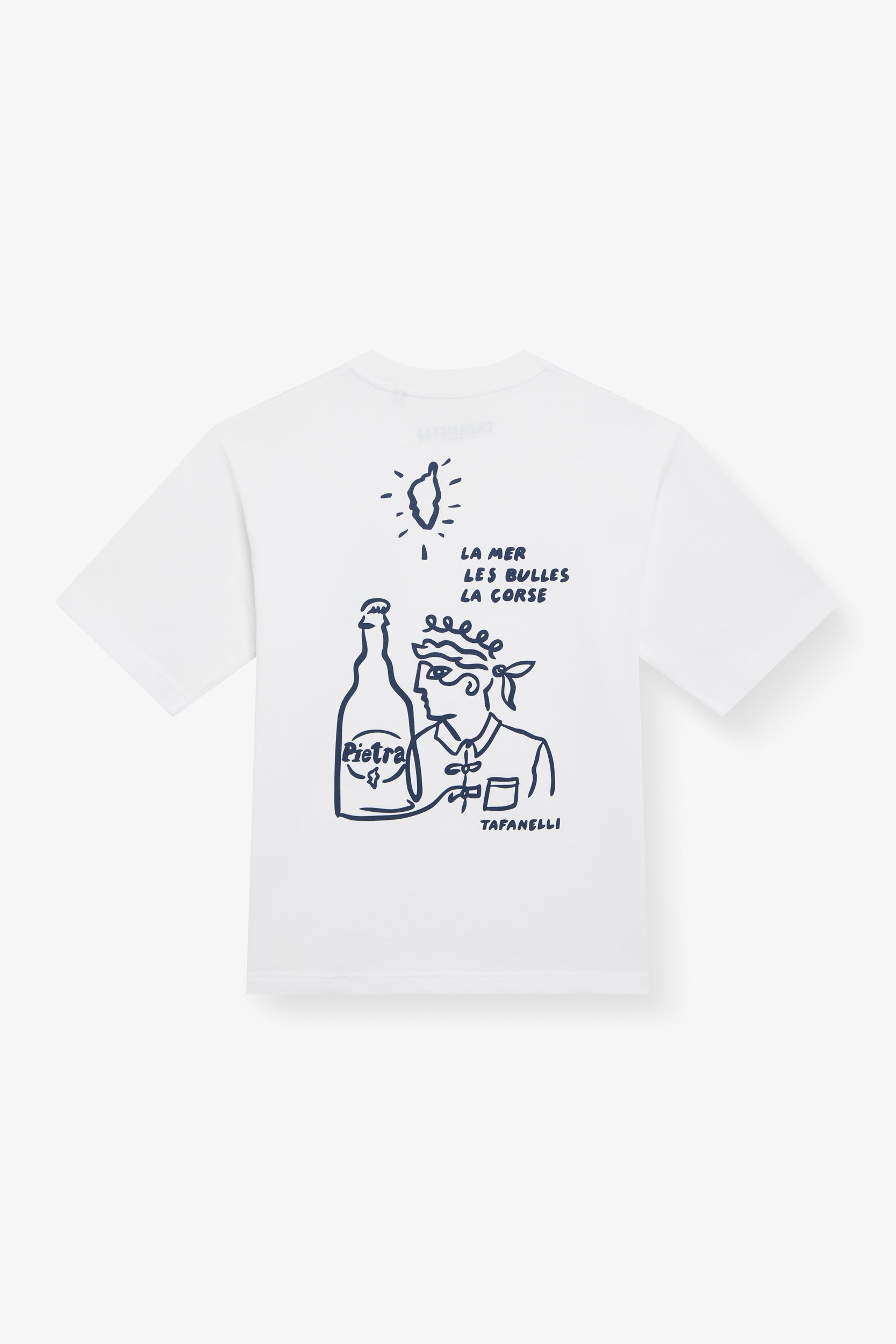
Signature detail on the back
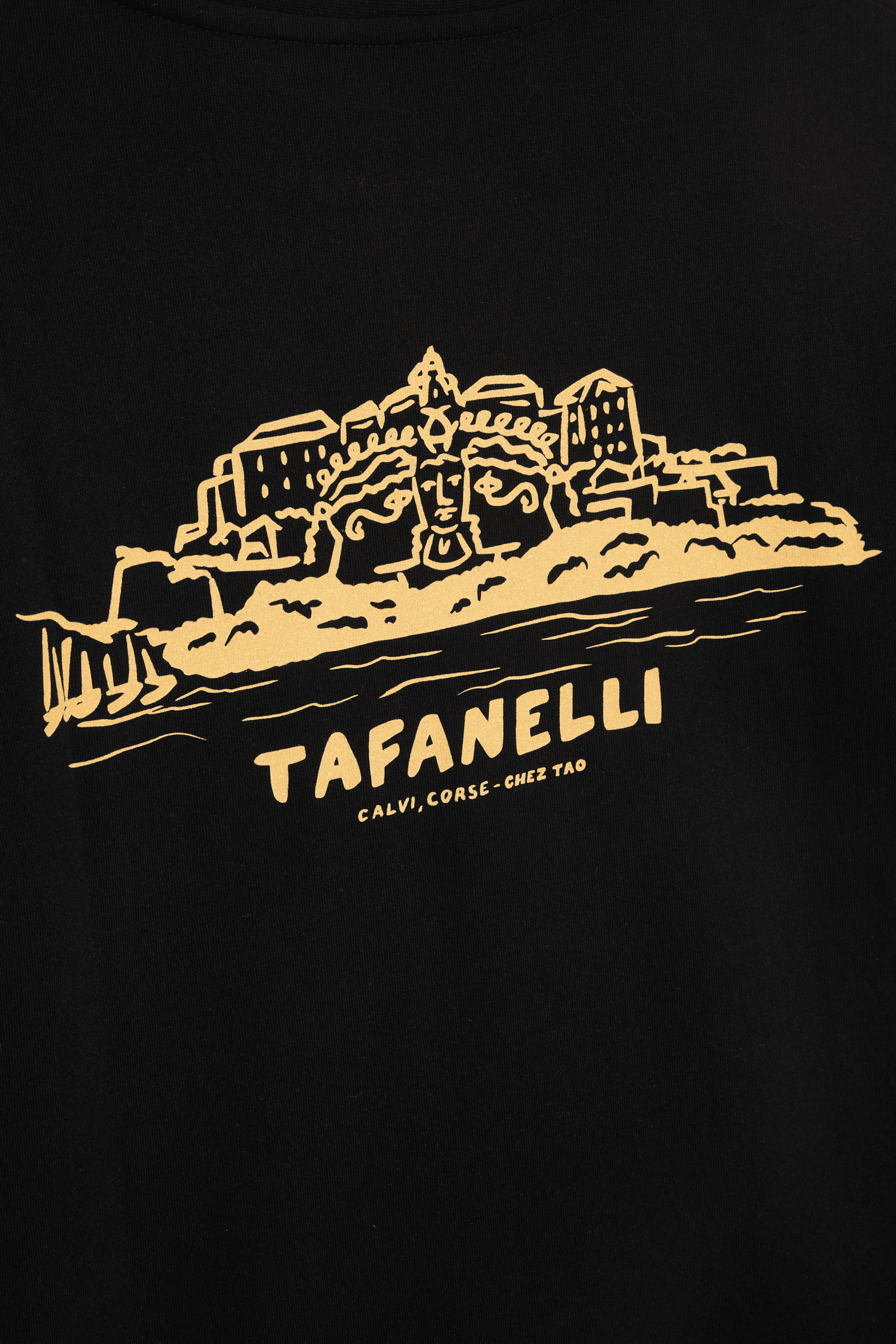
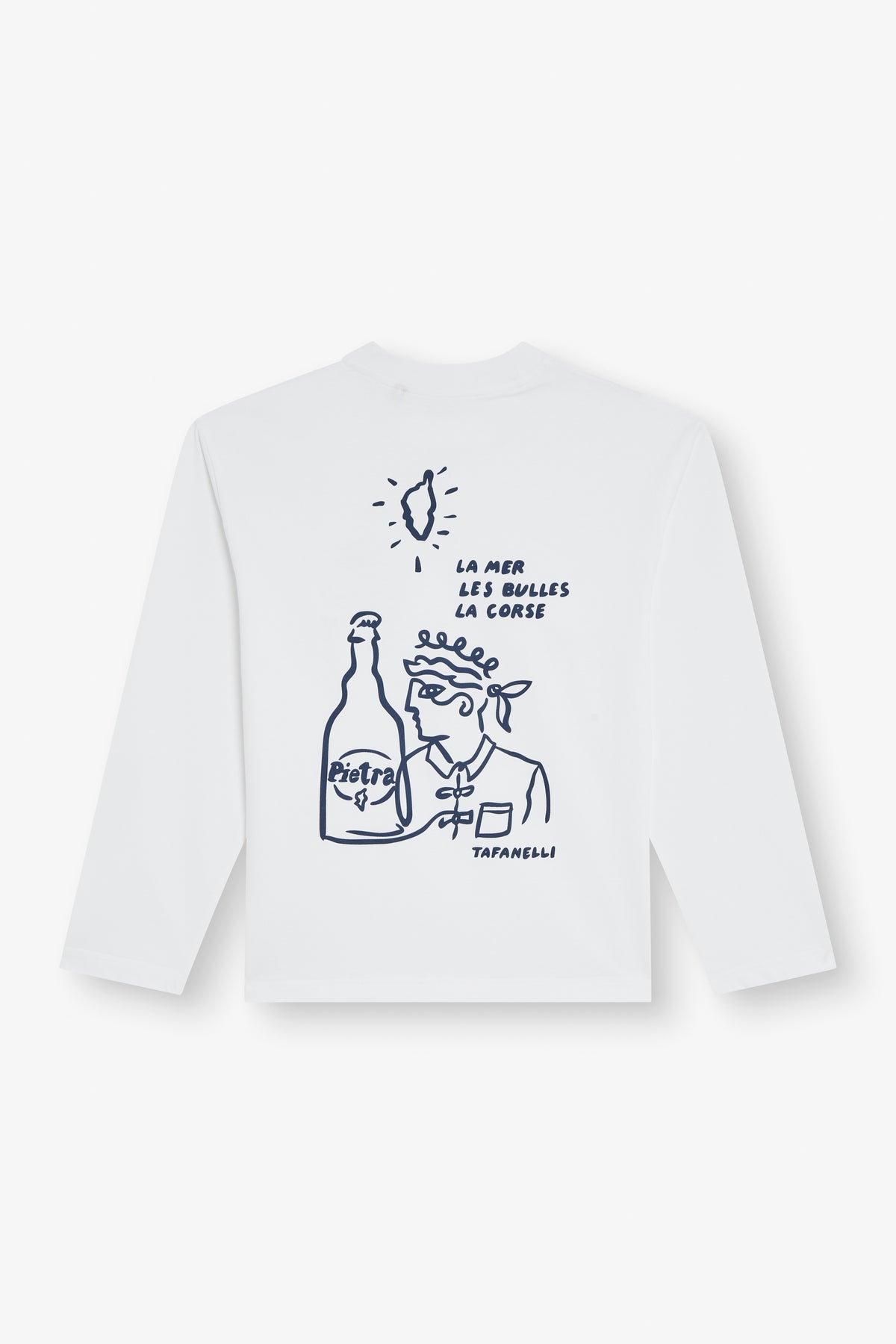
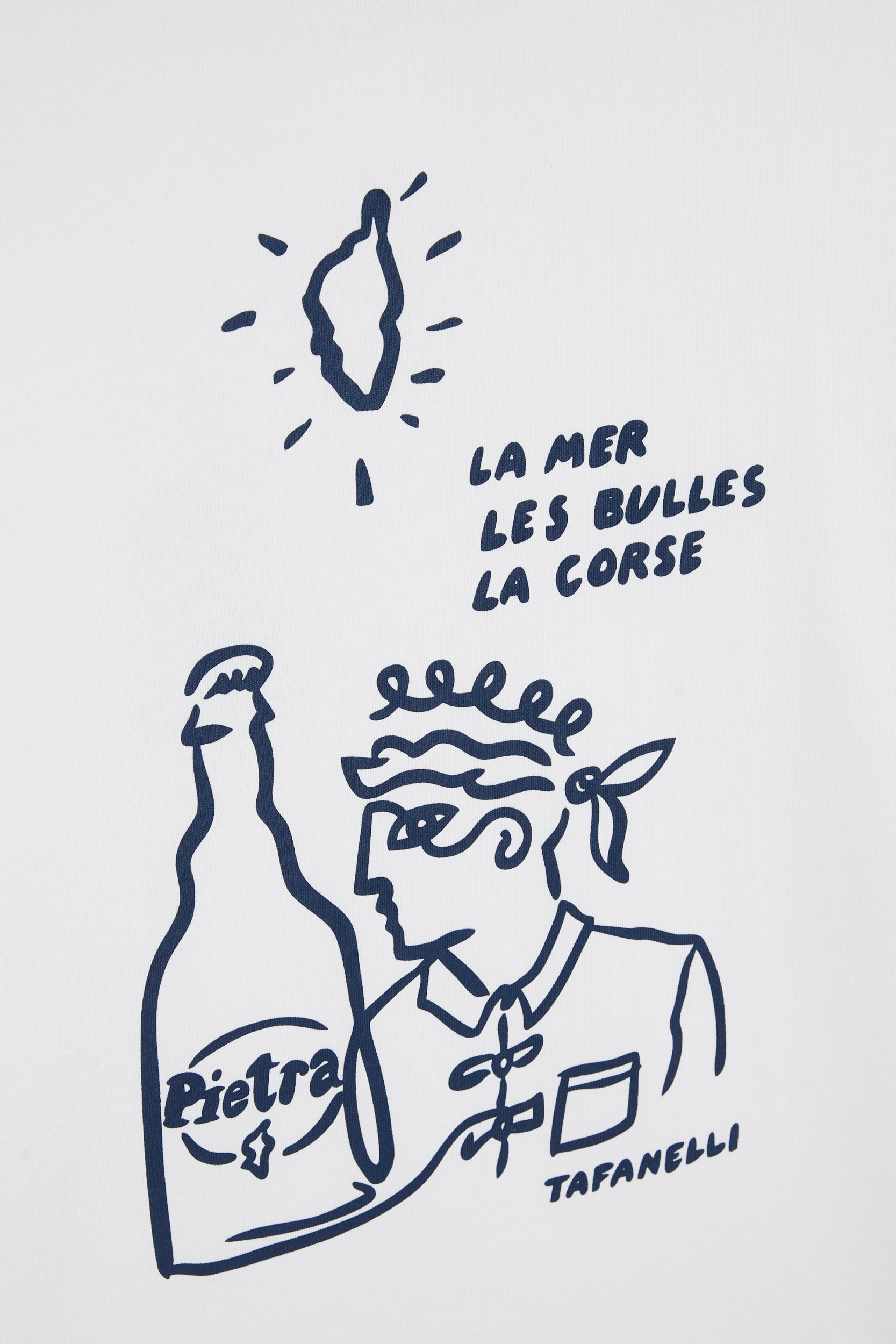
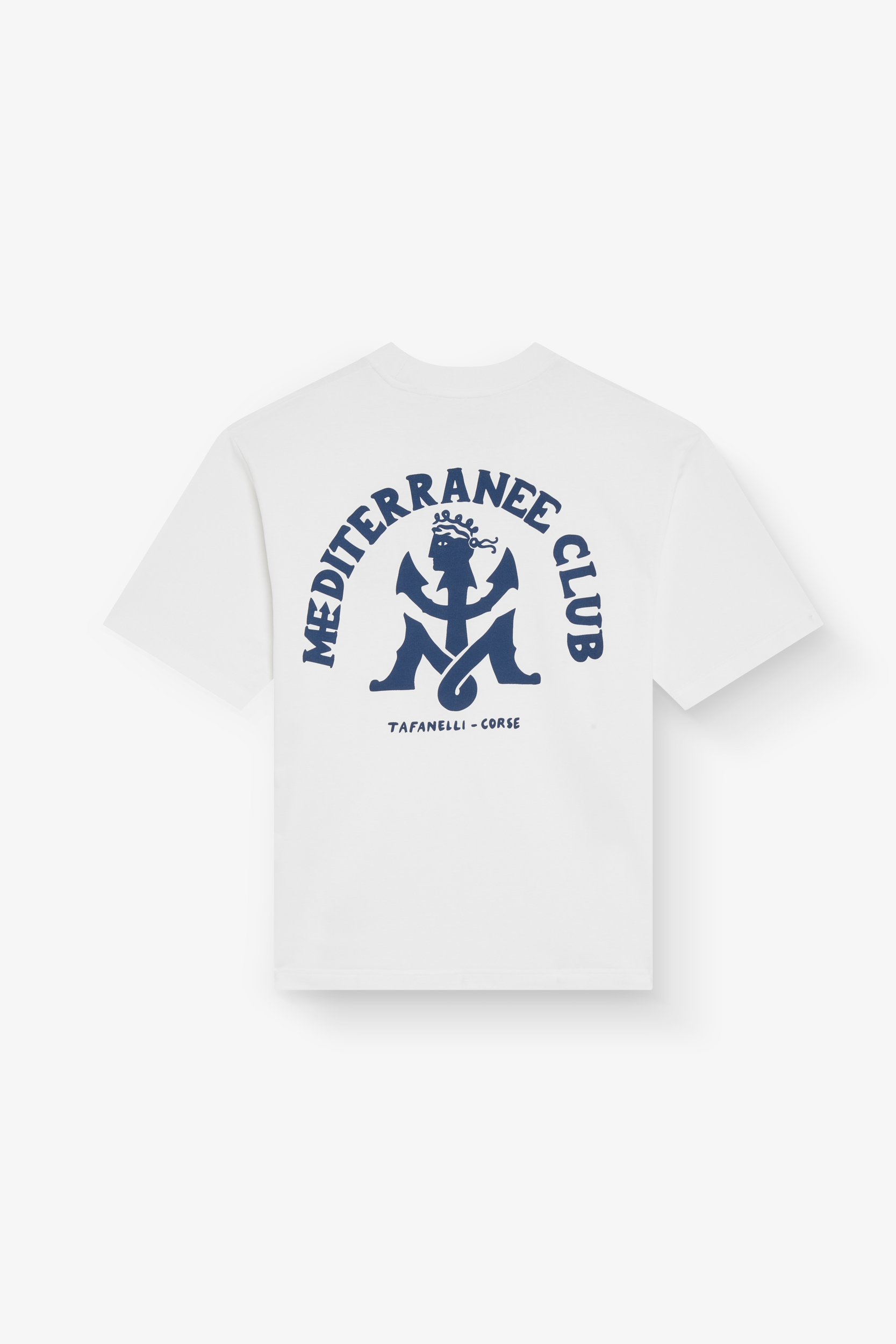
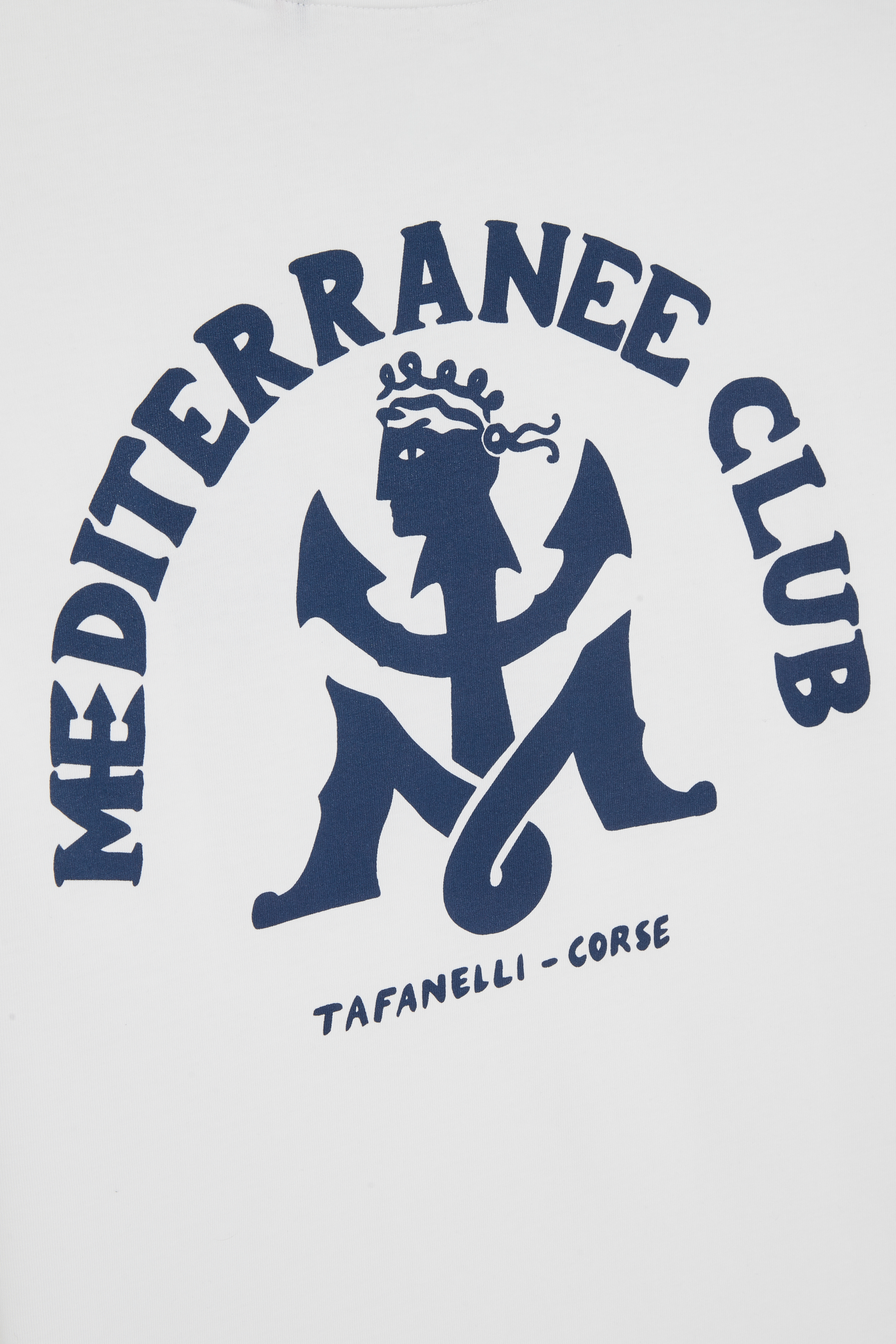
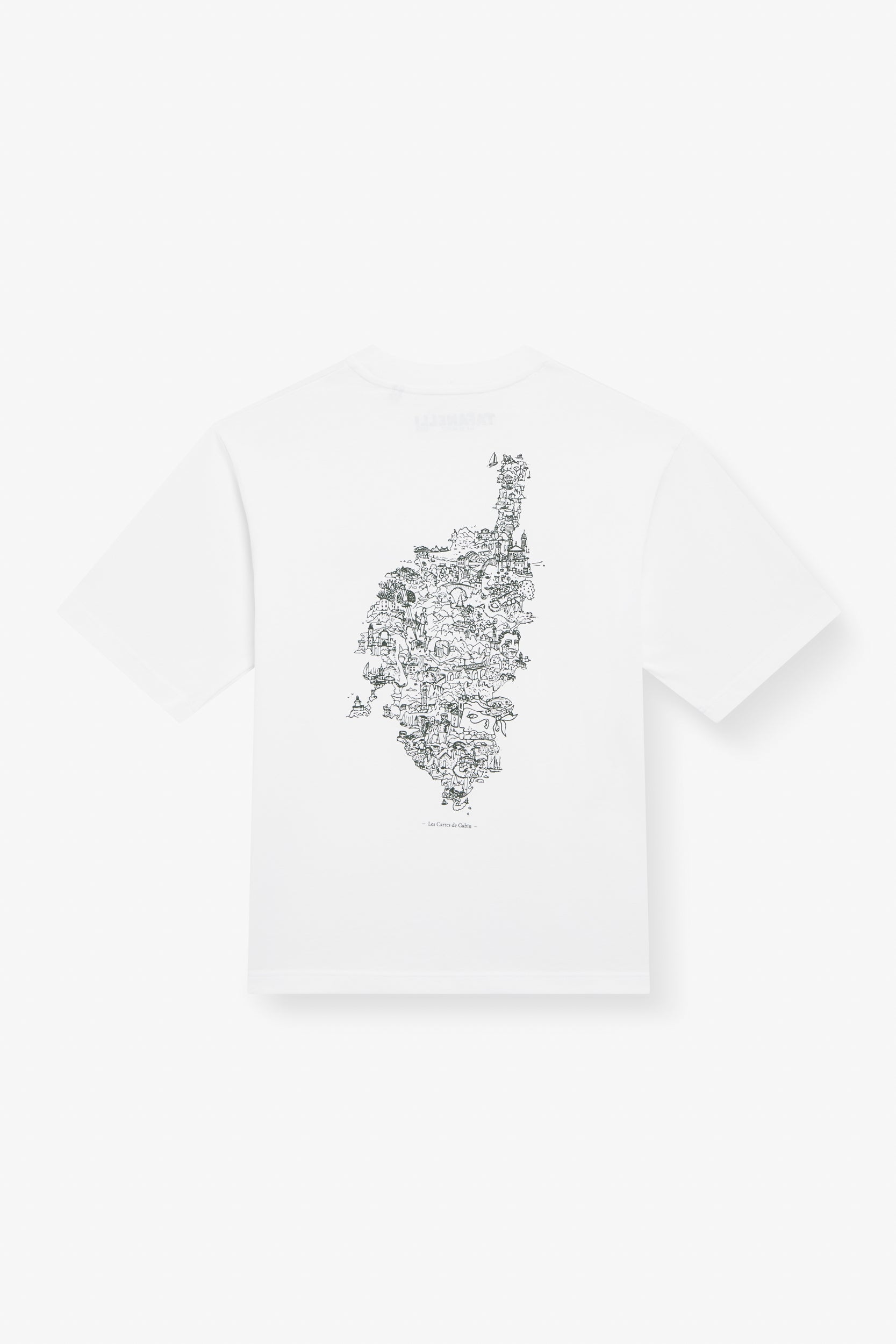
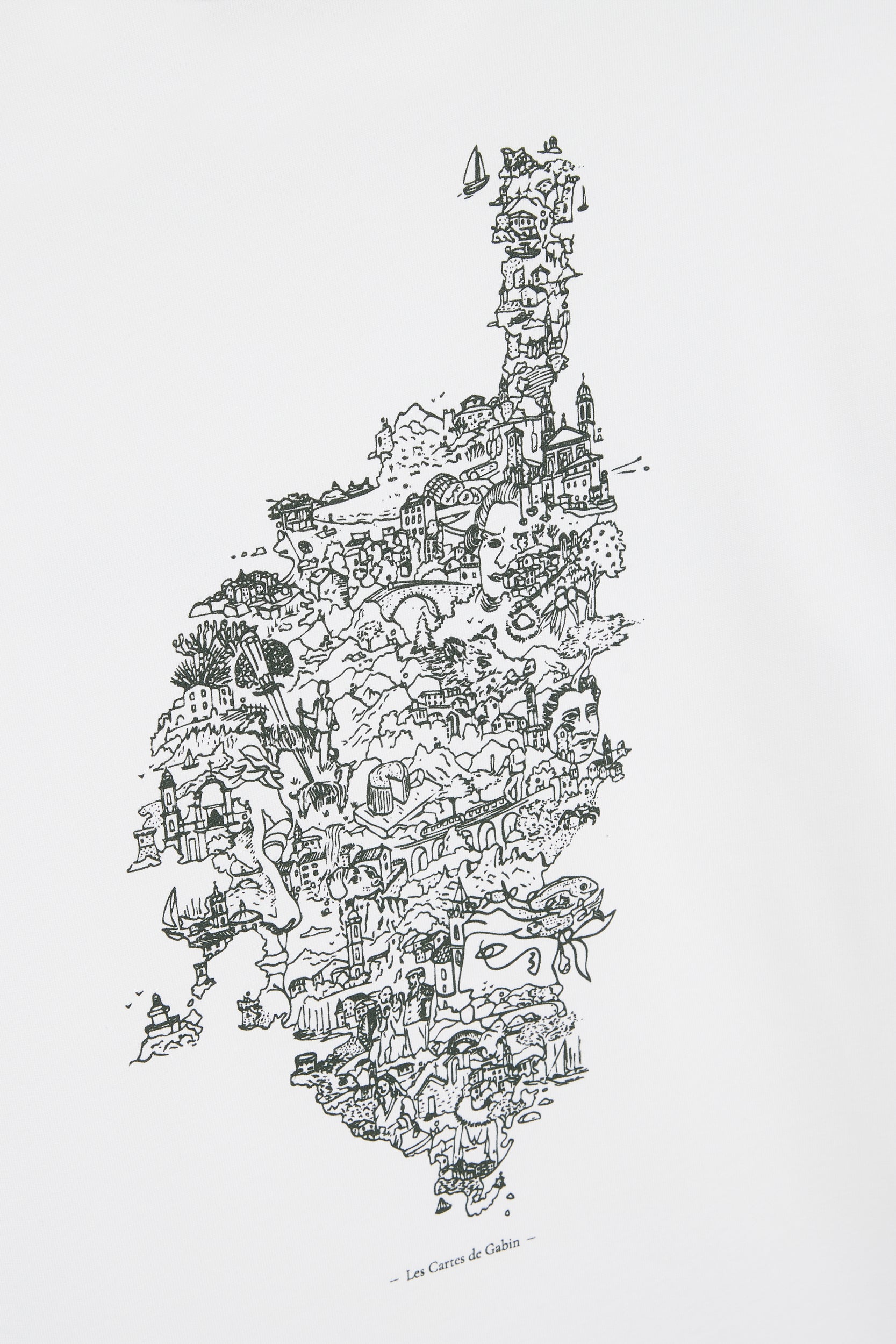
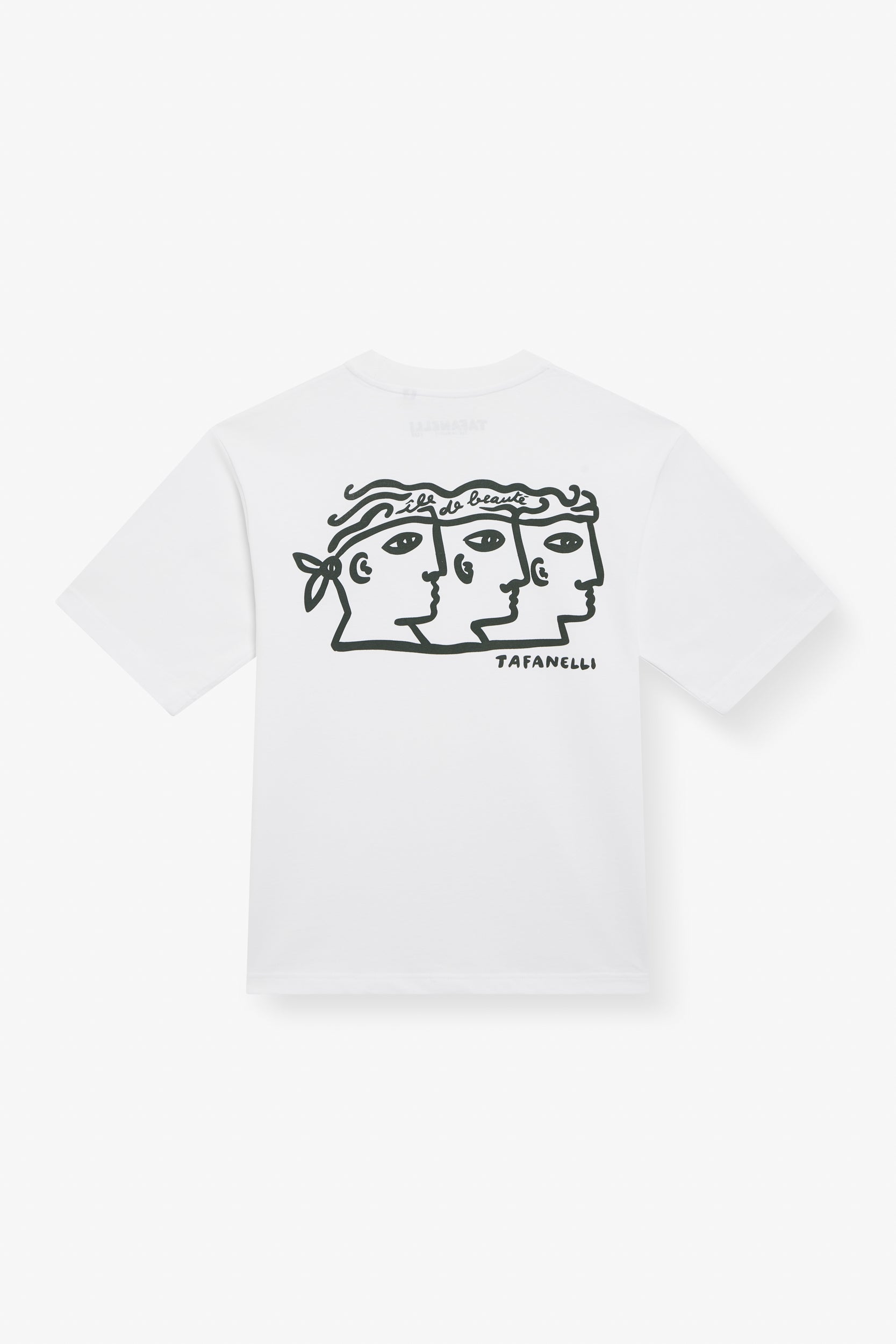
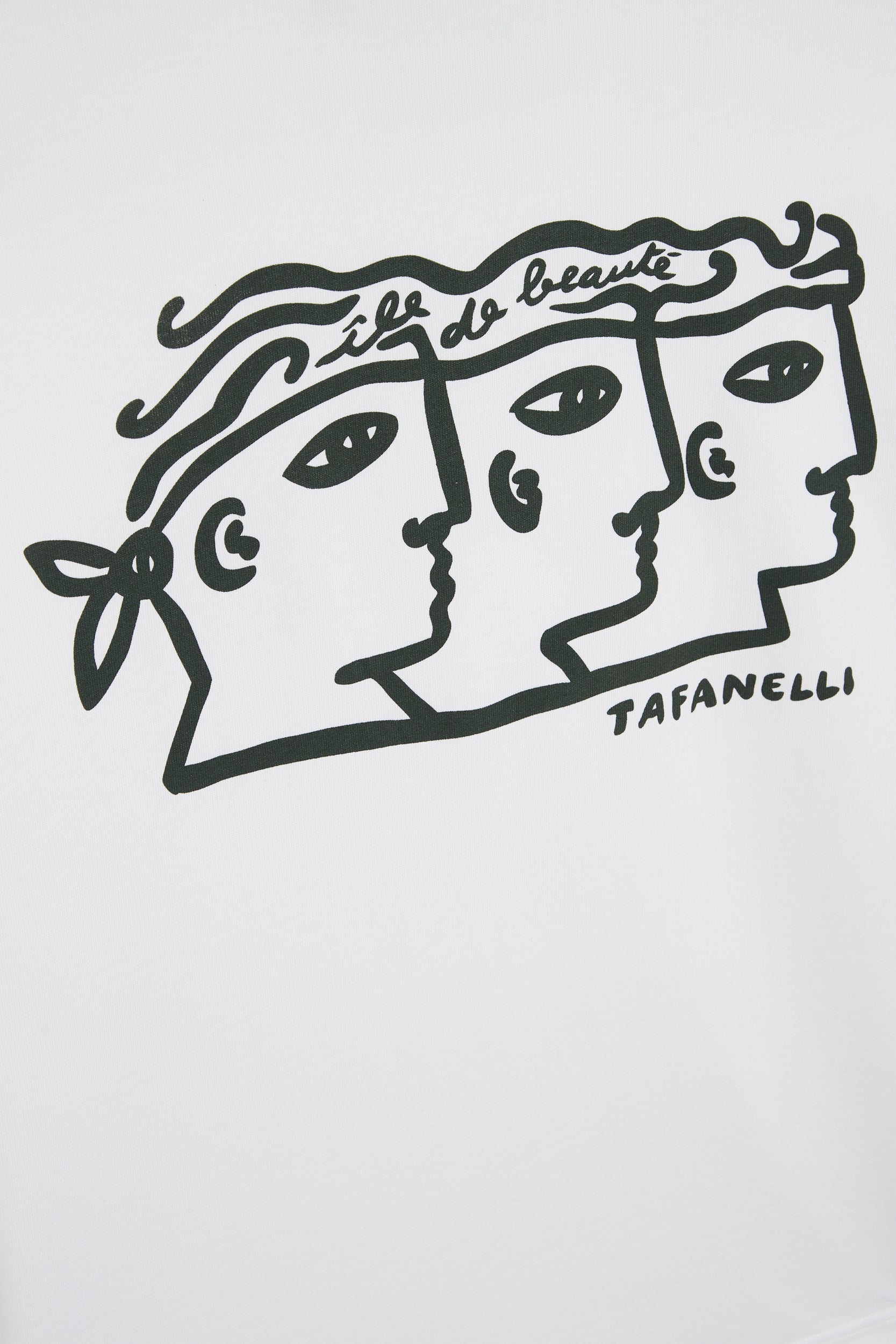
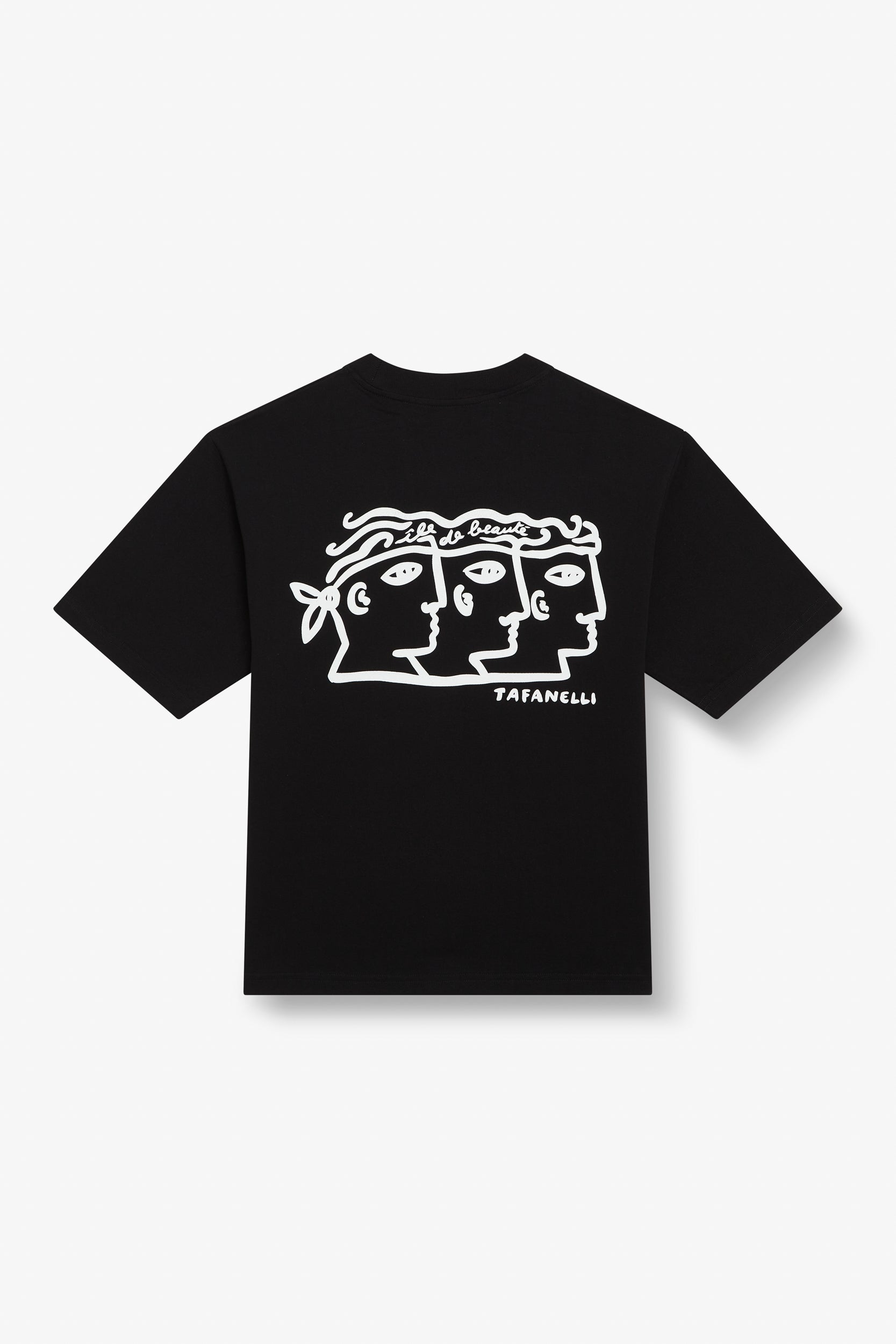
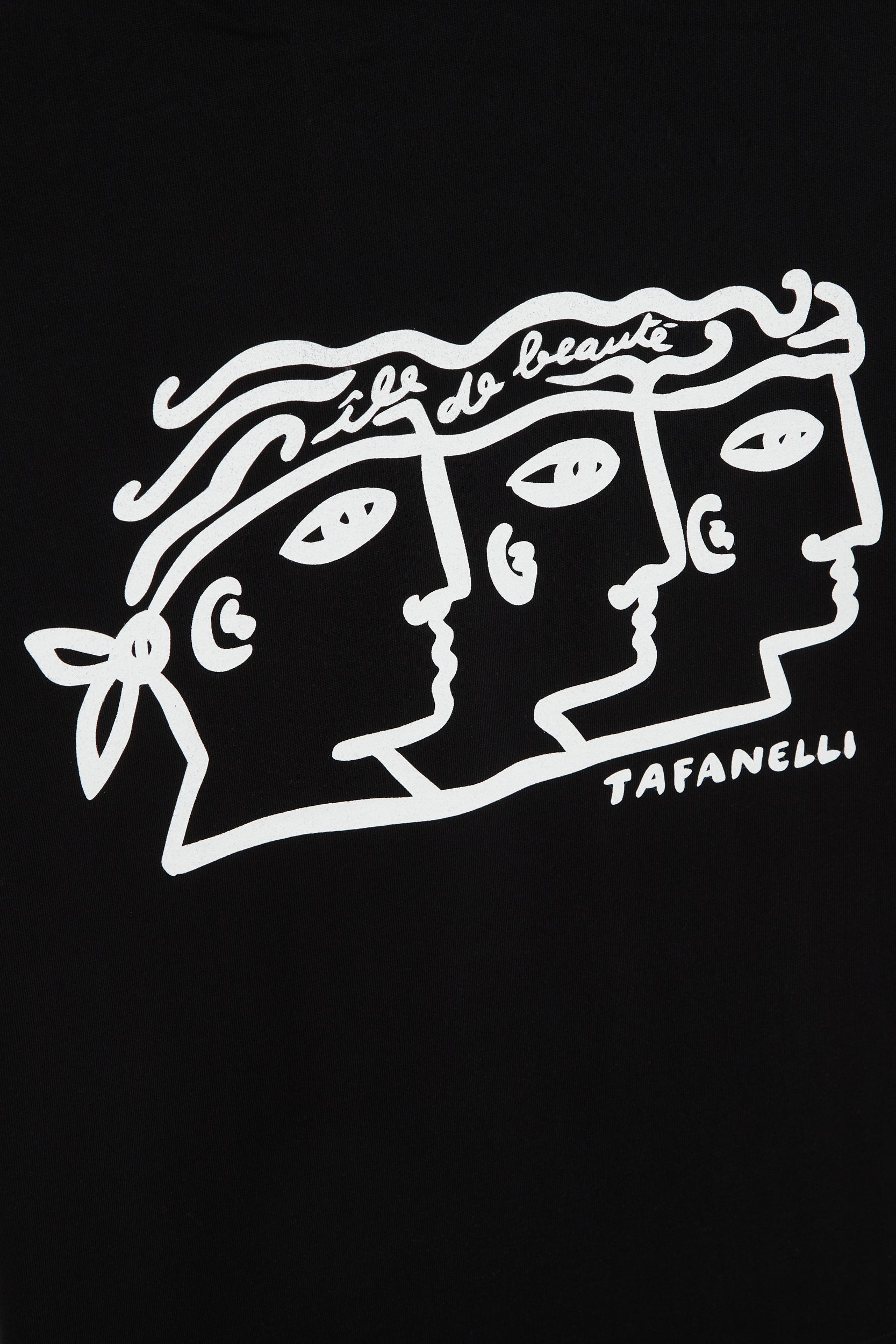
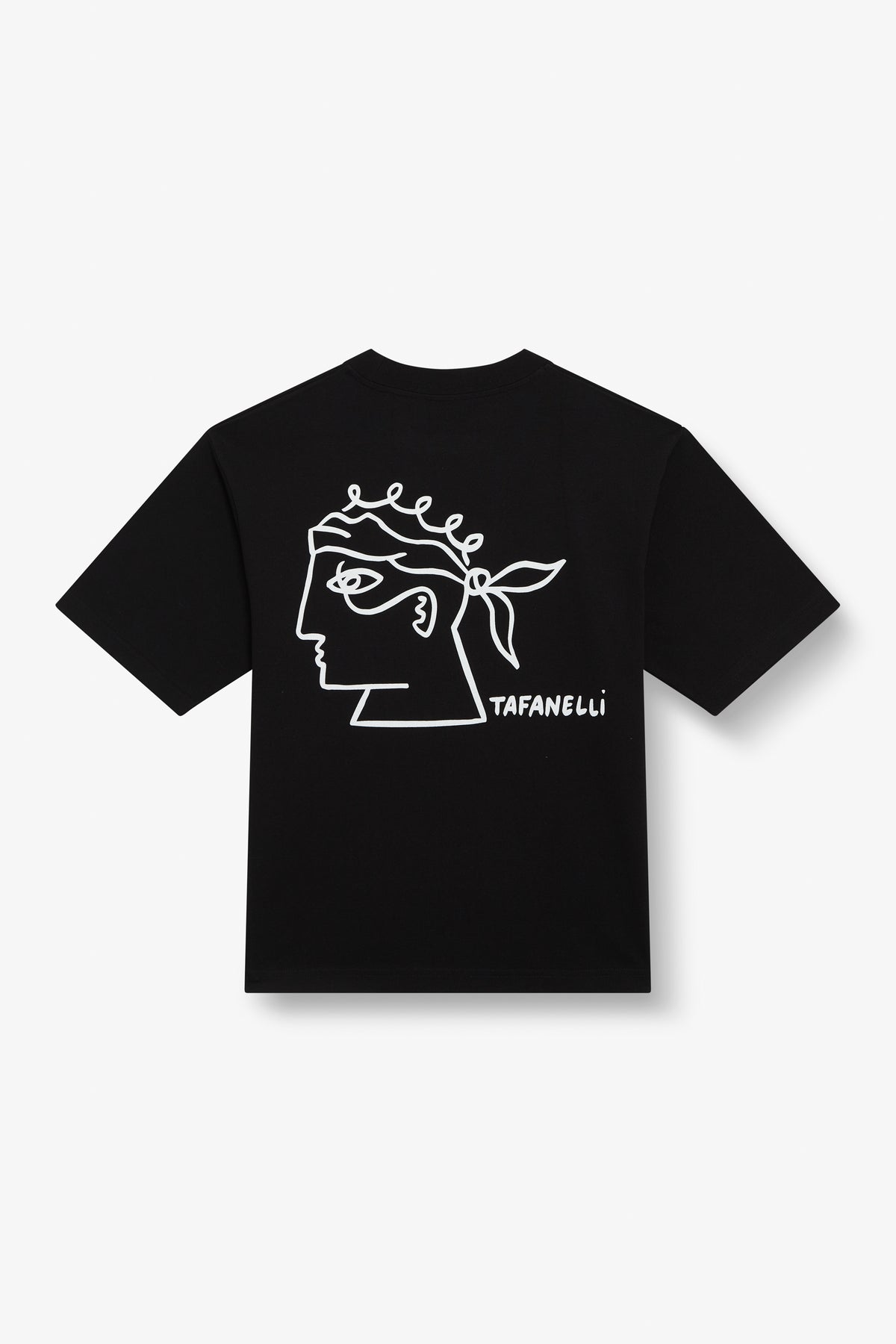
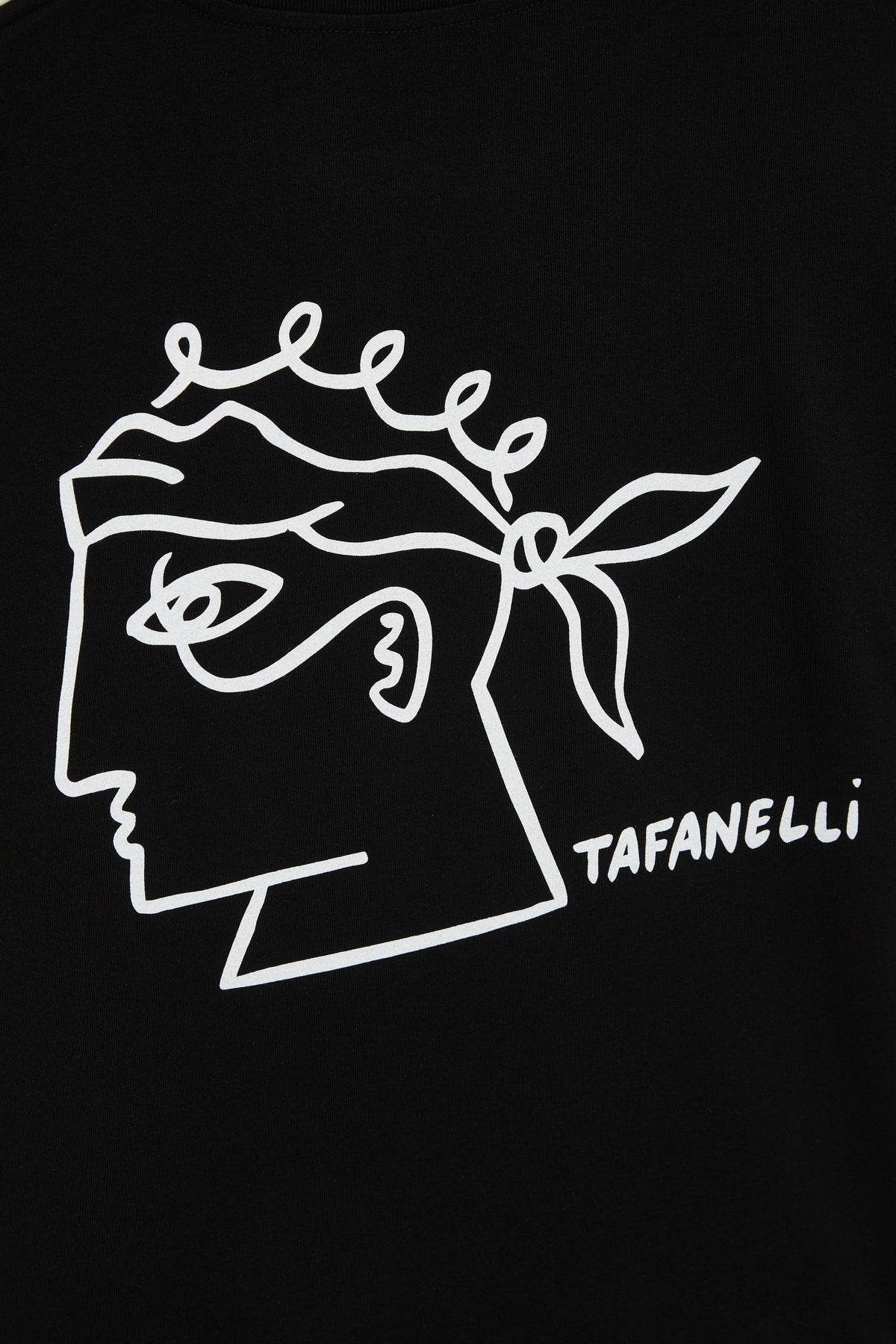
Original artwork on the back, a woven brand label at the neckline. Frontal discretion, strength in the back.
This continuity of the wardrobe between Saint-Tropez and Corsica is proof that a genuine contemporary Mediterranean identity exists. It is neither exclusively Tropezian nor Corsican; it is shared by both territories and the entire region extending between Marseille and Naples.
To discover the full details of this wardrobe, read our article The Mediterranean summer wardrobe: 7 essential pieces.
The expanded fashion map of the Mediterranean
Pampelonne and Île-Rousse will not be the last Mediterranean territories to enter the contemporary fashion narrative. The underlying logic that brings Jacquemus to Corsica will lead other fashion houses to other locations. Here is what we see coming.
- Capri and the Amalfi Coast have been enjoying a constant resurgence since the start of the 2020s
- Sardinia, a neighbor to Corsica, boasts a textile and culinary heritage that is attracting interest from contemporary brands
- The Croatian coast and Dalmatia are increasingly attracting summer fashion shoots and capsule collections
- The Greek Cyclades, long used as mere backdrops, are becoming sources of deeper inspiration
- Cap Corse and Bonifacio, two island hubs complementary to Île-Rousse, will likely follow
- The inland Var (Gassin, Ramatuelle, La Croix-Valmer) is part of this same move upmarket
The Mediterranean is not a single territory; it is a mosaic. Contemporary fashion is learning to traverse this mosaic, place by place, rather than enveloping it in the global cliché of "sun and leisure."
TAFANELLI locations across both territories
Our approach from the beginning has been to weave a network of retail partners in Mediterranean territories that resonate with our identity. To date, we are physically present on both the Saint-Tropez peninsula and in Corsica, at locations that share our attention to detail and quality.
In Pampelonne and Saint-Tropez
- Sportmer Saint-Tropez: a sports and lifestyle institution on the peninsula that selects a portion of the collection each season
- La Pomme de Pin Ramatuelle: an iconic Pampelonne beach club and summer partner
In Balagne and across Corsica
- Chez Tao, Calvi: an institution since 1935, located in the citadel
- Le Bout du Monde, Calvi: a beach club on the bay of Calvi
- U Nichjaretu, near Calvi: a restaurant on the road to Porto, in the bay of Nichiaretu
- Mon Bijou, Bonifacio: for the southern part of the island
- Momento, Saint-Florent: for Cap Corse
- Grand Hôtel de Cala Rossa, Lecci: for the southeastern part of the island
- Sempre Capo di Feno: for the southern tip
For precise locations and a full list of addresses, see our TAFANELLI retailer map.
Frequently asked questions
Why compare Pampelonne and Île-Rousse?
Because they are the two new hubs of a Mediterranean fashion map under construction. For 60 years, Pampelonne has embodied the Tropezian way of life; from June 2026, Île-Rousse will become a new fashion benchmark thanks to the Jacquemus runway show. Beyond their individual characteristics, both territories share the same contemporary Mediterranean sartorial grammar.
What is "Mediterranean chic"?
An aesthetic category that groups together contemporary Mediterranean sartorial codes: noble materials (dense cotton, linen, sailcloth), a sober palette (white, ecru, navy, khaki, terracotta), straight cuts, and discreet wear. It is the opposite of the "Mediterranean cliché" that relied on folk motifs without understanding the underlying codes.
What other Mediterranean destinations are attracting fashion today?
Several territories are experiencing a renaissance: Capri and the Amalfi Coast, Sardinia, Croatian Dalmatia, the Greek Cyclades, Cap Corse, Bonifacio, and more broadly, the preserved areas between Marseille and Naples. Contemporary fashion logic values places with strong territorial identity that are still relatively unindustrialized.
Is the wardrobe for Pampelonne really the same as for Île-Rousse?
In the vast majority of cases, yes. The common codes are numerous: dense cotton, ecru linen, tied scarf, washed cotton cap, espadrilles or loafers, and signature details on the back. The nuances are mainly due to the weather (a little hotter in Pampelonne, windier in Balagne) and usage (continuous beach time in Pampelonne; an alternation between town, beach, and village in Balagne).
Where to buy TAFANELLI in these two territories?
In Pampelonne and Saint-Tropez: Sportmer (Saint-Tropez), La Pomme de Pin (Ramatuelle). In Corsica: Chez Tao, Le Bout du Monde, and U Nichjaretu in Calvi, Mon Bijou in Bonifacio, Momento in Saint-Florent, Grand Hôtel de Cala Rossa in Lecci, Sempre Capo di Feno. For the full map, see the retailer page.
Will the Jacquemus runway show transform Corsica into a new Pampelonne?
Probably not in the same direction. Pampelonne gradually became more dense with its beach clubs and summer industry. Corsica retains a more preserved, rural, and dispersed character. The Jacquemus show will attract a new gaze, but the island possesses a geography and culture that will resist any Tropezian-style standardization.
TAFANELLI — MEDITERRANEAN WARDROBE
The wardrobe that crosses the Mediterranean
From Pampelonne to Île-Rousse, pieces made in France designed to share the common codes of a contemporary Mediterranean way of life.
View the full collection