Shepherds and transhumance in Corsica: the pastoral soul of an island
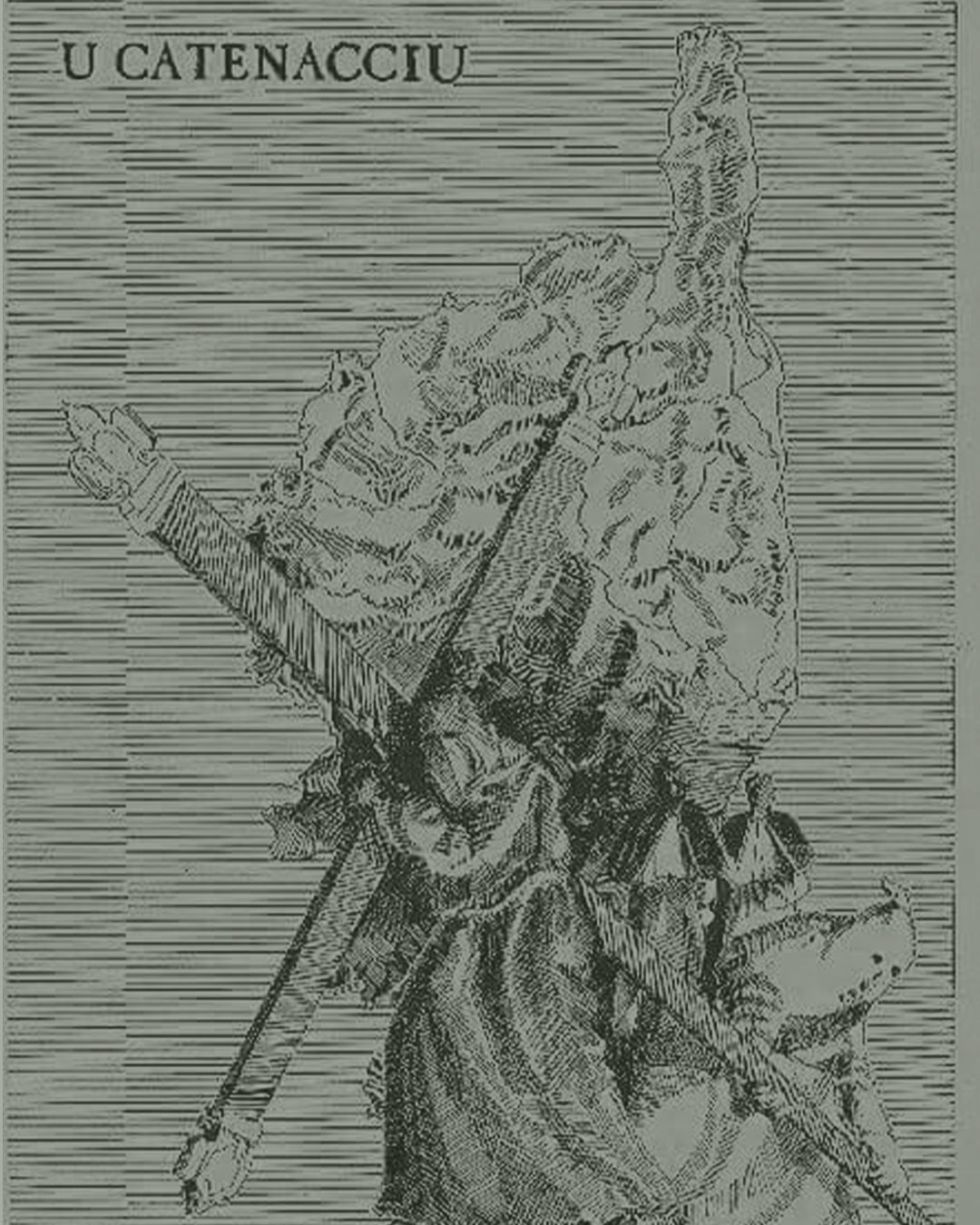
Before the tourists and the beaches, there were the shepherds. Since the dawn of time, men have led their herds between the sea and the mountains, in rhythm with the seasons: this is transhumance, and it is one of Corsica's oldest heartbeats. The shepherd, u pastore, his stone shepherd's huts, his handmade cheese: here is the island's pastoral soul, the very thing that shaped it all.
An island shaped by pastoralism
We often forget: Corsica is, above all, a land of shepherds. For centuries, the raising of sheep, goats, and pigs was the heart of the island’s economy and life. It was pastoralism that drew the landscapes, opened the paths, built the stone huts, and fed the people.
It was the herds that maintained the areas of maquis and high-altitude pastures; it was the shepherds who gave Corsica its greatest products—the cheeses, the brocciu, the charcuterie. To understand the shepherd is to understand Corsica itself.
Corsica was sculpted not by kings, but by shepherds. Every path, every stone hut, every cheese tells the story of centuries of patient actions, passed down from father to son, between the sea and the summits.
Transhumance, in rhythm with the seasons
Transhumance is the seasonal movement of herds between two territories, to always offer the animals the best grass and the mildest climate:
- Summer (estive): when the heat scorches the plains and the coast, the shepherds head up with their herds toward the high-altitude pastures, cool and green, in the heart of the mountains.
- Winter: in the autumn, they head back down toward the milder plains and coast, to spend the harsh season sheltered from the cold and snow.
In the past, these migrations could cover long distances across the island, on foot, along immemorial transhumance trails. This perpetual movement, between mare and muntagna (sea and mountain), is one of the most beautiful symbols of Corsica: a people who follow the rhythm of nature rather than forcing it.
U pastore, the Corsican shepherd
U pastore, the shepherd, is a foundational figure of Corsican identity. A man of few words and great knowledge, he would spend the summer alone or in a small group in the heights, far from the village, with only his animals, his dog, and the immensity of the mountain for company.
His life was rugged: up before dawn, milking, cheesemaking, watching the herd, repairs—all in total solitude and self-sufficiency. But it was also a life of freedom and dignity, in direct contact with nature, rich in immense know-how regarding plants, climate, animals, and milk. The Corsican shepherd embodies values we hold dear: endurance, independence, a job well done, and love for the land.
Shepherd's huts and mountain cheese
In the heights, the shepherd lived and worked in a shepherd's hut (a casa di i pastori): a modest dry-stone construction, often clustered with others in small high-altitude hamlets, next to the animal pens and the cheese room (u casgile).
For it was there, every day, that the treasure was born: the cheese. From raw sheep's or goat's milk, the shepherd would hand-make tommes and brocciu, following methods inherited over generations. The brocciu, king of Corsican cheeses, comes directly from this pastoral know-how. Even today, on the GR20 and in the valleys, hikers stop at these huts to taste these products made on-site—a direct and moving connection to this ancestral world.
The great summer grazing plateaus
Summer transhumance led the herds toward vast high-altitude expanses, true open-air cathedrals of Corsican pastoralism:
- The Coscione Plateau (Cuscionu), in Alta Rocca, an immense expanse of pastures and pozzines at the foot of the Incudine.
- The Niolu, around Calacuccia, a land of shepherds par excellence, famous for its fair and traditions.
- The high valleys like the Restonica, or the surroundings of Bastelica, dotted with shepherd's huts.
These places, now popular with hikers, remain marked by the presence of the shepherds: huts, pens, paths, and pozzines where animals still graze in the summer. To walk there is to tread upon the most authentic side of pastoral Corsica.
A skill still very much alive
Pastoralism declined in the 20th century with rural exodus and modernity. But it has not disappeared—and it is being reborn. Young breeders are taking over the herds, continuing transhumance, and making award-winning farmhouse cheeses, protected by labels like the AOP brocciu.
Agricultural and pastoral fairs—like the famous cheese fair—celebrate this living heritage every year, bringing together producers and lovers of the local region. Supporting these shepherds means keeping an age-old craft alive and tasting a true Corsica, one that is earned and respected.
La Muntagna and the TAFANELLI spirit
The Corsican shepherd is somewhat of a model for us: a person of a job well done, patient, autonomous, connected to their land, creating beauty and quality with their own hands. This artisan spirit and this love for the mountains—the Muntagna of our trinity—infuse everything we do.
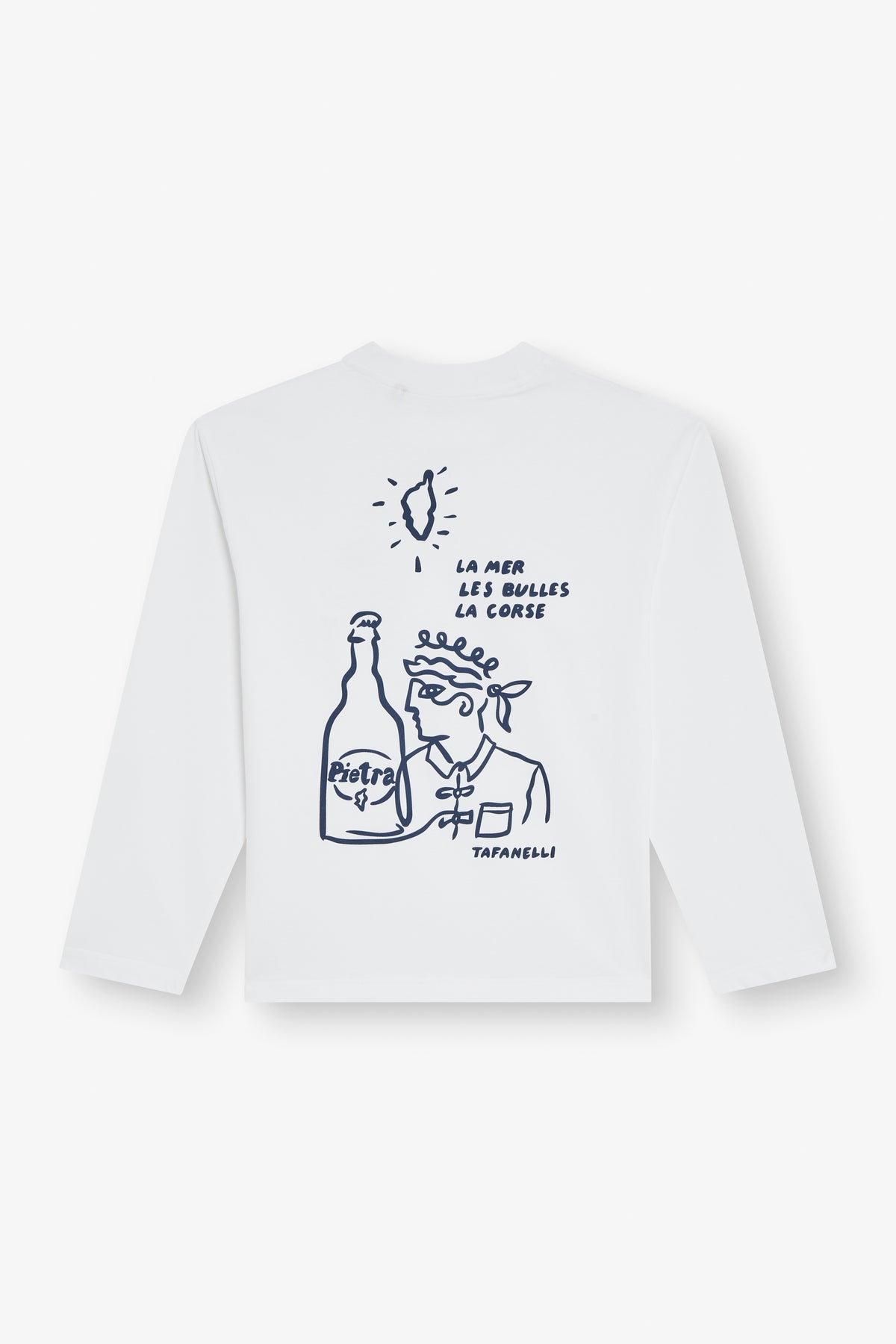
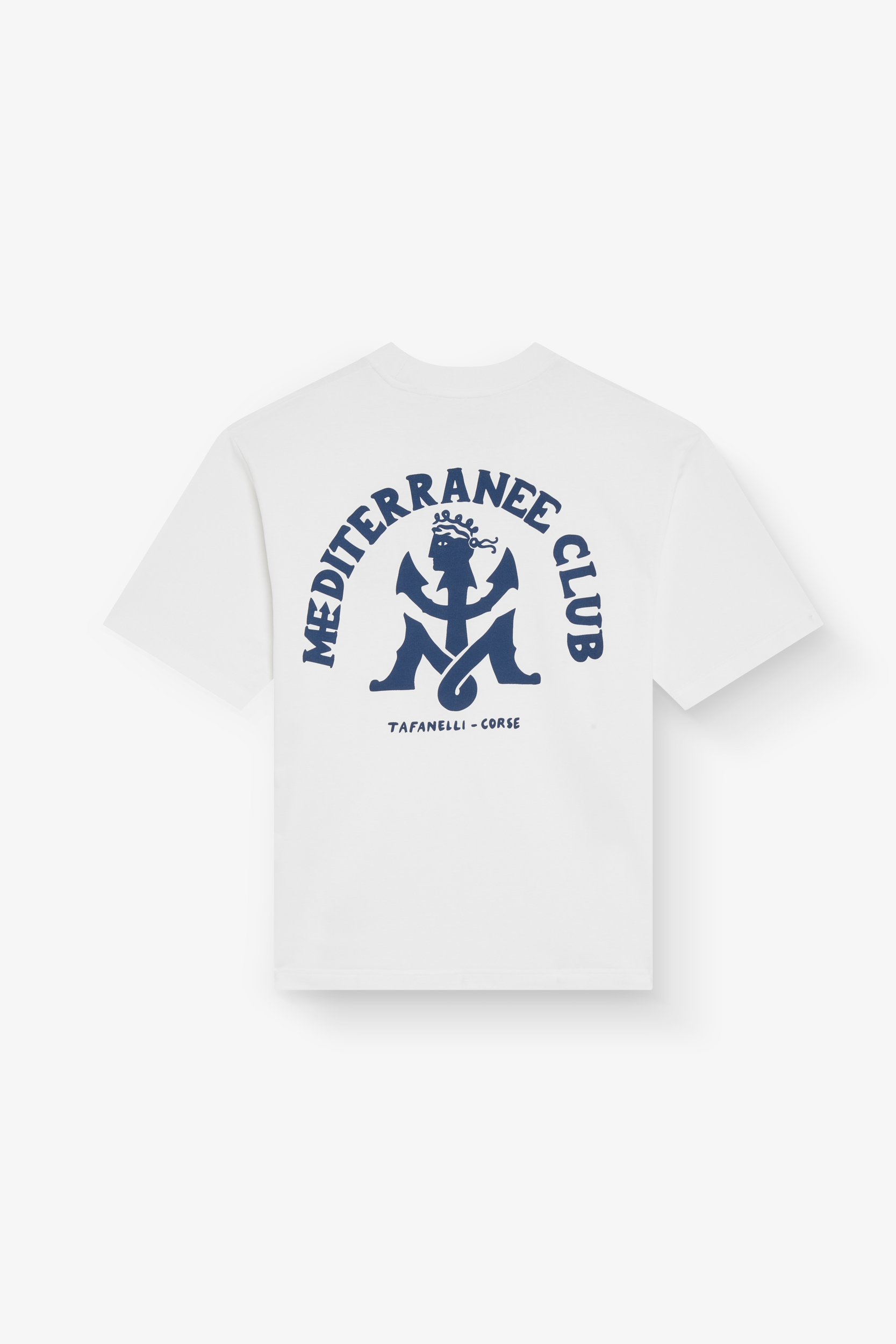
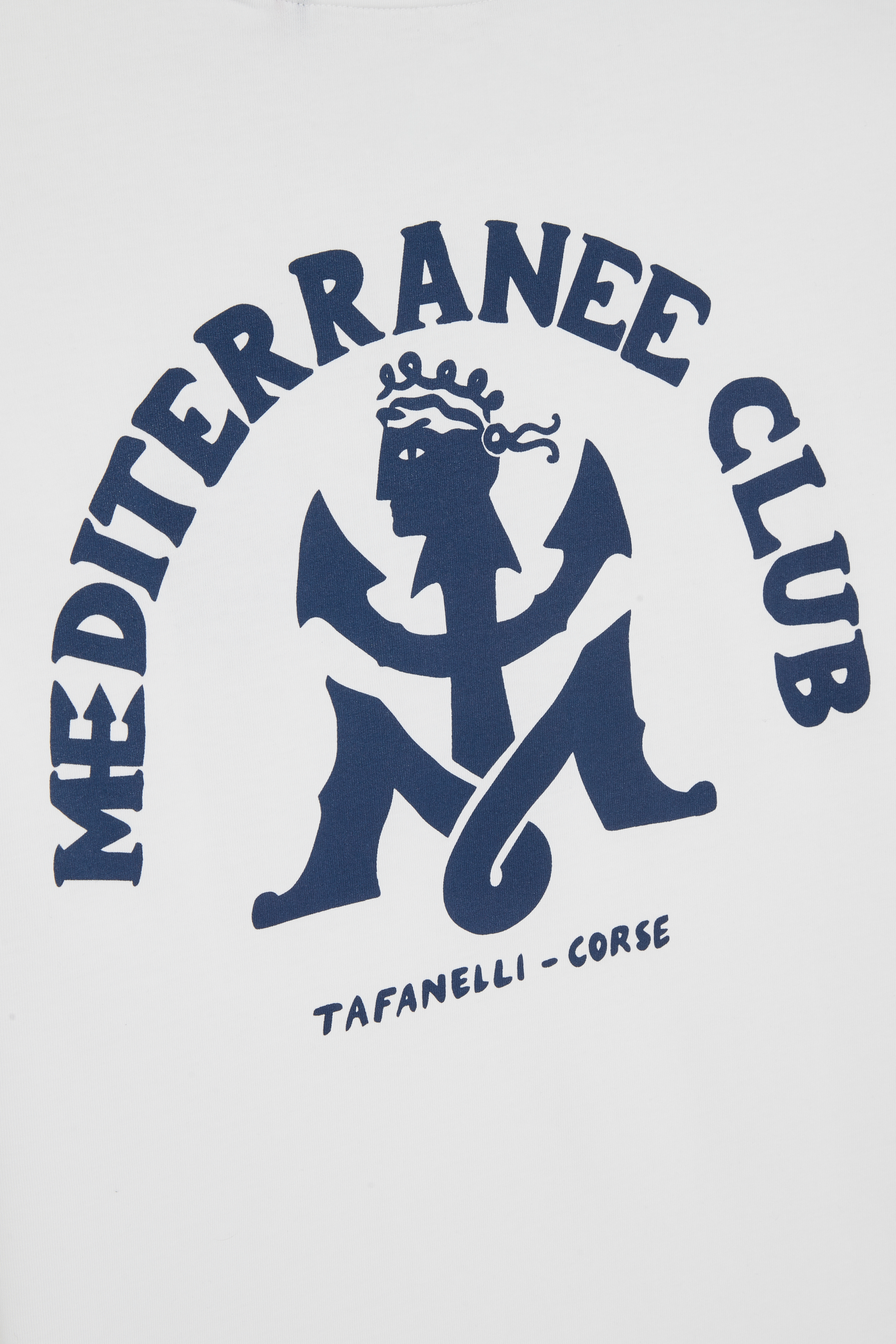
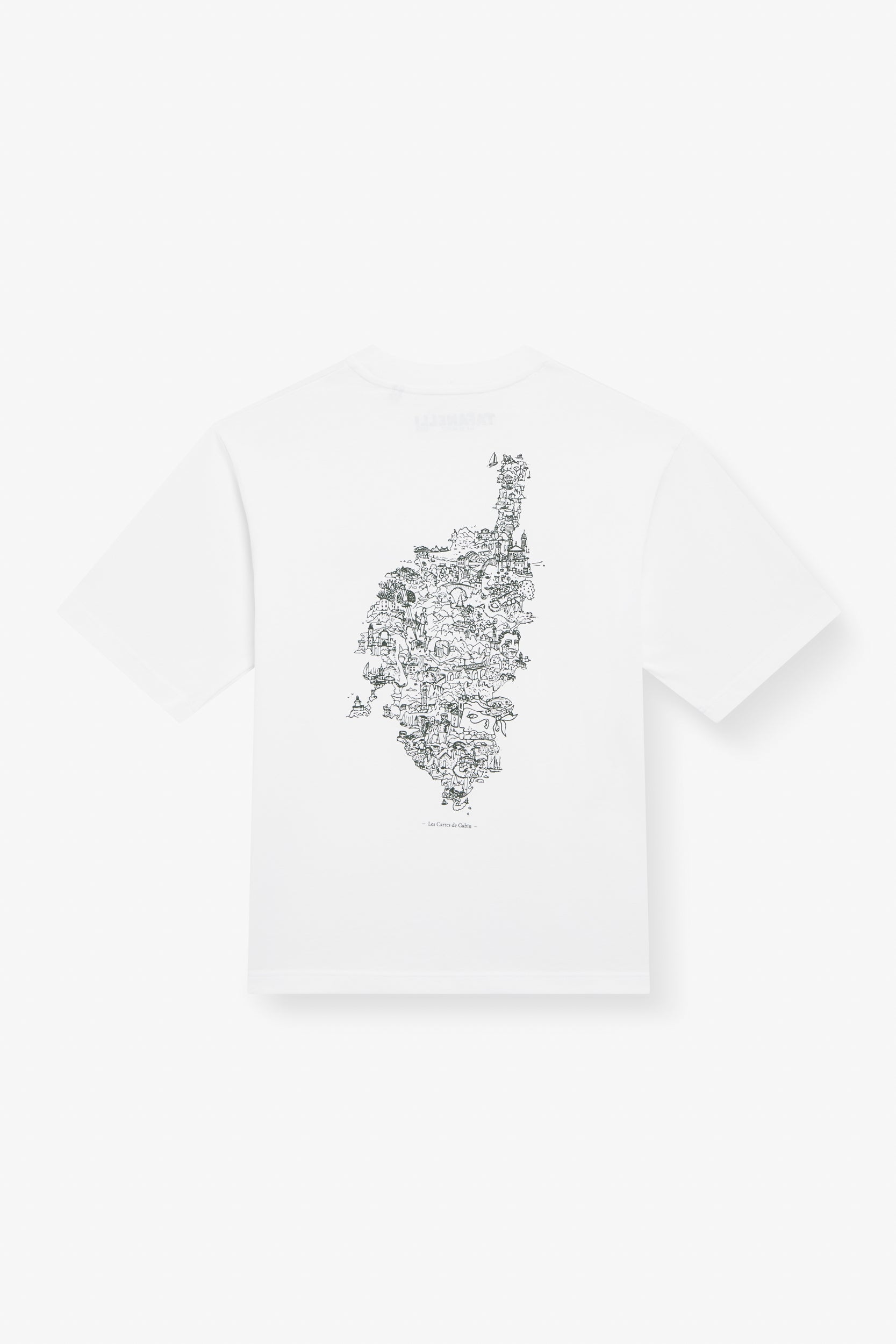
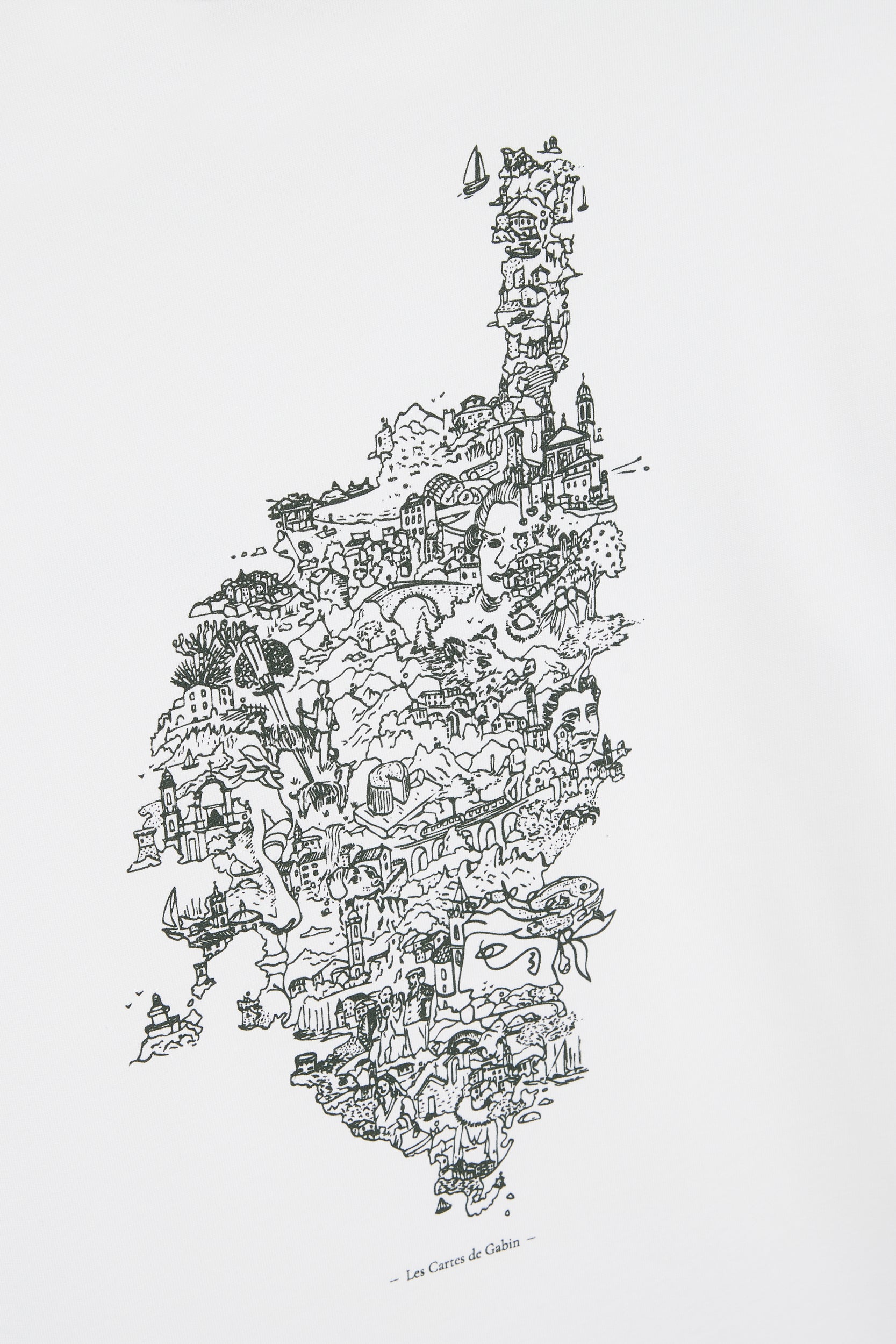
The wardrobe for those who love Corsica from the inside out:
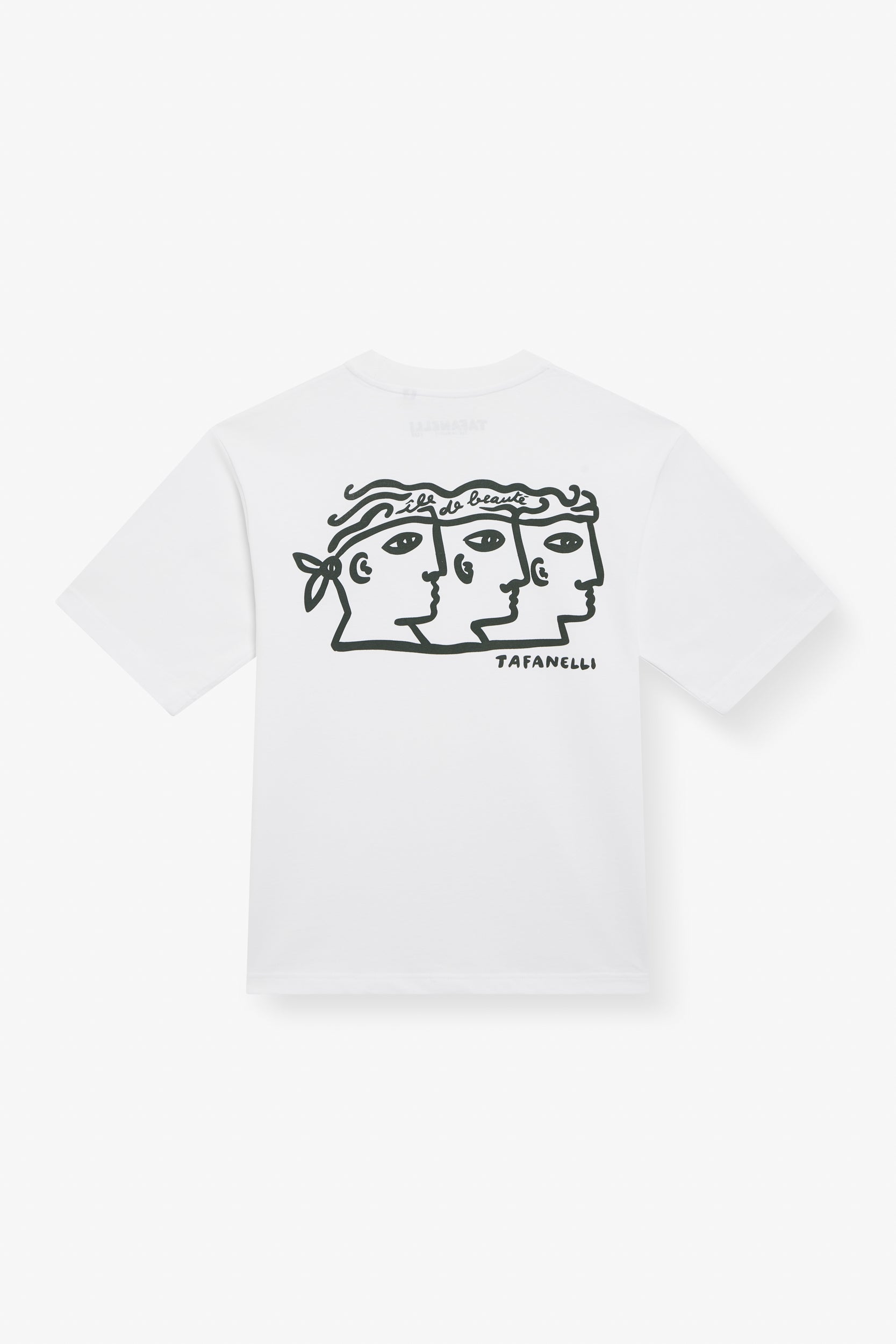
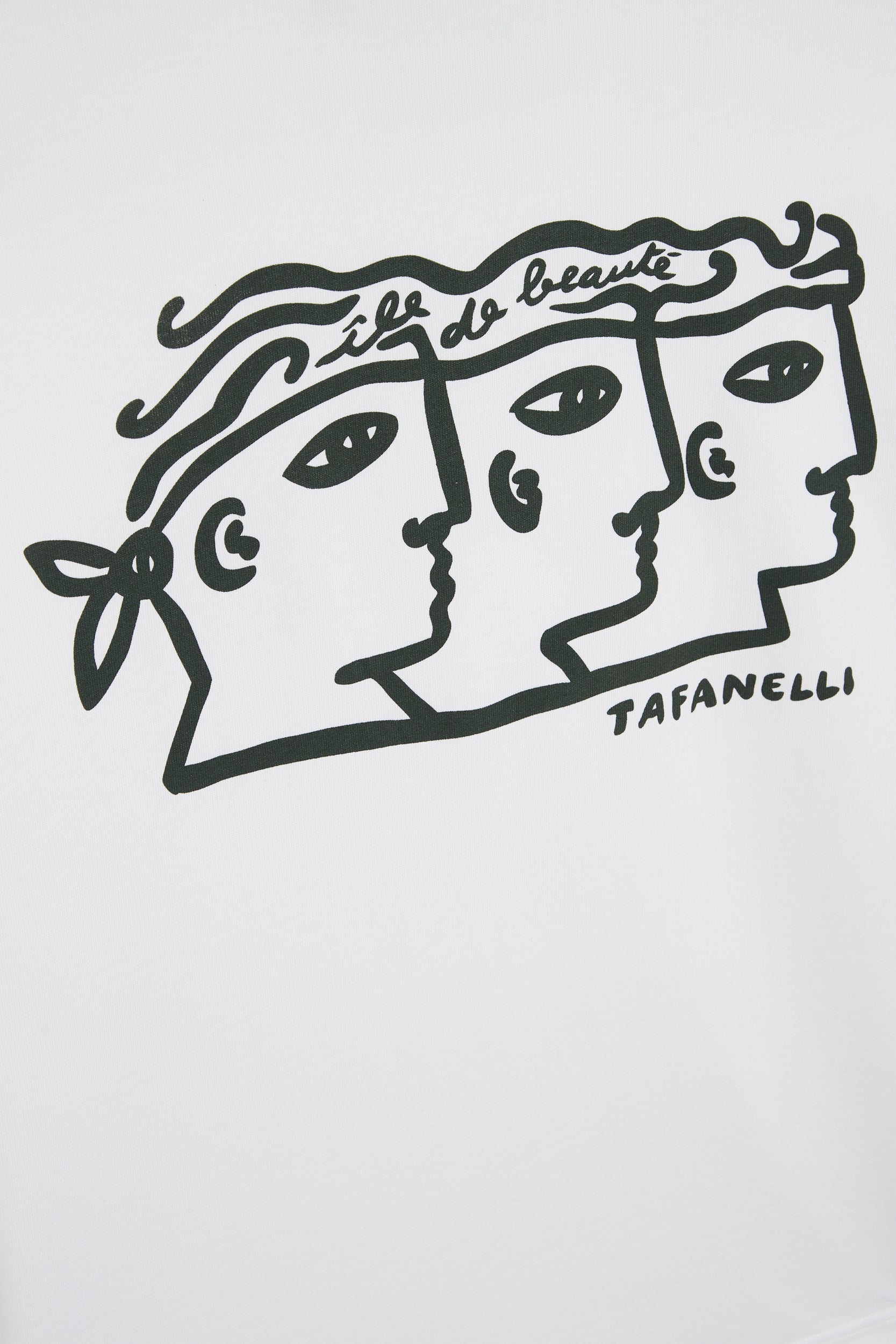
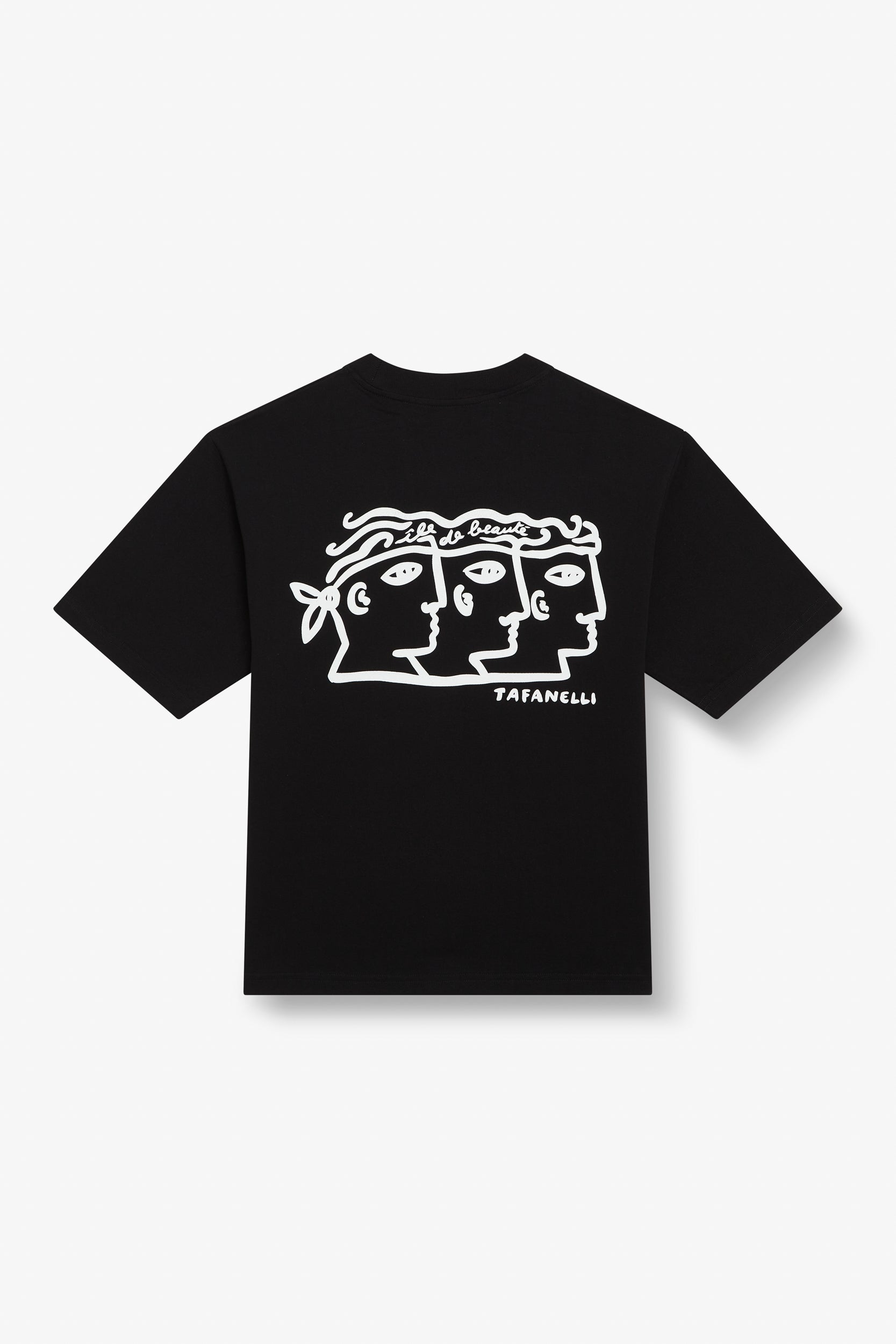
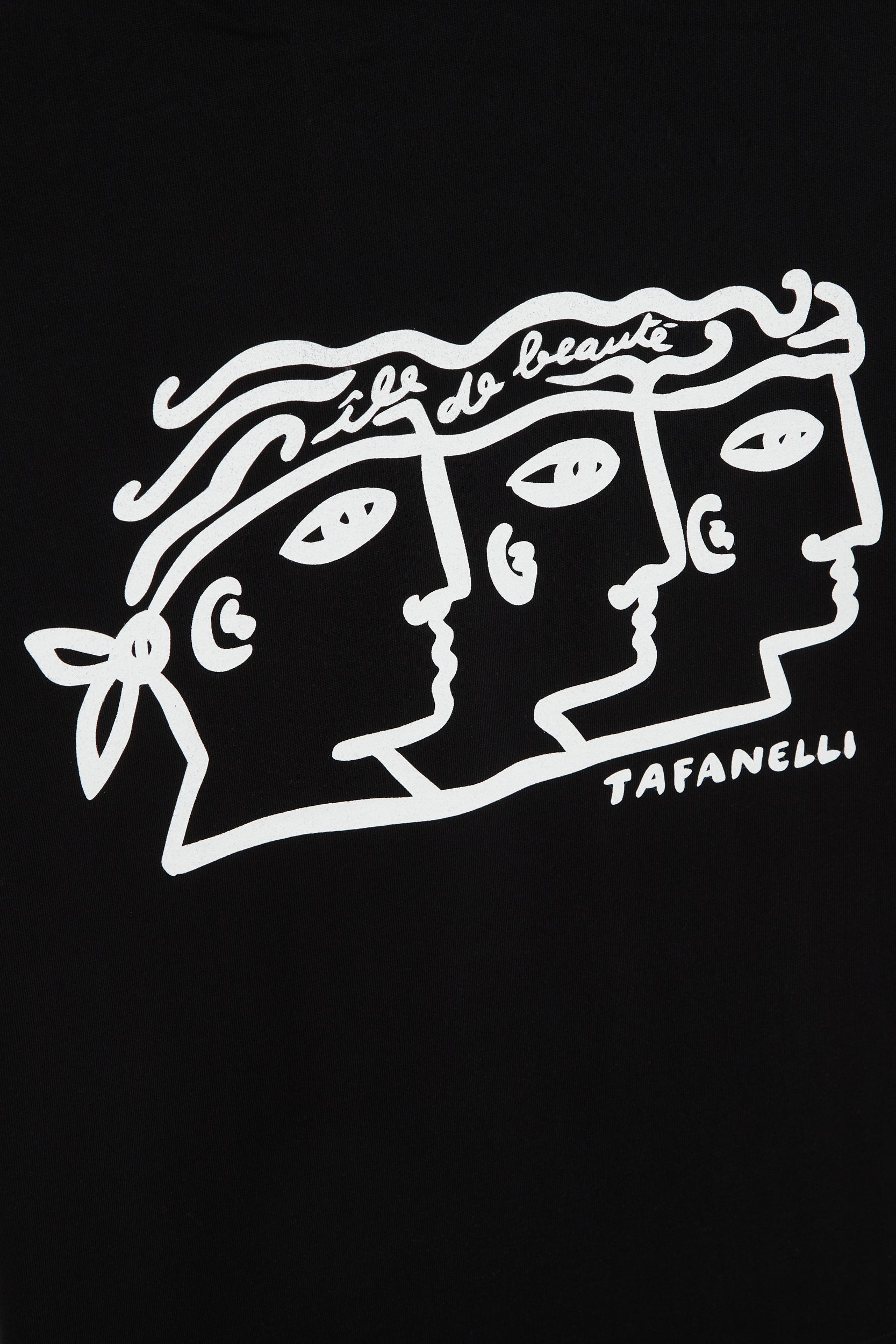
- The La Trinità t-shirt: sea, mountain, maquis, the soul of the country.
- The "Corsica 1755" t-shirt: island pride, hand-screen printed.
- The TAFANELLI bandana: the companion for paths and shepherd's huts.
- The TAFANELLI cap: sober and proud, for the mountains and the summer pastures.
To continue exploring the terroir and mountains of Corsica:
- Corsican cheeses: brocciu, tomme, veru
- Corsican charcuterie, a complete guide
- The Corsican maquis: nature, symbolism, resistance
- The Restonica and the lakes of Corte
- The Corsican chestnut and the Castagniccia
When passing through Corsica, the customer becomes a friend.
A DOPU,
TAFA