U Catenacciu of Sartène: Corsica's most intense procession
Every Good Friday, as night falls, the town of Sartène holds its breath. A masked man, dressed in red, barefoot, drags a heavy chain and carries a cross through the narrow streets under the gaze of a reverent crowd: this is U Catenacciu, "the Chained One," one of the oldest, most secretive, and most moving traditions in all of Corsica. Here is its story.
What is U Catenacciu?
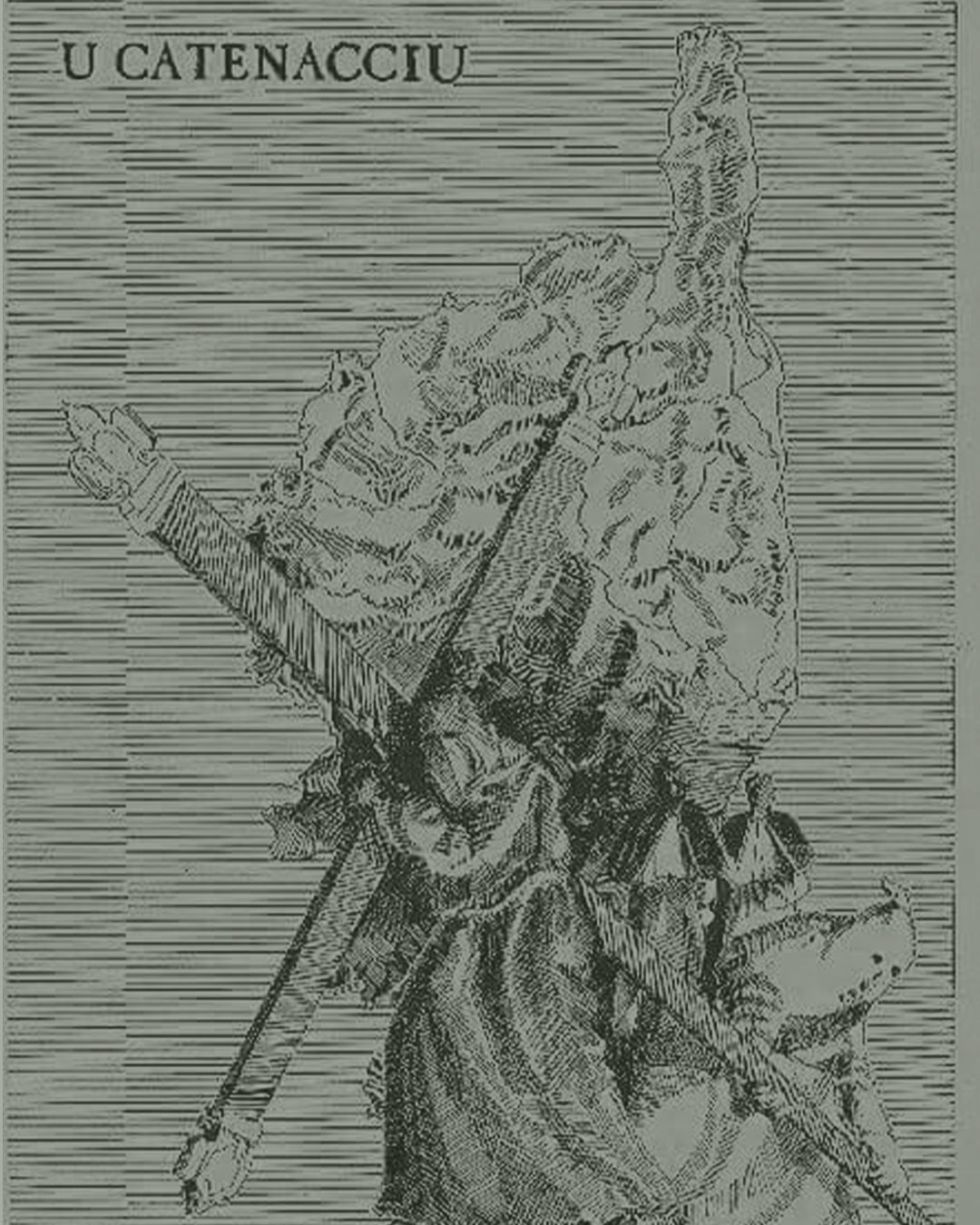
U Catenacciu — a Corsican word meaning "the Chained One," from catena, the chain — is the Good Friday procession of Sartène, in southern Corsica. It is a reenactment of the Passion of Christ, from his ascent to Calvary, performed not as a spectacle but as a profound and sincere act of penance.
Perpetuated since the Middle Ages — its origins go back several centuries — it is one of the most famous and intense religious ceremonies in Corsica, in a town that Prosper Mérimée once described as "the most Corsican of towns." Every year, it attracts thousands of people, believers and curious onlookers alike, struck by the power of the moment.
There are traditions one watches, and others one feels deep within. The Catenacciu is one of those. In the silence of the narrow streets of Sartène, by candlelight, all of spiritual and ancestral Corsica rises to the surface.
The procession route
At nightfall, the procession sets off from Sainte-Marie church and traverses the historic heart of Sartène, notably the old Santa Anna district, along a route of approximately 1.7 kilometers through a maze of steep, cobblestone alleys.
At its center, the Catenacciu: a man entirely dressed in a red robe and hood, his face hidden, barefoot, carrying a heavy wooden cross on his shoulder and dragging an iron chain weighing several kilos at his ankle. Under the weight, exhausted, he falls three times during the route, like Christ on the road to Golgotha. Around him, the crowd, the sacred chants, the bells: an atmosphere of striking gravity.
The secret of the Grand Penitent
This is the power of the ritual: the identity of the Catenacciu remains absolutely secret. Only the priest of Sartène knows the name of the man who, that year, will carry the cross. It will never be revealed.
This man is a penitent who has requested this honor to atone for a fault, keep a vow, or fulfill an act of faith. The waiting list is long — one may wait for years before being chosen. Under the hood, it could be anyone: a notable, a shepherd, a stranger. This total anonymity gives the Catenacciu its universal dimension: it is not an individual who suffers, it is Humanity itself, each one of us.
No one knows who is hiding under the red robe. And that is precisely what makes the gesture so powerful: stripped of his name, his rank, and his face, the Catenacciu is no one and becomes everyone. The secret, here, is sacred.
The figures of the Passion
The Catenacciu is not alone. The procession features several figures, each dressed and charged with meaning:
- U Catenacciu (the Grand Penitent, in red): he embodies Christ carrying his cross.
- U Penitente Biancu (the White Penitent): dressed in white, he helps the Catenacciu carry the cross, in the likeness of Simon of Cyrene.
- I Penitenti Neri (the Black Penitents): they carry the body of the dead Christ, laid out on a shroud.
- The clergy, the brotherhoods, and the crowd: who accompany the procession with their chants and prayers.
These polyphonic sacred chants, inherited from the Corsican oral tradition, add to the intensity of the scene — the same fervor found in the paghjella and the island's brotherhoods.
The meaning of a millennial ritual
Beyond religion, the Catenacciu says something profound about Corsica: the relationship to fault and forgiveness, to honor, and to the burden one carries and chooses to assume in silence. In an island marked by the weight of a given word, this ritual of redemption finds a particular resonance.
It is also an extraordinary act of transmission: from generation to generation, Sartène faithfully re-enacts this Passion, keeping alive a tradition that could have disappeared. Like A Cerca in Erbalunga, the Catenacciu bears witness to the vitality of sacred Corsican traditions, rooted in the stone of the villages and the hearts of the inhabitants.
Attending the Catenacciu
- When: every year, on the evening of Good Friday (the date varies depending on Easter), at nightfall.
- Where: in the historic heart of Sartène (South Corsica), around the church of Sainte-Marie and the Santa Anna district.
- Crowds: the ceremony attracts many people; arrive well in advance to find a spot along the route.
- Attitude: this is not a show but a moment of reflection — observe silence, avoid flashes and commotion, out of respect.
- To extend your visit: explore Sartène, its granite alleys, and its history in our complete guide to the town.
Sartène, tradition, and TAFANELLI
The Catenacciu embodies a deep Corsica, made of memory, faith, and gravity, that of granite villages and traditions handed down without fail. This authenticity, this refusal to forget, is a thread we follow in our work: honoring what makes the soul of the island, without ever betraying it.
The wardrobe for those who love authentic Corsica:
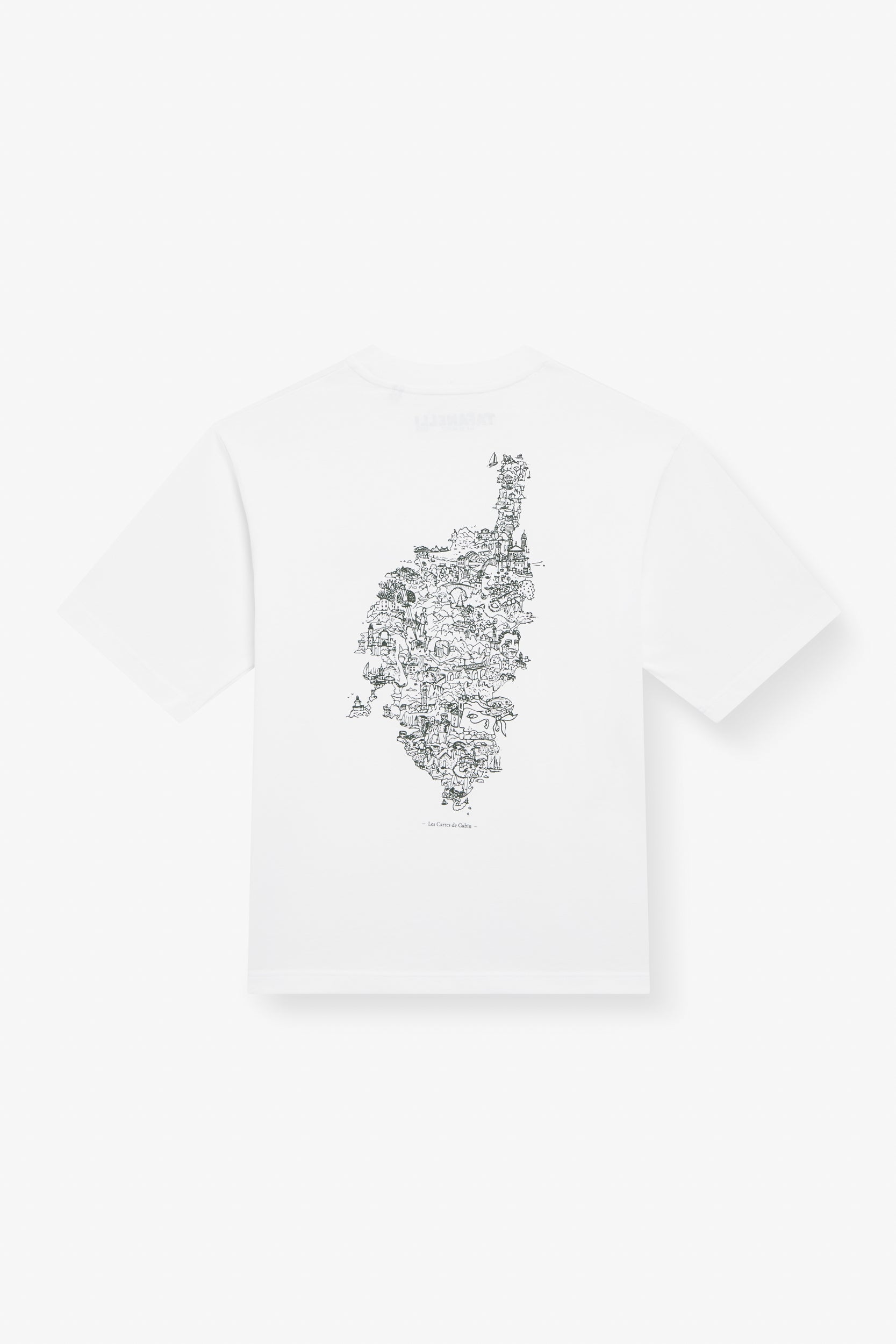
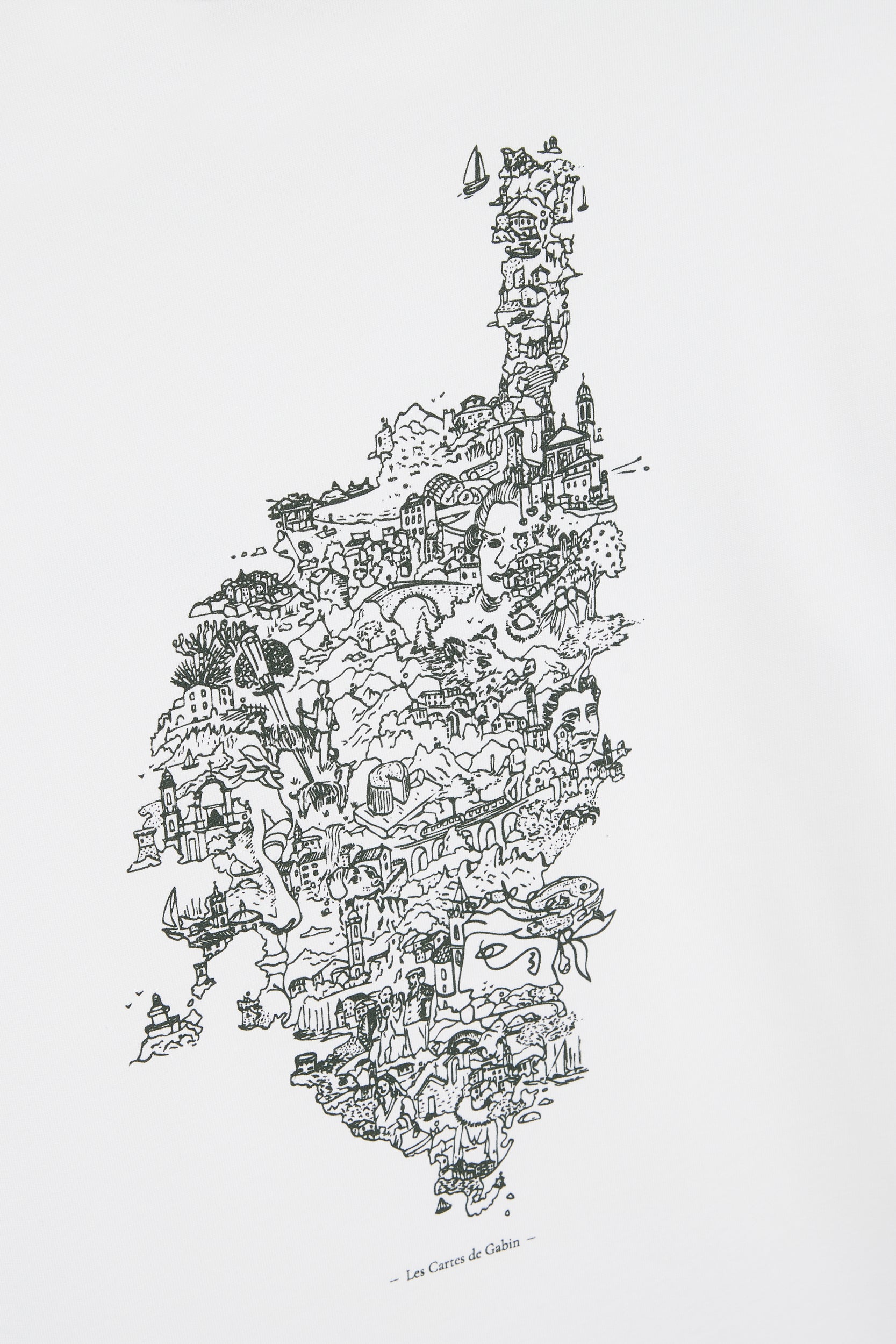
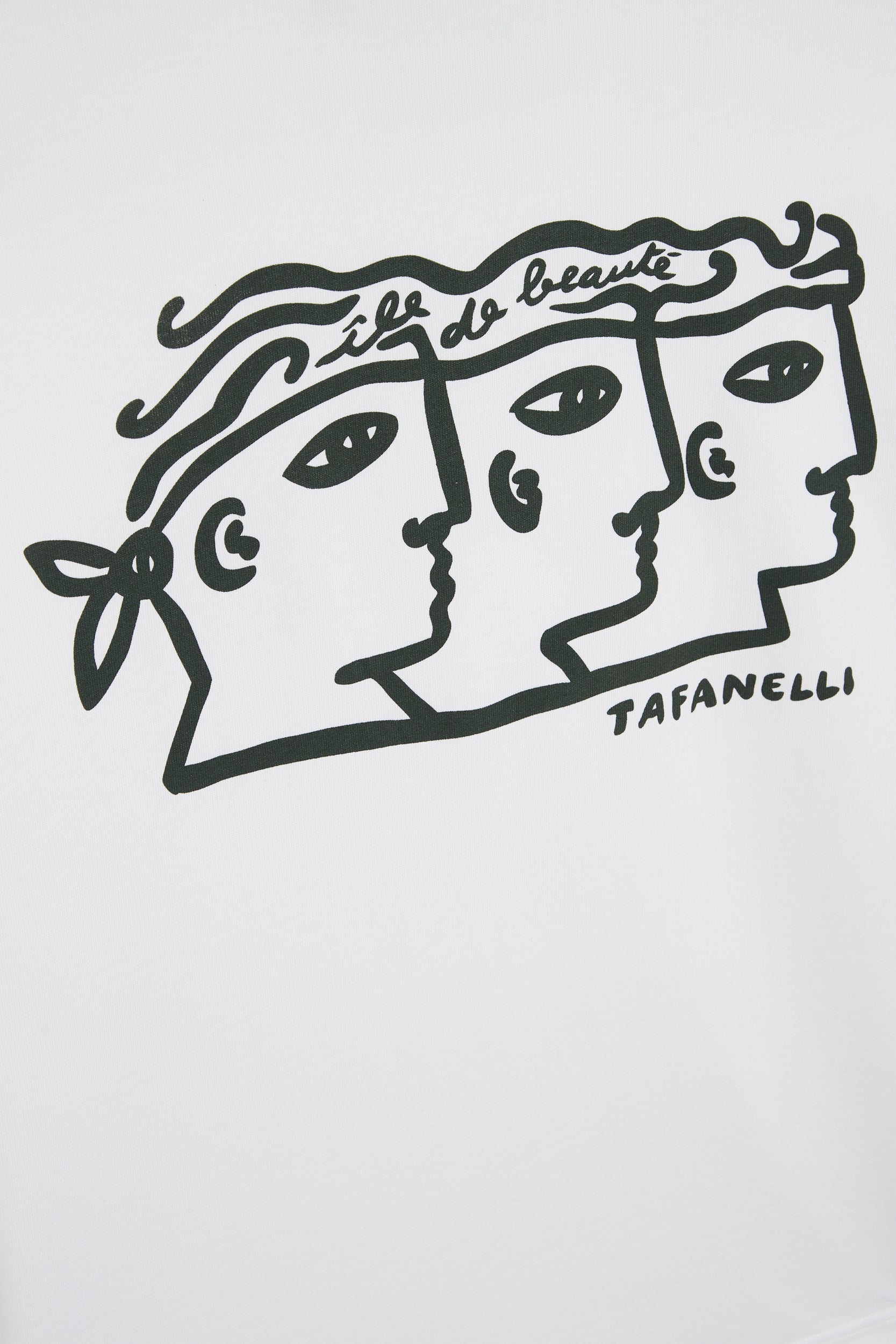
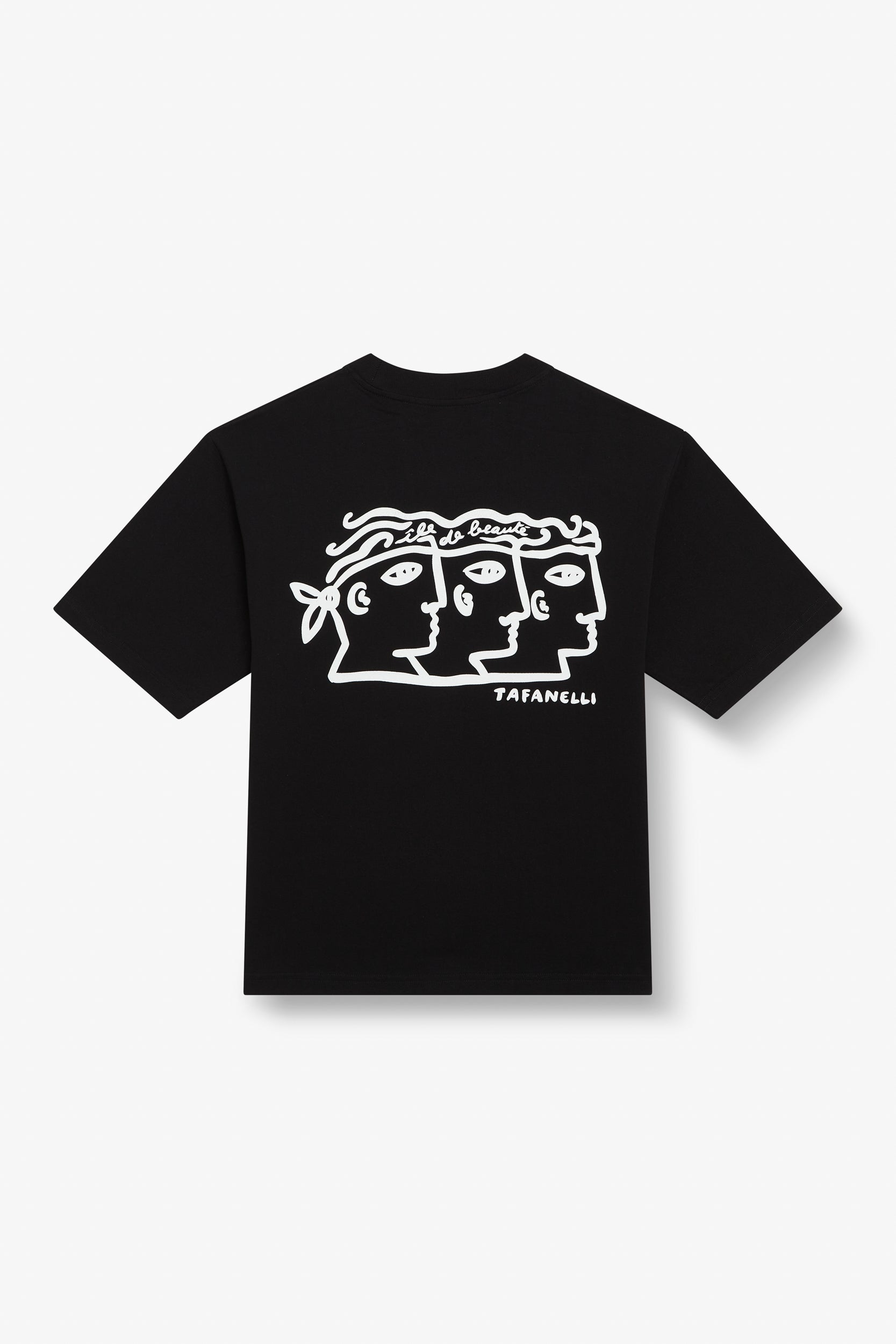
- The "Corsica 1755" t-shirt: island pride, hand-screen printed.
- The La Trinità t-shirt: sea, mountains, scrubland, the soul of the land.
- The TAFANELLI bandana: a piece of Corsica for everyday life.
- The TAFANELLI cap: sober and proud, in respect of traditions.
To continue exploring the traditions and heritage of Corsica:
- Sartène, the most Corsican of towns
- The paghjella, Corsican polyphony on the UNESCO list
- Erbalunga and the A Cerca procession
- The Corsican language: history and renaissance
- The Genoese bridges of Corsica
When passing through Corsica, the customer becomes a friend.
A DOPU,
TAFA