The Calanques of Piana: a complete guide to the UNESCO-listed red granite masterpiece
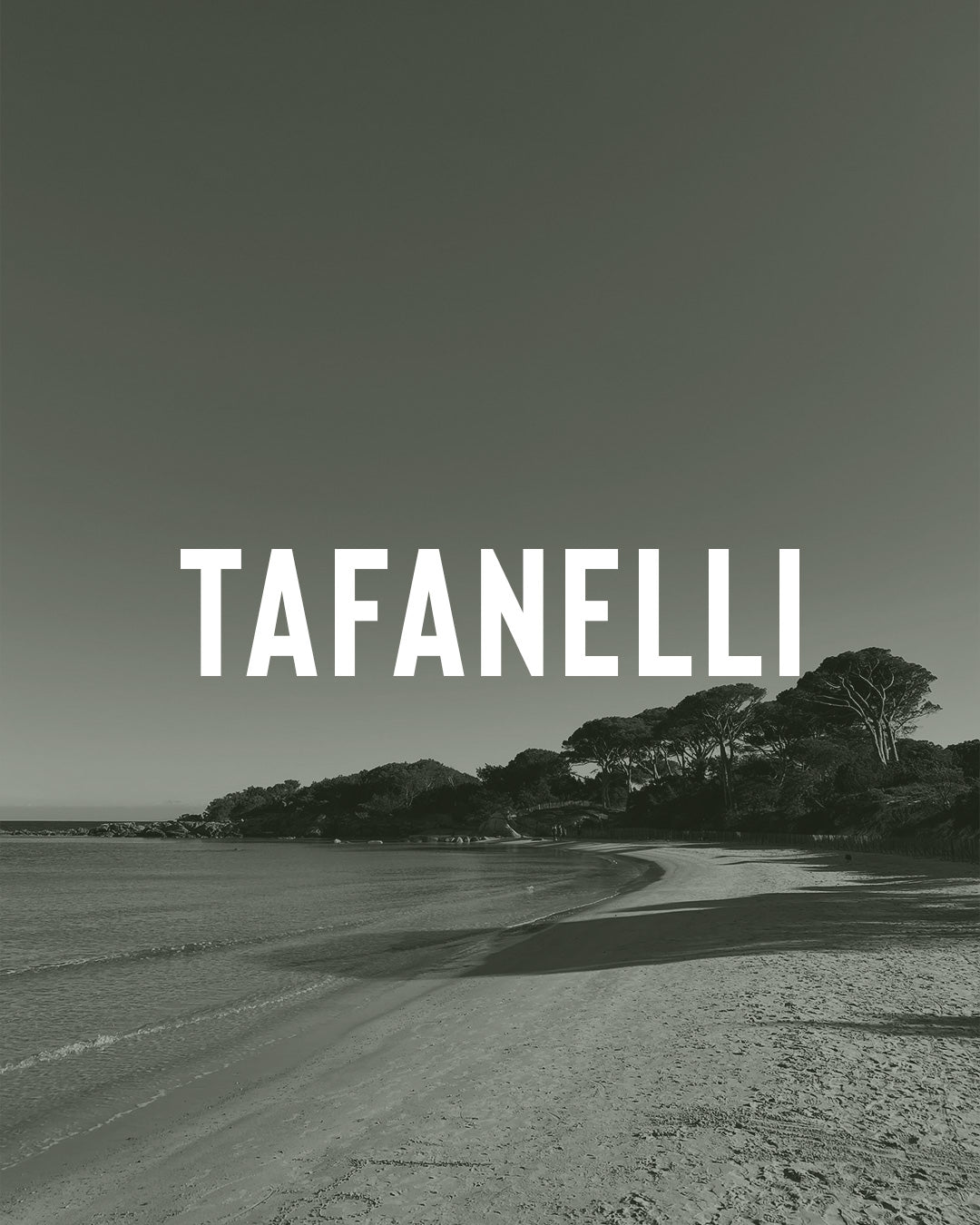
In Corsica, there is a place where the rock seems to have been sculpted by a mad artist. Towers of red granite soaring toward the sky, arches, chimneys, fantastic silhouettes where one might recognize a dog, a heart, a head, or a Madonna. All suspended above a deep blue sea, set ablaze by the light of the setting sun. These are the Calanques of Piana, one of the most spectacular landscapes in the Mediterranean, designated a UNESCO World Heritage Site. Here is our complete guide to discovering, understanding, and respecting this jewel of the Island of Beauty.
A masterpiece of stone and light
On the west coast of Corsica, between Cargèse and the Gulf of Porto, the road winds into a setting unlike anything else in the world. For several kilometers, the mountain plunges into the sea in a cascade of red granite rocks, sculpted by millions of years of erosion into fantastic shapes.
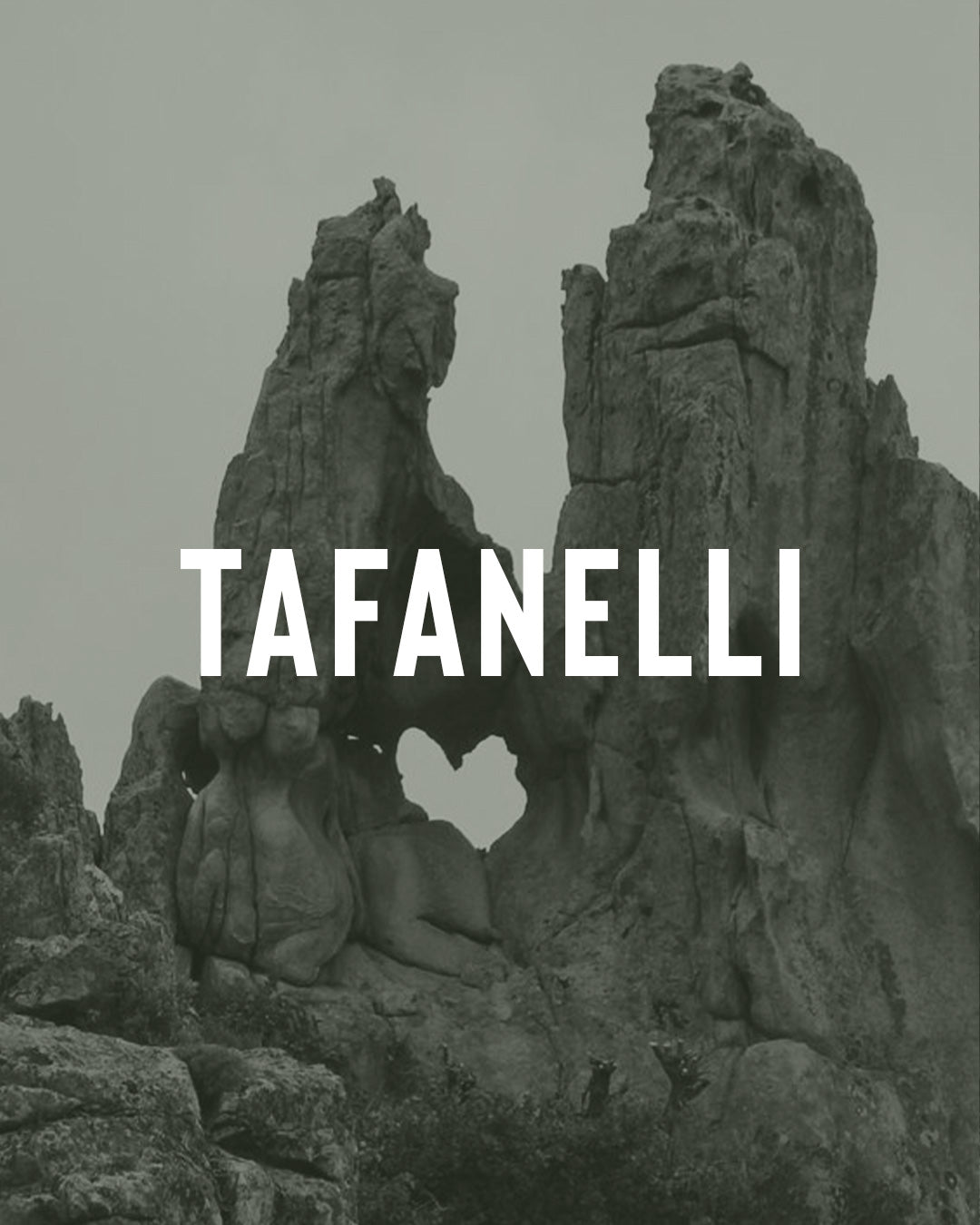
The word calanques refers to these craggy relief formations where the rock seems to have been shaped by hand. Here, the granite is not grey like elsewhere: it is pink, orange, blood-red, and takes on shades ranging from coral to the most intense purple depending on the time of day.
It is this contrast, the fire-colored rock against the azure sea, that makes the Calanques of Piana one of the most photographed and admired landscapes in Corsica. Guy de Maupassant, who discovered them in the 19th century, described them as a "forest of granite," a people of petrified stone. A century and a half later, the emotion remains intact.
There are landscapes we watch, and others that watch us. The Calanques of Piana belong to the second category. These granite towers seem like living presences, like sleeping giants. At sunset, when the rock catches fire, one understands why the ancients saw them as the work of a hand greater than that of man.
Geology: how the rock caught fire
To understand the calanques, one must go very far back in time. What we admire today is the result of hundreds of millions of years of geological patience.
Red granite
Corsica is a granitic island. But the granite of the calanques has a distinctive feature: its color. Rich in pink feldspar and iron oxides, it leans toward red and orange, a rare hue that literally explodes under the low light of the evening.
The work of erosion
The tormented shapes of the calanques are not caused by the sea, contrary to popular belief, but by a phenomenon called taffoni. Under the combined action of wind, salt, temperature fluctuations, and humidity, the rock hollows out from within, forming cells, cavities, and holes that give the granite its eroded, sculpted, almost living appearance.
It is these taffoni, multiplied over millennia, that have gradually fashioned the fantastic silhouettes we recognize today. Nature took its time, and the result surpasses anything a human sculptor could imagine.
UNESCO status
The Calanques of Piana are not just beautiful: they are recognized as world heritage.
Since 1983, they have been part of the UNESCO World Heritage site entitled "Gulf of Porto: Calanques of Piana, Gulf of Girolata, Scandola Reserve." An exceptional natural ensemble that brings together three neighboring wonders:
- The Calanques of Piana themselves, with their red granite.
- The Gulf of Girolata, a hamlet accessible only by sea or on foot.
- The Scandola Nature Reserve, a sanctuary of marine and terrestrial biodiversity.
This designation underscores the universal value of the site, but it also imposes strict preservation rules. To discover the entire gulf and Scandola, check out our article on the satellite islands of Corsica which features Gargalu and Scandola.
Formations to look for
The favorite game of visitors to the calanques is recognizing familiar shapes in the rock. Erosion has created genuine sculptures that have been named by tradition over time.
- The Dog's Head: the most famous, a striking canine profile visible from the road.
- The Heart: a natural heart-shaped arch, highly photographed.
- The Tortoise: a rock mass evoking a shell.
- The Madonna (or The Bishop): a draped silhouette that dominates the landscape.
- The Fortress: an imposing bastion of granite, the starting point of a trail.
The game is endless: everyone sees their own images in these stones. That is also part of the magic of the calanques: they awaken the imagination.
We arrive at the calanques as busy adults, and we leave as marveling children, fingers pointed at the rock: "look, it looks like a dog, a turtle, a face." This landscape has the rare power to return our capacity for wonder to us. For that alone, it is worth the detour.
Discovering the Calanques by road
The easiest way to discover the calanques is to drive through them on the legendary D81 road.
The scenic route
The D81 winds through the heart of the calanques for about 2 kilometers, between the village of Piana and the Gulf of Porto. It is one of the most spectacular roads in Corsica: at every turn, red rocks emerge, framing the road, leaning over the cars. The sea sparkles below.
Stopping points
Several parking areas allow you to pull over to admire the formations and take photos. Be careful, however: in high season, the road is very busy, narrow, and winding, and parking is limited. Caution and patience are required.
Tip: it is best to travel the road early in the morning or late in the day, both for the light and to avoid the tourist traffic jams of midday.
Hiking trails
To truly experience the calanques, you must explore them on foot. Several marked trails allow you to immerse yourself in this mineral setting, away from the cars.
The Fortress trail (Sentier du Château fort)
- Duration: about 45 minutes round trip.
- Difficulty: easy, accessible to everyone.
- Start: from a parking lot on the D81 ("Tête de Chien" bus stop).
- Highlights: leads to a rocky promontory with a plunging view of the Gulf of Porto. Ideal at sunset.
The Muleteers' Path (Chemin des Muletiers)
- Duration: about 2 hours for the loop.
- Difficulty: moderate.
- Start: from the Piana stadium or the old path.
- Highlights: the old path that linked Piana to Ota before the road existed, in the heart of the rocks, in magnificent silence.
The Chestnut Grove trail (Sentier de la Châtaigneraie)
A longer loop through the varied landscapes of the region, for walkers who want to take their time.
Equipment: walking shoes, plenty of water, a hat, and sunscreen. The rock reflects heat, and shade is rare.
The Calanques seen from the sea
There is another magical way to discover the calanques: from the sea. Seen from below, the granite towers take on an even more impressive dimension.
Boat excursions
From the port of Porto, numerous companies offer excursions that hug the calanques, often combined with visits to Scandola and Girolata. It is a chance to see all three jewels of the UNESCO site in a single trip.
- Duration: from 2 hours (calanques only) to a full day (Scandola + Girolata + lunch).
- Season: April to October.
- Benefits: approach sea caves, watch the rocks plunge into turquoise water, perhaps spot the ospreys of Scandola.
For a more intimate experience, sea kayaking allows you to slip as close as possible to the rocks, into coves otherwise inaccessible.
The light: the best times
The calanques are beautiful at any time, but they reach their peak at two specific moments of the day.
- Sunset: this is THE moment. When the sun descends over the sea, the low light sets the granite ablaze, turning it into incandescent red, purple, and gold. An unforgettable spectacle. Position yourself on the Fortress trail or at a D81 pull-off facing west.
- Sunrise: more intimate, with soft, pinkish light, and above all near-solitude before the arrival of visitors.
The best time of year
- May-June: clear light, blooming vegetation, reasonable crowds.
- September-October: warm autumn colors, crowds gone, golden light. Our favorite time.
- July-August: superb but very busy. You must time your visits carefully (early or late).
The village of Piana
Above the calanques, clinging to its mountain balcony overlooking the sea, the village of Piana is worth a stop. Ranked among the "Most Beautiful Villages of France," it offers a distillation of Corsican charm.
- Sainte-Marie Church: beautiful 18th-century baroque church with an elegant bell tower, the heart of the village.
- Viewpoints: from Piana, the panorama over the Gulf of Porto and the calanques is breathtaking.
- Narrow streets: granite houses, shaded squares, the peaceful atmosphere of a village that has kept its soul.
- Arone Beach: a few kilometers away, a beautiful sandy beach to cool off after your visit.
Piana is the ideal base to explore: calanques, Gulf of Porto, Scandola, Arone beach, everything is within reach. We will soon dedicate a full guide to it.
Respecting a fragile site
A UNESCO-listed site is not just a backdrop: it is a heritage to be passed on. The calanques, despite their apparent mineral solidity, are a delicate ecosystem threatened by over-tourism.
- Stay on marked trails: the vegetation that grows between the rocks is fragile and takes years to recover.
- Do not carve, do not remove anything: no graffiti on the granite, no "souvenirs" taken. The rock belongs to everyone and to future generations.
- Take all your trash with you: nothing should be left at the site.
- Respect the Scandola Reserve at sea: navigation and landing are regulated.
- Favor off-peak hours: good for you, good for the site.
- Be careful on the road: the D81 is narrow and busy, only stop in designated areas.
These rocks took millions of years to become what they are. The minimum we can do, when lucky enough to contemplate them, is to leave them exactly as we found them, so that others, in a thousand years, may in turn look up and be filled with wonder.
The Calanques and the TAFANELLI wardrobe
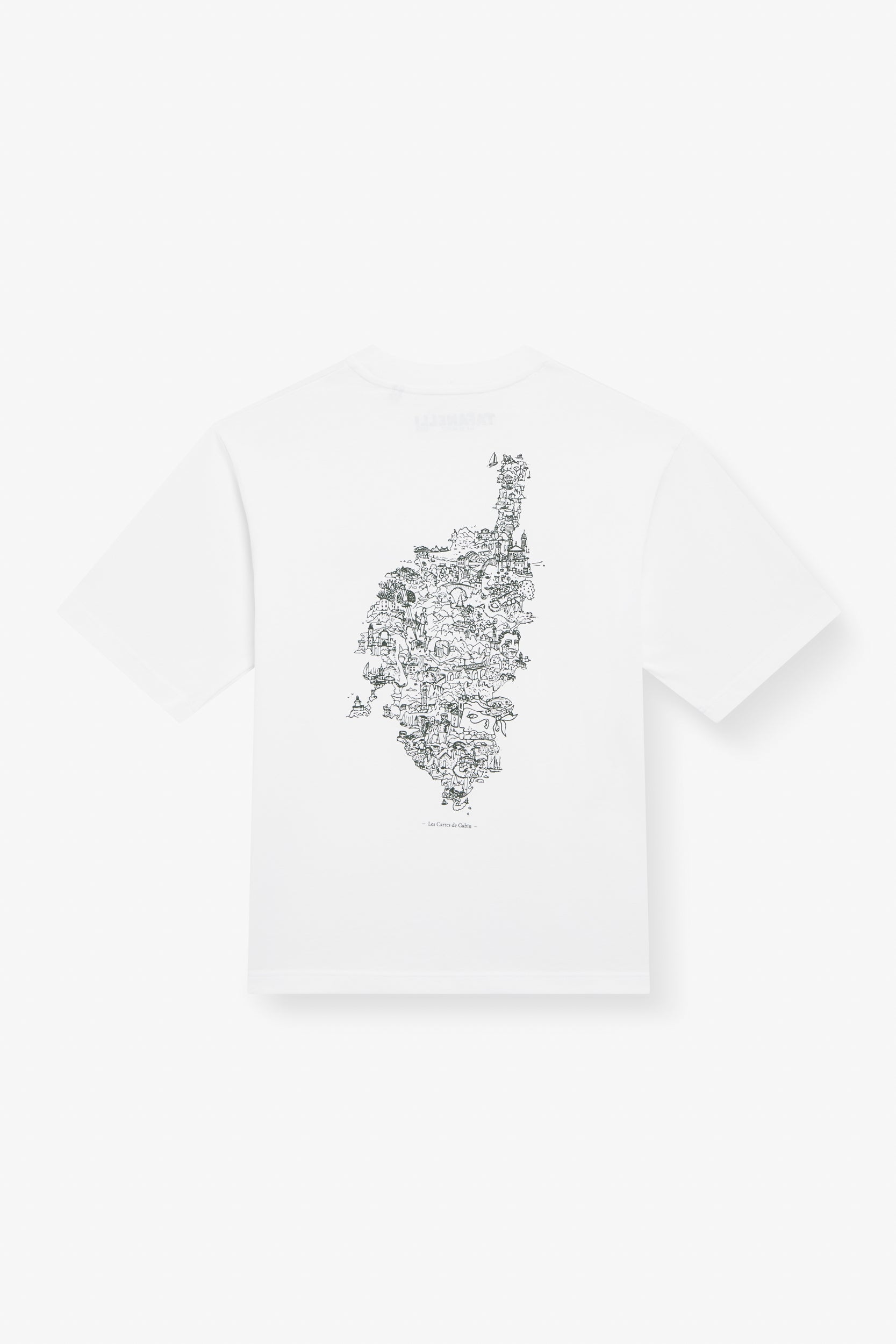
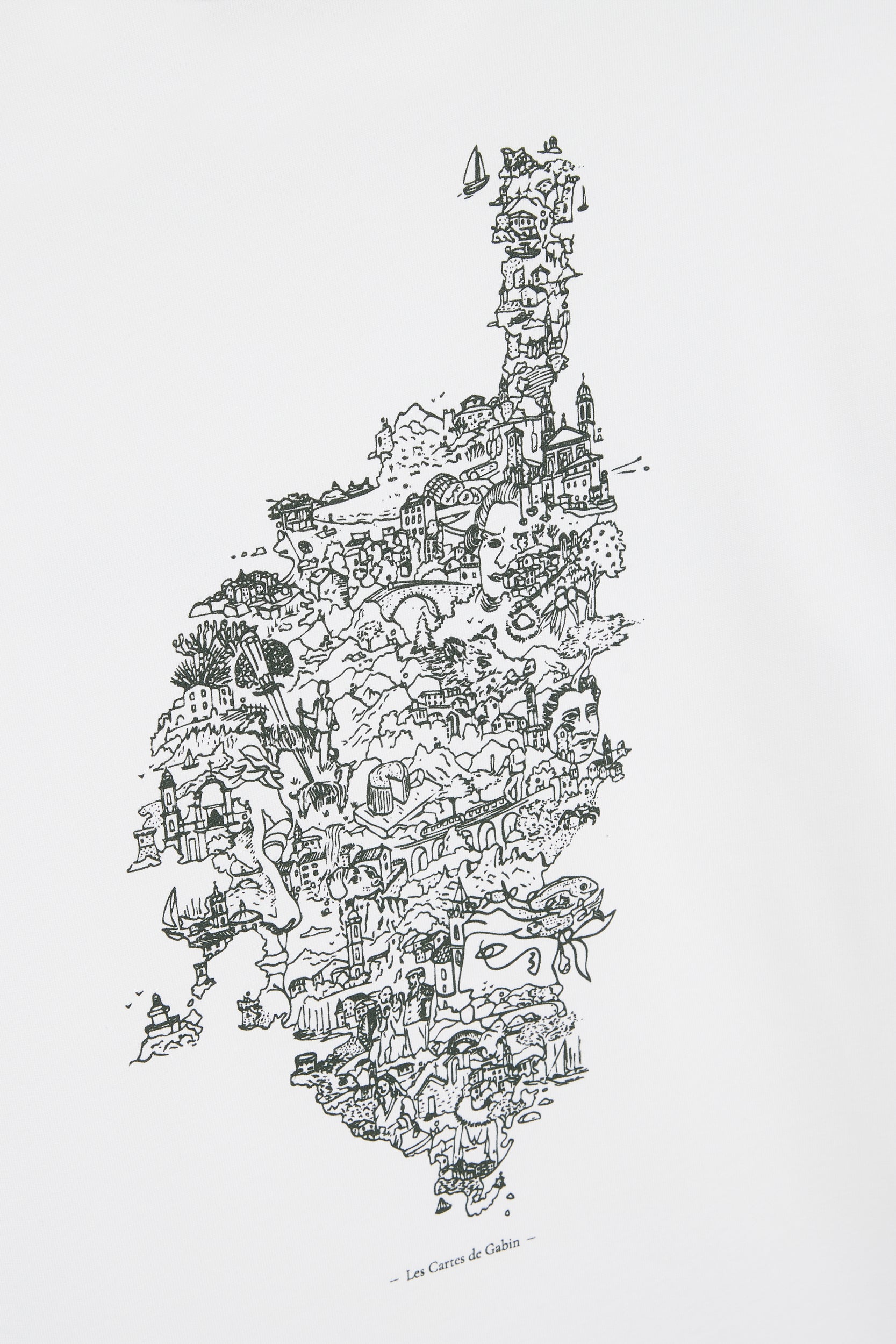
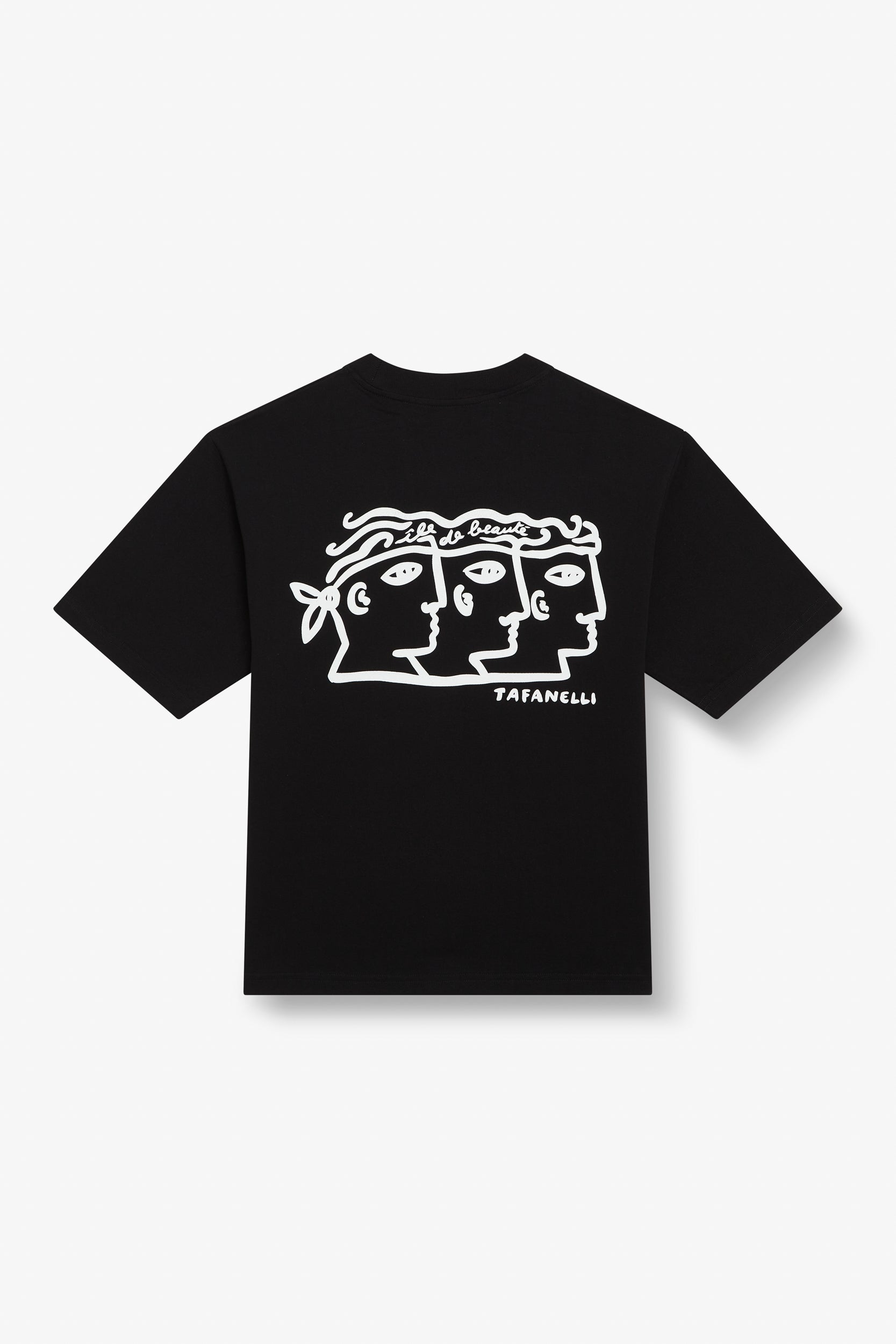
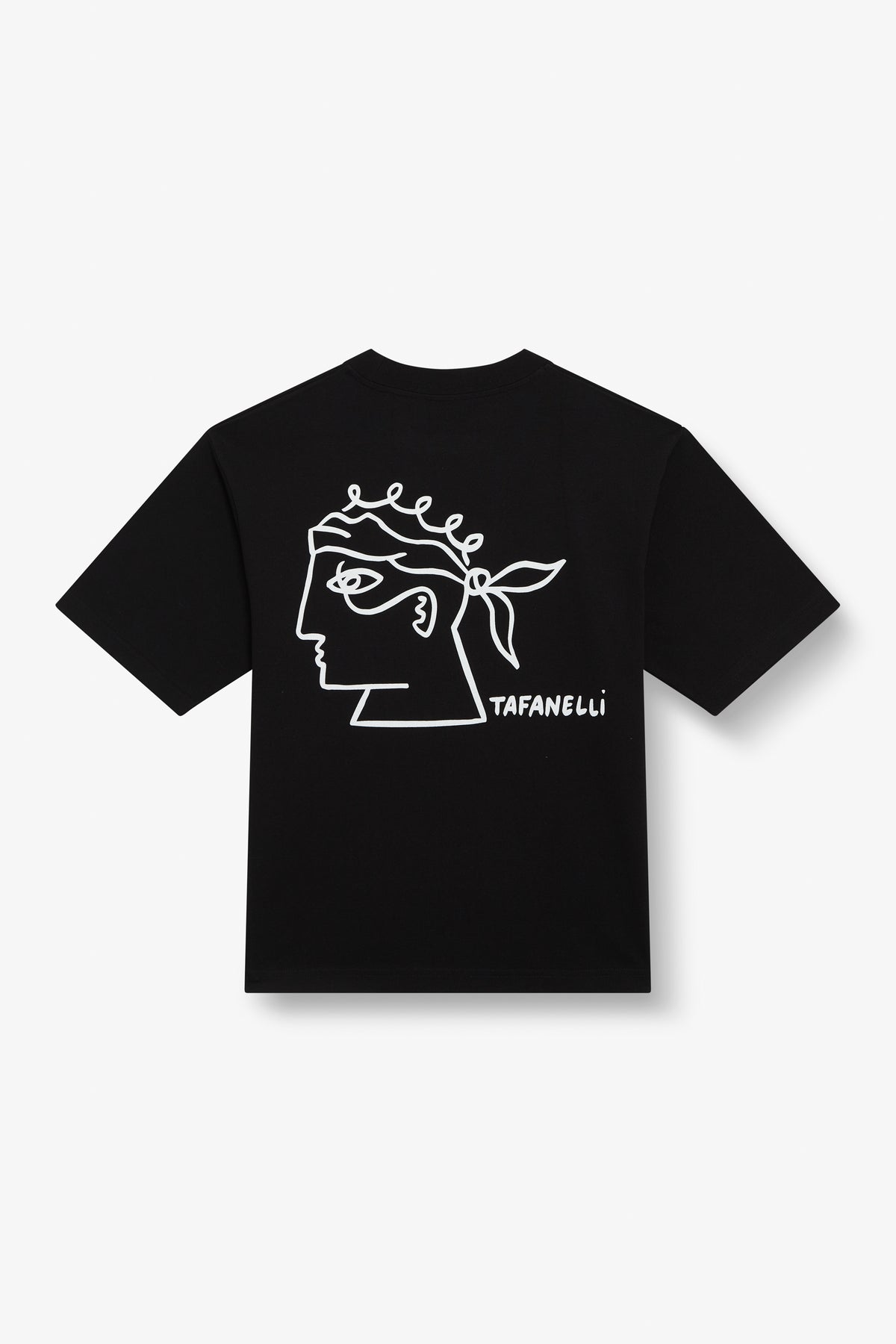
The red granite of the calanques is at the heart of the Corsican identity, and therefore of our own. This raw and precious rock, sculpted by time, perfectly embodies our vision of the island: wild, timeless, shaped by patience. It is the Muntagna (Mountain) pillar meeting the Mare (Sea) pillar.
Discover the pieces in our collection born from this mineral and marine imagination:
- The Roccapina t-shirt: a tribute to Corsican granite and its sculpted forms.
- The La Trinità t-shirt: sea, mountain, and scrubland united.
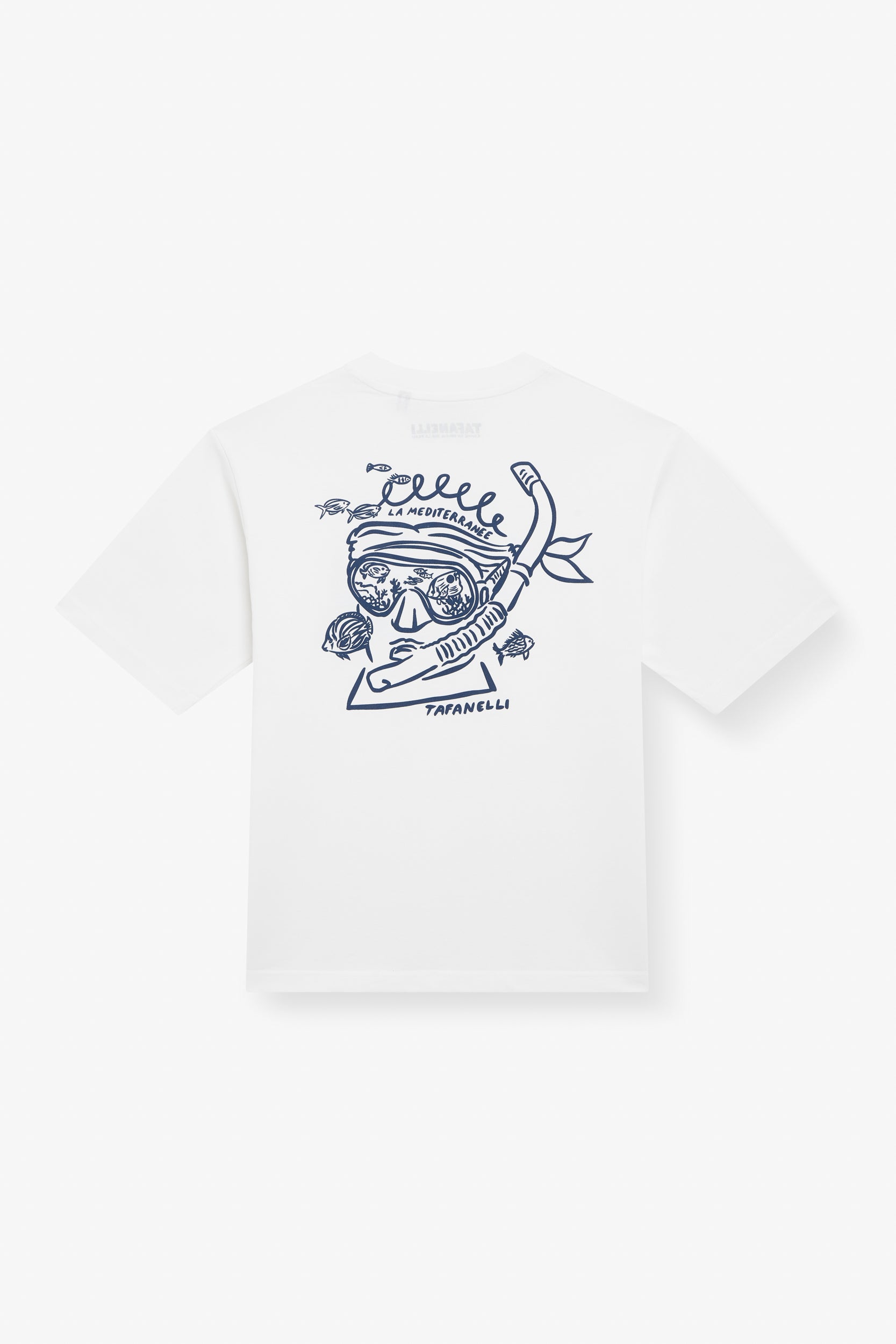
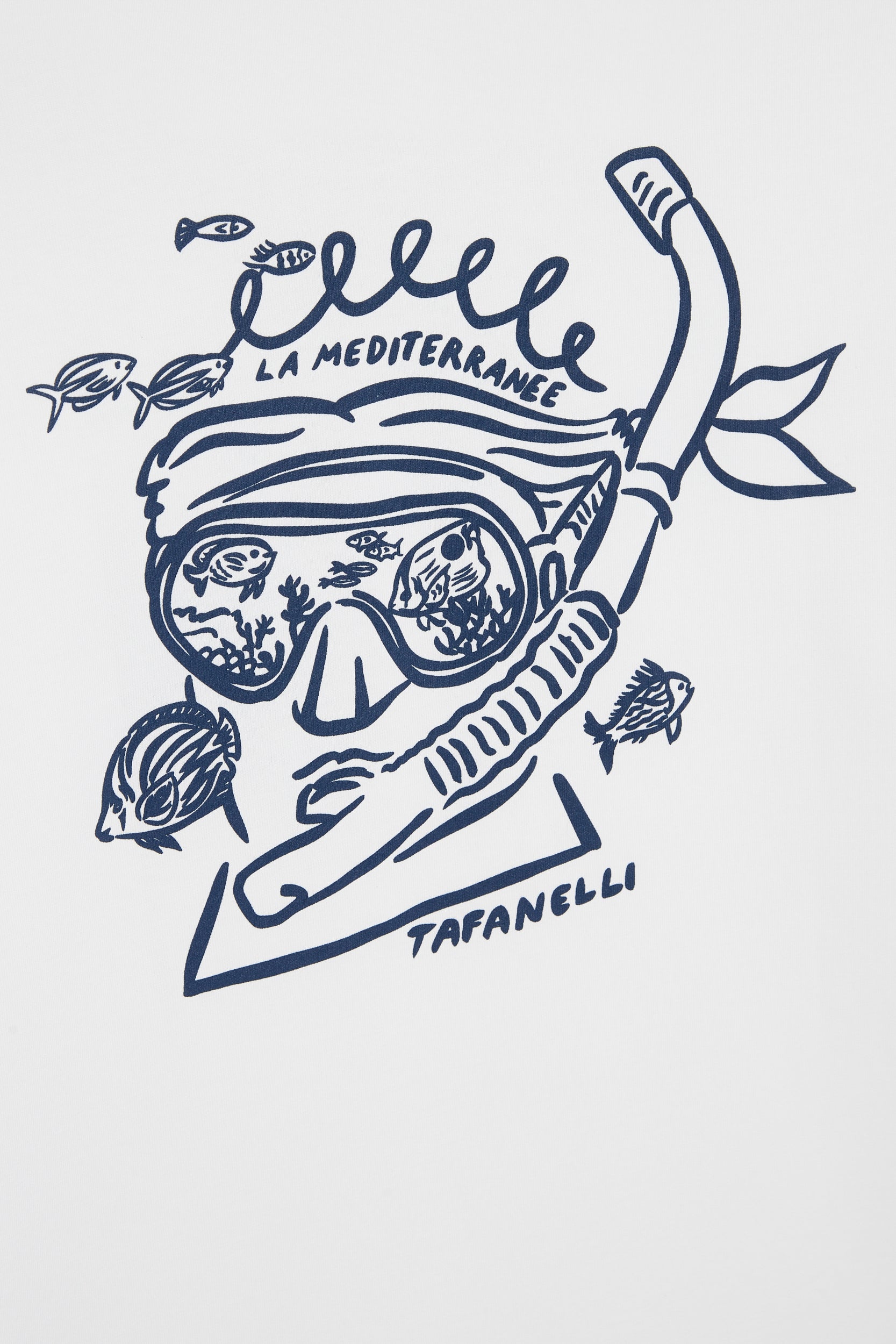
- The Mediterranean Diver t-shirt: for those who dive at the foot of the red rocks.
- The TAFANELLI cap: a companion for hikes under the sun.
To continue exploring the west coast and its wonders:
- Cargèse, the Greek village of Corsica
- The 10 most beautiful satellite islands of Corsica (Scandola, Gargalu)
- The 20 most beautiful wild beaches of Corsica
- The 10 most beautiful perched villages of Corsica
- Mare, Muntagna, Machja: the Corsican landscape trinity
In Corsica, a client becomes a friend.
A DOPU,
TAFA