How to wash a handcrafted t-shirt made in France
Washing a handcrafted t-shirt is no trivial matter. It is about extending the life of a piece crafted with care, respecting the work of the hands that created it, and preserving what is most precious about French manufacturing: the precision of time and the integrity of the fabric. At Tafanelli, washing is part of the ritual, just as much as wearing or folding it. It requires moderation, gentleness, and a little attention.

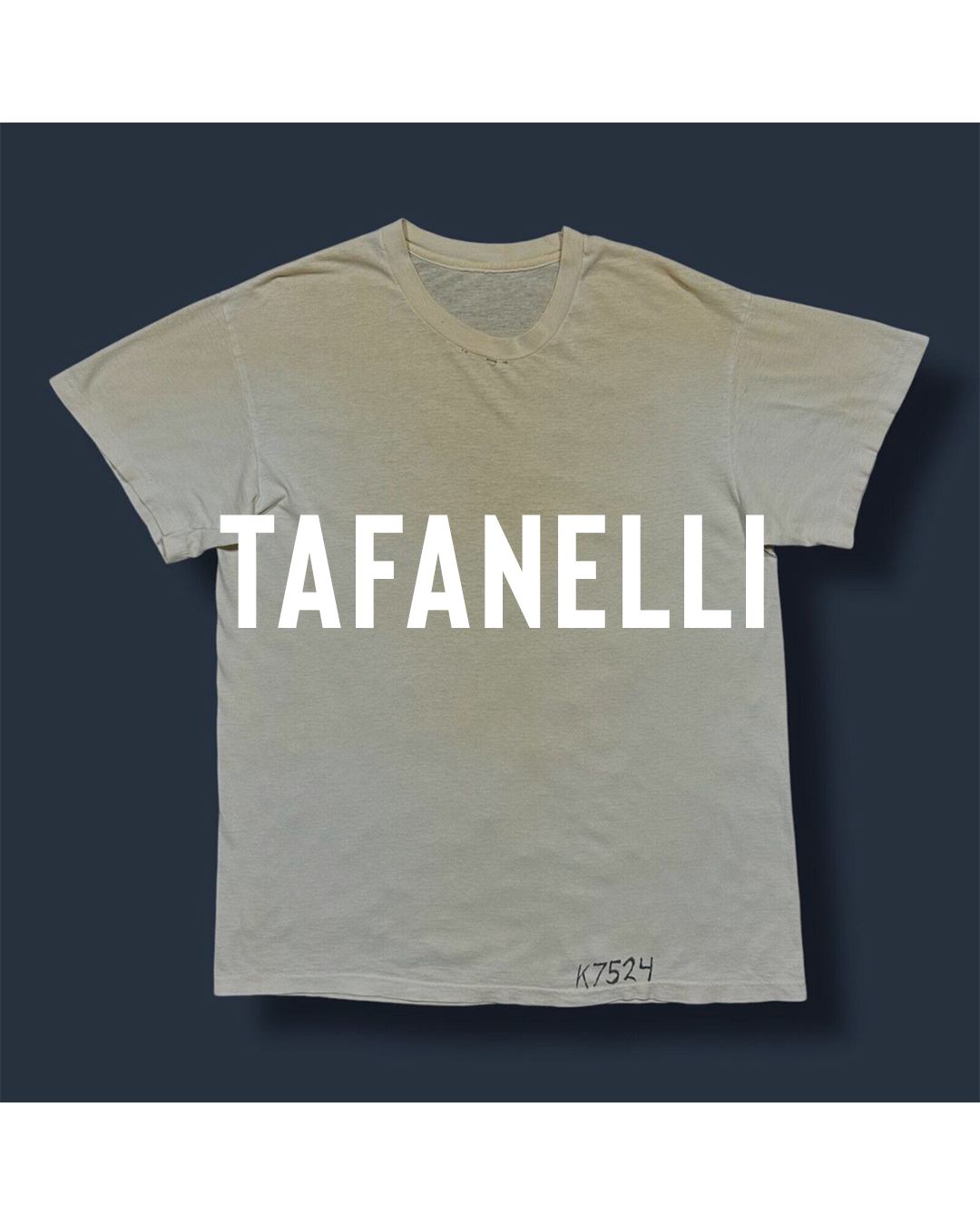
Tafanelli T-shirt. 100% Organic cotton, French manufacturing, natural dye.
Understanding the material
Above all, you must understand the material. The Tafanelli t-shirt is crafted from organic combed cotton, woven and dyed in French workshops. This dense, supple cotton is designed to last, but it lives. It reacts to heat, water, and friction. Washing, therefore, should not be an assault, but a form of care. The water should awaken the fiber, not exhaust it.
Proper washing is that which respects the structure of the fabric. It maintains the density of the weave, the color, and the hand. It extends the garment's promise: that of a cotton that ages well, develops a patina over time, and never loses its shape.
Choosing the right temperature
A handcrafted t-shirt does not like excessive heat. Ideally, it should be washed at 30°C (86°F), on a short cycle with a gentle spin. This temperature is sufficient to clean without causing damage. Water that is too hot relaxes the fibers, dulls the dye, and weakens the seams. At 30°C, you preserve the color, the shape, and the structure of the collar. It is a subtle balance between effectiveness and respect for the garment.
In French workshops, numerous wash tests are conducted. They allow for finding that point of resistance, the middle ground that guarantees the cotton's longevity. This is also what "made in France" means: a commitment to durability that extends all the way to garment care.
Choosing the soap
A quality t-shirt deserves an equally high-quality soap. Avoid aggressive industrial detergents saturated with whitening agents. Opt for neutral, plant-based soaps without strong perfumes or additives. A pure Marseille soap, for example, is more than enough. It cleans without attacking, keeping the fabric supple and healthy.
The natural, subtle, and honest scent of the cotton is better preserved this way. The smell of raw soap and air-drying is part of the Mediterranean simplicity that Tafanelli upholds: clean, true, and without artifice.
Drying and letting the fabric rest
The tumble dryer is the enemy of handcrafted clothing. Heat breaks the fibers, accelerates aging, and shrinks the fabric. Air-drying in the shade remains the best option. Laid flat or on a wooden hanger, the t-shirt naturally regains its shape. Air and time do the rest.
This period of rest is essential. It allows the cotton to breathe and relax without twisting. It is a way to extend the life of the garment. In the workshops, after dyeing, each piece goes through this natural "rest" before being packaged. This ritual continues at home, with every wash.
Ironing and patina
Ironing should also be done without excess. A lukewarm iron is enough. The cotton will regain its original texture, supple yet crisp. The motion should be slow, precise, and without excessive steam. Over time, the t-shirt develops a patina, a life of its own. The seams soften, the color mellows, and the material becomes more beautiful. This is the mark of a well-cared-for garment, loyal to its wearer.
Far from industrial uniformity, each Tafanelli piece becomes unique. It retains the trace of the body, movement, and light. Washing, drying, and ironing are not mere steps: they are extensions of the initial craftsmanship.
Preserving French craftsmanship
Caring for a Tafanelli t-shirt also means honoring the human chain behind it: the weavers, the dyers, the seamstresses—all those who have passed on their expertise so that a garment can last. By washing it properly, you perpetuate this logic of care. You extend the work of their hands.
In a world of instantaneity, this respect for clothing is a form of resistance. Care becomes an act of fidelity—to quality, to the material, and to the France that still manufactures with high standards.