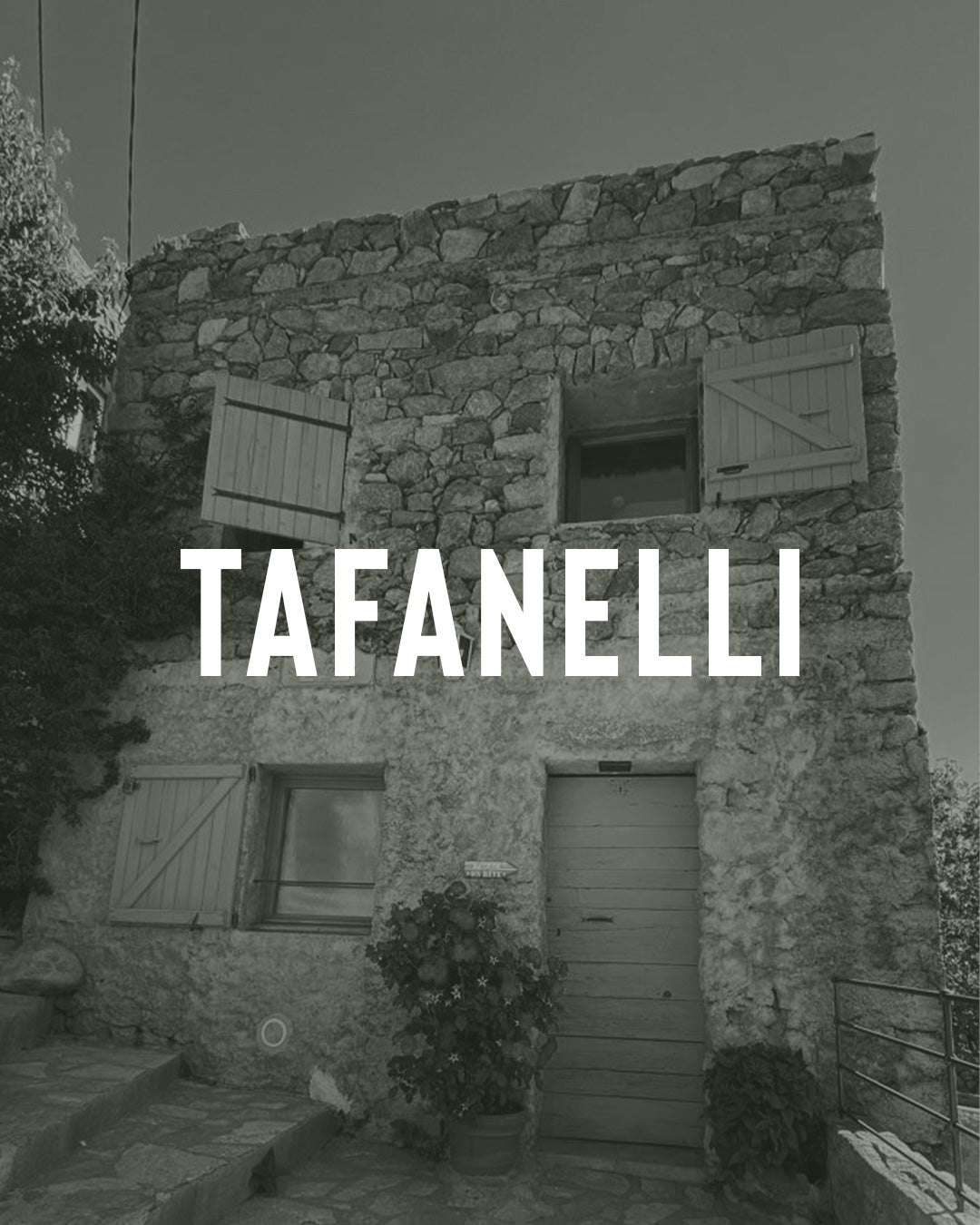
Corbara, a Balagne village: convent, history, and the legend of the Queen of Morocco
Nestled against the hillside of Monte Sant'Angelo, overlooking the sea and the Reginu plain, Corbara is one of the richest villages in Balagne. A maze of baroque alleys crowned by its famous Saint-Dominique convent, a history of great families, and an incredible legend — that of a young girl from Corbara who, it is said, became the Queen of Morocco. A complete guide to an exceptional village.
A village suspended between sea and mountain
A few kilometers from L'Île-Rousse, Corbara rises up the slopes of the Balagne, amidst olive trees, vineyards, and maquis. From its cobblestone alleys and small squares, the view plunges toward the sea and the coastline, while behind the village stands Monte Sant'Angelo, crowned by the silhouette of its convent.
Corbara was long a powerful and prosperous village, seat of great noble families of Balagne — the Franceschini, the Savelli, and other lineages that have shaped the history of the region. This ancient wealth can still be seen in its architecture: manor houses, palaces, baroque churches—a dense and refined heritage that is surprising in such a small village.
Corbara is unlike any other village in Balagne. There is an ancient, almost aristocratic elegance here, that of a place that was wealthy and literate. Climbing toward the convent, you feel that every stone has a story to tell.
The Saint-Dominique Convent of Corbara
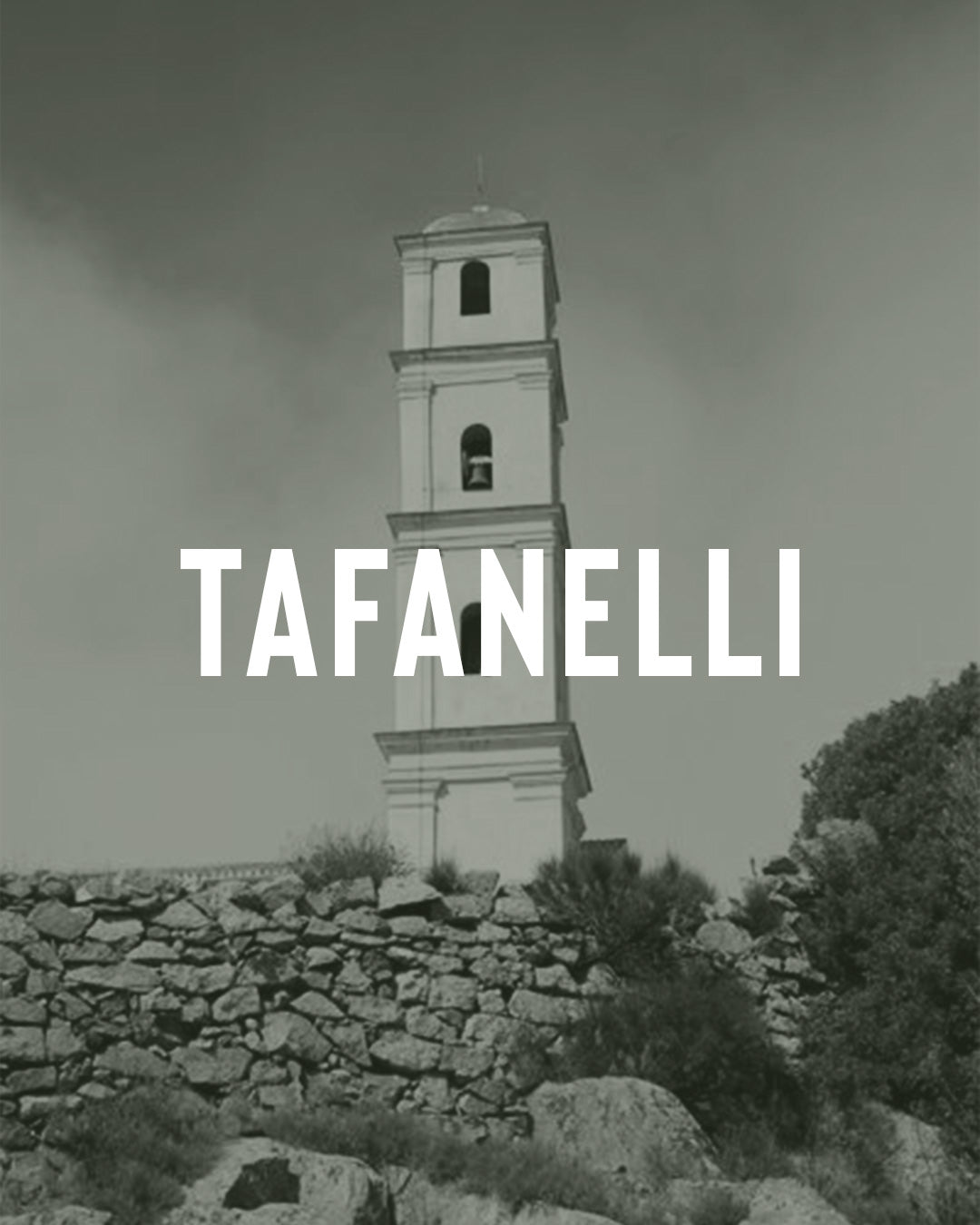
It is the village's iconic monument: the Saint-Dominique convent, perched on the flank of Monte Sant'Angelo, overlooking the entire Balagne. Founded in the 15th century, this Dominican convent has endured many vicissitudes — abandonment, ruin, revolution — before being restored in the 19th century.
Still a place of religious life and contemplation today, it is open to visitors and welcomes hikers. The climb to the convent is a goal in itself: the panorama from up there embraces the sea, L'Île-Rousse, the perched villages, and the mountains of the interior. For centuries, the life of Corbara and its families was structured around this convent — a spiritual and landscape landmark inseparable from the village's identity.
The Church of the Annunciation and baroque heritage
At the heart of the village, the Church of the Annunciation (the Annunziata) bears witness to the past wealth of Corbara. A baroque edifice with generous volumes, it houses rich furnishings, marble, and religious heritage that recall the influence of the orders and local noble families.
Corbara is part of the great religious tradition of the Balagne, a land of churches and chapels. Heritage lovers will extend their visit to the nearby Pisan chapels, notably the splendid Trinity of Aregno, one of the island's Romanesque jewels, just a few minutes' drive away.
The legend of Davia, Queen of Morocco
This is the most extraordinary story of Corbara, halfway between history and legend. In the 18th century, a young girl from the village, Davia Franceschini, was reportedly captured during a Barbary raid and taken to North Africa. There, her beauty caught the eye of the Sultan of Morocco, and it is said she became his favorite wife — a Corsican "Queen" in Morocco.
While historically debated, the story of Davia has become one of those tales that make up the soul of a village. It tells us something about the Corsica of that era: coastlines threatened by raids, destinies torn away by the sea, and that touch of dream and mystery that surrounds the great families of Corbara. A legend that, even today, remains a source of pride and charm for the village.
Every Corsican village has its treasure. Corbara's treasure is a story: that of a local child who became queen on the other side of the sea. Whether true or embellished, it tells of a Corsica turned toward the Mediterranean, open to the high seas and their vertigo.
A village of terroir and craftsmanship
Corbara is also a land of products and family homes. Around the convent and on the plain, the fruits of the Balagne — citrus, olives, maquis products — have been cultivated for generations in that spirit of attachment to one's roots and the enhancement of one's own terroir, which is the pride of the village families.
This is the Corsica we love: the one with houses that pass on craftsmanship from father to son, that cultivate and sign their products, anchored in a territory. A philosophy we fully share at TAFANELLI, and which can be found throughout the Balagne of artisans and producers.
Around Corbara: the villages of Balagne
Corbara is one of the most beautiful stops on the Strada di l'Artigiani, the Balagne artisans' route. All around it is a constellation of perched villages not to be missed:
- Pigna, the village of artisans and musicians.
- Sant'Antonino, classified as one of the most beautiful villages in France, perched like an eagle's nest.
- Aregno and its famous Pisan church of the Trinity.
- Speloncato, overlooking the Reginu valley, and its famous Pietra Tafunata.
- L'Île-Rousse and Calvi, the maritime gateways to the Balagne.
A digest of all the most beautiful things in the Balagne, to be explored in our guide to the most beautiful perched villages of Corsica.
Practical advice
- Where: about 6 km from L'Île-Rousse, in the Balagne hinterland.
- Access: the village is reached by car; the old center and the climb to the convent are done on foot (sturdy shoes recommended).
- The convent: accessible on foot or by car depending on the sections; the panorama at the summit is well worth the climb.
- When to come: in spring and autumn for the mild weather; in the late afternoon in summer for the light and the sunsets over the sea.
- How long: half a day for the village and the convent, one full day if combined with Pigna, Sant'Antonino, and Aregno.
Corbara and the TAFANELLI spirit
Corbara embodies a Corsica that we cherish: that of deep roots, of family homes proud of their terroir, of heritage passed down with care. An ancient, insular, and sincere elegance — exactly what we seek to express in each of our pieces.
The wardrobe for those who love authentic Corsica:
- The "Corsica 1755" t-shirt: insular pride, hand-screen printed.
- The La Trinità t-shirt: sea, mountain, maquis, the soul of the country.
- The TAFANELLI bandana: the companion for strolling through perched villages.
- The TAFANELLI cap: sober and proud, for climbs to the convent and Balagne sunsets.
To continue exploring the Balagne and its villages:
- Pigna, the artisan village of Balagne
- The Balagne, complete guide
- The 10 most beautiful perched villages of Corsica
- The 10 most beautiful Pisan chapels of Corsica
- L'Île-Rousse, complete guide
Passing through Corsica, the customer becomes a friend.
A DOPU,
TAFA