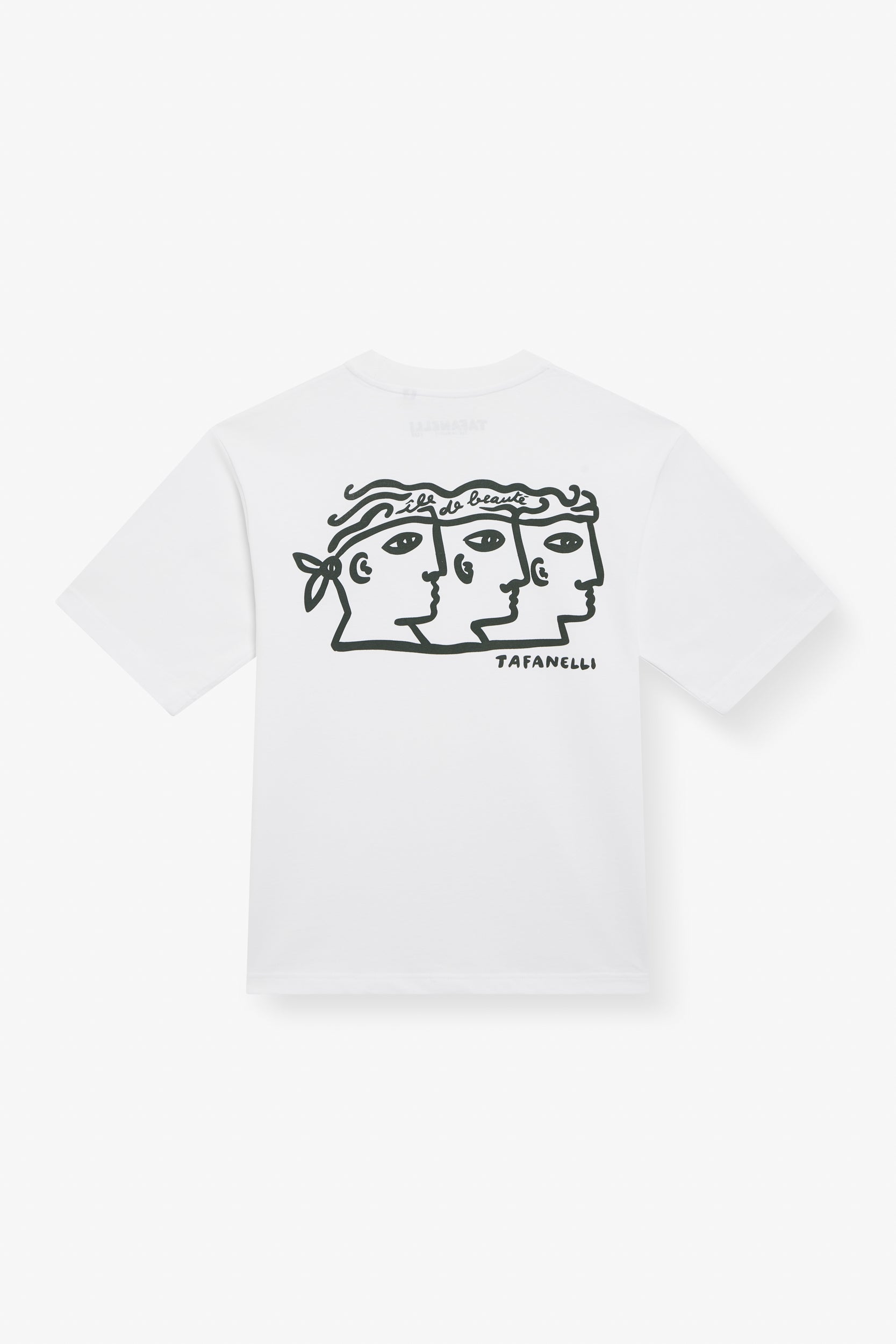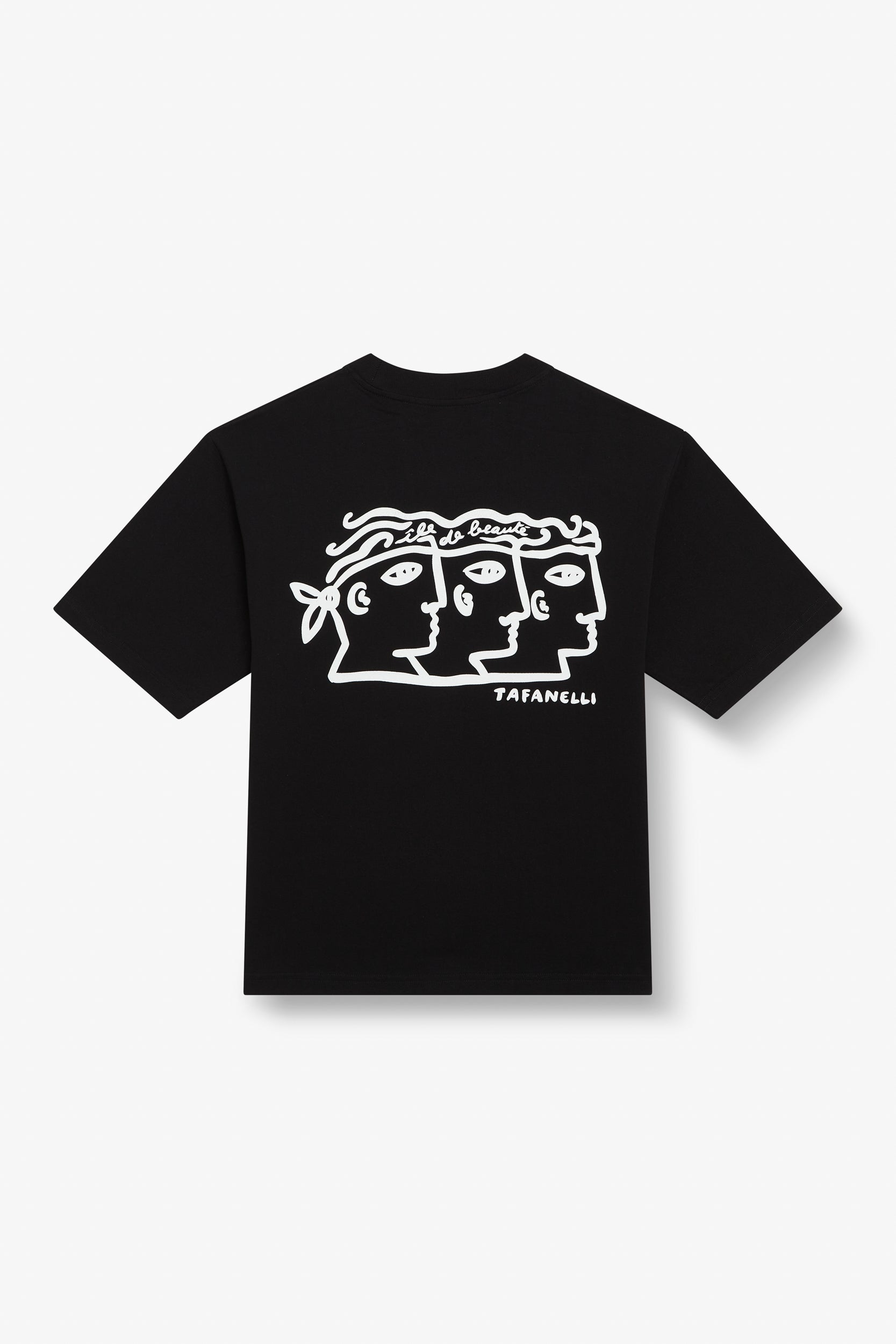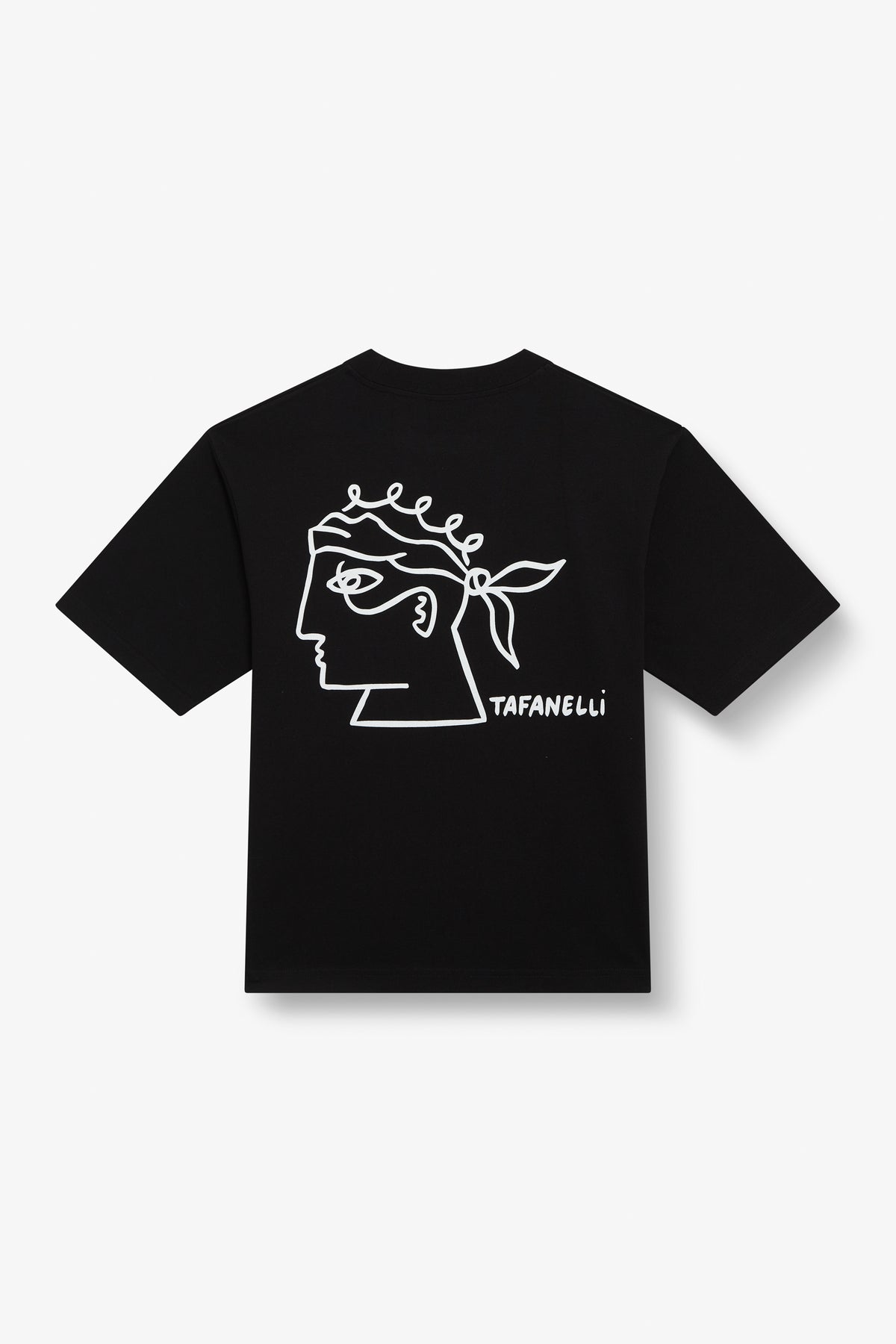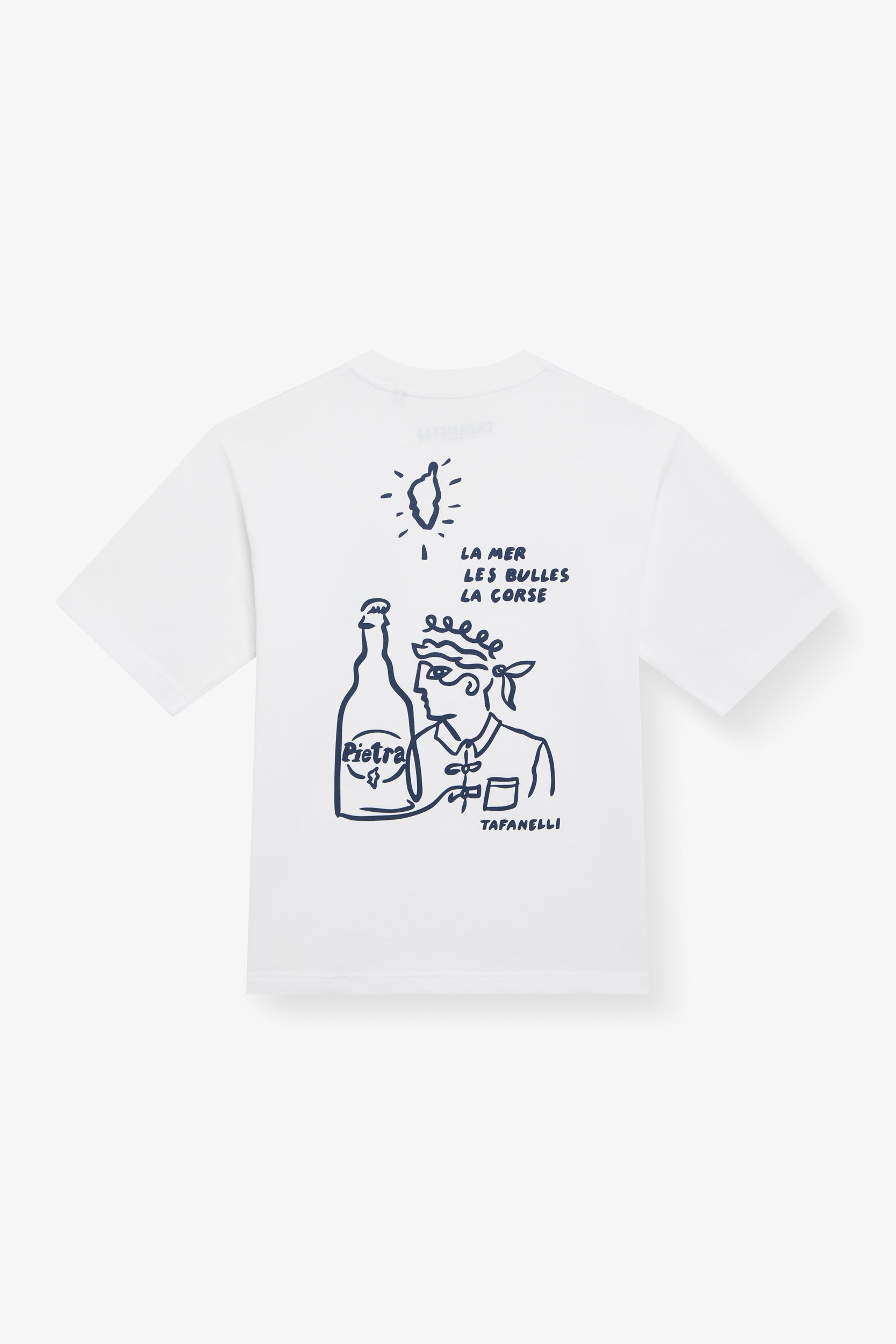
Corsican cheeses: brocciu, tomme, veru, the complete guide (2026)
Corsican cheese is not a product. It is the memory of an entire island. From the mountain pastures of the Niolu to the cellars of Sartènes, from the goats of Cap Corse to the ewes of Balagne, every wheel tells a story of transhumance, expertise, and family. For more than three thousand years, Corsican pastori have led their herds between the plains and the high-altitude shepherd's huts according to an unchanging rhythm. This millenary movement has shaped the landscape, the vocabulary, the cuisine, and the very identity of the island. Today, AOP brocciu, Corsican tomme, farmhouse veru, and the great regional families (Niolu, Venaco, Sartinesu, Bastelicaccia, Calenzana) form the gastronomic pillar of a culture that refuses standardization. Here is our complete TAFANELLI guide to Corsican cheeses for 2026.
Pastoralism, the DNA of Corsica
Before being an island of beaches, Corsica is an island of pastoral mountains. For more than three thousand years, Corsican shepherds, the pastori, have led their herds between the plains and the high-altitude pastures according to an unchanging rhythm: transhumance. In summer, the ewes and goats head up to the high-altitude bergeries (shepherd's huts), between 1,200 and 2,000 meters. In winter, they return to the plains and coastal areas.
Corsican cheese was born from this movement. It is not an industry but a necessity: preserving milk in an environment where summer production is abundant and the winter is harsh. Each valley and each village has developed its own technique, its own aging process, and its own flavor. This is why there is not just one Corsican cheese, but dozens of Corsican cheeses, each bearing the imprint of its territory.
In Corsica, cheese is not just food. It is the shepherd speaking, the mountain telling a story, the mountain pasture answering back. Every tomme has a history; every brocciu carries the name of a family. To lose Corsican cheeses would be to lose three thousand years of pastoral memory.
Corsican milk: unique ewe's and goat's milk
The uniqueness of Corsican cheeses stems first from that of their raw material: Corsican ewe's and goat's milk, two local breeds adapted to an extreme environment.
Corsican ewe
The Corsican ewe is a hardy, small, dark breed with spiral horns. It produces little milk (about 90 liters per lactation, compared to 300 for a Lacaune ewe from the Southwest), but its milk is exceptionally rich in fat and protein. It lives outdoors all year round, feeds on fragrant maquis (helichrysum, myrtle, rockrose, rosemary, thyme), and its milk naturally carries the aromas of the Corsican garrigue.
Corsican goat
The Corsican goat, equally hardy, is a unique breed recognizable by its multicolored coat and long goatee. It climbs into areas inaccessible to sheep and feeds on foliage that gives its milk a very distinct character. Its production is low (about 200 liters per year) but of high quality.
These two breeds, protected by conservation programs, are the genetic basis for all authentic Corsican cheese production. A real Corsican cheese cannot be made with Basque ewe's milk or Alpine goat's milk. It is this breed, in this territory, with this natural diet, that creates the taste.
AOP Brocciu: the identity cheese
Brocciu (pronounced "brotch") is much more than a cheese. It is the absolute gastronomic symbol of Corsica, protected since 1998 by a Protected Designation of Origin (AOP), the first awarded to a French island cheese.
What exactly is brocciu?
Technically, brocciu is not a cheese but a whey cheese, obtained from the whey (the liquid remaining after making other cheeses). This whey is mixed with whole milk (up to a maximum of 35%), heated to about 90 degrees, and then salted. The proteins coagulate and form this white, airy, slightly grainy paste with a sweet, milky taste.
Two forms, two uses
Brocciu exists in two main forms:
- Fresh brocciu (brocciu frescu): consumed within 48 hours of production, tender, milky, almost sweet. This is the version used in fiadone, brocciu canistrelli, brocciu cannelloni, or simply enjoyed with a spoon alongside myrtle brandy.
- Passu brocciu (aged): salted and dried on racks for several weeks, it hardens, develops powerful flavors, and becomes a cheese in its own right—gratable and long-lasting. This is the shepherds' brocciu, the one taken along during transhumance.
Strict seasonality
AOP Brocciu is only produced from November to June, during the lactation period of Corsican ewes and goats. Outside of this period, any product sold under the name "brocciu" is illegal. If you see brocciu in August or September in a supermarket, it is either a stock of passu brocciu or a counterfeit. True enthusiasts know: brocciu is a spring cheese.
A June brocciu does not taste like a March brocciu. The first has eaten flowers; the second has eaten the tender herbs of the thaw. A true enthusiast can tell the season just by the scent.
How to recognize a real brocciu
Brocciu is the most counterfeited Corsican cheese on the market. Italian ricottas renamed, fake broccius produced on the mainland with cow's milk, industrial blends: the unwary consumer is tricked every day. Here is how to never fall for it again.
1. Check for the AOP logo
A real brocciu bears the European AOP logo (red and yellow) on its packaging, with the explicit mention "Brocciu AOP" or "Brocciu Corse AOP." Without this logo, it is a fake. The word "brocciu" alone, without AOP, means nothing legally.
2. Check the timing
If the cheese is sold between July and October, it is not fresh AOP brocciu. Since production is strictly seasonal, only passu brocciu or a counterfeit can be sold outside of the November-to-June window.
3. Look at the milk
The label must mention Corsican ewe's milk and/or Corsican goat's milk. If you see just "ewe's milk," or worse, "cow's milk," walk away. It is not brocciu.
4. Smell and taste
A real brocciu has a sweet, milky, slightly sugary scent. Its texture is airy, almost frothy, with a very light grain. To the taste, it is fresh and milky with a hint of vegetation that recalls the maquis. An Italian ricotta, compared to a brocciu, is denser, blander, and more uniform.
5. The price
Fresh AOP brocciu sells for between 15 and 22 euros per kilo in Corsica, and more on the mainland. If you see "brocciu" for 8 euros a kilo, it's a fake. Real brocciu cannot be cheap: production is artisanal, the breed is local, and the season is limited.
Corsican tomme: sweet and melting
After brocciu, Corsican tomme is the second pillar of island cheese production. Unlike brocciu, which is a whey cheese, tomme is a real pressed, uncooked cheese made from raw ewe's or goat's milk.
Characteristics
Traditional Corsican tomme is cylindrical, flat, and about 15 to 20 centimeters in diameter. Its rind is brushed, whitish or light brown. Its paste is supple, melting, ivory-colored, with a sweet, buttery flavor and a slightly tangy finish.
Aging
Corsican tomme is aged in a humid cellar for 2 to 4 months. Some farmhouse tommes are aged longer, up to 6 months, to develop more powerful flavors. During aging, it is turned regularly and brushed to prevent the development of unwanted mold.
Uses
Corsican tomme is enjoyed on its own, on a cheese platter, with a Corsican red wine like a Patrimonio or a Sartène. It also pairs wonderfully with chestnut bread, fig jam, and AOP Corsican charcuterie (coppa, lonzu, prisuttu). When grated, it enriches pasta, gratins, and mountain soups.
U Veru: farmhouse cheeses
The Corsican expression "u veru" (literally "the true") refers to authentic farmhouse cheeses, produced directly at the bergerie by the shepherd himself, from the raw milk of his own herd. It is the absolute opposite of industrial cheese.
A veru is not a brand or a label. It is a silent promise between the shepherd and the buyer: this cheese was made here, with this milk, by these hands, using this inherited technique. It only exists in small quantities, does not travel much, and is sold at the village market, at the farm, or in the rare delicatessens that know how to respect the producer.
How to recognize a veru
- Raw milk only, never pasteurized.
- Single origin: the milk comes from the shepherd's herd, not a collection pool.
- Artisanal production: by hand, with a ladle, using natural rennet.
- No standardization: every wheel is different, every season has its taste.
- Direct sales: at the producer, at the market, never in supermarkets.
The veru is the cheese that has an address. You can knock on the shepherd's door and ask him why this one is saltier, stronger, or sweeter. He will answer: because this week, the ewes were in such-and-such valley.
The Niolu: the cheese fortress
The Niolu, a high-altitude plateau in the heart of the Corsican Regional Natural Park, is the most iconic cheese-producing region on the island. Surrounded by the highest peaks (Monte Cinto, Paglia Orba) and traversed by the Golo River, this high-altitude territory still lives today to the rhythm of the millenary transhumance.
Niolu cheese
Niolu (also called Niulincu) is a pressed, uncooked cheese made from raw ewe's milk, with a square or rectangular shape (unlike most round tommes). It is aged for 2 to 4 months, developing a golden-brown rind and a supple paste.
Its character is powerful, salty, and direct, with notes of dry hay, hazelnut, and maquis. It is a no-compromise shepherd's cheese that pairs well with a full-bodied red wine or an arbutus brandy at the end of a meal.
Niolu villages
Production is concentrated around Calacuccia, Albertacce, Casamaccioli, and Lozzi. Casamaccioli is also where A Santa di u Niolu is held every year on September 8th—the largest pastoral fair in Corsica, where shepherds descend from the pastures to sell their cheeses and lambs and share news of the past season.
The Venaco: powerful and exclusive
Venaco is probably the rarest and most sought-after Corsican cheese for enthusiasts. Produced only in the region of the same name in the heart of Corsica, around the village of Venaco, it is made in very small quantities by a handful of producers.
Characteristics
Venaco is a soft, washed-rind cheese made from raw ewe's or goat's milk. Cylindrical and flat, weighing about 400 grams, it is aged in a humid cellar for 2 to 3 months and regularly washed with salt water. Its rind turns orange, and its paste becomes tender and runny at the center.
The taste
Venaco is a very powerful cheese, almost animal, with notes of undergrowth, mushroom, and the shepherd's barn. It is not for everyone: it is a connoisseur's cheese that is enjoyed sparingly on country bread with fig jam to balance its strength.
Venaco is the cheese that makes you understand why French people are afraid of Corsican cheeses. But it is also the one that makes you understand why true enthusiasts come from Paris and Tokyo just to taste it.
The Sartinesu: the pastoral south
Sartinesu is the cheese of the south, produced around the Sartène region in the extreme south of Corsica. This region, with its very strong pastoral identity, produces a pressed, uncooked cheese from raw ewe's milk in a cylindrical shape.
Characteristics
Sartinesu is distinguished by its natural, rustic rind, often brushed with brandy or oiled. Its paste is firm, crumbly when young, and more melting after prolonged aging. Its taste is direct and salty, with vegetal notes that recall the southern maquis.
Where to find it
Sartinesu is sold directly by producers around Sartène, at the Sartène, Propriano, and Bonifacio markets, as well as in a few delicatessens in the region. Like all true farmhouse Corsican cheeses, it does not travel far beyond its terroir.
The Bastelicaccia: the sweetness of Ajaccio
Bastelicaccia is the sweet cheese of the Ajaccio region, produced in the village of the same name and its surroundings. It is a soft, bloomy-rind cheese made from raw ewe's milk that resembles a Camembert in appearance, but with a much more delicate character.
Characteristics
Round and flat with a white bloomy rind, Bastelicaccia develops a creamy, almost runny paste after aging (about 3 to 4 weeks), with a milky, sweet, and slightly salty taste. It is the Corsican cheese most accessible to palates accustomed to mainland cheeses.
Pairing
The Bastelicaccia pairs perfectly with a Corsican white wine like Vermentinu (Sartène, Ajaccio) or a light red wine. It also goes wonderfully with a salad of fresh figs, maquis honey, and walnuts.
The Calenzana: the land of Balagne cheese
Balagne, a land of olive trees and vines, is also a land of cheese. The Calenzana, produced around the village of the same name, is the emblematic cheese of this region.
Characteristics
Calenzana is a raw sheep's milk tomme, with a pressed, uncooked paste, aged for 2 to 4 months. Its rind is brushed and golden-brown, its paste supple and melting, with a light ivory color. Its taste is balanced, with milky and vegetal notes, less powerful than the Niolu but more distinctive than a classic tomme.
The pastoral Balagne
Around Calenzana, Speloncato, Lumio, and Cateri, you can still find many independent shepherds who produce their own cheese. It is one of the areas richest in verus, where you can buy directly from the farm.
Producers to visit
To discover true Corsican cheeses, nothing beats visiting a sheepfold. Here are some producers and emblematic places open to the public.
The Maison du Fromage in Corte
U Casettone, in Corte, is a central hub for discovering the diversity of Corsican cheese. You will find cheeses from all over the island, selected by a passionate cheesemonger, with advice and tastings. A must-visit stop while touring Corte, the historical capital of Corsica.
Pastoral fairs
- A Santa di u Niolu in Casamaccioli, September 8th: the oldest and most prestigious pastoral fair.
- A Fiera di u Casgiu in Venaco, in May: the cheese fair, over three days, with tastings, workshops, and meetings with producers.
- A Fiera di l'Alivu in Montegrosso, in July: Balagne cheeses and olive oils.
- A Fiera di a Castagna in Bocognano, in December: autumn cheeses and chestnuts.
Weekly markets
The markets of Bastia (Market Square, every Saturday morning), Ajaccio (Place Foch), Sartène (Place Porta), L'Île-Rousse (covered market), and Porto-Vecchio (Place de la République) are the best places to meet producers directly and taste before you buy.
Alta Cima, our cheesemaking friends
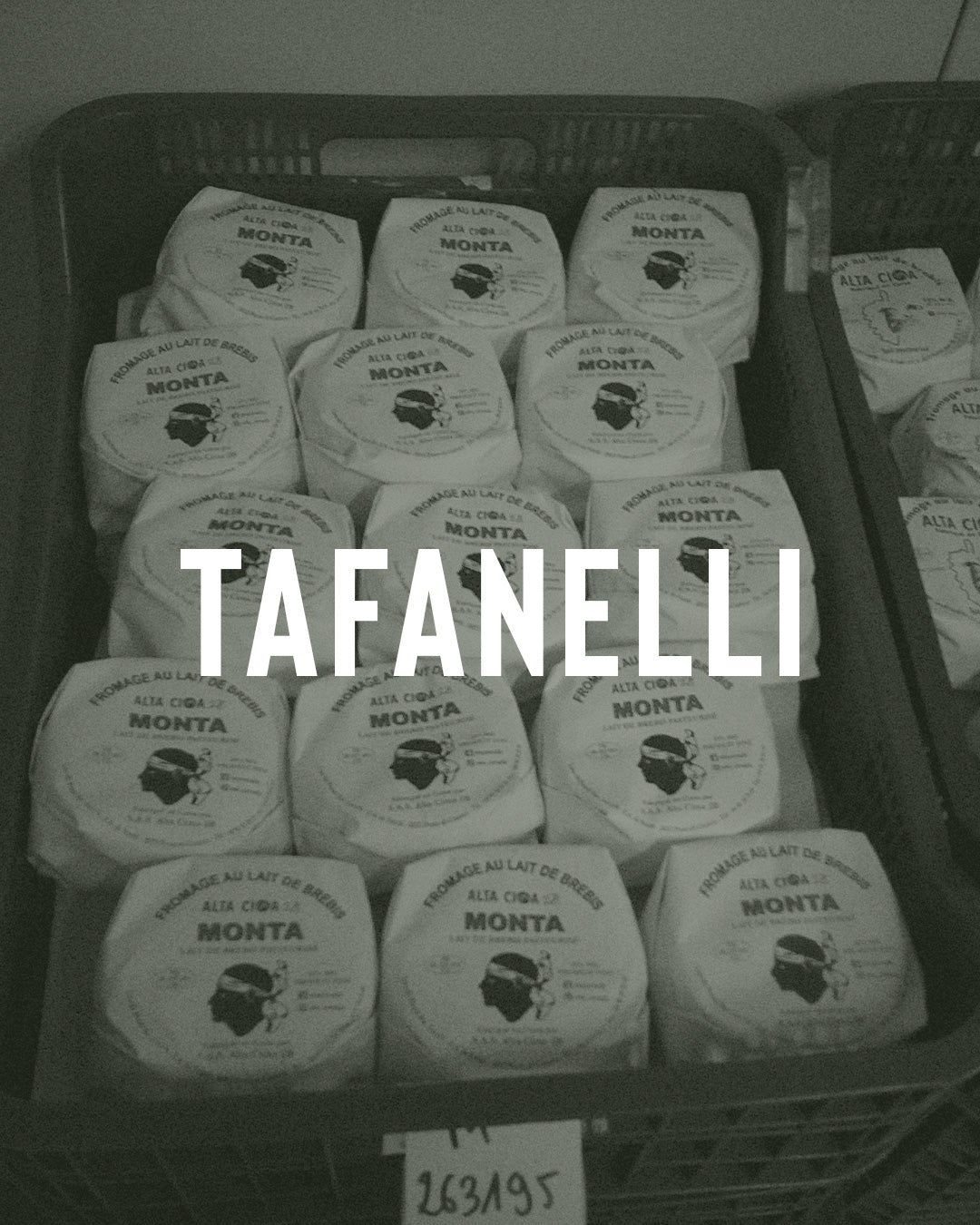
If there is one company we love to highlight when talking about Corsican cheese, it is our friends at Fromagerie Alta Cima 2B. Their motto says it all: "Quality and Tradition." A house of enthusiasts who defend the good taste of traditional Corsican cheese with heart and exacting standards.
True cheesemaking craftsmanship
Alta Cima collects its milk from island shepherds, then carries out all the steps in its own cheesemaking facility: curdling, molding, draining, salting, and aging in the cellar. Nothing is outsourced: each variety is taken to completion under the same roof, with that combination of traditional expertise and impeccable facilities that guarantees a safe and tasty product. It is the continuity of a house carried by Jean-Emmanuel, its founder, and his entire team, driven by the same idea: to be the ambassadors of an authentic craft.
A wide and delicious range
What is striking about Alta Cima is the richness of the range, from the mildest to the most distinctive:
- Brocciu and brocciu passu, as well as brousse — the staple of the Corsican table.
- Sheep's milk cheeses: AltaCima (soft paste, supple and mild texture), Montinu, Montarossu, Montaltu, Castalta, without forgetting Altanu and its smoked version, Altanu Fumé.
- Goat's milk cheeses: U Capraltu, U Caprettu, and the superb A Capra Nera, a truffle goat cheese with a hard paste and bold character.
- Tommes: sheep-goat tomette, Monta tomme, Caprettu tomette, and a delicious truffle tomme.
- And to complete the platter, jams and Patrimonio wine.
Cheeses "mild, with a hint of character," exactly as they like to describe them — perfect for discovering the Corsican palette with confidence, and for delighting the most demanding connoisseurs.
How to order from Alta Cima
Good news: Alta Cima delivers everywhere thanks to its online shop, boutique-altacima.fr. You can also reach them directly at +33 (0)4 95 33 78 53, and follow their news and recipes on their Instagram @alta_cima2b. Fiadone, brocciu cannelloni, migliacci, brocciu fritters: they even share recipes to showcase their cheeses.
Supporting a company like Alta Cima means supporting an entire chain: the Corsican shepherds who supply the milk, the transmitted cheesemaking expertise, and a certain idea of the island terroir. This is exactly the spirit we defend at TAFANELLI — fidelity to what is real.
How to taste Corsican cheeses
To get the best out of a Corsican cheese, a few simple rules must be followed.
Take the cheese out in advance
Corsican cheese should never be tasted cold. Take it out of the refrigerator at least 1 hour before tasting so it can regain its texture and release its aromas.
Respect the order of tasting
On a platter, always start with the mildest cheeses (Bastelicaccia, fresh brocciu), then progress toward the most powerful ones (tomme, Niolu, Venaco). Doing the reverse will numb the palate.
Accompaniments
- Chestnut bread: the historical companion to Corsican cheese; its sweetness balances the strength of the tommes.
- Fig or myrtle jam: a sweet counterpoint that highlights the flavors.
- PGI maquis honey: paired with Bastelicaccia or brocciu passu.
- Fresh walnuts: their bitterness refreshes the palate after a powerful cheese.
- PGI Corsican charcuterie: coppa, lonzu, prisuttu as an accompaniment (see our guide to Corsican charcuterie).
Wine pairings
- Mild cheeses (Bastelicaccia, fresh brocciu, young Calenzana): Vermentinu (white from Patrimonio, Ajaccio, Sartène), a dry and mineral white wine.
- Balanced tommes (Corsican tomme, Sartinesu, aged Calenzana): light reds from Patrimonio, Calvi, Porto-Vecchio, made from Niellucciu and Sciaccarellu grapes.
- Powerful cheeses (Niolu, Venaco, brocciu passu): full-bodied reds from Sartène or Ajaccio, or myrtle and strawberry tree spirits.
To go further on wine pairings, consult our complete guide to AOC Corsican wines.
Traditional cheese recipes
Corsican cheese is not just for tasting as is. It is at the heart of dozens of traditional recipes that make up the richness of the island's cuisine.
Fiadone
The fiadone is the quintessential Corsican dessert, made with fresh brocciu, sugar, eggs, and lemon zest. Without flour, it has a soft and airy texture, between a custard and a cheesecake. Every Corsican family has its own recipe, sometimes with a dash of brandy or vanilla. It is the iconic dessert for Sunday meals and special occasions.
Brocciu Canistrelli
Canistrelli, the traditional dry biscuits, come in a brocciu version that is softer, richer, and scented with lemon or anise. A pure treat to accompany coffee.
Storzapreti
Storzapreti ("priest-chokers") are small dumplings made with brocciu, chard or spinach, onions, and parmesan, poached and then covered in tomato sauce. A comforting family dish typical of Balagne and Niolu.
Brocciu Cannelloni
Brocciu cannelloni are a Corsican specialty that uses Italian heritage with an island twist. Stuffed with fresh brocciu mixed with chard or spinach, they are topped with tomato sauce and baked in the oven. A festive dish found on every Corsican table.
Migliacci
Migliacci are small cakes made from brocciu and fresh cheese, baked in the oven on a chestnut leaf. A specialty of Castagniccia to be enjoyed warm.
Grilled cheese with maquis herbs
A shepherd's recipe: a nice slice of young Corsican tomme, placed on a hot stone or wooden board, drizzled with Corsican olive oil, sprinkled with rosemary and maquis thyme, and served with grilled chestnut bread. Absolute simplicity at the service of the product.
Where to buy real Corsican cheeses
Buying real Corsican cheese off the island requires some vigilance. Here are the reliable channels.
Directly from the producers
The best solution remains buying directly from the shepherd during your vacation in Corsica. Most producers accept on-farm sales, often with free tastings. Ask at local tourist offices or check the Bienvenue à la Ferme Corsica website. And for a company that delivers everywhere, think of our friends at Alta Cima.
Corsican delicatessens
On the island, a few reference addresses:
- U Muntagnolu in Bastia, Rue Napoléon: a high-end selection of Corsican cheeses, charcuterie, and wines.
- La Cave du Golfe in Ajaccio: cheese and wine cellar.
- U Paese in Porto-Vecchio: deli of local producers.
- U Casinu in L'Île-Rousse: selection of farmhouse tommes from Balagne.
On the continent
Some continental creameries offer authentic Corsican cheeses directly from producers. Always check the origin and the exact producer. On the internet, beware of generalist sites selling "brocciu" out of season: it is a sign of a fake.
You won't find real Corsican cheese in the supermarket cheese aisle. You find it at the shepherd's, at the farm, at the village market, or at a passionate creamery owner who sources their stock themselves twice a year.
What TAFANELLI brings to the table
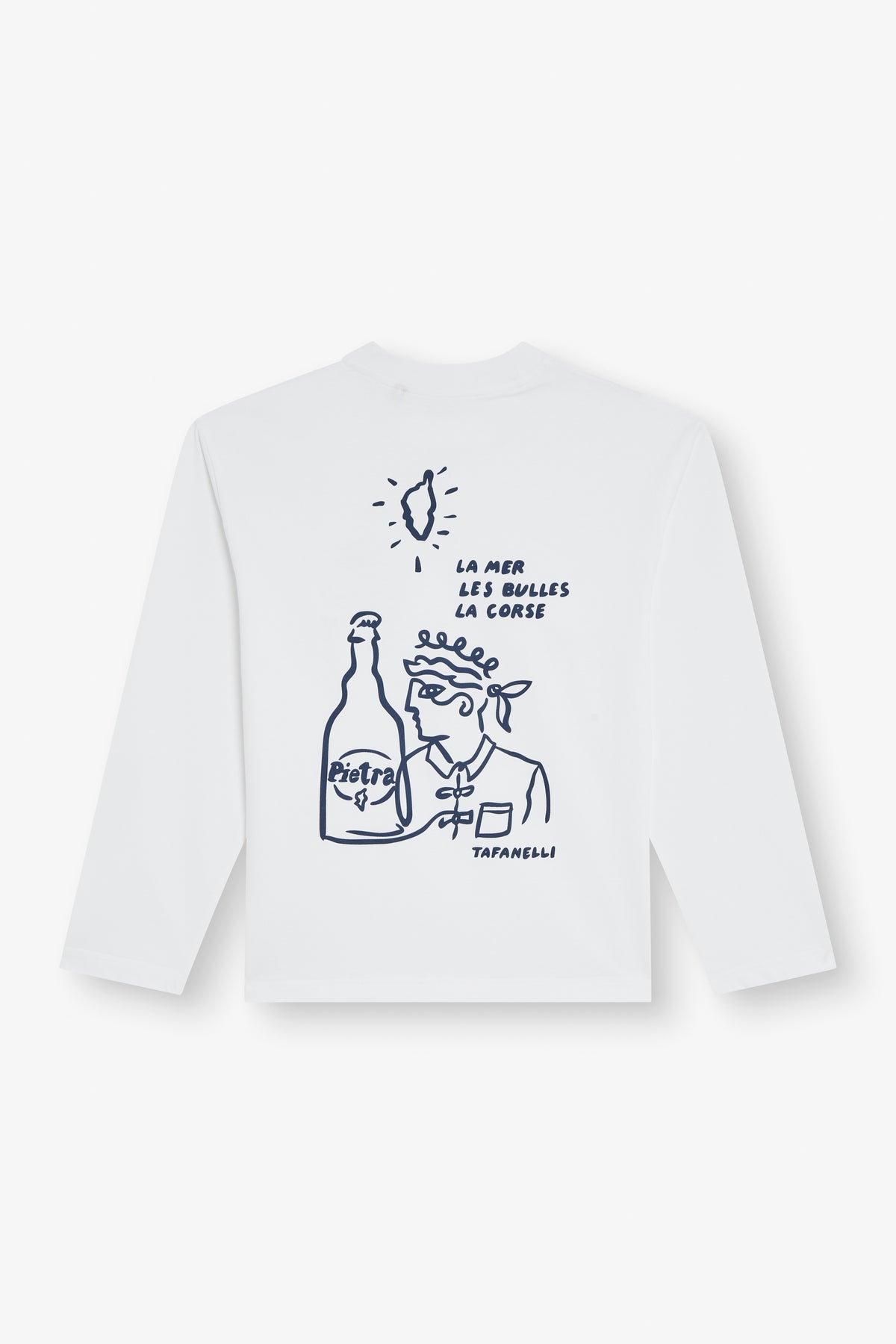
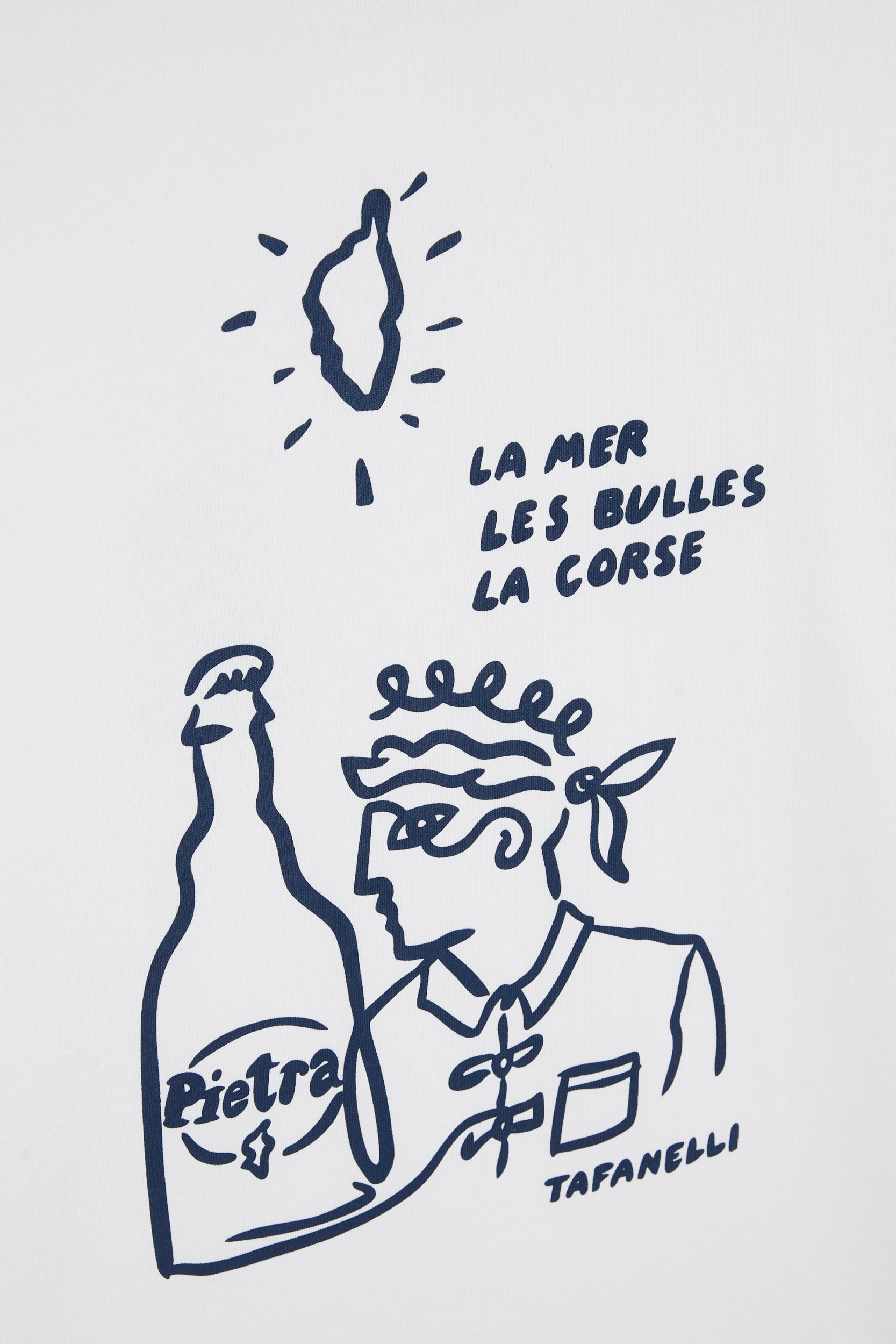
At TAFANELLI, our clothing is inspired by the same values that make Corsican cheeses so rich: authenticity, respect for the land, the slowness of the gesture, and fidelity to craftsmanship. Like the shepherd who refuses industrial standardization, we choose 280g/m² cotton Made in France, artisanal silkscreen printing, and collaborations with places that have a soul.
The Corsica 1755 t-shirt honors the Paolian legacy, the very one that shaped the pastoral Corsica we know today. The Corsica Shark Cap, robust and functional, is a great companion for market strolls, visits to sheepfolds, and hikes to summer pastures. The Corsican bandana uses traditional motifs, just as the tomme takes the shape of the shepherd's cheese.
It is this continuity between clothing, gastronomy, and territory that defines our approach: not just selling clothes, but conveying an entire culture, of which Corsican cheeses are a fundamental pillar.
Continue the discovery
Corsican cheese is part of a larger gastronomic ecosystem. To complete your exploration:
- PGI Corsican charcuterie: coppa, lonzu, prisuttu
- AOC Corsican wines: complete guide
- Corte, historical capital of Corsica
- The Cap Corse: complete guide
- The 10 most beautiful perched villages in Corsica
- The Agriates Desert: Saleccia, Lotu, wild beaches
- Chez Léon in Cateri: the taste of Balagne
When visiting Corsica, the client becomes a friend.
A DOPU,
TAFA