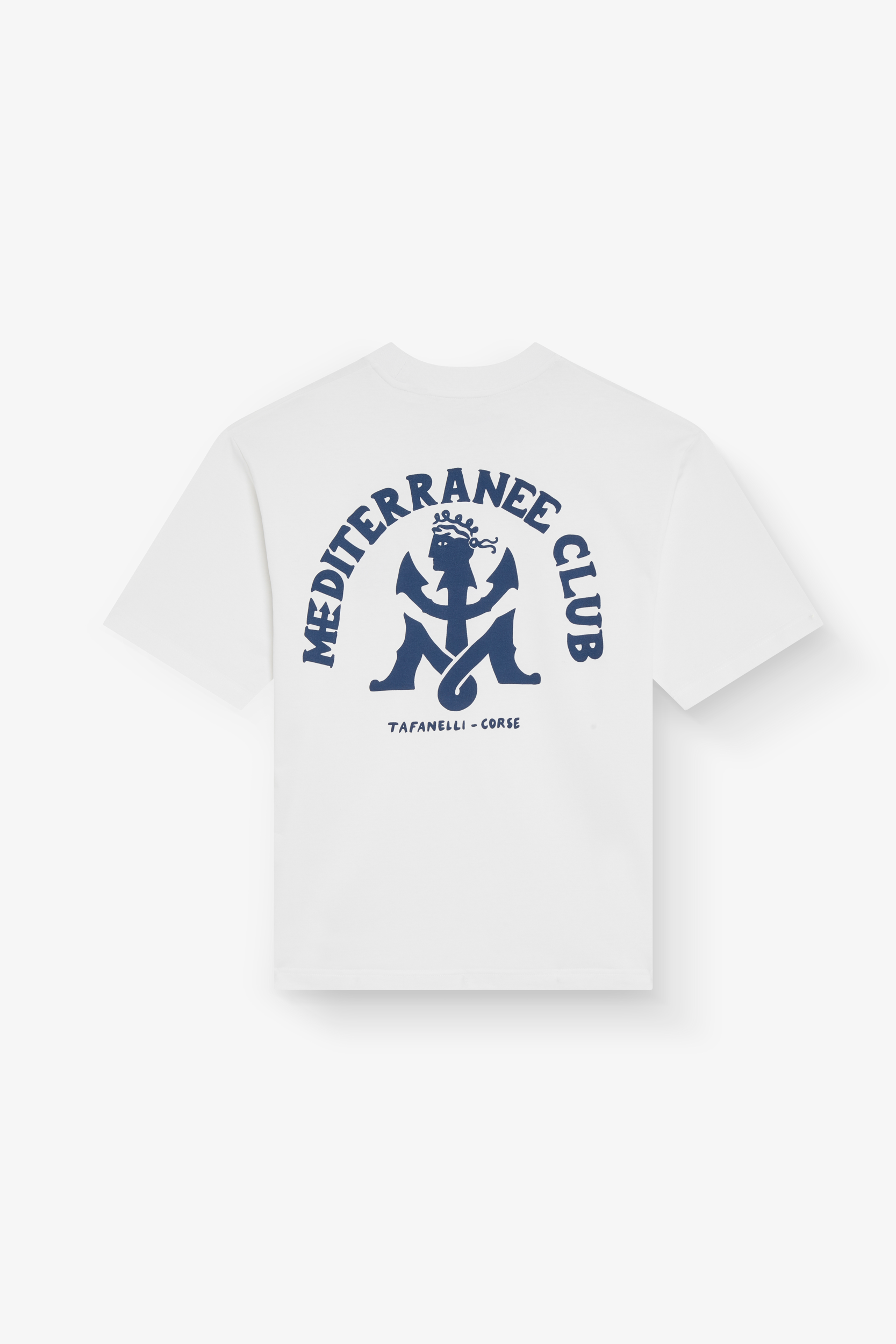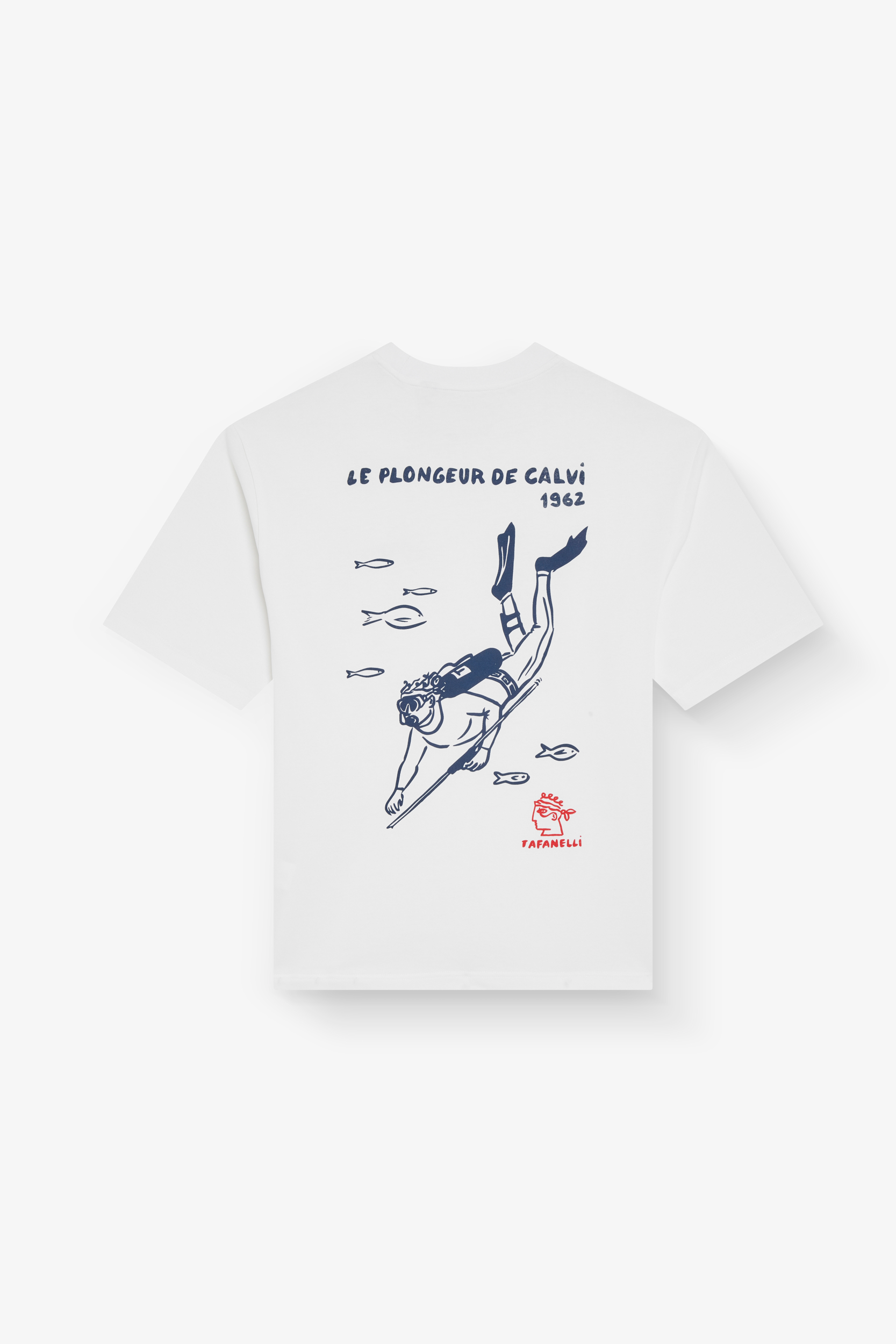


Authentic Corsican fashion expertise: myth or reality?
"Corsican know-how" often evokes powerful images: the sea, the mountains, the work of the hands. But behind this idea lies a quieter, more honest reality. At Tafanelli, we believe this know-how still exists—not as a myth, but as a commitment.

Between sea and mountain. Where the wind shapes every gesture.
A discreet heritage
Corsica never sought to become an industrial hub. Its know-how has always been passed down on a small scale, within workshops, homes, and daily tasks. Here, manual labor is not a marketing concept: it is a habit, a way of experiencing the world. This culture of "making things right" naturally extended to sewing, cutting, and tailoring. In every thread, there is this silent rigor and the patience inherited from the land.
Corsican know-how is not loud. It is visible in its restraint, its care, in the simplicity of its forms and the strength of its materials.
The truth of the gesture
Talking about "Corsican fashion" only makes sense if we talk about the hand. True Corsican know-how is recognized by its approach to material: slowly, without excess, with respect. The artisans who work on the island do not follow trends—they follow the seasons, the climate, the rhythm of life.
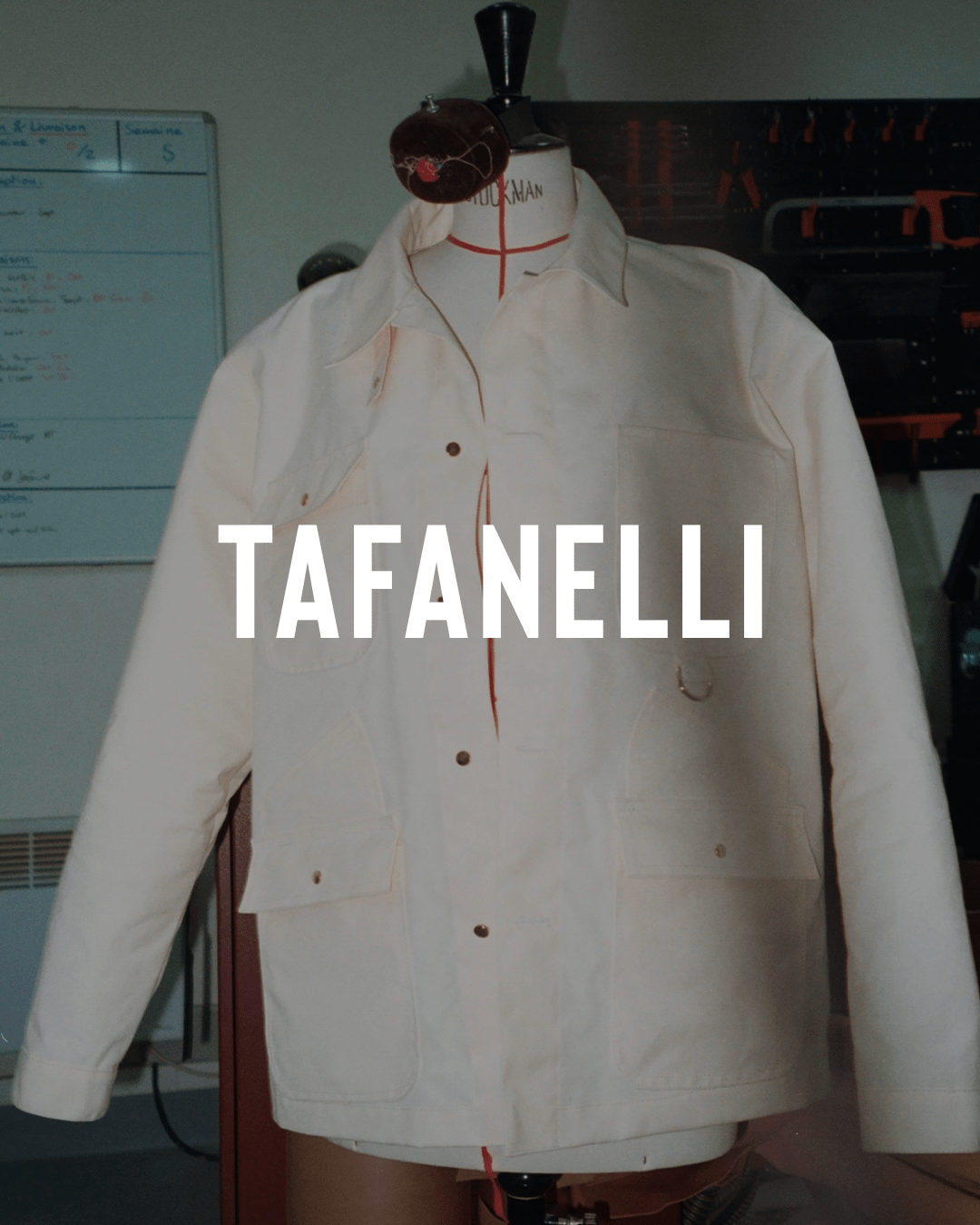
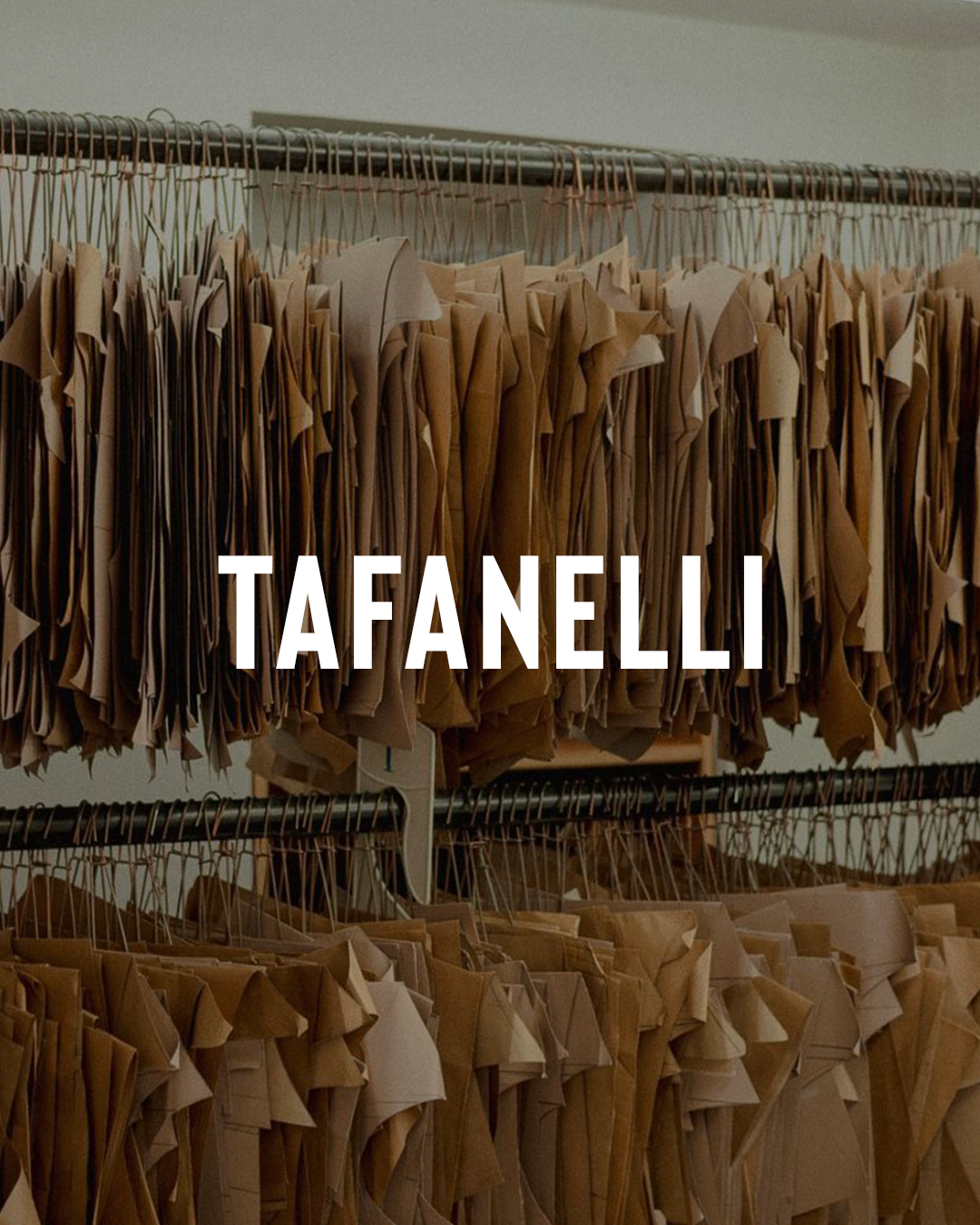
At Tafanelli, this approach is embodied in every step: choosing dense cotton, sewing by daylight, letting the fabric breathe before folding it. These are simple but essential gestures. They translate an almost spiritual relationship to work well done.
Between territory and modernity
Corsican know-how is not frozen in tradition. It evolves. The workshops that collaborate with Tafanelli combine ancestral techniques with contemporary demands: precision of the stitch, fitted cuts, meticulous finishes. Corsica does not imitate Paris or Milan—it invents its own rhythm. That of a garment made to last, to breathe, and to withstand the years without losing its soul.
This blend of craftsmanship and modern standards gives rise to a sincere fashion: rooted yet alive.
Materials of the place
On the island, the climate, the sea, and the wind influence how materials are chosen. We seek density, durability, and a texture capable of withstanding salt and sun. Corsican know-how is also this: an intelligence of the territory. The fabrics used in Tafanelli collections are chosen for this reason. They are not content to just be beautiful—they must be true, capable of engaging in a dialogue with the sea, the mountains, and time.
Manufacturing in Corsica means bringing a garment into existence within an environment that does not cheat.
A reality, not folklore
Corsica is often spoken of as a myth. At Tafanelli, we reject this romanticized image. Corsican know-how is anything but exotic: it is concrete, demanding, and often silent. It does not seek to please; it seeks to endure. Behind every stitch, there are artisans, families, and voices perpetuating a trade with humility. This is not a backdrop; it is a daily reality.
Making things here means being part of a continuum. It is a statement that a garment can still be born from a place, rather than an assembly line.
The myth rediscovered
So, myth or reality? True Corsican know-how exists. It is rare, fragile, and precious. It does not need to be idealized to be great. At Tafanelli, we live it every day, in our workshops, our collaborations, our pieces. This is not a slogan: it is a commitment. A link between the earth, the sea, and the hand. What Corsica teaches fashion is loyalty. Loyalty to the gesture, to the place, and to the truth of things.