The Corsican Maquis: The Scent, Symbolism, and Spirit of Resistance of an Island
Even before seeing Corsica, you smell it. That powerful fragrance rising from the coast—a blend of myrtle, rockrose, immortelle, and a thousand plants heated by the sun—is that of the maquis (scrubland) — a machja in Corsican. Much more than just vegetation, the maquis is a part of the island's soul: a refuge, a larder, a symbol of freedom and resistance. Here is the history and the secrets of this wild nature that defines the island.
The Scent of Corsica
There is an image, almost a myth, known to all Corsicans: it is said that Napoleon once claimed he would recognize his island with his eyes closed, just by its scent. Whether the quote is exact or embellished matters little: it speaks a profound truth. Corsica has a smell, and that smell is the maquis.
When you approach the island by sea, when you walk along a path in summer, when the wind comes down from the hills, this fragrance is there—hot, resinous, sweet, and peppery all at once. An olfactory signature unique in the world, created by the layering of dozens of aromatic plants. To smell the maquis is already to be in Corsica.
One may forget many landscapes. But anyone who has once breathed in the Corsican maquis in the heat of summer never forgets it. It is a scent that imprints itself onto the memory just as a land imprints itself upon the heart.
What is the Maquis?
The maquis is a Mediterranean plant formation: a dense mantle of shrubs, bushes, and aromatic plants that covers a vast part of Corsica, from the seaside to the medium-altitude mountains. It arises from a hot, dry climate, often poor and acidic soils, and a long history of grazing and fires.
There is the low maquis (rockrose, heather, immortelle), the high maquis (strawberry trees, tree heather, Phillyrea) that can grow taller than a man, and the areas where it mingles with holm oak and cork oak. Impenetrable in places, fragrant everywhere, it is the iconic landscape of the island, the Machja — one of the three elements of the Corsican landscape trinity, along with the sea and the mountains.
Iconic Plants of the Maquis
The richness of the maquis lies in the diversity of its flora, which is often aromatic and sometimes endemic. Among the stars:
- Myrtle (a morta): a sacred shrub of the island; its black berries produce the famous Corsican myrtle liqueur.
- Immortelle (helichrysum): its yellow flowers with their curry-like scent produce an essential oil sought after all over the world.
- Rockrose (Cistus): with crinkled pink or white flowers, it is a pioneer plant that recolonizes after fires.
- Strawberry tree (Arbutus): its red fruits (arbutus berries) provide nourishment for humans and animals in the autumn.
- Mastic, rosemary, thyme, wild lavender, broom, and heather: the complete aromatic palette that composes the scent of the maquis.
This flora also provides food for the bees (for maquis honey) and the free-roaming pigs, whose seasoned meat makes for world-class Corsican charcuterie. The maquis is not just a landscape: it is the primary link in the taste of Corsica.
"Taking to the Maquis": A Symbol of Resistance
The maquis is not just a natural feature; it is an idea. Dense and impenetrable, it has always served as a refuge for those hunted by the authorities. In Corsica, people would disappear into it to escape justice, vendettas, or occupiers: this is the meaning of the expression "taking to the maquis" (prendre le maquis), which means going underground or into hiding.
This expression had a national impact. During World War II, the shadow fighters of the French Resistance took the name "maquisards," and their groups were called "maquis," borrowed precisely from this Corsican and Mediterranean word. The plant-based maquis thus became, throughout the French language, the very symbol of resistance and freedom.
And there is a special pride in this: Corsica, an island of character and independence, gave France the word that signifies the refusal to submit. The maquis is the Corsican spirit turned into vegetation.
The maquis shelters those who do not bend. It is a land that protects its own, hides the rebels, resists the fire, and always grows back. It is hard to find a more apt metaphor for the Corsican character.
A Treasure of Flavors and Benefits
Since time immemorial, Corsicans have drawn on the maquis for food, medicine, and perfume. It is an open-air pharmacy and larder:
- Myrtle liqueur and strawberry tree jam, the island's iconic treats.
- Maquis honey, with its intense aromas, protected by an AOP (Protected Designation of Origin).
- Essential oils of immortelle and myrtle, prized in cosmetics and skincare.
- Herbal teas and grandmother's remedies, inherited from ancestral folk knowledge.
- Aromatic herbs that season the cuisine, the cheese, and the charcuterie.
Nothing is wasted in the maquis: every plant has its use, passed down from generation to generation. It is an entire culture of living and gathering, as precious as it is discreet.
The Maquis and Fire
The maquis maintains an ambiguous and fascinating relationship with fire. Many of its plants are pyrophytic: they have evolved to survive, or even benefit from, wildfires. Rockrose, for example, recolonizes burnt land very quickly, and some seeds only germinate after the passage of flames.
But this resilience has its limits. Large summer wildfires, often human-caused, impoverish the soil, destroy wildlife, and weaken the maquis's balance. While the maquis may grow back in a few years, the forest that accompanies it takes decades, sometimes a century. Protecting the maquis means refusing fire: a challenge highlighted every summer by the island's firefighters.
The maquis teaches us humility: it is reborn, yes, but only if we give it time and stop encroaching upon it. A lesson in resilience, but also in responsibility.
The Machja and the Soul of TAFANELLI
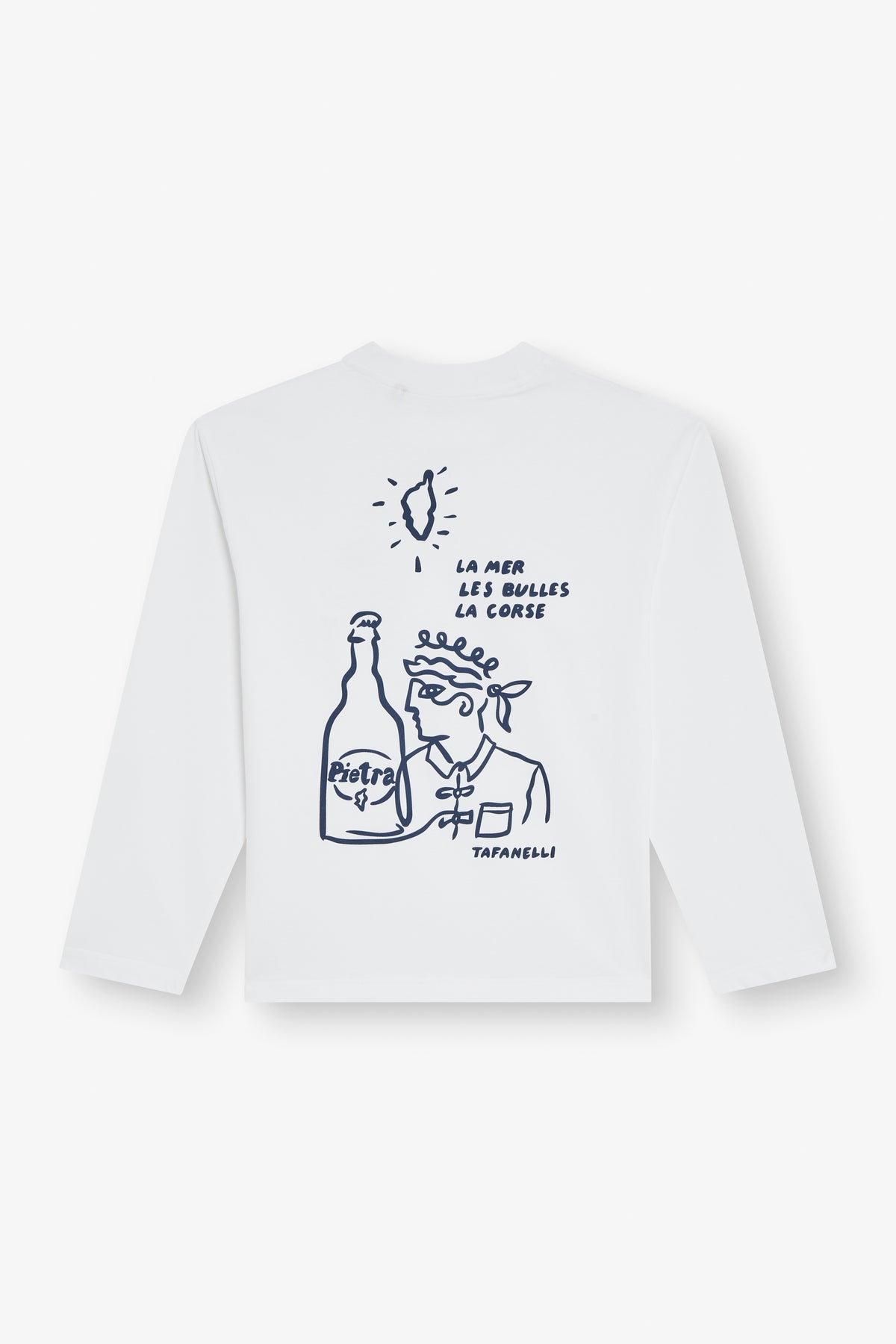
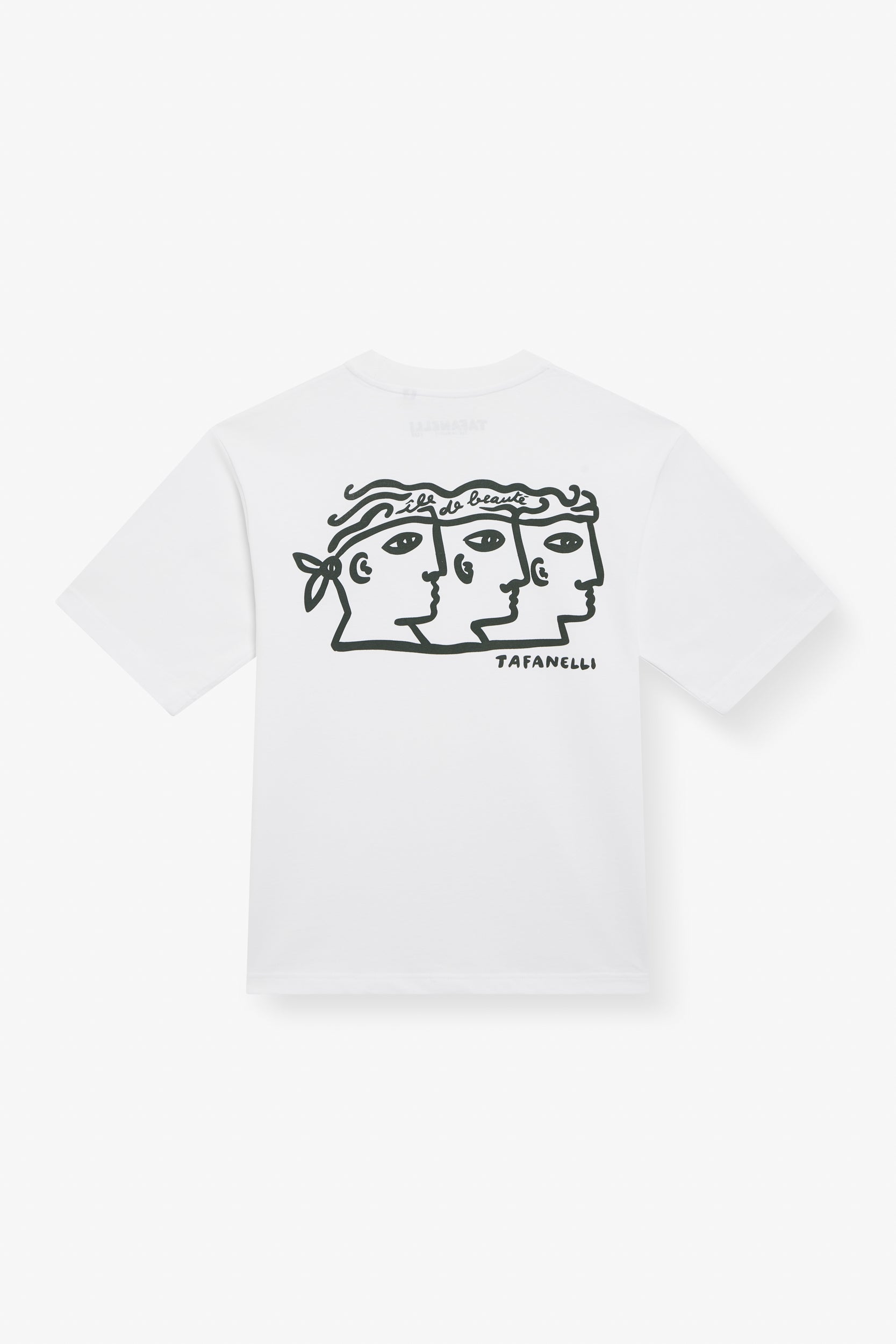
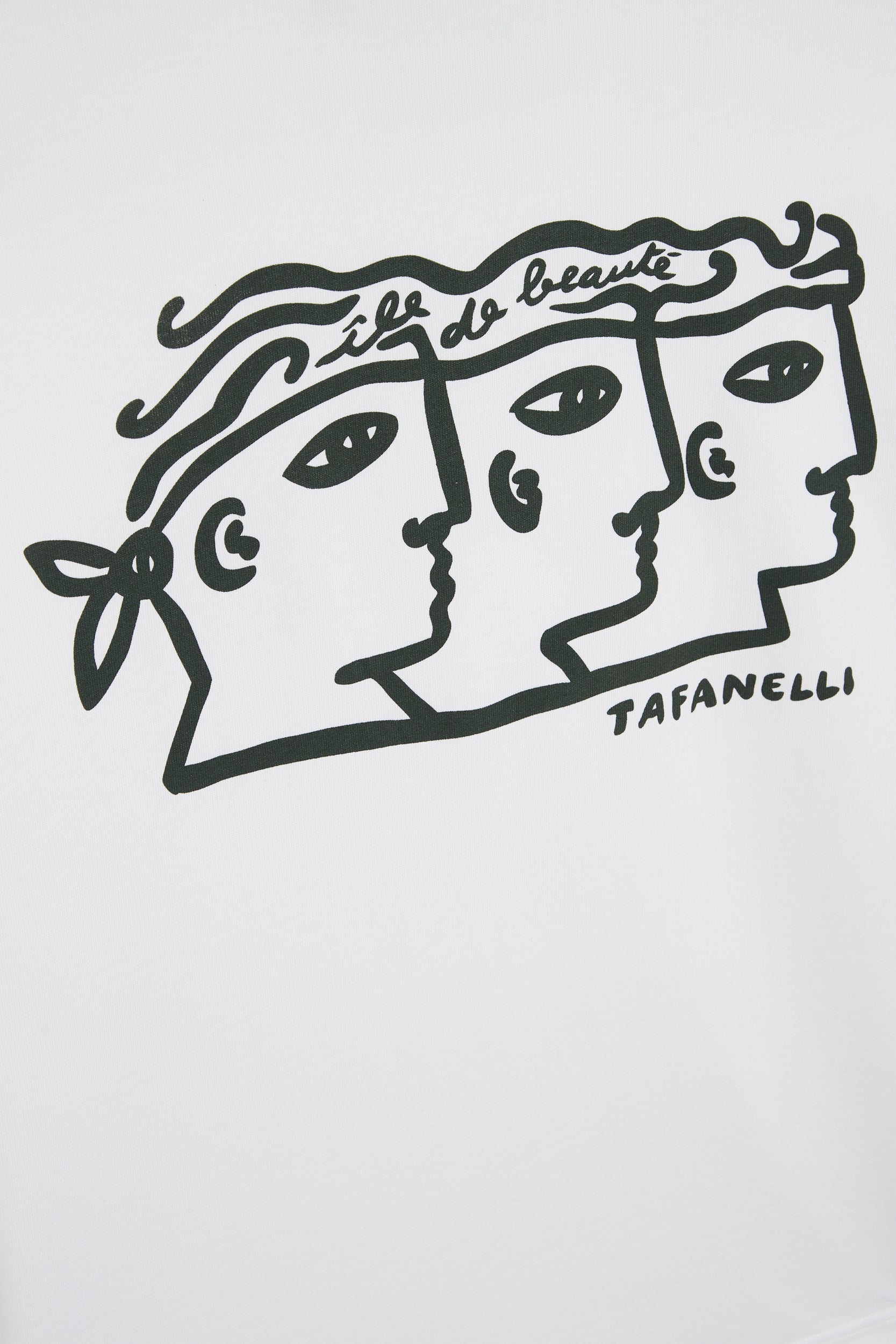
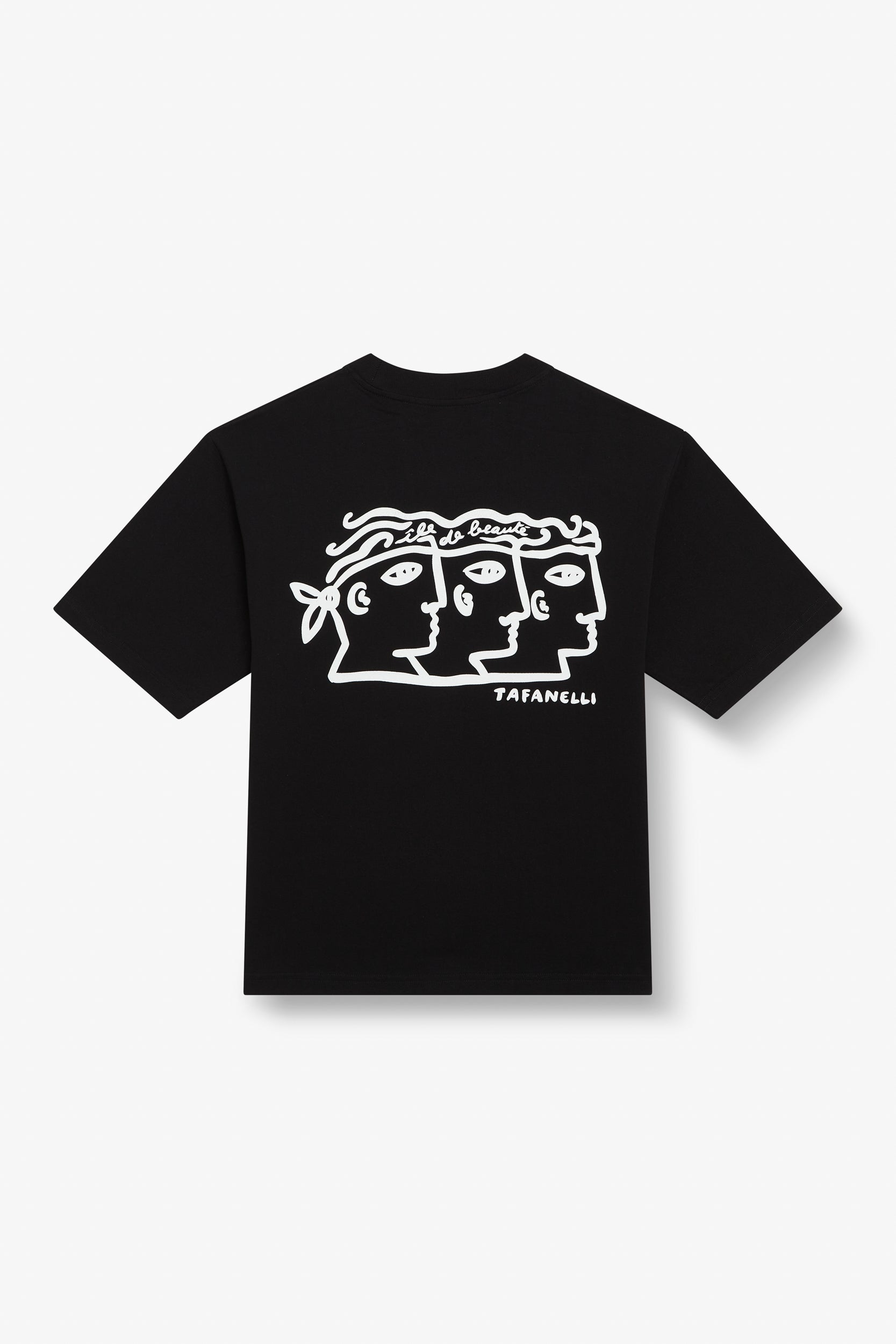
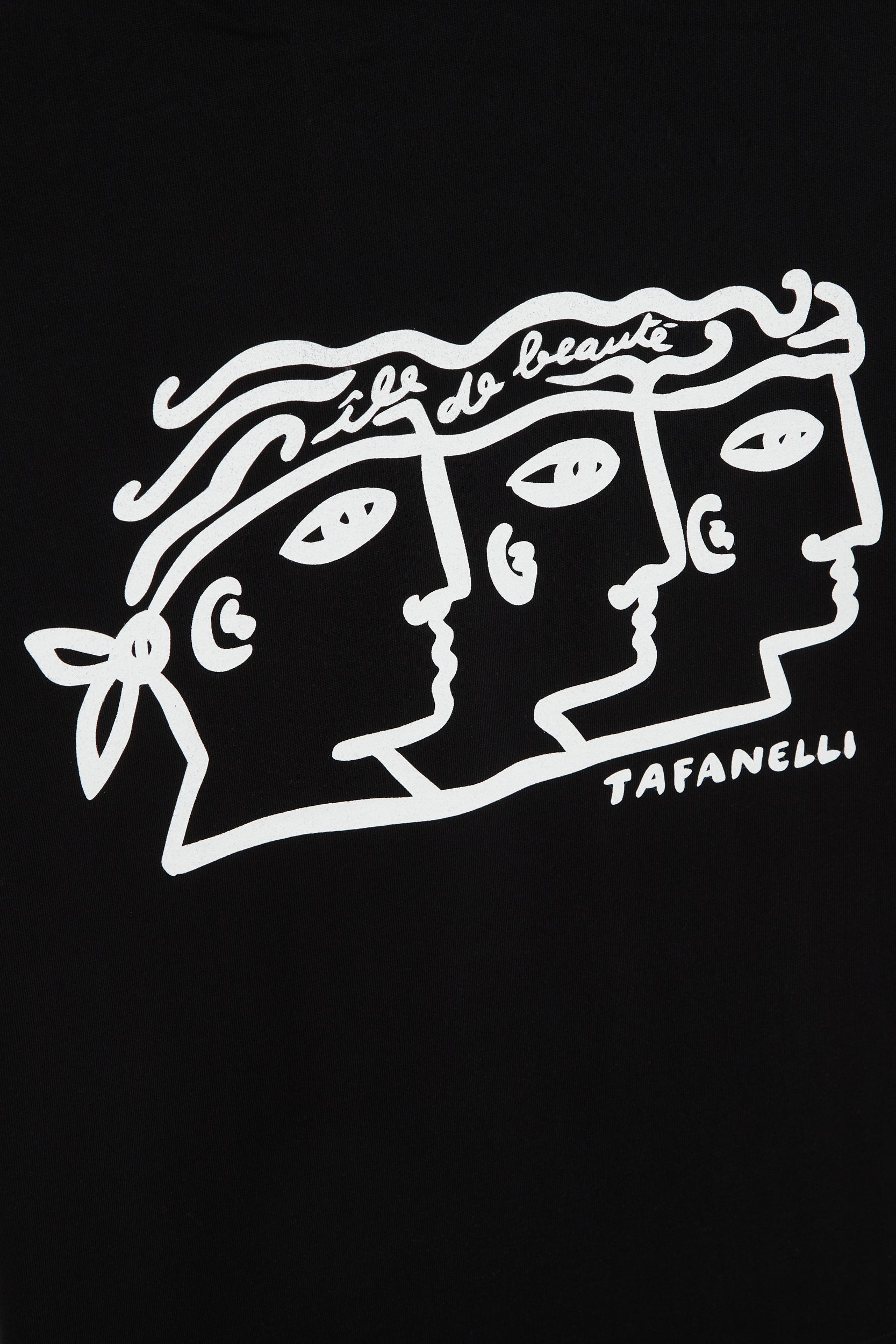
At TAFANELLI, the maquis is not a distant backdrop: it is one of the three pillars of our identity. Mare, Muntagna, Machja — the sea, the mountain, the maquis. The Machja represents the scent, the wildness, the resistance; everything we want to bring to life in our pieces. Wearing TAFANELLI means wearing a piece of this earth that smells of myrtle and immortelle.
The wardrobe for those who have the maquis in their heart:
- The La Trinità t-shirt: mare, muntagna, machja united; our manifesto worn on the body.
- The "Corsica 1755" t-shirt: island pride, hand-screen printed.
- The TAFANELLI bandana: the companion for hikes in the maquis.
- The TAFANELLI cap: understated and proud, for the sun and the trails.
To continue exploring the soul of Corsica:
- Mare, Muntagna, Machja: The Corsican Landscape Trinity
- Corsican Charcuterie, a complete guide
- The Corsican Chestnut and the Castagniccia
- The GR20, complete 16-stage guide
- The 10 most beautiful perched villages in Corsica
In passing through Corsica, the customer becomes a friend.
A DOPU (Until later),
TAFA