
Sampiero Corso, the most Corsican of Corsicans: the story of a tragic hero
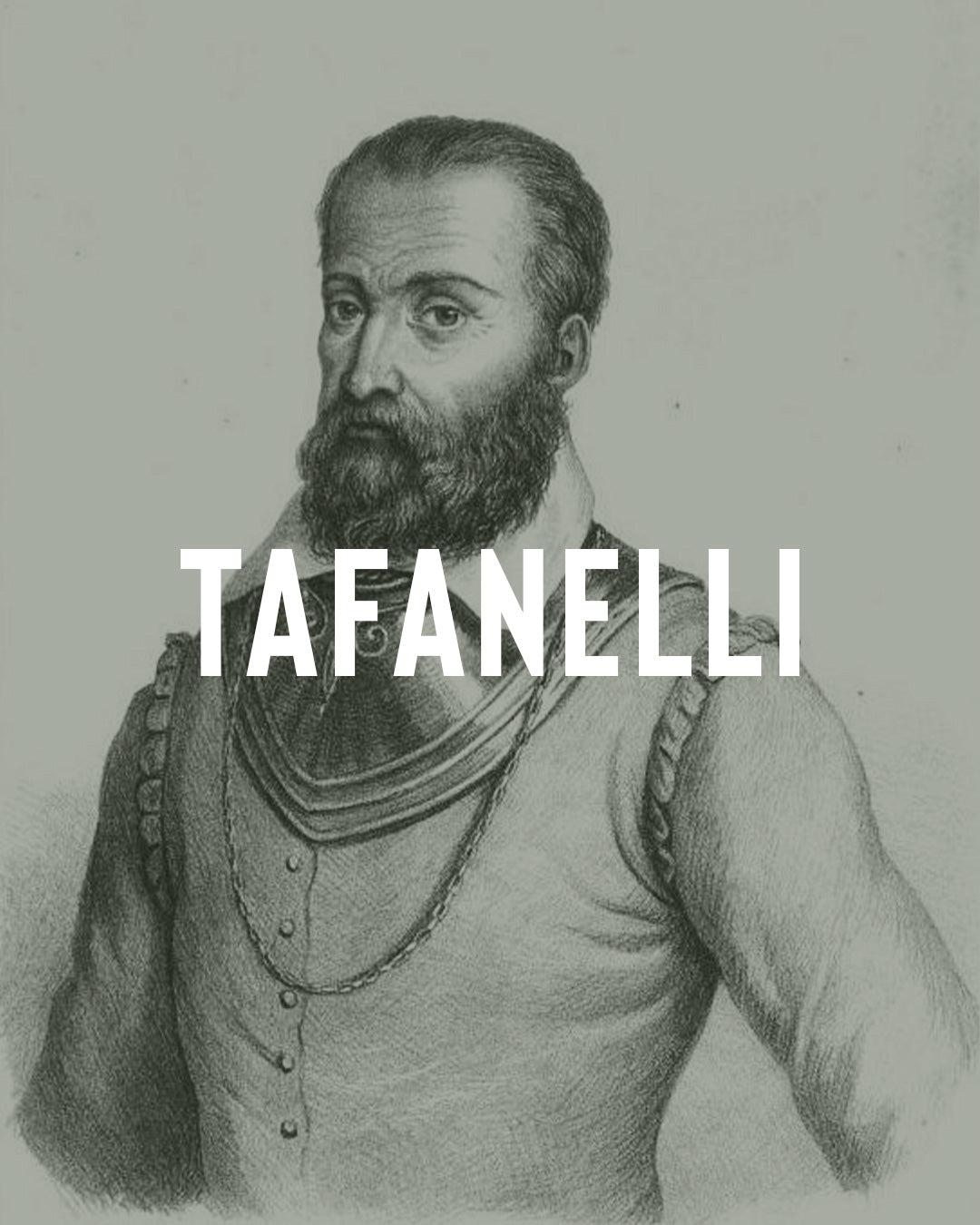
Two centuries before Pasquale Paoli, one man single-handedly embodied the pride and rebellion of Corsica against Genoa: Sampiero Corso. A warrior feared throughout Europe, a colonel in the service of the Kings of France, a liberator with a shattered destiny and a life marked by terrible drama, he was nicknamed u più Corsu di i Corsi — "the most Corsican of Corsicans." Here is the story of this flamboyant and tragic figure.
Who was Sampiero Corso?
Sampiero Corso (1498-1567) is one of the greatest figures in Corsican history: an exceptional warlord, a condottiero feared on every battlefield in Europe, and above all, the first great liberator to take up arms to wrest Corsica from the rule of Genoa.
A man of bravery and pride, entirely devoted to his land, he made such an impression that he became a national symbol long before Paoli and Napoleon. His life blends military glory, all-consuming passions, and tragedy: it is the destiny of a Shakespearean hero set in the heart of the 16th-century Mediterranean.
He was called "the most Corsican of Corsicans." Not because he was the wisest, but because he carried the virtues and demons of his people to the extreme: courage, honor, fidelity to the land — and a pride that forgave nothing.
From Bastelica to the courts of Europe
Sampiero was born around 1498 in Bastelica, a mountain village above Ajaccio, into a modest family. Nothing predestined him for honors, save for an extraordinary courage and sense of leadership. Very young, he left the island for the profession of arms, then the main path for ambitious Corsicans to rise.
He served the Medicis in Florence, then entered the service of France. His reputation grew quickly: he was a brave soldier, a leader of men, a strategist. In a Europe torn by wars between Francis I, Charles V, and the Italian city-states, such talent did not go unnoticed for long. The small-town boy from Bastelica became a name to be reckoned with.
The sword of France
Sampiero became one of the most faithful and feared captains of the Kings of France, Francis I and then Henry II. He was named colonel-general of the Corsican bands in the service of the crown: he commanded the Corsican troops engaged in French armies on the battlefields of Italy and elsewhere.
His loyalty to France was not just a matter of pay: Sampiero saw it as a means to serve a greater cause, that of liberating Corsica from Genoa. For the Republic of Genoa, which held the island, was his sworn enemy. In Sampiero's eyes, the French alliance was the weapon that would one day allow him to return Corsica to the Corsicans.
The tragedy of Vannina d'Ornano
No story of Sampiero can omit his darkest episode. He had married Vannina d'Ornano, a young woman from a great Corsican family, a union that sealed alliances as much as it did a love.
In 1563, while Sampiero was in exile and at war, Vannina left Corsica and went to Marseille — according to tradition, to attempt a reconciliation or negotiation with Genoa, her husband's enemy. For Sampiero, it was an intolerable betrayal of honor. He tracked his wife down and, with his own hands, put her to death.
This terrible act, where trampled honor outweighed everything else, haunted his memory for a long time. It speaks to the harshest side of the island culture of that era — that of absolute honor and the vendetta — and it also sowed the seeds of his own downfall: the Ornanos, Vannina's family, would never forget.
The tragedy of Vannina is the dark knot of the legend of Sampiero. It reminds us that in those days, honor could be stronger than love, and pride sharper than a blade. A hero is not a saint: he is a man pushed to the extreme of his time.
The war of liberation against Genoa
In 1564, Sampiero took the ultimate step. With a handful of companions, he landed in the Gulf of Valincu, on the southwest coast, and raised the standard of revolt. It was the beginning of a war of liberation against Genoa, waged with the energy of despair.
The uprising set the island ablaze. The Corsicans, exhausted by Genoese domination, rallied to him. For three years, Sampiero led an intense guerrilla war in the mountains and the maquis, standing up to the powerful Republic despite meager means. He then embodied, for an entire people, the hope of freedom.
An ambush ending
Genoa, unable to defeat him in the field, banked on treachery. In 1567, Sampiero fell into an ambush not far from Ajaccio. The trap was set with the complicity of his Corsican enemies — notably the relatives of the Ornanos, who finally avenged Vannina — and the support of Genoa.
He died with weapons in hand, faithful to his life as a warrior. His passing ended the uprising, and Corsica fell back under Genoese rule. But the man himself entered history permanently.
The legacy of a Corsican hero
Sampiero Corso did not liberate Corsica — that would come two centuries later with Paoli — but he showed the way. He was the first great resistance fighter, the one who dared to defy Genoa in the name of island freedom.
- A national symbol: his statue watches over his village of Bastelica, and his name is honored throughout the island.
- An illustrious lineage: his son, Alphonse d'Ornano, would become a Marshal of France, proof of the prestige of his line.
- A precursor: the revolt of Sampiero prefigures the great movement of emancipation that would culminate in Paoli's independent Corsica.
- A living legend: a character of novels, stories, and popular memory, he remains the archetype of the Corsican hero: courageous and tragic.
In the memory of the island, Sampiero and Paoli form a diptych: the warrior and the lawgiver, the sword and the law, the revolt and the nation. Two faces of the same love for Corsica.
Sampiero and the TAFANELLI spirit
The figure of Sampiero touches us because he speaks of a Corsica that is whole, uncompromising: proud, courageous, and viscerally attached to its freedom. This intensity, this refusal to yield, is a thread we follow in each of our pieces — a way of honoring the character of the island.
The wardrobe for those who carry Corsican pride:
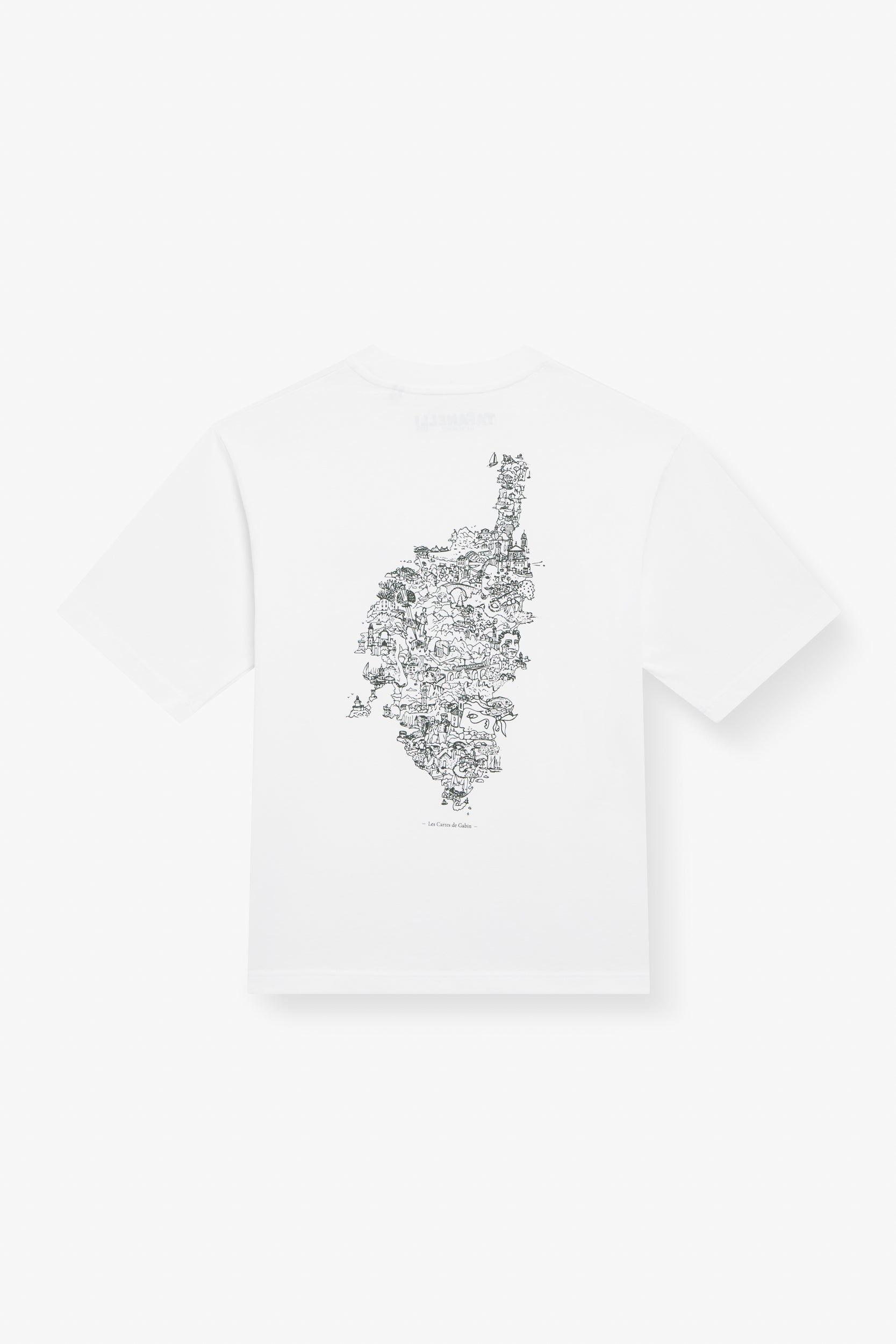
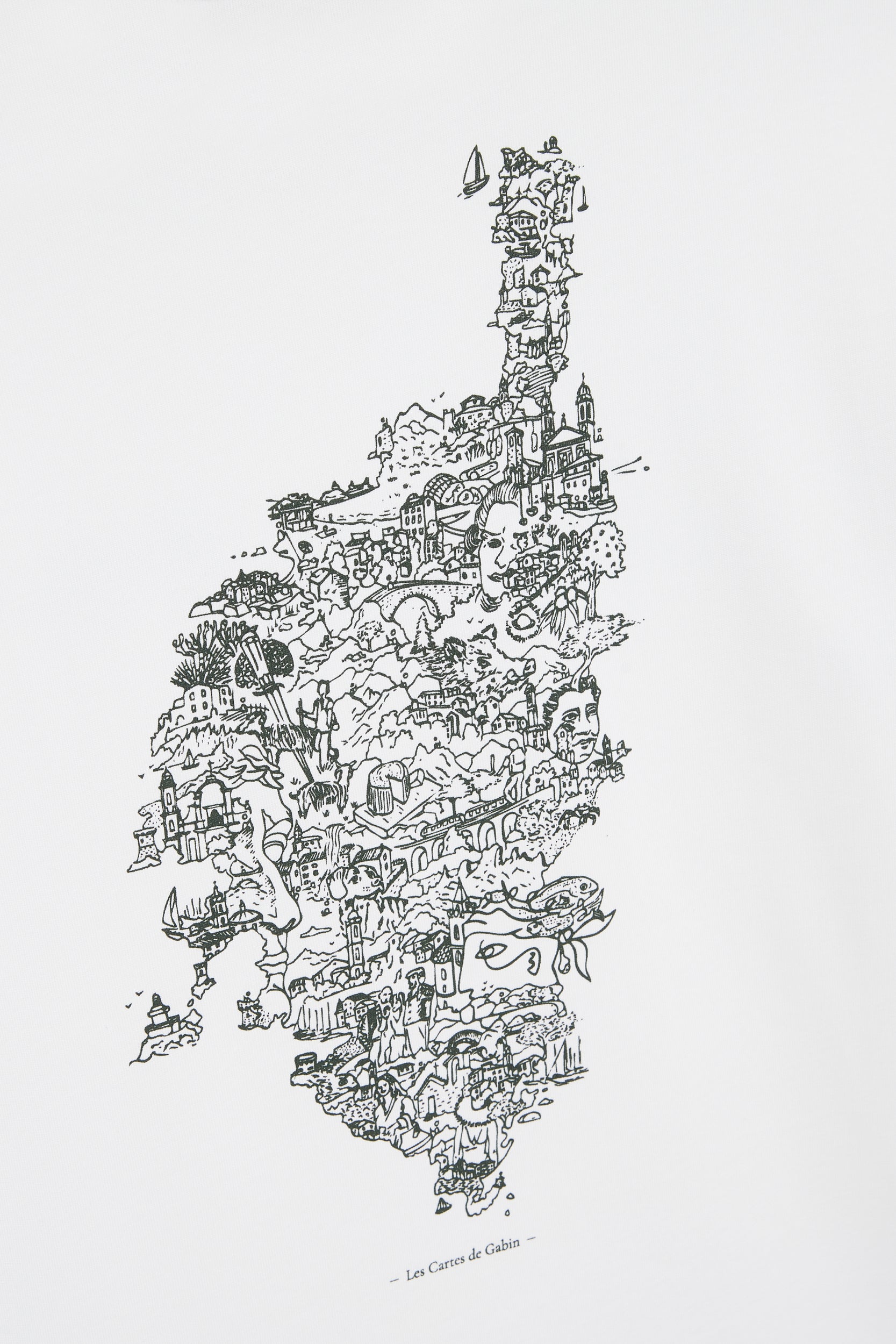
- The "Corsica 1755" t-shirt: the year of Paoli's Constitution, the culmination of the fight begun by Sampiero.
- The La Trinità t-shirt: sea, mountain, maquis, the soul of the country he defended.
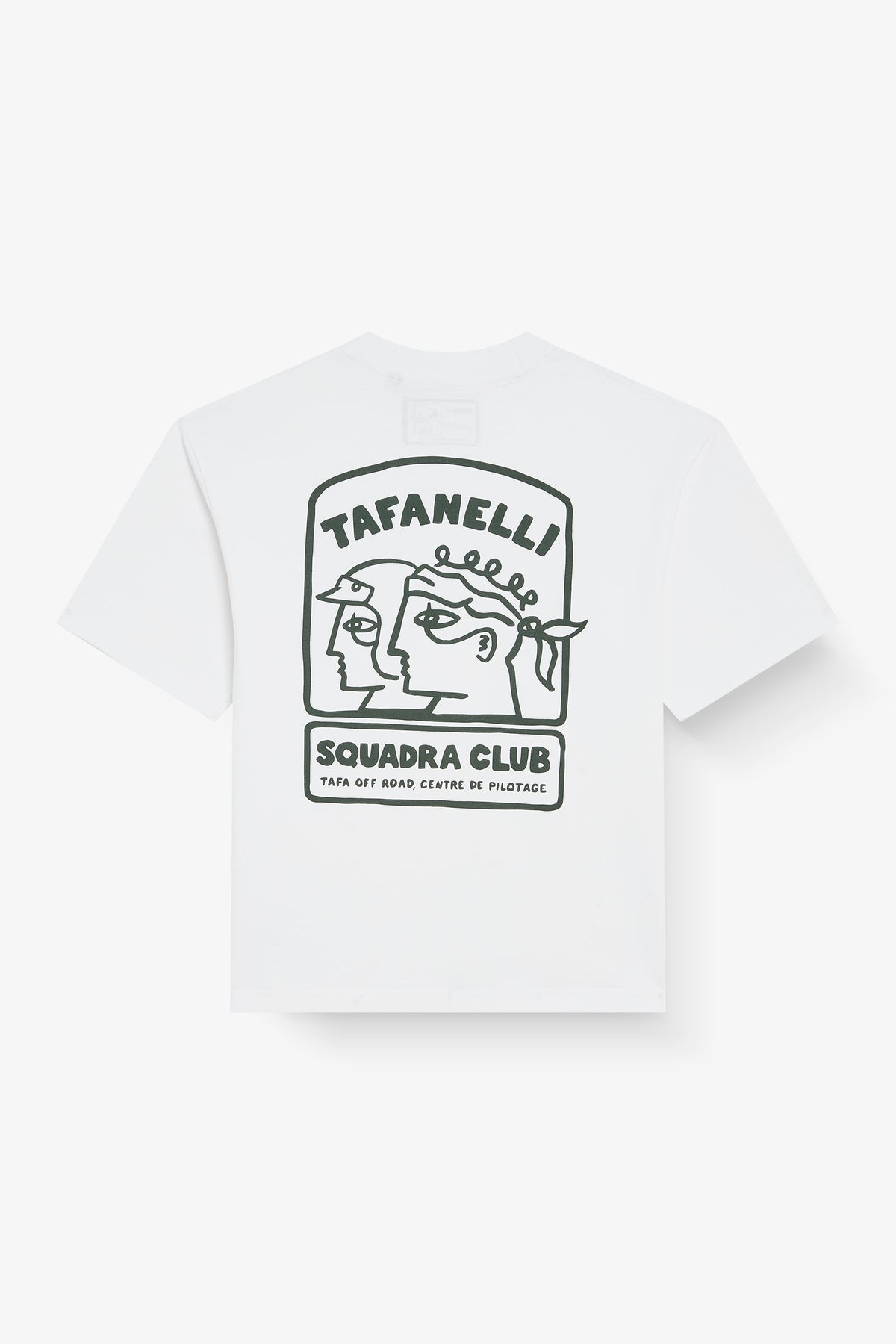
- The TAFANELLI bandana: the accessory for those who love the island with character.
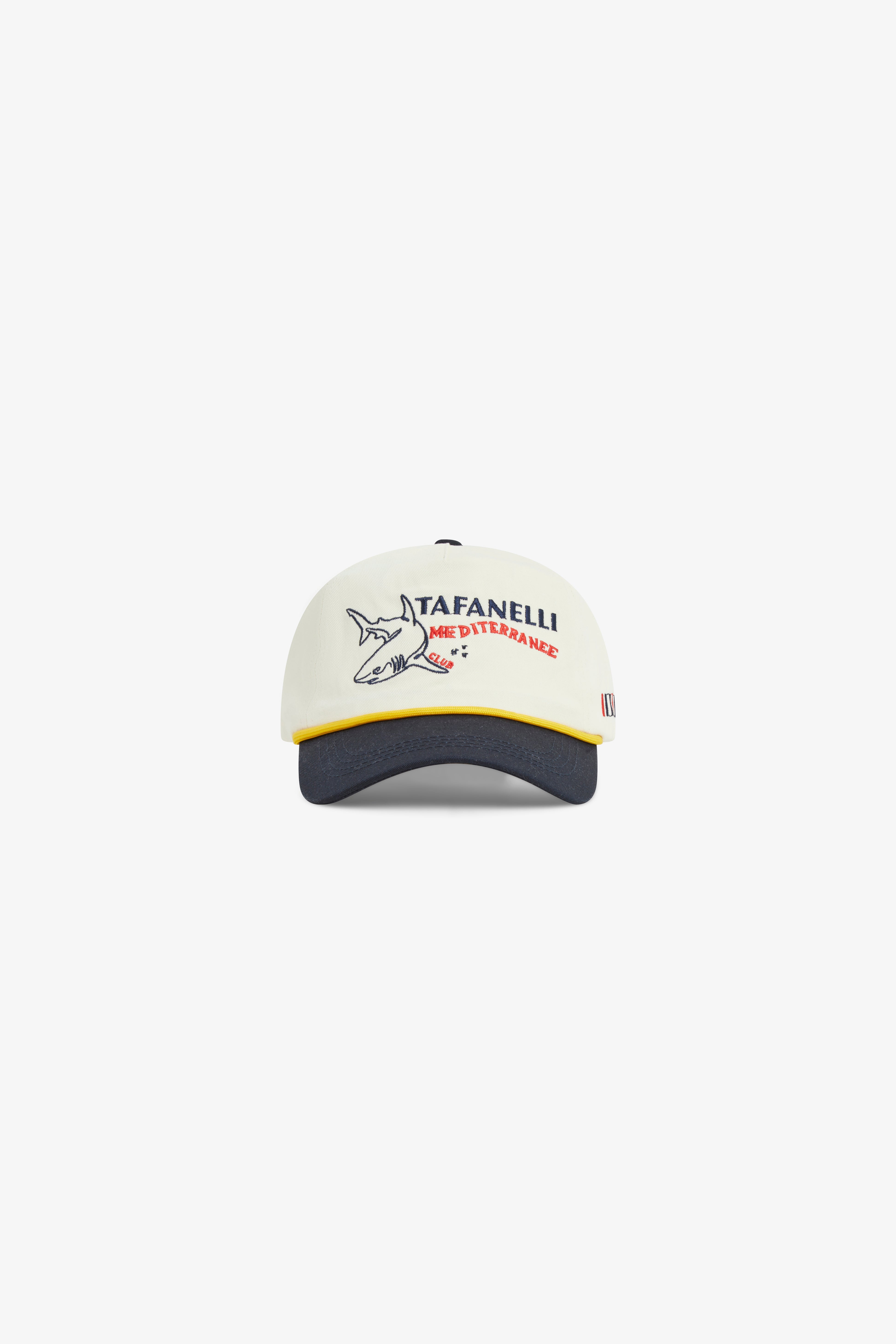
- The TAFANELLI cap: sober and proud, as it should be.
To continue the journey through the history of Corsica:
- Pasquale Paoli, father of the Corsican nation
- Napoleon in Corsica, 10 places to discover
- The Moor's Head, history of the Corsican flag
- Corte, historical capital of Corsica
- The Corsican maquis: nature, symbolism, resistance
Visiting Corsica, the customer becomes a friend.
A DOPU,
TAFA