Pigna, the artisan village of Balagne: a complete guide to a resurrected jewel
Perched on a hill facing the sea, with its stone houses and blue shutters clustered tightly together, Pigna is one of the most beautiful villages in Balagne. But it is much more than a postcard: it is the village that almost died and, through the determination of a handful of artisans and musicians, became the beating heart of the Corsican cultural renaissance. Here is the story of Pigna, the island's capital of artistic craftsmanship.
A village suspended above the sea
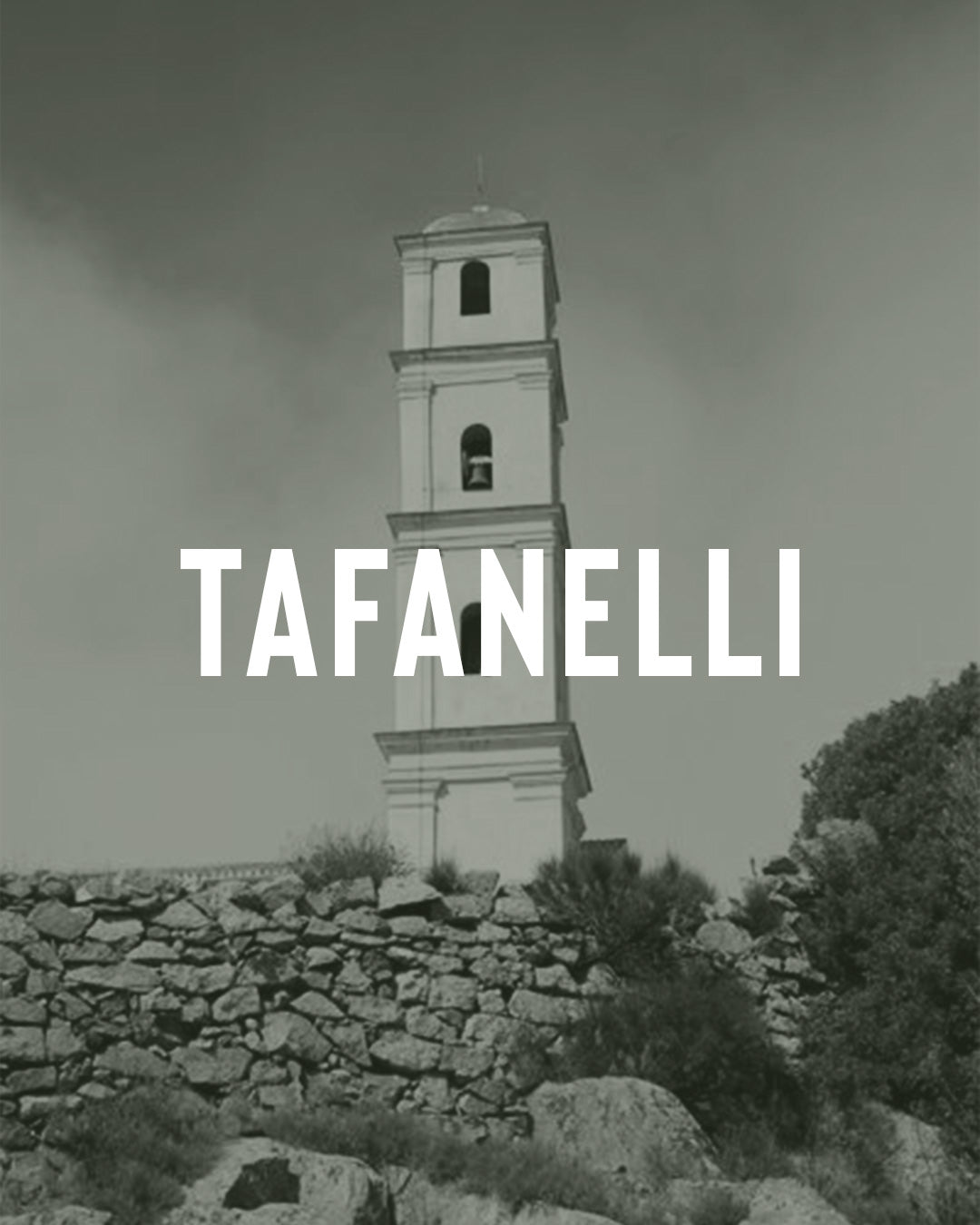
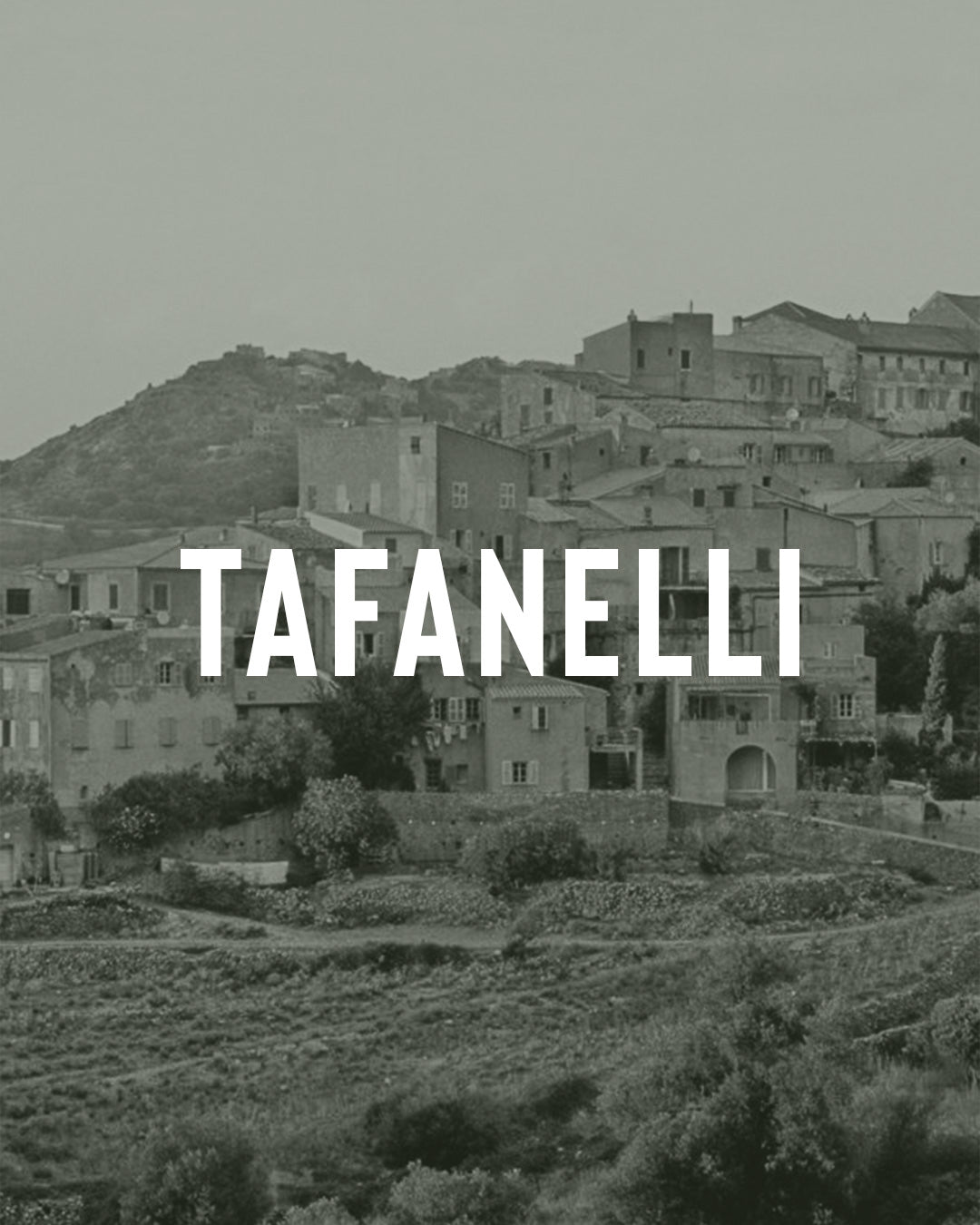
A few kilometers from L'Île-Rousse, in the Balagne hinterland, Pigna appears like a mirage: a round, compact village with cobblestone alleys and stone-colored houses accented with blue shutters, standing tall on its hill with the Mediterranean as a backdrop.
Here, there are no cars in the old center, no garish signs. You walk up, lose yourself in a maze of staircases and vaulted passageways, and at every turn, an open door offers a glimpse of a workshop, a potter's kiln, or a luthier at work. Pigna is a living village-museum, where you don't just visit displays, but artisans in the process of creating.
Pigna is not visited like a monument; it is traversed like a giant open-air workshop. The hum of a potter's wheel, a note from a cetera drifting from a window, the scent of worked wood: here, beauty isn't exhibited, it is crafted right before your eyes.
The renaissance of an abandoned village
The story of Pigna is a miracle. Like so many villages in the Corsican interior, it emptied out in the 20th century: rural exodus, young people leaving for the mainland, boarded-up houses, deserted alleys. In the 1960s and 70s, Pigna was a village on borrowed time, threatened with ruin.
It owes its resurrection to a movement led by enthusiasts—artists, artisans, and defenders of Corsican culture—determined to revive the village through craftsmanship and creation. The figure of Toni Casalonga, artist and founder, is inseparable from this adventure. Restoring houses, setting up workshops, attracting artisans, and turning Pigna into a laboratory of island culture: the gamble, deemed crazy at the time, was a success.
This renaissance of Pigna is part of a larger movement, the Riacquistu—the "reappropriation" of Corsican identity in the 1970s: its language, its music, and its know-how. Pigna has become one of its most concrete and luminous symbols.
The village of master artisans
Today, Pigna lives to the rhythm of its workshops. The village holds a rare concentration of master artisans, each perpetuating a specific craft:
- Luthiers: Pigna is renowned for crafting traditional Corsican instruments—the cetera (sixteen-stringed cittern), as well as guitars and wind instruments.
- Music box makers: one of the village's signatures, these boxes playing Corsican tunes have become emblematic of Pigna.
- Potters and ceramicists: terracotta, earthenware, pieces shaped and fired on-site.
- Glassblowers, engravers, painters, knifemakers: the range of artistic trades is vast.
- Producers: olive oil, jams, local Balagne products.
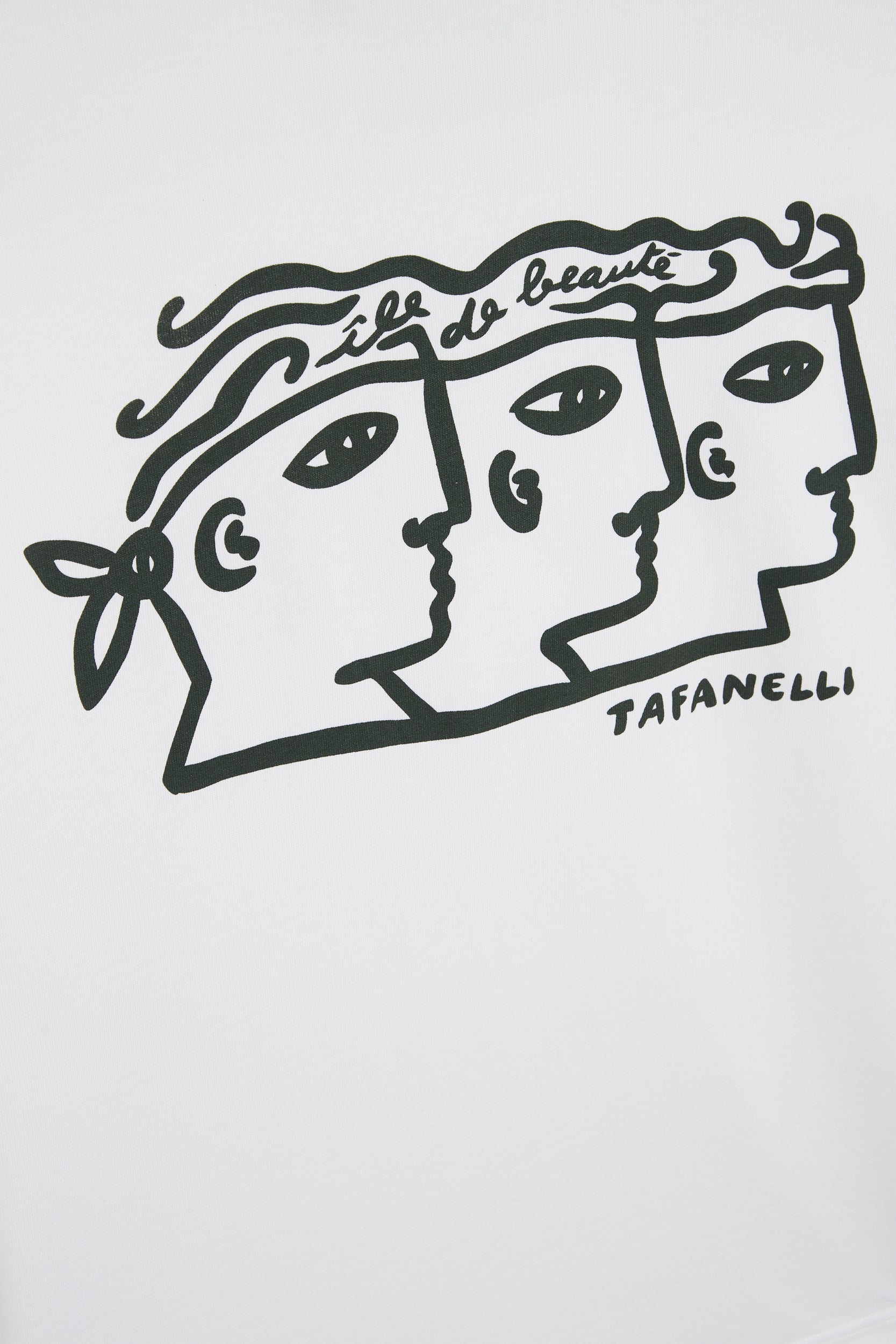
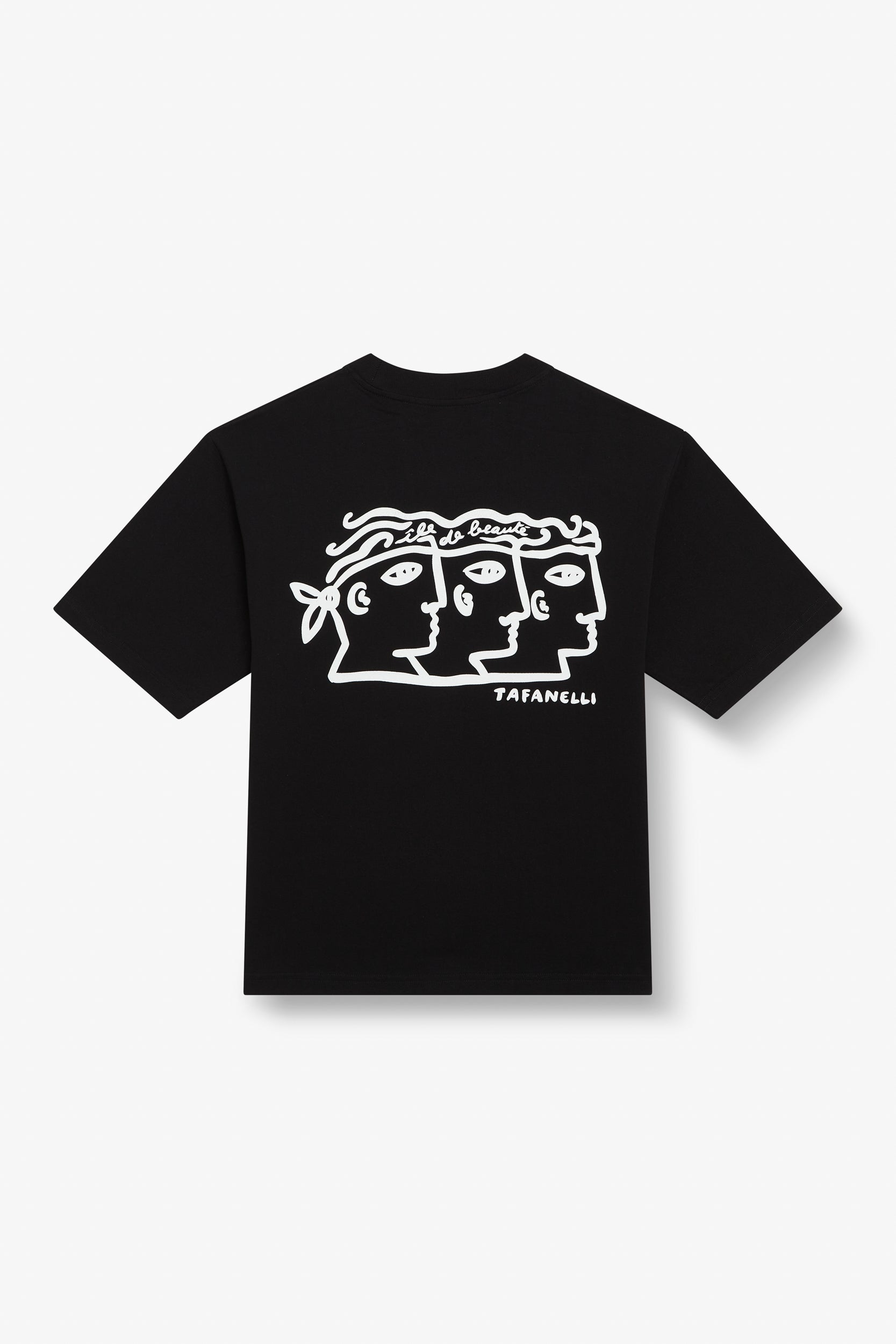
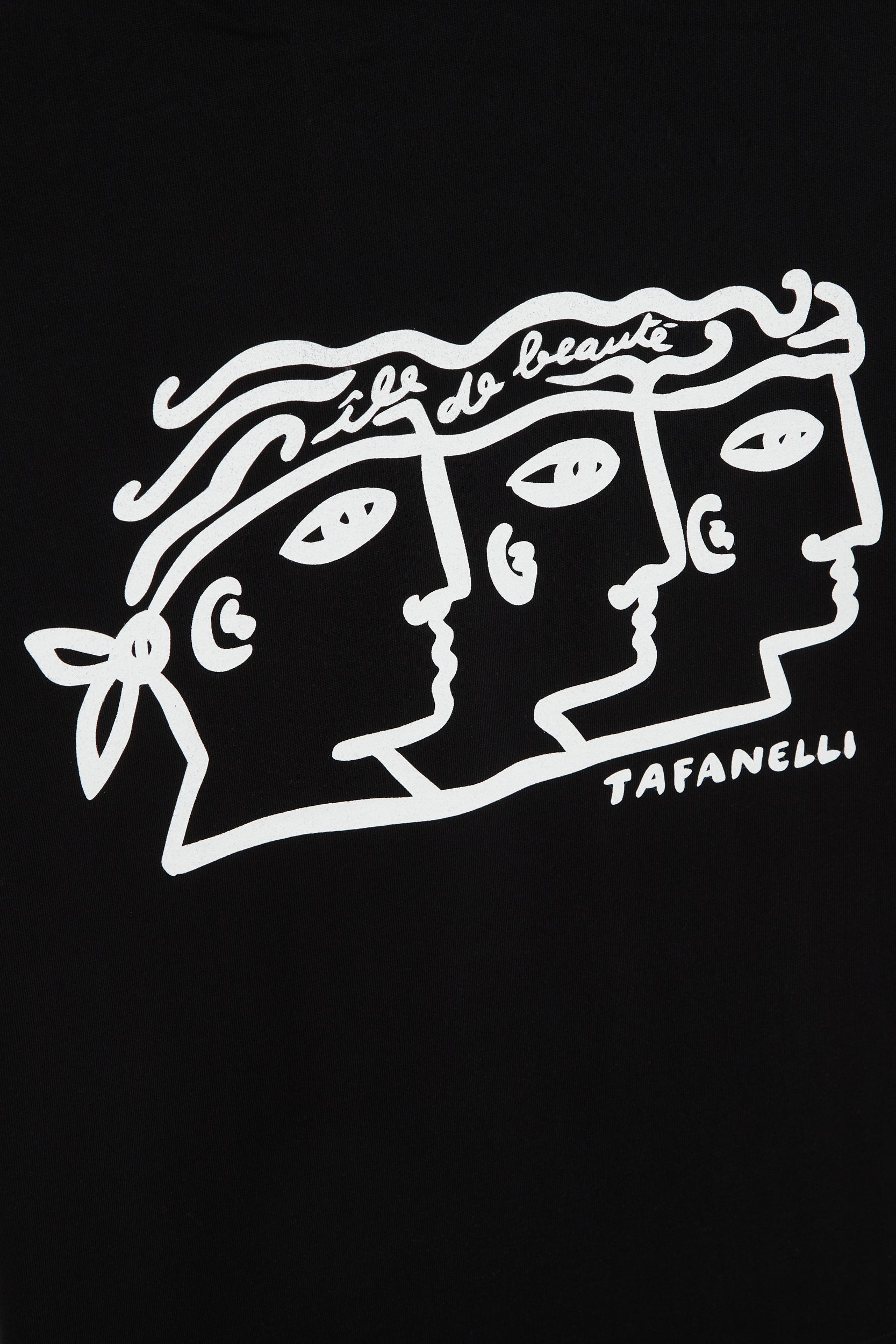
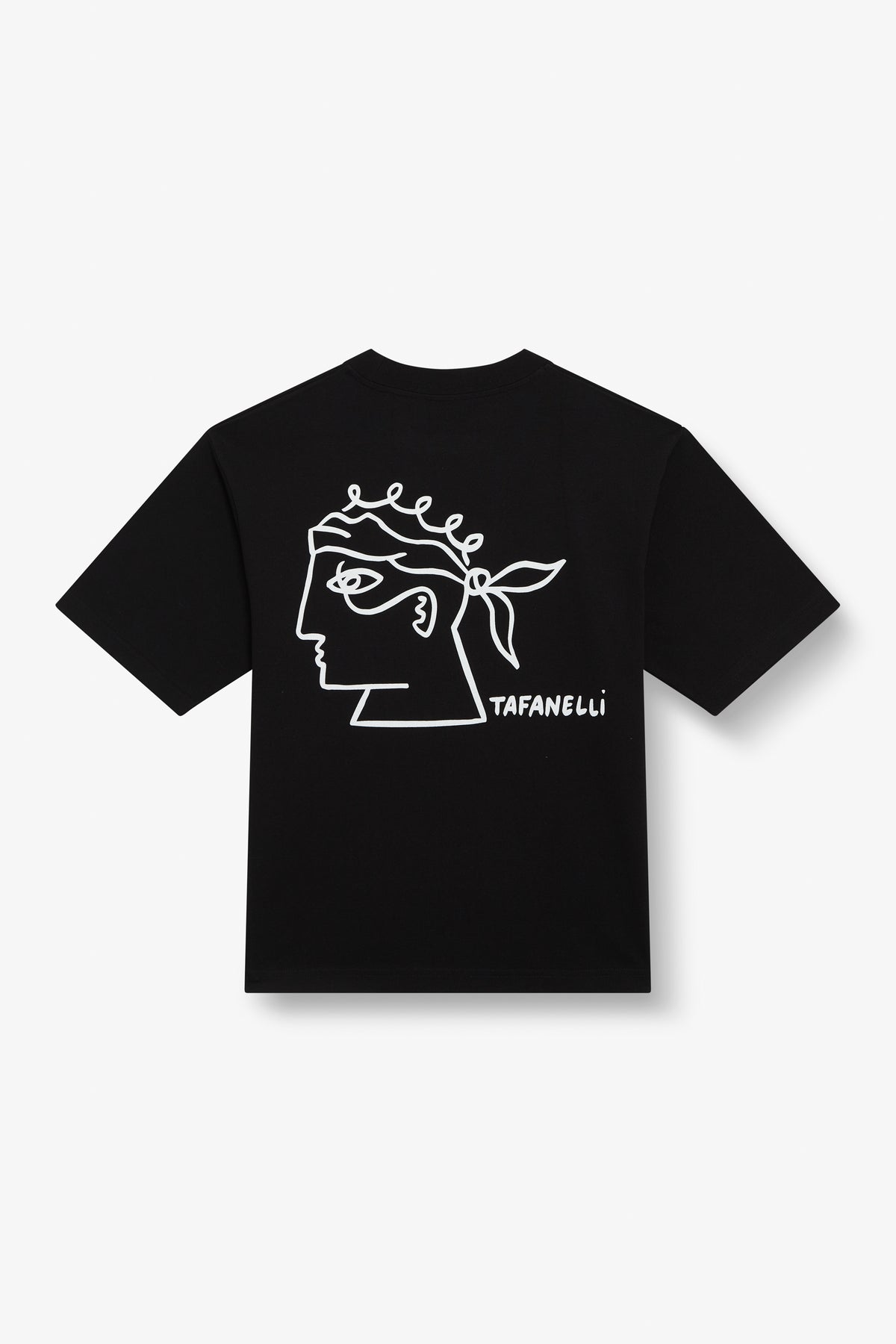
This appreciation for patient, well-executed, transmitted work is a deeply Corsican value—the same one that guides our hand-screen printing at TAFANELLI. In Pigna, you realize that a handmade object is priceless: it has a soul.
Pigna, cradle of Corsican music
If Pigna radiates, it is also and above all due to its music. The village is one of the high places for the revival of Corsican singing and polyphonies.
The Casa Musicale and the Auditorium
Pigna is home to an Auditorium dedicated to traditional music and the famous Casa Musicale, which serves as a concert venue, restaurant, and hotel where the voices of Corsican singers resonate. It is here that major projects from the island's scene have matured, and where the art of a cappella singing and ancient instruments are passed down from generation to generation.
Festivoce
Every summer, the Festivoce festival, supported by the E Voce di u Cumune association, turns Pigna into a hub for voice and performing arts, attracting artists and audiences to a unique setting. A moment when the entire village becomes a stage.
Strolling through Pigna
The true joy of Pigna is walking around without a specific destination. A few must-sees:
- Cobblestone alleys and vaulted passages: the maze of the village is enchanting at every step.
- Artisan workshops: push open the doors, chat with the creators, and leave with a unique piece.
- The Church of the Immaculate Conception: in the heart of the village, with its organ and atmosphere.
- The viewpoint: from the heights, the view plunges over the Balagne and the sea, all the way to L'Île-Rousse.
- Sunsets: Pigna, oriented to the west, offers end-of-days with rare light.
Around Pigna: the Balagne of artisans
Pigna is not isolated: it is the flagship of a territory, the Balagne, nicknamed the "garden of Corsica," and the leading link of the Strada di l'Artigiani, the artisan road that connects the perched villages of the hinterland.
Nearby, you can extend your walk to other magnificent villages: Corbara and its convent, Sant'Antonino, classified among the most beautiful villages in France, Speloncato, or even Cateri—where our friends at Chez Léon and Hotel U San Dume will welcome you. A constellation of stone villages, nestled between olive groves and vineyards, to be discovered in our complete guide to Balagne.
Practical tips
- Where: about 8 km from L'Île-Rousse and 25 km from Calvi, in Balagne.
- Parking: park at the entrance to the village, which is explored on foot (wear comfortable shoes for the cobblestones and stairs).
- When to visit: in spring and autumn for the mildness and quiet; in summer for the liveliness of the workshops and concerts. Choose late afternoon for the light and the sunset.
- How much time: half a day to stroll and meet the artisans, more if you stay for a concert or dinner at the Casa Musicale.
- What to take home: a music box, a ceramic, a piece of artisan work—the most beautiful souvenir of Corsica there is.
Pigna and the artisan spirit of TAFANELLI
Pigna is our village of the heart in the deepest sense. Because it embodies everything we stand for: handmade quality, the rejection of the uniform and disposable, and the conviction that an object crafted with patience is worth a thousand industrial products. The village that chose to survive through beauty and skill is the best standard-bearer for our approach.
At TAFANELLI as in Pigna, each piece is conceived as an artisan object:
- The "Corsica 1755" t-shirt: island pride, hand-screen printed.
- The La Trinità t-shirt: mare, muntagna, machja, the soul of the country.
- The TAFANELLI bandana: the accessory for strolling through perched villages.
- The TAFANELLI cap: sober, proud, made to last.
To continue exploring the Corsica of craftsmanship and culture:
- Balagne, complete guide
- Hand-screen printing: our manifesto
- The paghjella, UNESCO-listed Corsican polyphony
- L'Île-Rousse, complete guide
- Mare, Muntagna, Machja: the Corsican landscape trinity
While passing through Corsica, the customer becomes a friend.
A DOPU,
TAFA