The Relief of the Governors in Bastia: when the city relives its Genoese golden age
Every summer, a night like no other transforms the heart of Bastia. Under the arches of the palace and in the alleys of the citadel, time travels back five centuries: this is A Notte di a Memoria, the Relief of the Governors. In 2026, the 39th edition once again drew a record crowd, who came to relive the ritual that made Bastia the capital of Genoese Corsica. The story of a tradition that keeps memory alive.
What is A Notte di a Memoria?
A Notte di a Memoria — “The Night of Memory” — is Bastia’s major historical reenactment. In Corsican, it is called U Cambiu di Bastia, the “changeover.” For one summer evening, the city reenacts the Relief of the Governors: the official ceremony through which, under the Republic of Genoa, a governor would step down to make way for his successor.
One hundred and fifty extras in costume, flag-throwers, crossbowmen from Florence, guests from Italy: a solemn procession descends from the citadel to the Old Port, plunging the old town into the atmosphere of its greatest Genoese hours. It is at once a living spectacle, an act of remembrance, and one of the finest heritage events of the Corsican summer.
Some cities tell their history in museums. Bastia, however, reenacts it in its streets, one night a year, life-size. This is not nostalgia: it is a proud way of saying where one comes from.
The relief of the governors: a Genoese ritual
To understand the show, one must go back to the era when Corsica was administered by Genoa. Great Genoese families would appoint one of their own to become governor of Bastia. The title was prestigious: he was referred to as “governor of Genoa and king of Corsica,” and the position could serve as a stepping stone to becoming Doge, the head of the Republic.
A codified ceremony
The governor would take office for two years. At the end of his term, a “relief” (or changing of the guard) was organized, a precision-timed ceremony. The outgoing governor's procession would leave the Palace to head for the port. The ship would remain offshore, and a small felucca would bring the new governor, who was welcomed by the people before taking up residence in his new Bastia home.
A rediscovered text from 1671
The reenactment is based on an authentic source: a text from 1671 written by Angelo Francesco Luri, chancellor of the kingdom, and translated by Father André-Marie of the Franciscorsa association. These 80 pages describe the protocol of the Bastia relief in detail. It is this fidelity to the historical document that gives A Notte di a Memoria its strength and legitimacy.
Bastia, capital of Genoese Corsica
If Bastia holds this memory so dear, it is because it tells of its golden age. The city was founded by the Republic of Genoa in 1383, under governor Leonello Lomellini, around the bastiglia — the keep that gave the city its name.
For centuries, Bastia was the capital of Corsica, seat of Genoese power, a merchant port facing Italy, and a city of palaces and Baroque churches. The Genoese governors were responsible for many buildings; Governor Spinola is actually buried in Saint-Charles church. This Genoese imprint can be found everywhere in Corsica, from the Genoese towers of the coastline to the architecture of its old towns.
Reenacting the Relief is, for Bastia, a way of “remembering the moment it was at its most prosperous,” in the words of the organizing association. A way to reconnect with its origins and recall what was, for a long time, the city’s primary role in island history — a role that is also reflected in Corte, capital of independent Corsica two centuries later.
The show: from the citadel to the Old Port
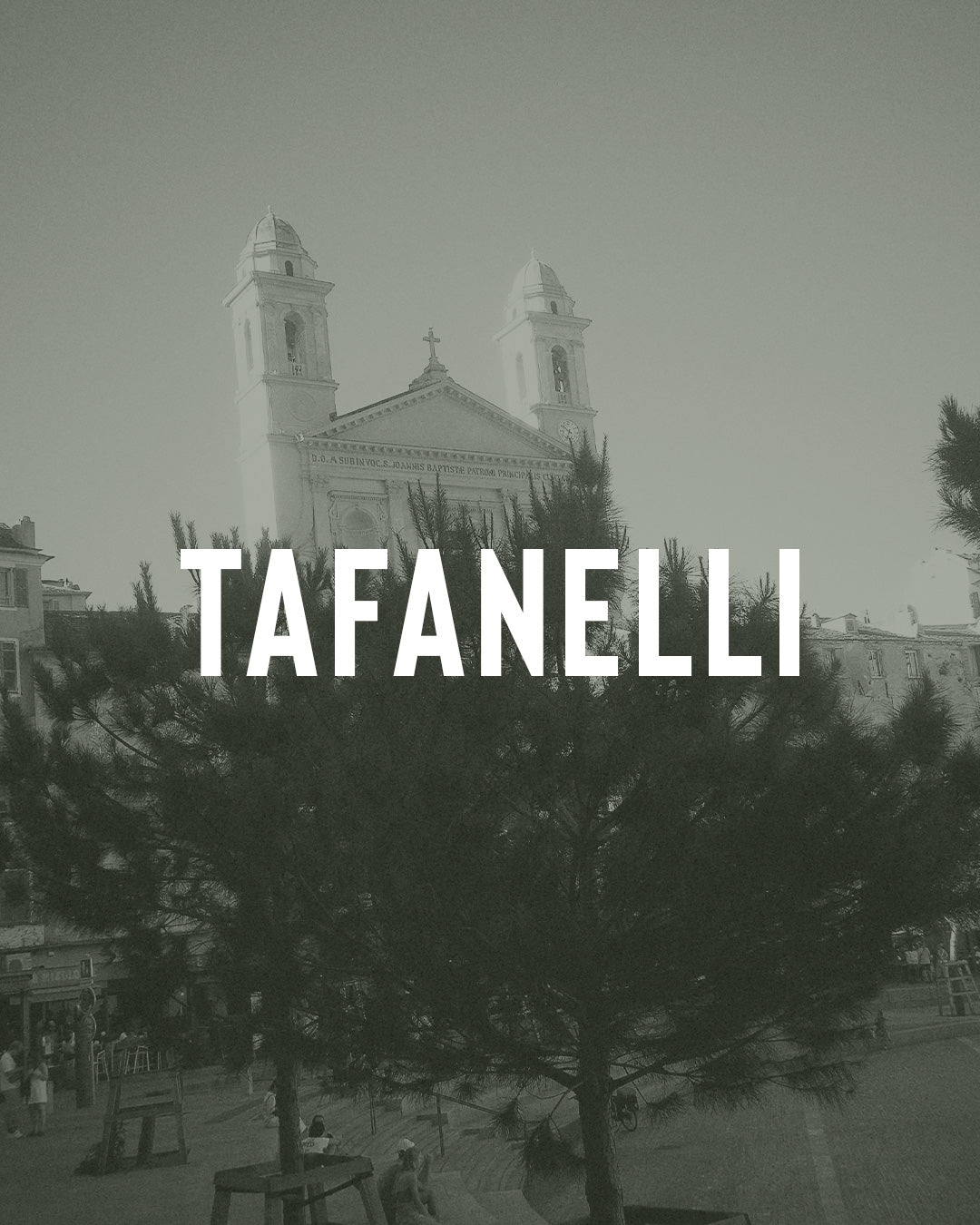
When evening comes, the magic begins. The procession sets out from the citadel (Terra Nova), passes the Place du Donjon and the Governors’ Palace (now a museum), then descends towards the Old Port and its Conca Marina.
- 150 extras in period costumes: governors, nobles, merchants, ladies, guards, and clergy.
- Flag-throwers and crossbowmen from Italy, notably Florence, recalling Corsica’s ties with the Italian world.
- The descent to the port, where the arrival of the new governor and the departure of the old one are played out.
- A return to the Place du Donjon, which concludes the ceremony.
On the now-pedestrianized Old Port, the illusion is striking: one really gets close to what Bastia might have been like in the days of the Genoese governors. A natural backdrop that the city didn't need to rebuild — it just needed to be brought back to life.
An adventure born in 1988
The Relief of the Governors is not a recent invention. Since 1988, it has been spearheaded by the Comité des Fêtes et de l'Animation du Patrimoine, and its creator, Jean-Baptiste Raffalli, then deputy mayor for heritage.
The idea was born when Bastia was celebrating the 600th anniversary of its founding. A book published for the occasion mentioned this relief which took place every two years: the theme for the future show was found. In nearly forty years, the committee has grown, created its own costumes, and forged ties with other regions in France and Italy.
Above all, the association has turned this event into a true tourism and heritage product. According to the organizers, the Relief has contributed to major projects for the city: earning the City of Art and History label, the renovation of the Bastia Museum, and the restoration of the citadel’s drawbridge. Proof that a project of remembrance can transform a city.
2026: a record crowd
For its 39th edition, in July 2026, A Notte di a Memoria gathered a record crowd in the historic center. Year after year, the event attracts thousands of spectators — locals attached to their history, Corsicans from across the island, and visitors discovering this living heritage.
This growing success says something important: the public’s appetite for authentic, embodied, and transmitted culture. In an era of standardized entertainment, a city that faithfully reenacts its history draws a full house. Proof that memory, when carried with high standards and passion, is far from a dusty museum — it brings people together.
A record crowd for a 16th-century historical reenactment in 2026: that should give one pause. People don't want where they come from to be erased. They want it told to them, with pride and with beauty.
Attending the Relief: practical tips
- When: every summer, usually at the end of July, in the evening (the show starts around 9 p.m., when it’s cooler).
- Where: the route connects the citadel (Terra Nova) and the Place du Donjon to the Old Port. Position yourself along the procession or at the Old Port for the final scene.
- Arrive early: attendance is high, and the best spots go quickly. Plan to arrive in advance.
- Enjoy it: combine it with a visit to the citadel, the Bastia Museum (in the former Governors’ Palace), and an evening at the Old Port.
- Extend the experience: Bastia is full of other summer events, such as San Ghjuvà and the Saint John's fires.
To organize your visit around the event, check out our complete guide to the 15 must-do things in Bastia.
Genoese Bastia and the TAFANELLI spirit
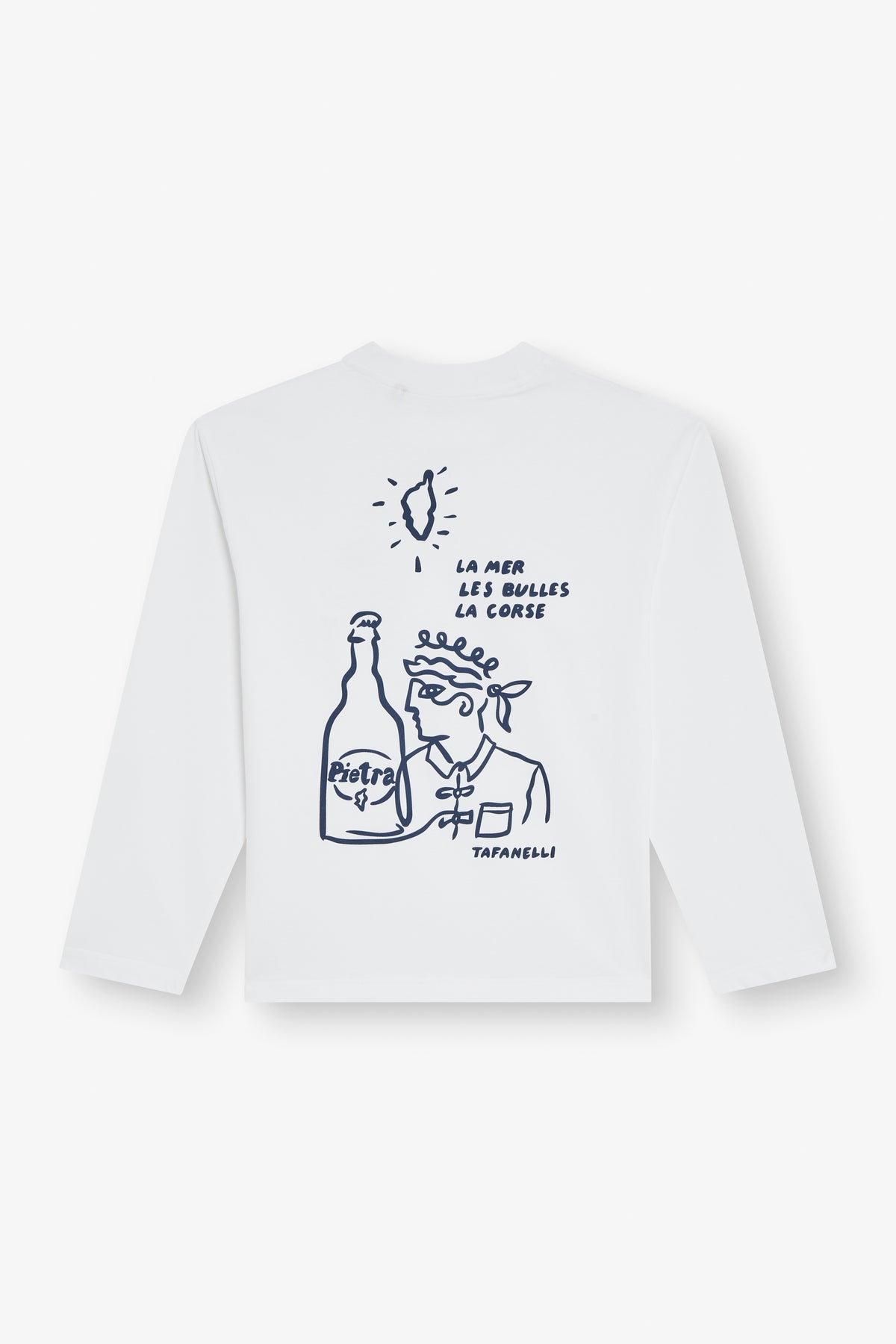
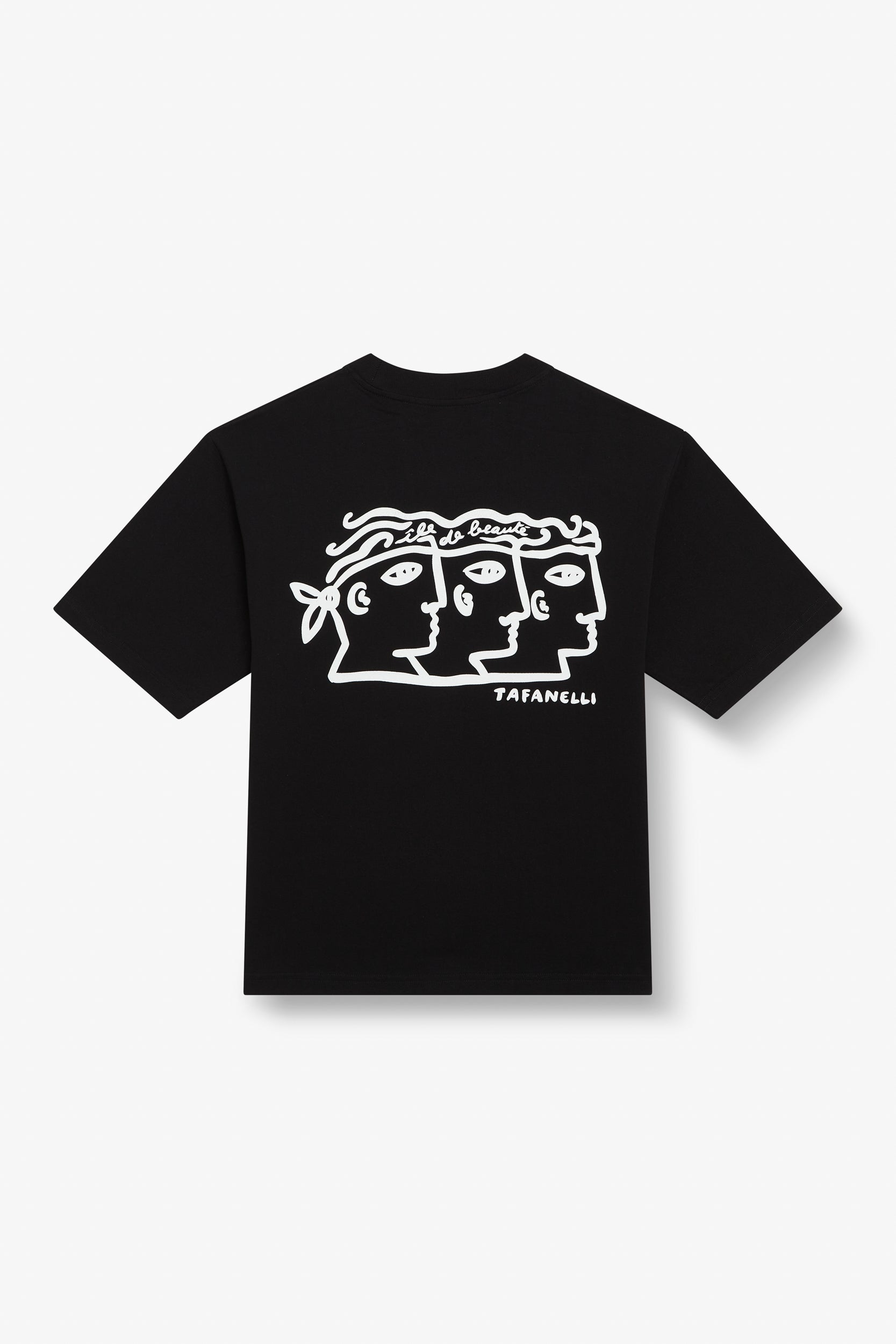
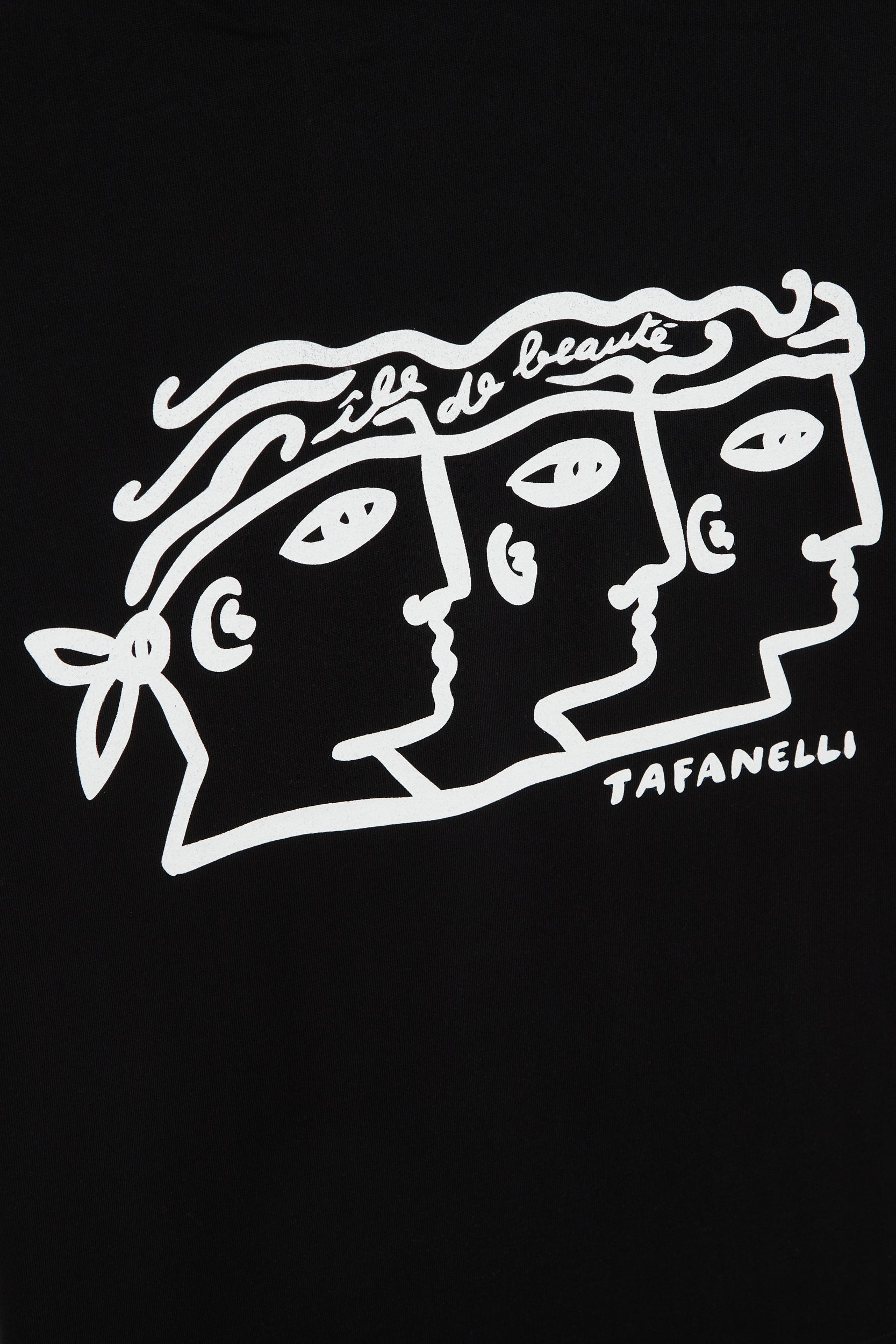
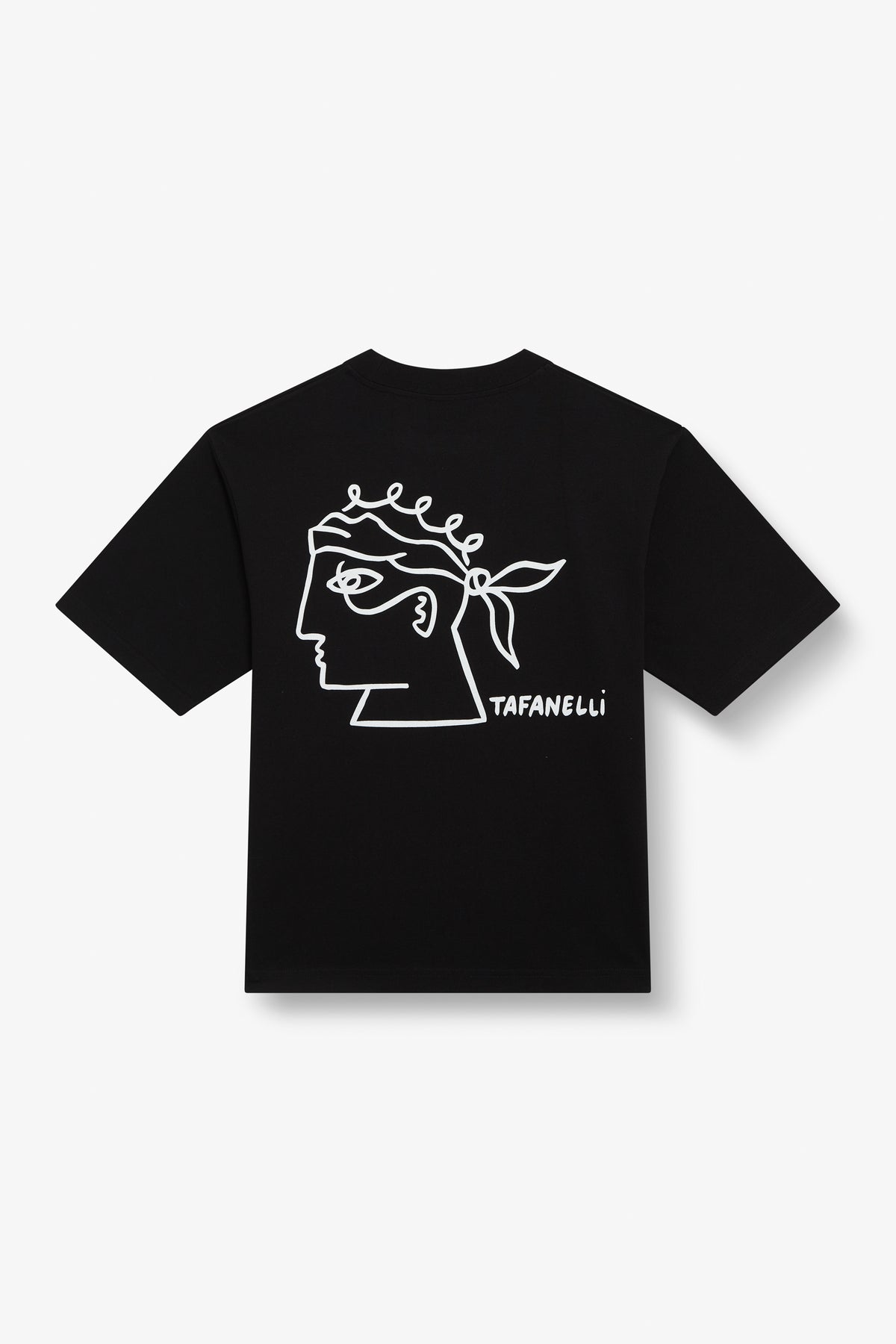
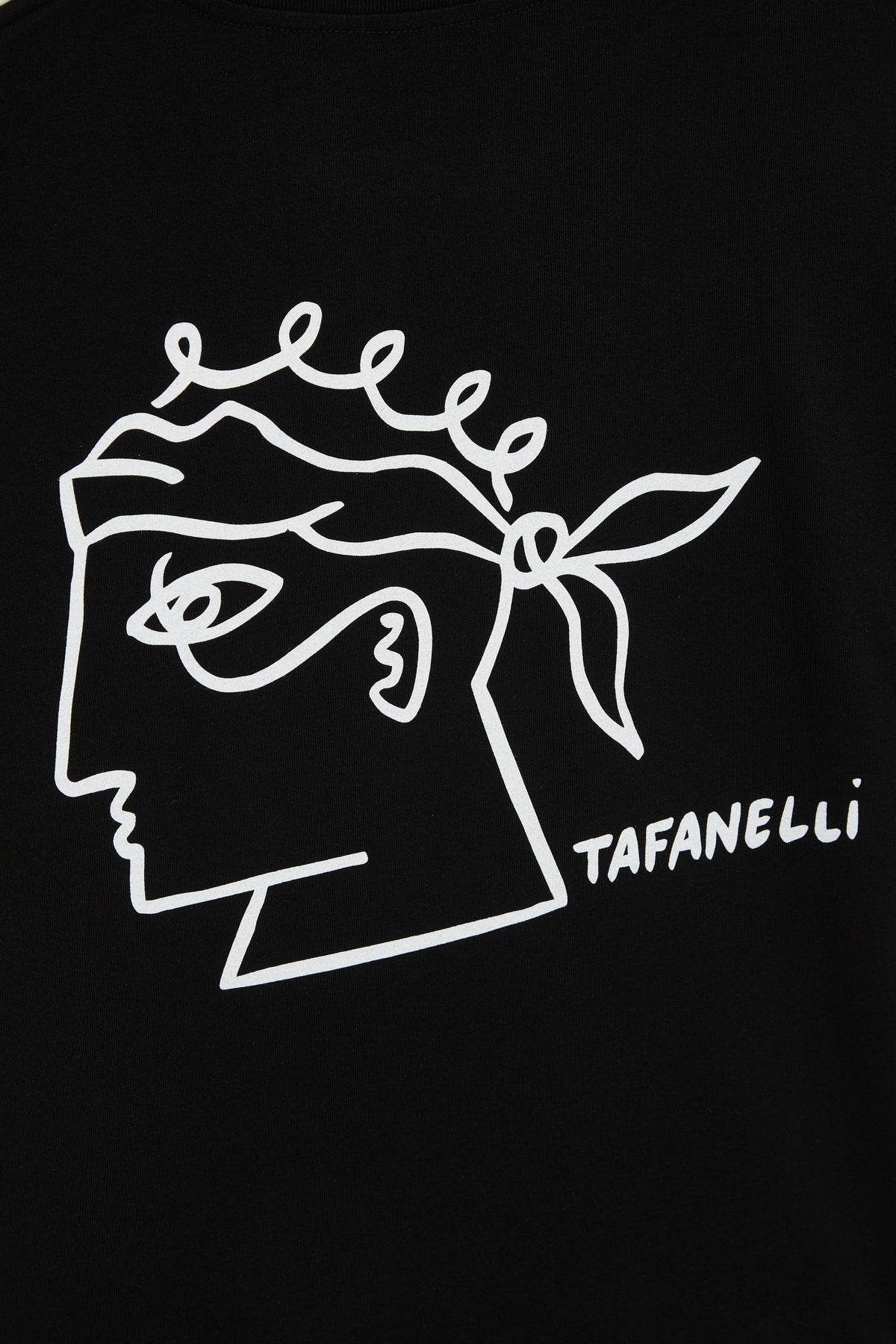
At TAFANELLI, the Relief of the Governors speaks to us intimately. Because it is the story of an island pride that refuses to forget, of a city that embraces its past and transmits it with panache. This is exactly our approach: drawing from Corsican memory — Genoese, maritime, mountainous — to create pieces that tell a story of identity, not just simple t-shirts.
We wear this Corsican heritage every day:
- The “Corsica 1755” t-shirt: the year Corsica established its own institutions, a nod to this long history of power and freedom.
- The La Trinità t-shirt: sea, mountains, maquis, the soul of the country.
- The TAFANELLI bandana: the perfect accessory for strolling through the old town's alleys.
- The TAFANELLI cap: understated and proud, for summer evenings at the Old Port.
To continue exploring the island's history and heritage:
- Things to do in Bastia: 15 must-sees
- The 10 most beautiful Genoese towers in Corsica
- Corte, historical capital of Corsica
- The Moor's Head, history of the Corsican flag
- Napoleon in Corsica, 10 places to discover
When passing through Corsica, the customer becomes a friend.
A DOPU,
TAFA