Genoese bridges of Corsica: a complete guide to a forgotten heritage
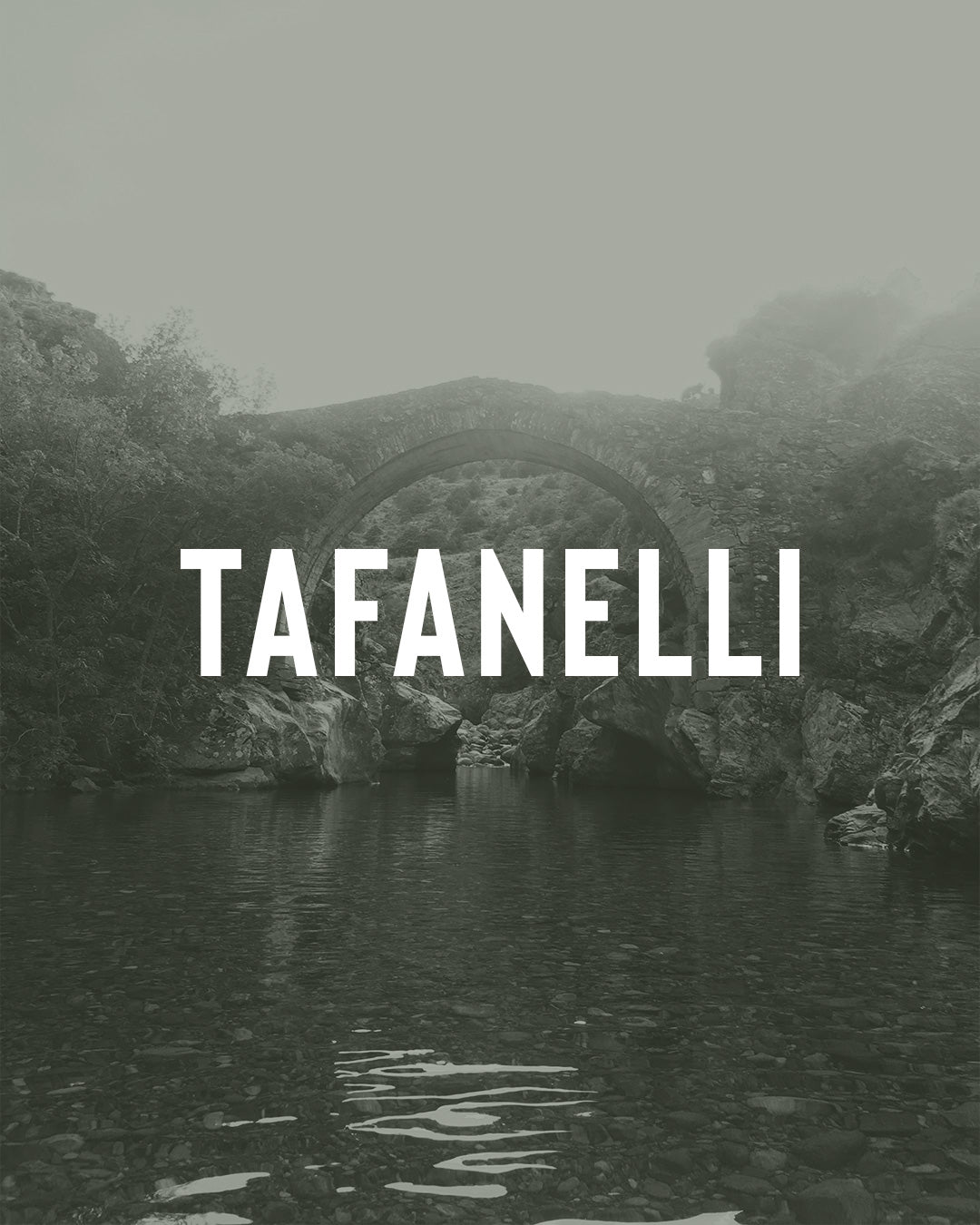
We are familiar with the Genoese towers that watch over the coastline. We often forget their cousins in the interior: the Genoese bridges (ponti genuvesi), those elegant stone arches that span the torrents at the bottom of the valleys. With their perfect donkey-back shape and stone patinated by the centuries, they are the most poetic remnants of Corsica's mule-trekking past. Here is the history of this little-known heritage and the most beautiful ones to discover.
What is a Genoese bridge?
A Genoese bridge is a stone donkey-back bridge, usually with a single arch, built to cross the numerous torrents and rivers of Corsica. They are called "Genoese" because many were built or rebuilt during the long period when Genoa administered the island (from the 14th to the 18th century), even if some are older or more recent.
Built from local stone — granite in the south and west, schist in Cap Corse and the northeast — they span watercourses in a single graceful leap, often without parapets, and just wide enough to let a man and his loaded mule pass through. They are simple, functional structures, yet of striking beauty.
A Genoese bridge is stone flying over water. No cement, no frills: just the stonemason's skill and the logic of the arch, standing for centuries. Beauty through necessity.
Why these bridges changed Corsica
To understand their importance, one must imagine the Corsica of the past: a mountain in the sea, cut off by dozens of impetuous torrents that, during the snowmelt or thunderstorms, became impassable. Without bridges, villages remained isolated, trade stopped, and men drowned while attempting to cross the fords.
The Genoese bridges wove the first major transport network of the island, connecting the perched villages, valleys, and plains via the famous mule tracks. They allowed the passage of mule caravans carrying wine, oil, chestnuts, salt, and people. Modest in appearance, they were an essential engine of Corsican life for centuries.
The art of the donkey-back
The characteristic silhouette of the Genoese bridge — that steep slope rising then falling, in a donkey-back shape — is not an aesthetic whim. It responds to a constructive logic: a single high arch allows for a wide span, lets violent floods pass beneath the deck, and limits the number of fragile piers in the riverbed.
- The semicircular or pointed arch: the heart of the structure, calculated to distribute loads.
- The narrow, sloping deck: paved with stones, often slippery, designed for mule hooves, not wheels.
- The frequent absence of a parapet: guardrails were rarely added, which accentuates their stripped-down elegance.
- Landscape integration: built from local stone, they seem to have grown there, between the rocks and the clear water.
Spin'a Cavallu, the most famous
If you only remember one, it should be this one: the Ponte Vecchju of Spin'a Cavallu, which spans the Rizzanese not far from Sartène, in the south of the island. Its name, "horse's back," says everything about its perfect curve.
Considered one of the oldest and most beautiful bridges in Corsica, with its large single arch reflected in the green waters of the river, it is classified as a historical monument. It is the very image of the ideal Genoese bridge, a masterpiece of balance and sobriety that fascinates photographers and heritage lovers alike.
The bridges of the Spelunca
In the west, between Ota and Evisa, the Spelunca Gorges house some of the most spectacular Genoese bridges on the island, linked by a magnificent paved hiking trail, the old mule track.
You can admire the Zaglia bridge, nestled at the bottom of the gorges above crystalline waters, and the old bridge of Ota (Ponte Vecchju), with its double arch, at the confluence of the torrents. Walking from one bridge to the other, in this landscape of red granite and translucent pools, not far from the great mountain trails, is one of the most beautiful heritage walks in Corsica.
Other gems across the island
There are dozens of Genoese bridges scattered throughout every region. Among the most remarkable:
- The Altiani bridge, on the Tavignano, in the center of the island.
- The Muricciolu bridge, in the Niolu, crossing the headwaters of the Golo.
- The Tragone bridge and the bridges of the Vénachese, at the foot of the mountains.
- The bridges of the Restonica and the Asco, in the high valleys.
- The countless small bridges of the Castagniccia, hidden under the chestnut trees.
Each has its own history, its own torrent, its own village. Spotting them and reaching them is a wonderful way to traverse Corsica from the inside, far from the beaches, and encounter the discreet genius of the builders of old.
A heritage to preserve
These bridges have survived the centuries, but they remain fragile. Floods, the abandonment of mule tracks, and time threaten some of them. Fortunately, many have been restored and protected, sometimes classified as historical monuments, thanks to the action of municipalities, associations, and the State.
Discovering them also means contributing to their memory. By visiting them with respect — without damaging them, staying on the paths, and taking your waste with you — everyone helps keep this unique heritage alive. For a Genoese bridge, like a Pisan chapel or a watchtower, tells an essential chapter of Corsican history.
Genoese bridges and the TAFANELLI spirit
A Genoese bridge is an artisan's object: stone cut by hand, designed to last for centuries, beautiful because it is right. It is hard to find anything closer to our philosophy. At TAFANELLI, we believe in this same principle: the meticulous gesture, the noble material, the useful becoming the beautiful. In spirit, these bridges are somewhat our ancestors.
Clothing for those who love authentic Corsica and its heritage:
- The "Corsica 1755" t-shirt: island pride, hand-screen printed.
- The La Trinità t-shirt: sea, mountains, scrubland—the soul of the country.
- The TAFANELLI bandana: the companion for heritage hikes.
- The TAFANELLI cap: sober and proud, for trails in the interior.
To continue exploring Corsica's heritage:
- The 10 most beautiful Genoese towers in Corsica
- The 10 most beautiful Pisan chapels in Corsica
- The Restonica and the lakes of Corte
- Sartène, the most Corsican of towns
- The 10 most beautiful perched villages in Corsica
When passing through Corsica, the customer becomes a friend.
A DOPU,
TAFA