Why slowness is a value in craftsmanship
In a hurried world, slowness has become a luxury. In craftsmanship, it remains a necessity. At Tafanelli, every garment is born from this unhurried time: the time that allows the gesture to be precise, the material to breathe, and the garment to last.

Slowness as a promise of precision.
The time of the gesture
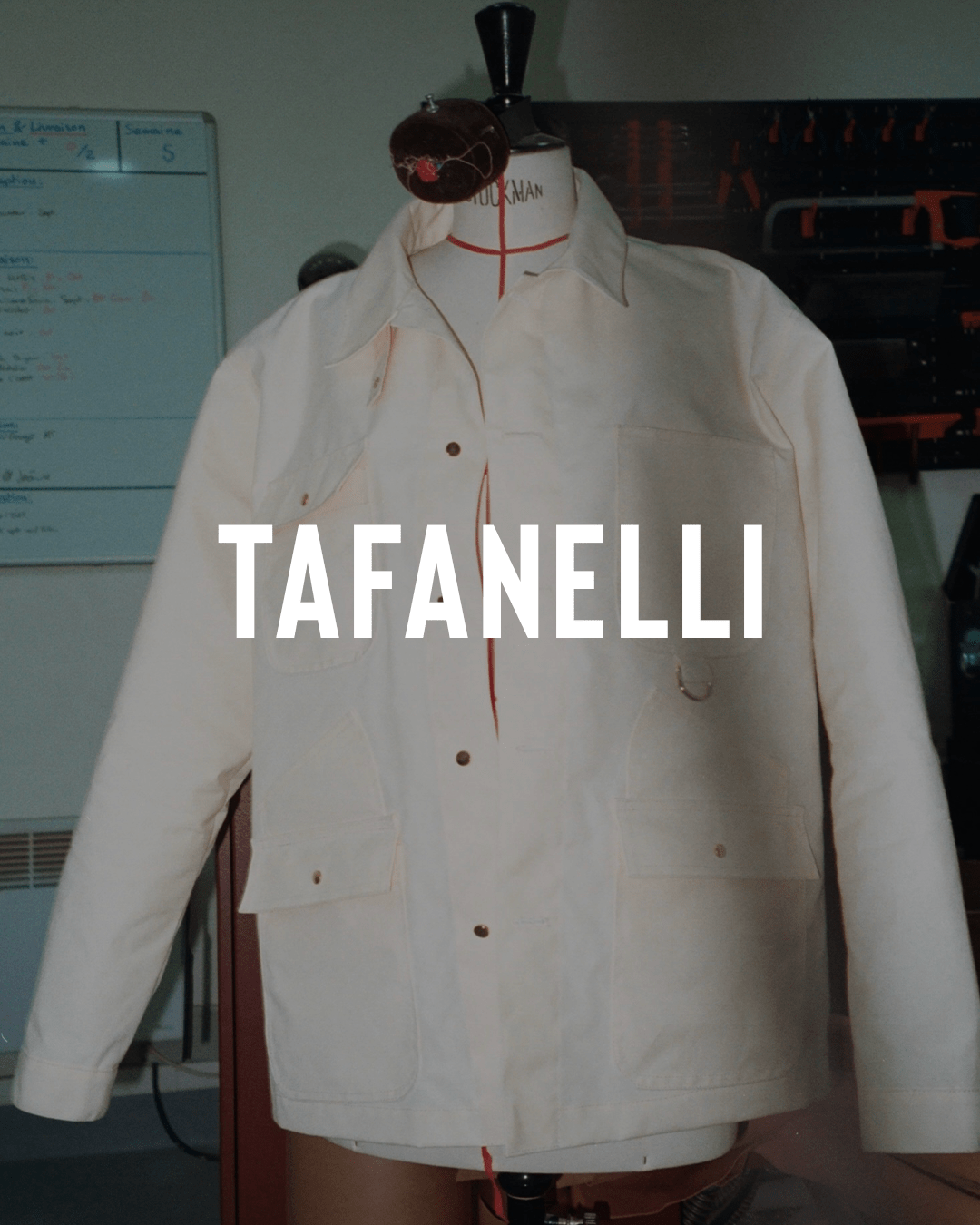
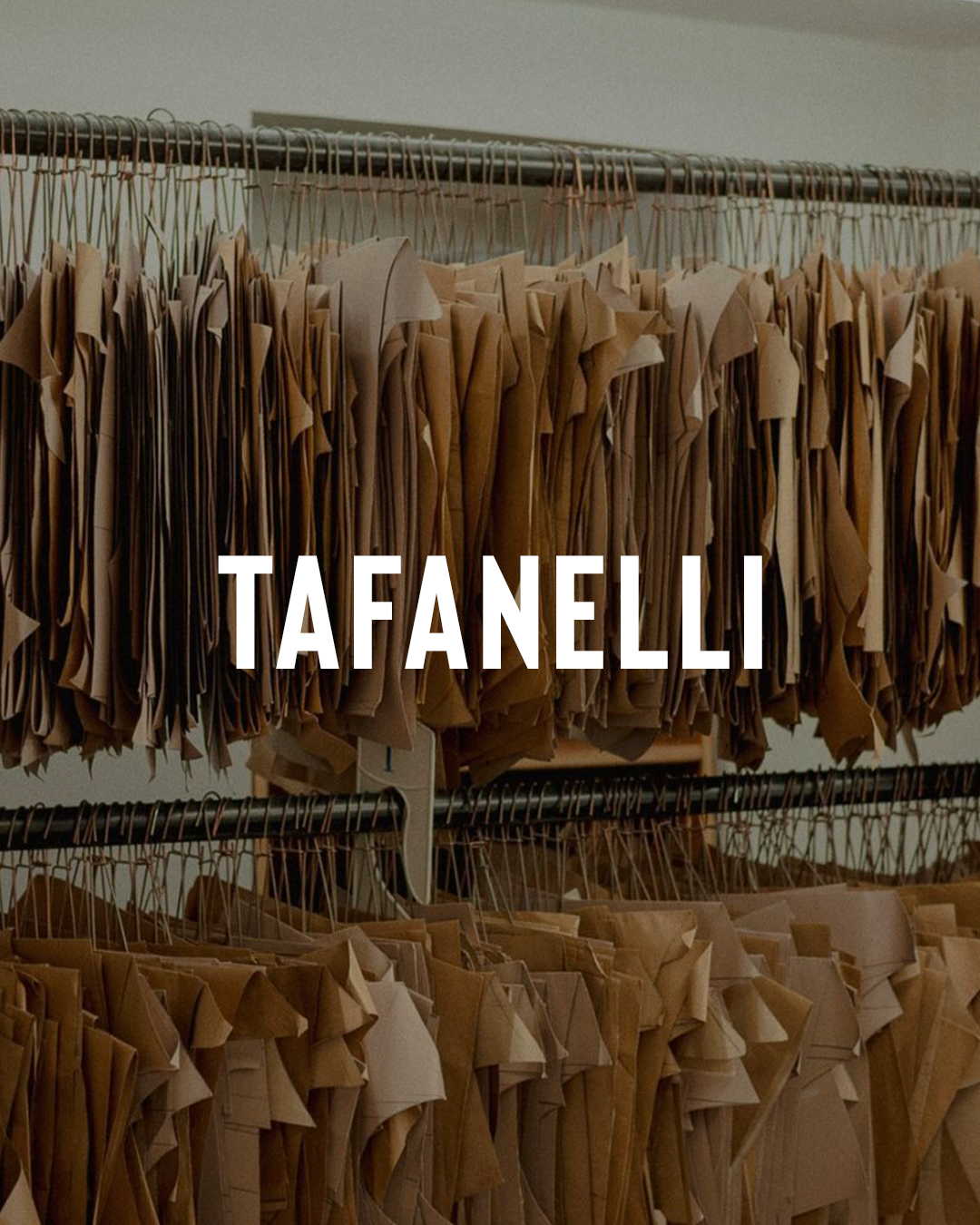
A well-made garment is measured not by the speed of its production, but by the precision of its gestures. In the Tafanelli workshops, every seam, every press, every fold is executed by hand, at a natural rhythm. This slowness is not nostalgia—it is a requirement. It ensures that the fabric is never strained, that the stitching follows the grain, and that the shape sets with balance.
The slow gesture is one that understands before it acts. It is the hallmark of true expertise.
The rhythm of the living
Material, like the sea, needs time. It relaxes, adapts, and transforms. Slowness allows for this conversation between the hand and the fabric. When an artisan sews without haste, they let the material exist. They respect it. The garment, then, does not fight against time—it learns to live with it.
At Tafanelli, slowness is what connects the artisan to nature: the shifting light in the workshop, the wind passing under the door, the rhythm of the day. Nothing is forced; everything is built.
Against the logic of output
In industry, time is a constraint. In craftsmanship, it is a resource. Here, slowness is not inefficiency: it is a guarantee of care. A garment made slowly is a garment checked, considered, and balanced. Every second spent adjusting a seam, pressing an edge, or checking a lining is a second gained against wear.
To produce quickly is to manufacture oblivion. To produce slowly is to manufacture memory.
Slowness as a moral imperative
Slowness is more than a rhythm: it is a stance. It is the refusal of compromise, of "that will do." It is the belief that every detail matters, even the one no one sees. In a workshop, a slowly fashioned garment carries this silent integrity. It does not seek to please; it seeks to be right.
At Tafanelli, we do not seek to produce faster. We seek to produce better. This slowness is our loyalty: to those who make, to those who wear, and to those who understand.
The beauty of time
A garment made slowly ages better. The stitching holds, the material breathes, the form softens. Time does not wear it out; it reveals it. That patina, that suppleness, that depth that canvas acquires over the years—it is the fruit of time well spent. The slow garment has a soul because it has had the time to receive one.
The luxury of silence
In our Corsican and French workshops, noise is rare. You hear the machines, but never haste. Slowness makes work more human. It leaves room for attention, for concentration, for the beauty of the simple gesture. That silence is the signature of craftsmanship: a form of peace within the movement.
And perhaps that is, at heart, the value of slowness: to rush nothing, to force nothing. Just to do, well, at one's own pace. Like the sea, the wind, the light—or the sewing.