

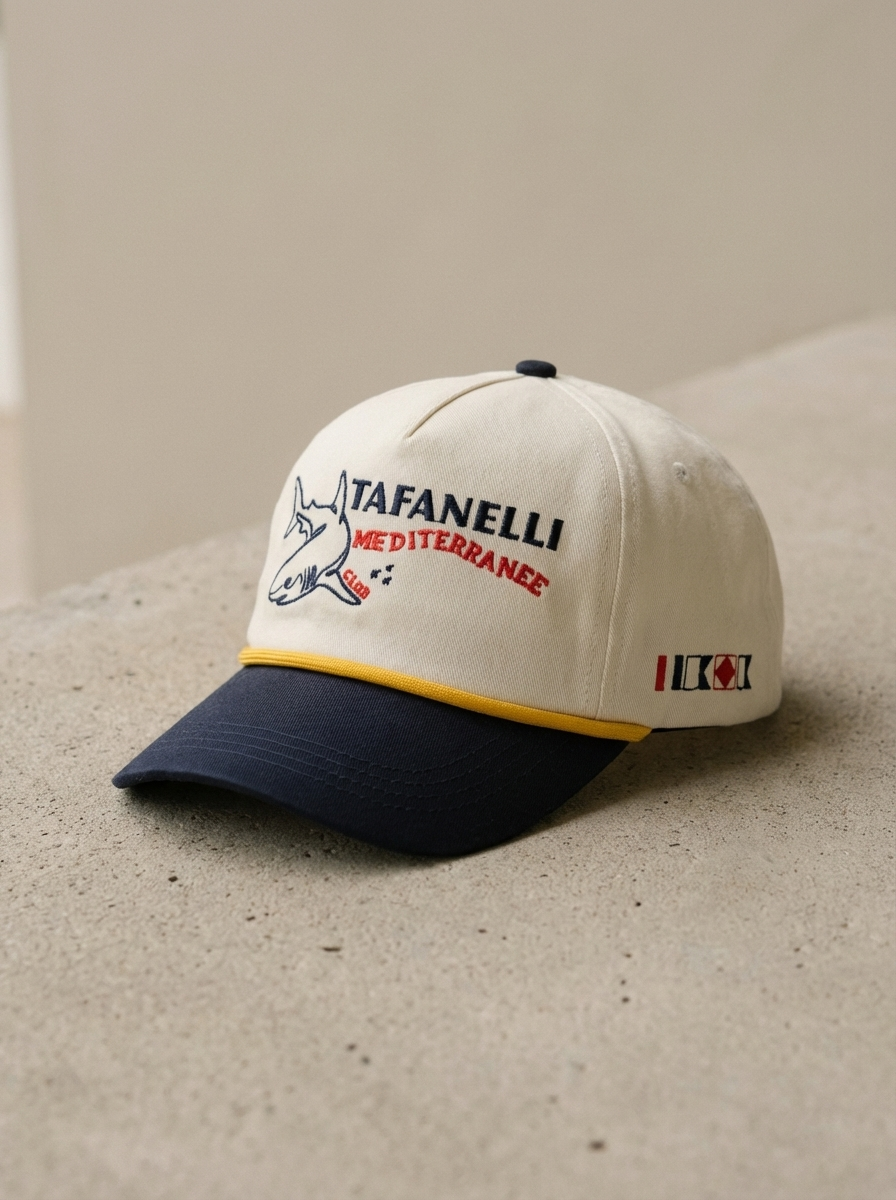
Why choosing the right cap changes everything
Many caps look similar. Same volume, same promise, same silhouette from a distance. The difference appears as soon as you actually wear them.
Some hold their shape naturally. Others sag. Some structure the face. Others flatten it. Some age well. Others lose their shape in a few weeks.
Choosing the right cap is not just a matter of style. It is choosing a piece that lasts, that accompanies you, and that remains right over time.
Understanding the main cap shapes
Not all caps fit the same way. Even before the material or the embroidery, the shape plays a decisive role.
The most balanced. Clean structure, slightly curved visor, stable hold. It is often the most versatile shape.
Softer, more relaxed. It can work, but requires true precision to avoid looking too limp.
Higher, more rigid, more pronounced. It gives a more assertive silhouette, but is less universal.
More technical, often flatter. It can be very beautiful, but remains more specific in its use.
For daily use, the baseball cap often remains the best base. It complements the face without forcing the look.
Structure makes a real difference
A quality cap keeps its line without becoming rigid. This is a point that is often underestimated.
A structure that is too soft lacks hold. A structure that is too hard becomes artificial. Between the two, there is a rarer balance: a cap that holds its shape naturally, without a cardboard effect.
This stability depends on the internal construction, the tension of the fabric, the assembly of the panels, and the general precision of the piece.
Material matters more than you think
The fabric immediately dictates the presence of the cap. Cotton that is too thin makes for a limp piece. Fabric that is too dry can become rigid or unpleasant.
A good material provides density, structure, and the ability to age well. It is what ensures that a cap keeps its shape, resists use better, and develops a patina without collapsing.
As with a t-shirt, the quality level is determined first by the material. If this topic interests you, you can also read how to recognize a quality t-shirt in 5 seconds.
Embroidery, finishes, details: what really shows
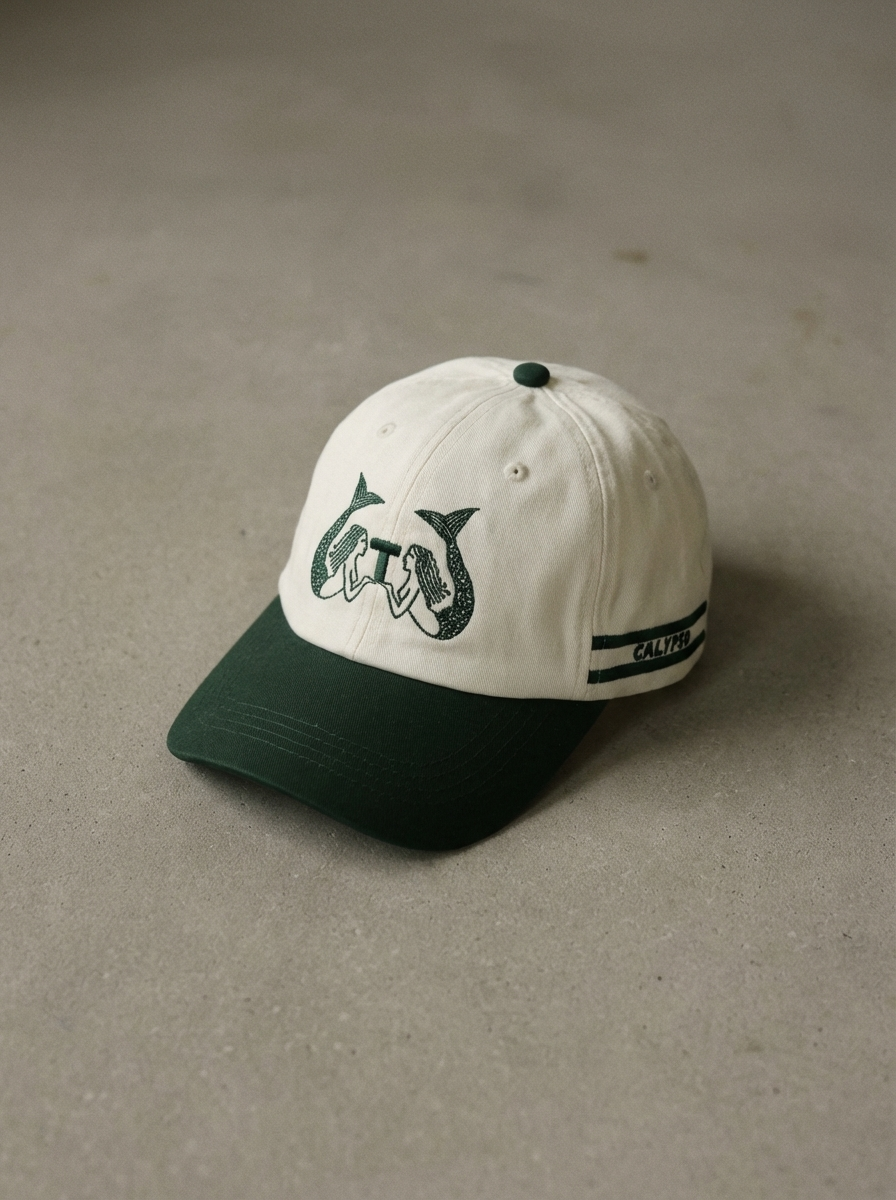
On a cap, details immediately catch the eye. Weak embroidery, irregular lines, a poorly finished visor, or unstable stitching are quickly noticed.
Dense, precise, and well-placed embroidery completely changes the perception of the product. It adds depth, sharpness, and, above all, an impression of durability.
Look closely at:
the density of the embroidery, the regularity of the stitching, the hold of the visor, the general balance of the shape, the precision of the contrasts, and the quality of the fastener.
These details often distinguish a thoughtful piece from a more standard product.
How a cap should fit
A good cap sits naturally on the head. It does not float. It is not too tight. It sits neither too high nor too low.
The right fit depends on several elements: depth, opening, the curve of the visor, and how the structure complements the face.
If you want to delve deeper into this, we also suggest reading how a cap should fit.
How to recognize a good cap
| Element | What to look for |
|---|---|
| Shape | Overall balance, depth, natural curve |
| Structure | Stable hold without excessive rigidity |
| Material | Density, feel, ability to age well |
| Embroidery | Precision, relief, regularity |
| Finishes | Visor, stitching, contrast, fastener |
A good cap is never defined by a single detail. It is the addition of several right choices that creates true quality.
Our vision
At Tafanelli, we believe that a cap must first and foremost be right in its construction. The shape must hold. The material must follow. The embroidery must last. Everything must remain legible, simple, and wearable.
A successful piece does not try to do too much. It finds the right balance between presence, utility, and longevity.
Some pieces only appear once.
Discover our models and our approach to the cap.
See the caps