Why face shape changes everything
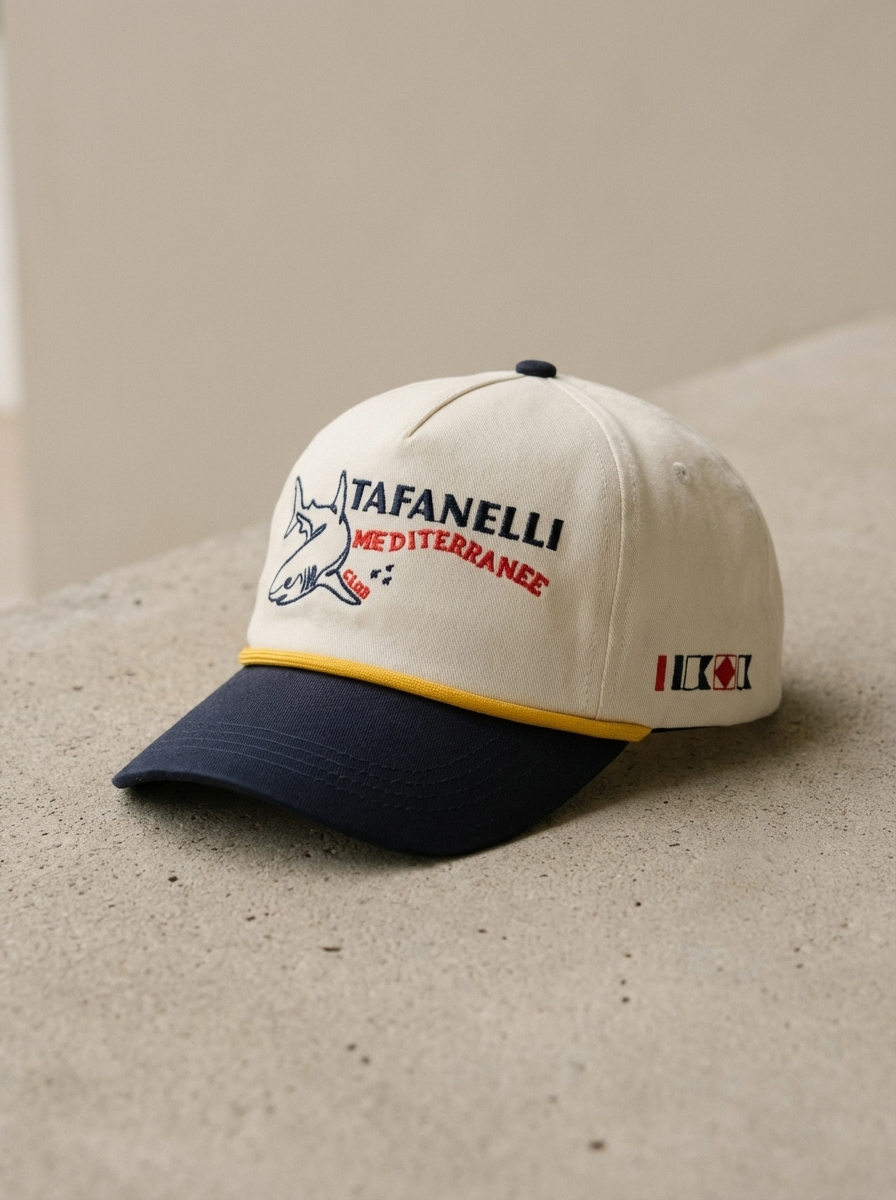
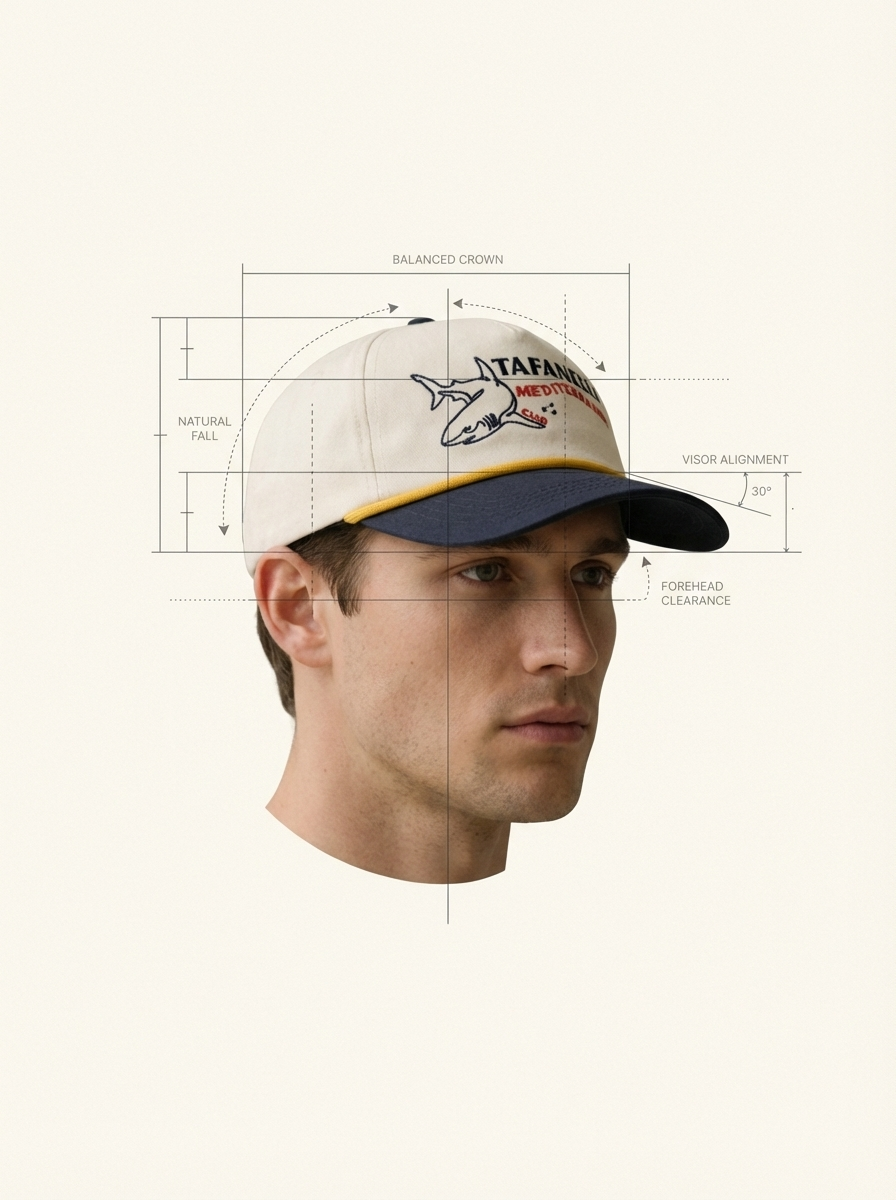
A cap acts as a frame. It influences the perception of the forehead, the width of the face, the height, and the overall silhouette.
The same model can therefore look perfect on one person and unbalanced on another. It is not just a matter of taste; it is a matter of proportions.
Choosing based on face shape helps avoid the most common mistakes: a visor that is too massive, a crown that is too high, a structure that is too soft, or a silhouette that is too stark.
Round face: creating structure
A round face is characterized by softer lines, a width close to the height, and fewer visible angles. The goal is not to break this softness, but to provide a sharper frame.
structured caps, a clean crown, a slightly curved visor, a clear line.
shapes that are too flexible, too low, or too soft, which accentuate the rounded effect.
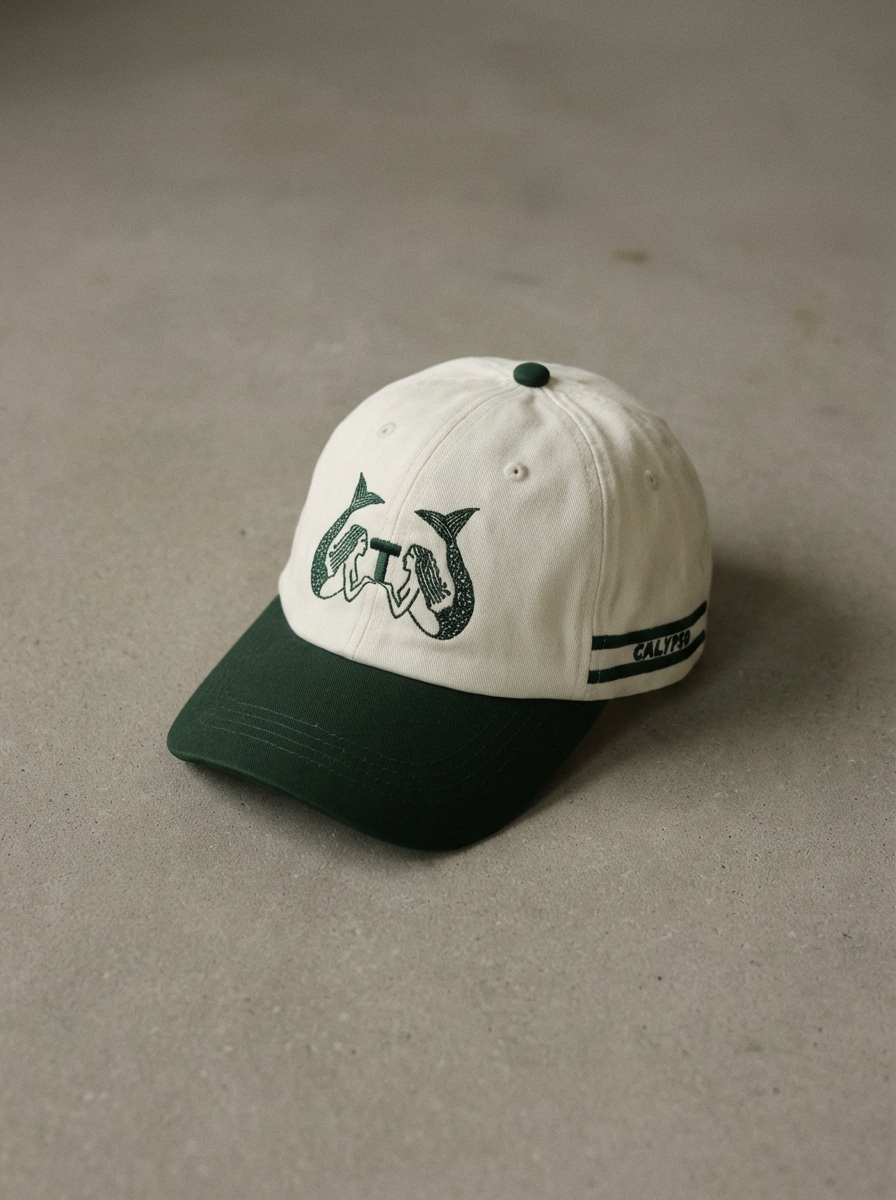
A well-constructed baseball cap often works very well. It brings verticality and hold without hardening the face.
Square face: softening the lines
A square face generally presents a more marked jawline, a fairly wide forehead, and more visible angles. Here, the cap should accompany these lines without over-accentuating them.
The right direction: curves, a slightly flexible visor, a less hard construction, a natural drape.
A cap that is too rigid or too high can make the whole look harder than it already is. Conversely, a slightly softer shape brings balance.
Elongated face: rebalancing
When the face is longer than it is wide, you should avoid adding more height. A cap that is too high or too narrow immediately accentuates this effect.
a lower crown, a balanced visor, a shape that spreads out slightly.
caps that are very high, too vertical, or too narrow.
The right model gives the face a sense of stability. It visually reduces the impression of length and creates a more balanced look.
Oval face: the most versatile
The oval face is often the one that accommodates the most different shapes. The proportions are already balanced, which allows for more freedom.
Here, the choice depends more on the desired style, the level of structure, the material, and the general quality of the piece.
In other words, the face is no longer the main constraint. The product itself becomes the deciding factor.
What matters beyond the face
Face shape provides a direction, but it is not enough. A well-chosen cap also depends on its material, its structure, its depth, and the precision of its details.
A good shape that is poorly constructed remains a bad cap. A proper structure, precise embroidery, and a dense fabric change everything.
To delve deeper into this, read also how to choose a cap.
The face provides the orientation. The quality of the product does the rest.
Summary table
| Face shape | What to favor | What to avoid |
|---|---|---|
| Round | Clean structure, balanced visor | Shapes that are too soft |
| Square | Softer lines, curves | Structures that are too rigid |
| Elongated | Low crown, horizontal balance | Caps that are too high |
| Oval | Great versatility | Few real limits |
This table does not replace trying it on, but it already avoids most poor choices.
Our vision
At Tafanelli, we believe a cap should find its place naturally. It should neither dominate the face nor disappear. It should integrate with precision.
The right piece balances. It frames without forcing. It lasts without losing its line.
Certain pieces are released only in limited quantities.
Discover Tafanelli models and their different constructions.
See the caps