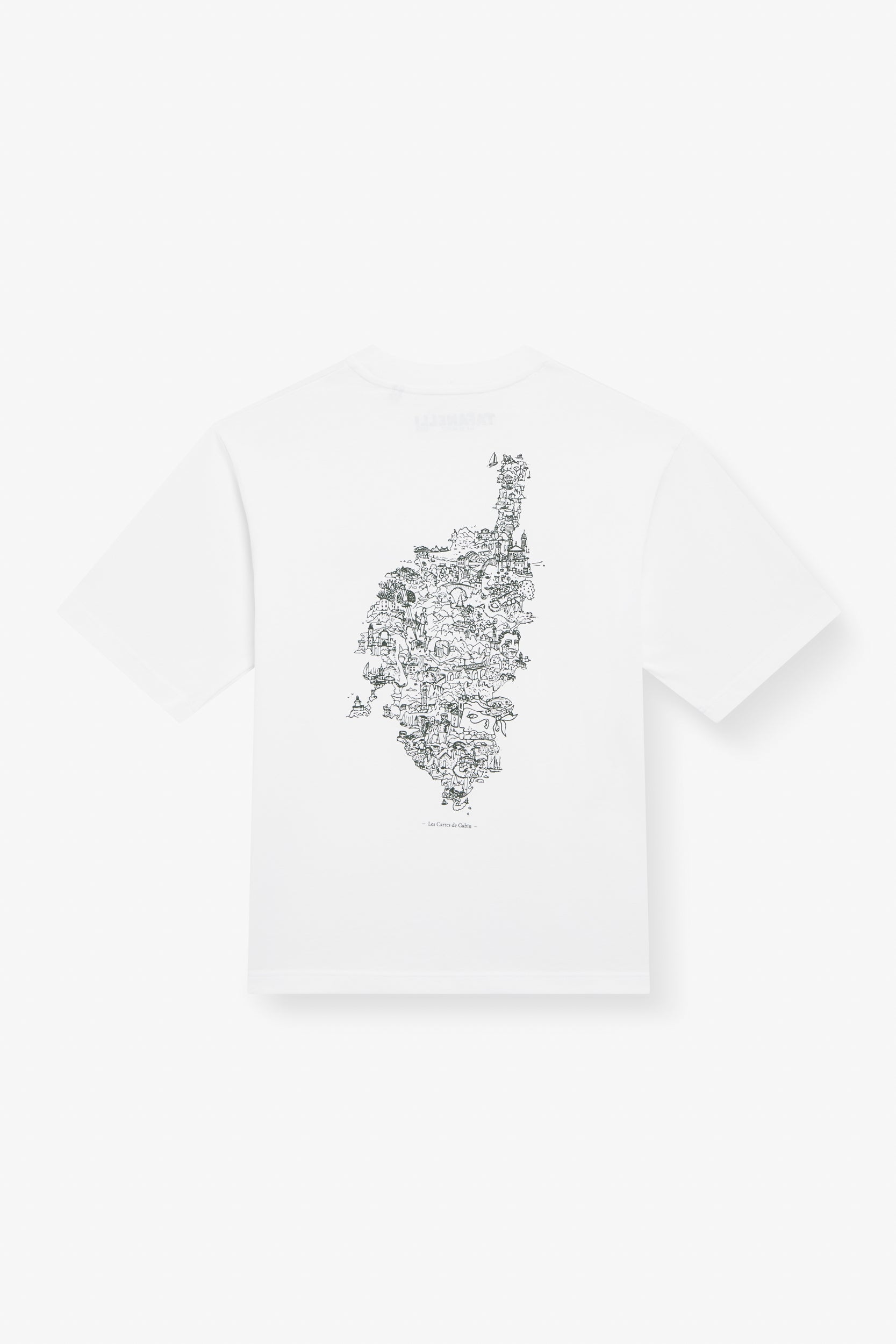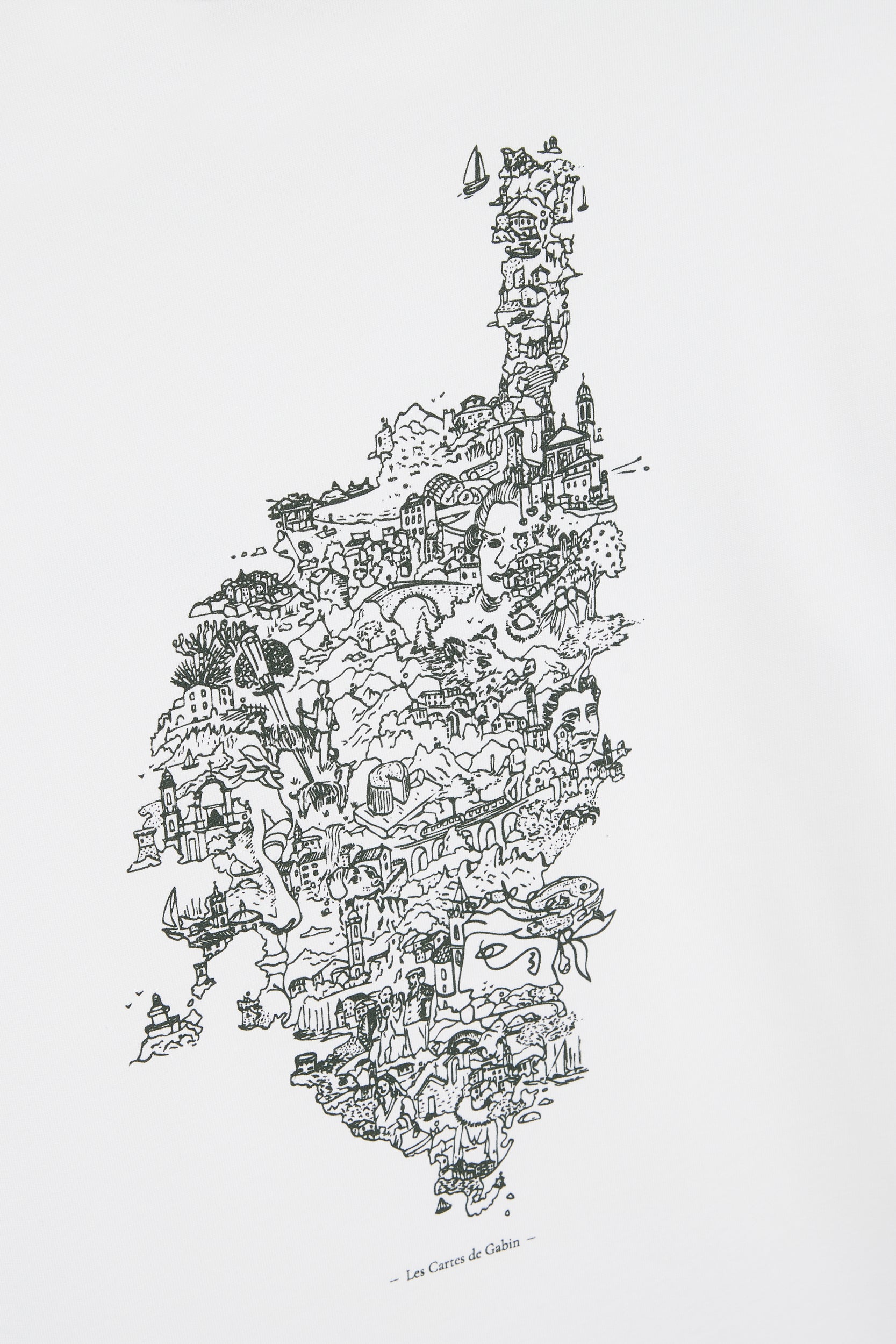
Corsica by van: itinerary, rules, and tips for a real road trip
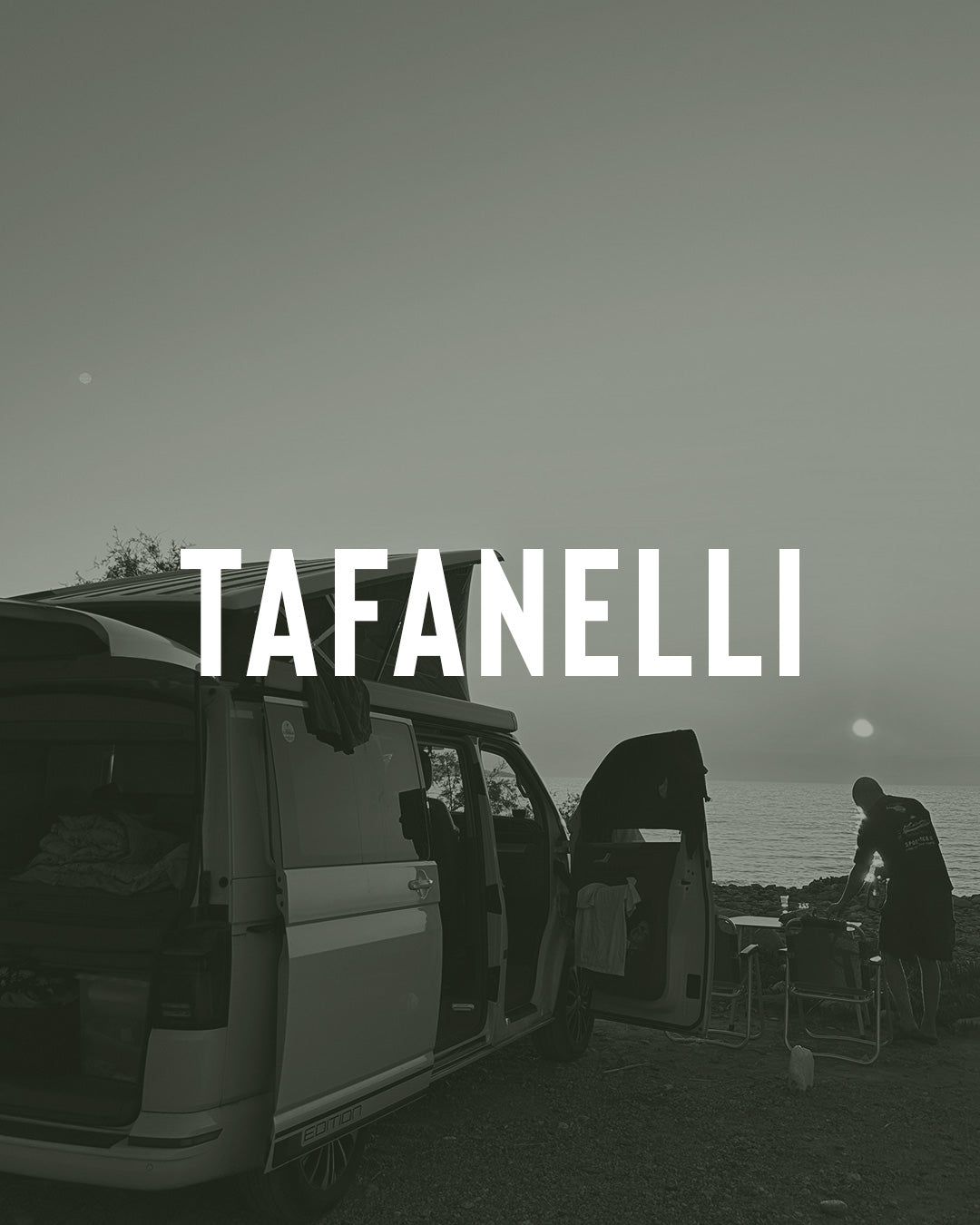
It's a dream for many: driving around Corsica in a van, sleeping facing the sea, waking up in the maquis. It is possible, and it is magnificent. But the island has its rules, and they are strict: wild camping is prohibited, checks are frequent, and the roads do not forgive improvisation. Here is the complete guide: the true regulations, a 10-day itinerary, and the tips we wish we’d had the first time.
Why Corsica by van
Because no other Mediterranean island packs so many different landscapes into such a short distance. In an hour's drive, you go from the beach to high mountains, from the maquis to a forest of laricio pines, from a fishing port to a village perched at 900 meters.
The van allows for exactly what Corsica rewards: stopping where you didn't plan to stop. A mountain pass, a cove, a village where you hear singing. It is the best way to see the island, provided you play by its rules.
Corsica gives itself to those who respect it. A van parked anywhere, a fire lit in the wrong place, and you are no longer a traveler; you are a problem.
Rule number one: wild camping is prohibited
This is the point that most road trip videos gloss over, yet it is essential.
In Corsica, wild camping is prohibited. This applies to the coastline, natural zones, beaches, and the surroundings of protected sites. The combination of the Coastal Law (Loi Littoral), municipal decrees, and prefectural decrees has considerably restricted overnight parking outside of campsites and dedicated areas. Checks are frequent, especially in summer, and fines are issued.
You must distinguish between two things, which are often confused:
- Wild camping: setting up with a vehicle, awning, table, and chairs for several hours or several nights. Prohibited.
- Bivouacking: a lightweight setup for just one night, arriving on foot. It is tolerated in the mountains, particularly above 1,000 meters within the Corsican Regional Natural Park, and along the GR20 in designated areas near mountain huts, where you pay for the night on-site.
In other words: the hiker's bivouac at altitude is regulated and possible. A van parked overnight in a beach parking lot is not.
A fundamental reason to keep in mind: the island suffers from devastating fires every summer. One cigarette butt, a stove, or a barbecue, and an entire valley goes up in smoke. The rules are not just bureaucracy; they protect the land.
Where to sleep legally
- Campsites: this is the main solution, and Corsica has many, often very well-located, by the sea or in the mountains. Many accept vans and offer shaded pitches.
- Service areas dedicated to motorhomes and vans, spread across the island, with dumping facilities, water, and sometimes electricity.
- Staying with locals and on farms: more and more producers offer a few pitches. It is often the best experience and a chance to head home with some cheese, honey, or wine.
- Private parking lots of establishments: some restaurants and estates tolerate a one-night stay if you dine there. Always ask; never assume.
Book in July and August. Coastal campsites sell out, and arriving at 7 PM without a reservation in peak season means ending the night very far from where you wanted to be.
Corsican roads: what you need to know
They are splendid. They are also narrow, winding, often without guardrails, and sometimes carved into the side of cliffs.
- Allow double the time indicated by your GPS. Real-world averages hover around 40 km/h on many routes.
- Watch your dimensions. Some roads, notably the D80 in Cap Corse and the road to the Calanques de Piana, are very narrow. For anything over 6 meters long and 2.10 meters wide, some portions become tricky or even inadvisable.
- Animals are at home here. Cows, pigs, and goats roam semi-freely on the road, especially in the mountains. Drive slowly, don't honk.
- Let the locals pass. Use passing bays. It’s as much a matter of etiquette as it is safety.
- Fuel is scarce in the interior. Don't go below half a tank in the mountains.
- Water: fill up whenever possible; water points are few and far between.
10-day itinerary
A tour of the island that alternates between sea and mountains, without any rush. Departing from Bastia, counter-clockwise.
Days 1 and 2 | Bastia and Cap Corse
Arrival in Bastia, visit the old port and citadel. Then tour the Cap Corse along the coast: Erbalunga, Macinaggio, Centuri, then head down the west side via Nonza and its black sand beach. The road is narrow; take your time.
Day 3 | Saint-Florent and the Agriates
Saint-Florent, the gulf, and the Agriates Desert. For Saleccia and Lotu, leave the van behind and take the shuttle boat: the track is impassable for a normal vehicle.
Days 4 and 5 | The Balagne
L'Île-Rousse, Calvi, and the mountain villages: Pigna, Sant'Antonino, Corbara. Tip: park the van and take the beach train for the day.
Days 6 and 7 | Porto, Piana, Scandola
The most spectacular road on the island. The Calanche of Piana, the Gulf of Porto and Scandola, then the Spelunca Gorges and the Aïtone Forest. Watch your vehicle dimensions in the Calanche.
Day 8 | Ajaccio and the Southwest
Ajaccio, the Bonaparte house, then head down towards Propriano and the Gulf of Valinco.
Day 9 | Sartène and Bonifacio
Sartène, Roccapina, then Bonifacio and its cliffs. Give yourself plenty of time for parking; it’s the most crowded point on the island.
Day 10 | Porto-Vecchio, Bavella, Return
Palombaggia and Santa Giulia at daybreak, then head back up via Alta Rocca and the Bavella Pass. Return to Bastia via the Eastern Plain.
Have more time? Add Corte and the Restonica Valley, or the Niolu region. Interior Corsica is worth spending three full days in.
The ferry and the van
- Book very early for July and August. Crossings with a vehicle sell out months in advance.
- Declare the correct height and length when booking. A converted van is not charged as a car, and an incorrect declaration can cause problems at boarding.
- Arrival ports: Bastia, Ajaccio, L'Île-Rousse, Porto-Vecchio, Propriano. Choose the one that aligns with the start of your itinerary to avoid useless hours of driving.
- Gas cylinders: their transport is regulated; check your ferry company’s requirements before departure.
- Overnight crossing: the most comfortable; board in the evening and gain an extra day on the island.
Our practical tips
- Travel in June or September. Same light, same sea, half the crowd, and plenty of campsites available.
- Wake up early. Beaches before 9 AM and mountain passes before noon offer a whole different island experience.
- Leave nothing behind. Not a cigarette butt, not a piece of paper, and no wastewater anywhere except at dump stations.
- Zero fire. No barbecues or stoves in the wilderness, and never throw cigarette butts out the window.
- Buy local. Charcuterie, cheese, olive oil, wine, honey: it’s better, and it supports the villages you pass through.
- Talk to people. A "hello" and two questions, and you’ll leave with a local recommendation you wouldn't have found in any guidebook.
- Carry cash. Many small producers and village bars don't take cards.
Frequently asked questions
Can you sleep in a van anywhere in Corsica?
No. Wild camping is prohibited and overnight parking is strictly restricted outside of campsites and dedicated areas, especially on the coast. Checks are frequent in summer.
Is bivouacking allowed in Corsica?
Bivouacking, meaning a lightweight, one-night setup arrived at on foot, is tolerated at altitude—specifically above 1,000 meters within the Regional Natural Park—and along the GR20 in designated areas near refuges. It remains prohibited on the coastline.
How many days do you need to tour Corsica by van?
Ten days allow for a full tour without rushing. Fifteen days are ideal if you want to include the interior, Corte, the Niolu, and the Alta Rocca.
Are Corsican roads accessible for a camper van?
Yes, for a standard van, provided you drive cautiously. Anything over 6 meters long or 2.10 meters wide makes certain stretches, like the D80 in Cap Corse or the Calanche of Piana, very difficult.
What is the best time for a road trip in Corsica?
June and September. The sea is warm, the landscapes are at their peak, traffic is reasonable, and accommodations are available.
The road trip and TAFANELLI
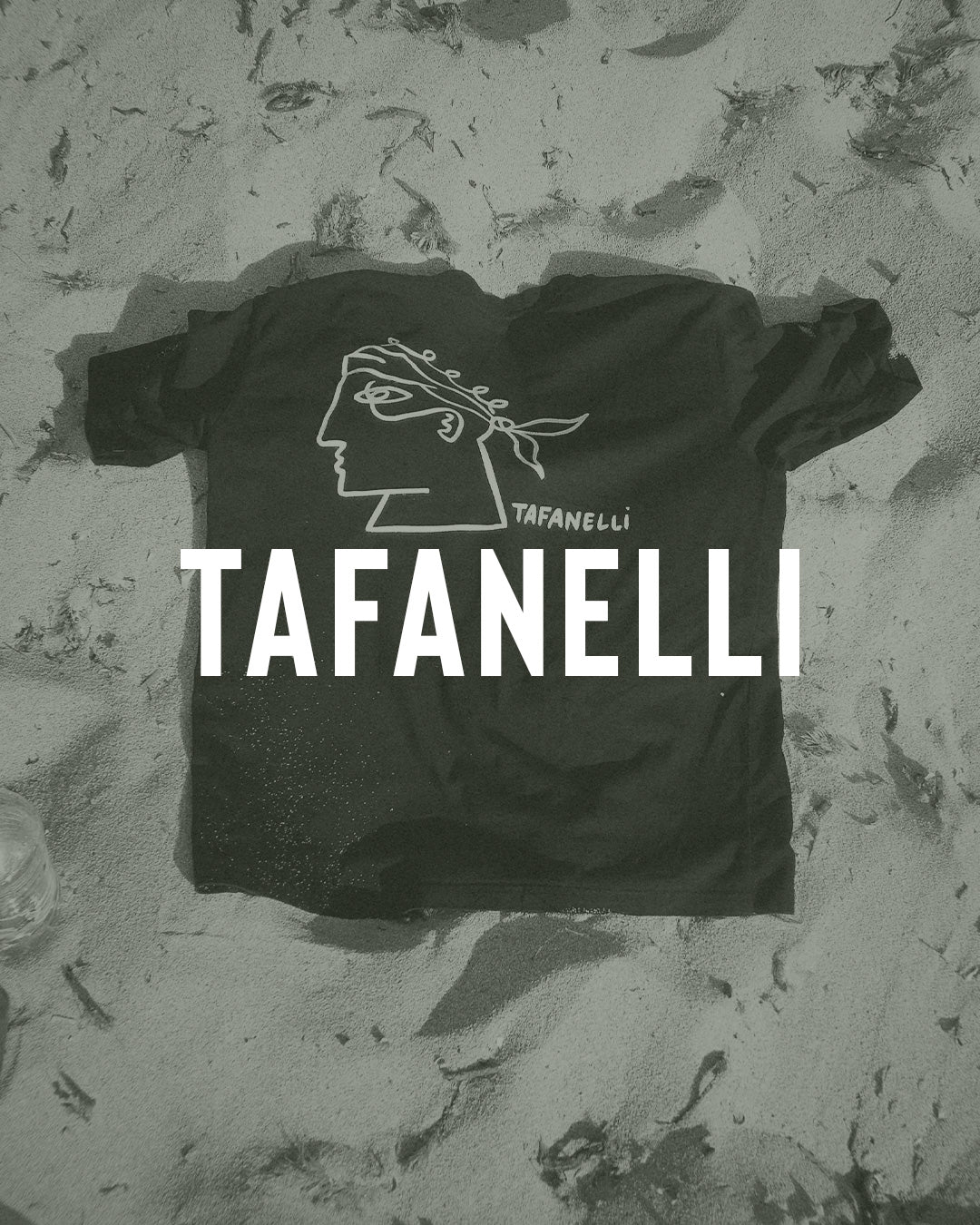
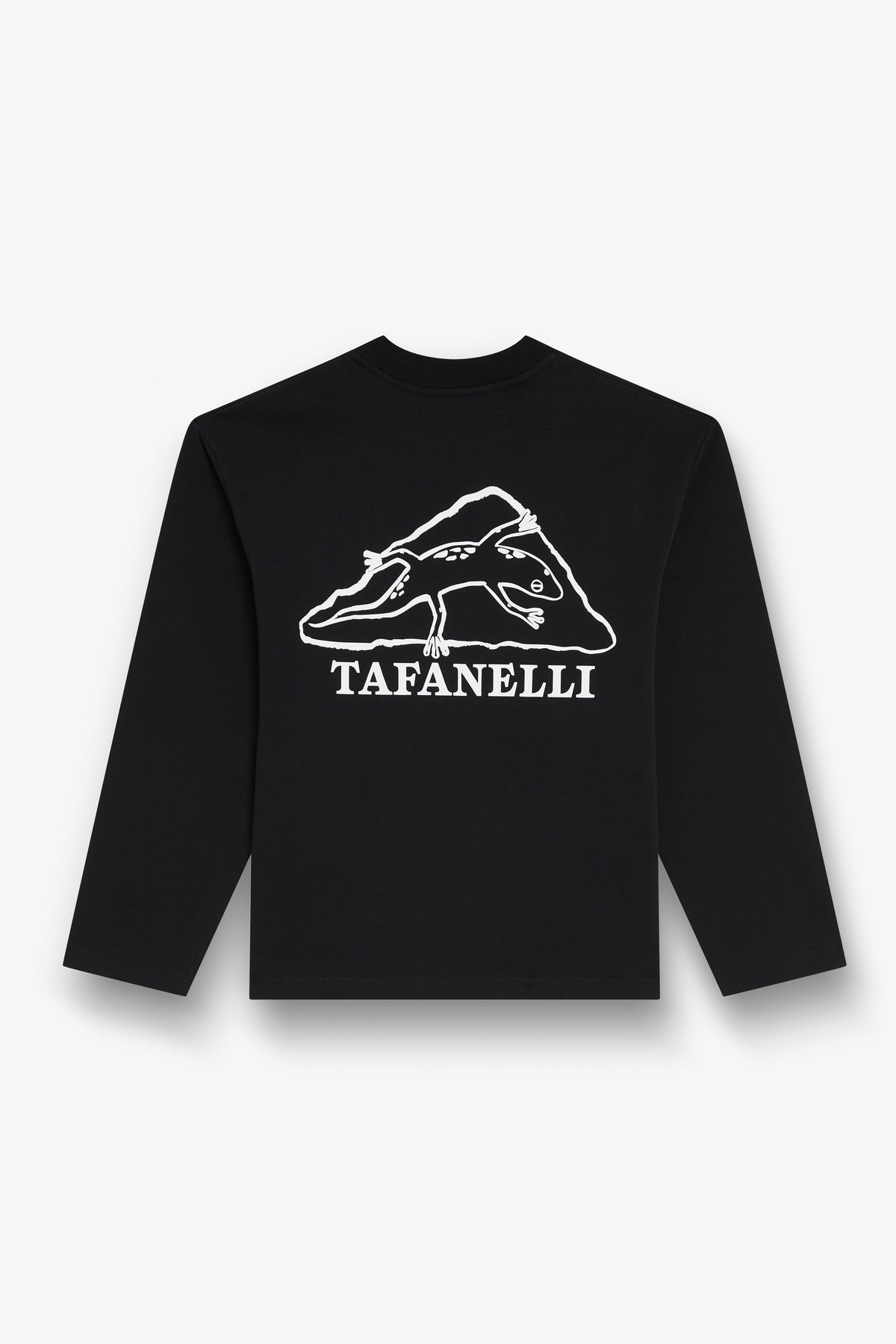
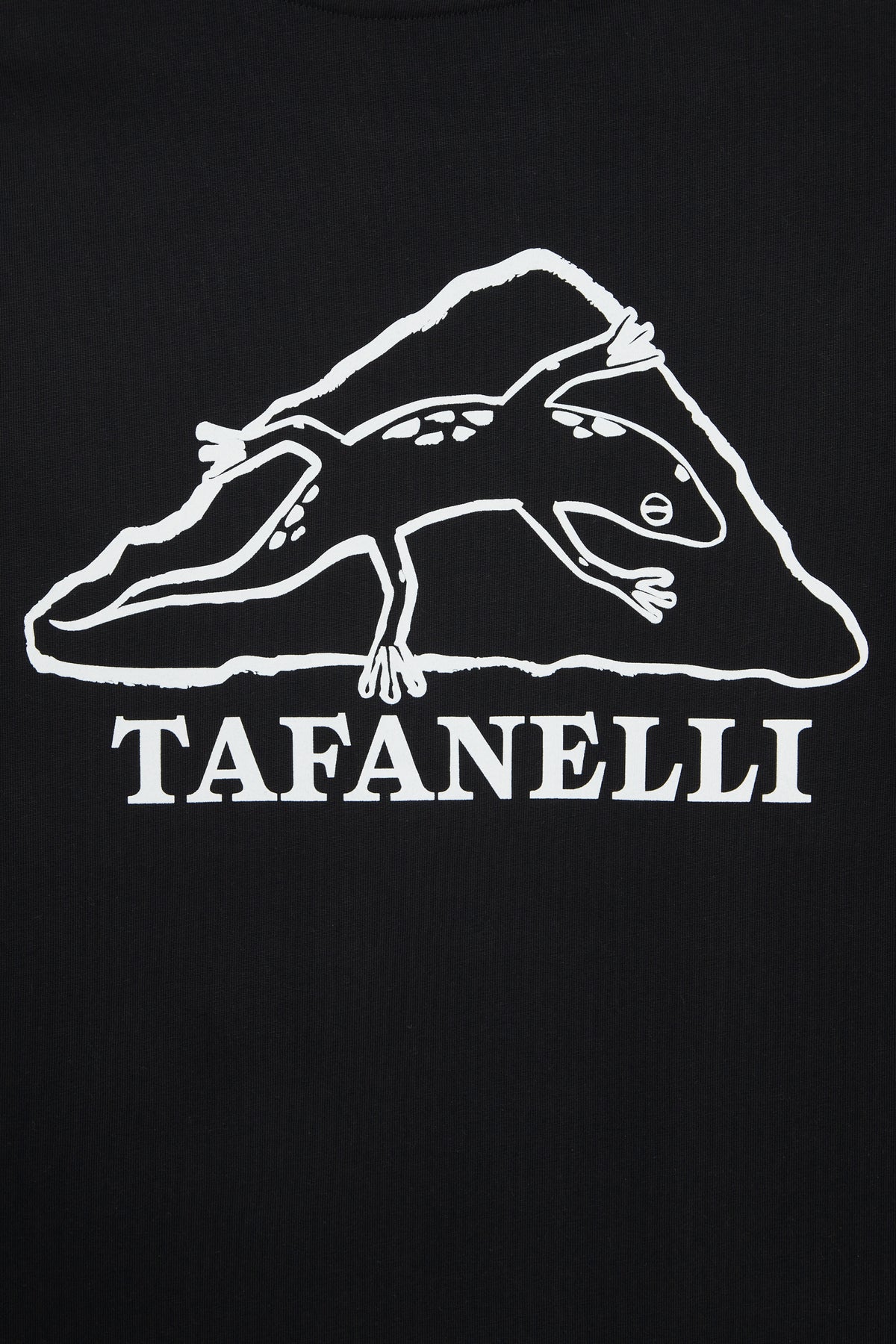
A van, a mountain road, a cove at the end of it: this is exactly the world our pieces are made for. Our t-shirts are made of premium 280 g/m² organic cotton, made in France, and screen-printed by hand. They can handle salt, sand, campsite washings, and ten summers in a row.
Your road trip wardrobe:
- The La Trinità t-shirt: sea, mountains, maquis—the three faces of Corsica you will pass through.
- The "Corsica 1755" t-shirt: island pride.
- The TAFANELLI cap: essential, whether behind the wheel or on the trails.
And if you pass near one of our locations, drop in: the full list is on our retailers page, from Calvi to Bonifacio and through Cap Corse.
To help prepare your trip:
- The Corsican Train, U Trinighellu
- The 20 most beautiful wild beaches in Corsica
- The 10 most beautiful perched villages
- What to wear in Corsica this summer
- TAFANELLI, Corsican brand and Mediterranean wardrobe
In passing through Corsica, the customer becomes a friend.
A DOPU,
TAFA