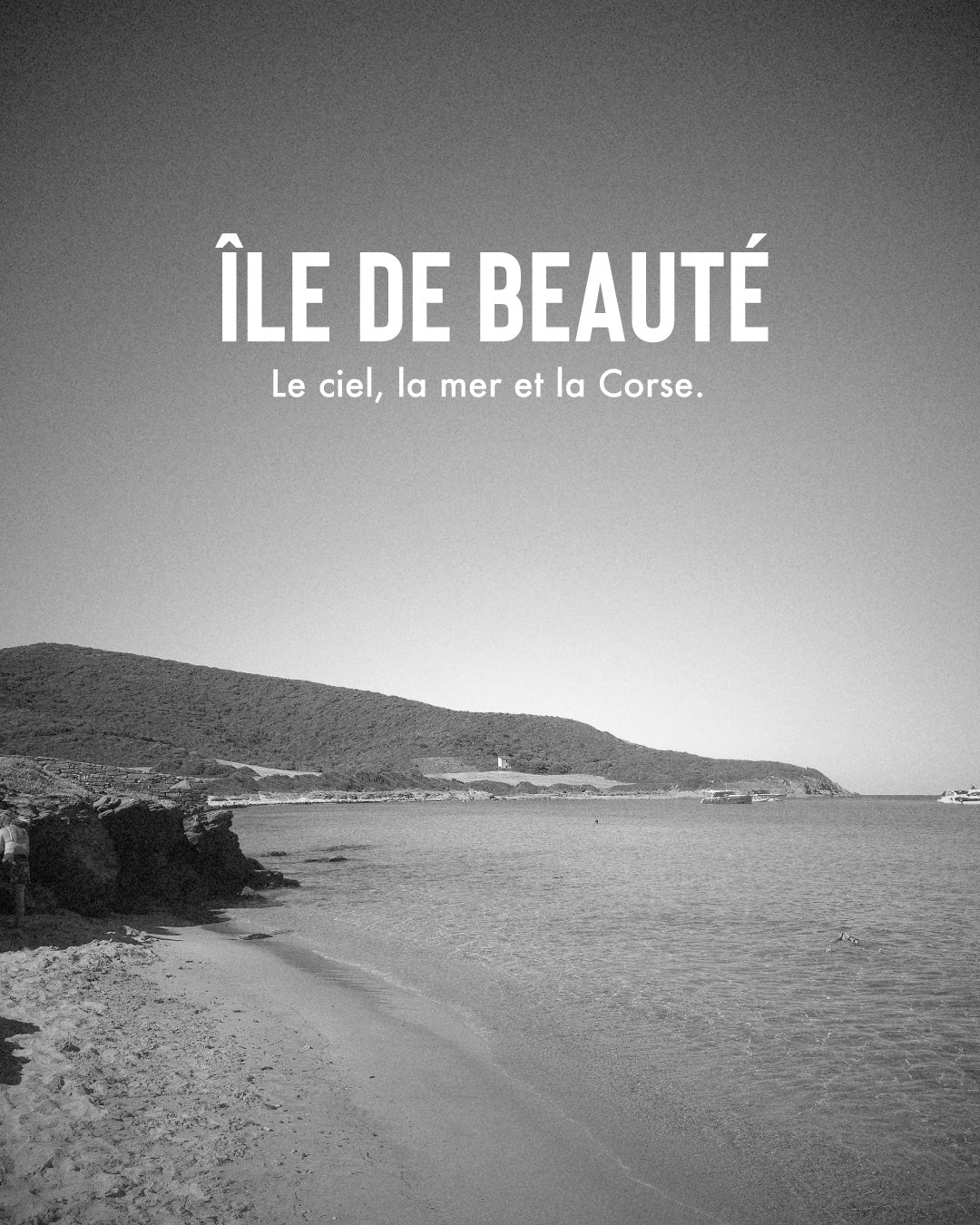
The new Saint-Tropez is called Corsica: why 2026 is the year the island will become the global epicenter of Mediterranean fashion
For fifty years, Saint-Tropez was the absolute capital of the global summer imagination. Brands made it the setting for their campaigns, magazines for their covers, and designers for their playground. But something has changed. For the past three years, the sharpest eyes in the fashion world have been turning to another shore of the Mediterranean. Wilder. More authentic. Less exposed. Corsica. And all the signals suggest that 2026 will be the tipping point. Here is the complete analysis of a shift in the center of gravity that few saw coming, and everything you need to know before the rest of the world realizes it.
The gradual end of Saint-Tropez's reign
No one will say it directly, but everyone in the fashion and luxury world is thinking it: Saint-Tropez has reached its peak, and the downward slope has become irreversible.
The village will not disappear, of course. Pampelonne will remain one of the most beautiful beaches in Europe, the port will remain magnificent, Sénéquier will remain legendary. But the aura—that rare blend of discovery, intimacy, and exclusivity that made Saint-Tropez the epicenter of desire—has gradually faded. Three factors explain this aesthetic decline.
Visual saturation, first of all. When a place has been photographed so many times that no new image is possible, it shifts from being an icon to being a cliché. Designers, by definition, seek virgin territory. Saint-Tropez was the playground for Brigitte Bardot, the Pinault brothers, and every magazine from Vogue Italia to Document Journal. There is nothing left to reveal.
Price inflation, secondly. A room at the Byblos in July, a table at Club 55, a slip in the old port. These three symbols of a certain Mediterranean elegance have become financially inaccessible, even for the very wealthy classes that once brought them to life. When rarity turns into excess, elegance empties out.
The massification of the symbol, finally. Saint-Tropez is everywhere on Instagram, in every brand campaign, on every travel account. Contemporary luxury flees what is seen too much. It seeks what can still be guessed. And that is precisely where Corsica comes onto the scene.
Corsica's silent transformation
While Saint-Tropez was locking itself into its own myth, Corsica transformed profoundly, without noise, at its own pace. Corsicans do not like rushing, and that is exactly what enabled this mutation.
In one decade, the island has seen the emergence of hotel projects, restaurants, private beaches, galleries, and brands that have reconfigured the map of global desire. The fundamental difference from Saint-Tropez is that this transformation took place without denying the soul of the place. No concrete palaces. No fake villages. No flashy shopping centers. New Corsican spots have blended into the landscape, the maquis, the old stones.
This voluntary discretion is now Corsica's most powerful weapon. Where Saint-Tropez shouts its luxury, Corsica whispers it. Where Saint-Tropez exposes, Corsica hides. And contemporary luxury, precisely, seeks what is hidden from it. It is the perfect terrain for designers looking to refresh their visual grammar.
“Corsica today offers what the Côte d’Azur lost twenty years ago: the possibility of a new emotion.”
A luxury consultant who requested anonymity
Weak signals announcing the shift
No one decides overnight that a territory is becoming fashionable. Shifts in attention are measured through a series of weak signals, perceptible only to observant eyes. Here are the main ones that have accumulated over the past three years.
International editorials
Major fashion and travel magazines have increased their coverage of Corsica since 2023. Vogue, Condé Nast Traveler, Mr Porter, The Rake, Cabana Magazine, Document Journal, and Apartamento have all published reports dedicated to the island with unprecedented frequency. When international editors converge, it means a profound shift is underway.
Campaign shoots
Several top-tier international brands shot their spring-summer 2025 and 2026 campaigns in Corsica, whereas five years ago they would have chosen Sicily, the Greek Cyclades, or the Italian Riviera. This geographical relocation of photo shoots is an infallible indicator.
Hotel press
Hotel acquisitions and restructurings in Corsica have accelerated. Several historic addresses on the island have been taken over by international groups eager to place them on the new map of Mediterranean luxury.
The real estate market
Prices for high-end properties in Balagne, the Gulf of Porto-Vecchio, and around Saint-Florent have seen double-digit growth in three years. When real estate follows, it means the territory has become an attractive asset.
Resident designers
Several renowned fashion, design, and culinary creators have settled in Corsica in recent years, developing their workshops or studios there. The presence of a new creative wave is always a sign that a territory is about to become a center.
The geography of the new Corsican desire
Not all regions of Corsica will change at the same time. Here are the four epicenters that will focus the attention of designers, magazines, and informed travelers starting in 2026.
La Balagne
Calvi, L'Île-Rousse, Sant'Antonino, Pigna, Lumio, Calenzana. Balagne is the island counterpart to what the Luberon was for Provence in the 90s. Perched villages, olive groves, crystalline coves, golden light. This is the territory that will speak most directly to the contemporary Mediterranean aesthetic.
Saint-Florent and Cap Corse
The port of Saint-Florent, the wild coves of the Agriates desert, the forgotten villages of the Cap (Centuri, Erbalunga, Nonza, Tamarone). This area will remain more confidential, rugged, and raw. It will attract creators specifically looking for hard-edged authenticity, in contrast to the polished Saint-Tropez style.
The Gulf of Porto-Vecchio and the Extreme South
Palombaggia, Santa Giulia, Bonifacio, Rondinara. This is where the high-end island glamour will play out, in the continuity of what the Gulf of Saint-Tropez once was. The most beautiful beaches in Europe, indisputably turquoise waters, and a new generation of premium establishments.
The West Coast and Porto
The Piana creeks, Porto, the Scandola peninsula. The mineral, almost surreal Corsica that will speak to art directors seeking spectacular, rarely seen landscapes.
The hotels and restaurants anticipating the movement
Several Corsican addresses anticipated the movement and, by 2026, will be the new reference points for island elegance. Knowing them now means giving yourself time to visit before they become inaccessible.
Misincu (Cap Corse)
A five-star hotel set in preserved nature at the northern tip of the island. Contemporary Mediterranean architecture, top-tier restaurants, private beach. Likely the future Hôtel du Cap-Eden-Roc of Corsica.
U Capu Biancu (Bonifacio)
Breathtaking views of the Bonifacio cliffs, a Mediterranean garden, revisited regional cuisine. A confidential address that is gradually becoming the standard for the Corsican south.
Le Maquis (Porticcio)
An iconic hotel in the Gulf of Ajaccio for decades. Recently under new management, it is returning to the spotlight as the reference address in the center of the island.
U Paradisu (Tamarone, Cap Corse)
A secret restaurant accessible only on foot or by boat. View of the Finocchiarola islands archipelago. The type of place magazines will be reporting on in the coming months.
Saleccia Beach
One of the last truly wild beaches on the island. White sand, the light of the Agriates desert, absolute absence of concrete. Paradise for art directors in search of pristine Mediterranean settings.
La Pomme de Pin (Ramatuelle, Corsican version)
On the island side, several discreet beach huts and cabins follow the aesthetic lineage of the great Tropezian beaches, but with a Corsican simplicity that changes everything. Sant'Ambroggio, Cala Rossa, Punta Spano: these are addresses that will gain importance in the seasons to come.
The brands that understood before the rest
The island's creative ecosystem is buzzing. Several brands, either born in Corsica or based on the island, have been drawing a new aesthetic proposal based on island identity for several years. Here are the currents to know.
Heritage textiles
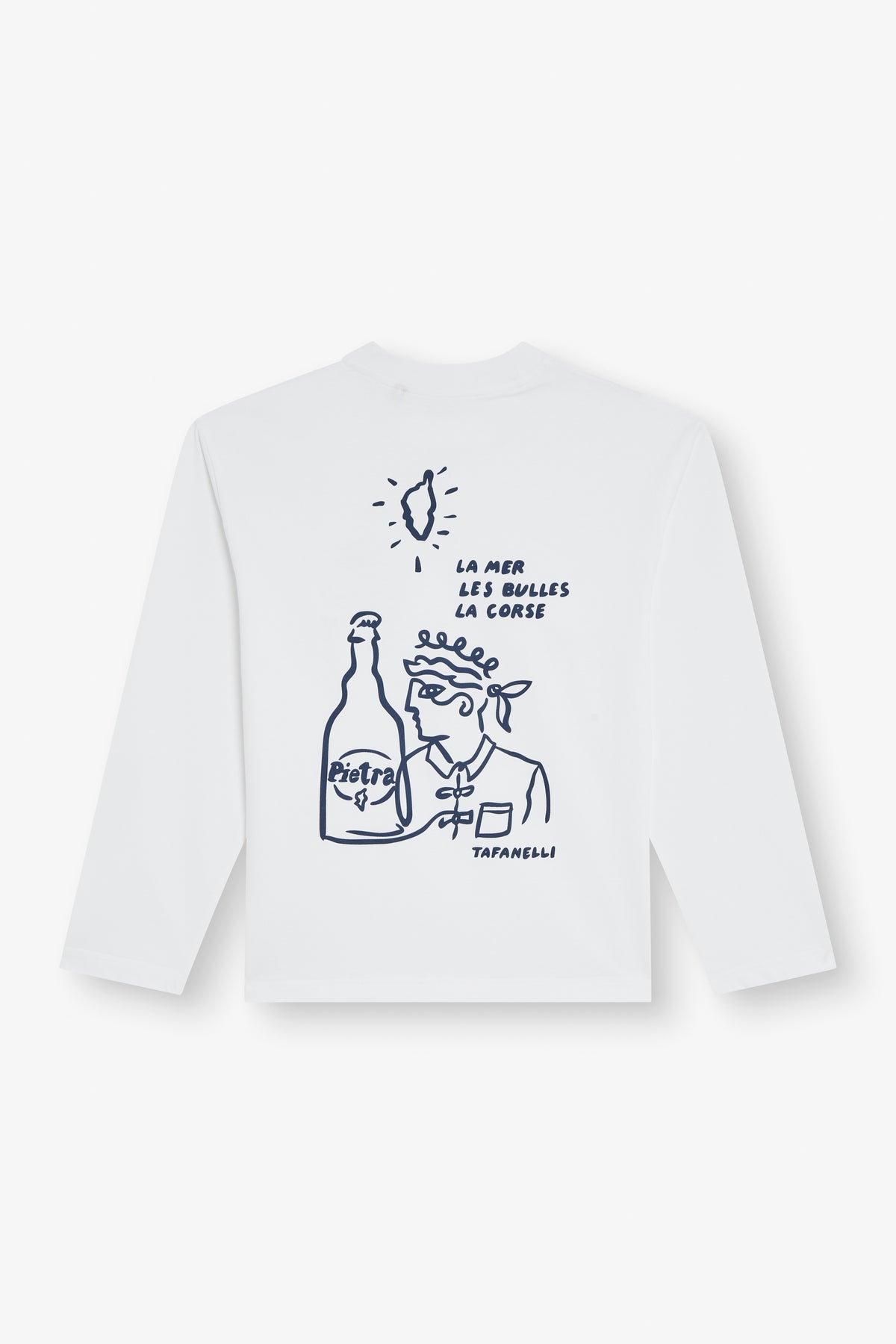
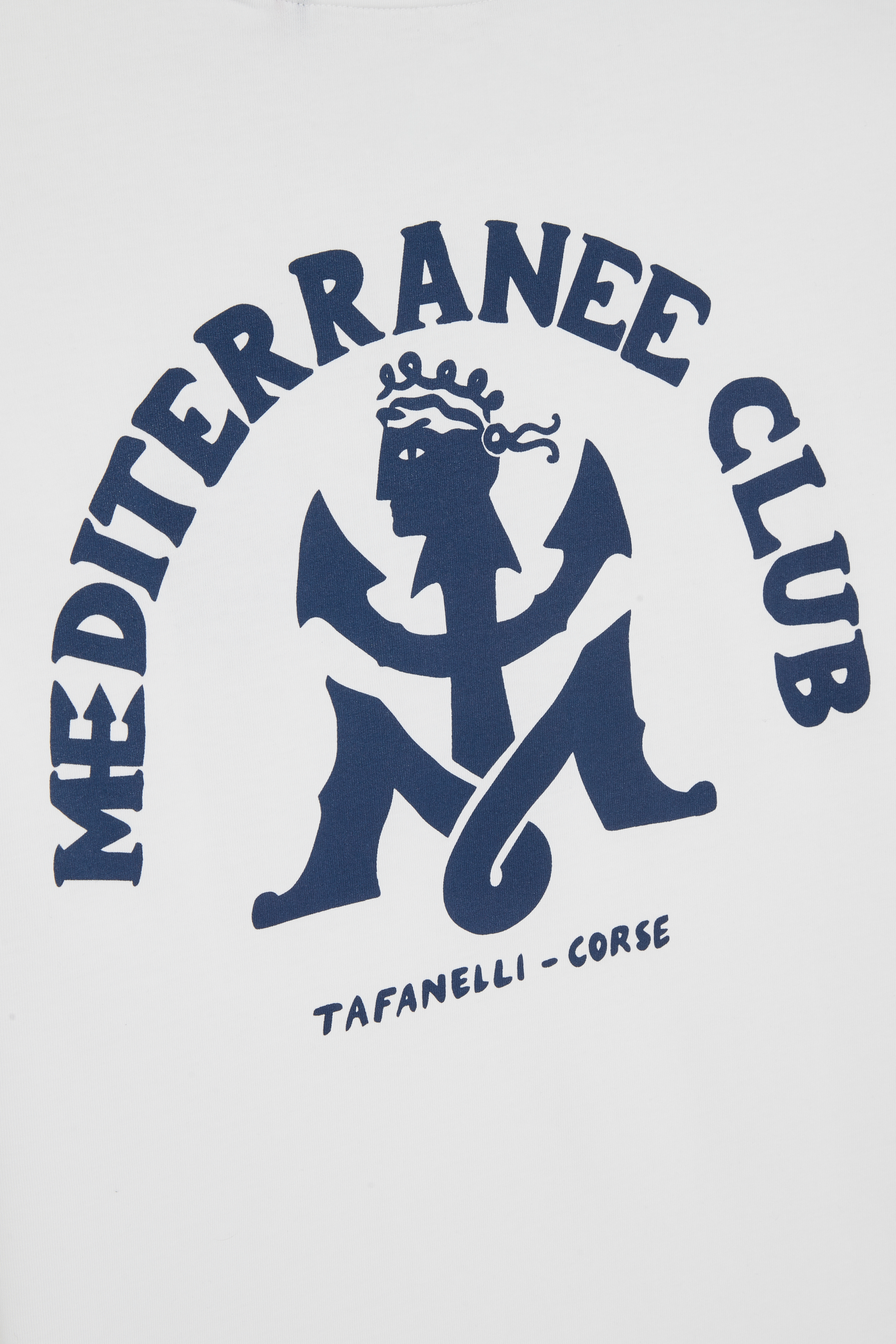
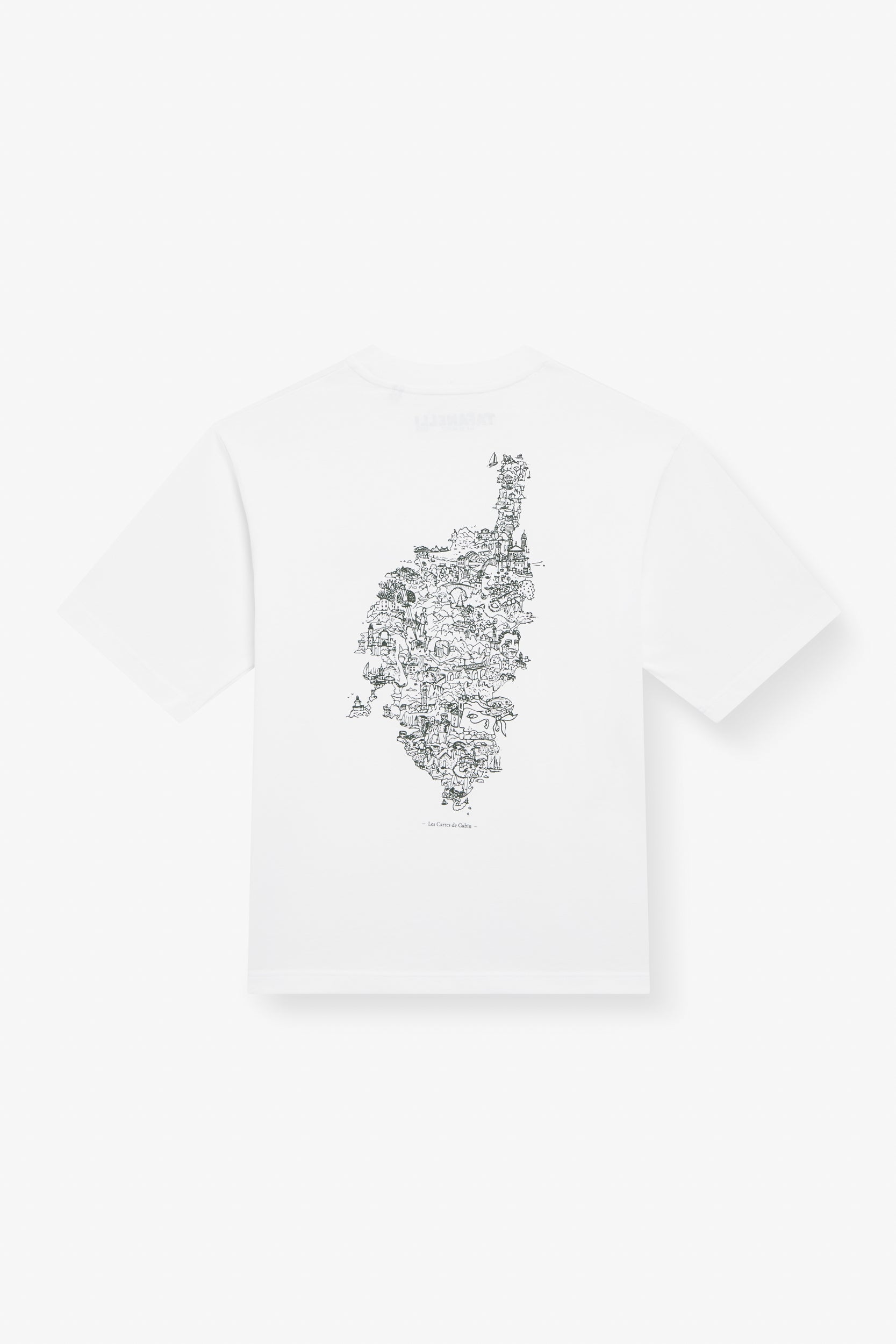
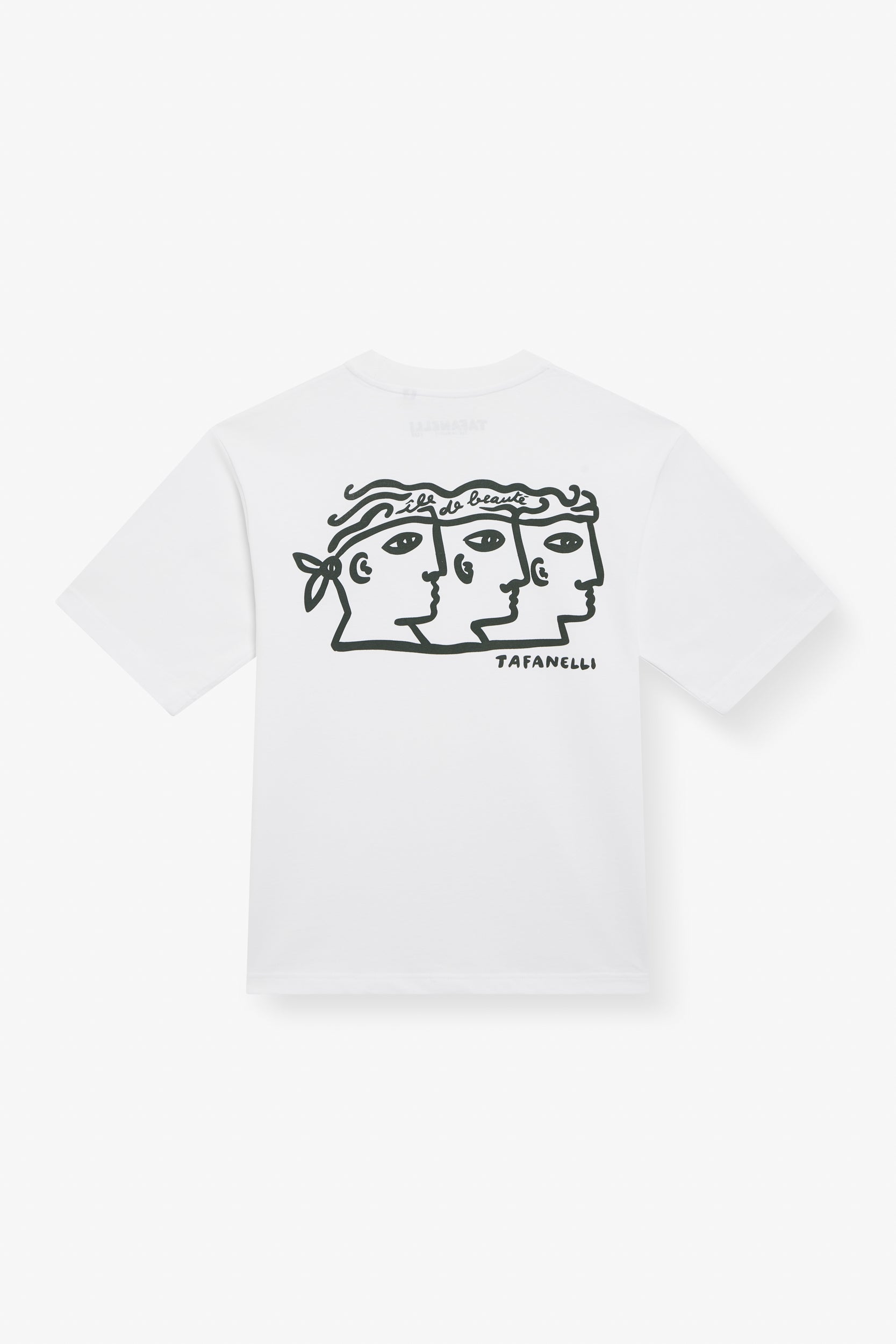
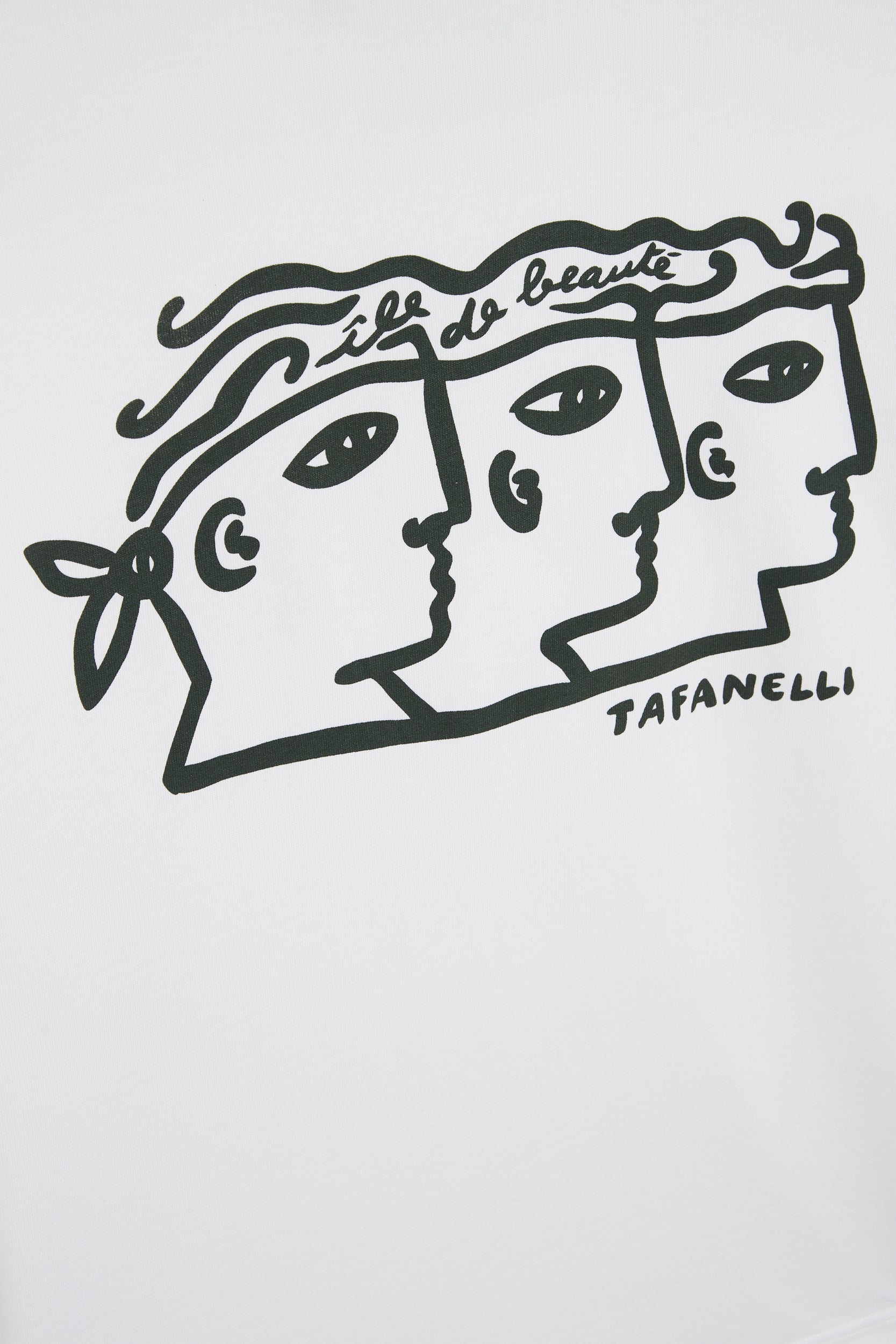
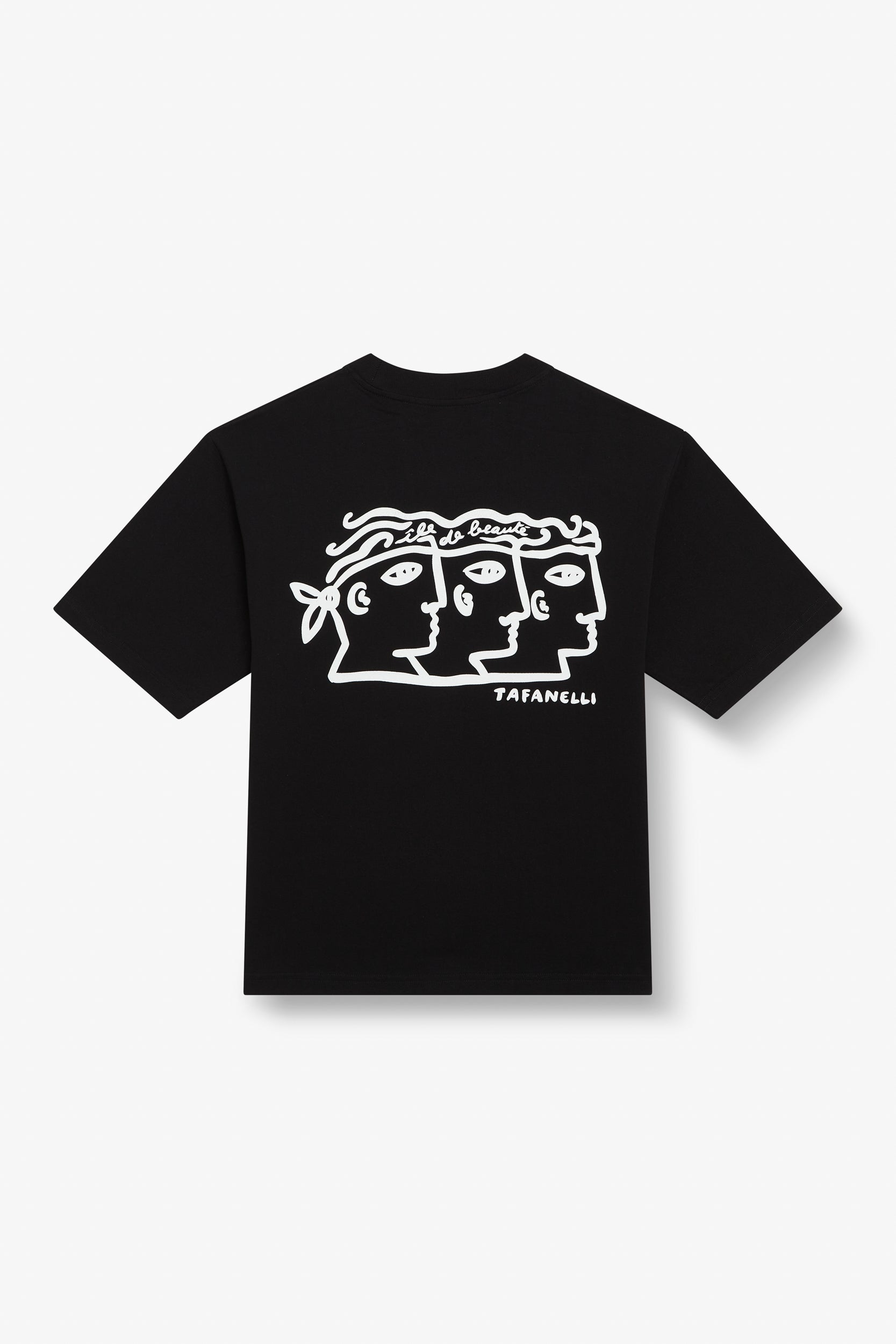
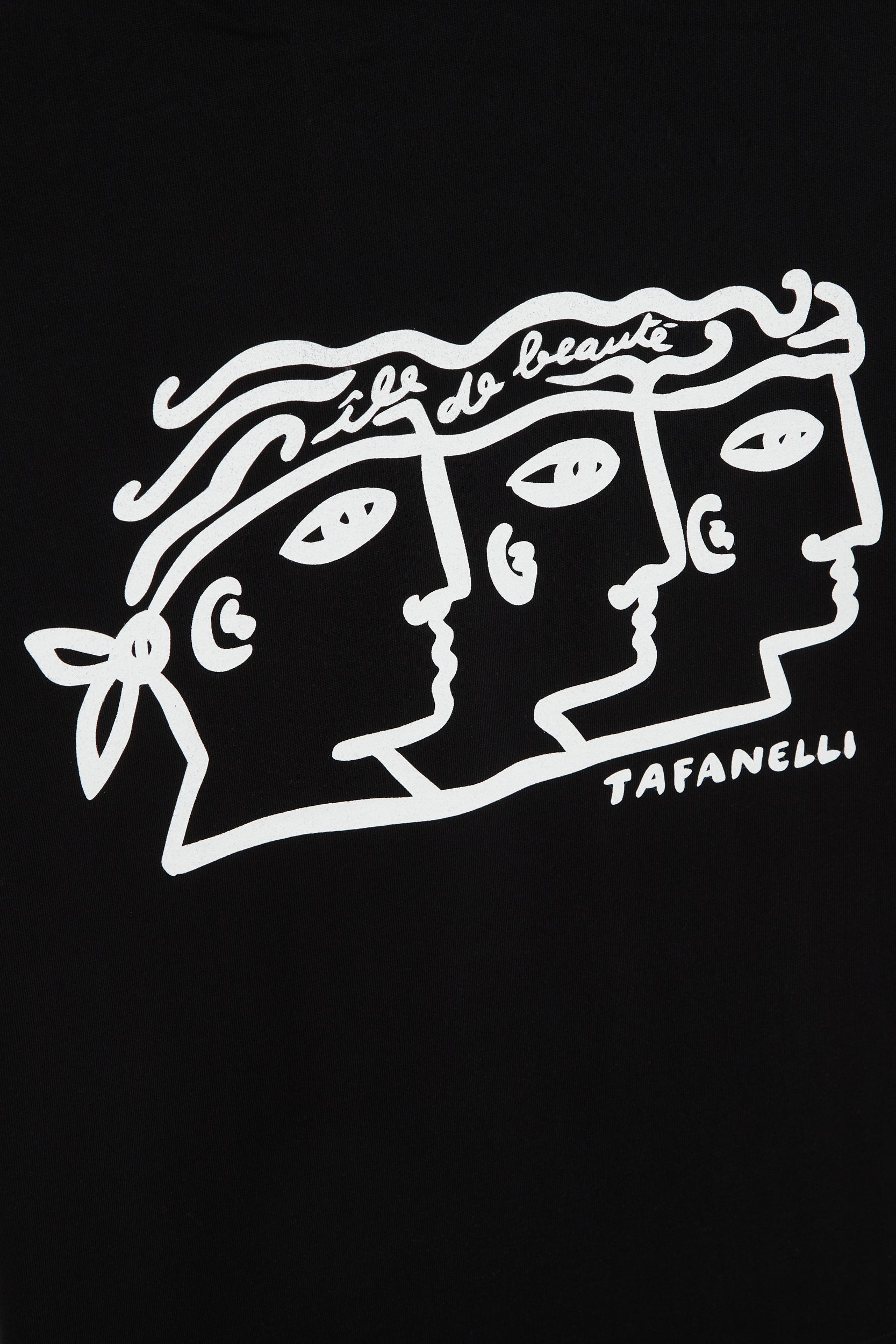
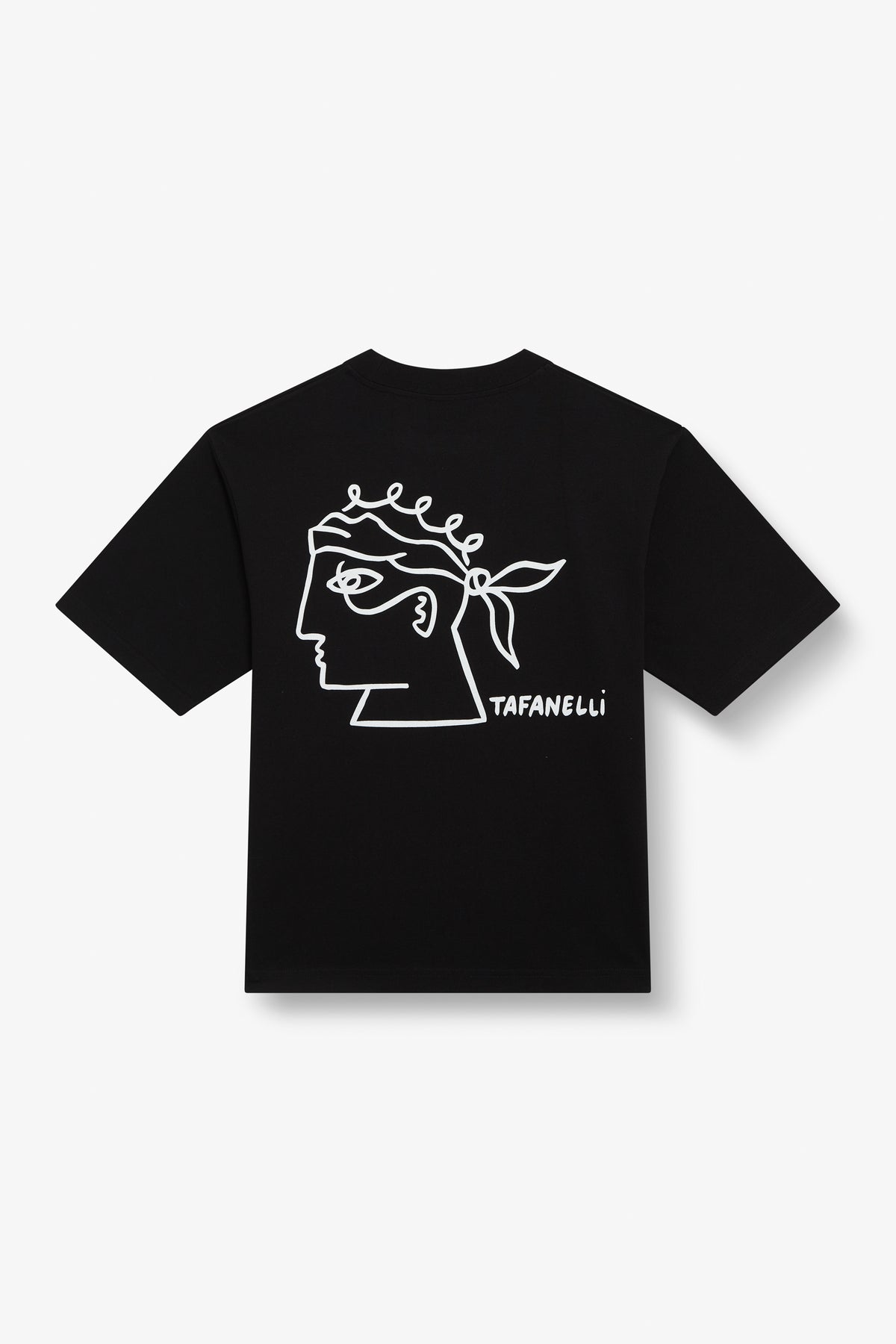
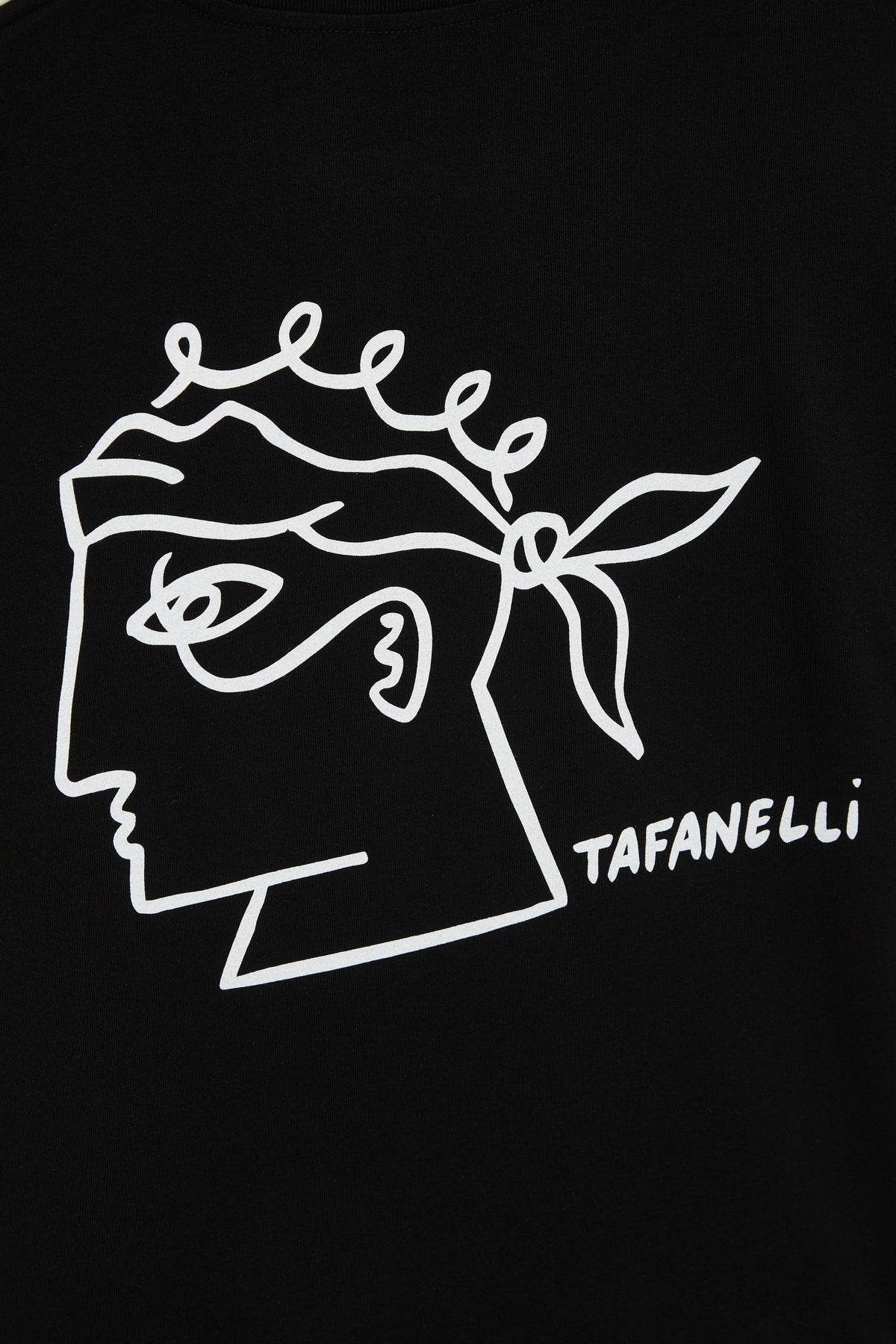
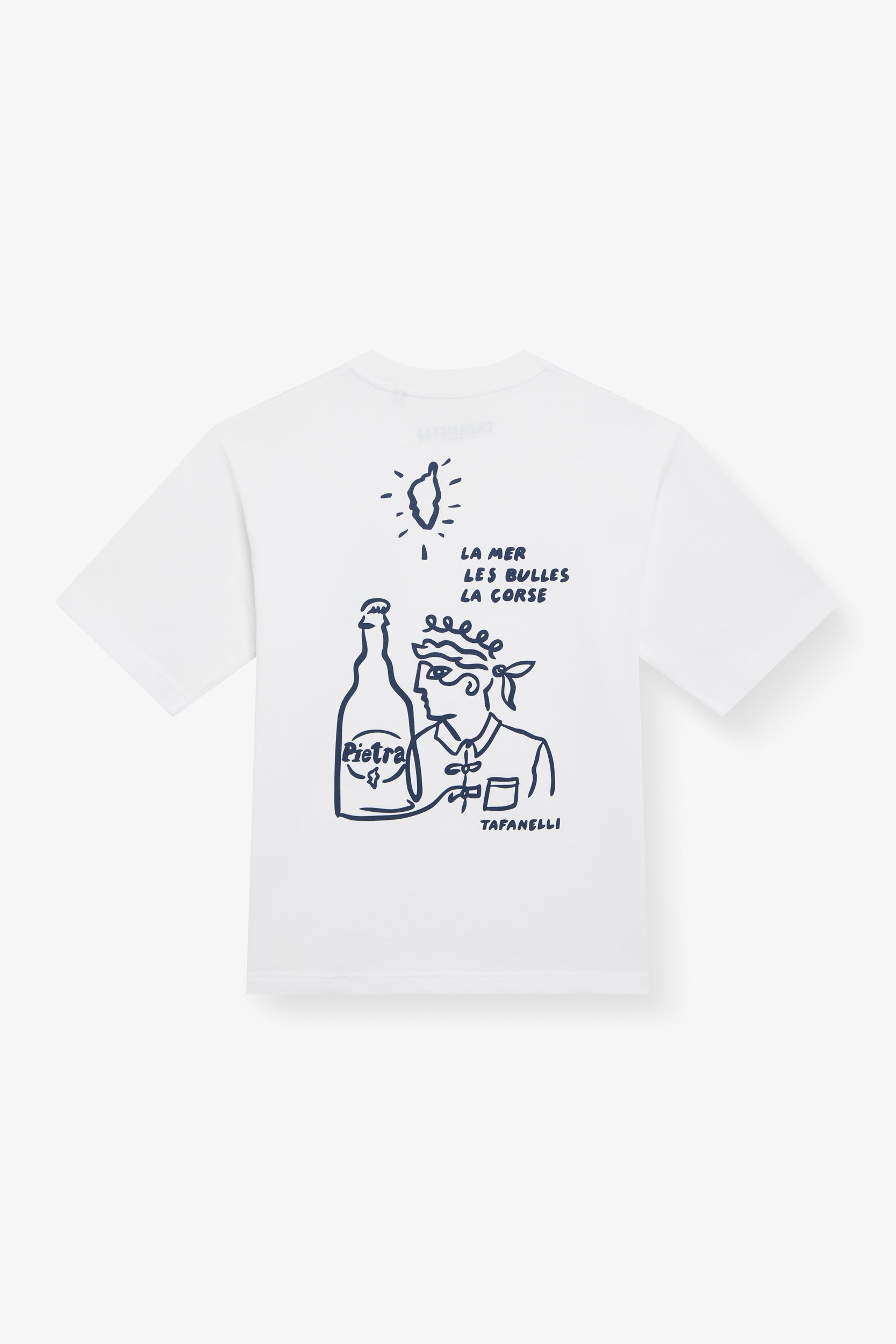
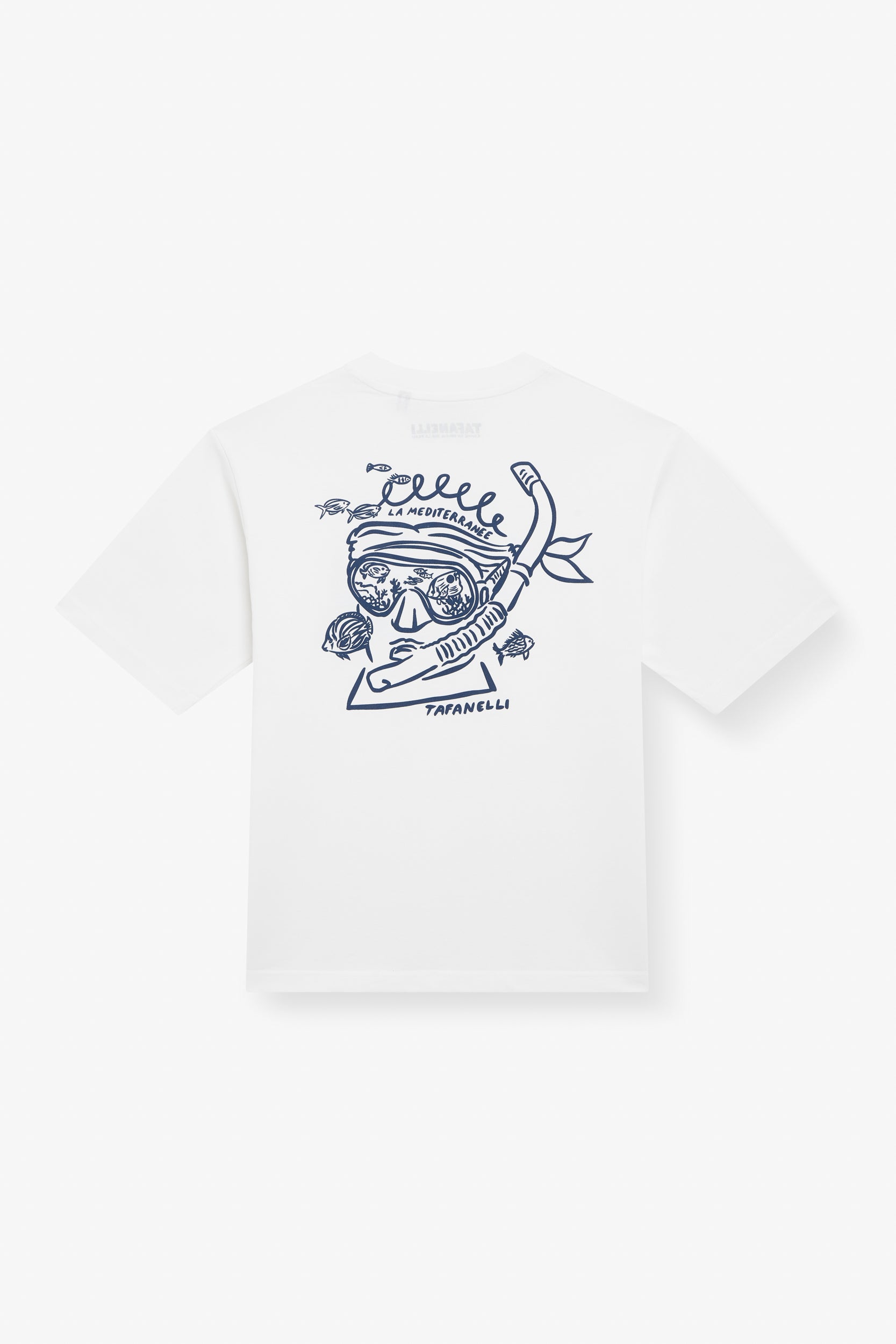
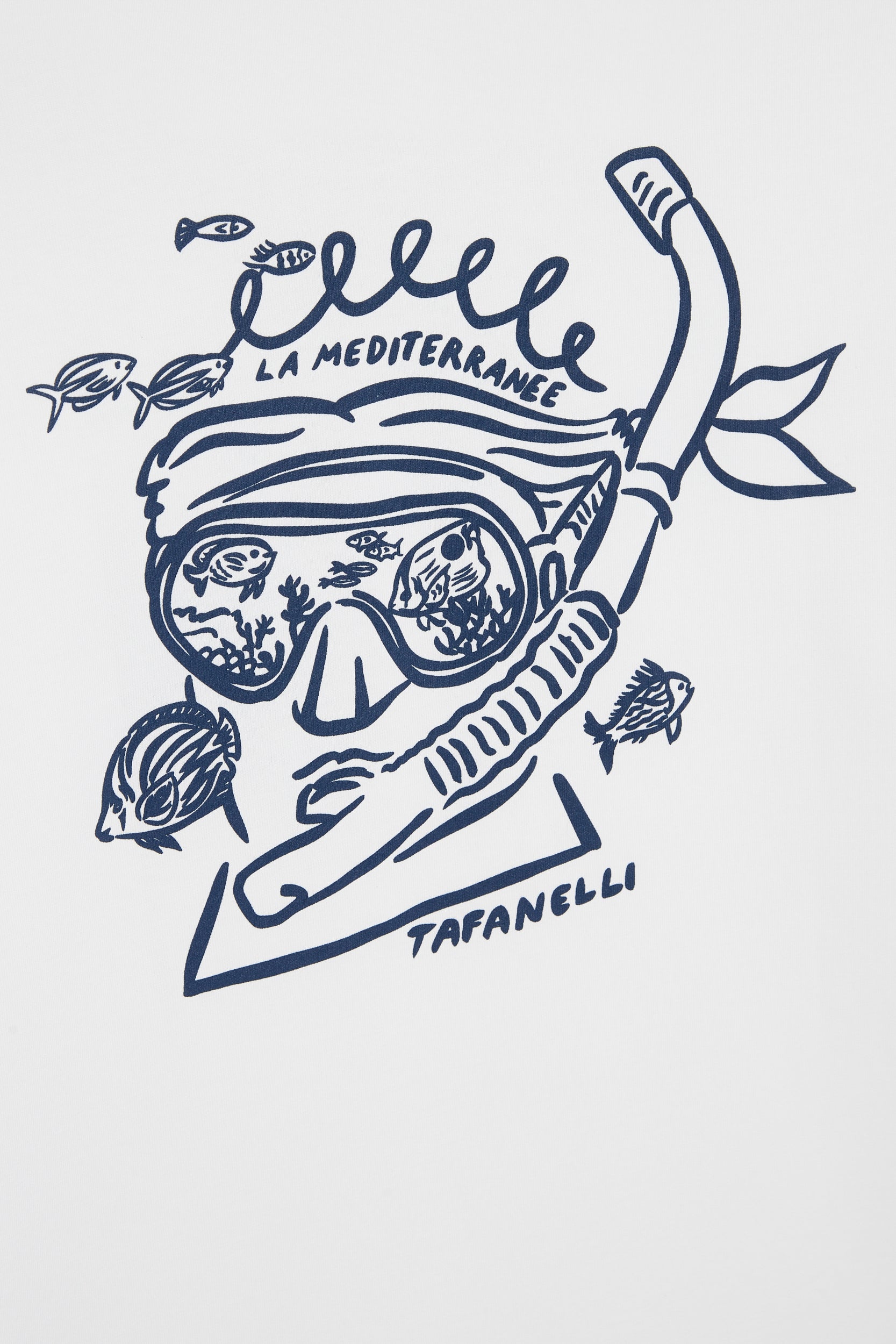
A new wave of ready-to-wear brands is anchoring its collections in the visual memory of the island: fishermen, sailors, divers, shepherds, historical figures, legendary places. This trend, which TAFANELLI is a key part of, offers a cultured and premium interpretation of Corsican heritage, miles away from classic tourist t-shirts.
Tableware and gastronomy
Several new Corsican houses are revisiting the codes of the island table with renewed rigor: ceramics, glassware, cured meats, high-altitude cheeses, Balagne olive oils, artisanal biscuits. This movement directly feeds the imagination of lifestyle magazines.
Corsican wines
Corsican wine estates have reached a major qualitative milestone in fifteen years. The island's nine AOCs now produce some of the most sought-after Mediterranean wines in the world, with indigenous grape varieties like Sciaccarellu, Nielluccio, or Vermentinu that exist nowhere else.
Independent hospitality
Beyond the major addresses mentioned above, a myriad of small guest houses, restored cabins, and converted sheepfolds are flourishing in Corsican villages. It is this discreet network that builds the true wealth of a territory over the long term.
The aesthetic codes currently crystallizing
A Mediterranean aesthetic specific to Corsica is defining itself, distinct from that of Provence or the Italian Riviera. Here are its main markers.
The palette
The off-white of village lime. The deep red of the earth in Cap Corse. The green-gold of Balagne olives. The dark blue of the Bonifacio coves. The ocher of the Piana cliffs. Corsica is darker and more contrasted than Provence. Its palette is earthy, whereas that of the French south is washed out.
The materials
Heavy linen. Thick raw cotton. Oiled canvas. Patinated leather. Barefoot shoes. Summer knits in natural fibers. The Corsican sartorial grammar refuses synthetic materials and overly tight cuts. It prefers suppleness, weight, and patina.
The cuts
Boxy fits. Straight shirts. Loose trousers. Simple dresses with bare shoulders. Far from ostentatious Tropezian chic, Corsican clothing seeks the right balance between elegance and functionality. It is an elegance for the sea, for walking, for napping under the pines.
The accessories
Bandanas. Flat caps. Light canvas bucket hats. Espadrilles. Simple leather sandals. Persol sunglasses. Corsica has an assumed obsession with utilitarian accessories that are never purely decorative.
The graphic codes
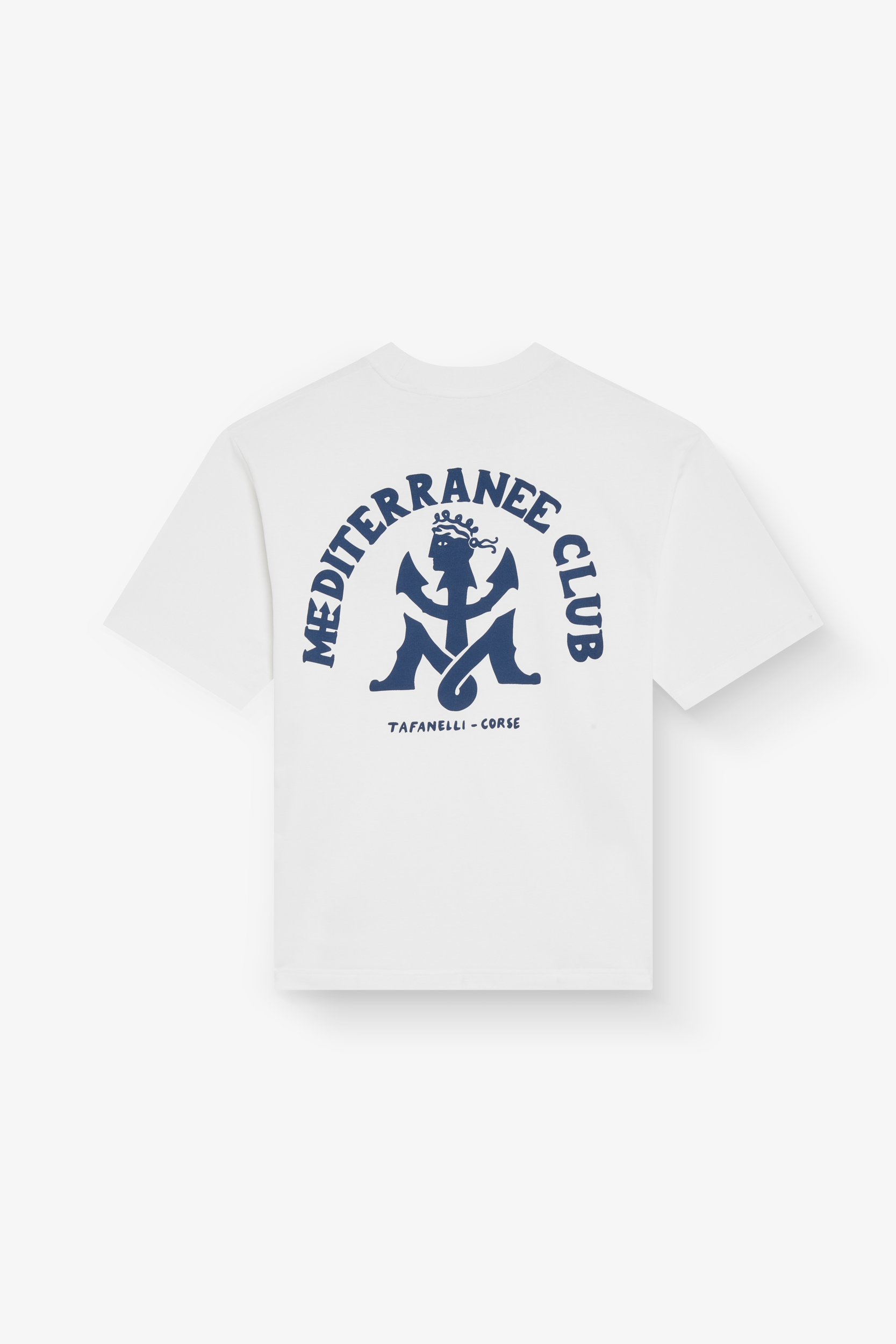
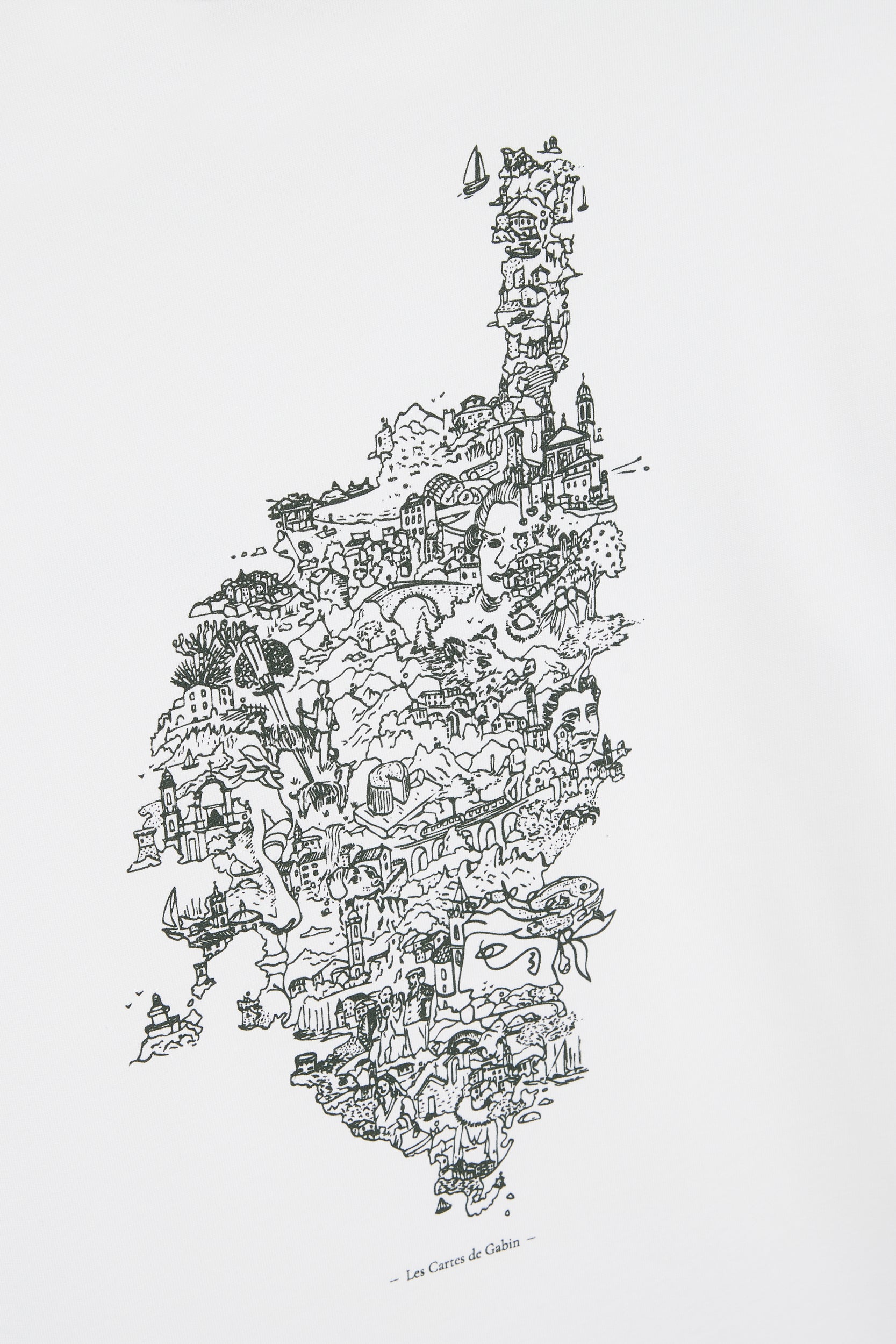
The Moor's Head with the raised bandana. Ancient maps of the island. The eight-pointed stars of medieval crests. Traditional gozzi sailboats. The lions of Roccapina. The Corsican visual vocabulary is dense, ancient, and immediately recognizable.
Why 2026 is the pivotal year
All indicators are converging to make 2026 the year Corsica definitively enters the global fashion consciousness. Several aligned catalysts explain this timing.
The post-pandemic Mediterranean effect is ending its first wave (Sicily, Cyclades, Amalfi Coast, Mallorca). Familiar Mediterranean destinations have become saturated, and the market is now demanding the next frontier. Corsica, still relatively preserved, is the geographical and cultural obvious choice.
Air links have exploded. Bastia, Ajaccio, Calvi, and Figari are now connected within two hours from Paris, London, Geneva, Brussels, Milan, and Munich. The island has become more accessible than ever before, without losing its character.
A generation of cultured, entrepreneurial Corsicans has taken the helm on the island. They master the international codes of contemporary luxury and know how to translate them into an authentic Corsican grammar. This generation is producing the ecosystem that international brands will want to be part of.
Major designers are looking for their next founding territory. When a major name in international fashion prepares to reveal a collection or campaign anchored in Corsica, the cascading effect will be immediate. Several sources indicate that this will happen within the next twelve months.
Our position in this moment
At TAFANELLI, we founded our brand on the conviction that Corsica was not a holiday backdrop, but a living heritage that deserved its own sartorial grammar. This conviction was born several years ago, before international magazines began publishing their features on the island, before global brands began scrutinizing its landscapes.
We are not surprised by what is preparing for 2026. We anticipated it. But we do not celebrate it naively either. We know what waves of attention do to territories. They transform them. They sometimes enrich them. They often drain them of their substance.
That is precisely why we chose, from day one, to manufacture in France, by hand, in deliberately limited series, with a commitment to heritage that does not compromise. When international brands arrive in force to exploit the Corsican aesthetic, TAFANELLI will be there with a narrative that has been coherent for years, iconic references already known to its community, and a legitimacy that no one can contest.
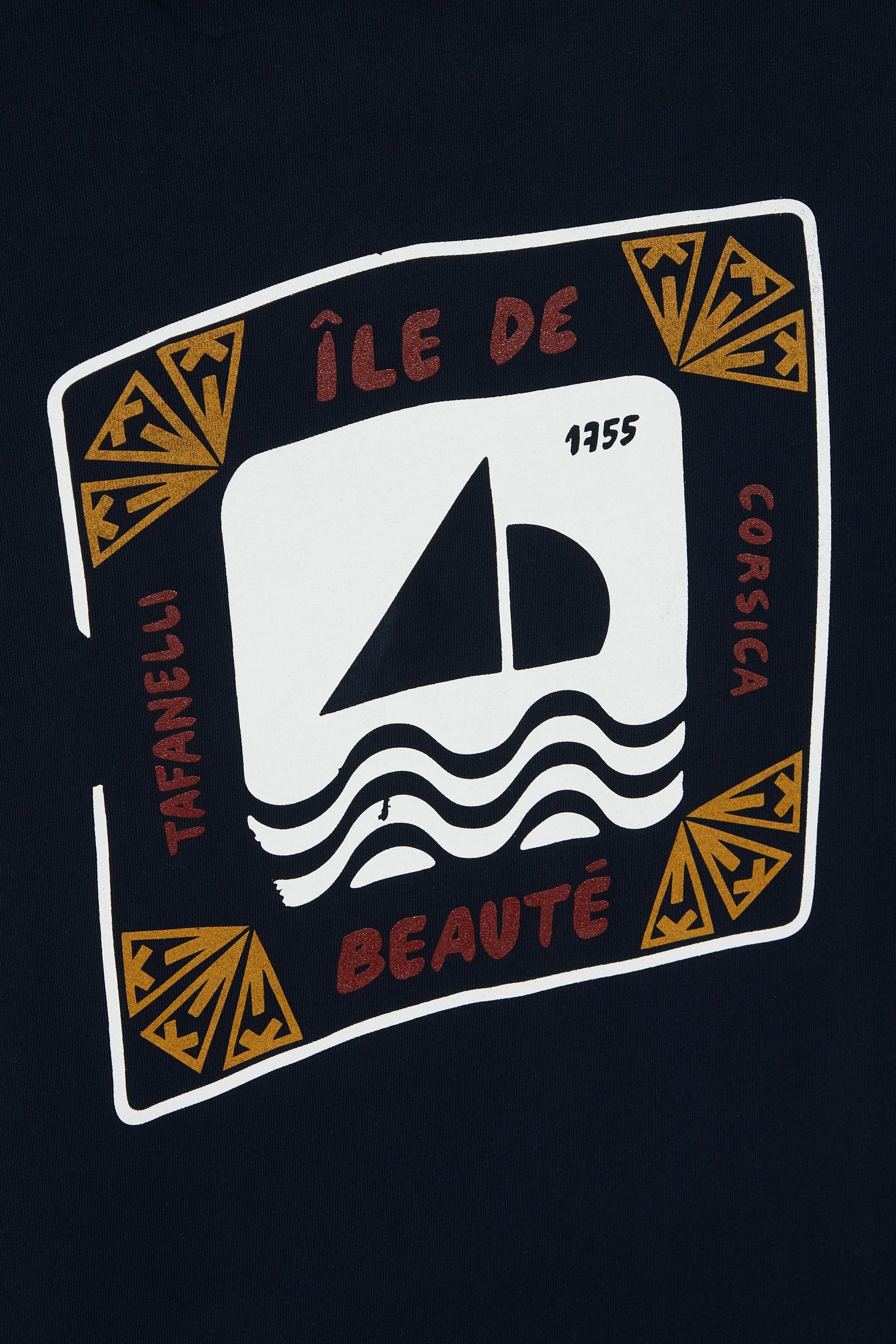
Our catalog, from Île de Beauté 1755 to La Roccapina, from the Calvi Diver to the Sportmer Saint-Tropez, from Sea Urchin Fishing to the Siren Club, already composes this imagination that many will want to appropriate in the coming months. The difference is that it was not built to follow a trend. It emerged from a familial attachment to the island, and the desire to transmit what Corsicans have carried within them for generations.
If you are reading this article today, you are among the first. Be proud of it. You have seen what will soon be obvious to everyone else.
Frequently Asked Questions
Is Corsica really going to replace Saint-Tropez?
Not in its purely commercial role. Saint-Tropez will remain a major destination, with its luxury hotels and legendary beaches. However, in the minds of designers, magazines, and travelers in search of authenticity, Corsica is taking over as the new Mediterranean benchmark. The shift is cultural and aesthetic rather than purely touristic.
What are the best hotels in Corsica for 2026?
Several addresses stand out: Misincu for Cap Corse, U Capu Biancu for Bonifacio, Le Maquis for the Gulf of Ajaccio. Added to these are intimate guesthouses in the villages of Balagne (Pigna, Sant'Antonino, Lumio), and restored sheepfolds in the Corsican hinterland. The best addresses are not always the most well-known.
Where can one find Corsican aesthetic codes?
Several contemporary Corsican brands offer an educated interpretation of the island's heritage. TAFANELLI is part of this movement, with a premium approach based on French manufacturing, hand-craftsmanship, and a narrative built around the island's places and figures. Our references are part of this visual grammar which is gradually becoming the new standard for the southern Mediterranean.
What is the difference between Corsican aesthetics and Provençal aesthetics?
Provençal aesthetics are sunny, golden, washed, and soft. They evoke lavender, fields, and the light of the south. Corsican aesthetics are more contrasted, more raw. They play with the maquis, stone, the deep sea, salt, and the harsh heat of July. Where Provence evokes a resort-style holiday, Corsica evokes adventure. Both are Mediterranean, but their emotional grammars differ profoundly.
When is the best time to go to Corsica in 2026?
May-June and September-October remain the best times to enjoy the island at its most intense, without the crowds. July and August are still viable, but require choosing your areas carefully (favoring Cap Corse, the interior, and the villages of Balagne rather than the large, highly exposed beaches). For those who want to discover the emerging codes before the big wave, there is still time.
Which Corsican brands must one absolutely know?
The territory counts several remarkable houses in complementary fields: premium ready-to-wear (TAFANELLI), wines from independent estates (Domaine Vico, Domaine Comte Abbatucci, Antoine Arena), gastronomy (cured meats from the interior, high-altitude cheeses), ceramics, and tableware. Together, they compose a creative ecosystem that few French territories can claim.
How can one live this Corsican aesthetic on a daily basis?
By adopting its dress codes: natural materials, boxy cuts, an earthy color palette, and utilitarian accessories. By immersing oneself in its heritage narratives, its history (1755, Paoli, the Moor's Head), and its geography. By wearing pieces that truly embody this memory, rather than superficial imitations. This is precisely what we offer at TAFANELLI: a wardrobe for living Corsica, not for playing the part.
Going further into the TAFANELLI universe
If this article resonated with you, you will find more to read in these other narratives we have published about the island, its places, its figures, and its codes:
- The Isle of Beauty 1755: the story of a vintage t-shirt that tells the finest Corsican tale
- The Moor's Head: history and symbolism of the Corsican flag
- Sky, sea, and Corsica: essence of an island art of living
- Balagne: the complete guide to a region that will soon change everything
- Calvi: the complete 2026 guide
- Bonifacio: the complete 2026 guide
- Corsican wines: complete guide to the nine AOCs
- U Paradisu in Tamarone: the secret table of Cap Corse
- What to wear in Corsica in the summer of 2026
To discover our pieces, which for several years have composed this Corsican imaginary that the world is rediscovering, browse our complete collection.
The shift of fashion's center of gravity toward Corsica is underway. Be a part of it, at your own pace, with the respect due to an island that has never wanted to be "in fashion," but which today deserves for the world to look its way.
A PRESTU,
TAFA