Island of Beauty: where this name comes from, and what it really says about Corsica
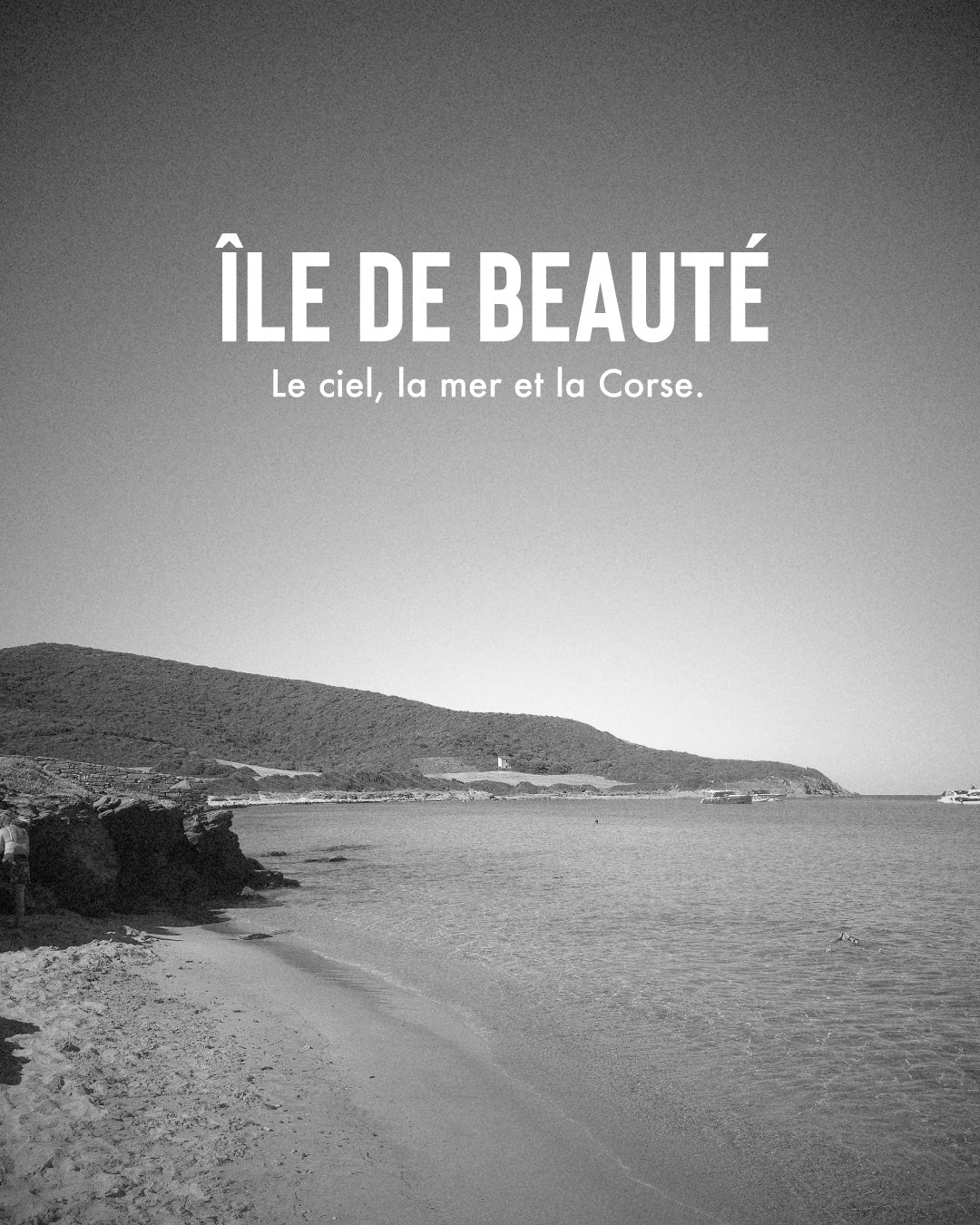
Around 565 BCE, Greek sailors approached an island they had never seen before. They named it Kallisté: the most beautiful. Two thousand six hundred years later, the French translation of this word has become a tourism slogan that many Corsicans can no longer stand. Here is the story of the island's two names, and why we chose to feature this one on our garments.
Kallisté, the first name
Around 565 BCE, Phocaean sailors from Asia Minor skirted a mountainous island covered in forests, whose peaks plunged almost directly into the sea.
They called it Καλλίστη, Kallisté. The superlative of kalos, beautiful. Literally: the most beautiful.
The first name given to Corsica by outsiders was already a compliment. Twenty-six centuries later, we haven't found anything better.
These same sailors founded Alalia, present-day Aléria, on the eastern coast. Corsica entered written history with a superlative, which is rare for a territory.
One must consider what this meant for Greek navigators. They were already familiar with the Aegean, Sicily, and the coasts of Italy. They had seen islands their whole lives. And this is the one they designated as the most beautiful.
Corsica, the name that won
Kallisté didn't last. It was the Romans who imposed Corsica, and it is this name that has traversed the centuries.
Its origin remains debated. Several hypotheses circulate, including a Phoenician or Etruscan root, though none has reached a consensus. This is, in fact, telling: the name that prevailed is the one whose meaning we do not know, while the one that meant something has disappeared from common usage.
Corsica remains the name of the island today in both Corsican and Italian, and it is the one islanders use among themselves. We say Corsica, we say a Corsica. We don't say "Island of Beauty" when talking about home.
It is also the name found on jerseys, car stickers, and signs. A name of belonging, not a description.
How "Island of Beauty" appeared in French
No single author invented the expression. It formed slowly, through sedimentation.
In the 18th century, European scholars rediscovered ancient texts and the translation of Kallisté began to circulate. At the same time, the Corsican Republic of Pasquale Paoli attracted the attention of all Enlightenment Europe. Rousseau, Voltaire, and Boswell wrote about this island that everyone was suddenly talking about.
In the 19th century, Romanticism and the first travelers took over. Mérimée, Maupassant, and Flaubert described a wild, dangerous, and sublime Corsica. The expression "Island of Beauty" became established in the French language during this period, driven as much by literature as by the first brochures designed to attract visitors.
In the 20th century, it became the island's unofficial nickname, adopted by shipping companies, tourist boards, and postcards.
What had begun as an observation by Greek sailors became, in two thousand five hundred years, a marketing argument.
Why this name bothers some Corsicans
It must be said frankly, because it is true.
"Island of Beauty" is a French expression, formulated from the outside, which reduces a territory to its appearance. It describes a landscape, not a people. It speaks of what the island has to show, never of what it lives.
For many islanders, this nickname belongs to the visitor's vocabulary. It evokes flyers, billboard campaigns, and Corsica as a backdrop. None of what truly makes the island is included: not the language, nor the shepherds, nor the songs, nor the political history.
An island one finds beautiful and an island one inhabits are not the same thing. And for a long time, the latter aspect was invisible behind the former.
Reclaiming a name rather than abandoning it
There are two ways to treat a word that has become a slogan. Abandon it, or reclaim it.
We have chosen the latter, for a simple reason: the expression is not false. It has just been misused for a century.
Let us recall its real origin. It is not an advertising gimmick; it is a translation. The name comes from sailors who made a judgment upon seeing a coast twenty-six centuries ago, with nothing to sell. It is likely one of the oldest compliments still in circulation in Europe.
A word does not belong to those who claimed it last. It belongs to those who decide what it means.
Written on a postcard, "Island of Beauty" is a cliché. Worn by someone from the island, on a garment made with exacting standards, it becomes what it once was: an observation.
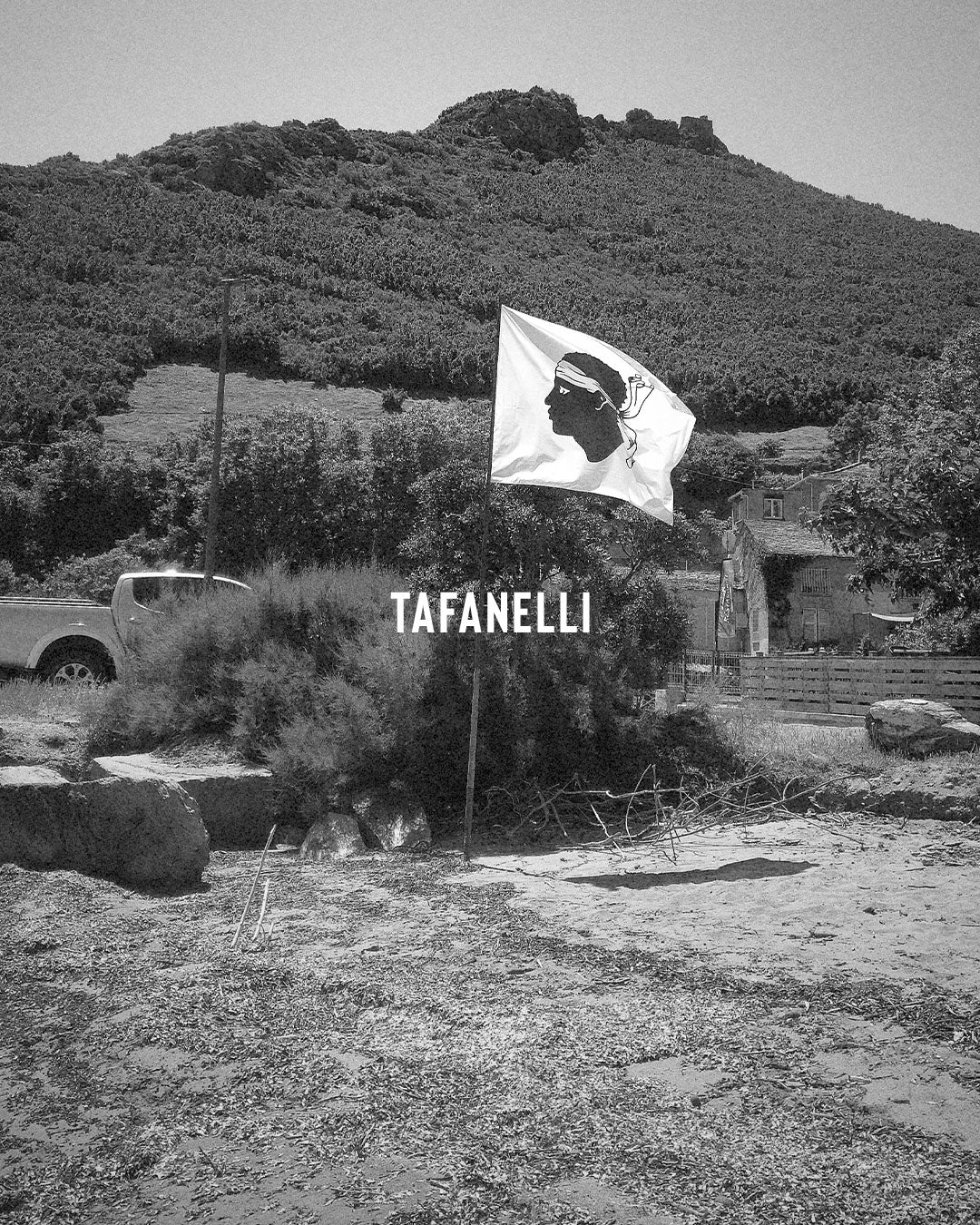
This is exactly the movement that the Moor's Head experienced, long reduced to a souvenir motif before becoming an emblem again. Or the mezzaru of traditional costume, an Indian fabric imported by Genoa that became the most Corsican sign of all.
A living culture does not protect its words. It reclaims them.
La Trinità, the name worn on a headband
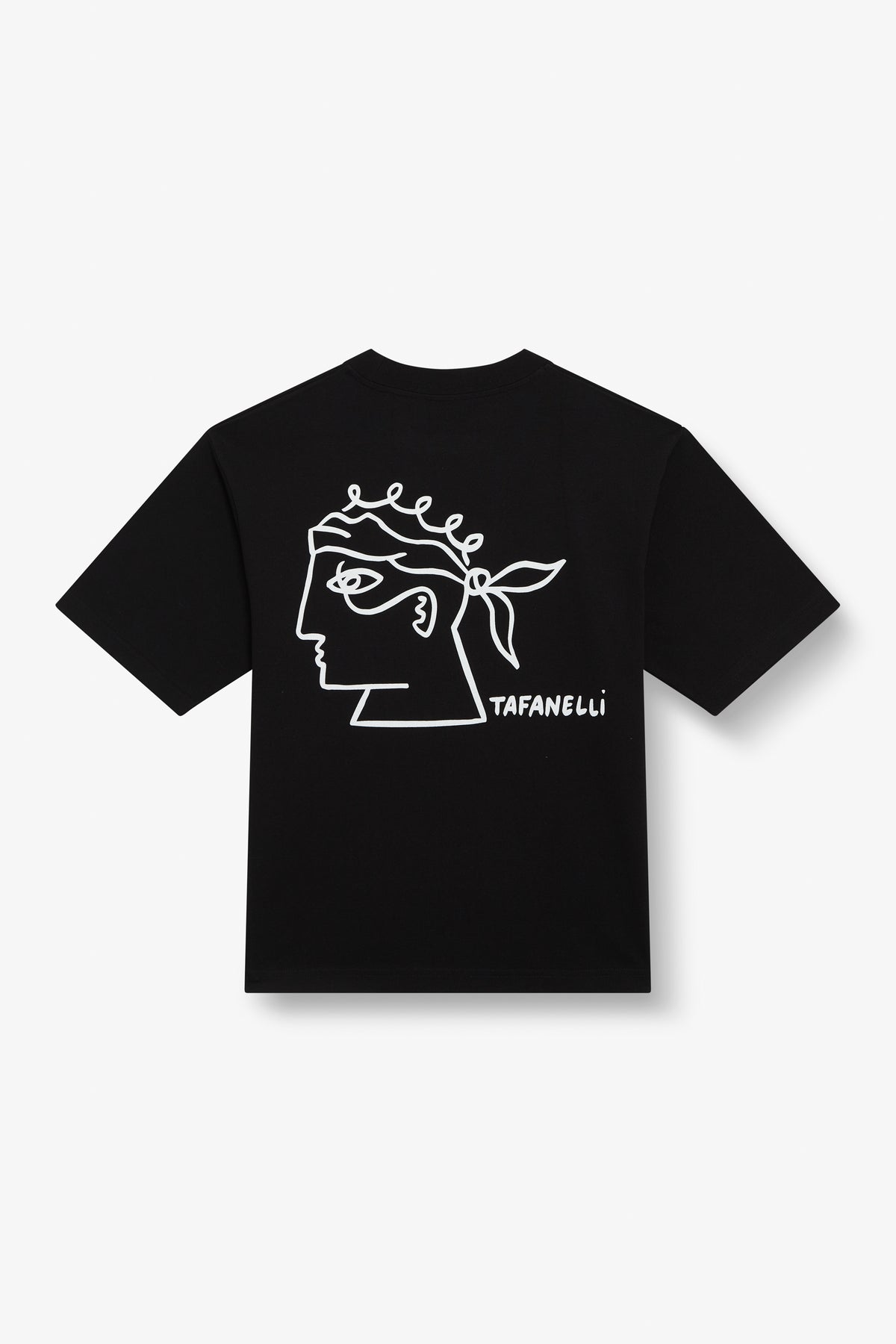
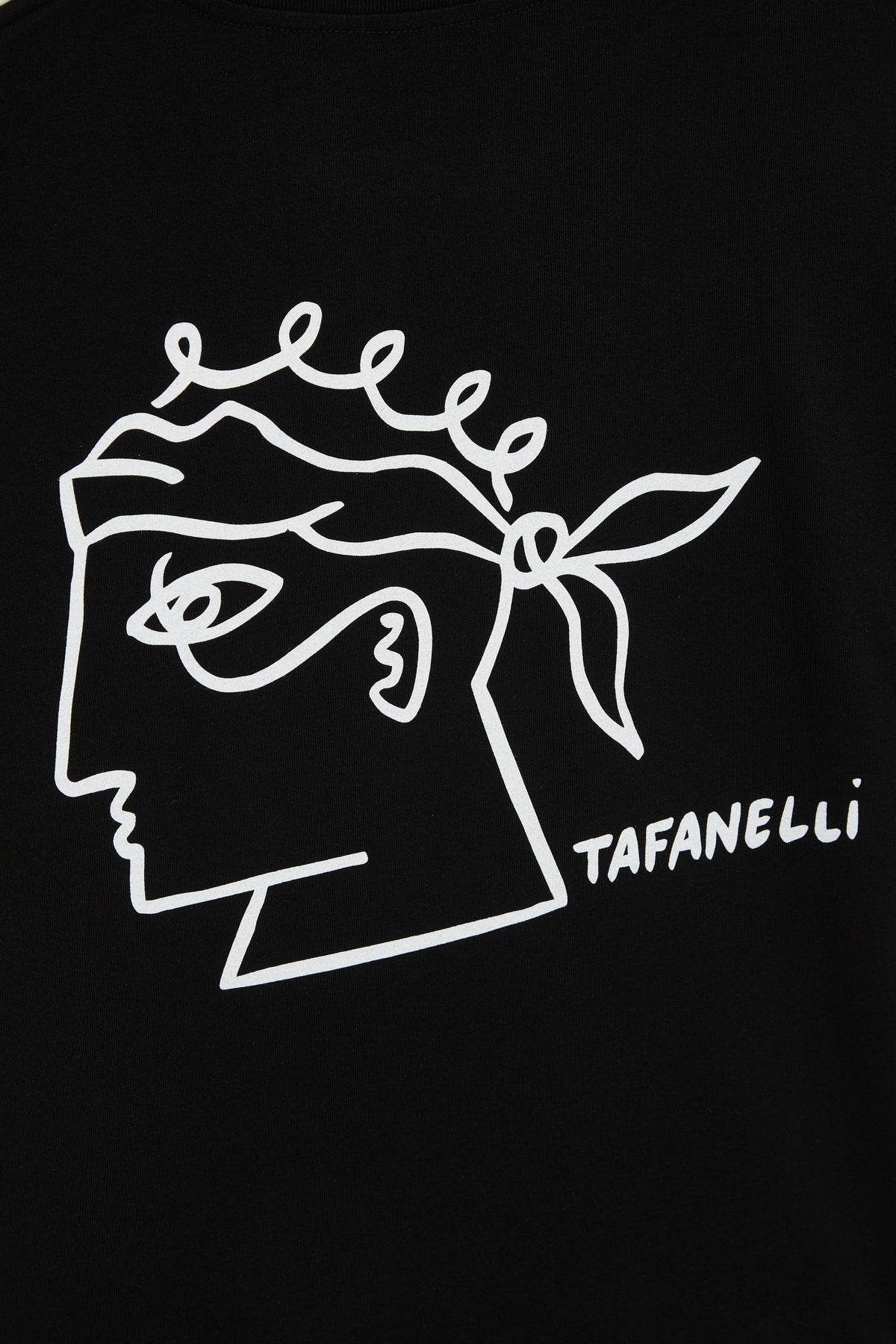
Our latest garment bears this expression, and it is no mere decoration.
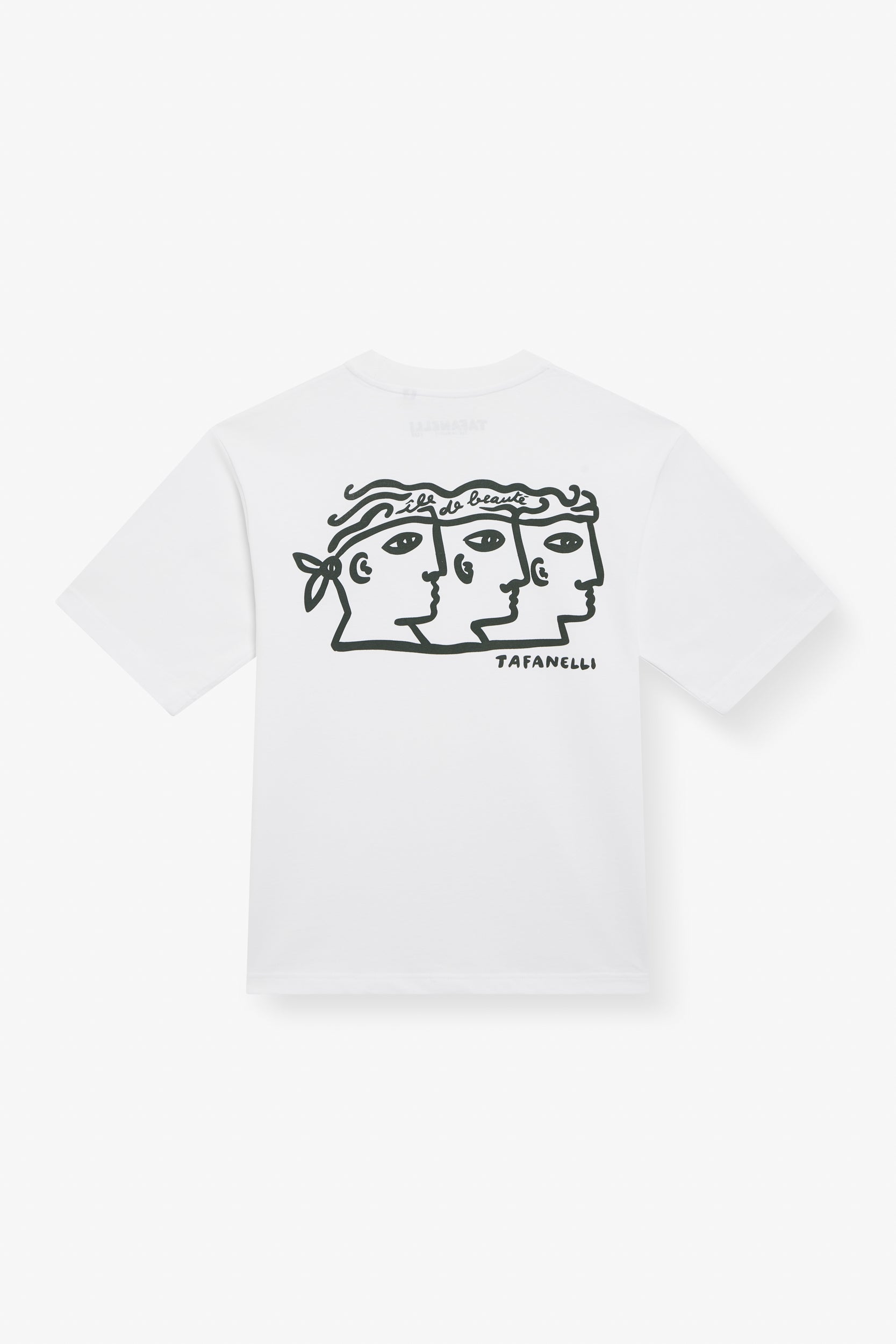
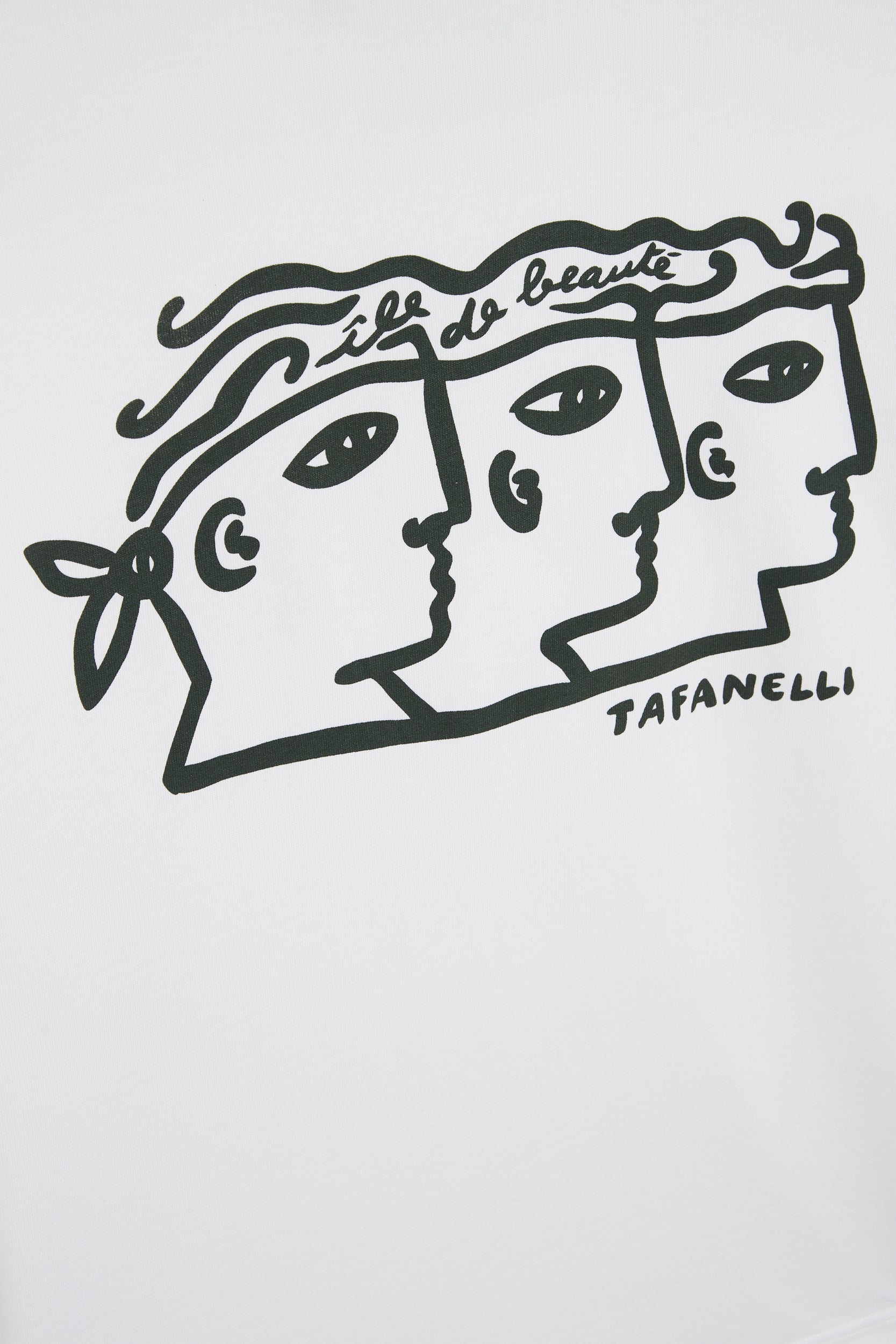
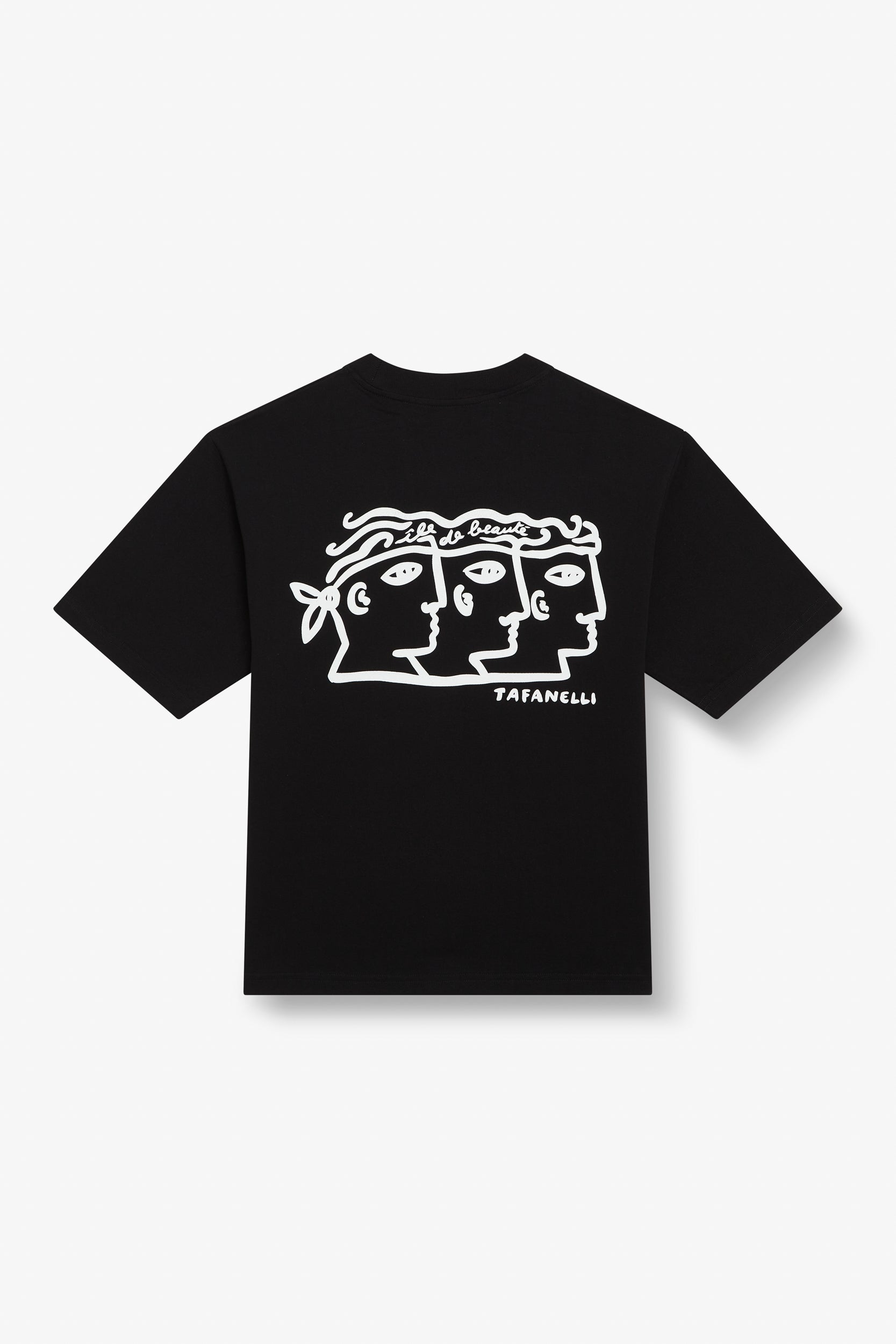
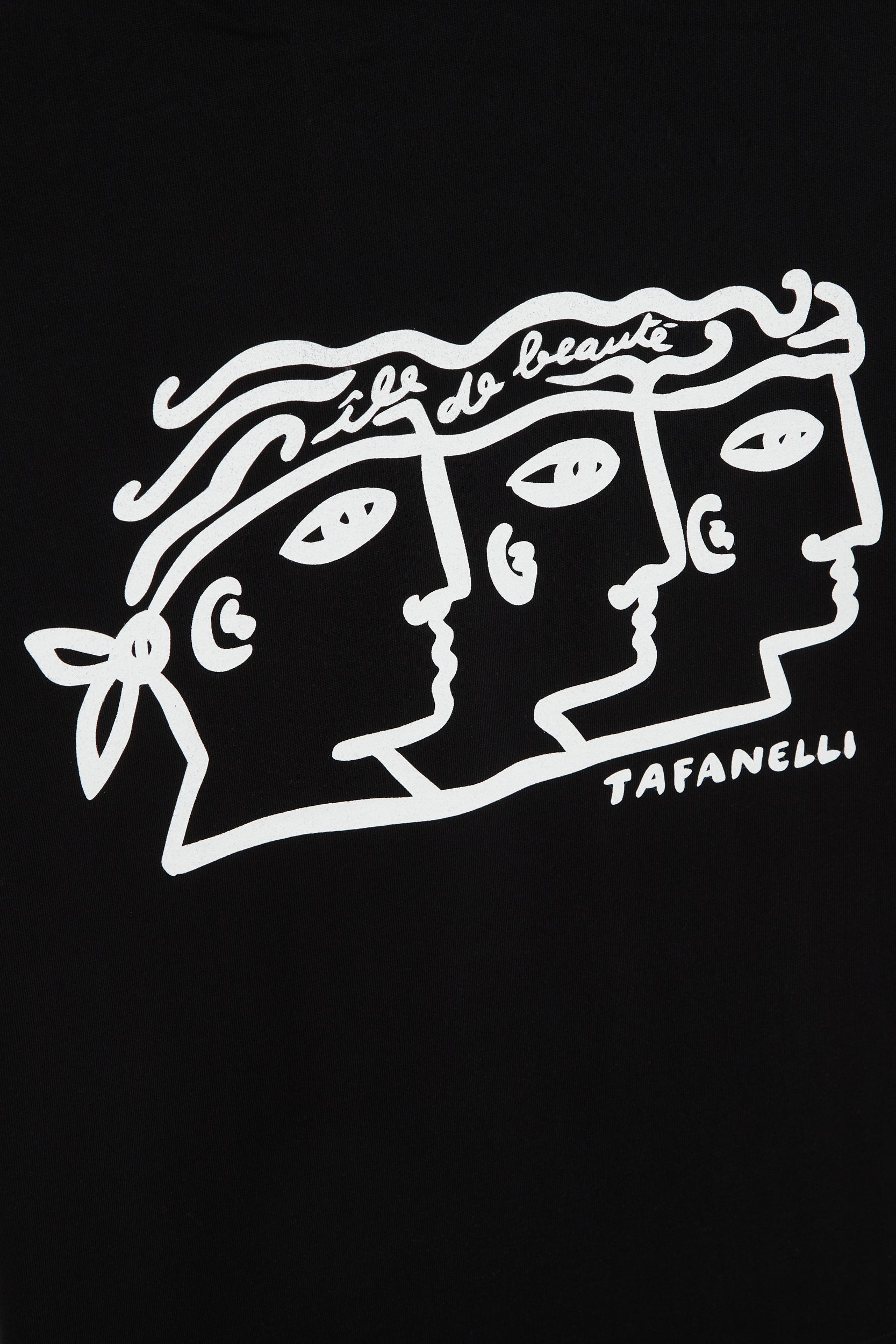
La Trinità depicts three profiles turned toward the same horizon, joined by a headband that crosses the design. Written on this headband is île de beauté.
The three profiles are not three people. They are the three elements that make up the island and that no Corsican would dissociate: mare, muntagna, machja. The sea, the mountain, the scrubland. None dominates the others, and it is this indivisibility that makes Corsica.
The headband that links them is a direct reminder of the Moor's Head, whose headband was raised to the forehead under Paoli, as a sign of a people looking forward.
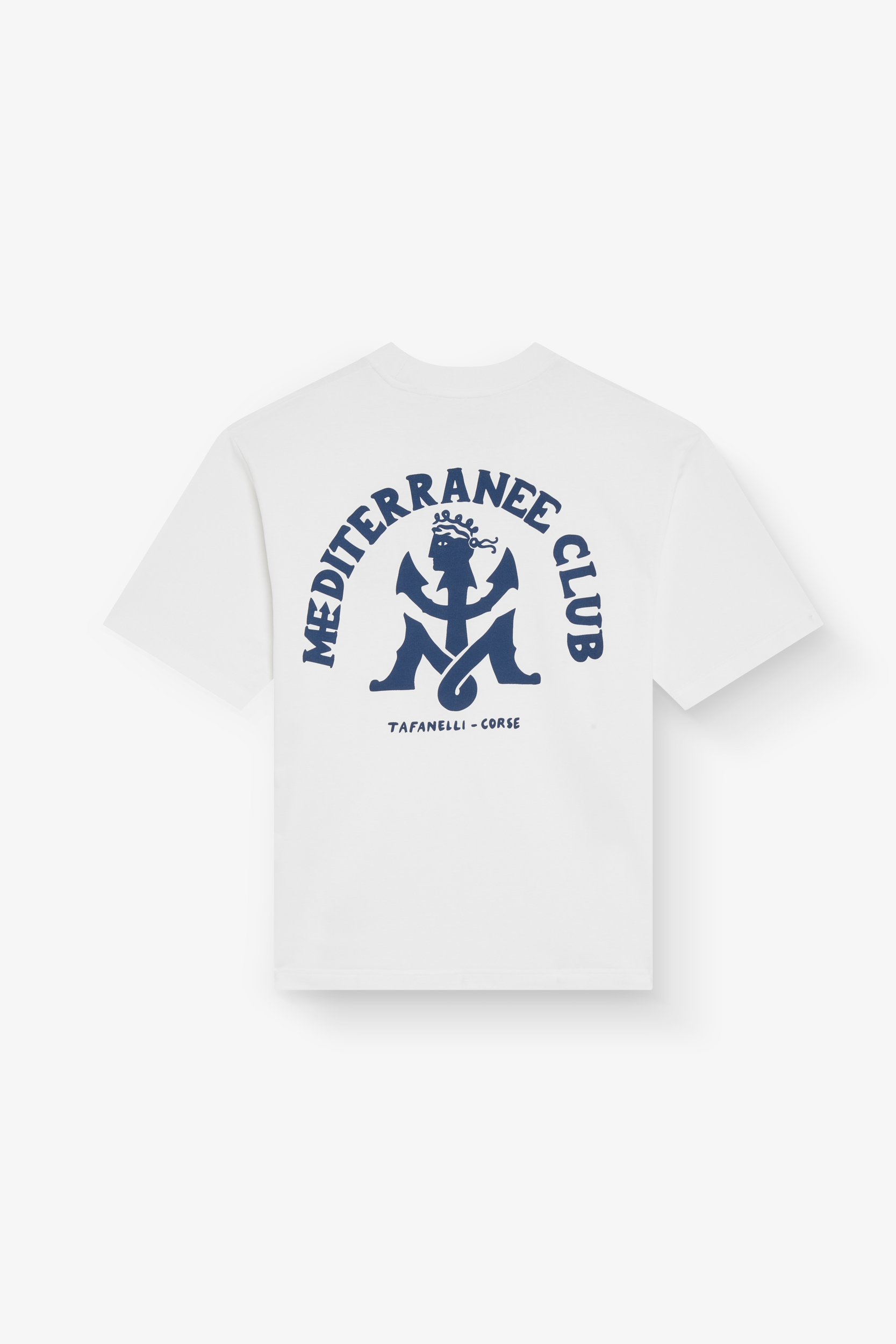
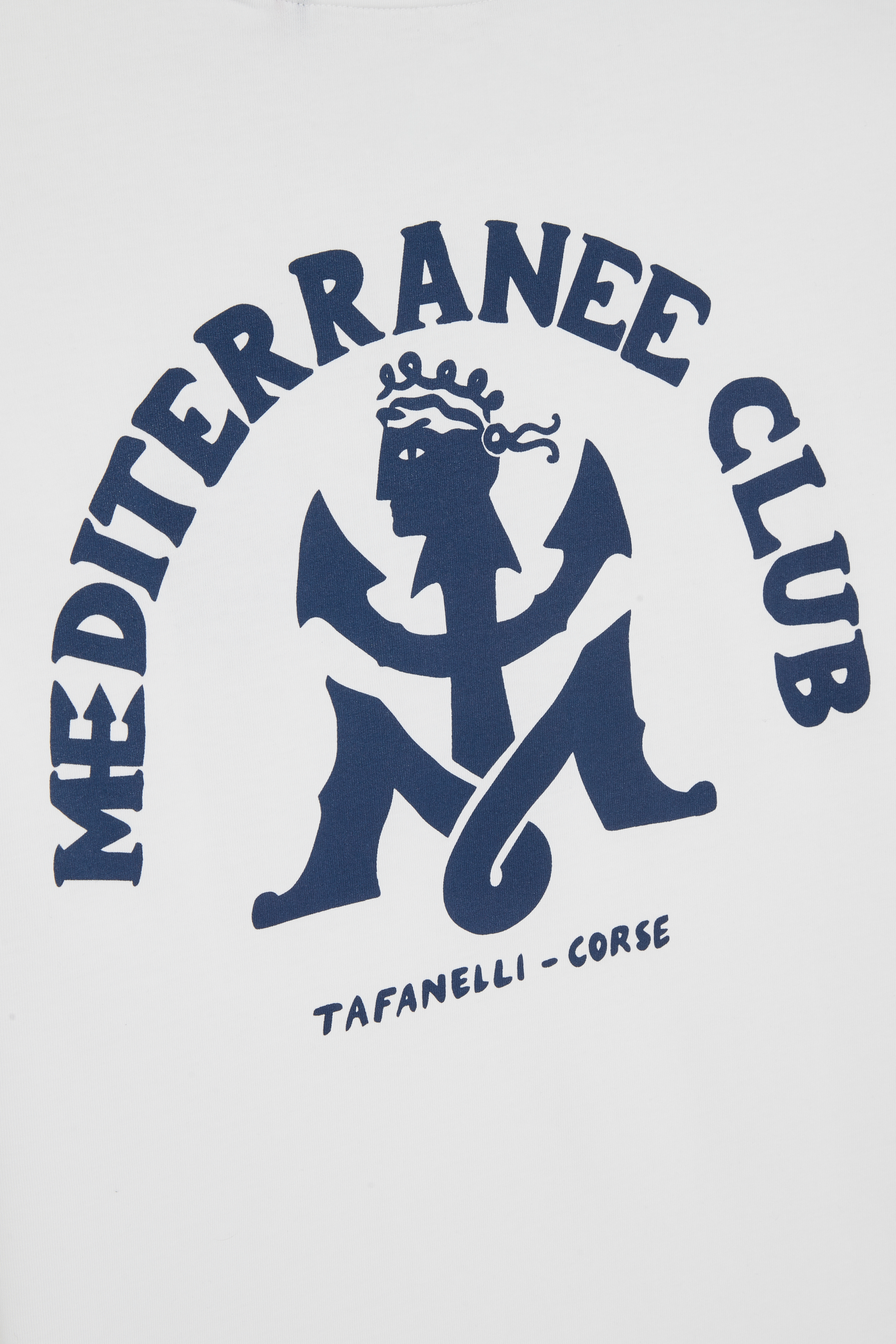
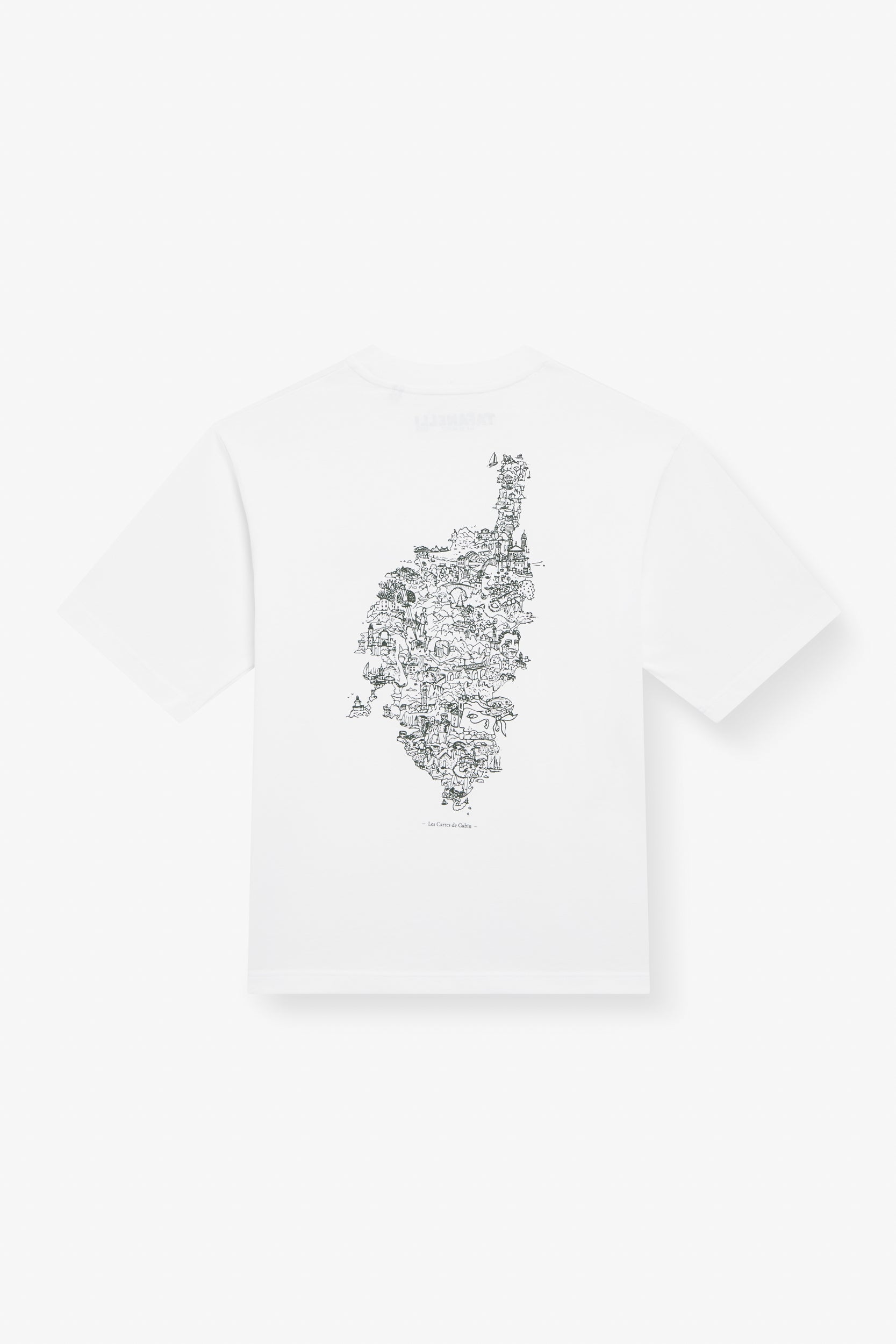
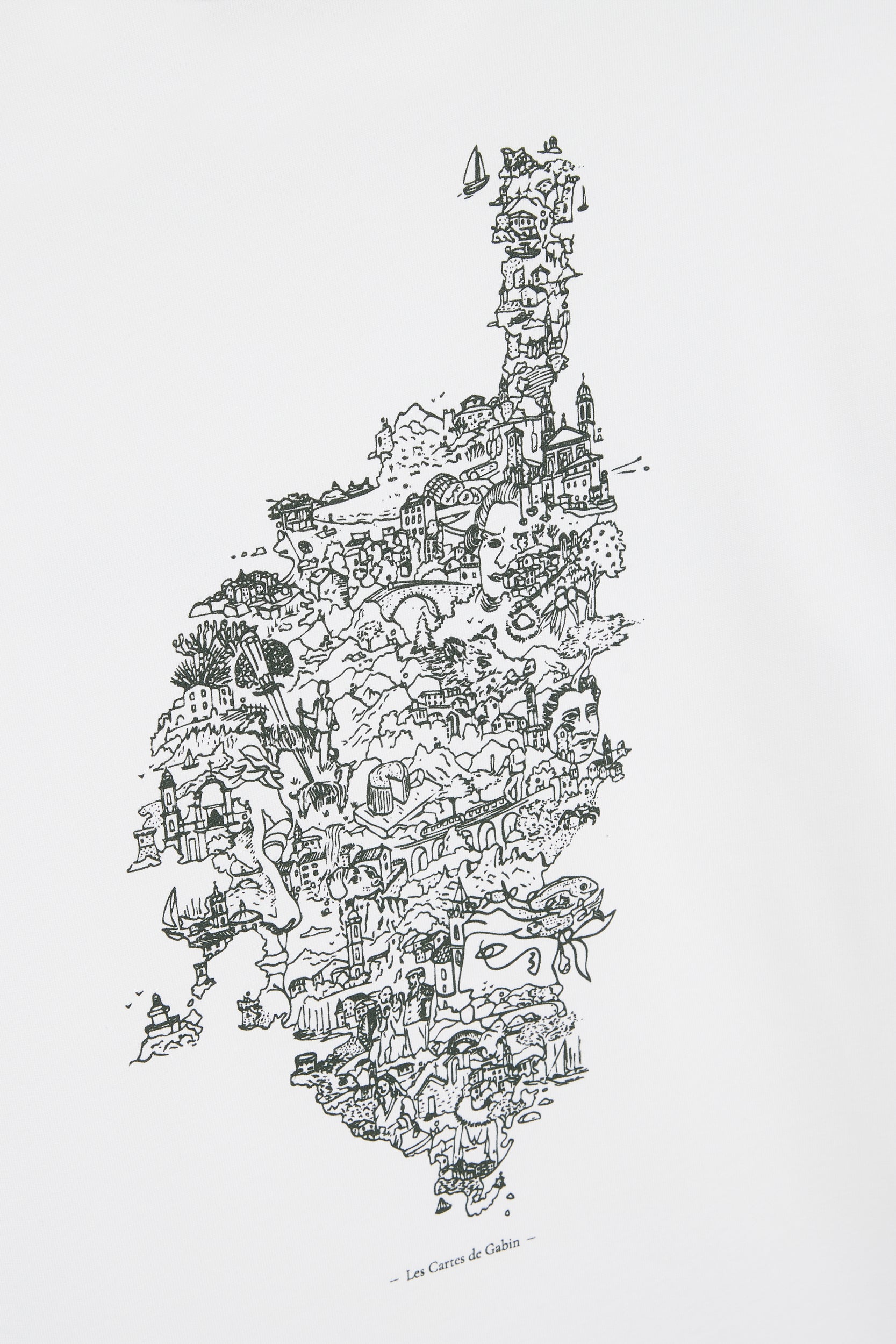
It took four years to finalize this piece. 280 gsm pre-washed organic cotton, mounted and reinforced collar, no interior label, hand-screenprinted layer by layer. It is available in white and black.
Writing "Island of Beauty" on a piece of this caliber is our way of giving back to the word what tourism has taken from it.
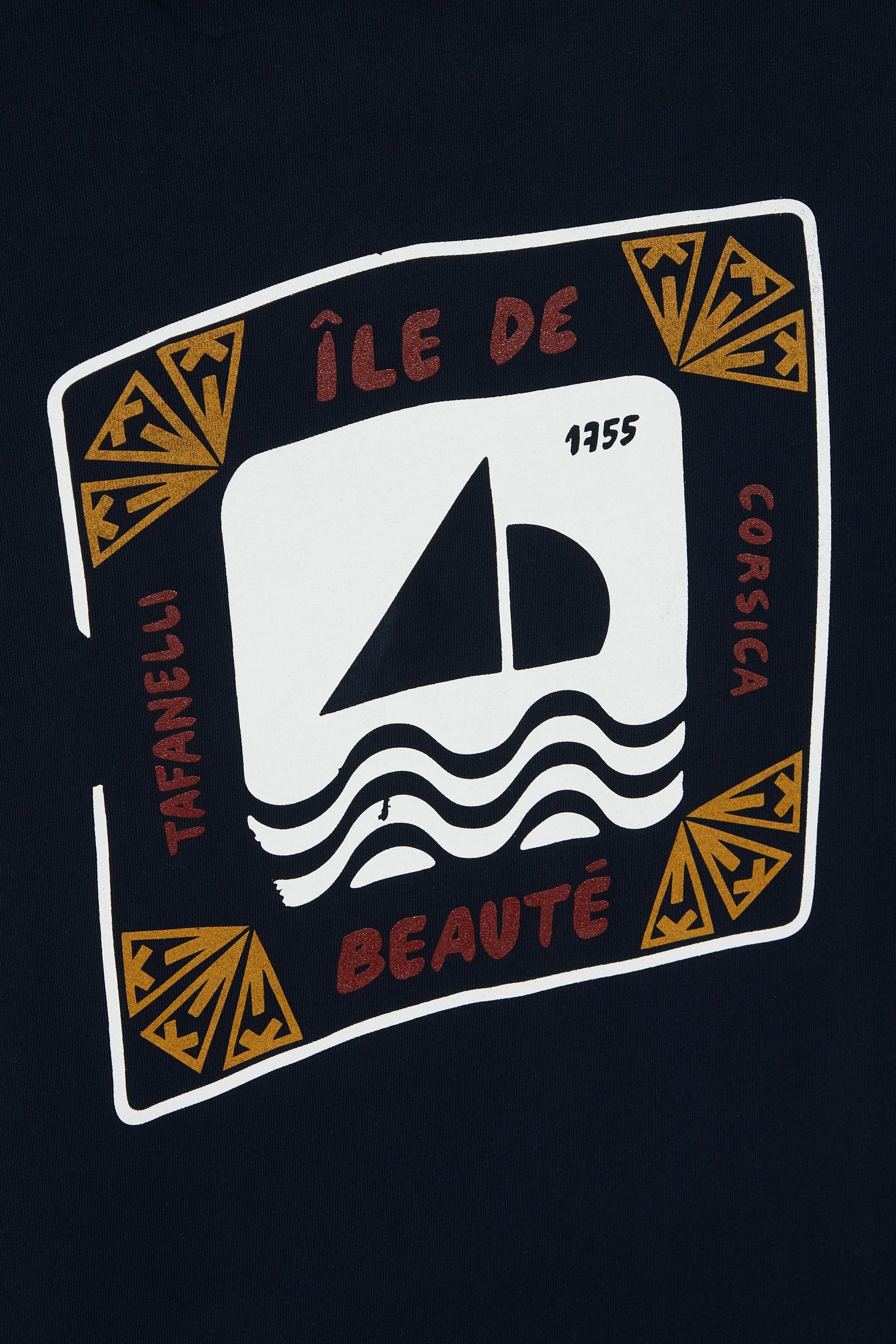
The 1755 line
The island's other name also appears in our collection, associated with a date.
1755 is the year Pasquale Paoli proclaimed the Corsican Constitution in Corte. A text inspired by the Enlightenment, founded on popular sovereignty and the separation of powers, written when no modern republic yet existed in Europe. The Corsican Republic would last for fourteen years, until 1769.
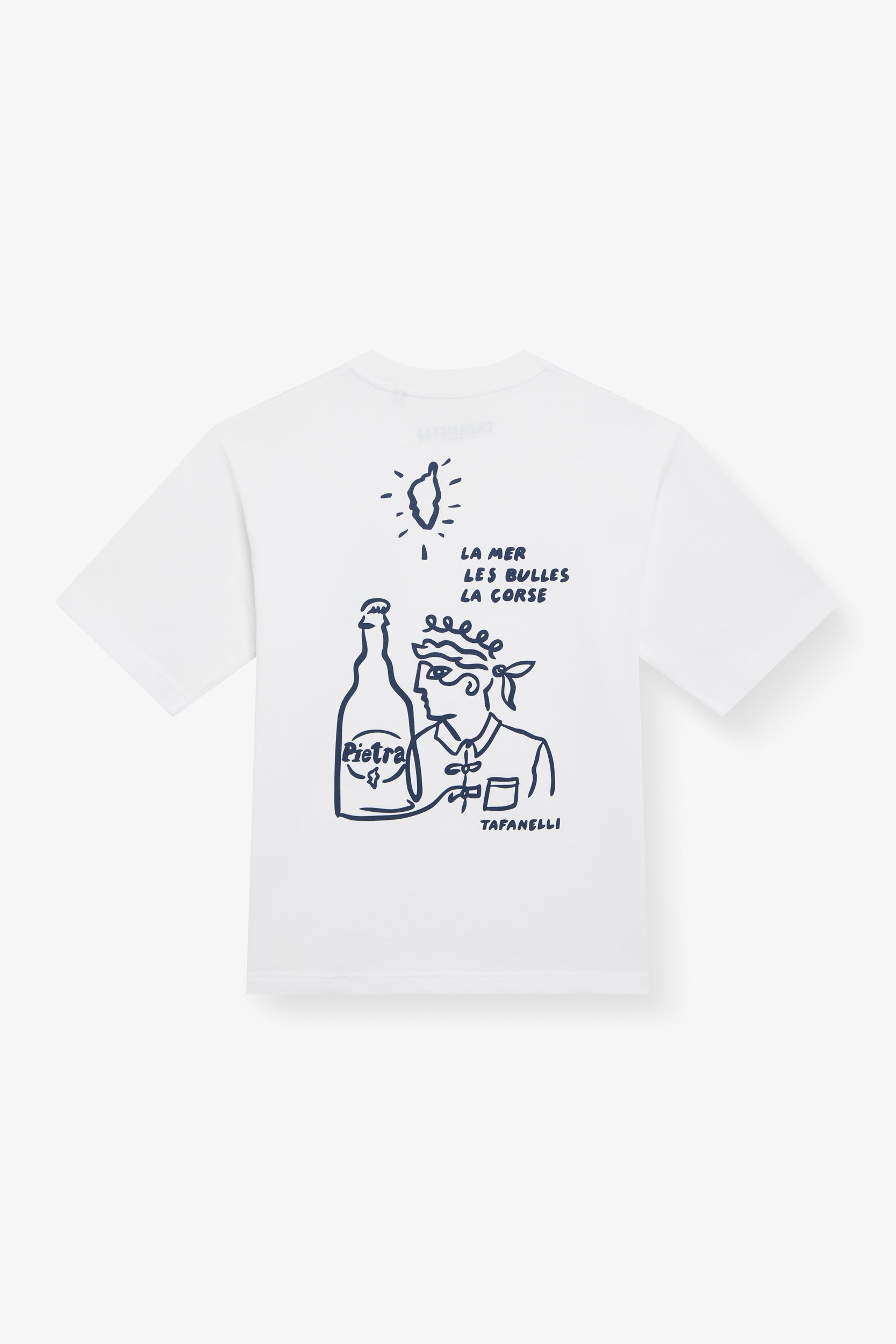
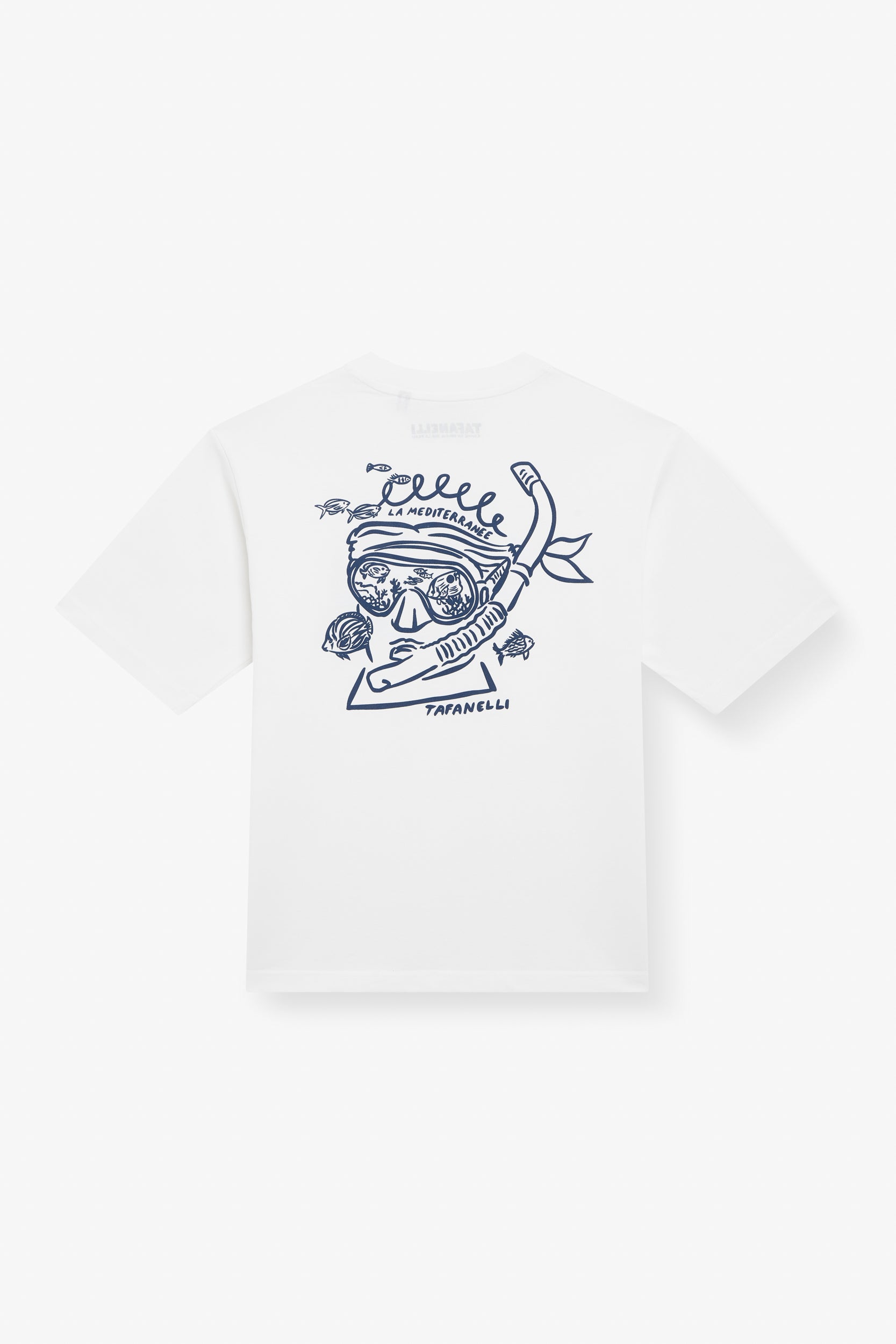
This is the date borne by our 1755 line on unbleached cotton: L'Île de Beauté 1755, Le Corsica 704, Le Cala Rossa, La Pêche aux Oursins.
Two names, two registers. Corsica and 1755 for political history. Island of Beauty for what Greek sailors saw upon arriving. Both say something true, and we do not choose between them.
See also the story of the Île de Beauté 1755 t-shirt and the guide to Corte, the historic capital of the Corsican Republic.
Frequently asked questions
Why is Corsica called the Island of Beauty?
The expression is the French translation of Kallisté, "the most beautiful," a name given to the island by Phocaean Greek sailors around 565 BCE. It became established in the French language in the 19th century, driven by Romantic literature and early travel writings.
Who invented the expression "Island of Beauty"?
No one in particular. It resulted from the translation of the Greek Kallisté and gradually consolidated over the centuries, without an identifiable author.
What does Kallisté mean?
From the Ancient Greek Καλλίστη, the superlative of kalos (beautiful). Literally "the most beautiful."
Do Corsicans say "Island of Beauty"?
Rarely among themselves. They say Corsica, or a Corsica. "Island of Beauty" is perceived as a French expression, formulated from the outside, and associated with tourist vocabulary.
What does 1755 mean on Corsican t-shirts?
It is the year Pasquale Paoli proclaimed the Corsican Constitution in Corte, founded on popular sovereignty and the separation of powers. The Corsican Republic lasted until 1769.
To learn more
- Corsican brand: how to recognize the real thing
- Mare, muntagna, machja: the Corsican landscape trinity
- The Moor's Head, history of the Corsican flag
- Pasquale Paoli, father of the Corsican nation
- Traditional Corsican costume
- The Corsican language, history and renaissance
- See the 1755 line
When visiting Corsica, the client becomes a friend.
A DOPU,
TAFA