The Moor's Head: history and symbolism of the Corsican flag
No other French regional flag bears an image so recognizable. The black Moor's Head with a white headband on a white background has, over a few centuries, become one of the most powerful emblems of Mediterranean Europe. Yet, behind this simple figure lies a dense history, made of medieval battles, forgotten kingdoms, crowns, and a foundational political gesture signed by Pasquale Paoli. Here is the complete story of the Corsican flag, told as it should have been in school.
The origins: a medieval symbol from Aragon
To understand the Corsican Moor's Head, one must go back to the thirteenth century, and more precisely to the Iberian Peninsula. The symbol of a Moor's Head (that is, a black Muslim from North Africa) appears in the coat of arms of the Crown of Aragon, at a time when Aragonese sovereigns were engaged in the Reconquista, the long war to reconquer territories occupied by Muslims in Spain.
Four Moor's heads appeared on the Aragonese coat of arms from this era, in symbolic reference to Christian victories against Arab armies in the south. This is the exact same iconography found today on the flag of Sardinia (the four Sardinian Moors) and, in part, on that of Corsica, save for one head.
The common origin of the two Mediterranean island flags, Sardinian and Corsican, is therefore no coincidence. It is the heraldic memory of an era when these islands belonged to the same Iberian sphere of influence, and where their sovereigns bore the same symbol of victory against the Saracen invader.
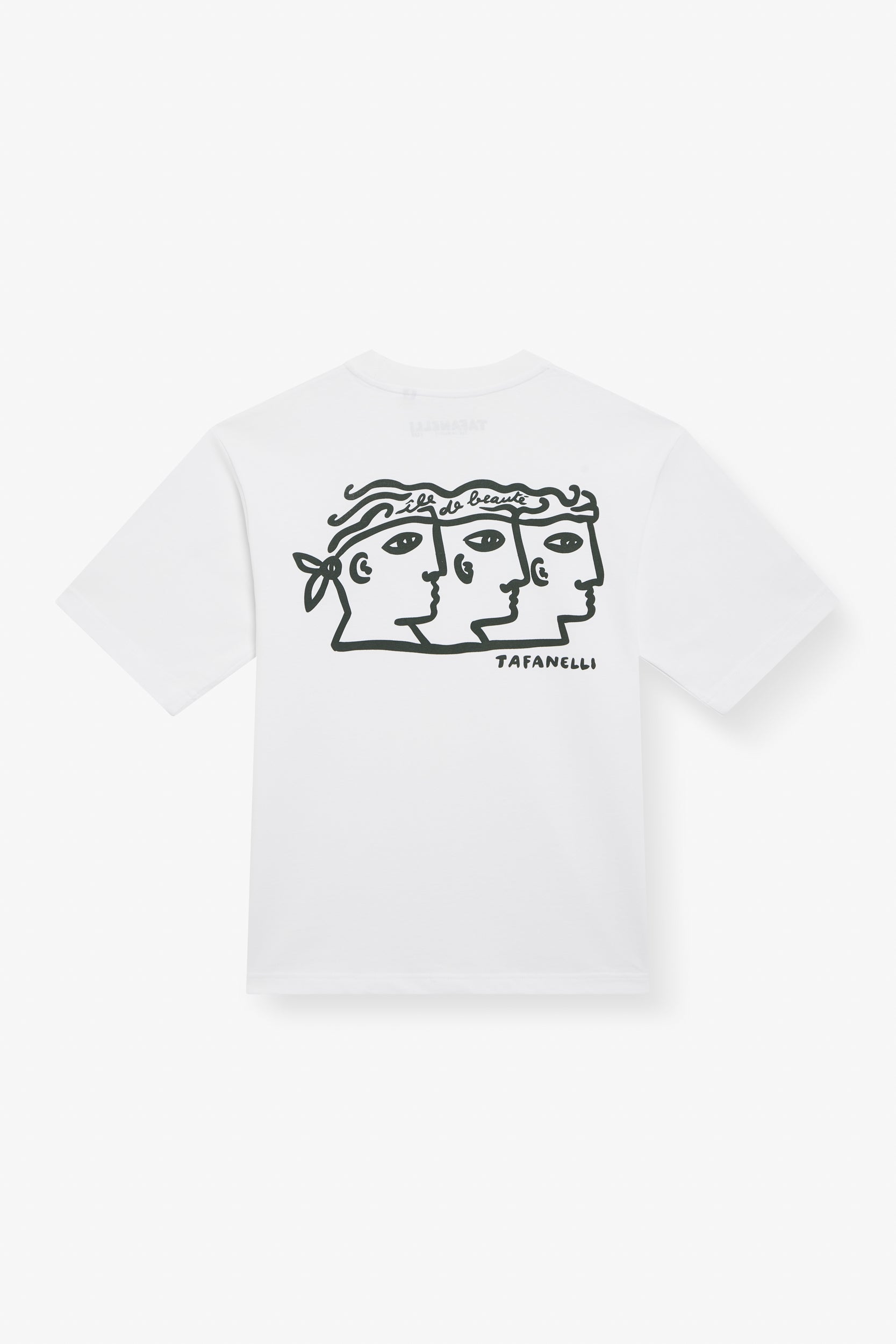
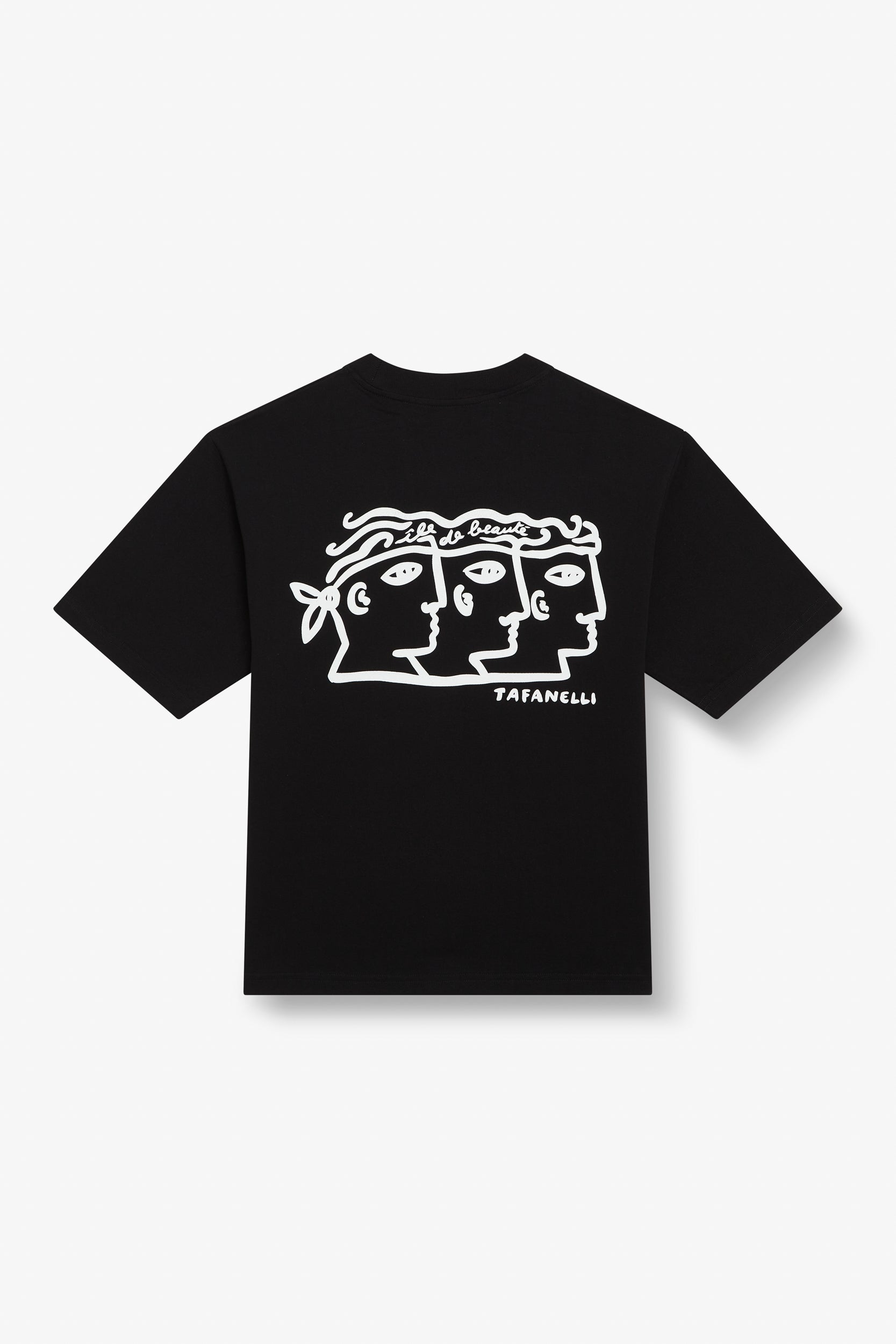
Note in passing: Corsica goes by two names, and the second also tells a story of how the island was viewed by outsiders. We detailed this in Island of Beauty: where does this name come from?
The legend of the four heads and Saint Maurice
Alongside the historical explanation based on the Reconquista, several popular legends have enriched the origin of the Moor's Head over the centuries. They are all worth knowing, as they are part of the identity narrative that Corsicans have passed down for generations.
The Battle of Alcoraz (1096)
One of the oldest legends recounts that King Peter I of Aragon won the Battle of Alcoraz against Muslim armies thanks to the miraculous appearance of Saint George. On the battlefield, the severed heads of four Moorish kings were found. To celebrate the victory, the king had these four heads added to his coat of arms. This would be the legendary origin of the Aragonese coat of arms and, by extension, the Corsican symbol.
Saint Maurice and the Theban Legion
Another tradition associates the Moor's Head with Saint Maurice, a Roman soldier of African origin who supposedly commanded the Theban Legion and died a martyr in the third century for refusing to renounce his Christian faith. This Christian interpretation of the symbol circulated until the eighteenth century.
The fight against the Saracens in Corsica
A specifically Corsican variant of the legend suggests that the Moor's Head is a direct reminder of the Saracen invasions the island suffered between the eighth and sixteenth centuries. Corsica was indeed the target of multiple Barbary raids, and some noble Corsican families fought the pirates alongside Genoese and Aragonese armies. For the Corsicans, the Moor's Head would therefore represent the memory of a defeated enemy, a trophy of honor worn on the island's crest.
This memory of danger from the sea has shaped the entire geography of the island, from the network of Genoese towers to the villages built on high ground, and right down to the spirit of resistance associated with the maquis.
From the Aragonese coat of arms to the island flag
For centuries, the Moor's Head remained a heraldic symbol among others, used at times by the Crown of Aragon, and at others by the kingdoms of Naples or Sicily, which owned or claimed Corsica at various times. The island itself passed successively under the authority of the Pisans, the Genoese, and then briefly Theodore de Neuhoff, that mysterious Westphalian adventurer who had himself proclaimed King of Corsica in 1736.
It was precisely with Theodore de Neuhoff that the Moor's Head made its official entry into Corsican political iconography. The new sovereign chose to adopt this symbol for his royal banners, aware that it evoked both European heraldic nobility and the deep Mediterranean identity of the island.
But Theodore's reign was short-lived. He left Corsica after less than a year, and the island fell back under Genoese rule. As for the Moor's Head, it had become anchored in the island's visual memory. It would take a few more decades for it to take on its final form.
1762, the year Paoli freed the Head
The foundational act of the modern Corsican flag took place in 1762, seven years after the proclamation of the Corsican Constitution of 1755 by Pasquale Paoli. Having become the leader of a young democratic republic at war with Genoa, Paoli needed a national flag capable of uniting his troops and representing Corsica in European diplomatic exchanges.
He chose the Moor's Head. But he made a decisive modification, the symbolism of which would be immense for future generations: he raised the headband that, until then, had covered the Moor's eyes.
Previously, on the Aragonese coats of arms and on the banners of Theodore de Neuhoff, the Moor wore a black headband over his eyes. This headband symbolized his condition as a captive, a slave, a defeated man. Paoli, faithful to the principles of the Enlightenment that inspired his Constitution, refused this servile representation. He ordered the workers tasked with weaving the new flags to raise the headband above the Moor's forehead.
The Moor is no longer blind. He sees. He is no longer a shackled enemy; he is a free man. This seemingly minor gesture radically transformed the meaning of the flag.
The same generation was involved in another struggle, that of language, which we discuss in the history of the Corsican language. And to understand what Corsica represented in the Europe of that end of the century, one must also look to Napoleon's childhood in Ajaccio, born six years after the end of Paoli's Republic.
The lifted headband: the real meaning
Paoli's political gesture in 1762 made the Corsican Moor's Head a symbol of freedom and recovered sovereignty, whereas the Aragonese coats of arms bore that of military victory and Christian dominance over the Muslim world.
This nuance is fundamental. Even today, when a Corsican wears the Moor's Head flag, they are not celebrating the defeat of an enemy. They are celebrating the freedom of the island, conquered through arms, through the Constitution, and through the political thinking of a man who placed human dignity at the heart of his project.
The raised headband has become, in the island's collective imagination, the very symbol of Corsican pride. One sees it shining on village walls, in tattoos, on clothing, on cars, and on village utility poles. It is omnipresent. And everywhere, it has the same meaning: we are free, we see, we stand tall.
“The lifted headband of the Corsican Moor is not a decoration. It is a political declaration more than two centuries old, still alive today in every village on the island.”
Corsican oral tradition
From a symbol of independence to a regional flag
After the military defeat of the Corsicans against French armies at the Battle of Ponte Novu in May 1769, Paoli's Corsican Republic came to an end, and the island officially became French. For nearly two centuries, the Moor's Head flag was relegated to the status of a cultural identity symbol, sometimes frowned upon by French authorities who perceived it as a mark of separatism.
It was not until the twentieth century, and particularly the regionalist movements of the 1970s, that the Corsican flag regained widespread public visibility. In 1980, following a long citizen and cultural mobilization, the Regional Assembly of Corsica officially adopted the Moor's Head as the flag of the region. Paoli's gesture, over two centuries old, was thus institutionally consecrated.
Since that date, the Moor's Head flag has flown over Corsican public buildings alongside the French and European flags. It has become a respected, transmitted, and proud emblem that no longer arouses suspicion from authorities but rather unanimous recognition of the island's identity.
It is also in Corte, the capital of Paoli's Republic and the seat of its university, that the memory of this period is best preserved.
The Moor's Head in contemporary Corsican culture
Today, the Moor's Head is everywhere. It is one of the most present visual elements in daily island life. But its presence goes far beyond simple decoration: it structures a large part of modern Corsican culture.
Sports
The Moor's Head flag is waved at every match of the Sporting Club de Bastia and AC Ajaccio. Corsican fans make it a mark of identity as strong as the club's colors themselves. When Corsican teams play on the mainland, thousands of Moor's Head flags are deployed in the stands. We told the story of how a jersey color became an island identity in the blue of Sporting.
Music
Great Corsican artists, from I Muvrini to Petru Guelfucci, as well as Patrick Fiori and Antoine Ciosi, have all, at some point, integrated the Moor's Head into their visuals, album covers, and concerts. It accompanies the great Corsican polyphonic tradition, the paghjella, registered as UNESCO heritage, as an obvious identity seal.
Gastronomy and crafts
Many Corsican food and craft brands use the Moor's Head in their visual identity: charcuterie, cheeses, beers, wines, and biscuit makers. It has become a territorial brand, a sign of authentic provenance, almost an unofficial label.
Tattoos
It is one of the most tattooed motifs on the bodies of Corsicans, particularly among the younger generations. Tattooed on the arm, shoulder, back, or ankle, the Moor's Head flag has become an act of belonging, a personal seal of island identity. In this, it joins another island talisman, the Eye of Saint Lucia, which people have always worn for protection.
Fashion
Since the 2010s, several Corsican fashion brands have made the Moor's Head flag a central element of their collections, reinterpreting it with a contemporary aesthetic. Not all are created equal, and the line between tribute and roadside souvenir is thin: we wrote about what defines a true Corsican brand and the five codes that distinguish it.
The Moor's Head in the TAFANELLI universe
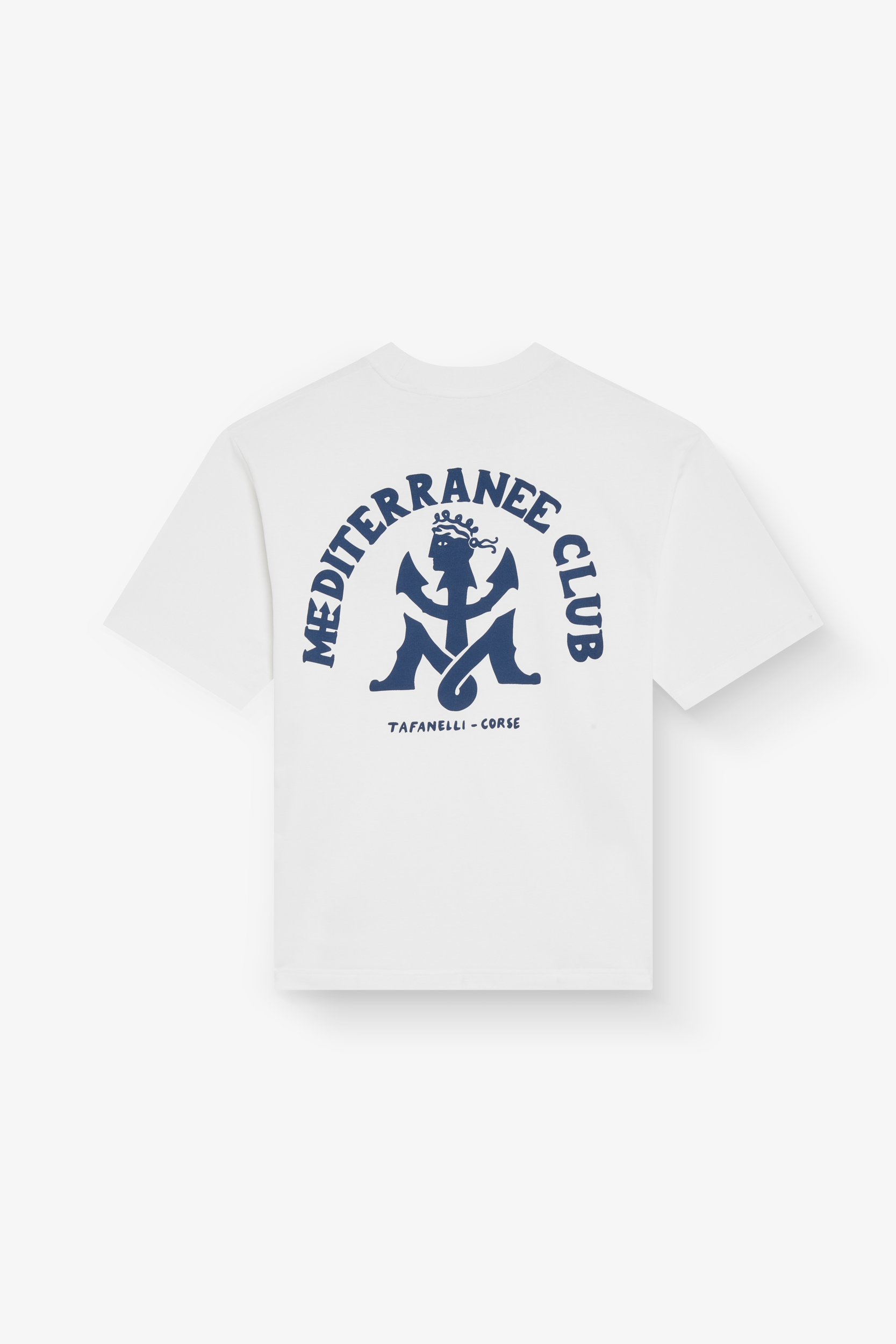
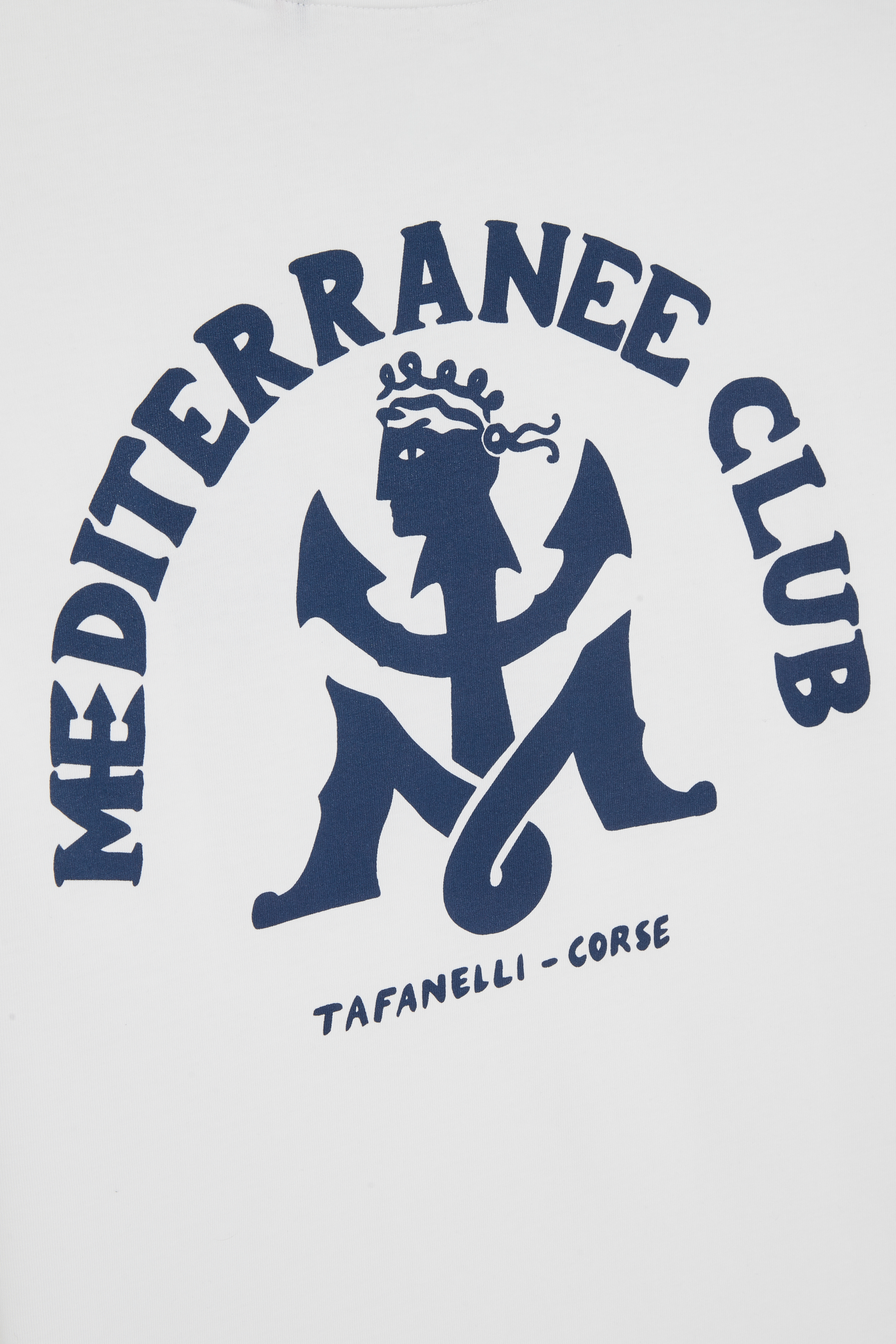
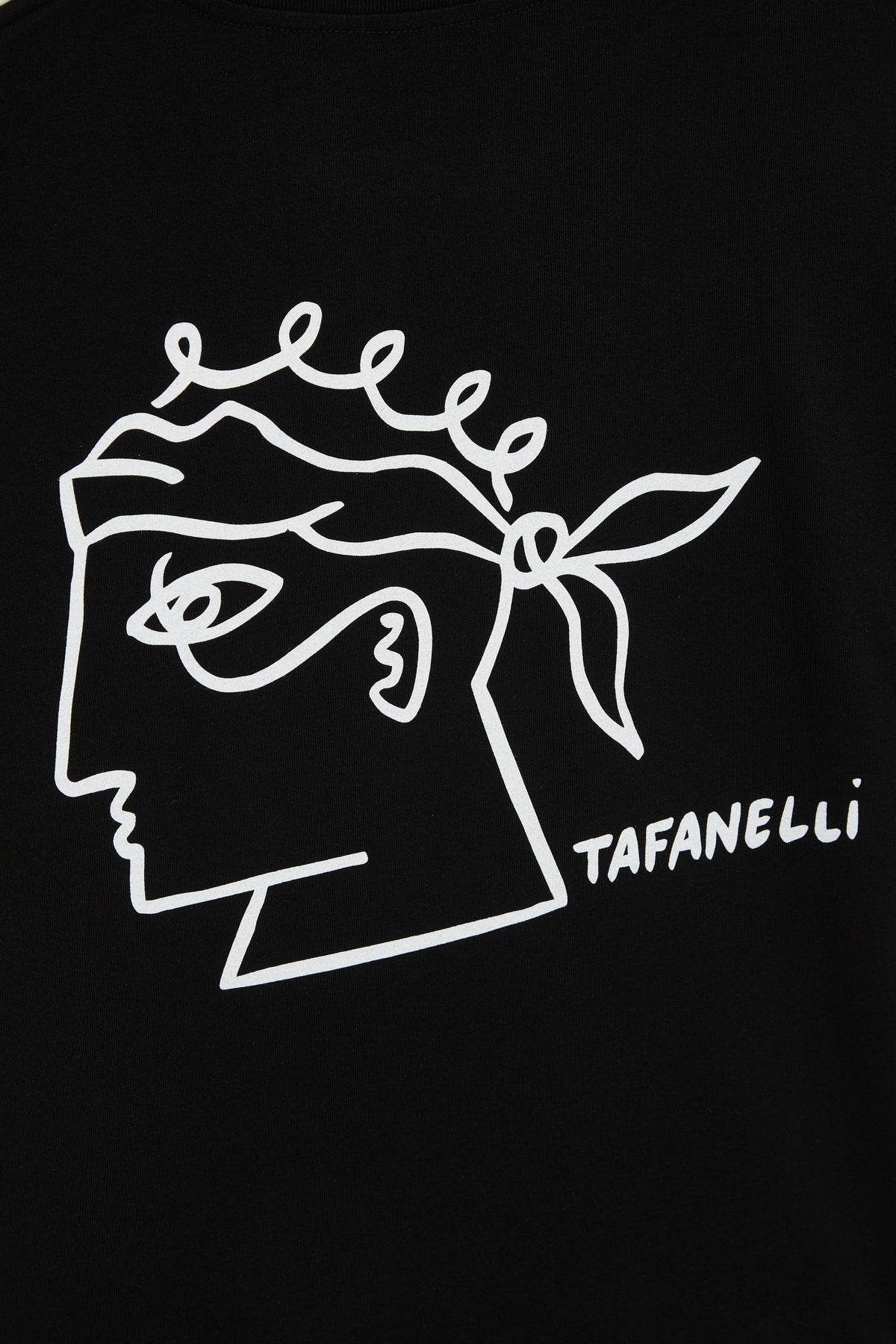
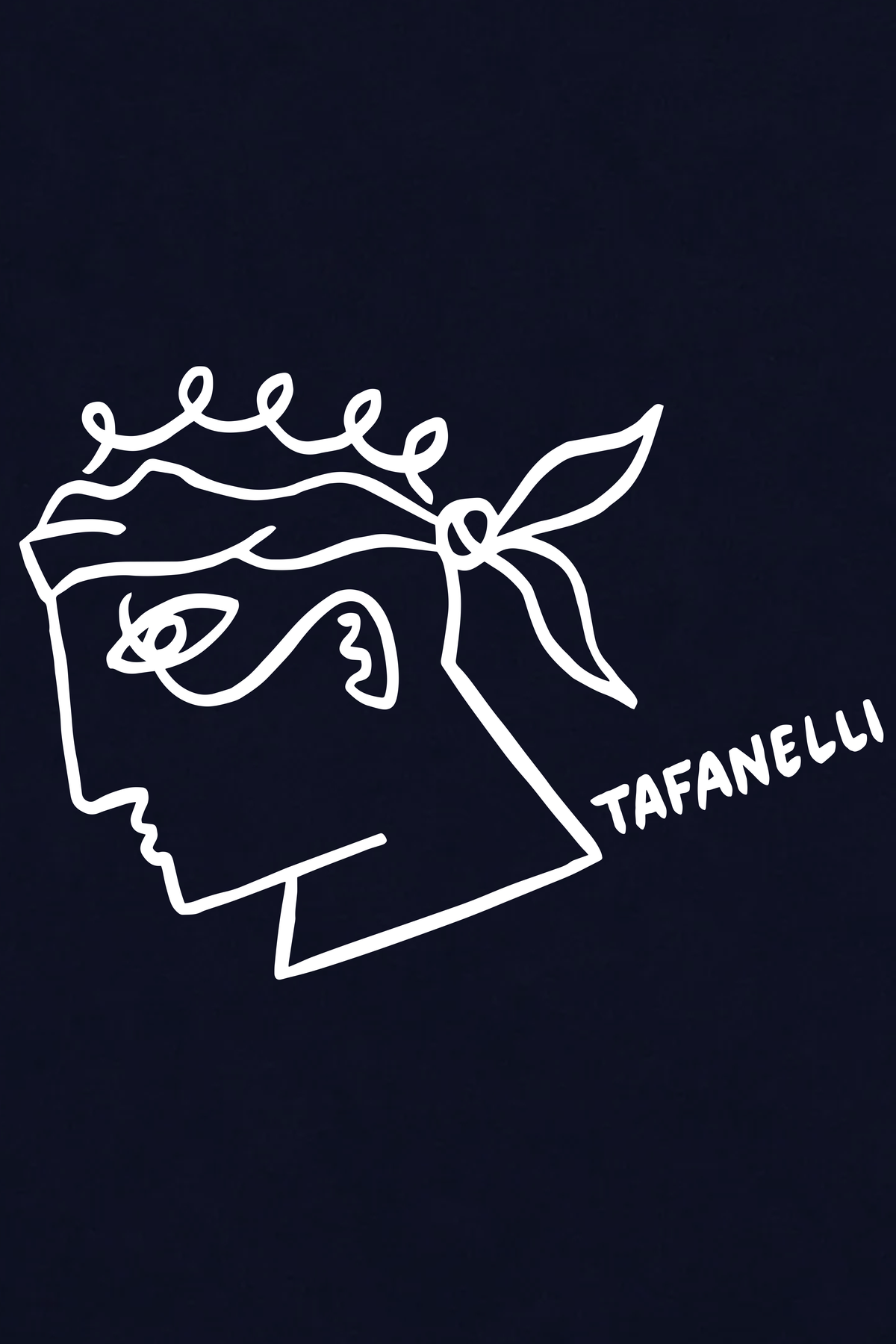
At TAFANELLI, we have carried a clear requirement since day one: never treat the Moor's Head as a simple decorative motif. This symbol carries too much history, too much pride, and too many battles to be trivialized.
This translates into a rule we do not negotiate: the headband is always raised, as Paoli intended in 1762. Never over the eyes. A Corsican brand that gets this detail wrong has not understood what it is drawing.
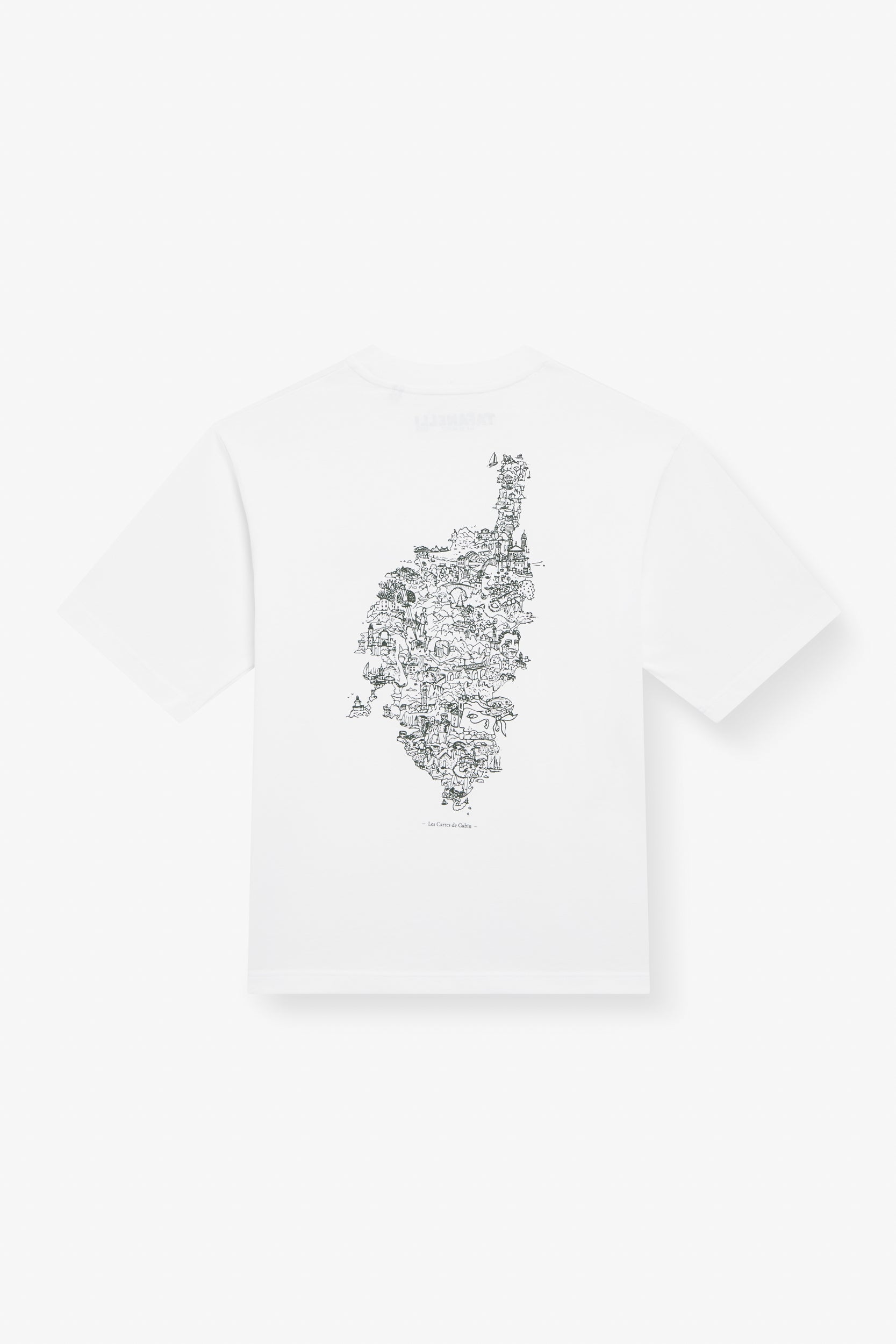
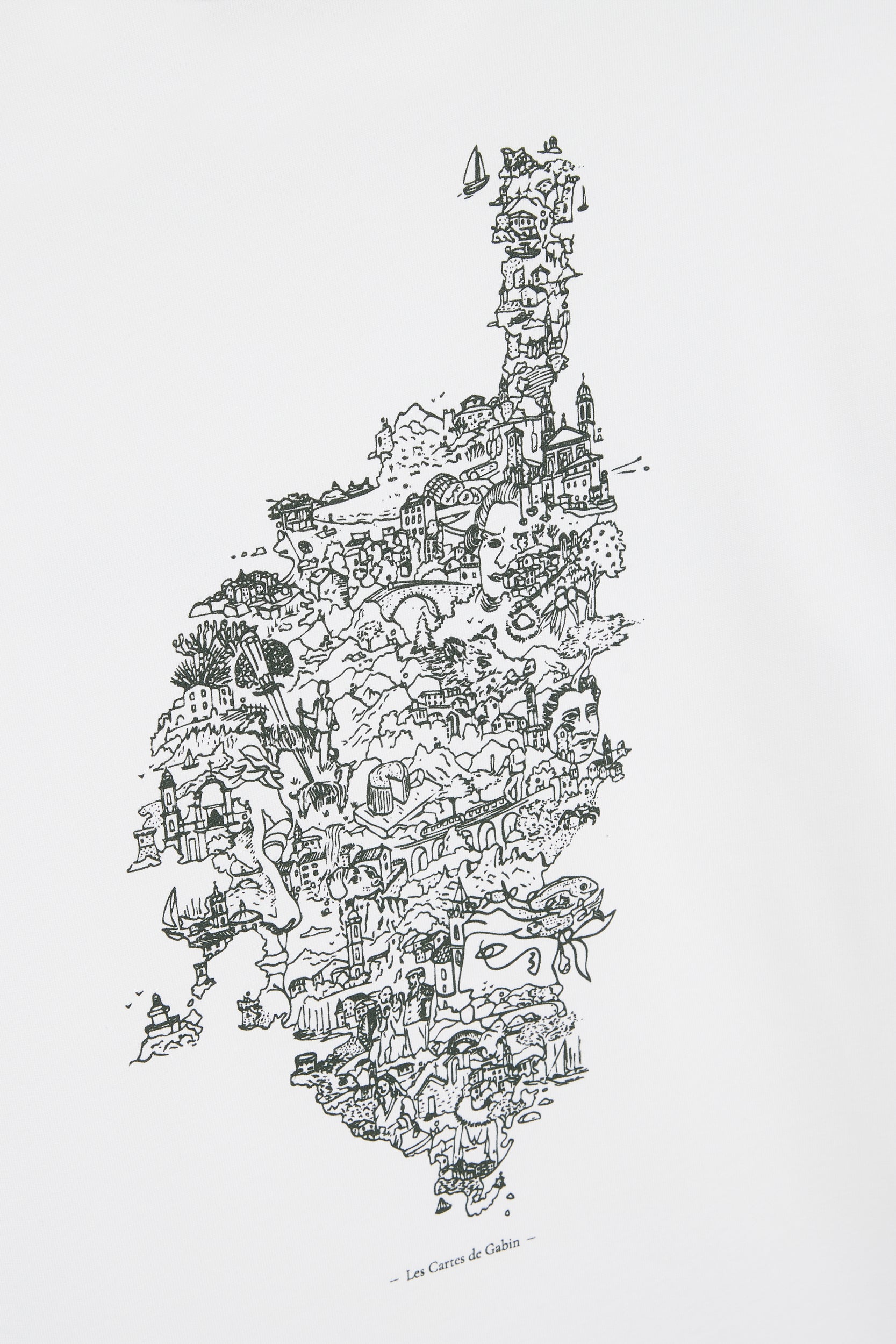
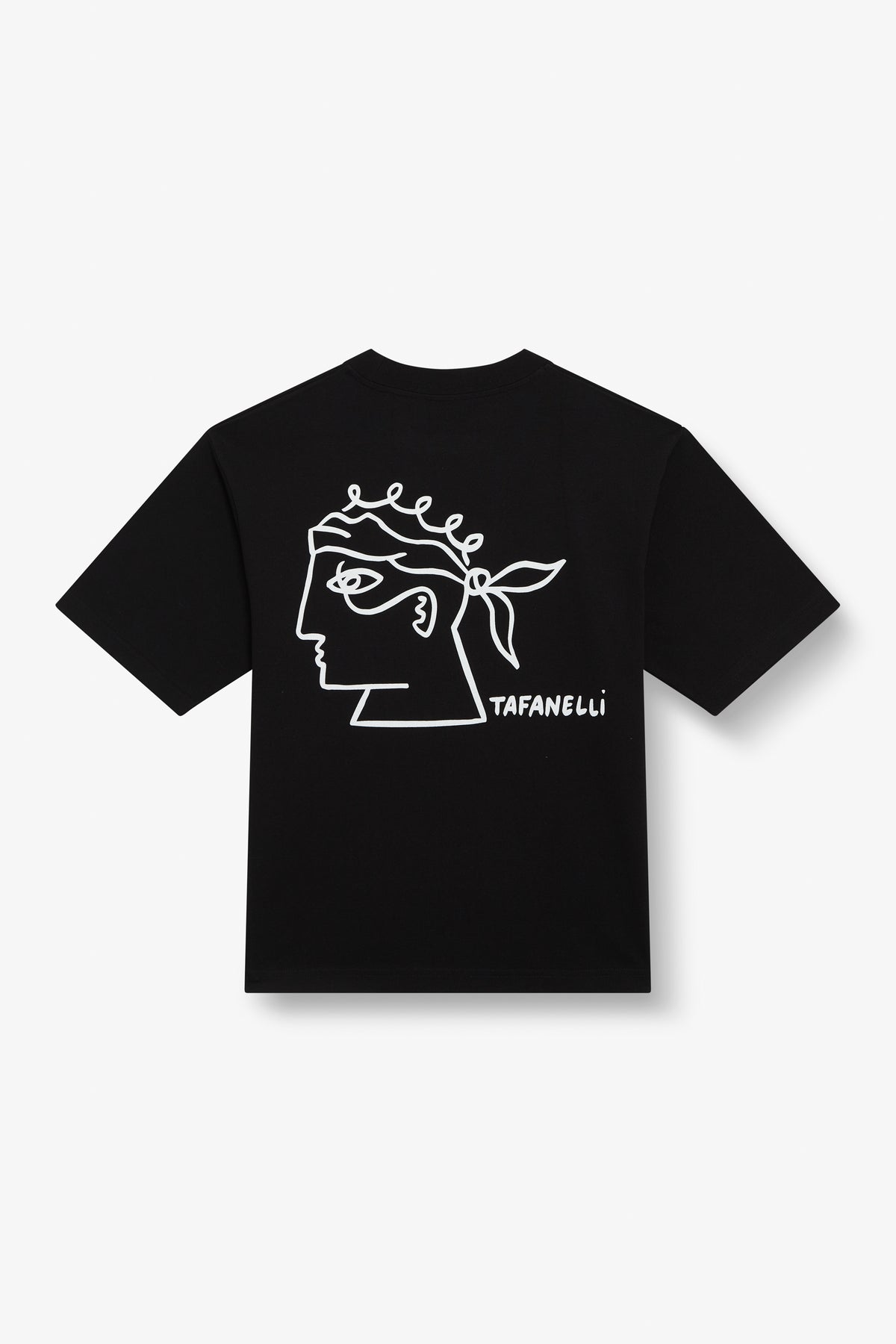
It is in this spirit that LE CORSICA, one of our most requested pieces, was designed. The design is handled by hand, screen-printed one color after another in our French workshop, on our 280-gram organic cotton jersey. Nothing is mass-printed, nothing is traced: each piece retains the micro-variations of the artisan's hand.
- LE CORSICA 704 | BLACK | 1755
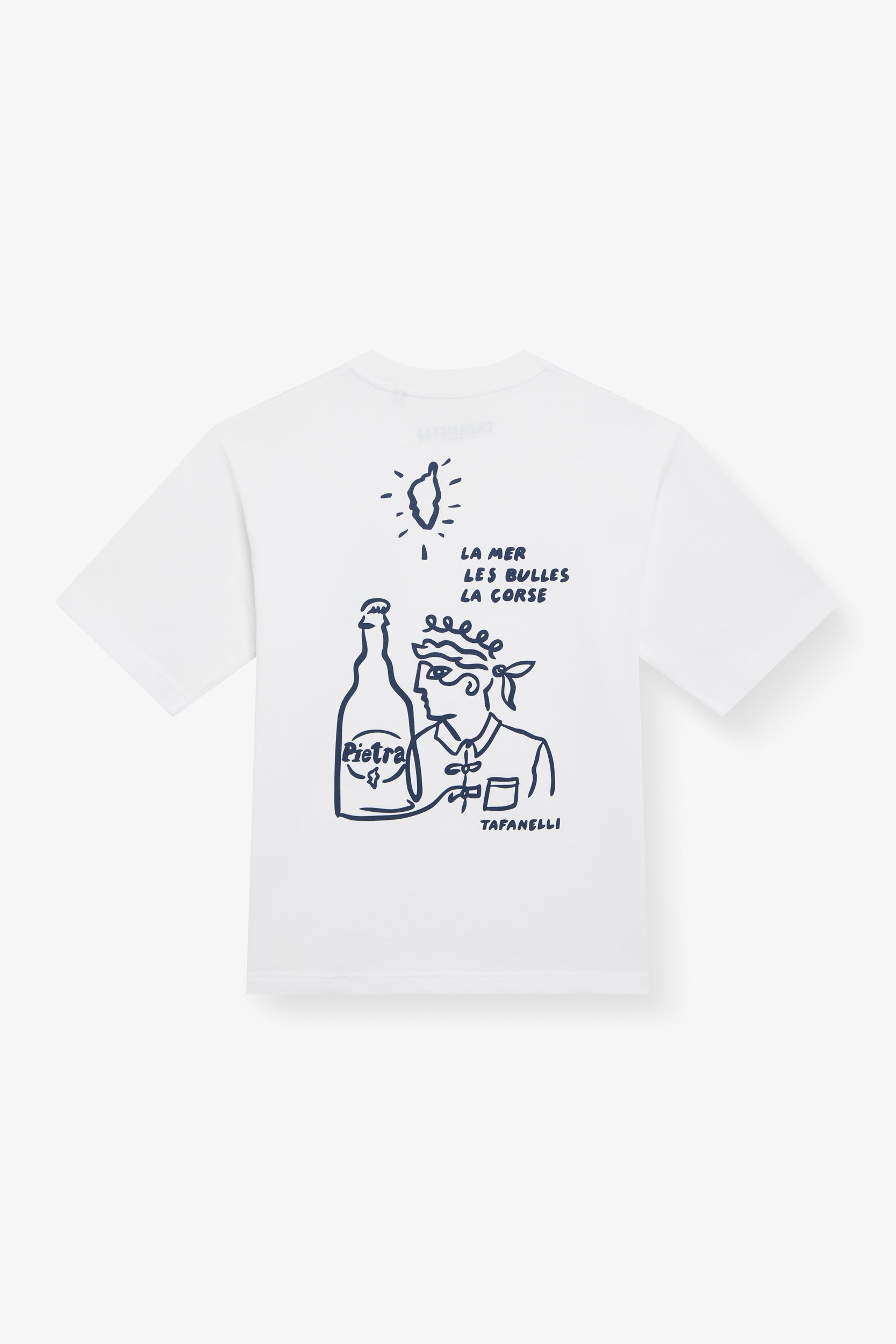
- LE CORSICA | NAVY
- LE HOODIE CORSICA | GREY HEATHER
- LE HOODIE CORSICA | DARK NAVY
The 1755 date that appears on several of our pieces is not a decorative number either. It is the year of Paoli's Corsican Constitution, one of the first democratic constitutions in Europe, written seven years before he raised the Moor's headband. Both acts belong to the same movement.
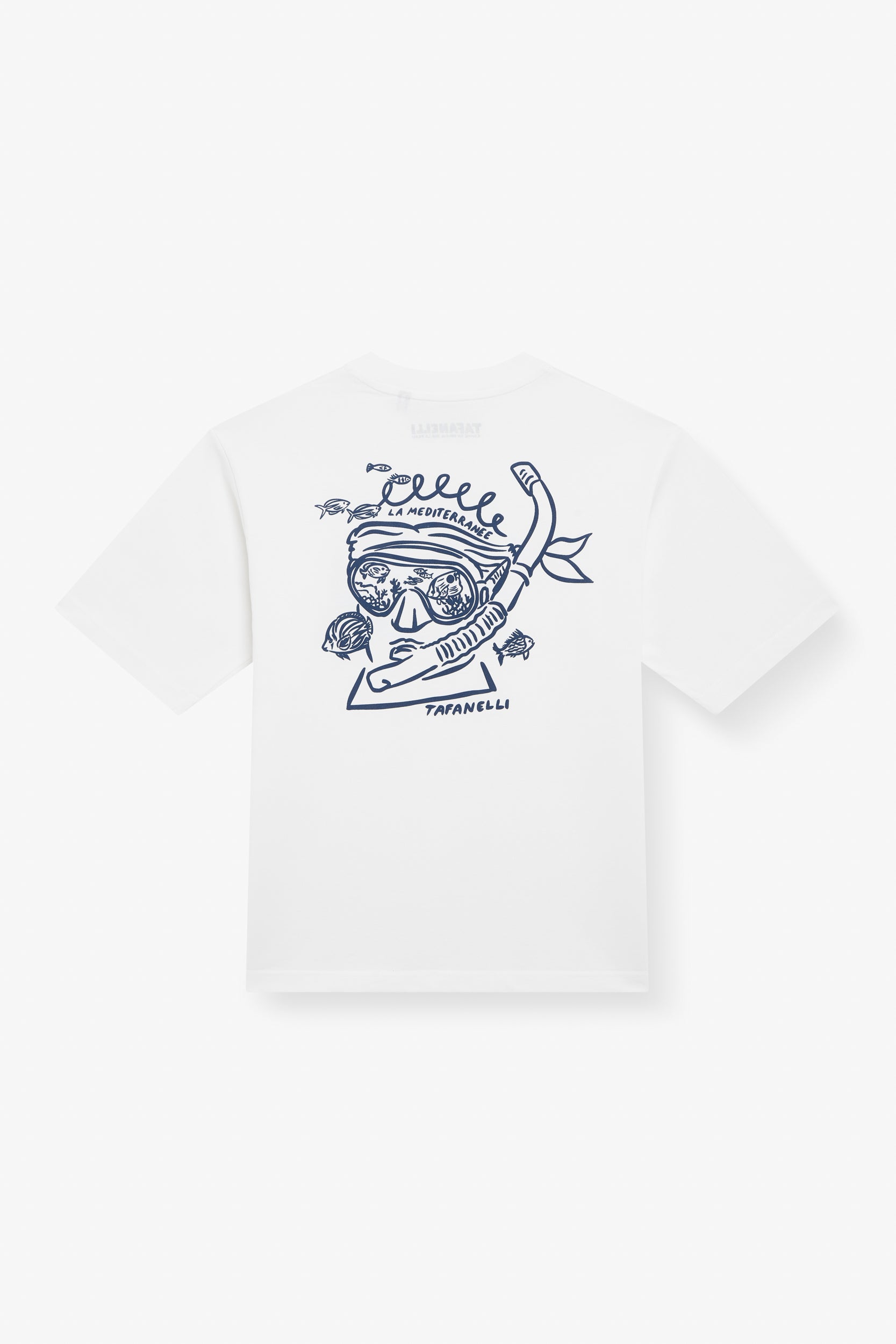
More broadly, the Moor's Head appears in more discreet forms in several of our other items. Always with the same rule, and always for the same reason, which we detailed in the symbolism of our designs.
Frequently Asked Questions
Why is there a Moor's Head on the Corsican flag?
The heraldic origin of the Moor's Head dates back to the thirteenth century, on the coats of arms of the Crown of Aragon, which then ruled over the western Mediterranean. The symbol recalled the Christian victories against Muslim armies during the Reconquista. When Pasquale Paoli founded the Corsican Republic in the eighteenth century, he adopted this symbol, which was already embedded in the island's imagination, but radically transformed its political meaning.
Why does the Moor wear a headband on his forehead and not over his eyes?
This is the specifically Corsican contribution, carried out by Pasquale Paoli in 1762. On previous flags (Aragonese, Sardinian, the kingdoms of Theodore de Neuhoff), the headband covered the Moor's eyes, symbolizing his condition as a slave or defeated person. Paoli had the headband raised above the forehead, transforming the symbol into that of a free man. This modification makes the Corsican flag a unique emblem in the world, distinct from the Sardinian flag which retained the headband over the eyes.
Who invented the current Corsican flag?
The modern Corsican flag, in its current form with the raised headband, is attributed to Pasquale Paoli, leader of the Corsican Republic from 1755 to 1769. The Moor's Head symbol pre-existed extensively on Aragonese coats of arms and was briefly used by Theodore de Neuhoff, but it was Paoli who finalized its current version in 1762.
When did the Corsican flag become official?
The Moor's Head flag was officially adopted as the flag of the Corsica region by the Regional Assembly in 1980. Before this date, it was used for cultural and identity purposes, but without institutional recognition. Since 1980, it has flown on public buildings alongside the French and European flags.
What is the difference between the Corsican flag and the Sardinian flag?
The flag of Sardinia depicts four Moor's Heads each wearing a headband over their eyes, arranged in the four quarters of a red Saint George's cross on a white background. The Corsican flag depicts only a single Moor's Head, wearing a headband raised above the forehead, on a white background. The difference is therefore not only quantitative (four versus one) but also symbolic: slave in Sardinia, free in Corsica.
Is the Moor's Head a racist symbol?
No, and this interpretation, sometimes held by ill-informed outside observers, is based on an anachronistic reading of the symbol. While its heraldic origin does indeed date back to the medieval wars between Christians and Muslims, Paoli's political gesture in 1762 completely transformed the symbolism of the flag. The Corsican Moor's Head is not a racialized representation; it is a symbol of regained freedom, in the tradition of Enlightenment emblems of sovereignty. Today, in Corsica, the flag is worn by all generations, all origins, and all political leanings as a consensual emblem of island identity.
Can you wear clothing featuring the Moor's Head?
Of course, and it is even a living tradition in Corsica and among the Corsican diaspora throughout the world. Many contemporary Corsican brands, including TAFANELLI, incorporate the Moor's Head into their collections. Provided that one respects the Paolian version (headband raised) and does not trivialize it as a simple decorative motif, it is a powerful way to display one's attachment to the island.
To delve deeper into the TAFANELLI universe
The Moor's Head is one of the symbols we carry with the greatest care at TAFANELLI. To continue reading about Corsican identity and the stories that inspired our pieces:
- Corsican brand: what it means and how to recognize the real thing
- The Eye of Saint Lucy: complete history of the Corsican talisman
- Island of Beauty: where this name comes from and what it says about Corsica
- The Corsican language: history, identity, and renaissance
- The symbolism behind TAFANELLI designs
- Corsican fashion: 5 codes that make an authentic brand
- The sky, the sea, and Corsica: the essence of an island lifestyle
To discover THE CORSICA and all our pieces hand-drawn in Corsica, browse the t-shirt collection.
The Moor's Head is not just a drawing. It is a message over two centuries old, still alive today in every Corsican village. At TAFANELLI, we wear it with respect, awareness, and pride.
A PRESTU,
TAFA