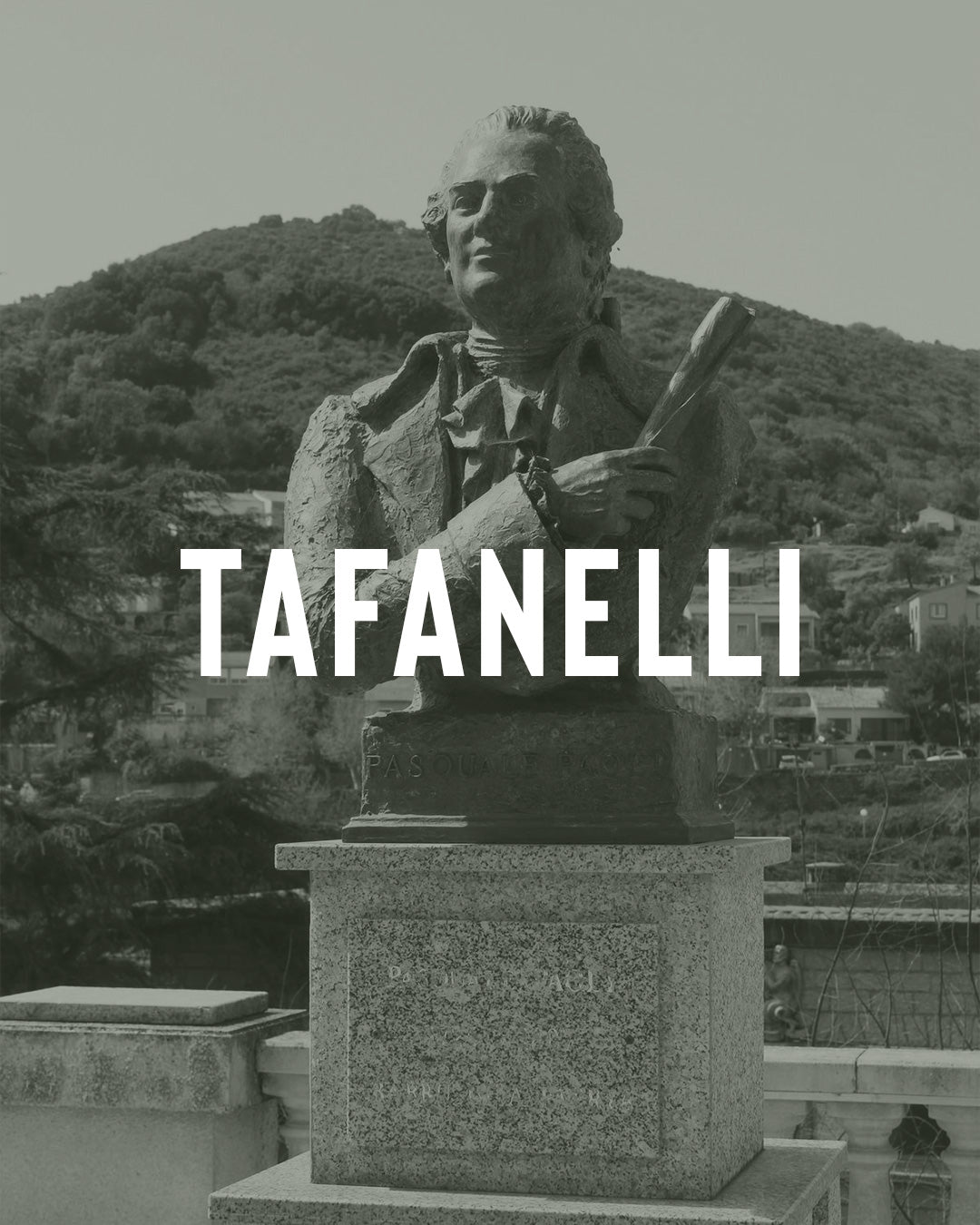
Pasquale Paoli, Father of the Corsican Nation: The Story of a Babbu di a Patria
There is one man whose name is everywhere in Corsica—on squares, high schools, avenues, and on the lips of both the old and the young: Pasquale Paoli. He is called u Babbu di a Patria, the Father of the Fatherland. During his fourteen years at the head of an independent Corsica, he provided the island with a Constitution among the most modern of its time, a university, a currency, and a flag. Here is the story of the man who invented the Corsican nation.
Who was Pasquale Paoli?
Pasquale Paoli (1725–1807) is the greatest statesman in Corsican history. General of the Nation, he led independent Corsica from 1755 to 1769, a fourteen-year interlude during which the island, liberated from Genoese rule, organized itself into a sovereign Republic.
What Paoli accomplished in such a short time is still fascinating: a democratic Constitution, a university, an administration, an army, a currency, a flag, and even the beginnings of a fleet. His Corsica was watched by all of Enlightenment Europe as a unique political experiment. Voltaire, Rousseau, and even the American Founding Fathers were interested in it.
He alone embodies the idea that Corsica is not just a simple Mediterranean island, but a nation with its own language, history, and will. That is why, more than two centuries after his death, he remains u Babbu di a Patria.
Paoli did not just liberate a land: he gave it institutions, thought, and dignity. Before him, Corsica was a possession that was fought over. After him, it was an idea that could no longer be erased.
From Morosaglia to Exile
Pasquale Paoli was born on April 6, 1725, in Morosaglia, a village in the Castagniccia, that region of mountains and chestnut trees that served as the beating heart of the Corsican resistance. He was the son of Giacinto Paoli, one of the leaders of the insurrection against Genoa.
A Youth in Neapolitan Exile
In 1739, after the failure of the uprising, young Pasquale followed his father into exile in Naples. There he received an exceptional education: Enlightenment philosophy, law, history, and military art. He served in the Neapolitan army and was nourished by the new ideas agitating Europe. This exile forged the man: when he returned, he was no mere rebel, but a political thinker nourished by Montesquieu and the theories of the social contract.
The Son's Return
In 1755, Corsica was once again in the midst of an insurrection against Genoa. Corsican leaders sought a man capable of gathering and governing. They called upon Pasquale Paoli, to whom his name, his education, and his reputation opened all doors. At thirty years old, he landed on his native island, never to lose sight of it, wherever he was.
1755: The Birth of Independent Corsica
On July 14, 1755—a date history would remember for other reasons thirty-four years later—the Consult (assembly) meeting in Corte proclaimed Pasquale Paoli General of the Corsican Nation. The Corsican Republic was born.
This is one of the most important dates in the island's history, the moment Corsica ceased to be a Genoese colony to become, in effect, a sovereign State. Genoa controlled only a few coastal strongholds; the interior, the true heart of the country, was free and self-governing.
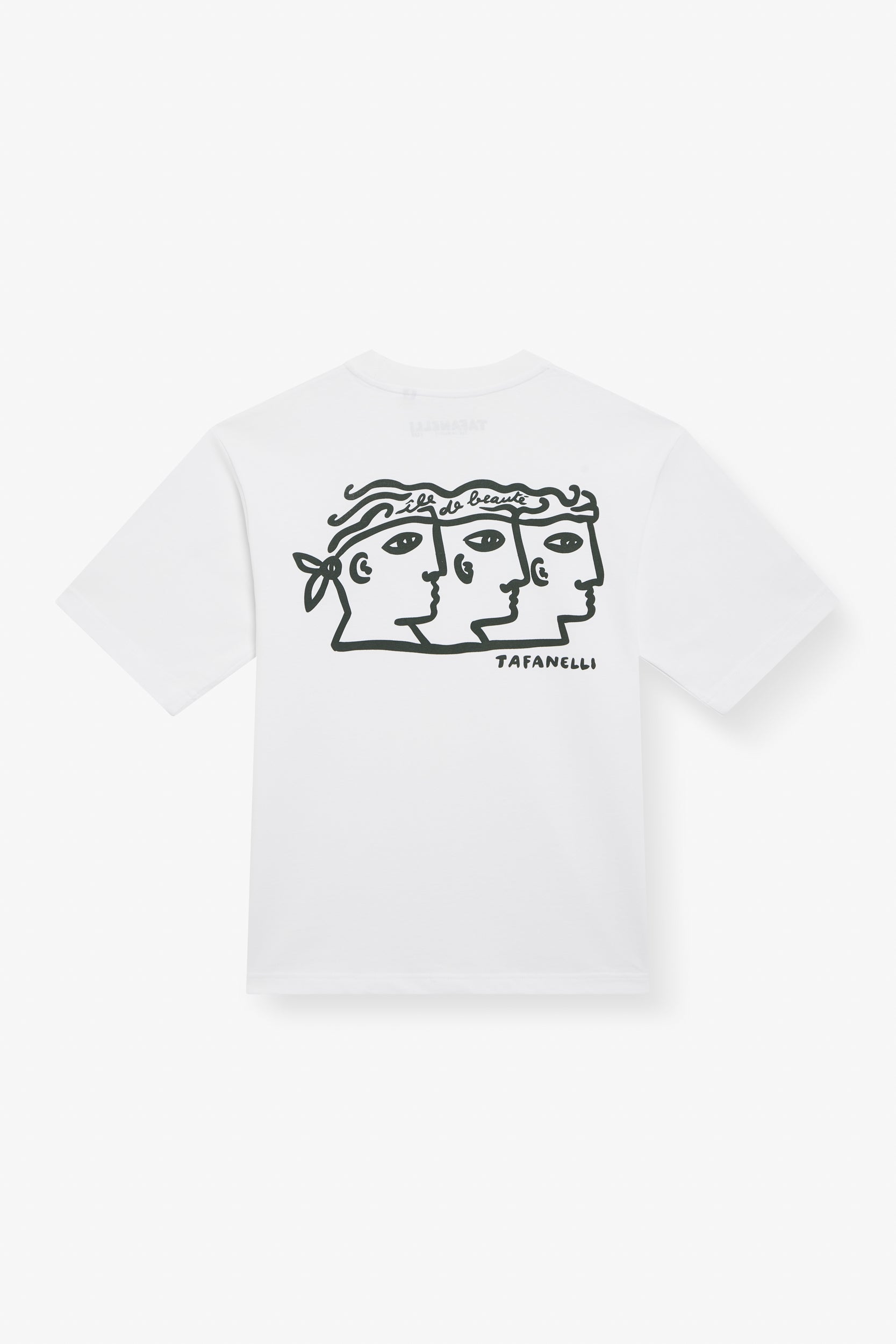
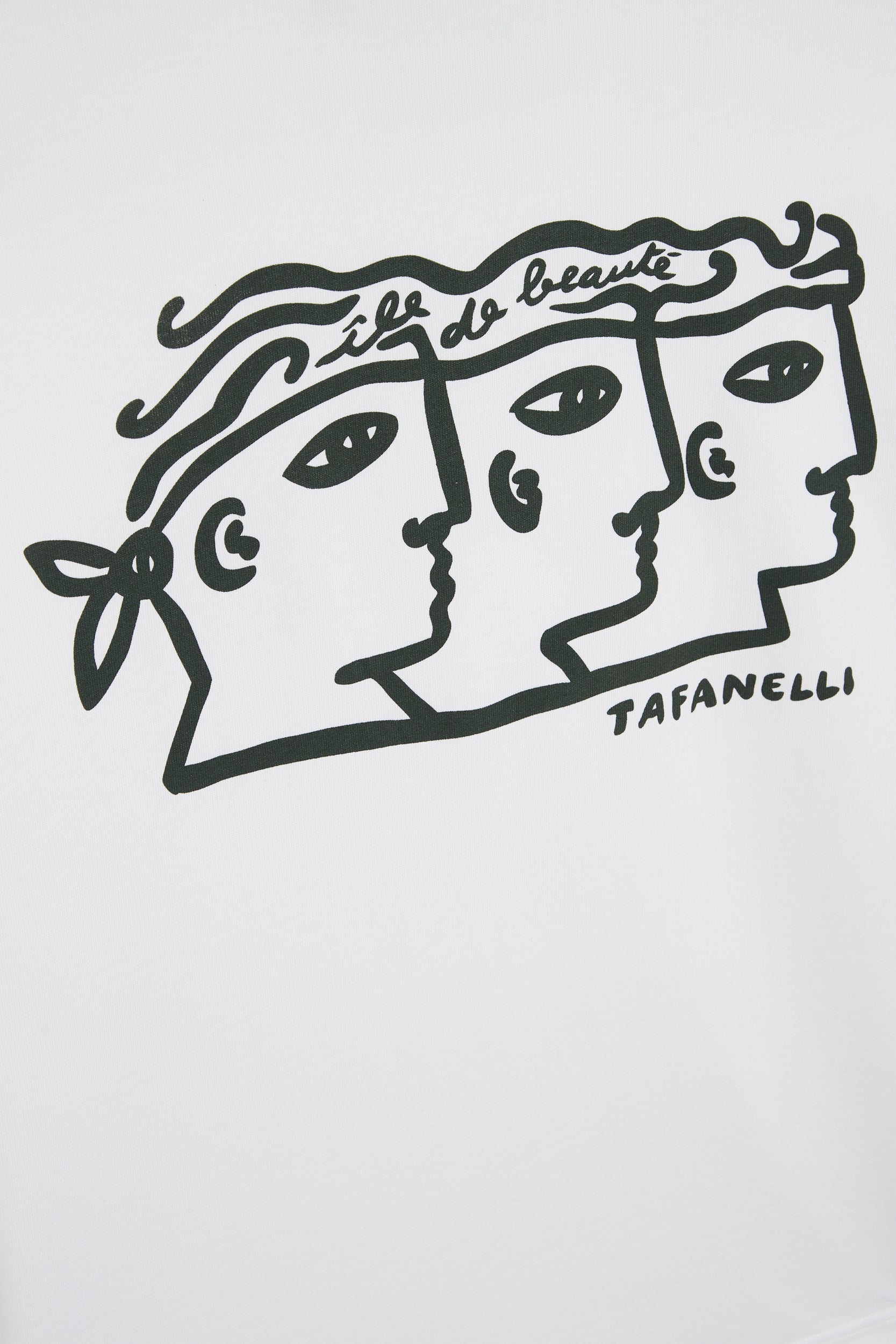
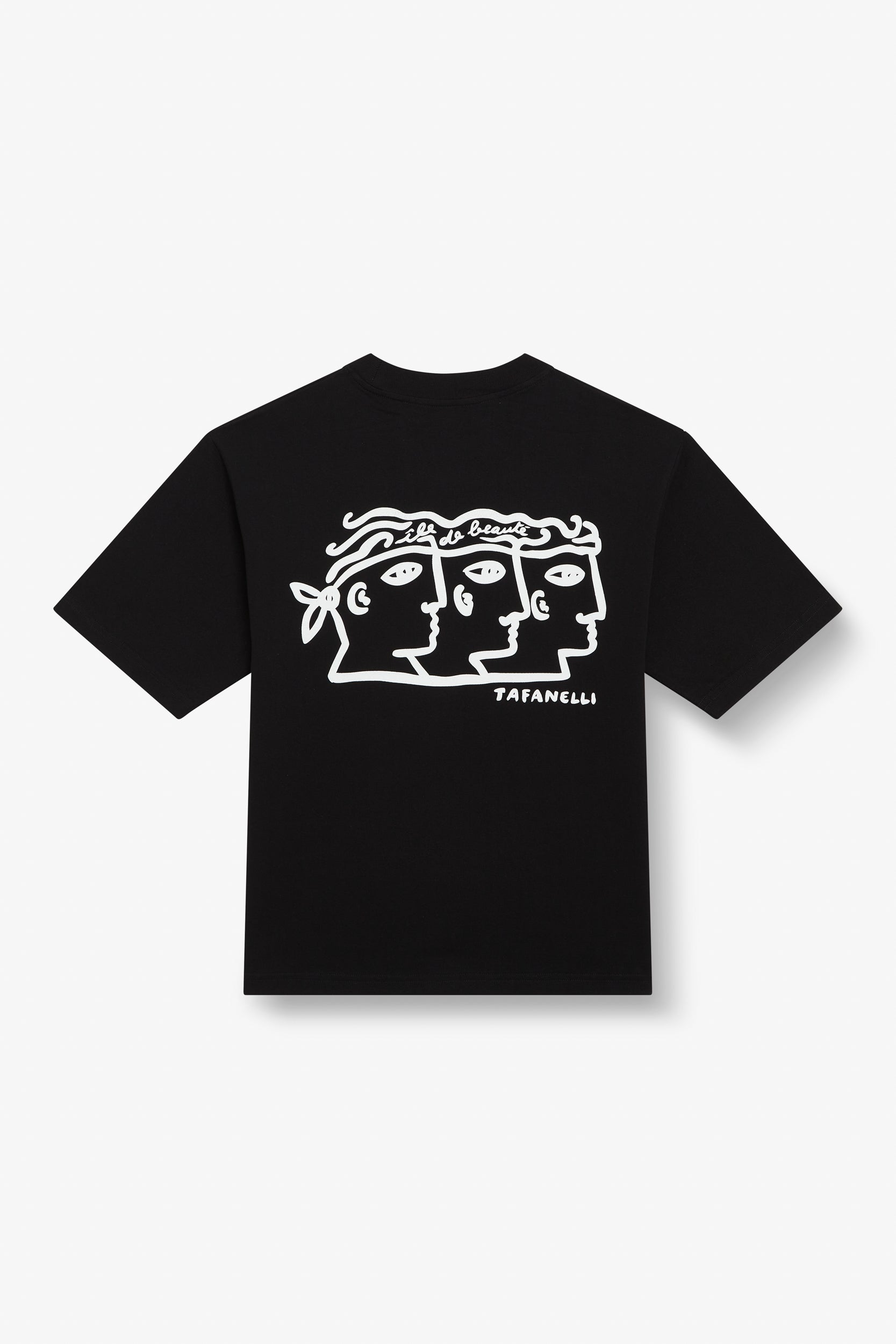
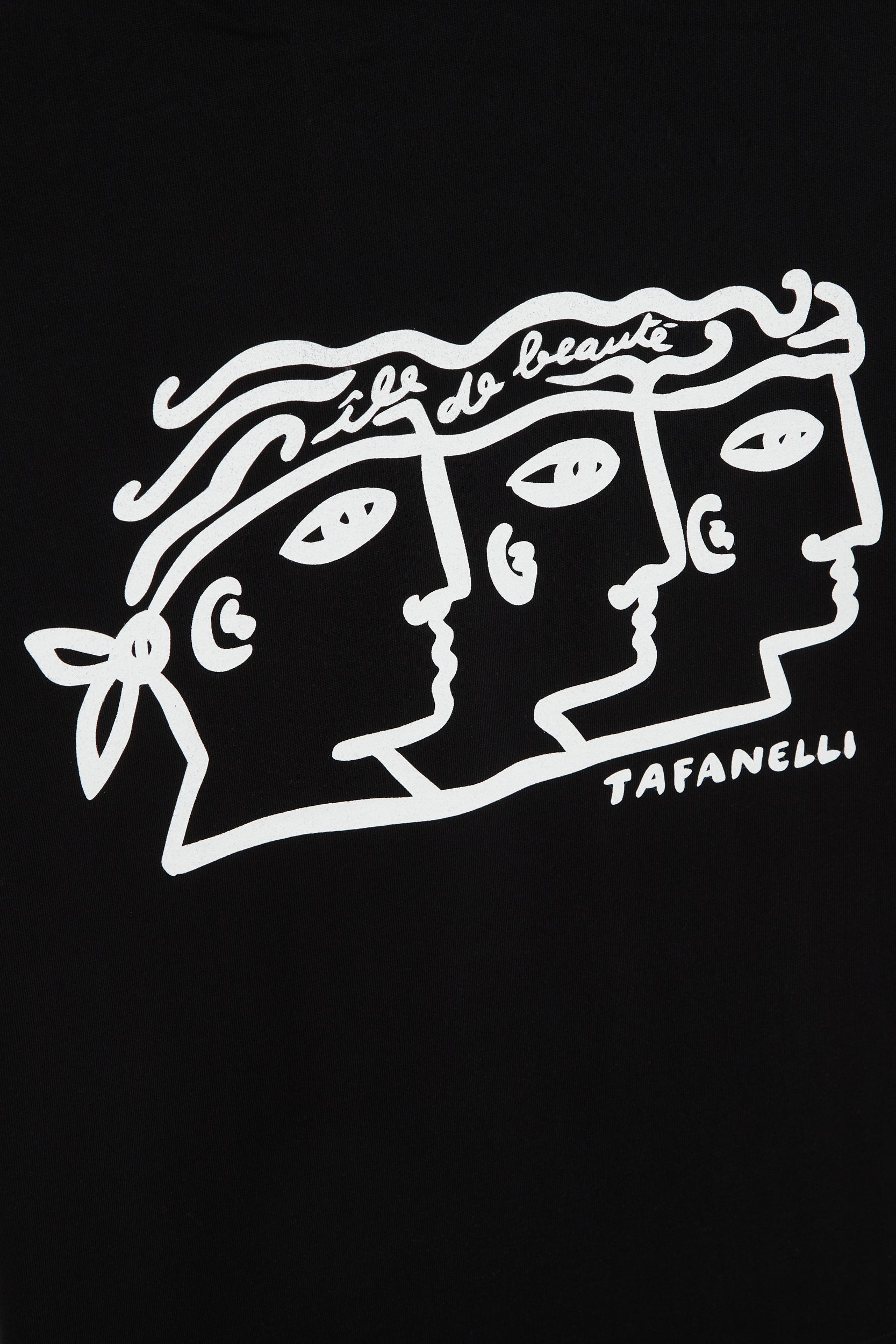
The year 1755 has become such a powerful symbol that it is etched in memory—and even in the TAFANELLI collection, with our “Île de Beauté 1755” t-shirt, a direct tribute to the year Corsica gave itself a Constitution.
1755. Twenty years before American independence, thirty-four years before the French Revolution, a small Mediterranean island endowed itself with the first democratic Constitution of the modern era. Corsica did not follow the history of the Enlightenment: it preceded it.
A Constitution Ahead of its Century
Paoli's political masterpiece is the Corsican Constitution of 1755. Drafted under his leadership, it is considered by many historians to be the world's first modern democratic Constitution.
Revolutionary Principles
- Separation of powers: distinct executive, legislative, and judicial branches, long before the idea triumphed elsewhere.
- Expanded suffrage: the text granted the right to vote to all men over 25—and, remarkably for the time, some sources attribute an electoral role to women in the communities, which would make it an unprecedented advancement.
- Popular sovereignty: power emanates from the Nation, gathered in the Consult, and not from a prince.
- An elected Diet that oversees the government.
This Constitution inspired Enlightenment thinkers. Jean-Jacques Rousseau himself, in The Social Contract, wrote this famous phrase: "There is still one country in Europe capable of legislation, and that is the island of Corsica." He even contemplated drafting a constitution project for the island.
On the other side of the Atlantic, the Corsican experiment was followed closely: American towns bear the name Paoli (in Pennsylvania, in Indiana), proof of the echo that this small free State had in the imagination of the revolutionaries of the New World.
Corte, Capital and University
Paoli made Corte, in the geographical and symbolic center of the island, the capital of independent Corsica. Perched in the mountains, far from the coasts controlled by Genoa, the city became the seat of government, the Consult, and the administration.
The University of Corte (1765)
In 1765, Paoli founded the Università di Corsica, in Corte. For him, a free nation needed an elite educated locally, capable of governing and defending it. It taught theology, philosophy, law, and mathematics. It was a major political act: educating the people is to emancipate them.
Closed after the French conquest, the university did not reopen until 1981—and today proudly bears the name of Pasquale Paoli. To learn everything about the city that was the heart of his State, read our complete guide to Corte, historical capital of Corsica.
Paoli also endowed his State with a currency minted in Murato, a printing press, a new port (the current Île-Rousse, which he founded in 1758 to compete with Calvi, which remained Genoese), and an organized justice system. In a few years, a complete administration emerged.
The Moor's Head Flag
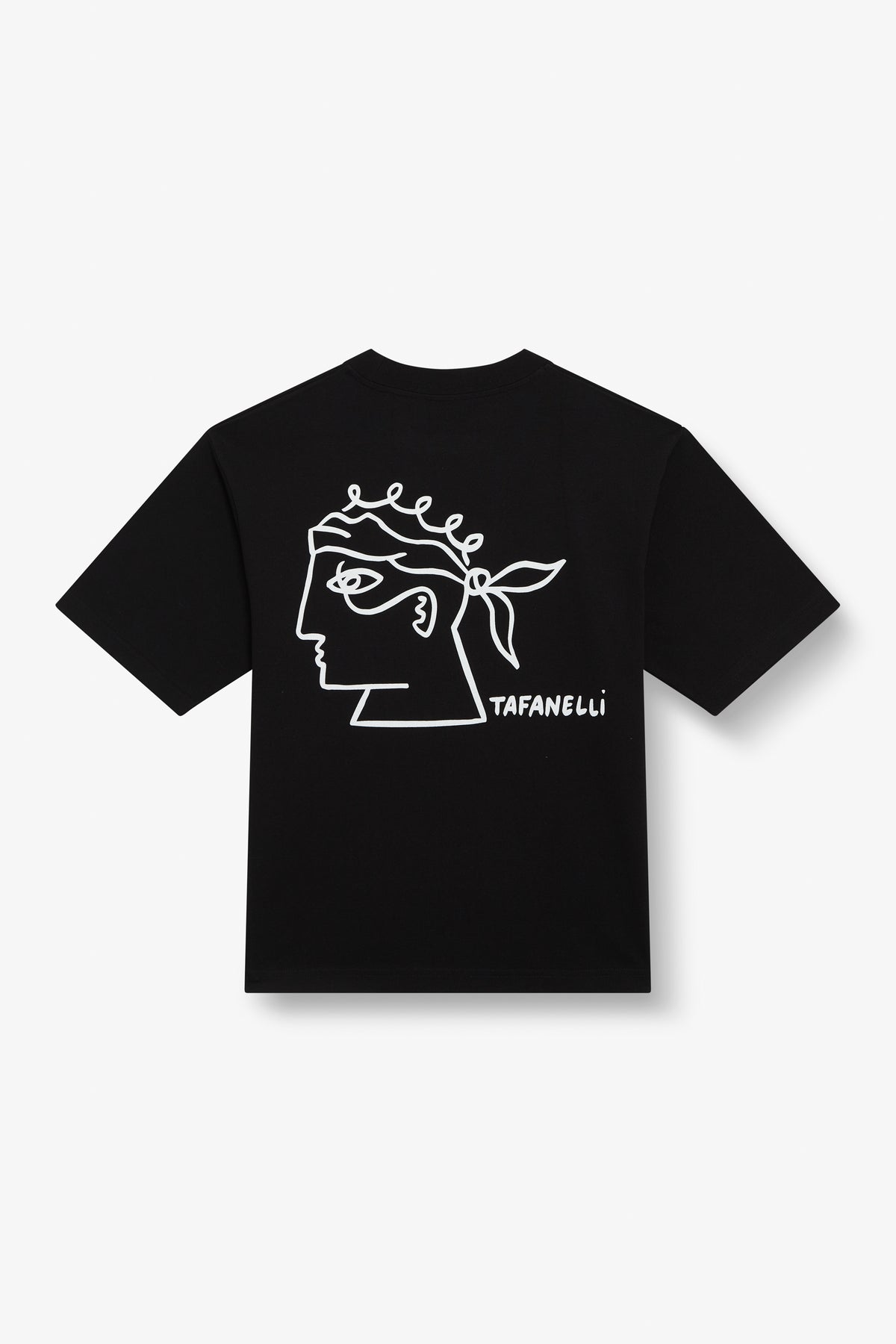
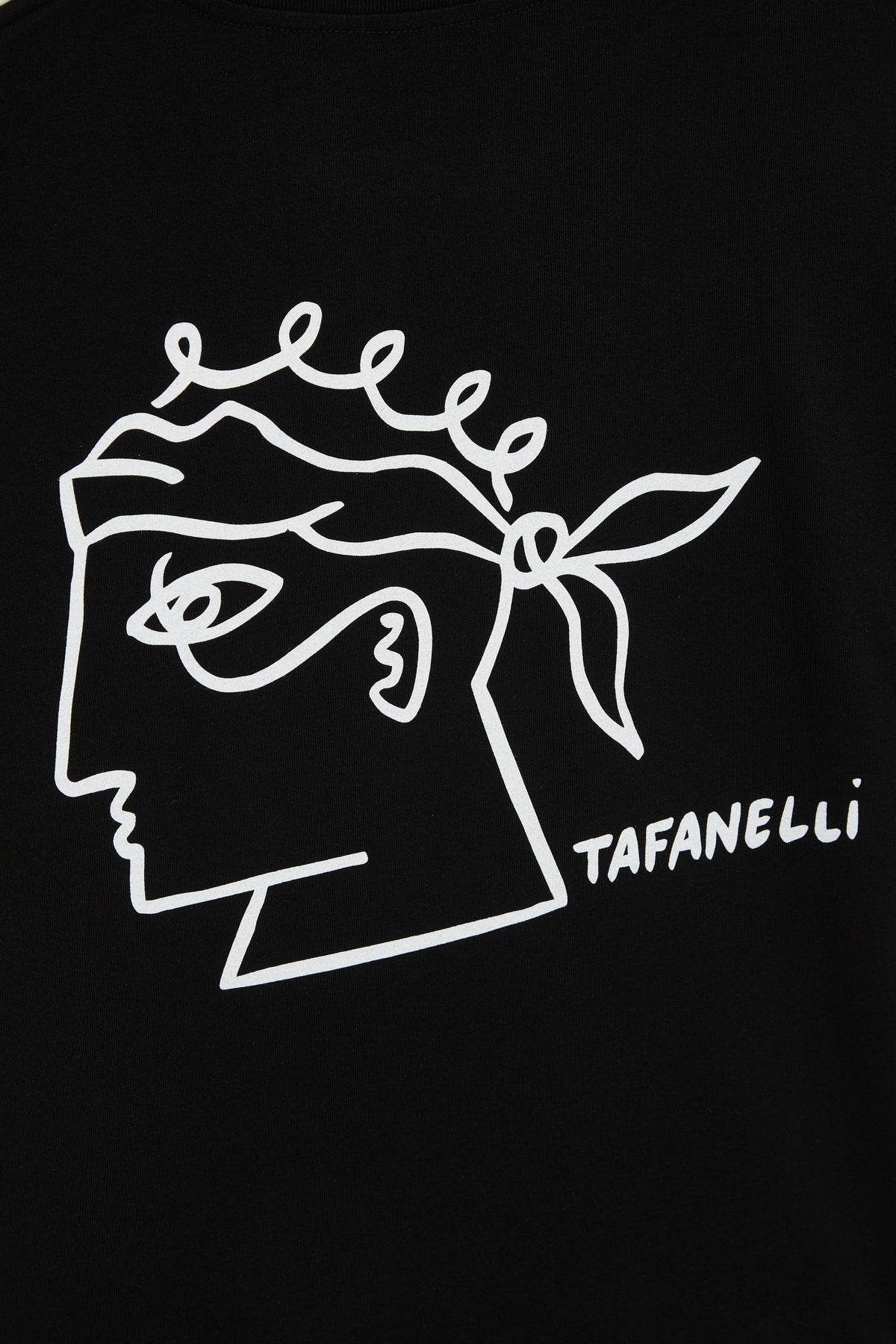
It is to Pasquale Paoli that Corsica owes its flag as we know it today. In 1762, he officially adopted the Moor's head on a white background as the national emblem.
His decisive gesture: raising the bandana that had previously covered the Moor's eyes to place it on his forehead. The symbol's meaning changed radically—from a subjugated, blinded people, we transitioned to a people whose eyes are open, free, and proud. It is no longer a mark of servitude, but a standard of emancipation.
This flag flies over all of Corsica today. To understand the richness of this symbol, from its medieval origins to its current meaning, discover our article dedicated to the Moor's head, the complete history of the Corsican flag.
By raising the bandana over the Moor's eyes, Paoli did not retouch a drawing: he changed a people's way of looking at themselves. The Corsican flag no longer says "we submit," it says "we see, and we choose."
Ponte Novu and the End of the Dream
The dream of a free Corsica was not to be broken by an exhausted Genoa, but by a much greater power. In 1768, through the Treaty of Versailles, Genoa ceded its rights over Corsica to the France of Louis XV. The island, which believed itself to be free, found itself promised to a new master.
The Battle of Ponte Novu (1769)
The Corsicans refused. War broke out. On May 8, 1769, at Ponte Novu, on the Golo River, the Paoline army faced the French troops, who were much more numerous and better equipped. It was a tragic defeat, remaining in the collective memory as the moment when independent Corsica was extinguished.
Defeated, Paoli headed into exile in England. A few months later, on August 15, 1769, a child was born in Ajaccio to a family that had supported Paoli: Napoleon Bonaparte. Napoleon's father, Charles Bonaparte, was actually close to Paoli for a time. Corsican history shifted with the same movement: the end of a free nation and the birth of the man who would become Emperor of the French. We tell the story of these places in our article Napoleon in Corsica, 10 Places to Discover.
The Return and Last Exile
Paoli returned to Corsica in 1790, favored by the French Revolution, and was hailed as a hero. But the rupture with the Convention and the Reign of Terror pushed him to a final turning point: in 1794, he made Corsica an ephemeral Anglo-Corsican kingdom. The experiment failed. Paoli returned to England, where he died in London on February 5, 1807. His ashes were repatriated to Morosaglia, his native village, where u Babbu di a Patria now rests.
The Legacy of a Father of the Fatherland
Two centuries after his death, Pasquale Paoli is more alive than ever in the Corsican consciousness. His legacy is everywhere.
- In names: the University of Corsica bears his name, as do countless squares, schools, avenues, and the Bastia football club historically linked to his memory.
- In the flag: every Moor's head with uncovered eyes is a direct legacy of his 1762 gesture.
- In the national idea: Paoli proved that Corsica could govern itself, with modern institutions. This demonstration still feeds the island's sense of identity.
- In the memory of the Enlightenment: he remains one of the few statesmen of his century to have put the ideals of liberty and popular sovereignty into practice on the ground.
It is often said that Corsica is an island of shepherds and warriors. Paoli reminds us that it was also an island of constitution-makers, professors, and state-builders. It is this Corsica—learned and proud—that is forgotten too often.
Paoli and the TAFANELLI Spirit
At TAFANELLI, the story of Pasquale Paoli touches us deeply. Because it tells of a Corsica that stands tall, that refuses the path of least resistance, that prefers excellence over submission. That is exactly the spirit we sew into every piece: the quiet pride of belonging to a land that has character.
The year 1755, that of the Constitution, is engraved in our wardrobe:
- The “Île de Beauté 1755” t-shirt: a direct tribute to the year Corsica gave itself institutions.
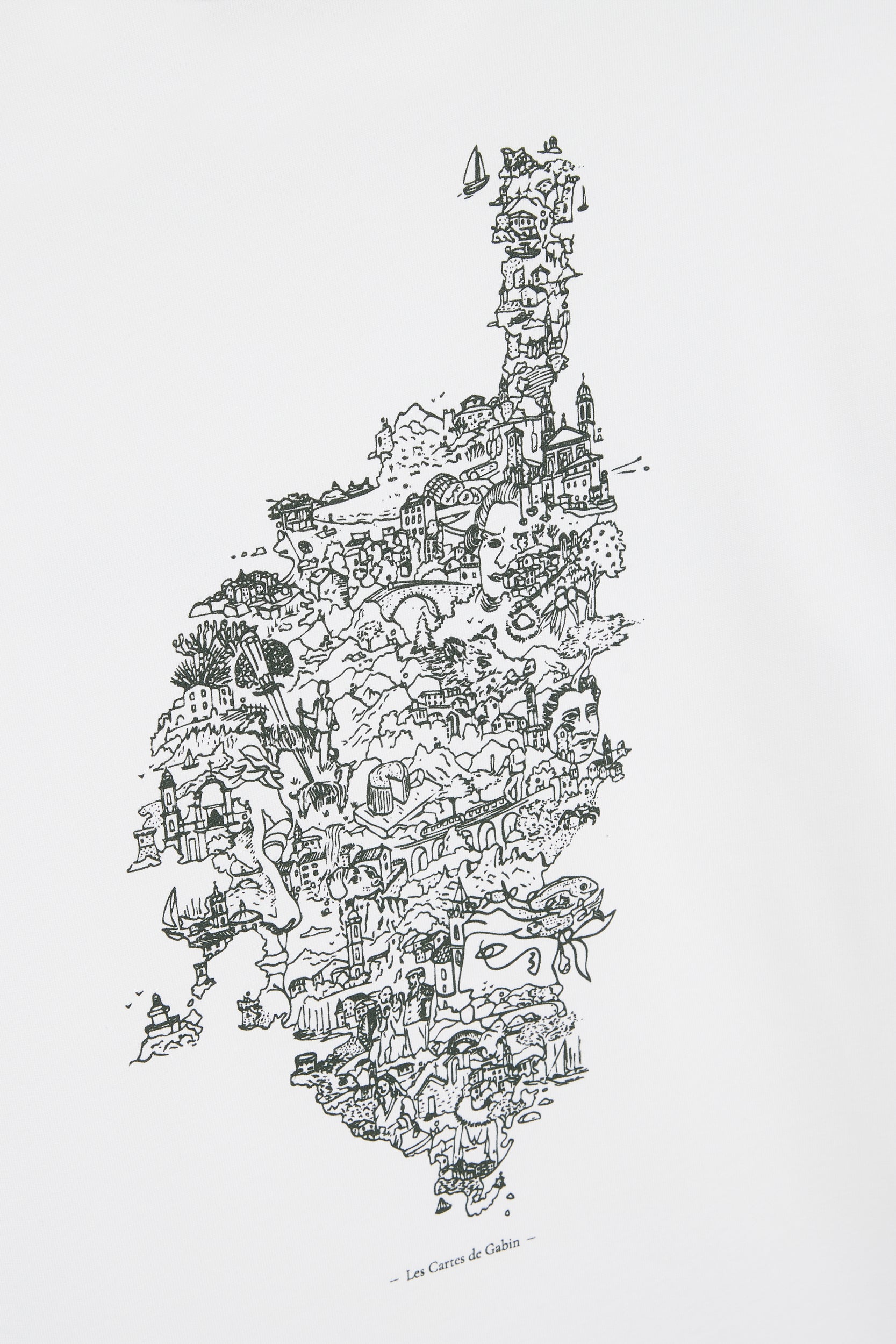
- The La Trinità t-shirt: sea, mountain, macchia—the soul of the country that Paoli defended.
- The TAFANELLI cap: sober and proud, as it should be.
To continue the journey through the island's history and culture:
- Corte, historical capital of Corsica
- The Moor's head, history of the Corsican flag
- Napoleon in Corsica, 10 places to discover
- The Corsican chestnut and the Castagniccia
- Mare, Muntagna, Machja: the Corsican landscape trinity
Passing through Corsica, the customer becomes a friend.
A DOPU,
TAFA