Propriano and the Gulf of Valincu: 2026 Complete Guide to Southwest Corsica
Between proud Sartène and imperial Ajaccio, a gulf opens onto the western Mediterranean like an invitation. This is the Gulf of Valincu (Valinco in French), one of the most beautiful bodies of water in Corsica, with a harbor town of understated charm at the head of its bay: Propriano (Prupià in Corsican). Long considered a mere transit port, the Valincu is actually one of the island's richest territories: vast beaches, a major prehistoric site, hilltop villages steeped in history, Genoese towers, and a wild hinterland. 2026 complete guide.
The Valincu, a gulf of balance
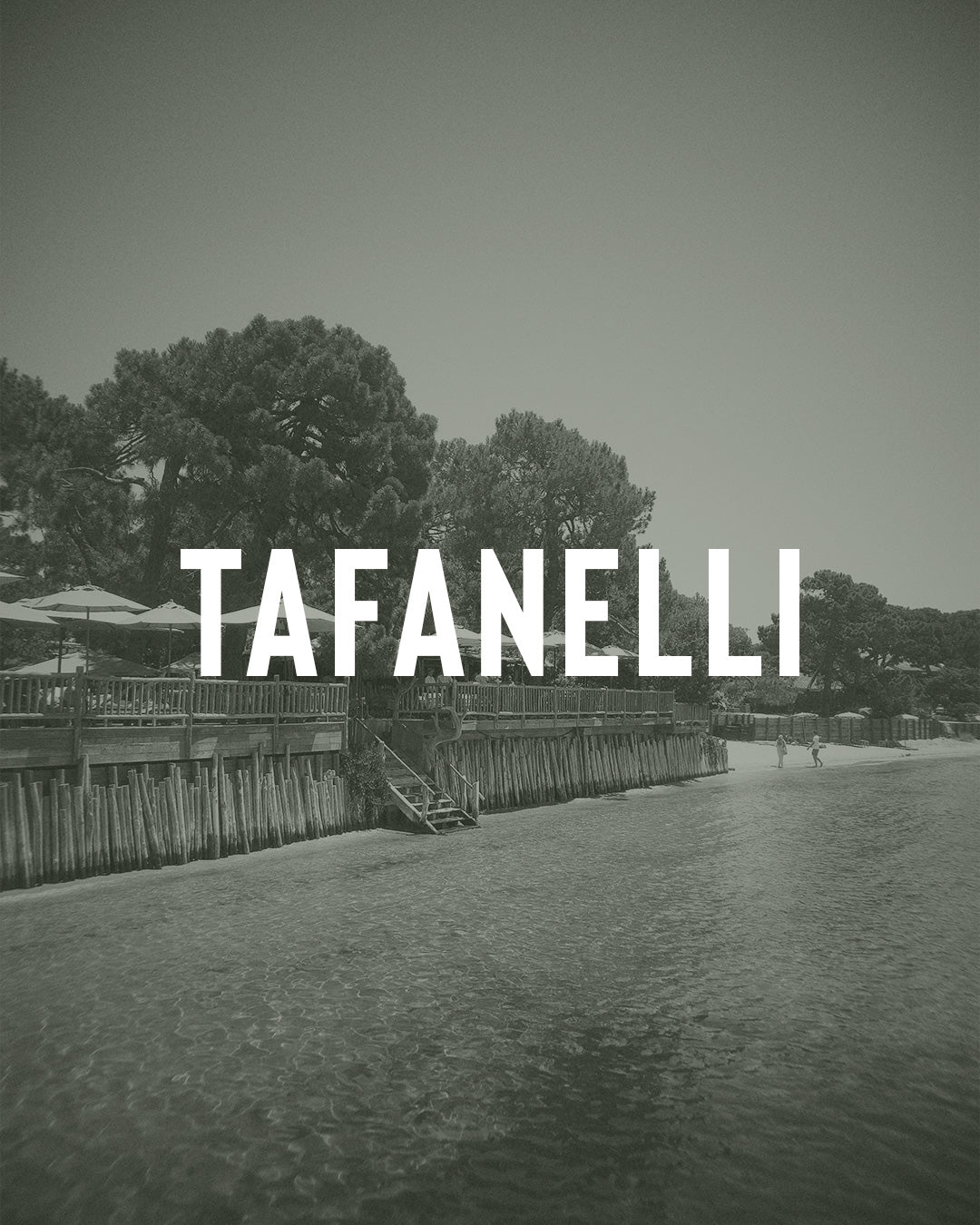
The Gulf of Valincu opens for about fifteen kilometers between the Pointe de Campomoro to the south and the Pointe de Porto Pollo to the north. It is a deep gulf, protected from the prevailing winds, which has always been a natural refuge for ships. Greeks, Romans, Genoese—all have anchored in these calm waters.
What strikes you about the Valincu is its balance. It lacks the over-tourism of Porto-Vecchio or the isolation of Cap Corse. There is real but reasonable tourist footfall, a local population that lives there year-round, and an economy not solely dependent on the summer season. The gulf has managed to remain authentic while opening up to visitors.
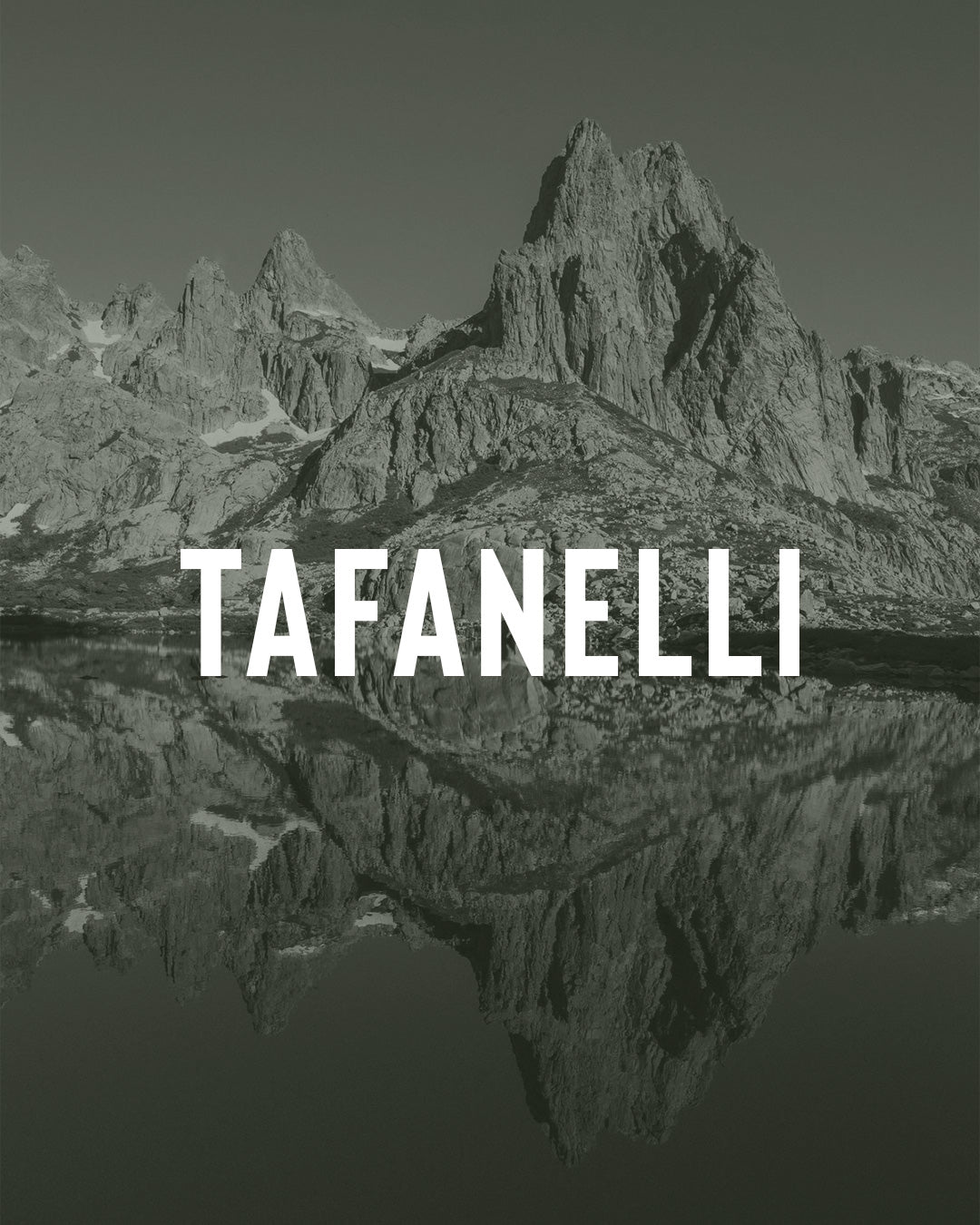
The territory brings together all Corsican landscapes in miniature: the sea with its blonde sand beaches, the mountains with the nearby Alta Rocca, and the maquis with wild hills plunging into the gulf. The Corsican landscape trinity, condensed into a single territory. To explore this island landscape further, check out our article on Mare, Muntagna, Machja.
The Valincu is a gulf that does not seek to seduce. It simply exists, tranquil and confident in its beauty, with its immense beaches and hills of maquis. It is this lack of pretense that constitutes its deepest charm. You return every year, just as you return to visit a friend.
An eventful history
The Gulf of Valincu carries several millennia of human history, from prehistoric statue-menhirs to Barbary pirate invasions.
Prehistory: Filitosa and the statue-menhirs
The Valincu territory houses one of the most important prehistoric sites in the Mediterranean: Filitosa, occupied as early as the 6th millennium BCE. Its statue-menhirs, carved 3,500 years ago, are among the most remarkable in Europe. We have dedicated a full section to them below.
Antiquity and the Middle Ages
The Romans used the gulf as an anchorage on the route between Rome and Spain. In the Middle Ages, the territory was under the control of local lords, notably the lords of Istria, whose name remains attached to the region (Sollacaro-d'Istria, Petreto-Bicchisano).
The Barbary raids
Like the entire Corsican coast, the Valincu suffered from Barbary pirate raids from the 16th to the 18th century. To protect themselves from these incursions, the Genoese built the watchtowers that still dot the coastline today: the Tower of Campomoro (the largest in Corsica), the Tower of Capanella, and the Tower of Micalona. For more, see our article on the 10 most beautiful Genoese towers in Corsica.
These raids also explain why the historic villages of the Valincu are perched in the hills (Olmeto, Fozzano, Viggianello, Arbellara) rather than on the coast: they were hiding from the sea, which brought danger.
The birth of Propriano
Propriano is a recent town by Corsican standards. A simple fishing hamlet in the 19th century, it began to develop after 1860 thanks to its port, which became one of the maritime outlets for southern Corsica. The trade of olive oil, cork, charcoal, and Sartène wine passed through its docks.
In the 20th century, Propriano gradually became a seaside resort, driven by the beauty of the gulf and the immensity of its beaches. Today, it has about 3,800 year-round residents, a figure that triples in the summer.
Propriano, a harbor town
Propriano stretches along its bay, between the marina and the long Lido beach. It is a town without spectacular monuments, but with an endearing harbor soul.
The port
The port of Propriano is the heart of the town. It serves three functions: a commercial port (ferry connections with Marseille and Porto Torres in Sardinia), a fishing port (still with a few professional fishermen), and a marina (about 430 berths). This mix gives the port an authentic life year-round: you will encounter sailors, fishermen, yachtsmen, and dockers.
The harbor promenade, with its cafés and restaurants lined up facing the boats, is the site of the evening passeghjata, the ritual Corsican stroll. At the end of the day, all of Propriano files onto the quays.
Avenue Napoléon
The main artery of Propriano, which runs along the port, concentrates the shops, ice cream parlors, and boutiques. It is the backbone of the town, lively in every season.
The Church of Notre-Dame de la Miséricorde
Built in the early 20th century on the heights of the town, it offers a beautiful view over the gulf. Its bell tower dominates the rooftops of Propriano.
The market
The Propriano market is held in the morning near the port. It features local producers from the Valincu and Alta Rocca: charcuterie, cheeses, honey, Sartenais olive oil, vegetables, and immortelle. An authentic meeting place to put together a Corsican basket.
The beaches of the gulf: among the most beautiful in Corsica
The Gulf of Valincu lines up some of the most beautiful beaches on the island, with a rare characteristic: their immensity. Here, there are no tiny, overcrowded coves, but long beaches where everyone finds their own space.
Lido Beach (Propriano)
The urban beach of Propriano, accessible on foot from the center. Fine sand, calm waters, beach services. Ideal for families.
Capu Laurosu
South of Propriano, an immense wild beach several kilometers long, backing onto the mouth of the Rizzanese river. Gray-blonde sand, stronger waves, and light footfall even in August. One of the great free beaches of Corsica, appreciated by surfers during western swells.
Portigliolo
Continuing on from Capu Laurosu, a long and wild beach, bordered by the runway of the Propriano-Tavaria airfield. Miles of nearly deserted sand.
Campomoro
At the foot of the village of Campomoro, a perfect bay: blonde sand, turquoise and calm waters, tamarisk trees for shade, and a Genoese tower as a backdrop. One of the most beautiful family beaches in Corsica. We will return to this in the next section.
Cupabia (North shore)
On the north shore of the gulf, beyond Porto Pollo, the beach of Cupabia is a preserved jewel: an arc of blonde sand in a setting of maquis, with almost no construction. Regularly ranked among the most beautiful beaches on the island. To discover other coastal treasures, check out our article on the 20 most beautiful wild beaches in Corsica.
Porto Pollo
A small seaside village on the north shore, with its family beach and small port. Gentle atmosphere, almost timeless. It is also a renowned spot for scuba diving.
Campomoro and its Genoese tower: the end of the world
In the south of the gulf, at the end of a dead-end road, the hamlet of Campomoro is one of the most endearing places in southern Corsica. A few stone houses, a perfect beach, and above it, on its promontory, the largest Genoese tower in Corsica.
The Tower of Campomoro
Built in 1586 by the Genoese, the Tower of Campomoro is exceptional in several respects: it is the largest Genoese tower on the island (15 meters high) and the only one to be surrounded by a star-shaped fortified wall. Restored, it is open to visitors in season and offers a sumptuous panorama of the entire Gulf of Valincu from its summit.
The coastal path
From Campomoro, a spectacular coastal path heads south toward Senetosa and Tizzano. The coastline there is classified and protected by the Conservatoire du littoral: deserted coves, granite rocks sculpted by the wind, fragrant maquis. Count on 5 to 6 hours of walking to reach the Senetosa lighthouse (round trip possible in a day, bring plenty of water).
This path is one of the most beautiful coastal hikes in Corsica, set in a totally wild environment that recalls what the island was like before tourism.
Filitosa: 8,000 years of open-air history
About twenty minutes from Propriano, in the Taravo valley, the prehistoric site of Filitosa is a must-visit. It is one of the major megalithic sites in the Mediterranean.
Statue-menhirs
Filitosa is famous for its statue-menhirs: granite monoliths carved approximately 3,500 years ago, representing armed human figures (swords, daggers, helmets). These enigmatic stone faces are among the oldest human representations in Corsica.
Archaeologists still debate their meaning: representation of deceased chiefs, defeated enemy warriors, or protective deities. This mystery is the charm of the site: everyone can project their own interpretation while facing these granite gazes that are three and a half millennia old.
Visiting
- Duration: 1h30 to 2h.
- Path: landscaped trail through the site, ancient olive grove, introductory museum.
- Season: open from April to October.
- Advice: visit at the end of the day, when the low light reveals the reliefs of the sculptures.
The site has remained the property of the Cesari family, who discovered it in 1946 and still manage it. A family management style that has preserved the authenticity of the place.
Facing the statue-menhirs of Filitosa, one measures the depth of Corsican time. Before the Genoese, before the Romans, before the Greeks, men were already carving the island's granite to set faces into it. Corsica does not date from yesterday: it carries eight thousand years of human memory.
The villages of the hinterland
The hinterland of the Valincu conceals hilltop villages that are among the most authentic in southern Corsica.
Olmeto
Perched on the mountainside above the gulf, Olmeto aligns its tall granite houses under the rock. The village offers spectacular views of the Valincu. It was here that Colomba Carabelli died in 1861, the heroine who inspired Mérimée. The narrow streets of the village, cool and shaded, invite you to wander off-season.
Fozzano
A village in the Baracci valley, Fozzano is famous for having been the scene of the vendetta that inspired Prosper Mérimée's novel Colomba (1840). The two fortified towers of the rival families (Tour Durazzo and Tour Carabelli) still stand face to face in the village. A striking testimony to the Corsica of the 19th-century vendettas.
Viggianello, Arbellara, Santa-Maria-Figaniella
Three villages of Viggianellu, a region of hills between Propriano and Sartène. Romanesque churches (Santa-Maria-Figaniella has one of the most beautiful Pisan churches in the south), granite houses, ancient olive groves. To learn more about Romanesque heritage, check out our article on the 10 most beautiful Pisan chapels in Corsica.
The Baracci Baths
In the Baracci valley, a few minutes from Propriano, natural hot springs (about 40 degrees) have been known since Antiquity. A small thermal establishment perpetuates the tradition. Unusual and little-known.
Nautical activities: the playful gulf
The Valincu is one of the best bodies of water in Corsica for nautical activities, thanks to its natural protection and regular thermal breeze.
Scuba diving
The gulf has several renowned diving spots: the "Cathédrales" (spectacular rocky arches off the coast of Propriano), the Moines reserve south of Campomoro, and the drops of Porto Pollo. Groupers, barracudas, croakers, spiny lobsters: the fauna is rich, the waters clear. Several diving clubs are located in Propriano, Porto Pollo, and Campomoro.
Sailing and motorboating
The port of Propriano is an ideal base for sailing to the wild coasts of the south (Senetosa, Tizzano, Roccapina) or the north (Capo di Muro, Ajaccio). Sailboat and semi-rigid rentals are available on-site, with or without a skipper.
Kayaking and paddleboarding
The calm waters at the head of the gulf are perfectly suited for kayaking and paddleboarding, particularly around Campomoro and Porto Pollo. Explore coves that are inaccessible on foot.
Towed sports and jet skiing
Water sports centers are available on Lido beach in season: inflatables, water skiing, jet skiing, parasailing.
Valincu gastronomy
The Valincu is at the crossroads of two exceptional terroirs: the sea and the Sartenais. Its gastronomy benefits doubly from this.
Seafood
The fishermen of Propriano land dentex, sea bream, red mullet, and lobster every morning. The restaurants in the port work with this local catch. In season, the gulf's sea urchins are considered among the best in Corsica. To learn all about this tradition, check out our article on sea urchins in Corsica.
Sartène wines
The Valincu is at the gateway to the AOC Corse Sartène appellation, one of the best wine regions on the island. The Sartenais estates (Saparale, Fiumicicoli, Mosconi, Pero Longo) produce powerful reds based on Sciaccarellu, remarkable rosés, and whites made from Vermentinu. For more, see our complete guide to Corsican wines.
Sartenais olive oil
The region produces a PDO olive oil with character, derived notably from the Capannace variety. Consult our complete guide to Corsican PDO olive oil.
Charcuterie from the Alta Rocca
The mountainous hinterland provides exceptional coppa, lonzu, and prisuttu. Consult our complete guide to Corsican charcuterie.
Practical Tips 2026
How to get here
- By plane: Ajaccio Napoléon Bonaparte Airport (1h15 drive) or Figari Sud-Corse (1h drive).
- By ferry: Direct connections from Marseille to Propriano (Corsica Linea), or arrival via Ajaccio.
- By car: Propriano is on the T40, 1h15 from Ajaccio, 30 minutes from Sartène, 1h30 from Bonifacio.
When to come
- May-June: The gulf is green, the beaches are deserted, temperatures are perfect. Ideal period.
- July-August: High season, lively but without the saturation of Porto-Vecchio.
- September: Warm water, golden light, gentle crowds. The other ideal period.
- October to April: The Valincu runs at a slower pace but stays lively year-round, unlike other resorts.
How long to stay
Allow 4 to 5 days to explore the gulf: one day for Propriano and its beaches, one day for Campomoro and the coastal trail, one day for Filitosa and the villages, one day for the north shore (Porto Pollo, Cupabia), and one day to venture out towards Sartène and Roccapina.
Summary of must-sees
- The Campomoro tower and its panorama.
- The prehistoric site of Filitosa at the end of the day.
- A swim at Cupabia.
- The coastal trail from Campomoro to Senetosa.
- The vendetta towers in Fozzano.
- A fish dinner at the port of Propriano.
- A tasting at a Sartenais estate.
The Valincu and the TAFANELLI wardrobe
The Gulf of Valincu embodies the Corsica we love: authentic, balanced, and true to itself. A land where the sea, the mountains, and the maquis meet, and where traditions remain alive without being static.
Discover the pieces in our collection that echo this wild southern imagery:
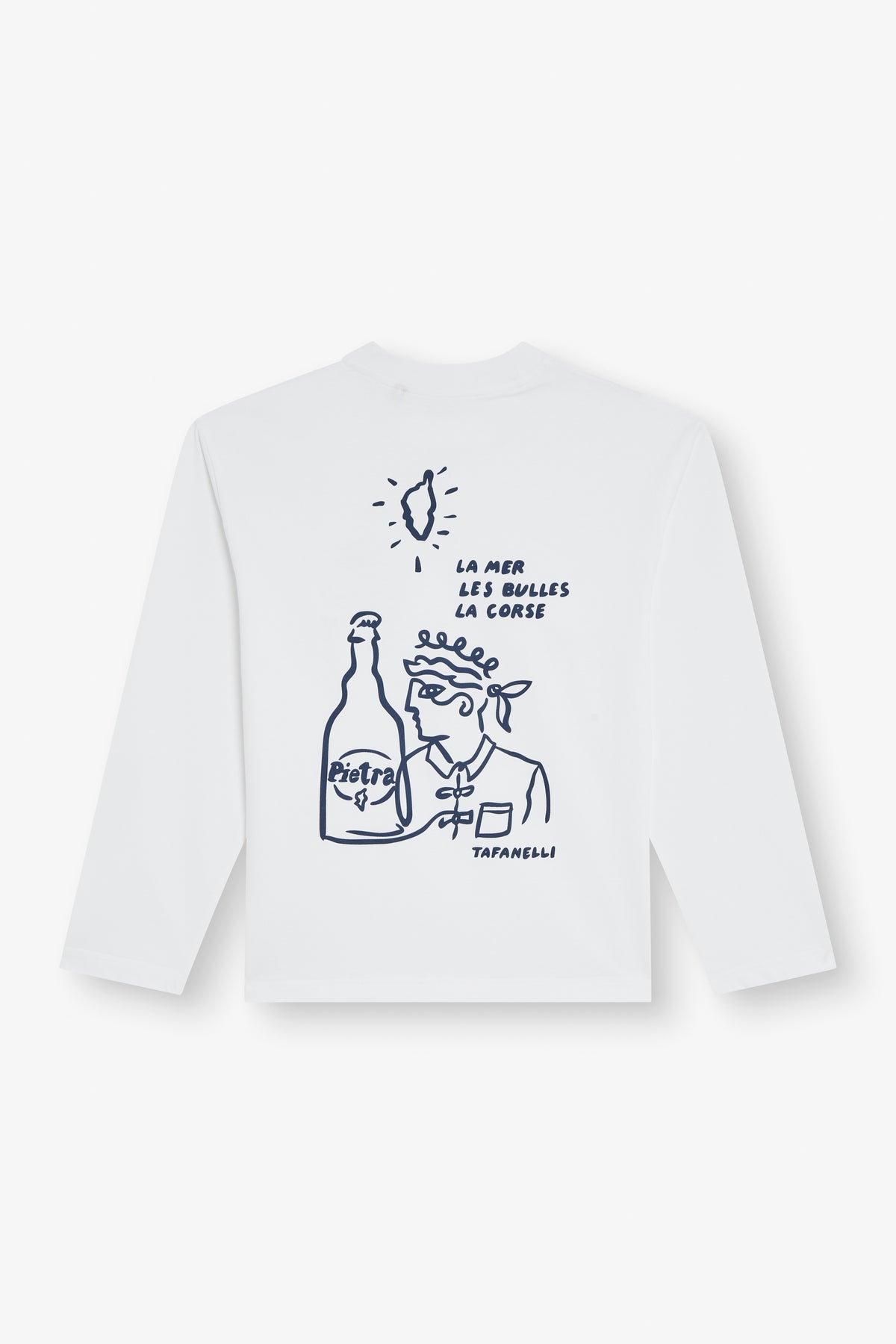
- The Roccapina t-shirt: the granite lion watches over the area a few kilometers south of the gulf.
- The Sea Urchin Fishing t-shirt: a tribute to an ancestral practice still alive in the Valincu.
- The La Trinità t-shirt: sea, mountain, and maquis reunited, just like in this gulf.
- The TAFANELLI cap: your companion on the coastal trails.
To continue exploring Southern Corsica:
- Sartène, the most Corsican of Corsican towns
- Bonifacio, complete guide
- The 10 most beautiful Genoese towers in Corsica
- The 20 most beautiful wild beaches in Corsica
- Complete guide to Corsican AOC wines
- Mare, Muntagna, Machja: the Corsican landscape trinity
Passing through Corsica, the customer becomes a friend.
A DOPU,
TAFA