The Restonica and the lakes of Corte: a complete guide to the Corsican high mountains
There are places that, as soon as you discover them, change your relationship with Corsica. One might think they know the island for its beaches, its coves, its perched villages. And then you head up a valley from Corte, climbing along a torrent with transparent waters, and you realize that Corsica is also a mountain. A real one. With its glacial lakes, its granite needles, its shy mouflons, its absolute silence. The Restonica Valley and its Melo and Capitello lakes are one of the most spectacular natural jewels in Corsica. A complete guide, updated with official information from the Centru di Corsica Tourist Office.
Important: access has changed, read this first
If you have hiked in the Restonica a few years ago, or if you are relying on an old guidebook, this is the most important information.
Since the severe weather of November 2023, the road leading to the Grotelle sheepfolds has been inaccessible from the Tragone bridge, located about ten kilometers from the entrance to the valley.
The new starting point for all hikes is the Frassetta parking lot, at an altitude of 900 meters.
This changes everything, especially the durations. What used to be a one-and-a-half-hour hike from Grotelle now requires several additional hours of walking. A hike to Lake Melo is no longer a morning outing: it is a full day in the mountains.
Setting off with the old times in mind is the best way to end up at high altitude at the end of the day, tired, without water, and without a safety margin. In the Corsican mountains, that is exactly how accidents happen.
The Restonica, backbone of the alpine Corsica
In the geographical heart of Corsica, just a few kilometers from Corte, the historic capital, a valley reaches deep into the mountains like an invitation to leave the hustle and bustle behind. This is the Restonica Valley, which follows the riverbed of a torrent with some of the clearest water in the Mediterranean.
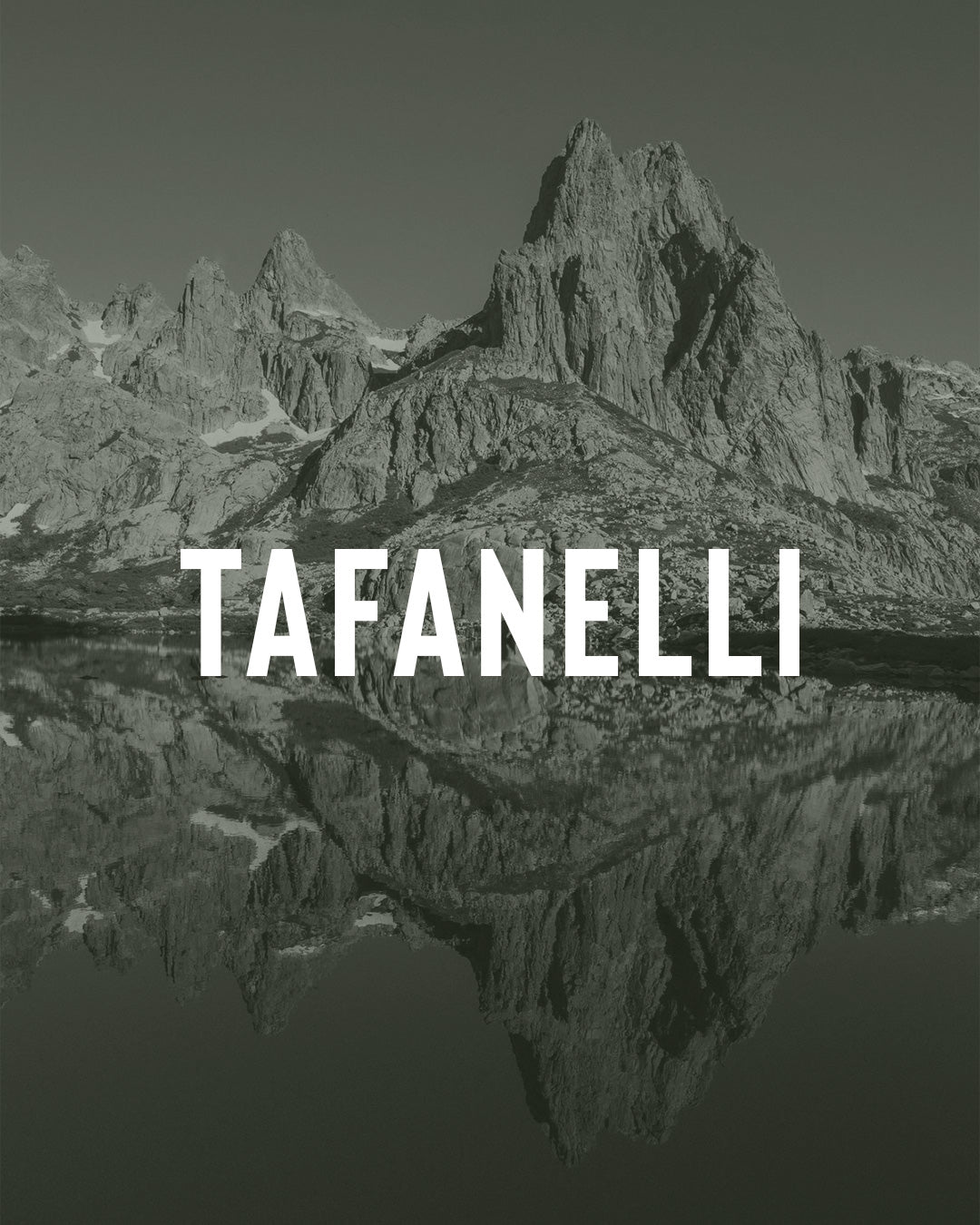
At higher altitudes lie the glacial lakes that dot the upper valley: Melo, Capitello, and Goria. Further still is the Monte Rotondo massif, one of the highest summits in Corsica.
For the Corsicans, the Restonica is a sacred place. A place to seek coolness in summer, solitude all year round, and the raw beauty of preserved nature. For visitors, it is the revelation of a little-known Corsica—the one of high altitude, granite, and bare rock.
Corsica is a mountain in the sea. This phrase is never truer than in the Restonica. Condensed into a single valley, you see everything that makes up the island's geological identity: granite, torrents, lakes, dry-stone sheepfolds, mouflons, and immense skies.
Access: La Frassetta, new starting point
All hikes in the upper valley now start from the Frassetta parking lot.
Reference altitudes
- Frassetta: 900 m, starting point.
- Lamaghjosu: 1,260 m.
- Grotelle sheepfolds: 1,375 m.
- Lake Melo: 1,710 m.
- Lake Capitello: 1,930 m.
Actual durations from Frassetta
- Grotelle sheepfolds: about 5 hours round-trip.
- Lake Melo: about 6 to 7 hours round-trip.
- Lake Capitello: allow 1.5 hours extra round-trip, making it a very long day.
These times are communicated by the Centru di Corsica Tourist Office. They are estimates for a walker in good physical condition, in good weather, without prolonged stops. Plan for some extra time.
The Restonica Valley
The Restonica is a river that rises in the heights of the Monte Rotondo massif, in the glacial lakes we will discover further on. It descends to its confluence with the Tavignano at Corte, and then joins the Tyrrhenian Sea at Aléria.
The D623 road
The valley is served by the D623, a narrow and winding road that follows the riverbed from Corte. It narrows as it ascends, with bottlenecks that require delicate maneuvers when passing oncoming traffic.
Essential reminder: since the severe weather of November 2023, the road has been cut at the Tragone bridge, about ten kilometers from the entrance to the valley. It is no longer possible to drive up to the Grotelle sheepfolds.
The torrent, a clear jewel
What strikes you first about the Restonica is the transparency of its water. An emerald-green torrent leaping from pool to pool, in a setting of granite rocks polished by millennia.
Several natural pools are suitable for swimming in summer: icy and invigorating, surrounded by warm granite. This is one of the most authentic Corsican pleasures, with a note of common sense: the water is very cold, the current can be strong after rain, and swimming is at your own risk.
The Laricio pine forest
The valley is lined with a magnificent Laricio pine forest (Pinus nigra laricio), an iconic species of Corsican forests. These majestic trees, with their straight trunks, grow slowly but live for a very long time. They were once harvested for the navy, notably for ship masts.
The Grotelle sheepfolds
At an altitude of 1,375 meters, the Grotelle sheepfolds occupy a grassy flat facing an impressive mountain cirque. A small hamlet of dry-stone shepherds' huts.
They are no longer accessible by car. From Frassetta, allow about 5 hours round-trip to reach them and return. It is, in itself, a beautiful day hike for those who do not wish to climb up to the lakes.
The pastoral legacy
These sheepfolds testify to a millennial pastoral tradition. Every summer, shepherds would drive their herds to the pastures of the Restonica to take advantage of the fresh grass of the high valleys. There, they produced the cheeses that would feed their families during the winter: brocciu, Corsican tomme, and venachese.
Some sheepfolds are still active. You might come across herds tended by shepherds whose work continues today—a human heritage as precious as the natural one.
To learn more about Corsican cheeses, consult our complete guide.
Lake Melo: first glacial jewel
Lake Melo, at 1,710 meters, is the first of the two iconic lakes of the Restonica.
The hike
- Departure: Frassetta parking lot (900 m).
- Arrival: Lake Melo (1,710 m).
- Elevation gain: about 810 meters.
- Duration: 6 to 7 hours round-trip.
- Difficulty: sustained by the duration. Hiking boots mandatory, good physical condition required.
It is a full day. Leave early, very early, and calculate your return time before you even start climbing.
The path
The path goes up the valley and then climbs through a rocky chaos. A passage equipped with cables and ladders allows you to climb over a ledge before reaching the lake. This section impresses some hikers but remains passable with vigilance. It becomes tricky in wet weather.
The lake
Lake Melo reveals itself after a final climb: a glacial body of water of a striking emerald green, surrounded by steep granite walls. It remains frozen for part of the winter.
It is a site of absolute silence, barely disturbed by the wind and the distant sound of the torrent.
Lake Capitello: the highest, the most mystical
Above Melo, Lake Capitello peaks at 1,930 meters. Even higher, even wilder, it is often considered more beautiful than Melo by regulars.
The hike
From Frassetta, you must add about 1.5 hours round-trip to the hiking time for Melo. This brings the day to eight hours of walking and more.
In other words: it is a big mountain day, not to be taken lightly, nor started late, nor attempted in uncertain weather.
The lake
Capitello is even more enclosed than Melo, surrounded by vertical walls that plunge directly into the water. Its color is a deep blue-green, darker and more mysterious. It is one of the deepest lakes in Corsica.
The site is impressive, almost intimidating. The verticality of the walls, the shade that persists for part of the day, a silence even denser than at Melo.
The connection with the GR20
Lake Capitello is located near the GR20, the long-distance hiking trail that crosses Corsica from north to south. Many GR20 walkers make the detour to discover it.
To learn more, consult our complete GR20 guide.
Goria, Nino and Monte Rotondo
Lake Goria
Less known than Melo and Capitello, Lake Goria is located in a different mountain cirque, less frequented and wilder. The path is less marked, and the route is intended for experienced hikers. From the new Frassetta starting point, it is a long haul: imperatively inquire about updated times at the Tourist Office before setting out.
Lake Nino
Lake Nino deserves a special mention. It is probably the most original lake in Corsica. Unlike the enclosed lakes of the Restonica, it rests on a vast grassy plateau, surrounded by pozzines—those wet meadows typical of the Corsican high plateaus, crisscrossed by a thousand small streams.
The pozzines are home to remarkable endemic flora and constitute a fragile ecosystem: never walk off the trails.
Warning: Lake Nino is not accessible from the Restonica Valley. It is accessed from the Poppaghia forest house on the Vergio road.
Monte Rotondo
Dominating the entire valley, Monte Rotondo (2,622 meters) is the second-highest peak on the island, after Monte Cinto.
Its ascent is a challenging alpine hike, reserved for experienced and perfectly equipped hikers. With the new Frassetta starting point, the climb lengthens significantly and becomes a project to be considered over two days, with an overnight stay in a mountain hut, rather than a single day.
From the summit, on a clear day, the view spans 360 degrees over all of Corsica, with Sardinia to the south.
High mountain fauna and flora
The Restonica is a sanctuary of Mediterranean alpine biodiversity.
The Corsican mouflon
The mouflon is the iconic animal of these massifs. You can catch sight of groups on the rocky slopes, often early in the morning or at the end of the day. Stay quiet and discreet, and observe from a distance: it is a protected species of which only about a thousand individuals remain on the island.
To learn everything about this animal, read our dedicated article: the Corsican mouflon, a muvra.
Birds of prey
The bearded vulture, a majestic vulture, and the golden eagle frequent these heights. Seeing them gliding above the ridges is a rare moment.
Other species
- Corsican nuthatch: a small endemic bird found in the Laricio pine forests.
- Trout: inhabit the torrent and the glacial lakes.
- Corsican fire salamander: found in wetlands.
Endemic flora
Corsica is home to numerous endemic plant species. In Restonica, you will find, in particular, the Laricio pine, the green alder along the edges of high-altitude streams, and various protected high-mountain species.
Practical hiking tips
Equipment
- Hiking boots: essential, with good grip for rocky sections.
- Water: at least two liters per person, more in summer. There are no supply points at high altitude.
- Warm clothing: the temperature drops rapidly with altitude.
- Waterproof windbreaker: thunderstorms are frequent in summer.
- Cap and sunscreen: the high-mountain sun is strong.
- Picnic: essential for six to eight-hour outings.
- Hiking poles: very useful for the descent on such slopes.
- Headlamp: on a seven-hour hike, an unexpected event is enough to have you finishing at dusk.
The best seasons
- May and June: the lakes emerge from the ice, flowers are everywhere, and crowds remain moderate. Our favorite time.
- July and August: very crowded and very hot. Leave at dawn.
- September: magnificent colors, fewer crowds, mild temperatures. The shuttle operates until September 30th.
- From November to March: access is regulated and conditions are wintry. Reserved for experienced and well-equipped hikers.
Mountain safety
The Corsican mountains claim victims every year among ill-prepared hikers. A few vital rules, which are all the more important since the lengthening of the itineraries:
- Check the weather before you leave.
- Leave very early to avoid afternoon thunderstorms and have a buffer.
- Calculate your return time before climbing, and stick to it.
- Inform someone of your itinerary.
- Never leave the marked trails.
- Turn back if in doubt: weather, fatigue, timing, injury.
- Emergency number: 112.
Where to sleep
The best base remains Corte. Hotels, bed and breakfasts, and campsites are numerous there, and it is from there that the shuttle departs. For more details, consult our Corte guide.
More adventurous hikers can stay in the nearby GR20 mountain huts, such as Petra Piana or Manganu.
The Corsican mountains in the TAFANELLI wardrobe
The Restonica perfectly embodies the Muntagna pillar of our landscape trinity. At TAFANELLI, we celebrate the three faces of Corsica: the sea, the mountains, and the maquis.
To continue your discovery of Corsica at altitude:
- Corte, the historical capital of Corsica
- Bavella and its Needles
- GR20: the 16 stages of the legendary trail
- The Corsican mouflon, a muvra
- Mare, Muntagna, Machja: the Corsican landscape trinity
- Complete guide to Corsican cheeses
Article updated in August 2026 thanks to information provided by the Centru di Corsica Tourist Office, whom we thank. Access conditions to the valley change: always check the official information at tourisme-centrecorse.corsica or at 04 95 46 26 70 before leaving.
In passing through Corsica, the customer becomes a friend.
A DOPU,
TAFA