Sporting's blue: how a color became the identity of an island
In the spring of 1978, an island team eliminated Sporting Lisbon, Newcastle, Torino, Jena, and the Grasshoppers, finding themselves in the UEFA Cup final. Seven straight victories. A blue jersey emblazoned with a Moor's head. Forty-eight years later, that blue no longer designates just a club; it designates a people. Here is the story of a color that became an identity.
U turchinu, the blue that defines the island
In the Corsican language, blue is called turchinu. The word comes from turquoise, and it already says something: this isn't the navy blue of warships or the royal blue of monarchies. It is a Mediterranean blue, lighter, more luminous.
It is the color of Sporting Club de Bastia. The supporters don't say "the club," they say u Sporting, and the spirit that goes with it has a name: u spiritu turchinu, the blue spirit.
There are clubs that wear a color. And there are colors that eventually wear a territory.
On an island where collective expression was long constrained, where the language nearly disappeared and symbols were bitterly contested, a stadium filled with a single color is never just a sports fact.
1978, the epic run that cemented everything
The 1977-1978 season remains one of the most improbable in the history of French football.
The club, then known as Sporting Étoile Club Bastiais, played in the UEFA Cup after finishing third in Division 1. No one expected anything from a team from an island of less than three hundred thousand inhabitants in a competition that brought together the entire European elite.
The journey, however, would become legendary:
- Sporting Lisbon, eliminated (3-2 in Furiani, 2-1 in Portugal).
- Newcastle United, eliminated (2-1 in Furiani, 3-1 in England).
- Torino, eliminated.
- Carl Zeiss Jena, eliminated.
- Grasshoppers Zurich, eliminated in the semi-finals.
Seven consecutive victories in a European competition—an exceptional performance in the history of continental cups.
In the final: PSV Eindhoven. First leg in Furiani: 0-0. Return leg in the Netherlands: 0-3. The trophy went to Eindhoven.
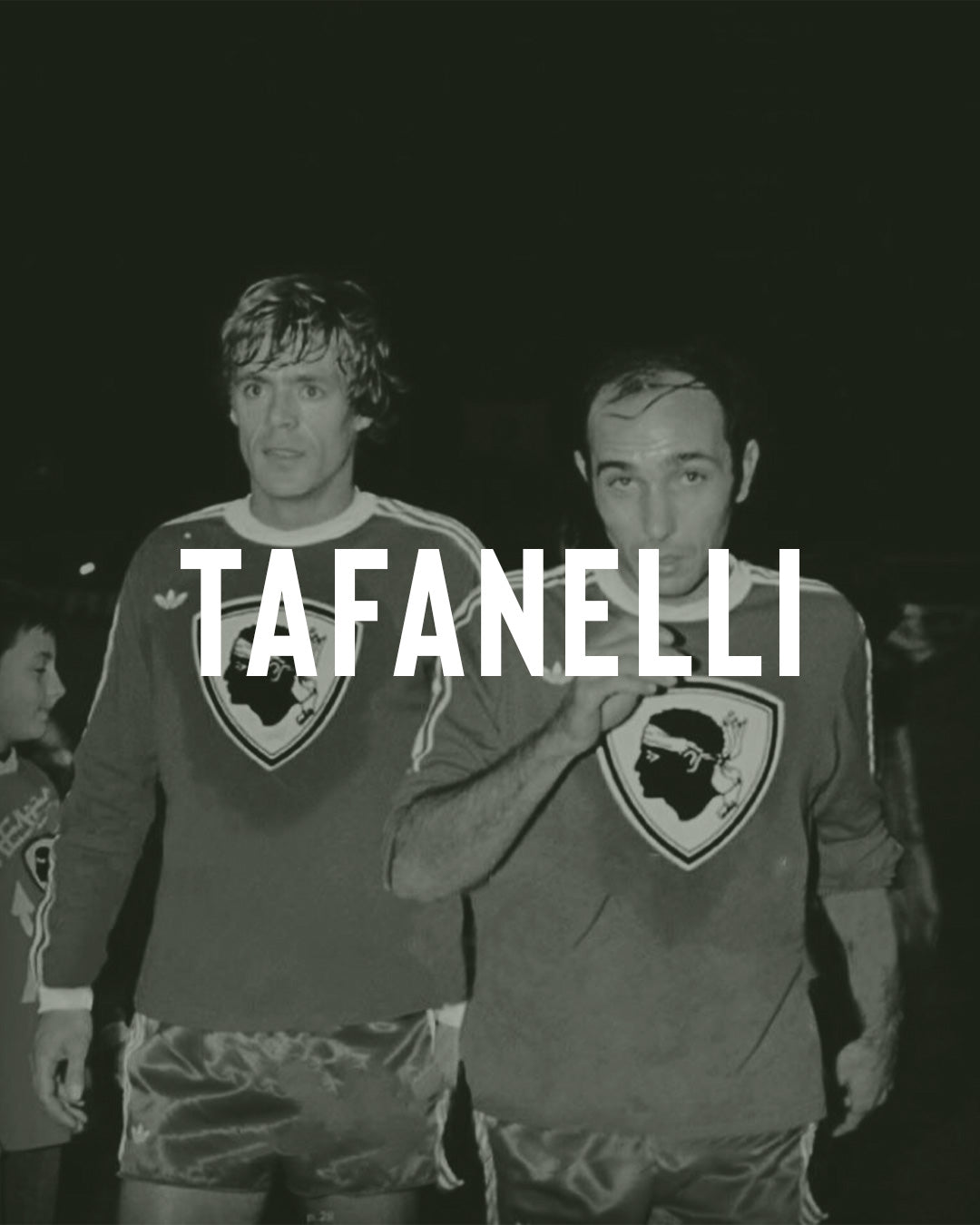
And yet, no one in Corsica talks about 1978 as a defeat. Because that spring, all of France watched an island team stand up to the continent, and the blue jersey with the Moor's head entered the collective memory far beyond the island.
The most recognizable jersey in French football
A blue background, and the Moor's head. Nothing else.
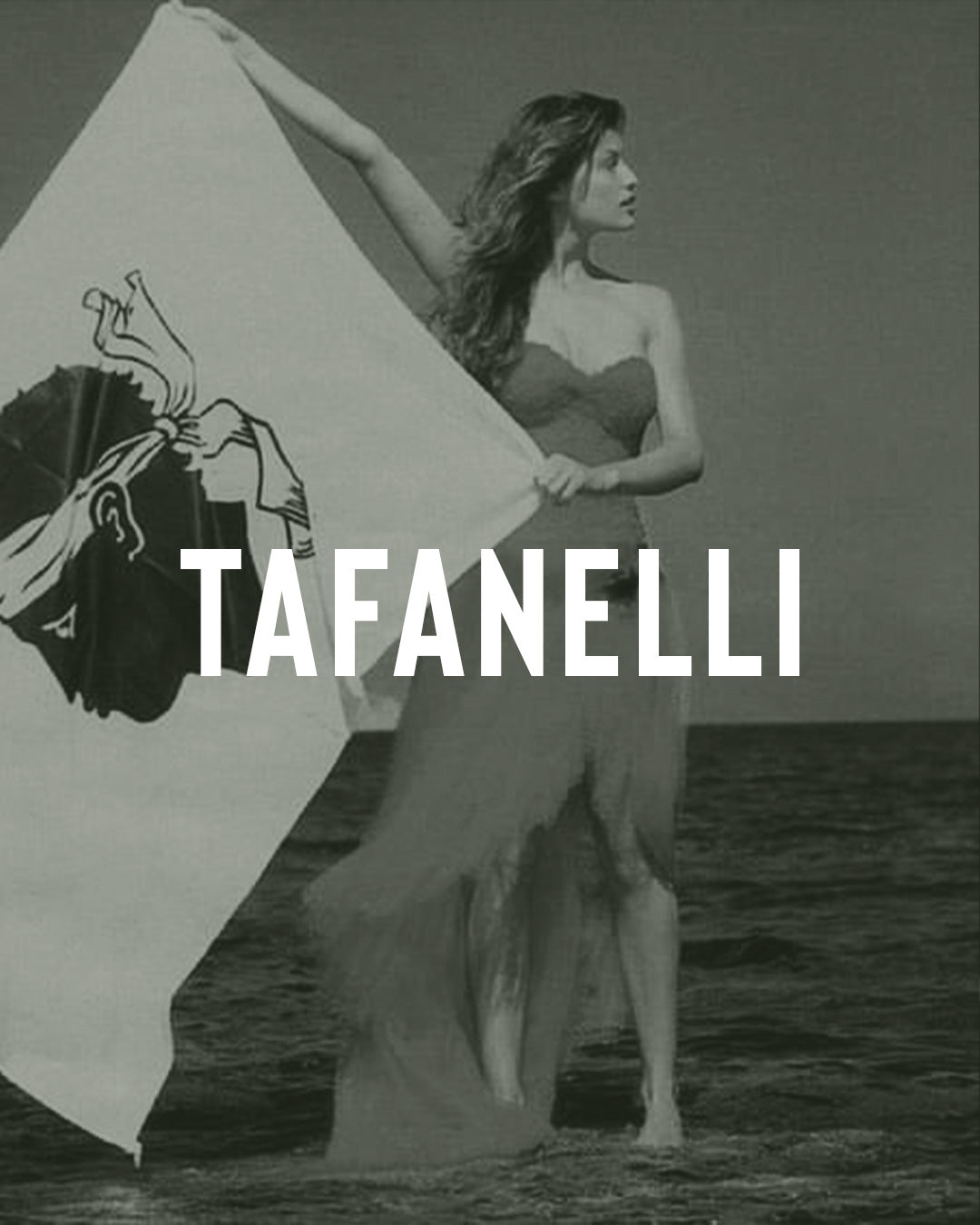
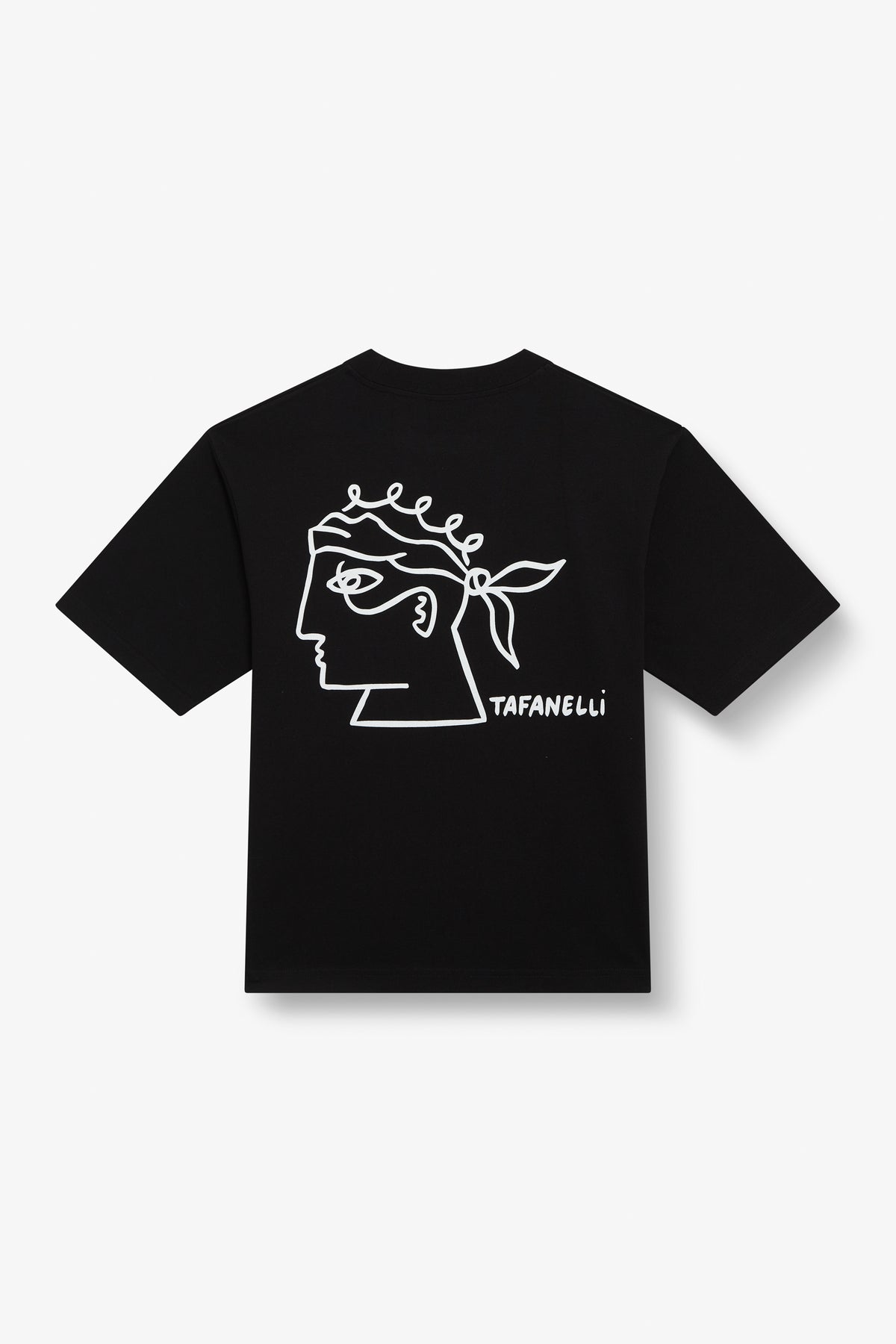
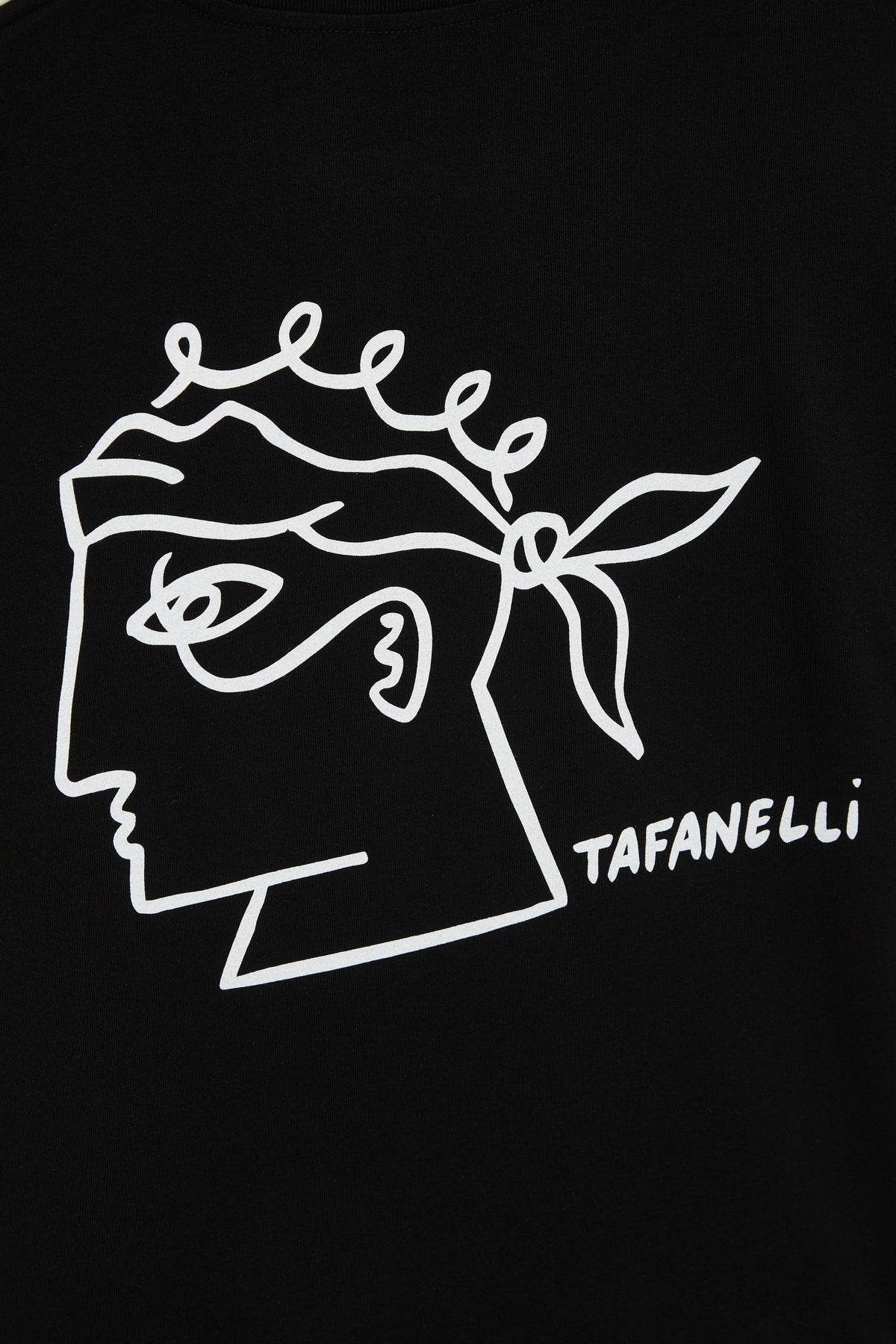
We must recognize the significance of this choice. The Moor's head is not a club logo; it is the symbol of Corsica itself, that of the flag, the one Pasquale Paoli ordered to have the headband lifted from the eyes to the forehead as a sign of a people looking toward the future.
Putting this symbol on a football jersey was a decision that the team represented an island, not just a city. At the time, in the political context of 1970s Corsica, that was not neutral.
The club's current emblem still places the Moor's head at its center, in explicit reference to the historic 1978 jersey. The retro jersey of that season continues to sell nearly fifty years later and is worn today by people who weren't even born then.
That is the definition of a successful garment: a piece one still wears when what it commemorates belongs to history.
May 5th
One cannot write about Sporting without writing this date, and it is done with the most sober words possible.
On May 5, 1992, in Furiani, before the Coupe de France semi-final against Olympique de Marseille, a temporary stand collapsed a few minutes before kickoff. Eighteen people lost their lives. More than two thousand three hundred were injured.
It is the most serious catastrophe in the history of French sport.
Since then, the struggle of the families and victims' associations has achieved rare recognition: Parliament decided that no official football match would be played in France on May 5th. The measure, adopted by the National Assembly in 2020 and confirmed by the Senate in 2021, is unique in the French sports calendar.
Every year, on that day, football stops across the entire country. For an island accustomed to its tragedies remaining solely its own, this is recognition that matters.
Sporting's blue also carries this. One cannot understand it without knowing this.
What a color does to a territory
There are few places where a shade is enough to designate belonging.
In Corsica, the turquoise blue of Sporting works exactly like that. It is worn in Bastia, but also in Calvi, in Corte, in the villages of the interior, and especially in the diaspora. In Marseille, in Nice, in Paris, a blue jersey with a Moor's head on the street is an immediate sign of recognition between people who don't know each other.
This is not unique to football. It is unique to territories where belonging is not a given and must be expressed.
The traditional costume already worked this way. The women's black denoted mourning, the brown cloth of the shepherds denoted their trade, the mezzaru denoted rank. Corsican clothing has always been a language before it was apparel.
A jersey is never just a t-shirt with a crest. What changes everything is what people have decided to invest in it.
Blue in Corsica, far beyond football
Sporting's turquoise didn't come out of nowhere.
It is the color one sees from any perched village on the island, the color of the Gulf of Saint-Florent at noon, the waters of Lotu and Palombaggia, the color Greek sailors saw when approaching the island they called Kallisté.
It is also, in a completely different register, the color of the bleu de Chine, that indigo-dyed workwear that for a century dressed laborers, Mediterranean sailors, and farmers, in Corsica as well as on the continent.
Two blues, two histories, the same Mediterranean. One comes from the sea, the other from the workshop. Both ended up saying the same thing: where we come from and what we do.
Frequently Asked Questions
Why does SC Bastia play in blue?
Turquoise blue, turchinu in Corsican, is the club's historic color. Associated with the Moor's head, it has become the visual symbol of the entire island, far beyond football.
What is the 1978 epic?
The club's run in the 1977-1978 UEFA Cup. Sporting Lisbon, Newcastle, Torino, Carl Zeiss Jena, and Grasshoppers Zurich were eliminated, with seven consecutive victories and a final lost to PSV Eindhoven (0-0 in Furiani, 0-3 in the return leg).
Why the Moor's head on the jersey?
Because it is the symbol of Corsica, present on its flag. The club chose to represent the island, not just a city. The current emblem keeps it at the center in reference to the 1978 jersey.
Why is there no football match on May 5th in France?
In tribute to the eighteen people who died and the more than two thousand three hundred injured during the collapse of a stand in Furiani on May 5, 1992. Parliament decided that no official matches would be played on that date anymore.
What does turchinu mean?
Blue, in the Corsican language. The word derives from turquoise. We speak of spiritu turchinu, the blue spirit, to denote attachment to Sporting.
Why this story matters to us
We have no connection to Sporting Club de Bastia, and this article claims none.
But our workshop started in Bastia, and it is impossible to work with clothing in this city without asking the question this jersey poses: at what point does a piece of fabric become something other than a piece of fabric?
The answer is not in the material, nor in the design, nor in the price. It is in what people decide to invest in it. A 1978 jersey is worth today what forty-eight years of collective memory have given it. No technical specification sheet produces that.
What a brand can do, however, is deserve that possibility. Choosing heavy cotton because a piece must last for years. Designing real scenes rather than recycling symbols. Hand-screenprinting. Doing little, but doing it well.
The rest does not belong to us. It belongs to those who wear it.
To go further:
- The Moor's Head, history and symbolism of the Corsican flag
- Traditional Corsican costume
- What to do in Bastia, the essentials
- Bleu de Chine, complete guide
- Corsican brand: how to recognize the real thing
- Pasquale Paoli, father of the Corsican nation
When passing through Corsica, the customer becomes a friend.
A DOPU,
TAFA