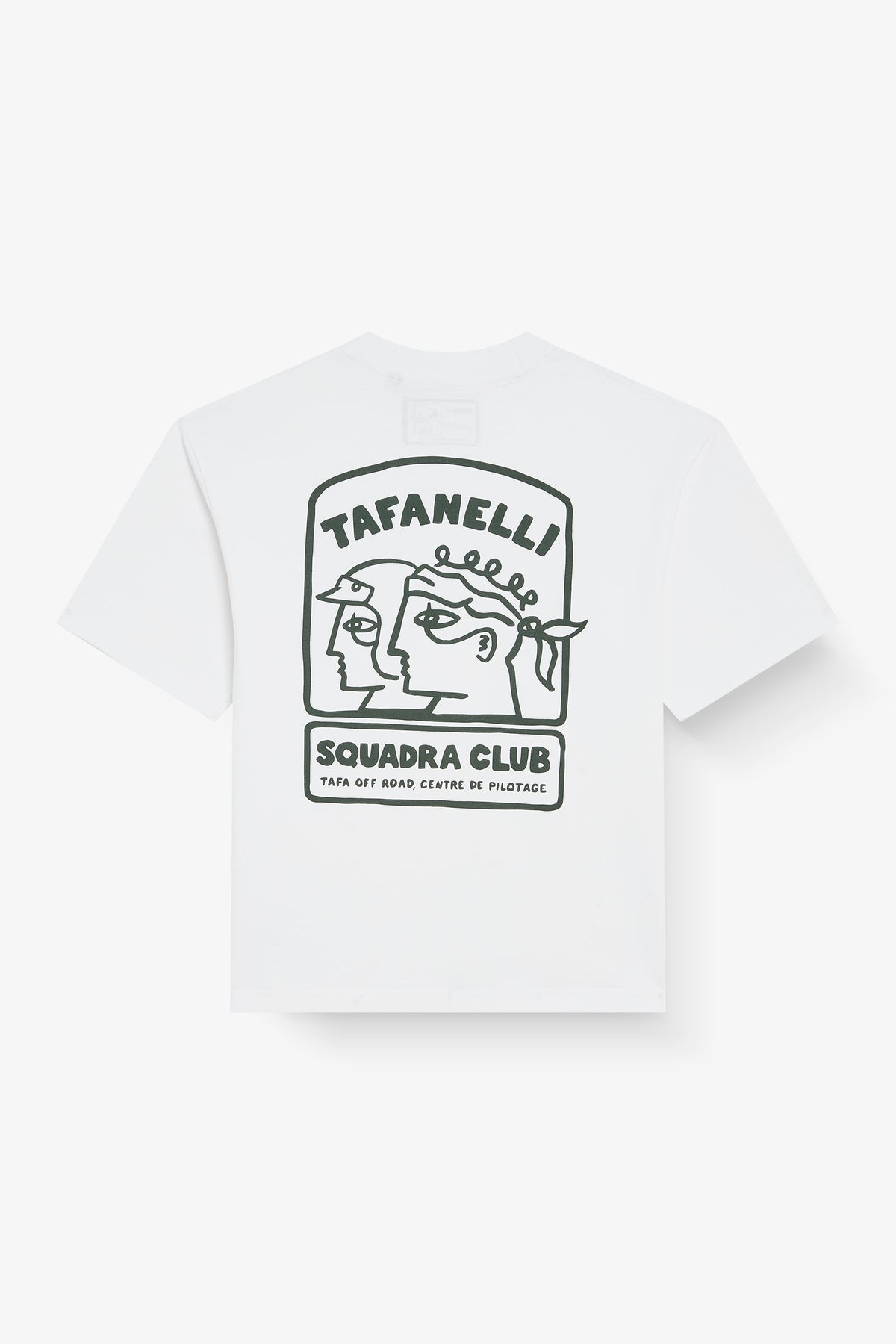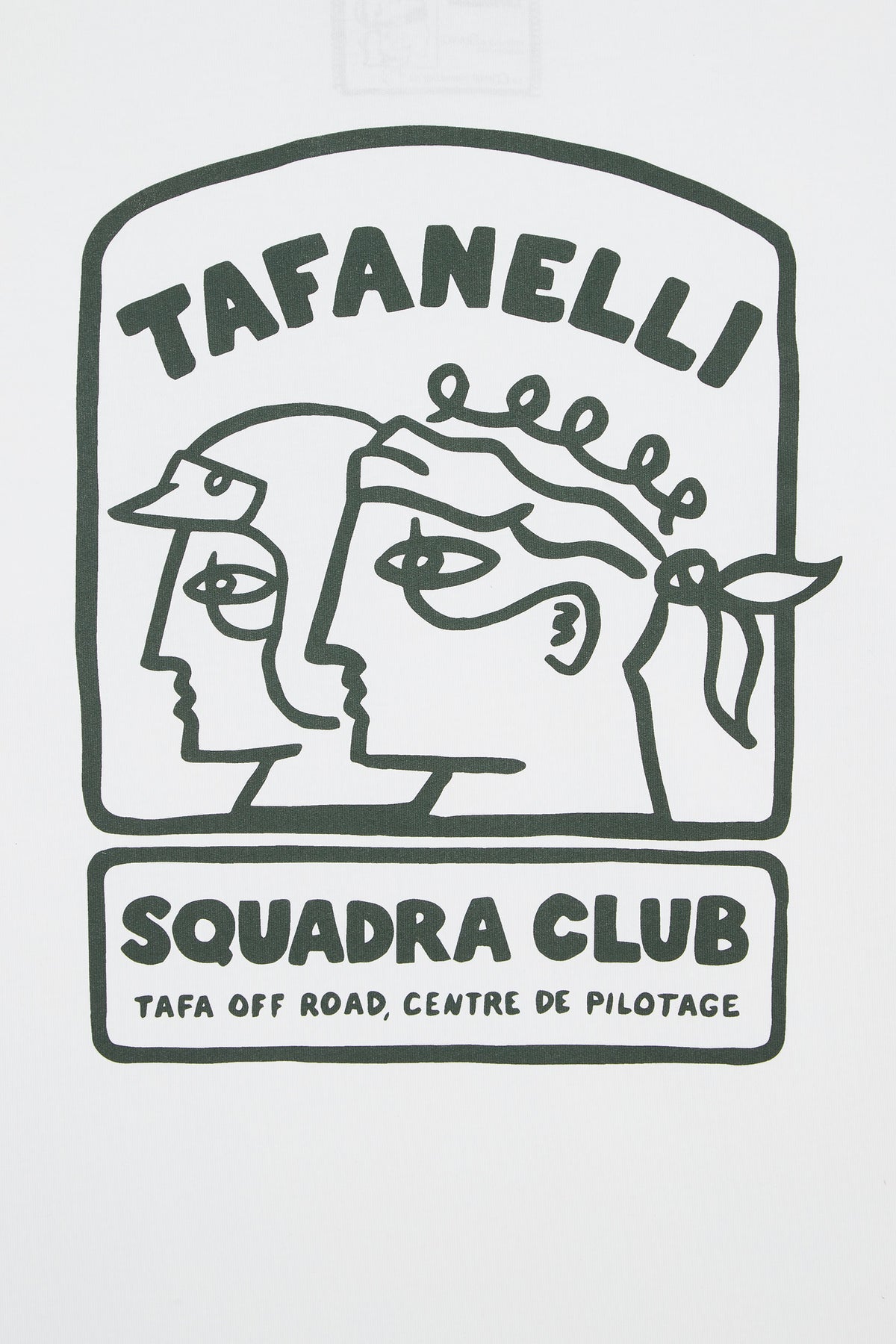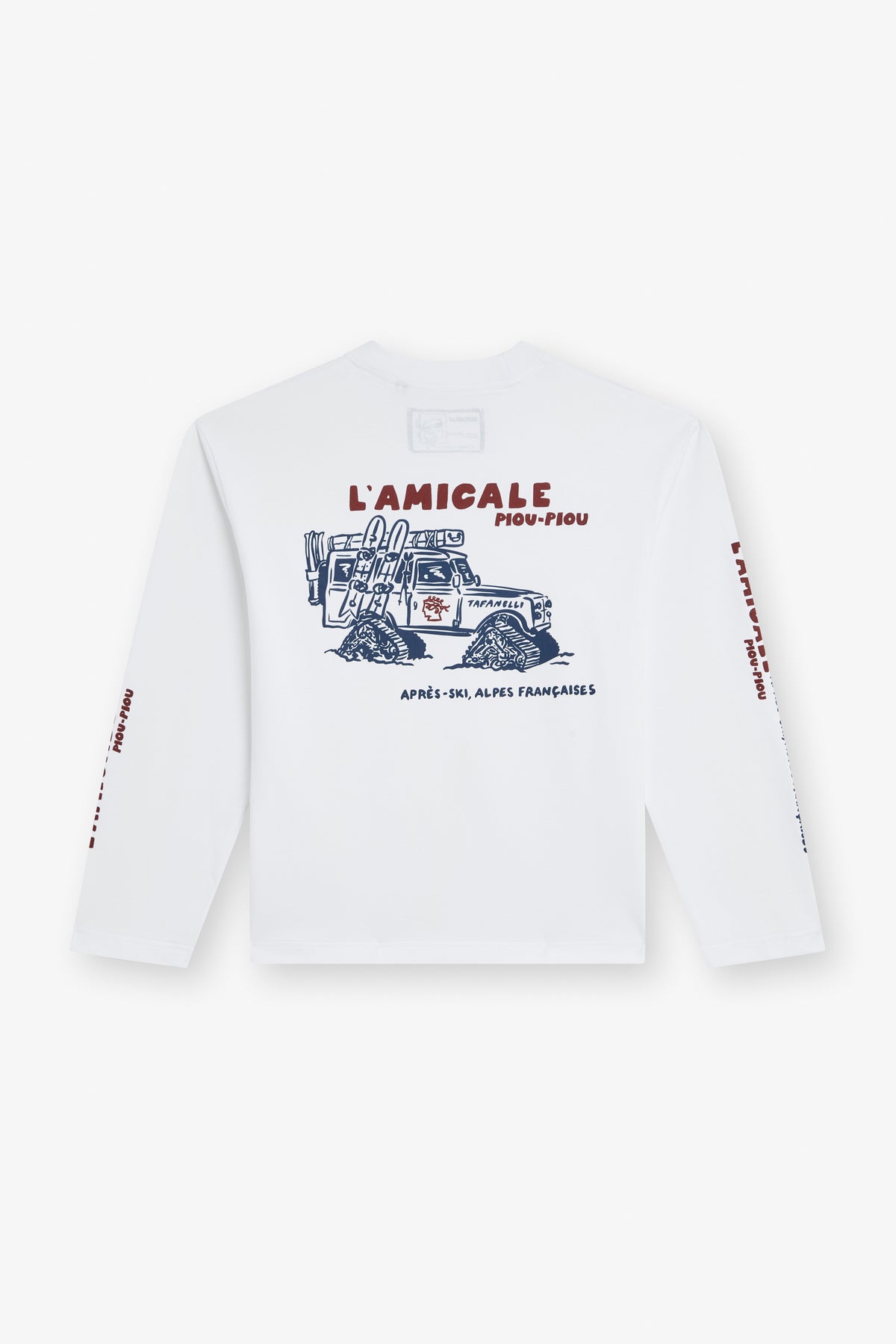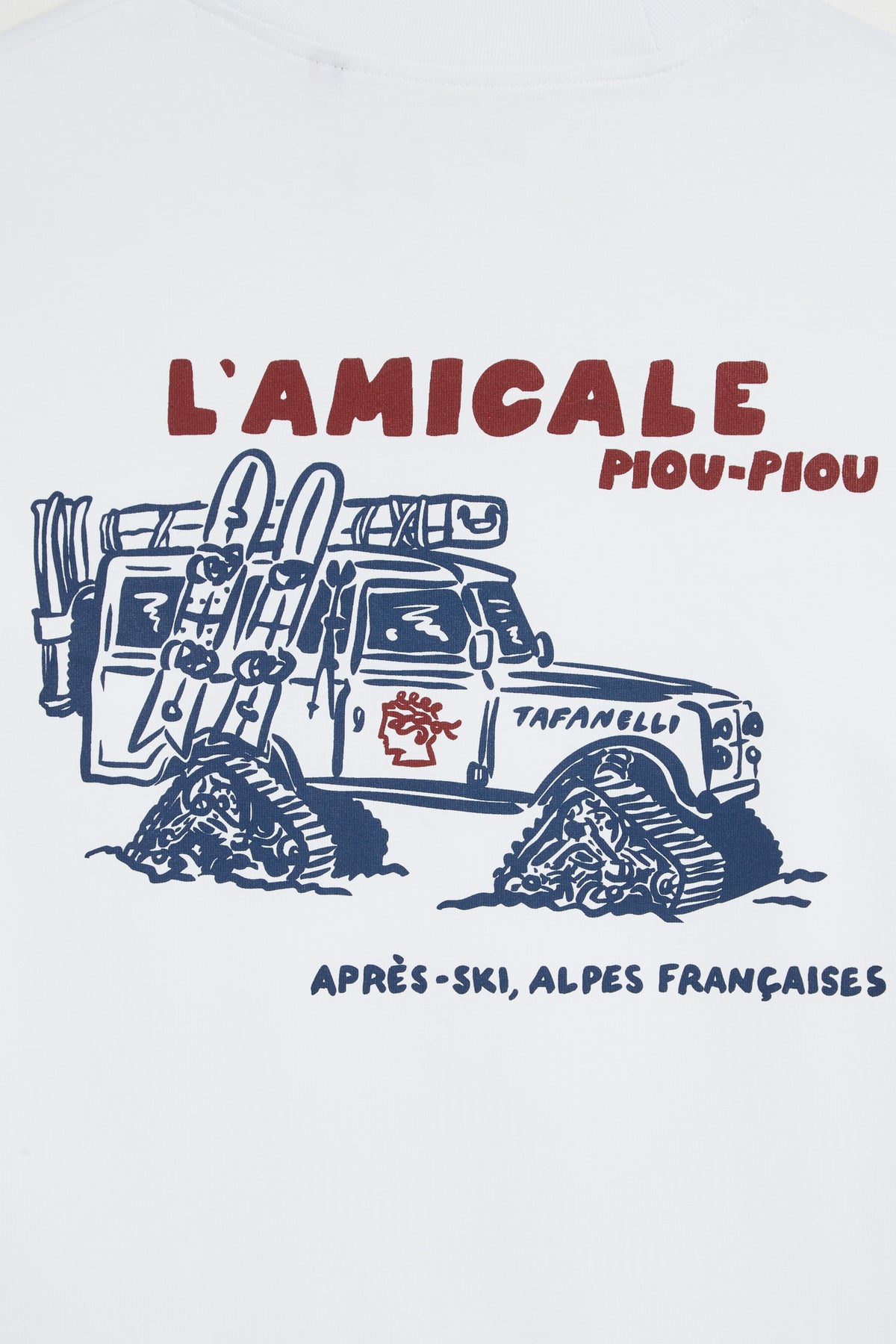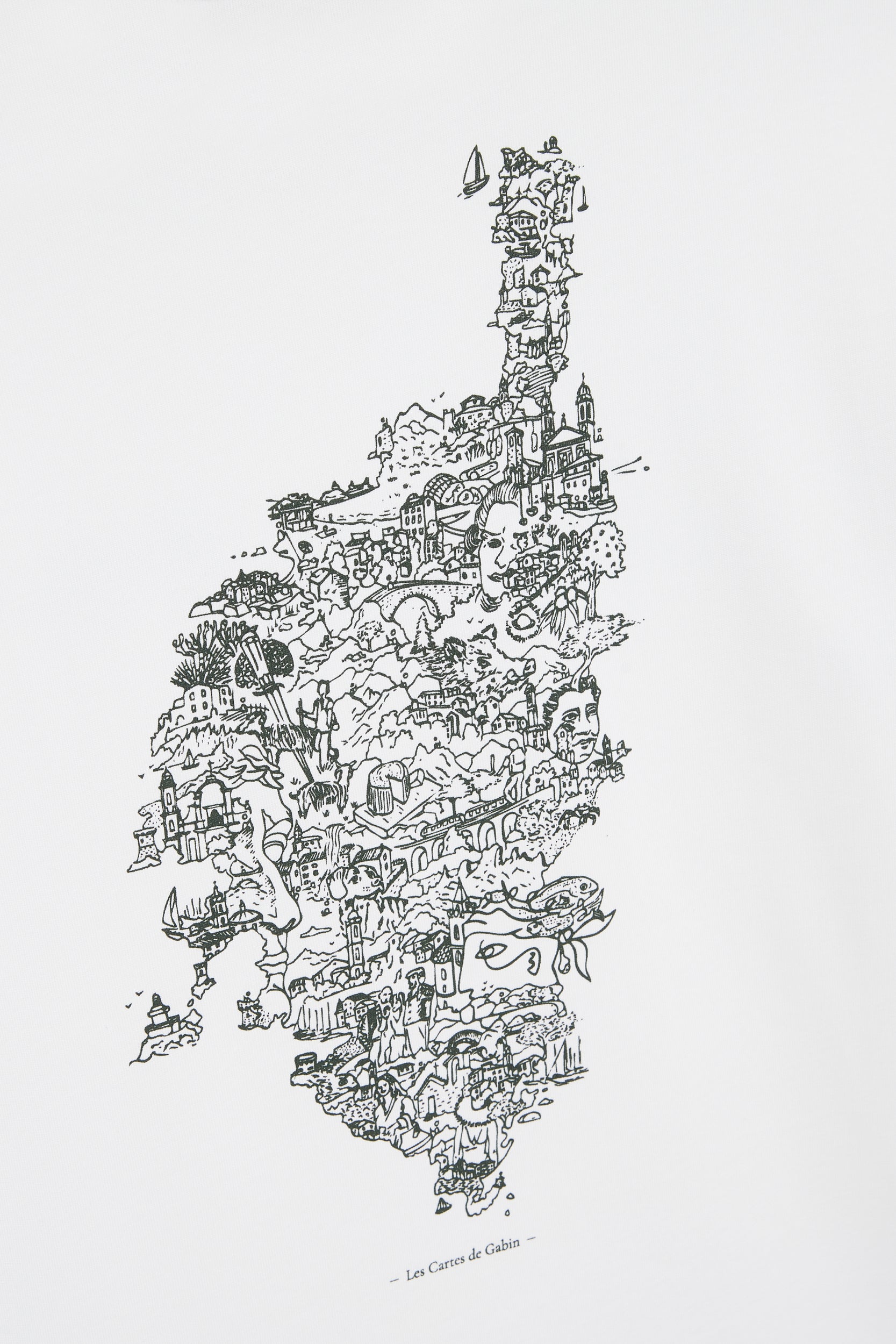

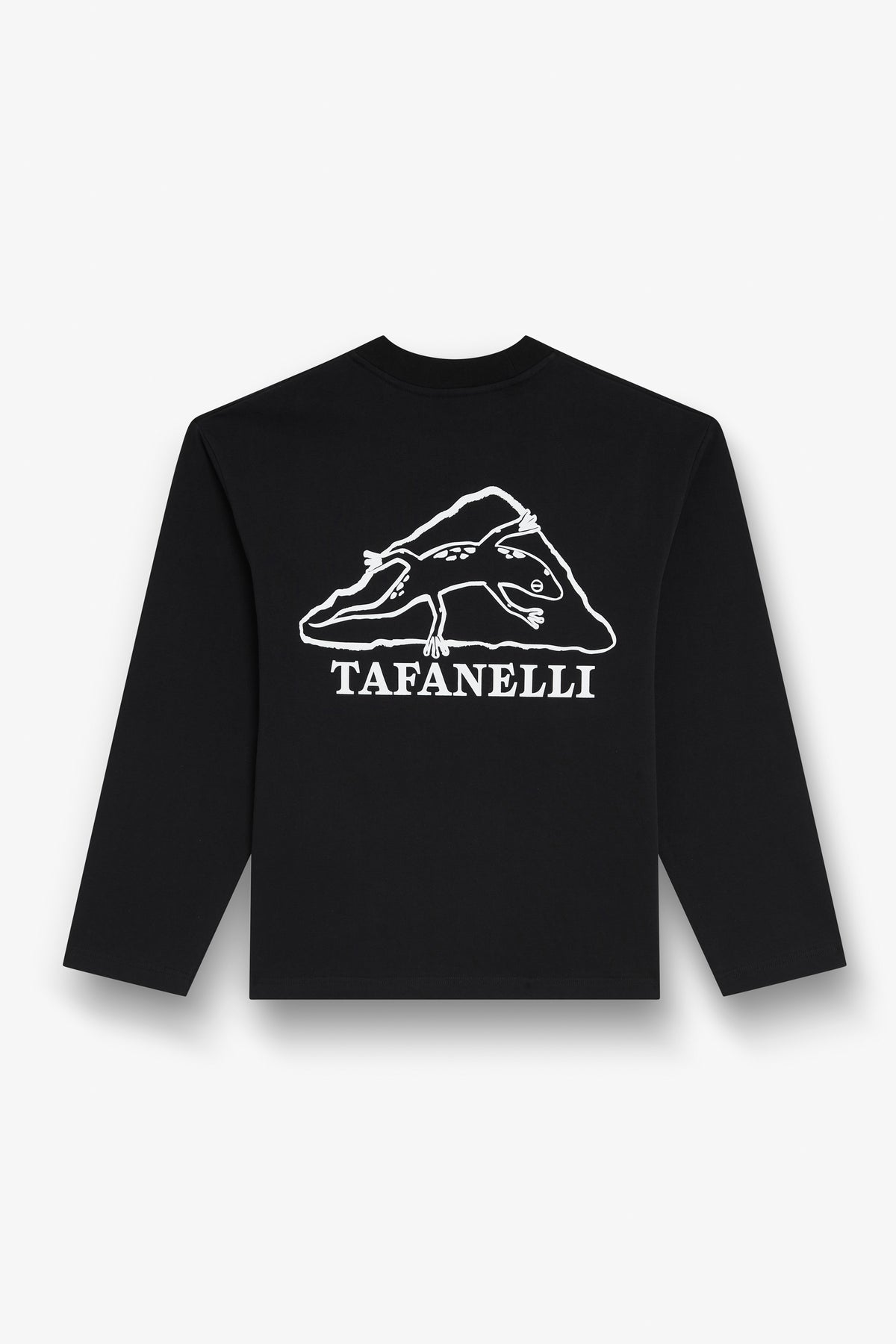
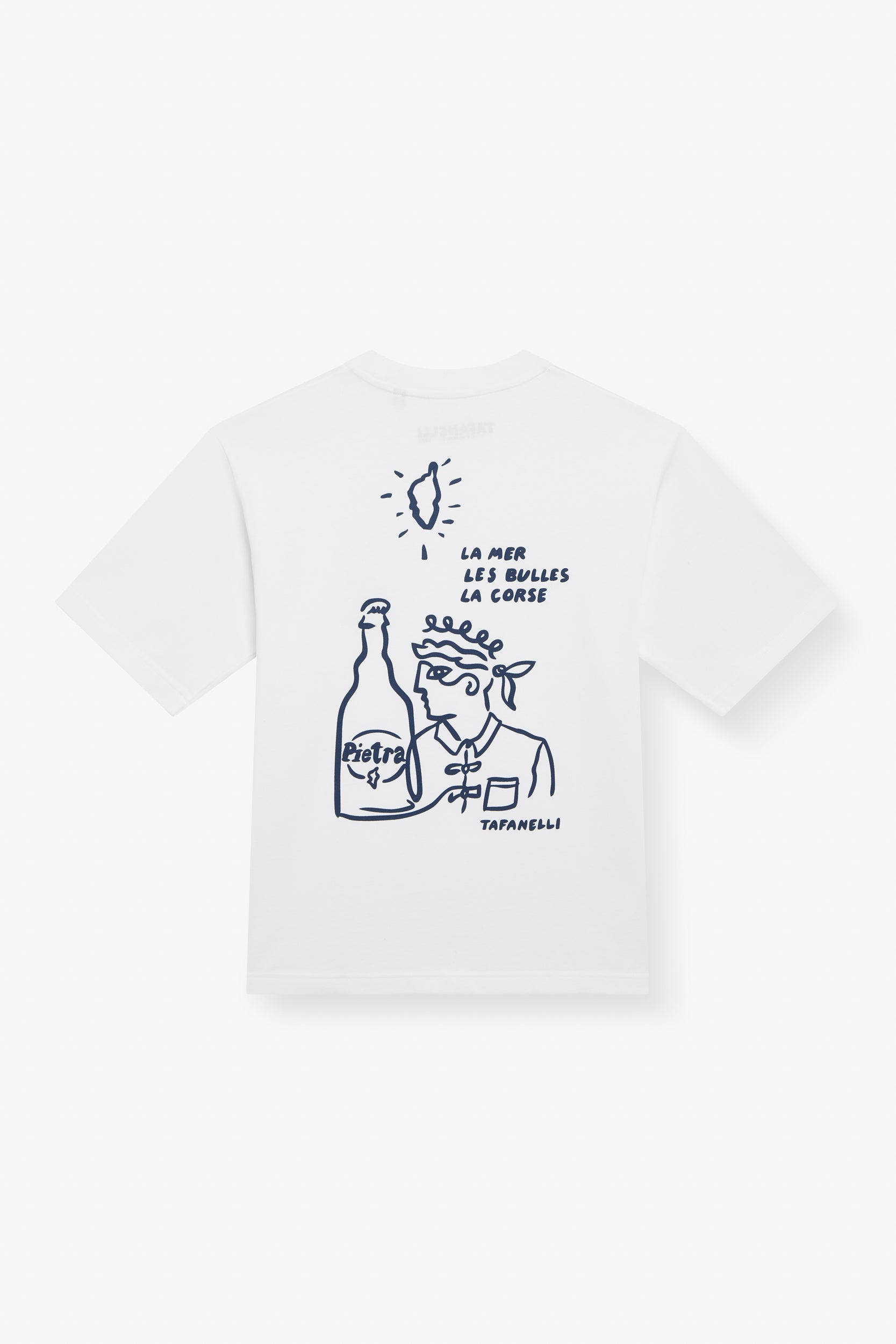

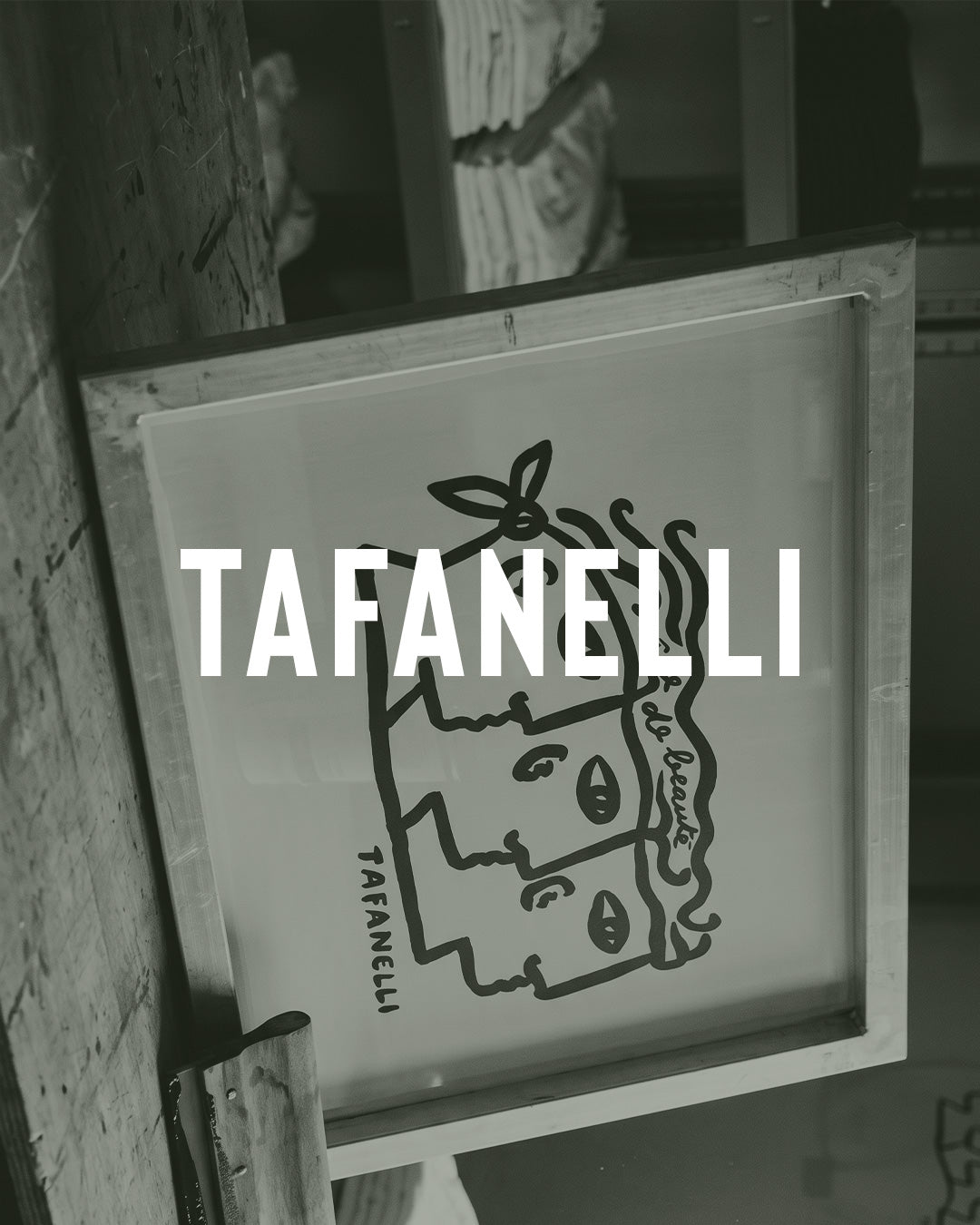
Hand screen printing: the artisan’s touch that makes the difference at TAFANELLI
There are many ways to print a design on a t-shirt. They are not all equal. Some are fast, industrial, and invisible. Others are slow, artisanal, and imbued with a human touch. At TAFANELLI, we have chosen the latter path: hand screen printing, layer by layer, in a French partner workshop, on each t-shirt individually. This choice is not trivial. It structures our manufacturing philosophy and justifies part of our pricing. This article explains why.
The touch, not the machine
There is something special about receiving a t-shirt that has been touched. Not automatically packaged, stacked on a conveyor belt, or shipped by an impersonal logistics system. No. Touched. Handled. Considered piece by piece by artisan hands.
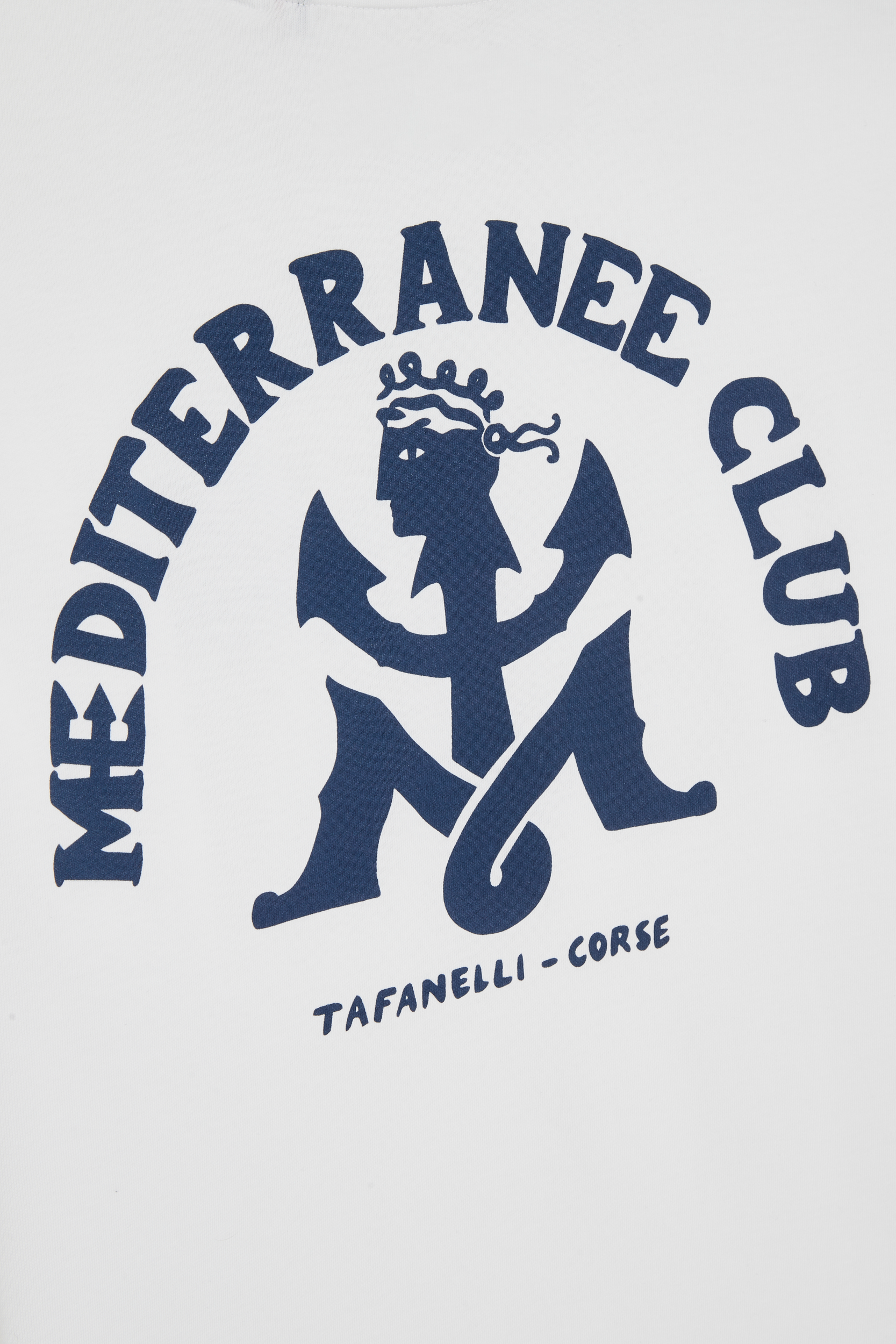
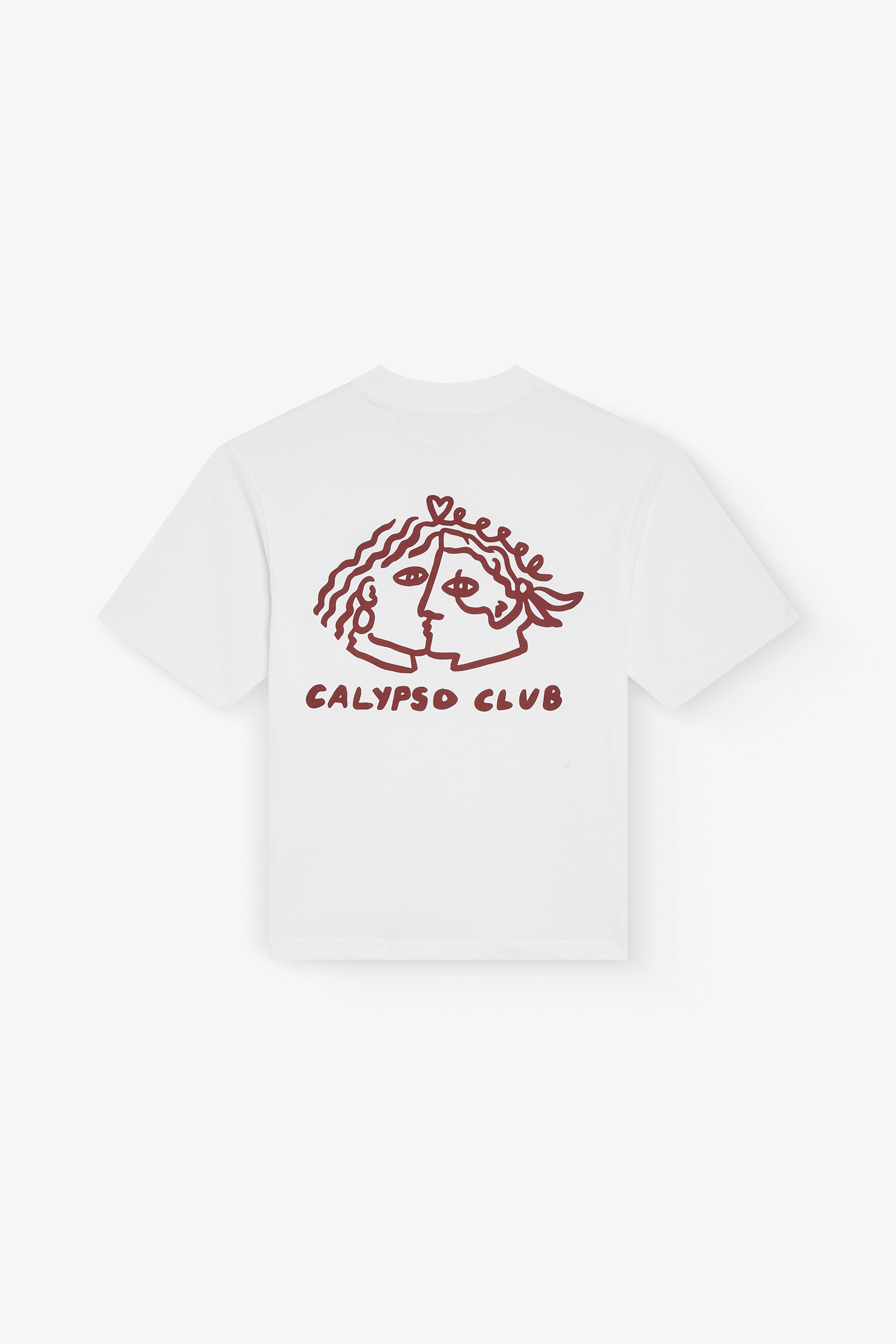
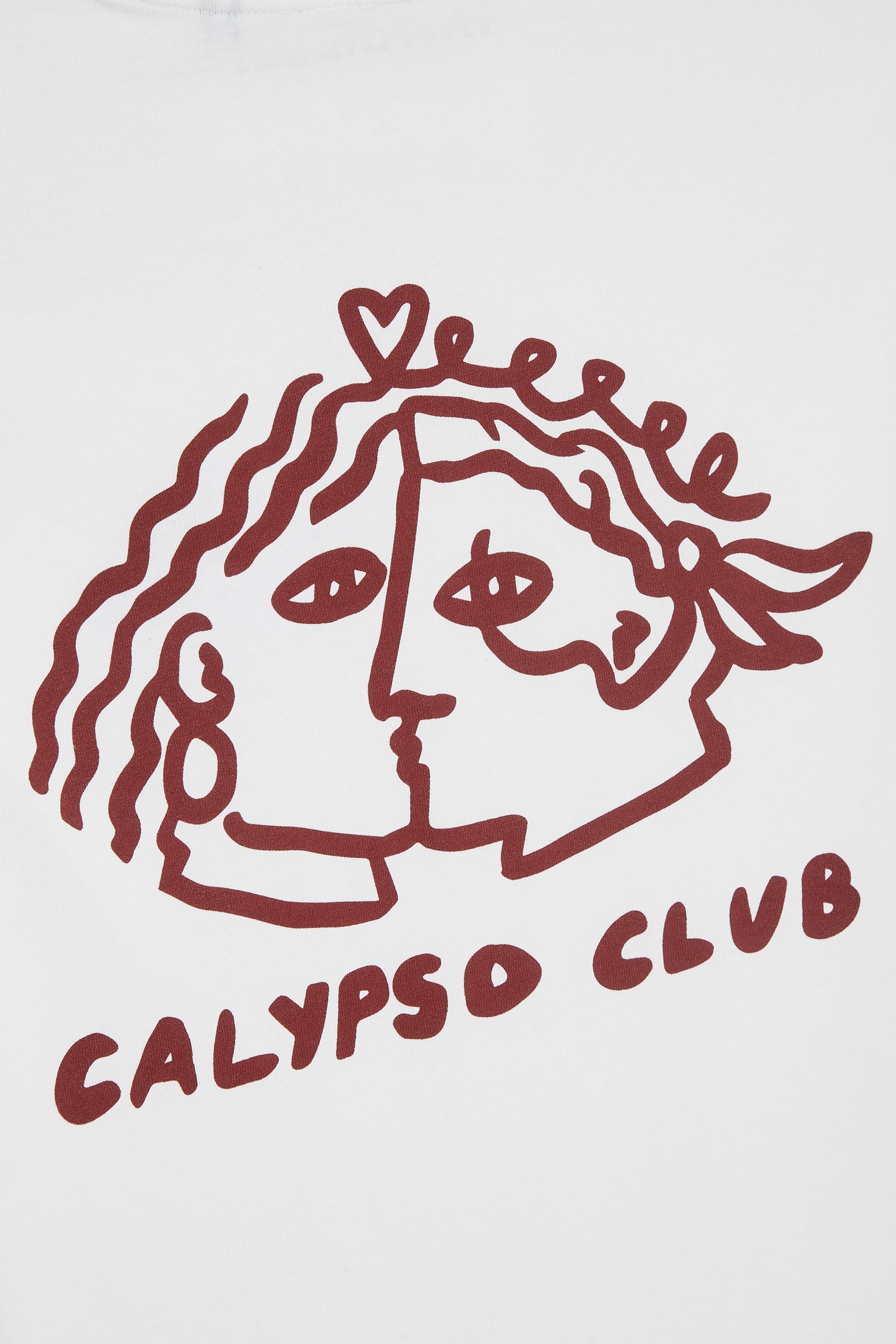
The difference is not just aesthetic. It is physical. A hand-screen-printed design has a unique ink density, a depth that no digital printer can replicate. It also has a small, intentional imperfection, the kind that tells you it was made by a human, not an algorithm. This small imperfection is the most precious sign of the artisan's touch.
At TAFANELLI, we chose hand screen printing from our very first t-shirt. Not out of affectation or a folkloric attachment to an ancient technique. Out of conviction. We believe that a t-shirt costing 95 euros should bear the mark of the hand that made it. We believe a design intended to be worn for five years deserves to be applied to the cotton with the precision of an artisan who takes their time.
Hand screen printing is a bit like a handwritten signature. It cannot be industrial. It bears the mark of the person who created it. Each piece is slightly different, each layer has its own character. It is this subtle variation that creates the value.
This article explains in depth what hand screen printing is, why we chose it, and why it is one of the founding pillars of TAFANELLI quality. A somewhat technical article, but essential for understanding what you are wearing when you wear TAFA.
What is hand screen printing?
Before going further, let’s take the time to define exactly what we are talking about. Hand screen printing is a textile printing technique based on a simple but demanding principle.
The principle
A frame (called a screen) is stretched with a very fine synthetic fiber mesh. A photosensitive emulsion is applied to this mesh, which will allow ink to pass through only in the areas of the pattern to be printed. The other areas are blocked.
The screen is then placed on the t-shirt, a quantity of ink is placed on top, and the ink is forced through the mesh using a squeegee. The ink passes through the mesh in the open areas and deposits directly onto the fabric. The screen is lifted, the ink is cured to set it, and the design is there.
The "by hand" specificity
Screen printing can be automated by industrial machines capable of printing several thousand t-shirts per day. This is not what we do. With us, each ink application is performed manually, by an artisan screen printer who handles their squeegee, screen, and t-shirt one by one.
This difference has direct consequences on the final result:
- Each piece is unique, with micro-variations.
- The amount of ink applied can be adjusted in real-time according to the material.
- The production speed is very slow (a few dozen pieces per hour, not thousands).
- The final rendering has a recognizable density and texture.
A thousand-year-old technique
Screen printing is far from a recent technique. Its origins date back over a thousand years, with a rich history spanning Asia, Europe, and the world.
Chinese origins
The first traces of screen printing were documented in China during the Song Dynasty (960–1279). Chinese artisans were already using stretched silk screens to print motifs onto ceremonial fabrics. In fact, the word "serigraphy" comes from the Greek seri (silk) and graphein (to write): literally, "writing with silk."
The transition to Japan
The technique was refined in Japan starting in the 16th century, where it was used to decorate kimonos and folding screens. Japanese artisans developed screen preparation techniques that remain a reference to this day.
Arrival in Europe and the West
Screen printing arrived in Europe in the 18th century, imported by merchants traveling to Asia. It remained a niche technique for a long time, used by textile decorators. It was not until the early 20th century in the United States that it became widely used, notably for advertising posters (Andy Warhol made it famous in his art with his screen-printed portraits of Marilyn Monroe and Elvis Presley).
Contemporary textile screen printing
Since the 1970s and 1980s, screen printing has taken over the textile world thanks to the industrialization of the technique. Most printed t-shirts in the world are screen printed, but the vast majority are done by automatic machines. Hand screen printing remains reserved for a few discerning workshops, often linked to premium brands or artists.
Screen printing is probably the only textile printing technique that has spanned a thousand years without changing fundamentally. The principle remains the same in 2026 as it was in the 10th-century China: a stretched mesh, a squeegee, ink passing through, and fabric receiving it. This continuity is the hallmark of great techniques: they are not invented; they are perfected.
Manual screen printing vs. other printing techniques
To fully understand why hand screen printing is different from other textile printing techniques, let's compare it to the main alternatives on the market.
Thermal transfer (DTG or vinyl)
Thermal transfer is the most common technique in fast fashion. The design is printed on an intermediate medium (vinyl or transfer paper) and then ironed onto the t-shirt. It is fast and economical, but the result is disappointing:
- The design is glued to the fabric, not integrated. It forms a sort of "sticker" on the surface.
- It cracks after a few months of washing.
- It makes the fabric stiff where the design is located.
- It does not breathe.
Direct-to-Garment printing (DTG)
Digital printing is more recent. A special printer sprays ink directly onto the t-shirt, like a giant inkjet printer. It is very faithful for complex, colorful designs, but:
- The ink density is lower than in hand screen printing.
- The lifespan is decent but inferior to screen printing.
- There is no texture or depth.
- The result remains very "printed" and industrial.
Embroidery
Embroidery is a beautiful technique, often used for logos and simple motifs. It provides real texture and exceptional durability. But it has limitations:
- It does not allow for large designs or highly detailed patterns.
- It stiffens the fabric where it is applied.
- It is expensive per unit for large surfaces.
Hand screen printing
Compared to these alternatives, hand screen printing offers the best compromise for an exceptional t-shirt:
- Incomparable ink density, with a slight relief and texture perceptible to the touch.
- Exceptional durability: withstands hundreds of washes.
- Respect for the fabric: the t-shirt remains supple, breathes, and ages naturally.
- Trace of the human hand, with subtle micro-variations that make every piece unique.
- Suitable for large motifs and multi-color prints.
To learn more about the manufacturing codes of our garments, see our editorial manifesto for the TAFANELLI t-shirt.
The step-by-step process
Understanding hand screen printing requires seeing it in action. Here are the detailed steps in creating a TAFANELLI t-shirt, from design validation to the final piece.
Step 1: BAT (Proof) validation
Everything starts with a BAT (Bon À Tirer), the final version of the design, validated down to the smallest detail: dimensions, position on the t-shirt, colors, and contours. Each BAT is the subject of precise exchanges with our partner workshop to ensure the final result matches our expectations.
Step 2: Preparing the films
Once the BAT is validated, we prepare films—transparent sheets where the design appears in opaque black. There is one film per color in the design. If a design has three colors, it will require three films. This step is crucial because it determines the final precision.
Step 3: Exposing the screens
Each screen (frame stretched with mesh) is coated with a photosensitive emulsion. We place the corresponding film on it, then expose the assembly under a UV lamp. The emulsion exposed to light hardens and becomes waterproof. The emulsion hidden by the film (where the pattern is) remains soluble and is then rinsed with water, leaving open areas that will allow the ink to pass through.
Step 4: Aligning the screens
Once the screens are prepared, they must be precisely aligned on the printing table. Each screen must be positioned so that the different color layers align perfectly. A one-millimeter shift between two layers can ruin the final rendering.
Step 5: Applying the ink
The t-shirt is placed on the printing table, pulled taut. The first screen is lowered onto it. The artisan deposits a strip of ink at the top of the screen, then slides a squeegee downwards while pressing firmly. The ink passes through the mesh in the open areas and deposits directly onto the t-shirt.
The motion is precise, with consistent pressure. Too much pressure leaves too much ink; too little pressure does not print enough. This is where the artisan’s expertise is essential.
Step 6: Successive layers
If the design has multiple colors, the operation is repeated with each screen. Each layer must be dried before applying the next, otherwise, the colors will mix. A four-color piece therefore requires four screen passes, four drying phases, and four alignments.
Step 7: Final curing
Once all layers have been applied, the t-shirt passes through a curing oven at about 150 degrees Celsius for a few minutes. This heating process allows the ink to bind permanently to the fabric. This is the step that guarantees wash durability.
Step 8: Quality control
Each piece is checked individually before packaging. We examine ink density, layer alignment, the absence of smudges, and the sharpness of the design. Pieces that do not meet our standards are rejected.
A TAFANELLI t-shirt is the result of eight steps, several hours of collective work, and a chain of skills that goes back to the graphic designer who prepared the file. It is not an industrial product. It is an artisan project that takes its time.
Screens: the screen printer’s tool
The heart of screen printing is the screen. It defines the precision and quality of the final design. Understanding the screens is understanding the essence of screen printing.
The structure
A screen consists of two elements:
- A wooden or aluminum frame, usually rectangular, with dimensions adapted to the design.
- A polyester mesh (today) stretched very firmly over the frame. Historically made of silk (hence the name), today it is made of high-performance polyester for greater durability.
The mesh count
The mesh consists of a grid of varying fineness, measured in threads per centimeter. The finer the mesh, the more precise the design can be, but the less ink passes through. The screen printer chooses their mesh based on the type of design, the ink used, and the desired effect:
- Coarse mesh (30 to 60 threads/cm): for large flat areas, thick inks, and textured effects.
- Medium mesh (80 to 120 threads/cm): for standard designs, most t-shirts.
- Fine mesh (150 to 200 threads/cm): for details, fine lines, and text.
At TAFANELLI, the mesh is adapted to each design to obtain the best possible reproduction.
Lifespan
A well-maintained screen can be used for several hundred prints before it needs to be redone. After a production run, the screen is cleaned and degreased, and can be reused for another motif. This reusability limits the environmental impact of the technique.
Inks and their selection
Another crucial element of hand screen printing is the choice of inks. Not all inks are created equal, and our standards on this point are high.
Plastisol inks
These are the most commonly used inks in textile screen printing. Based on PVC, they offer exceptional coverage and excellent durability. They are particularly suitable for printing on dark cotton. Their downside: they are not entirely eco-friendly and can leave a slightly plastic feel on the surface.
Water-based inks
A more eco-friendly alternative to plastisol inks, water-based inks penetrate the cotton fibers rather than sitting on the surface. The finish is more supple, more breathable, and more natural. This is our preferred choice for the majority of our pieces.
Water-based inks offer several advantages:
- A softer and more breathable feel to the touch.
- Better integration into the fabric fibers.
- Reduced environmental impact.
- A more natural patina over time.
Special effect inks
There are also inks with special effects:
- Metallic inks (gold, silver, copper) for shimmering effects.
- Glitter inks for sparkle.
- Phosphorescent inks that glow in the dark.
- Puff inks that expand with heat to create a raised texture.
At TAFANELLI, we favor classic water-based inks to maintain a sober and timeless aesthetic, consistent with our philosophy.
The craft and its poetry
Beyond technique, hand screen printing is above all a matter of craft. It is a process that has its own aesthetic, its own rhythm, and its own poetry.
The screen printer's craft
Watching a screen printer at work is like witnessing a precise ballet. The t-shirt is laid on the table, held taut by blocks. The screen is lowered above. The strip of ink is applied at the top. The squeegee is gripped with both hands. The fluid movement from top to bottom, with regular, precise, controlled pressure. The screen is lifted in a smooth motion. The t-shirt is removed and set aside to dry. The next one takes its place.
This process is repetitive but never monotonous. Each piece has its own micro-adjustments. Pressure can vary depending on the t-shirt material, the position on the table, or the artisan's fatigue at the end of the day. These subtle variations are what make each piece unique.
Embraced slowness
Hand screen printing is slow. An industrial machine can print 500 t-shirts an hour. An artisan working by hand does 30 to 60. This slowness is not a flaw: it is a condition of quality. It allows for individual inspection, real-time adjustment, and respect for the fabric.
Our short runs of 100 pieces per colorway are perfectly adapted to this production pace. A series is produced over a few days, in a continuity of motions that gives the entire collection coherence.
There is a silent beauty in a manual screen printing workshop. The repeated motion, the concentration, the mastery, the silence broken only by the friction of the squeegee against the screen. It is a form of active meditation. Watching an artisan at work, one understands why this technique has survived for a thousand years without ever being replaced.
The advantages of the manual process
Let's recap the concrete advantages of hand screen printing compared to automated industrial techniques.
1. Ink density
The artisan can adjust the amount of ink deposited with each pass. The result: a color density that is stronger, more vibrant, and more tactile than automated printing.
2. Respect for the fabric
The screen printer adapts their pressure and rhythm according to the t-shirt material. A 280g/m² cotton like ours is not treated like a lightweight fast-fashion cotton. Hand screen printing allows for this precise adjustment.
3. The possibility of limited runs
Industrial machines are only cost-effective for large runs (several thousand pieces). Hand screen printing allows for economically viable short runs. Our 100-piece per colorway model is possible thanks to this technique.
4. Individual quality control
Every piece leaving a manual workshop is checked individually. On industrial lines at 500 pieces/hour, quality control is necessarily statistical (sampling), not individual. Our approach guarantees that no defective piece ever leaves the workshop.
5. Creative flexibility
We can make adjustments during a run (color changes, defect correction, adapting to a variation). Industrial machines require a full setup restart for every change, which makes creative testing expensive.
6. Local roots
Our partner workshop is located in France, with local expertise passed down from generation to generation. Each order respects a short supply chain, with no outsourcing to Asia. It is both an ethical and economic choice.
The durability of manual screen printing
One of the great assets of hand screen printing is its exceptional durability. A well-printed design lasts for hundreds of washes without losing quality.
Why it lasts
The durability of screen printing is due to several factors:
- The ink penetrates the fibers (for water-based inks) or adheres firmly to the surface (for plastisol) thanks to the final curing process.
- Ink density ensures resistance to wear and tear.
- Individual quality control eliminates poorly cured pieces.
How to extend the lifespan
Some tips to preserve the screen print on your TAFANELLI t-shirt:
- Wash at 30 degrees maximum, inside out.
- Avoid the tumble dryer. Flat drying is preferred.
- Do not iron directly on the print. Always iron inside out or with a protective cloth.
- Avoid fabric softeners, which can alter the inks.
For more care advice, see our TAFANELLI care guide.
The patina of time
Hand screen printing ages well. Unlike transfers that crack, it acquires a patina over the years: colors soften slightly, the ink becomes even more integrated into the fabric, and the design becomes a fundamental part of the garment. It is a natural evolution that makes the piece more beautiful over time.
Our philosophy: the human touch over the machine
Choosing hand screen printing is not just a technical decision. It is a philosophical choice that reflects our vision of clothing and our brand.
The refusal of excessive industrialization
We could produce our t-shirts at a rate of thousands per day in automated workshops in Asia, using mass-produced digital designs. It would be faster, cheaper, and more profitable. But it would no longer be TAFANELLI.
Our brand is built on a refusal of the industrial drift that has invaded global ready-to-wear. We prefer to:
- Do less, but do it better.
- Take our time, even if it costs more.
- Respect the artisan's hand, even if it slows down production.
- Guarantee quality, even if it implies slow individual inspection.
Respect for the artisan's craft
Behind every TAFANELLI t-shirt, there are human hands. Hands that prepared the films, exposed the screens, aligned the frames, applied the ink, and checked the quality. These hands possess expertise that is passed down, perfected, and holds value.
We want to honor this expertise by highlighting it, paying it its fair value, and telling its story to our customers. This is what a French brand with purpose means in 2026: a brand that respects the artisans who manufacture it.
Consistency with the rest of our approach
Hand screen printing is part of a global consistency with the rest of our philosophy:
- 280g/m² Made in France cotton: the noble material.
- Designed straight fit: precision.
- Reinforced collar, no interior labels: comfort and understated luxury.
- Hand screen printing: artisan craft.
- Short runs of 100 pieces: rarity.
- No sales, but interest-free 4-part payment: ethical accessibility.
Each of these elements responds to the same principle: rejecting mediocrity at every stage. The final t-shirt is the result of this standard multiplied by itself.
To go further into these principles, see our articles The T-shirt Manifesto, Mare, Muntagna, Machja, and Fair price, yes. Barrier, no.
Hand screen printing is what distinguishes a t-shirt you throw away after a season from one you keep for a lifetime. It is not just a technique. It is a philosophical stance on what a garment should be in 2026: something with a history, a human touch, and an assumed production time.
The TAFANELLI wardrobe, the embodiment of the craft
Every piece in our current wardrobe is the result of this philosophy. Here are some iconic models that perfectly embody hand screen printing.
Our screen-printed pieces to discover
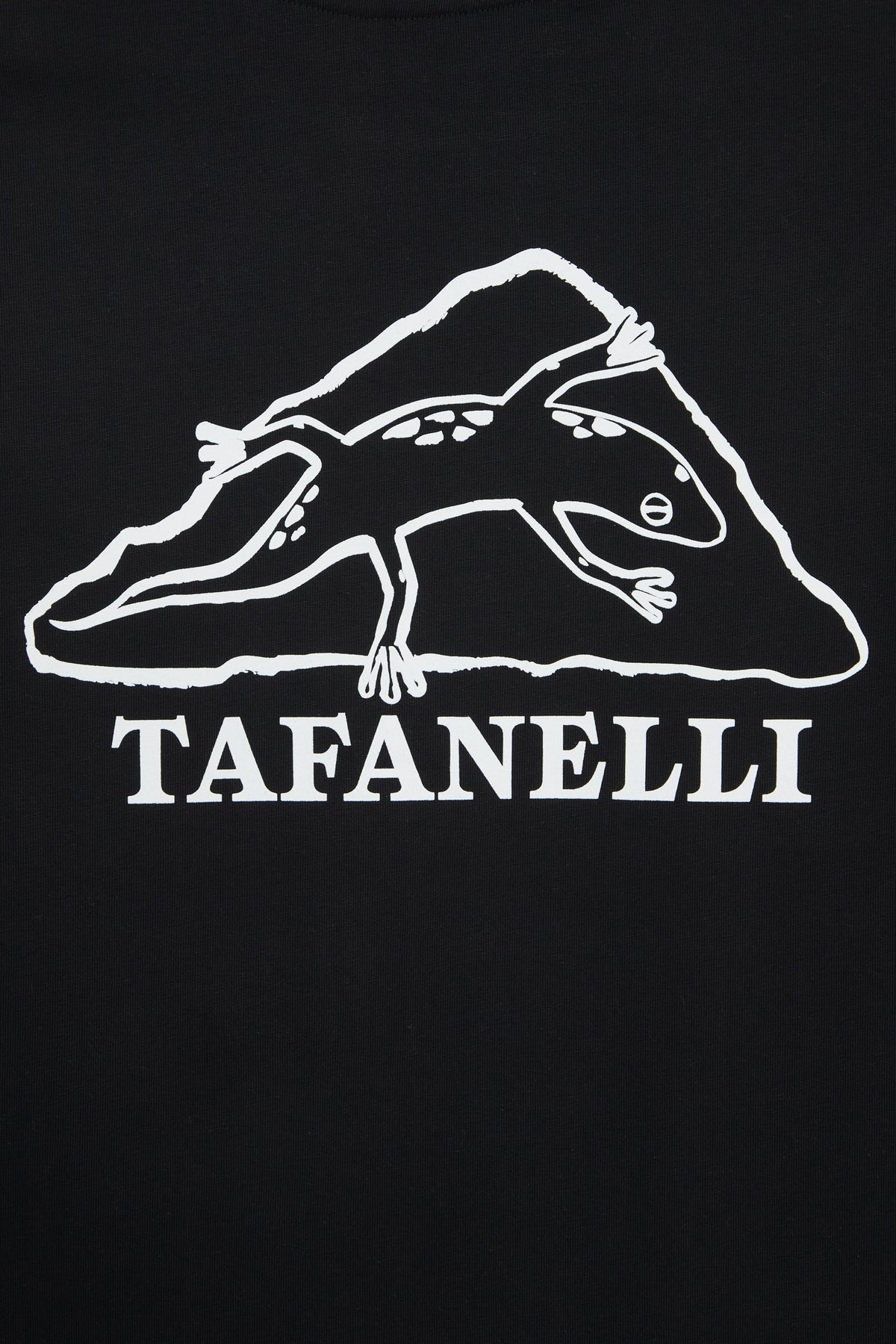
- The Roccapina t-shirt: the design of the granite lion of the wild Corsican south, screen printed by hand on 280g/m² cotton.
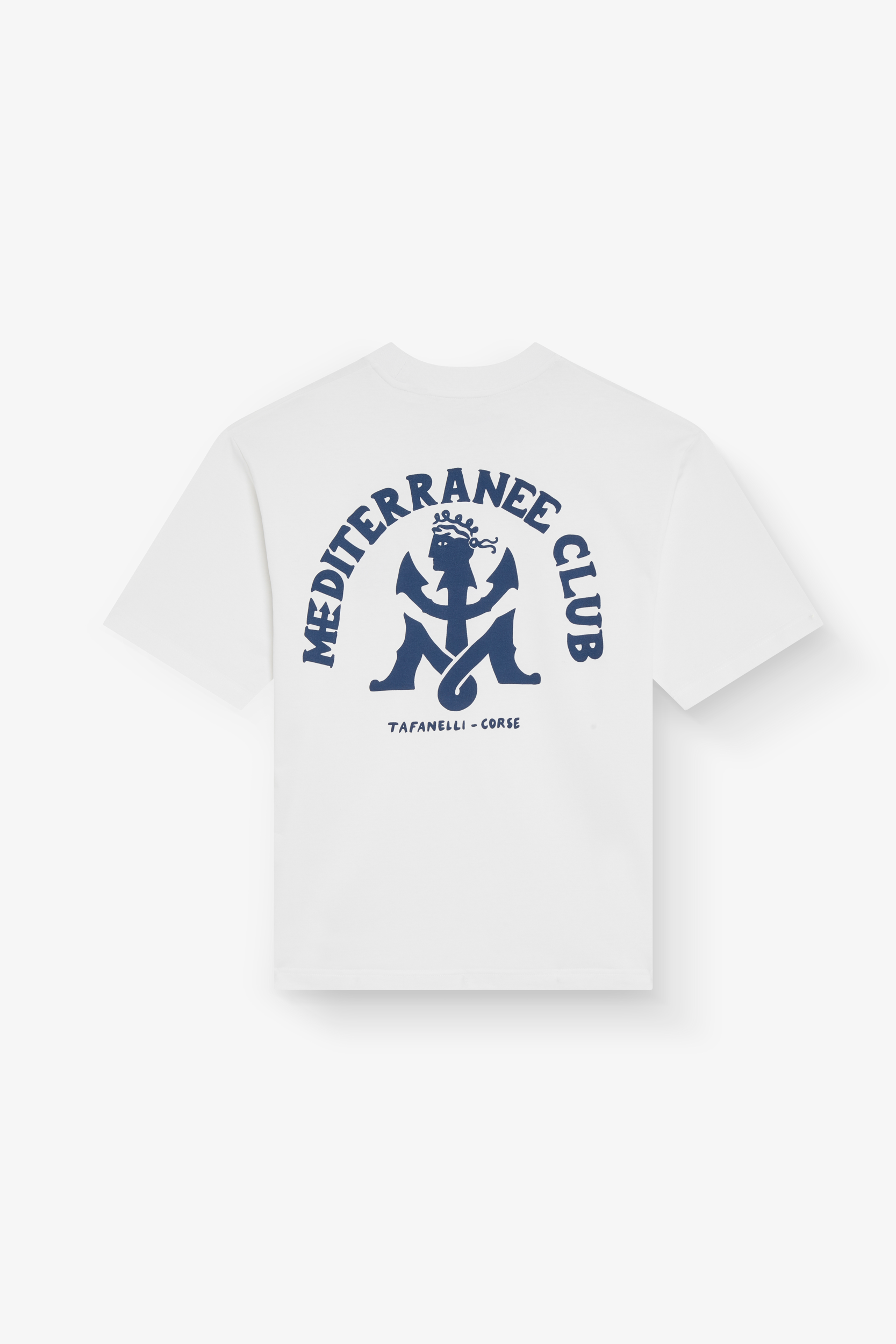
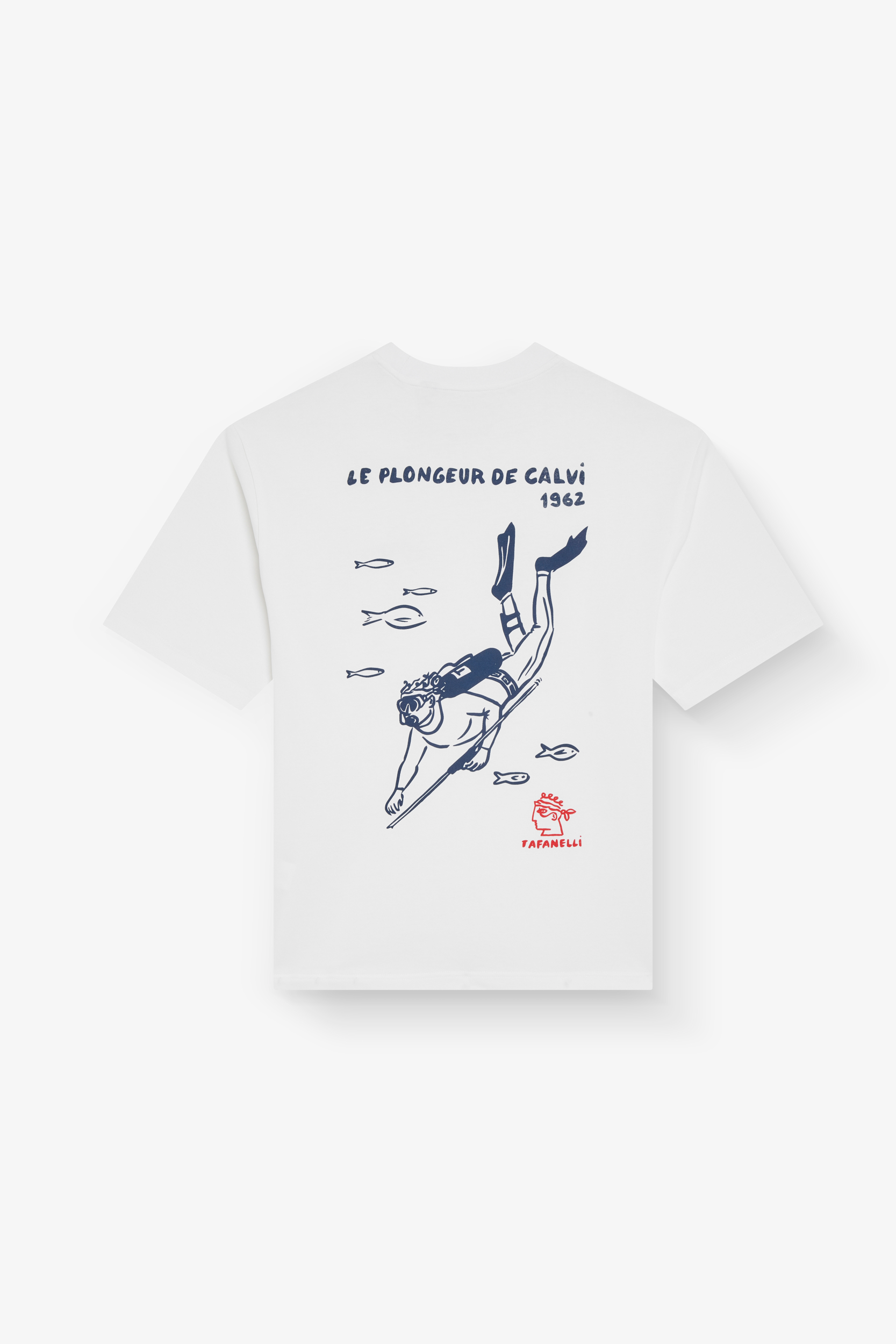
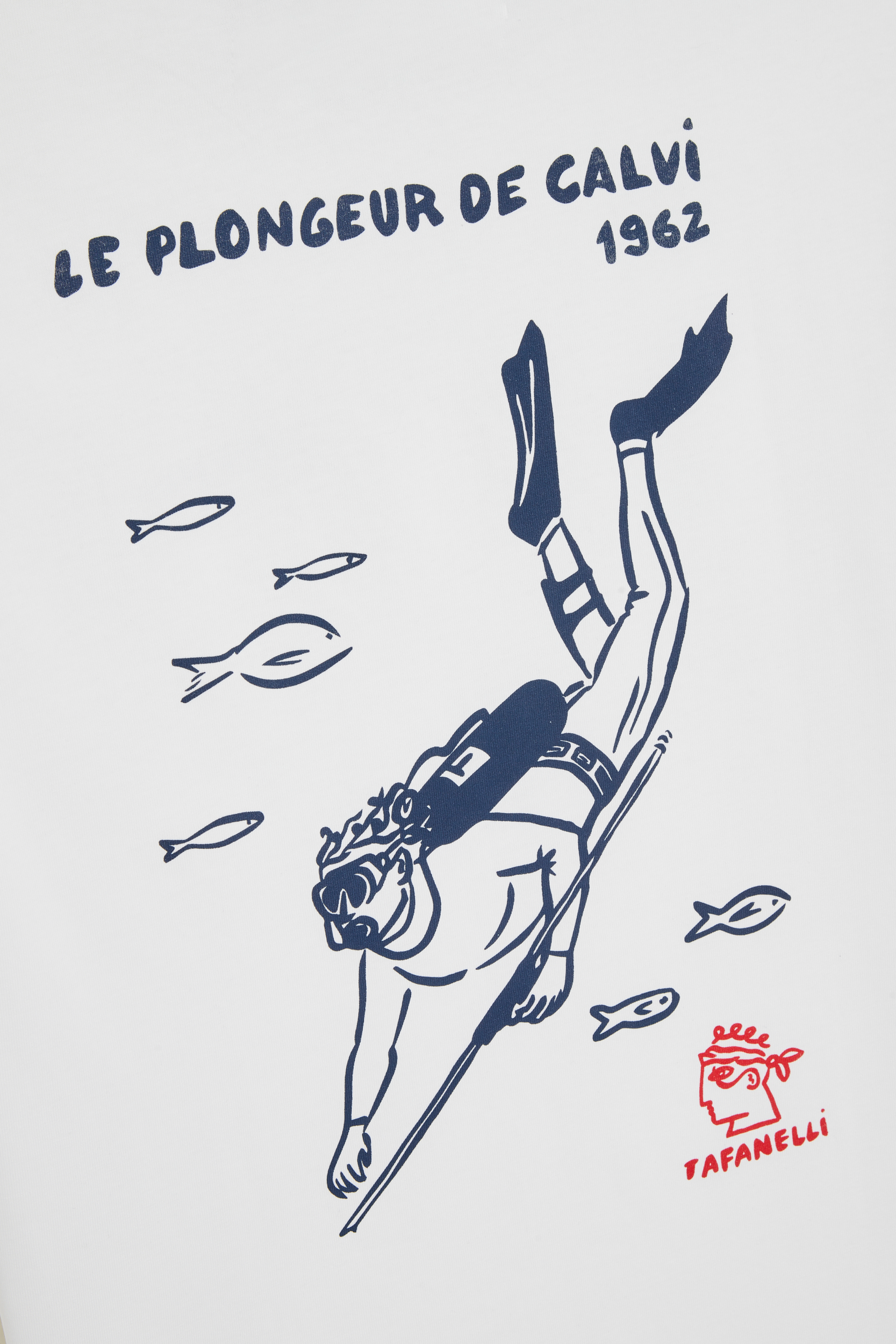
- The Mediterranean Diver t-shirt: man suspended between sky and sea, screen printed in our partner workshop.
- The new La Trinità t-shirt: three profiles under an "Island of Beauty" banner, screen printed layer by layer.
- The Corsica 1755 t-shirt: a tribute to Paoli's Corsican Constitution, a strong and sober design.
- The Sea Urchin Fishing t-shirt: the ancestral Corsican gesture, detailed screen printing.
When you wear a TAFANELLI t-shirt, you are wearing hours of artisan work. You are wearing the precise motion of a screen printer who took their time for your piece. You are wearing a small victory against the mass textile industry. It is more than a garment. It is a choice.
Find all our pieces on our online store or at our official retailers in Corsica and on the mainland.
Continue the discovery
To deepen your understanding of the brand and its manufacturing codes:
- Why it took us four years to finalize our t-shirt
- Why a French t-shirt costs 80 euros and not 15 euros
- Fair price, yes. Barrier, no. Why the 4-part TAFA payment
- Mare, Muntagna, Machja: the Corsican landscape trinity
- Anatomy of a Corsican t-shirt: the codes of the TAFANELLI wardrobe
- The symbolism of TAFANELLI designs
- How to wash and care for a TAFANELLI piece
Or discover our current wardrobe directly:
Passing through Corsica, the customer becomes a friend.
A DOPU,
TAFA