The Spelunca Gorges and the Aïtone Forest: the green lungs of Corsica
Between the Gulf of Porto and the high mountains, a world apart hides in the Porto Valley: the Spelunca Gorges, carved into red granite, and the sublime Aïtone Forest with its giant Laricio pines. Mule tracks, Genoese bridges, natural swimming pools, and centuries-old forests: this is the green lung of Corsica, surrounding the village of Evisa. A complete guide.
The Spelunca Gorges
Behind the Gulf of Porto, between the villages of Ota and Evisa, the river has carved a spectacular canyon over the millennia: the Spelunca Gorges. Dizzying red granite walls, clear water basins, boulders polished by the current, and vegetation clinging to the rock: it is one of the most beautiful landscapes in the Corsican interior.
The contrast with the nearby coast is striking: here, the mountains close in, the water turns into a torrent, and you move from sunny calanques to a mineral, cool, and wild world. The Spelunca is a condensed version of Corsica's geological power—the same that sculpted the Calanques de Piana, just a few kilometers below.
Corsica has this magic: in a half-hour drive, you leave a red beach licked by the sea to enter gorges of shadow and rushing water. Two worlds, one island. The Spelunca is the secret, mineral side of the Gulf of Porto.
The mule track and the Genoese bridges
The best way to discover the Spelunca is on foot, via the old paved mule track that connected Ota to Evisa before the arrival of modern roads. This historic path, partially restored, plunges into the heart of the gorges and crosses the river via superb Genoese bridges.
Notable highlights include the Zaglia bridge, tucked away at the bottom of the canyon above translucent water, and the old double-arched Ota bridge. Walking there, in the silence, between the basins and stone arches, is an unforgettable experience—one of the most beautiful heritage hikes on the island, which we also cover in our guide to the Genoese bridges of Corsica.
The Aïtone Forest and its Laricio pines
As you head up toward Evisa and the Vergio pass, you enter one of the most beautiful forests in Corsica: the Aïtone Forest. A realm of Laricio pines—this endemic Corsican species—some of which are centuries old, standing over 50 meters tall and sometimes reaching 800 years of age.
These majestic trees, with their straight and slender trunks, were so prized that Genoa and Venice used them as ship masts. Beneath their canopy reigns a cathedral-like atmosphere: filtered light, a carpet of needles, and welcome coolness in the summer. The forest is home to precious wildlife, including the Corsican nuthatch, a small endemic bird found only in these pine forests, as well as pigs and mouflons. A piece of Corsican nature in its purest state.
The natural pools of Aïtone
In the heart of the forest, the Aïtone river offers one of the most enchanting swimming spots in Corsica: the natural pools of Aïtone. A succession of crystal-clear water basins linked by small waterfalls, carved into the granite, where you can swim in the middle of the forest.
The water is lively and fresh, an irresistible emerald green beneath the pines. It is the quintessential refreshing spot for Corsican summers, much loved by families and hikers alike. A little paradise that must be respected: leave with your waste and preserve this gem for those who follow.
Evisa, village of the chestnut
Perched at an altitude of about 830 meters, between the sea and the mountains, Evisa is the balcony village of this entire region. Known for its pure air, granite houses, and views of the Gulf of Porto, it is above all the capital of the chestnut for the region, famous for its PDO chestnut flour and its chestnut festival in the autumn.
It is the ideal base camp for exploring the Spelunca, the Aïtone forest, and, higher up, the Vergio pass (1,477 m), the highest road pass in Corsica, the gateway to the Niolu and a crossing point for the GR20. To learn everything about this king of fruits, read our guide to the Corsican chestnut.
Practical tips
- Where: in the hinterland of the Gulf of Porto, between Ota, Evisa, and the Vergio pass (South Corsica).
- The Spelunca hike: allow about 2 to 3 hours; sturdy shoes, water, and start early in summer (the path has little shade in places).
- The Aïtone pools: easily accessible from the Vergio pass road, above Evisa; the water is fresh even in mid-summer.
- When to come: spring for abundant water and coolness, summer for swimming, autumn for the colors and the chestnut harvest.
- Combine with: the Gulf of Porto, the Calanques de Piana, and a drive up to the Vergio pass.
La Muntagna and the TAFANELLI spirit
The Spelunca and Aïtone tell of a Corsica that is too often forgotten behind its beaches: the land of forests, torrents, and summits. It is the Muntagna of our trinity in all its splendor, green and fresh, as essential to the island's soul as the sea. A Corsica of great trees and rushing water, which we love deeply.
Attire for those who love the Corsican interior:
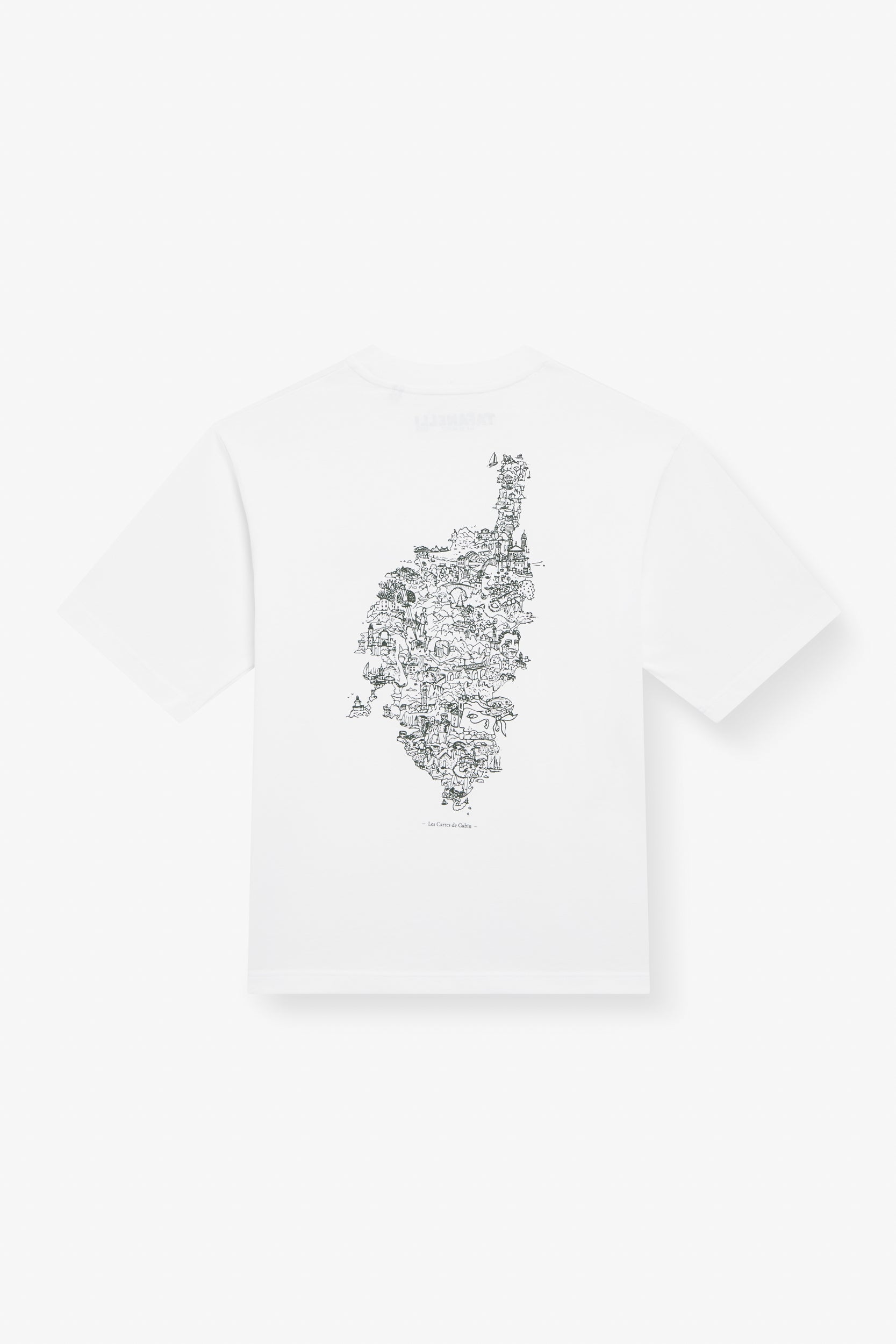
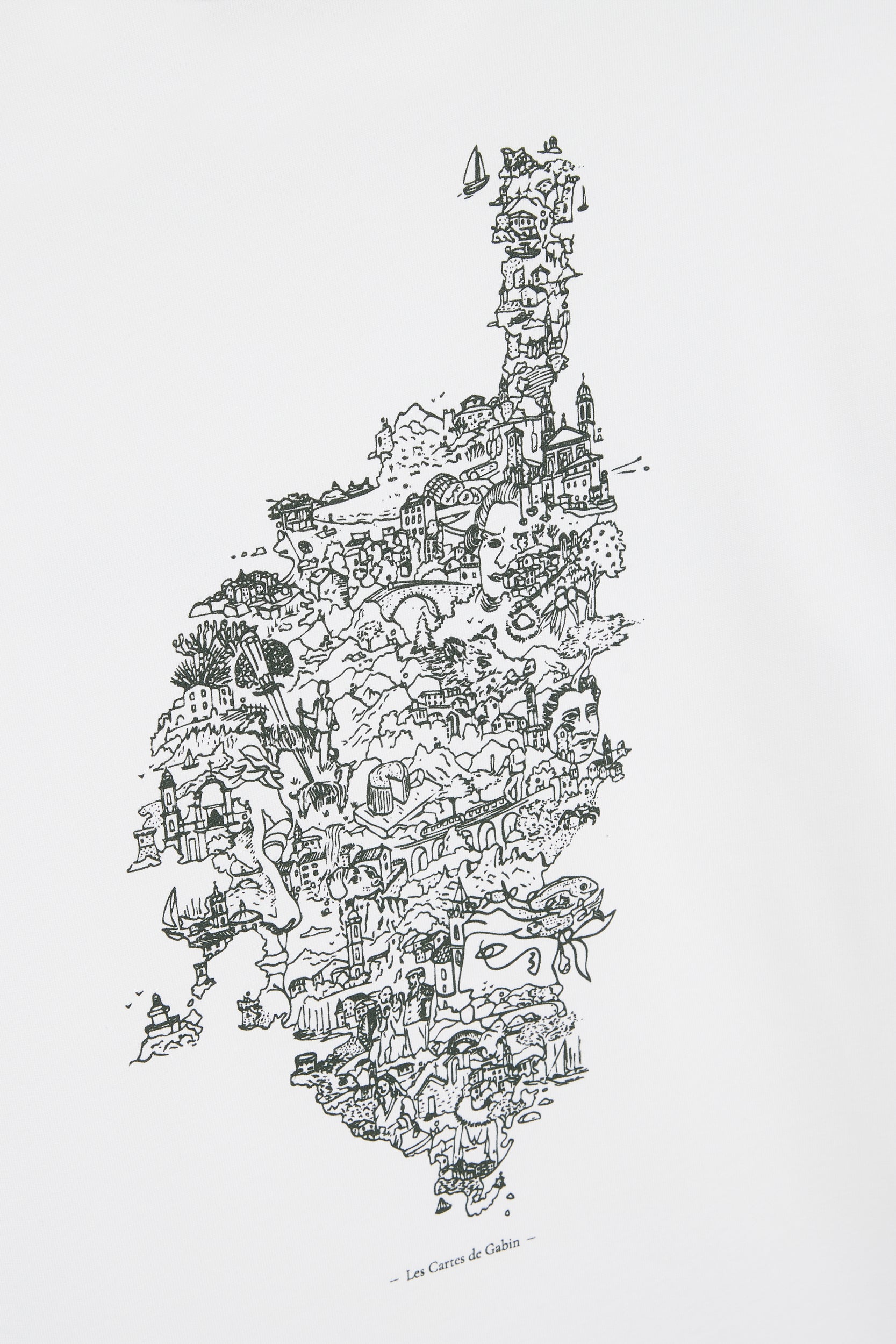
- The La Trinità t-shirt: sea, mountain, maquis—the soul of the land.
- The "Corsica 1755" t-shirt: island pride, hand-screen printed.
- The TAFANELLI bandana: the perfect companion for trails and river swims.
- The TAFANELLI cap: understated and proud, for both the forest and the mountains.
To continue exploring Corsica's nature:
- Gulf of Porto, Girolata and Scandola
- The Calanques de Piana
- The Genoese bridges of Corsica
- The Corsican chestnut and the Castagniccia
- The GR20, a complete 16-stage guide
By visiting Corsica, the customer becomes a friend.
A DOPU,
TAFA