The 10 most beautiful Genoese towers in Corsica: 2026 complete guide
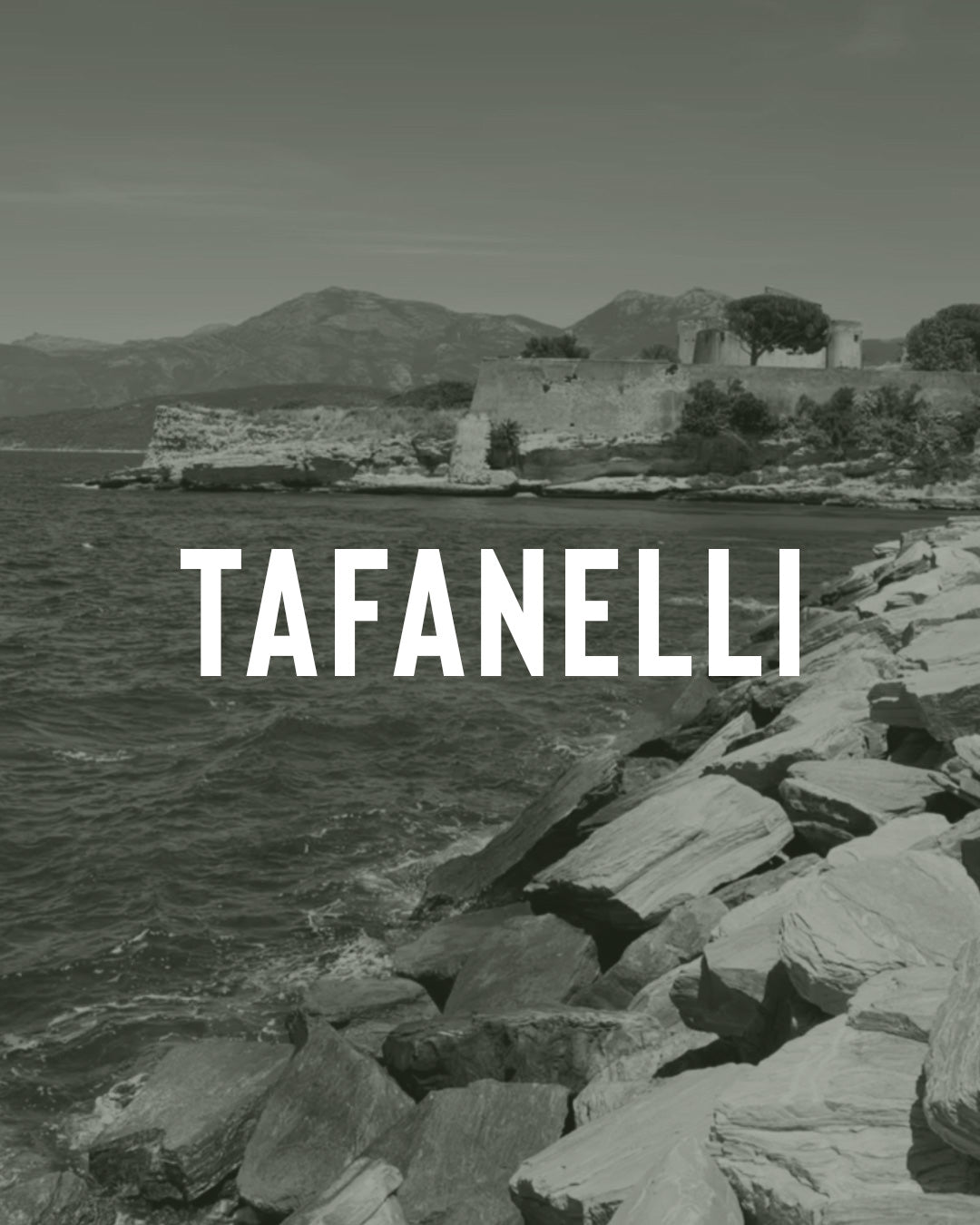
They have stood for more than five centuries along the 1,000 kilometers of Corsican coastline. These round, square, or octagonal stone silhouettes, perched on promontories, watch over the Mediterranean with the same patience as in the 16th century. They are the Genoese towers. There are still 67 well-preserved examples out of the 90 built by the Republic of Genoa between 1530 and 1620 to protect inhabitants from Barbary raids. They tell the story of maritime Corsica, its ambiguous relationship with the sea, and today form one of the most moving Mediterranean military heritage sites. Here is our selection of the 10 most beautiful Genoese towers to visit in 2026.
An island surrounded by watchtowers
There are few military heritage sites in the Mediterranean that are as omnipresent and yet as discreet as the Corsican Genoese towers. Discreet because these towers were built to blend into the landscape, using local stone, without ornamentation. Omnipresent because they are everywhere: on every promontory, in every gulf, at every cape, there was one.
The logic was simple: Corsicans living in villages perched in the interior of the island needed to be alerted within hours in the event of a Barbary raid from the sea. The towers were built at intervals of 3 to 5 kilometers from each other, in a direct line of sight, to form a chain of watchtowers capable of transmitting alerts via smoke signals by day and fire by night.
Each Genoese tower is as much a living post as it is a military post. One or two guards lived there permanently, often requisitioned farmers or shepherds tasked with watching the sea. They spent entire months, sometimes years, scanning the horizon for an enemy that, most of the time, never came.
Today, these towers no longer serve for protection. They serve to tell a story. They tell of a time when the Mediterranean was dangerous, when the island protected itself behind its walls, when coastal inhabitants sometimes fled to the interior to escape raids. They also tell of Genoese pride, that small maritime republic that controlled Corsica for more than three centuries.
Visiting a Genoese tower is like taking a journey through time. It is also an opportunity to access exceptional, often isolated and silent, viewpoints over the sea. It is an experience of Mediterranean contemplation in its purest form.
The history of the Genoese towers
To understand the Genoese towers, one must understand the historical context in which they were built.
The 16th-century context
In the 16th century, the Western Mediterranean was a permanent war zone. Barbary corsairs from North Africa (Algiers, Tunis, Tripoli) carried out regular raids on Christian coasts to capture inhabitants who would then be sold as slaves in Algiers or Constantinople.
Corsica, then a Genoese possession, was particularly vulnerable: long, indented, sparsely populated, with isolated coastal villages. Barbary raids were frequent and devastating there. Entire villages were emptied in a single night, their inhabitants taken into captivity.
The decision to fortify
Faced with this threat, the Republic of Genoa decided in 1530 to launch a vast coastal fortification program. The idea was to build a network of watchtowers and refuges all along the Corsican coastline, at distances calibrated to allow for the transmission of visual alerts.
Construction mainly took place between 1530 and 1620. The towers were financed by a mix of Genoese public money and local taxes imposed on neighboring villages. Each village had to maintain "its" tower and pay the guard's salary (the torregiano).
A complete defensive system
The Genoese system was more than just a network of towers. It was an integrated defensive system that combined:
- Coastal watchtowers: the 90 towers built between 1530 and 1620.
- Urban citadels: Bastia, Calvi, Ajaccio, Bonifacio, Saint-Florent, Porto-Vecchio.
- Village fortifications: numerous fortified perched villages in the interior of the island.
- Communication system: smoke signals by day, fires by night, and horse-mounted couriers in case of alert.
This system functioned generally well until the end of the 17th century, when the Barbary threat began to decline and the towers gradually lost their military function.
The Genoese towers are not just monuments. They are the physical traces of a collective fear that lasted for two centuries. They say something very profound about Corsica: an island that lives on the sea but is wary of it, an island that welcomes everything that comes from afar but protects itself at the same time.
How to recognize a Genoese tower
Not all Genoese towers look exactly the same, but they share a series of architectural features that make them immediately identifiable.
Architectural features
- Circular shape: the vast majority of Corsican Genoese towers are round. This shape optimizes resistance to artillery fire and allows for 360-degree observation. Some towers are square (the oldest) or octagonal (the most recent).
- Height of 12 to 17 meters: either three or four stories depending on the model.
- Diameter of 8 to 12 meters at the base, slightly narrowing toward the top.
- Walls 2 to 3 meters thick at the base, built from local stone (granite, schist, limestone depending on the region).
- A single entrance door, located about 5 meters above the ground, accessible only by a retractable ladder. No openings on the ground floor.
- Crenelated terrace at the top with parapets for surveillance and combat.
- No ornamentation: the towers are strictly functional, without sculptures, visible coats of arms, or aesthetic markers.
Interior layout
Inside, the tower is divided into three or four levels:
- Ground floor: water cistern and food storage, with no exterior opening.
- First floor: sole access via the door, kitchen, and the guard's living quarters.
- Second floor: observation and sleeping room.
- Terrace: watchpost and military action platform.
One or two guards lived autonomously for weeks, with their water, food, gunpowder, and weapons. In case of an alert, they were required to light the signal fire and defend the tower until reinforcements arrived.
1. The Tower of Nonza (Cap Corse)
If you were to visit only one Genoese tower in Corsica, this would probably be the one. The Tower of Nonza, perched on its rocky promontory above the black pebble beach, offers one of the most beautiful panoramas in the entire Mediterranean.
Features
This tower is not exactly a "true" Genoese tower, but rather a Paoline tower. It was built in the 16th century by the Genoese, then rebuilt and reinforced in 1760 by supporters of Pasquale Paoli during the brief period of Corsican independence. Its massive, square shape distinguishes it from the classic round towers.
The history of the siege
The great story associated with the Tower of Nonza is that of its siege in 1768. An elderly Corsican soldier, Casella, alone in the tower, reportedly resisted an entire French army for several days by firing at regular intervals from the different loopholes, leading the enemy to believe the tower was full of defenders. When the French finally broke into the tower, they found only one man, exhausted but proud.
Access
The Tower of Nonza is accessible on foot from the village of Nonza (Cap Corse) in about ten minutes. Admission is free. The view from the top, over the black pebble beach of Nonza and the Gulf of Saint-Florent, is striking. Visit at the end of the day for the sunset.
To learn more, see our complete guide to Cap Corse.
2. The Tower of Mortella (Saint-Florent)
The Tower of Mortella is the most historically influential tower in Corsica. Without it, 19th-century British coastal military architecture would probably be different.
Inspiration for British Martello towers
In 1794, during the brief episode of the Anglo-Corsican Kingdom, the British attacked the Tower of Mortella in the Gulf of Saint-Florent. Despite their superiority in weaponry, it took them several days to capture this small round tower, which was defended by about thirty men.
Impressed by the structure's resistance, the British officers brought detailed plans back to London. The tower's name ("La Mortella") was corrupted in English into "Martello". Starting in 1804, the United Kingdom built about 140 Martello towers on the English, Irish, Canadian, and South African coasts, directly inspired by the Corsican designs.
A small round tower in Cap Corse inspired an entire defensive system of the British Empire. There is little Corsican heritage that has had such an enduring and little-known international influence.
Access
The Tower of Mortella is located on a small peninsula at the end of the Gulf of Saint-Florent. It is accessible by boat from Saint-Florent, or on foot via a hiking trail through the Agriates desert. Its state of preservation is partial (it was destroyed by the British after the siege), but the atmosphere of the site is unique.
To learn more, see our complete guide to Saint-Florent and our guide to the Agriates desert.
3. The Tower of Campomoro (Alta Rocca)
The Tower of Campomoro, overlooking the bay of Campomoro in southwestern Corsica, is probably the best preserved of all the Corsican Genoese towers. It is also one of the most impressive in terms of its size and interior condition.
Features
This tower, with its classic round shape, is 15 meters high and enjoys an exceptional position on a granite promontory. It has been listed as a Historical Monument since 1992 and is the subject of a continuous restoration program.
Interior visit
Unlike many other Corsican towers, the one at Campomoro can be fully explored. You can ascend via a spiral staircase, discover the guard's living quarters, and climb to the crenelated terrace. A small exhibition explains how the towers functioned and their historical role.
Access
The Tower of Campomoro is accessible from the village of Campomoro via a 15-minute trail. The "Sentier des Douaniers" (Customs Path) also allows you to connect it to the beach of Cala d'Alga, making for a beautiful loop with a view of the sea.
Campomoro is also a stop on the Corsica Classic 2026, the major classic yacht regatta.
4. The Tower of Roccapina (wild south)
The Tower of Roccapina is probably one of the most photographed Genoese towers in Corsica. It overlooks the bay of Roccapina and the famous Granite Lion that gives the place its name.
Heritage in a mythical setting
The Tower of Roccapina is part of an exceptional landscape: the bay of Roccapina with its white sand beach, the lion carved from granite eroded by the wind for eight million years, and the Genoese tower watching over it all. Few sites in Corsica concentrate as much visual impact in a single location.
Access
The tower is accessible from the Roccapina parking lot via a 20-minute trail that climbs through the maquis. The view from the top embraces the entire bay, the lion, and the Mediterranean all the way to the Strait of Bonifacio on a clear day.
Roccapina is one of the places that best embodies what makes Corsica unique: the encounter between grandiose nature and ancient human heritage. The tower and the lion echo each other, as if the wind and man had collaborated to sign this place.
Connection to TAFANELLI
This iconic location directly inspired our cult item, the Roccapina t-shirt. Our dedicated article "The Roccapina: Origin of the TAFA Myth" tells the story of this encounter between place and wardrobe.
5. The Tower of La Parata (Ajaccio)
The Tower of La Parata, perched at the end of the La Parata point facing the Sanguinaires Islands, is probably the best spot in Corsica for a Mediterranean sunset.
Features
Built in the 16th century to monitor the approaches to the Gulf of Ajaccio, it features the classic round shape. Its strategic position at the end of a rocky peninsula offers a 270-degree view over the sea.
The sunset
This is THE Ajaccio sunset spot. Every evening in summer, hundreds of people gather on the point to watch the spectacle: the sun sinking behind the Sanguinaires, the light igniting the red rocks of the islands, the sea turning golden, then bronze, then violet.
Access
The Parata Tower is accessible by car from Ajaccio (parking at the point) followed by a 10-minute walk. The Sanguinaires road that leads there is itself an iconic coastal drive.
To learn more, check out our complete 2026 Ajaccio guide.
6. The Porto Tower (Gulf of Porto)
The Porto Tower stands at the entrance to the Gulf of Porto, in a geological setting listed as a UNESCO World Heritage site. It is the only Genoese tower located in the heart of a natural site of this global importance.
A unique backdrop
The Gulf of Porto is bordered by the Calanques de Piana, these red granite formations sculpted by erosion into fantastical shapes. The tower stands on a promontory above the port of Porto, surrounded by red rocks, with a view of the turquoise sea. Few towers in the Mediterranean benefit from such a stunning setting.
Features
Built in the 16th century, it has a square shape (relatively rare for a Genoese tower) and is very well preserved. Its imposing height and location make it a major visual landmark of the gulf.
Access
The tower is accessible on foot from the Marina of Porto via a 15-minute marked trail. The view from the top over the Calanques de Piana at sunset is unforgettable.
7. The Erbalunga Tower (Cap Corse)
Unlike the other towers in our selection, the Erbalunga Tower is located in a village, literally with its feet in the water, in the heart of one of the most beautiful villages in Cap Corse.
A tower integrated into the village
Erbalunga is a picturesque little fishing port located 10 kilometers north of Bastia. Its Genoese tower, partially collapsed but still standing, sits directly on the small rocky point that closes off the port. It is the visual emblem of the village, appearing on every postcard of Corsica since the 19th century.
The atmosphere
Walking around Erbalunga at the end of the day, wandering through the narrow alleys, discovering the tower viewed from the sea, dining at the port facing its silhouette: it is the quintessential Cap Corse experience. The village has inspired many painters and writers, including Paul Valéry, who had a residence there.
Access
Erbalunga is accessible from Bastia by a 15-minute drive. The village is best visited on foot, and the tower is part of the natural route.
8. The Agnello Tower (Barcaggio)
The Agnello Tower is the northernmost of all Corsican Genoese towers. It stands in Barcaggio, at the northern tip of Cap Corse, facing the Giraglia Island and the Côte d'Azur beyond.
The Corsican end of the world
Barcaggio is the end of the world. A small hamlet of fishermen, a wild beach, a lagoon, a few cows wandering free, and this tower watching over the extreme tip of the island. It is probably the most remote and intact place in Cap Corse.
Features
The Agnello Tower is classically round in shape, partially ruined but preserved well enough to provide a strong image of its original architecture. Its extreme position allowed it to monitor all maritime traffic between mainland Corsica and Tuscany.
Access
Barcaggio is accessible from Cap Corse via the D253. A beautiful hike along the Customs Officers' Path allows you to reach the Agnello Tower from Macinaggio in 3 hours of walking. One of the most beautiful coastal walks in all of Corsica.
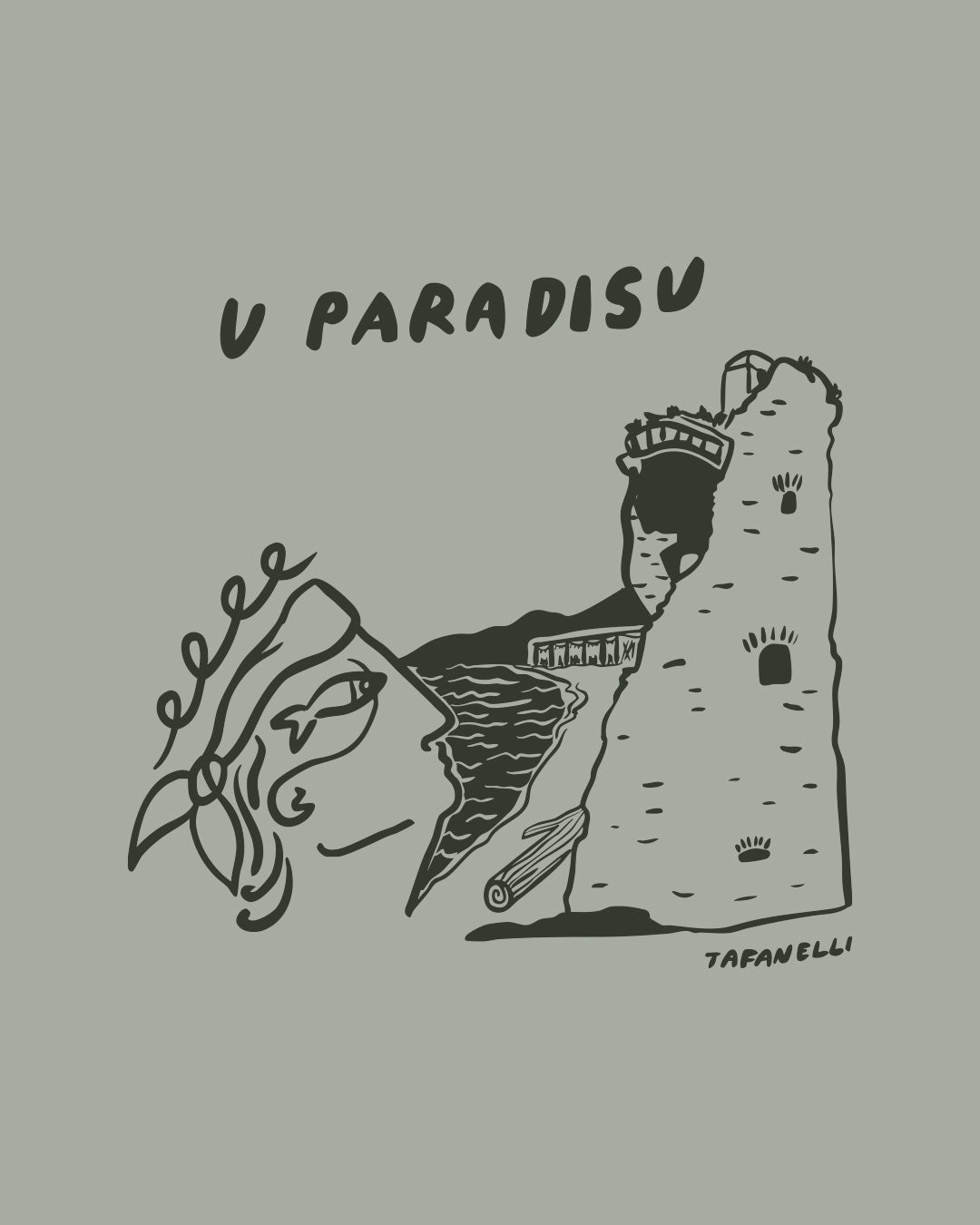
To learn more, check out our article on U Paradisu in Tamarone, our favorite place to eat right after the walk.
9. The Girolata Tower (Scandola)
The Girolata Tower is the wildest of all the Genoese towers. Located in a hamlet of 20 inhabitants in the heart of the Scandola Nature Reserve, it is not accessible by road or track: only on foot or by boat.
A UNESCO site
The hamlet of Girolata and the Scandola Reserve have been listed as a UNESCO World Heritage site since 1983. It is one of the few French marine and terrestrial reserves to benefit from this double international recognition.
A unique experience
Arriving in Girolata after a 3-hour hike from the Col de la Croix is a unique experience: a hamlet without permanent electricity, without roads, with a pebble beach, a few restaurants open only during the season, and this Genoese tower dominating the bay. It is a total journey back in time.
Access
Two options: on foot from the Col de la Croix (3 hours of easy but hot walking in summer), or by boat from Porto or Calvi (1 to 2 hours depending on the route). The best way is to combine both: hike there and return by boat, or vice versa.
10. The Fautea Tower (East Coast)
The Fautea Tower, on the east coast between Sari-Solenzara and Porto-Vecchio, is the iconic representative of the towers on the eastern facade. Less well-known than the towers in the north or southwest, it nonetheless fully deserves its place in a top 10.
A white sand setting
The tower stands directly above Fautea Beach, one of the most beautiful beaches on the east coast. White sand, turquoise water, pink rocks framing the cove: the scenery is spectacular. The tower, overlooking it all, completes the picture.
Features
Classically round in shape, the Fautea Tower is medium-sized but in excellent condition. It is one of the rare examples of eastern coastal towers that have been systematically maintained.
Access
The tower is accessible from Fautea Beach via a 10-minute path that climbs through the maquis. The ideal combination: swimming at the beach in the morning, climbing to the tower at sunset for a panoramic view of the east coast.
How to visit the Genoese towers today
Visiting the Genoese towers is an original way to discover Corsica. Here are some practical tips.
When to visit
The towers can be visited all year round, but each season has its own appeal:
- Spring (April-June): the best time. Mild temperatures, flowering maquis, accessible paths, fewer crowds.
- Summer (July-August): hot, but allows you to combine the tower visit with swimming. Avoid mid-day.
- Autumn (September-October): beautiful grazing light, still pleasant temperatures, warm sea.
- Winter (November-March): unique winter light, total silence, perfect for contemplation.
How to get there
Most towers require a short walk from a parking lot or a village. Bring good shoes, water, a hat, and sunscreen. Some towers (Girolata, Mortella) require an actual hike or a boat trip.
Safety
Not all towers are accessible inside. Some are in ruins or undergoing restoration. Respect the markers. Do not climb on unstable walls. Do not damage the stones.
Towers and excursion attire
A heavy cotton t-shirt, a hat for the sun, a bandana for the neck: the perfect trio for setting out to discover a tower. See the attire section below.
The Genoese towers and TAFANELLI attire
At TAFANELLI, the Genoese towers are much more than architectural heritage. They are the symbol of a Corsica that watches over, that protects, that keeps its roots while opening itself to the sea. It is this imagery that inspires a large part of our clothing line.
Pieces to take with you to visit a tower
- The Roccapina t-shirt: a direct homage to the granite lion and its tower, the ideal companion for visiting the site.
- The Mediterranean Diver t-shirt: for the maritime spirit that accompanies you on all coastal hikes.
- The Shark Corsica Cap: essential sun protection for the 10-20 minute walk that often separates the parking lot from the tower.
- The Corsican Bandana: versatile, for the neck, sweat, or simply to show your affiliation.
- The Corsica 1755: for those who like to associate tower discovery with Corsican historical roots.
A Genoese tower is a point of view. A view of the sea, of the past, of oneself. It is a place where you slow down, where you contemplate, where you realize that an entire island can protect itself without closing itself off. It is a very Corsican place, very TAFA.
The new La Trinità capsule embodies this same idea: three profiles looking at the horizon, just as the tower guards watched over the sea. The tower and the watcher are two related figures of the same Corsican imagery.
Continuing the discovery
Each tower in our selection is associated with a territory covered by our guides. To learn more:
- The complete Cap Corse guide (Nonza, Erbalunga, Agnello)
- The complete Saint-Florent guide (Mortella)
- The Agriates Desert (Mortella)
- The complete Ajaccio guide (La Parata)
- The Roccapina: origin of the TAFA myth (Roccapina)
- The Corsica Classic 2026 (Campomoro)
- Mare, Muntagna, Machja: the Corsican landscape trinity
- The 10 most beautiful hilltop villages in Corsica
- The 20 most beautiful wild beaches in Corsica
When visiting Corsica, the customer becomes a friend.
A DOPU,
TAFA