Saint-Florent: The 2026 Complete Guide to the "Little Corsican Saint-Tropez"
Between the vineyards of Patrimonio, the wild vastness of the Agriates Desert, and the turquoise waters of the Gulf of Nebbio, a small Mediterranean town has become, in thirty years, one of Corsica's most sought-after destinations: Saint-Florent (San Fiurenzu in Corsican). Long nicknamed "the little Saint-Tropez of Corsica," this former Pisan city of 1,800 inhabitants is now a chic marina, a gastronomic destination, a prime gateway to wild beaches, and the beating heart of the most prestigious Corsican vineyard. Here is our complete 2026 TAFANELLI guide to Saint-Florent: history, beaches, vineyards, addresses, activities, and much more.
Saint-Florent, the discreet pearl of the Nebbio
There are a few rare places in Corsica that, without making any noise, have managed to become destinations sought after by those who know the island. Saint-Florent is one of them. Neither a seaside resort in the continental sense of the term, nor a village preserved from modernity, the small city of Nebbio has found its balance between Corsican authenticity and Mediterranean art of living.
The nickname "little Saint-Tropez of Corsica" has stuck with it since the 1990s. Seen from afar, the comparison might seem exaggerated: Saint-Florent has neither the excessiveness of the Var village, nor its media circus. But it has the same essence: a colorful port, a unique light, demanding gastronomy, charming addresses, and this ability to have fishermen, winemakers, boaters, and vacationers coexist in one and the same atmosphere.
Saint-Florent is that discreet address that lovers of Corsica pass on in secret. Not a tourist resort, not a frozen village: a real small Corsican town, with its inhabitants, its artisans, its shops, but which has managed to cultivate an art of living that is both refined and faithful to its roots.
Today, Saint-Florent is an ideal base for discovering all of northern Corsica: Cap Corse, the Agriates Desert, Balagne, the Patrimonio vineyard, and the Nebbio Cathedral. In 20 minutes by car or boat, you can access some of the most iconic landscapes on the island. And in the evening, you return to a small town that has everything: a lively port, quality restaurants, markets, boutiques, and the atmosphere of real Corsica.
Where to find Saint-Florent
A quick word on the geography to properly situate Saint-Florent within Corsica.
In the heart of the Gulf of Nebbio
Saint-Florent occupies a strategic position at the back of the Gulf of Nebbio, in the northwest of Upper Corsica. The municipality is located about 25 kilometers west of Bastia, on the Tyrrhenian coast, at the base of Cap Corse.
The Gulf of Nebbio is a vast, sheltered body of water, oriented east-northeast, which offers one of the most beautiful natural anchorages in the Western Mediterranean. It is this quality of anchorage that made the city's fortune in antiquity, and which explains its historical role in the maritime control of Corsica.
Figures and geography
- Population: about 1,800 inhabitants (up to 15,000 in peak season).
- Municipal area: 27 km².
- Distance from Bastia: 25 km (about 30 min).
- Distance from Calvi: 75 km (about 1h30).
- Distance from L'Île-Rousse: 45 km (about 1h).
- Airports: Bastia-Poretta (30 min), Calvi-Sainte-Catherine (1h30).
The Nebbio, a region apart
The Nebbio is a Corsican micro-region that owes its name to the morning mists that sometimes rise from the gulf (nebbia means "mist" in Italian and Corsican). It is a region of gentle hills, vineyards, olive trees, and perched villages, such as Patrimonio, Barbaggio, Farinole, or Oletta. A Corsica that is gentler than that of the mountainous center, with landscapes reminiscent of Tuscany.
A Pisan and Genoese history
The history of Saint-Florent is rich with more than two thousand years, with several layers that can still be seen in the city.
Roman origins
The current site of Saint-Florent was already occupied during the Roman era, under the name Cersunum. The Romans had established an important port there for the export of the region's wine and olive oil. Archaeological traces (thermal baths, mosaics) attest to sustained activity between the 2nd century BC and the 5th century AD.
The Pisan era (11th–13th century)
It was during the Pisan era that the current city truly took shape. In the 12th century, the Pisans who then controlled Corsica built the magnificent Cathedral of Santa Maria Assunta (known as "the Nebbio"), one of the most beautiful Romanesque churches in Corsica. The foundations of many Nebbio villages also date back to this period.
The Genoese era (14th–18th century)
After Genoa's victory over Pisa at the Battle of Meloria in 1284, Corsica came under Genoese control. Saint-Florent became a strategic stronghold of the Republic of Genoa. It was in 1440 that the Genoese built the circular citadel that still dominates the city today. This compact fortress, easily recognizable by its round shape, symbolizes Genoese power over the Nebbio.
The Paolian and French episode
In the 18th century, Saint-Florent played a role in the Corsican wars of independence led by Pasquale Paoli. In 1794, the city was taken by the British during the short-lived "Anglo-Corsican Kingdom" (1794–1796), before becoming French again. In the 19th century, the city experienced a period of calm, marked by endemic malaria which decimated the coastal population. The construction of a school and the drainage of the marshes allowed the city to be reborn from the 1950s onwards.
In Saint-Florent, every layer of history is still legible. The 12th-century Pisan cathedral, the 15th-century Genoese citadel, the cellars of old winemaking families, the traditional fishing port. It is a city that has not erased its past; it has integrated it into the present.
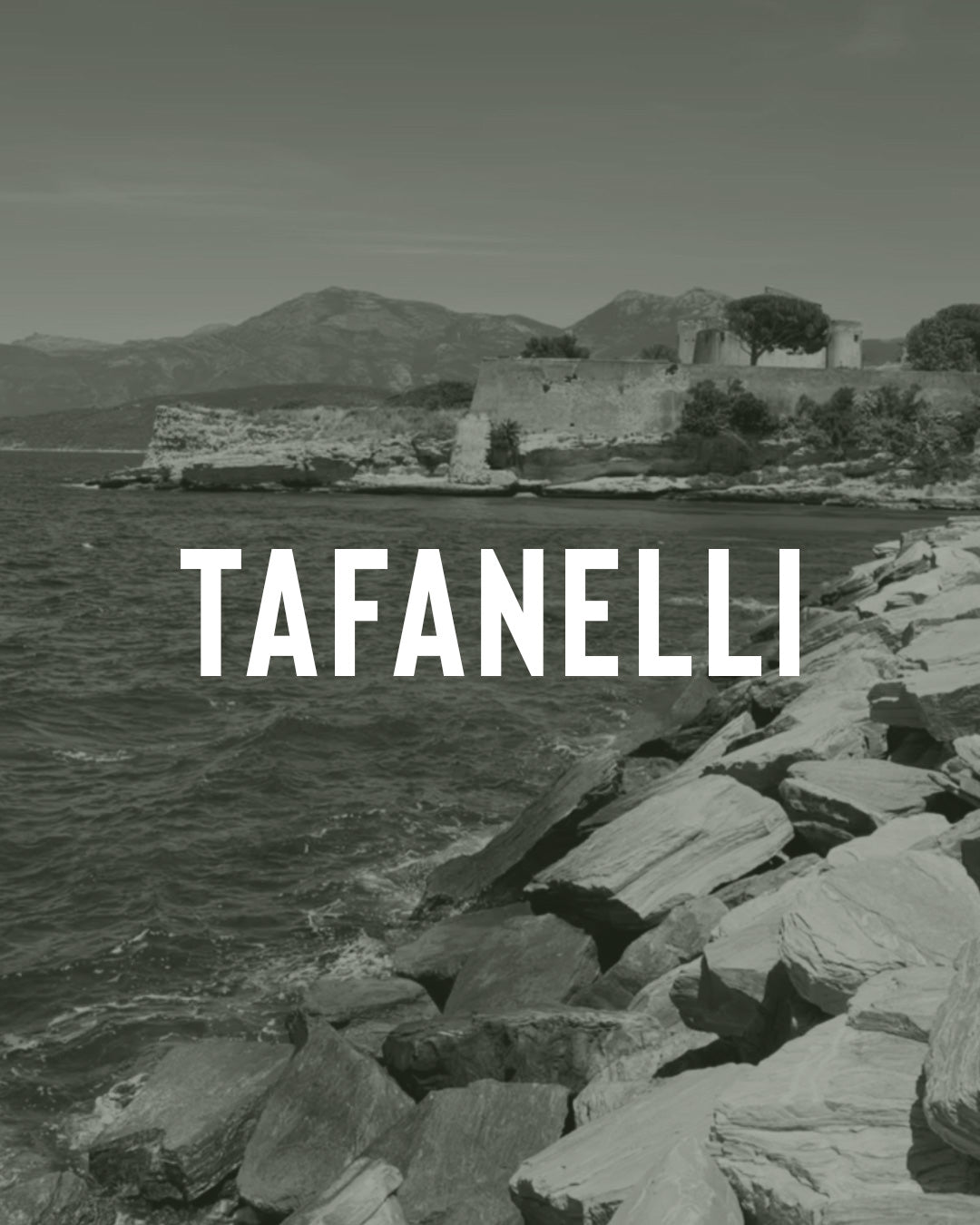
The Saint-Florent Citadel
The circular citadel that dominates the port is the architectural symbol of Saint-Florent. Built by the Genoese in 1440, it is one of the oldest fortresses in Corsica still standing, and one of the only ones to feature this compact circular shape, very different from the large star-shaped citadels of Calvi or Bastia.
Architecture
The citadel measures about 25 meters in diameter, with walls 3 to 5 meters thick made of local limestone. Its very refined architecture is typical of 15th-century Genoese fortresses: quick to build, difficult to take, and adapted to primitive artillery fire. Inside, there is a well, a chapel, and vaulted rooms.
Today
The citadel is open to the public in season (April to October). Admission is modest and the visit lasts about 30 minutes. From the upper terrace, the view of the Gulf of Nebbio, the port, and the vineyards of Patrimonio is striking. It is one of the most photographed viewpoints in northern Corsica.
Best time to visit
To avoid the heat and the crowds, favor the end of the day, around 6 PM in summer, when the grazing light illuminates the ramparts in golden hues and the evening breeze rises. In the off-season, a mid-morning visit offers beautiful light and pleasant tranquility.
Strolling through the old town
Unlike other Corsican cities, Saint-Florent does not have an "old town" stricto sensu in the medieval sense of the term: the citadel does not contain a residential district. But around the port and on the heights, a collection of ancient alleys, shaded squares, and colorful houses makes up the historical soul of the city.
Streets not to be missed
- Rue de l'Église: pedestrian alley that climbs towards the parish church, lined with artisan shops and old houses.
- Place des Portes: the beating heart of Saint-Florent, with its cafes, restaurants, and shaded terraces.
- Rue du Centre: parallel to the port, with clothing boutiques, fine grocery stores, and wine merchants.
- The alleys behind Place des Portes: stone stairs, colorful facades, laundry at the windows, an authentic Corsica just a few meters from the chic seaside.
The parish church
The Church of Sainte-Anne, in the heart of the old town, is a simple but touching example of 19th-century Corsican religious architecture. Its white facade and discreet bell tower dominate the square. Sunday morning mass, in Corsican and French, remains a highlight of local life.
The marina and Place des Portes
The port of Saint-Florent is the beating heart of the city. This is where all social life takes place: the arrival of sailboats at sunset, the departure of water taxis for the Agriates, aperitifs on the terraces, the return of fishermen, the evening family stroll.
Port statistics
- 600 berths at the quay, for boats up to 30 meters.
- Basin sheltered by a stone pier built in the 1970s.
- Additional anchorage area offshore, very popular in summer.
- Yachting: Saint-Florent is regularly ranked among the 5 most beautiful marinas in Corsica.
Place des Portes
Place des Portes, adjacent to the port, is one of the most pleasant places in Corsica. A large esplanade shaded by centuries-old tamarisk trees, it brings together the city's main cafes and restaurants. At the end of the day, between 6 PM and 9 PM, the atmosphere is unique: Corsican families, boaters, winemakers, and long-time tourists mingle over a drink.
Place des Portes in Saint-Florent is probably the most beautiful square in Corsica to have a drink. Not the grandest, nor the most historic. But the one where the Mediterranean atmosphere is the truest, the most lively, the most generous.
The Nebbio Cathedral, a Pisan jewel
About 1.5 kilometers from the city center, isolated in the middle of the Patrimonio vineyards, stands one of the most beautiful religious monuments in Corsica: the Cathedral of Santa Maria Assunta, known as "the Nebbio."
A 12th-century Romanesque masterpiece
Built between 1130 and 1140 by Pisan master builders, the cathedral is a masterful example of Pisan Romanesque architecture. Its white limestone facade, adorned with blind arcades and animal sculptures, possesses a rare elegance. The interior, with three naves separated by marble columns, exudes medieval sobriety.
An exceptional history
The cathedral served as the main cathedral of the Diocese of Nebbio until 1801, before being abandoned with the restructuring of the Corsican diocese. It escaped destruction thanks to its off-center position in the middle of the countryside, while the original city of Saint-Florent (formerly located around the cathedral) was abandoned due to malaria in the 18th century.
Visiting the cathedral
The cathedral is open to the public for free during the tourist season. It can be reached in 15–20 minutes on foot from the city center, or by car. The visit lasts about 30 minutes. Do not miss the sculpted reliefs on the facade, particularly those representing fantastic animals of Lombard and Pisan inspiration.
To learn more about Corsican religious and cultural heritage, check out our Corte guide.
The Patrimonio vineyard
It is impossible to talk about Saint-Florent without mentioning Patrimonio, the first AOC of Corsica (recognized in 1968) and the most prestigious vineyard on the island.
A unique terroir
The Patrimonio vineyard covers 7 municipalities around Saint-Florent, over approximately 430 hectares. The terroir, dominated by marine limestone, is unique in Corsica (the island is mostly granitic). This geological peculiarity gives Patrimonio wines incomparable minerality and finesse.
Grape varieties
- Niellucciu (red): the king grape of Patrimonio, cousin of the Tuscan Sangiovese, produces structured, aromatic, age-worthy reds.
- Vermentinu (white): produces dry, mineral, floral whites, perfect with seafood and mild cheeses.
- Muscat (white): historic grape variety of Patrimonio, produces remarkable natural sweet wines, under the Muscat du Cap Corse AOC.
Wineries to visit
The vineyard has about thirty family estates, several of which are open for tastings. Among the most iconic: Antoine Arena (Patrimonio), Yves Leccia (Poggio d'Oletta), Domaine Orenga de Gaffory (Patrimonio), Domaine Gentile (Saint-Florent), and Clos Marfisi (Patrimonio).
To go further into Corsican wines, check out our complete guide to AOC Corsican wines and our guide to Corsican cheeses for the perfect pairings.
A red Patrimonio with Corsican charcuterie and farmhouse tomme cheese is probably one of the three greatest gastronomic pairings in the Mediterranean. It has nothing to envy the most beautiful Tuscan or Provençal combinations.
The beaches around Saint-Florent
Saint-Florent is a prime access point to some of the most beautiful beaches in Corsica. Here are the main ones, from the closest to the most remote.
La Roya Beach
La Roya Beach, just 1 kilometer west of the town center, is the quintessential family beach. Over two kilometers long, with light sand and shallow water, it is perfect for children. Several beach huts offer food and lounge chairs. It is also the departure point for many water activities (paddle boarding, kayaking, windsurfing).
Fornali Beach
East of the port, Fornali Beach is more intimate and less crowded. Light sand, clear water, and a pristine environment: ideal for those seeking tranquility very close to the center.
La Sagone Beach
A small sandy cove halfway between Saint-Florent and the Agriates Desert, La Sagone Beach offers a wild setting with turquoise water. Accessible by car and then on foot (a 10-minute walk), it attracts those who want to avoid the crowds without leaving by boat.
The beaches of the Agriates Desert
The great specialty of Saint-Florent is access to the wild beaches of the Agriates Desert: Saleccia, Lotu, Ghignu, Malfalcu. These beaches are among the most beautiful in the Mediterranean and have no tourist infrastructure. They are accessible from Saint-Florent by water taxi (see next section) or by 4x4/hiking from La Casta.
To learn everything about these exceptional beaches, consult our complete guide to the Agriates Desert.
Boat trip to Saleccia and Lotu
A boat trip to the beaches of the Agriates Desert is likely the number one activity for visitors to Saint-Florent. In season, several companies offer regular connections from the port.
The companies
- Le Popeye: the historic company, with daily round trips to Saleccia and Lotu.
- Saint-Florent Croisières: several packages, including a full day with lunch on board.
- Various water taxis: on-demand services, more flexible, and often cheaper for small groups.
Rates and duration
Expect to pay about 20 to 30 euros round trip per adult for a simple crossing to Lotu (15 min) or Saleccia (25 min). Day packages with lunch are around 60 to 90 euros. High season (July-August) often requires booking the day before.
Practical advice
- Bring water, a cap, sunscreen, and a towel: there are no shops on the desert beaches.
- Bring picnic supplies if you are not opting for the lunch package.
- A thick cotton t-shirt like those from TAFANELLI protects from the sun much better than synthetic clothing.
- The Corsica Shark Cap is perfect for this type of day: sturdy, protective, and nautical in spirit.
Hiking around Saint-Florent
Saint-Florent is also a great base for hiking, halfway between the gentle landscapes of the Nebbio and the wild expanses of the Agriates.
The Agriates Customs Trail
The legendary Customs Trail (sentier des Douaniers) runs along the entire coast of the Agriates Desert for nearly 39 kilometers. The stretch from Saint-Florent (or rather from La Sagone beach) to Saleccia is one of the most accessible, about a 4 to 5-hour walk one way. Returning by boat is possible, making it a great day out.
Teghime Pass Loop
From Saint-Florent, you can climb to the Teghime Pass (536 meters), which offers a panoramic view of both sides of Corsica: the Gulf of Saint-Florent on one side, and the plain of Bastia and the Tyrrhenian Sea on the other. It is an exceptional viewpoint, and also historic, as it was there in October 1943 that the Moroccan Goumiers led the battle for the Liberation of Corsica.
Hiking in the vineyards
Several 1 to 3-hour routes cross the Patrimonio vineyard, passing by the Nebbio cathedral, the perched villages (Farinole, Barbaggio), and viewpoints over the gulf. Ideal for combining walking and wine tasting.
Our favorite addresses in Saint-Florent
Saint-Florent is renowned for the quality of its restaurants. Here is our selection, tested and approved.
La Rascasse
A Saint-Florent institution, La Rascasse is the historic restaurant of the port. Uncompromising seafood cuisine, quality products, professional service. A must-visit for a classic Mediterranean lunch or dinner. Direct view of the port.
Le Puntettu
Located on the point that closes off the port, Le Puntettu offers one of the most beautiful views in town, with creative cuisine that highlights Corsican products. Renowned for its quality fish and meats. Reservation essential in season.
La Marine
La Marine, on the Place des Portes, is the most lively restaurant in town. A terrace shaded by tamarisks, generous Mediterranean cuisine, family service. Ideal for family or friends.
Chez Michel
A more intimate address but highly appreciated by locals, Chez Michel offers traditional Corsican cuisine: brocciu cannelloni, veal with olives, storzapreti. Absolutely worth discovering.
Wine shops
Several quality wine merchants in the town center offer a sophisticated selection of wines from Patrimonio and all of Corsica. Ideal for bringing back a few bottles or tasting on site.
Momento, official TAFANELLI retailer
If you are passing through Saint-Florent and want to discover the TAFANELLI wardrobe in person, there is only one address: Momento, our official retailer in town.
A boutique with character
Located right in the center of Saint-Florent, Momento is a boutique for Mediterranean clothing and accessories that has made a point of a demanding selection: independent brands, artisans, and Made in France or Mediterranean products. It is in this spirit that the TAFANELLI partnership naturally fell into place.
What you'll find there
- The iconic TAFANELLI t-shirts (Roccapina, Diver, Mermaid Club, Corsica 1755, Sea Urchin Fishing).
- TAFANELLI caps (notably the Corsica Shark).
- Accessories: bandanas, bags, and various objects.
- Limited series exclusive to Saint-Florent, in a Momento edition.
It is the ideal access point to discover the brand if you don't want to use the online store. And for Saint-Florent regulars, it has become a ritual stop during their stay.
When to come to Saint-Florent
Saint-Florent can be visited all year round, but each season has its own character.
May to June: the best period
This is probably the best time. Temperatures are mild (20-25°C), the sea is already swimmable, the vineyards are green, the beaches are deserted, and rates are reasonable. The Patrimonio Guitar Nights (July) are approaching, but the atmosphere is still peaceful.
July to August: peak season
This is the high season, with all that entails: high rates, crowded beaches, restaurants that require reservations, and a packed port. But it also means a festive atmosphere, the Patrimonio Guitar Nights, fireworks, and activity. Book at least 3 months in advance for accommodation.
September: the magical post-season
September is the second-best period. Temperatures are still mild, the sea is warm (23-25°C), the grape harvest is in full swing, and there are fewer crowds. An exceptional time to discover the region.
October to April: off-season
The town empties out, many shops close, but the light is superb and authenticity regains its place. Ideal for a quiet weekend focused on vineyards and gastronomy.
Where to stay in Saint-Florent
Accommodation options in Saint-Florent range from family campsites to 5-star hotels.
Charming hotels
- Hôtel Demeure Loredana: chic, in the city center, with a pool and garden.
- La Roya: on the beach, 4 stars, very popular.
- Dolce Notte: a small, intimate hotel with excellent value for money.
City rentals
Numerous rentals in the city center, from studios to villas, often made of stone. Expect to pay 800 to 2,500 euros per week in peak season depending on size and location.
Wine estates
Several Patrimonio estates offer gîtes or bed and breakfasts in the vineyards. A unique experience to combine oenological discovery with rural calm.
Camping
Camping Kalliste and Camping U Pezzo, on the outskirts, offer more economical solutions with direct access to the beaches.
What TAFANELLI brings to Saint-Florent
Saint-Florent is the archetype of a TAFANELLI destination: a small Corsican town where one can go from a wild beach to a chic restaurant, from a hiking trail to the terrace of the Place des Portes, from the fishing port to a wine estate, without ever having to change wardrobes.
Our essentials for a stay in Saint-Florent:
- The Roccapina t-shirt, 280g/m² cotton Made in France, perfect for boat days to the Agriates.
- The Corsica 1755 t-shirt, in tribute to the Paolian heritage that also marked Saint-Florent.
- The Corsica Shark Cap, sturdy and functional, protects from the sun on the Place des Portes or while hiking.
- The Corsican bandana, the subtle accessory that signals loyalty to the brand.
- The Mediterranean Diver t-shirt, a tribute to the freediving culture of the nearby Cap Corse.
Find the entire collection at Momento, in the city center of Saint-Florent, or on our online store.
Continuing the discovery
Saint-Florent is an ideal gateway to explore all of northern Corsica. To complete your exploration:
- The Agriates Desert: Saleccia, Lotu, wild beaches
- Cap Corse: complete guide
- AOC Corsican wines: complete guide
- Corsican cheeses: brocciu, tomme, veru
- AOP Corsican charcuterie: coppa, lonzu, prisuttu
- Patrimonio Guitar Nights
- The 10 most beautiful perched villages of Corsica
- Punta di Spanu and Sant'Ambroggio
When passing through Corsica, a customer becomes a friend.
A DOPU,
TAFA