Corsican chestnut and the Castagniccia: 2026 complete guide
They call it u pane di legnu, the bread of wood. That is how Corsicans refer to the chestnut tree, the tree that sustained them for more than five centuries, which gave its name to an entire region (the Castagniccia), and which remains one of the island's gastronomic and identity cornerstones today. PDO Corsican chestnut flour is one of the few island products to benefit from dual recognition: that of technical rigor (Protected Designation of Origin) and that of collective memory (passed down from mother to daughter for twenty generations). Here is our complete guide to the Corsican chestnut and the Castagniccia in 2026.
One tree, one region, one culture
There are regions named after a river, a king, or a battle. The Corsican Castagniccia is named after a tree. This central micro-region of the island, located between Bastia and Corte, literally means "the chestnut region." It is likely the French region whose identity is most intimately linked to a single tree.
For Corsicans, the chestnut tree is not just an ornamental or fruit-bearing species. It is a collective survival tool that allowed entire populations to live in difficult mountain areas where wheat does not grow. Its flour replaced bread. Its fruit fed the people and the pigs. Its wood was used to build houses, furniture, tools, baskets, and wine vats. Its leaves served as bedding for animals. Nothing was wasted.
An old Corsican proverb says that the chestnut tree is a tree that gives three times: its fruit to feed the people, its wood to shelter them, and its leaves to cover their animals. In the Castagniccia, one does not just cultivate the chestnut. One lives with it.
Today, PDO chestnut flour is the most iconic product of this relationship. Since 2010, it has benefited from a European Protected Designation of Origin, which guarantees its origin, production method, and quality. It is used in pulenda (Corsican polenta), canistrelli, castagnacci, fritelli, and dozens of traditional preparations.
This guide takes you on a journey to discover this dense universe: the tree, the region, the history, the technique, the recipes, and the fairs. A deep dive into one of the most authentic gastronomic cultures in the Mediterranean Europe.
The history of the chestnut in Corsica
The Corsicans' relationship with the chestnut tree is ancient, but it hit a turning point in the 16th century under Genoese rule.
A pre-Genoese presence
The chestnut tree has been present in Corsica since Antiquity. Traces of it are found in Roman and medieval archaeological excavations. It grows spontaneously in humid mountain areas, mainly between 400 and 1,000 meters above sea level, on acidic and well-drained soils. Its cultivation already existed, but remained marginal compared to other crops (cereals, olives, vines).
The Genoese mandate of 1548
The real turning point occurred in the 16th century. The Republic of Genoa, which controlled Corsica at the time, sought to ensure the island's food autonomy to avoid costly wheat imports. In 1548, the Office of Saint George (Genoa's administrative arm in Corsica) issued a decree requiring every Corsican family to plant four trees a year, including one mandatory chestnut tree.
This mandate, which continued for over a century, radically transformed the Corsican interior landscape. Entire mountain ranges were planted with chestnut trees. Some villages became "orchard villages" where each family owned their own trees, passed down from generation to generation.
The bread tree
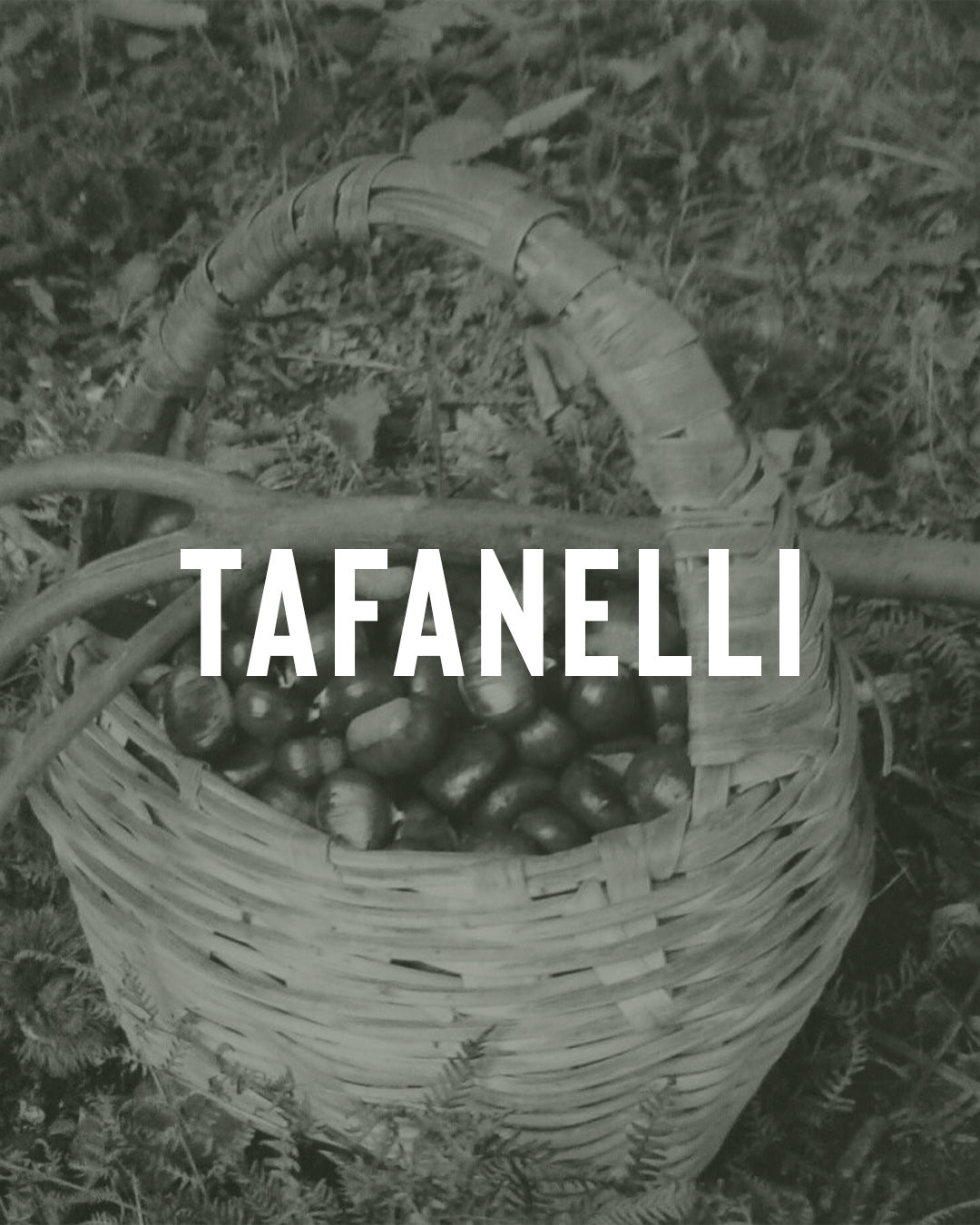
In the 17th and 18th centuries, the chestnut tree became the bread tree of the Corsican mountains. In regions where wheat could not grow (due to altitude, humidity, or acidic soil), chestnut flour replaced wheat flour. Pulenda became the daily staple for thousands of families. The fruit was dried over wood fires (in sechjatoghji, the traditional drying sheds), ground in water mills, and turned into flour that could be kept all year round.
In the Castagniccia, a village without chestnut trees is a dead village. The chestnut tree is the community's life insurance. It is what allows them to survive difficult winters, poor wheat harvests, and economic crises. An old tree represents family wealth equivalent to a small fortune.
The decline of the 20th century
In the 20th century, the Corsican chestnut experienced a rapid decline. Several causes include:
- Mass rural exodus: Corsicans from the mountains moved to the mainland or coastal cities. Chestnut trees were no longer maintained.
- The development of industrial wheat: cheap wheat bread replaced chestnut pulenda in households.
- Diseases: ink disease and especially chestnut blight (in the 1950s) decimated the forests.
- Tree aging: without replanting, old chestnut trees died without being replaced.
The contemporary revival
Since the 1990s, a true revival has been underway. The creation of the PDO Corsican Chestnut Flour in 2010 marked a turning point. Young people from the Castagniccia are taking over their grandparents' orchards. Drying and milling techniques are being modernized while still respecting tradition. Demand is exploding thanks to the growth of gastronomic tourism and the popularity of gluten-free flour.
Today, the Castagniccia has about 50 official PDO flour producers across approximately 500 hectares of active orchards. It is still small compared to the 30,000 hectares of the 19th century, but the momentum is positive.
The Castagniccia: the chestnut region
To understand the Corsican chestnut, you must know its chosen territory: the Castagniccia.
Locating the Castagniccia
The Castagniccia is a micro-region located in the central northeast part of Corsica. It extends approximately between:
- In the north: the Golo valley
- In the south: the Fium'Alto valley
- In the west: the San Petrone peaks (1,767 m)
- In the east: the eastern plain of Corsica
It includes about 60 villages, spread over three historical cantons: Orezza, Alesani, and Ampugnani. Each canton has its own identity, producers, and preferred chestnut varieties.
A unique landscape
The Castagniccia is likely the French region with the highest density of chestnut trees. The forests cover entire slopes, with a distinct green light that recalls certain forests in Tuscany or the Ardèche. In autumn, the landscape takes on golden, brown, and orange hues that are almost unbelievable for a Mediterranean region.
The villages, often perched halfway up the slopes, are built of local schist with slate roofs. They overlook their own orchards, which are still visible from the central squares. Some iconic villages include: Piedicroce (historic seat of the Consulta of Corsica), Rapaggio, Nocario, La Porta, San Damiano, Valle-d'Alesani, Ortiporio, Piedipartino.
A historic region
The Castagniccia is not just about gastronomy. It is also a major historical region of Corsica. This is where the first Consulta of independent Corsica met in 1735 at Orezza. This is where Pasquale Paoli spent part of his youth. This is where the first cells of Corsican resistance to Genoese domination were formed.
To learn more about Paoli's history, check out our article on Corte, the historic capital of Corsica.
PDO chestnut flour: the local treasure
Since 2010, Corsican chestnut flour has benefited from a European Protected Designation of Origin. It is one of only three PDOs for chestnut flour in Europe, along with chestnut flour from the Cévennes and Tuscany.
The PDO specifications
The PDO specifications are very strict. They require, among other things:
- A precise production area: only orchards located in Corsica, at an altitude between 400 and 1,000 meters.
- Authorized varieties: only the 13 traditional Corsican chestnut varieties (see next section).
- A traditional drying method: slow drying in a sechjatoghju (wooden drying shed) heated by a chestnut wood fire for 15 to 21 days.
- Stone-milled: the flour must be ground slowly on stone millstones to preserve the aromas.
- Limited yield: about 100 kilograms of fresh chestnuts yield 20 kilograms of dry flour. Low yield but maximum quality.
How to recognize real PDO flour
To be sure you are buying real PDO Corsican chestnut flour, check these criteria:
- The European PDO logo (red and yellow) present on the packaging.
- The words "Farine de châtaigne corse AOP" or "Farina castagnina corsa".
- The producer's name and address in the Castagniccia (or sometimes other Corsican chestnut-growing regions).
- A beige to light brown color, never pure white (which indicates a mixture with wheat flour).
- A sweet-smoky aroma, that characteristic scent of wood-fire drying.
- A consistent price: between 12 and 18 euros per kilo. Be wary of anything below 10 euros.
A PDO chestnut flour is human hands, a century-old tree, a wooden shed, a fire that burns for 21 days, and a stone millstone that turns slowly. It is not just flour. It is liquid heritage stored in a cotton bag.
Varieties of Corsican chestnut
The PDO specifications authorize 13 traditional varieties of Corsican chestnut, each adapted for a specific use.
The main varieties
- Ghjentile: the most sought-after for flour. Light-colored flesh, fine aroma.
- Insitina: early variety, powerful aroma, widely used in flour.
- Rossola: red flesh, sweet, often consumed as a whole chestnut.
- Bianca: very light-colored flesh, sweet flour, ideal for pastries.
- Campanese: late variety, keeps well.
- Marbunaghju: very fragrant, used by artisan producers.
- Petrilona: large size, often consumed as a roasted chestnut.
- Sabina: rustic variety, resilient, very local.
Every producer has their favorite varieties, often inherited from their grandfather. A true chestnut flour lover will be able to recognize the dominant variety in a flour by its aroma and texture.
Traditional blends
Most PDO flours are blends of several varieties, made by the producer according to their family recipe. Every Castagniccia family has its "signature blend" that gives their flour a unique character. These blends are passed down from mother to daughter or father to son, like family cooking recipes.
Traditional uses
Corsican chestnut flour is not just another ingredient. It is the pillar of an entire cuisine. Here are its traditional uses.
Pulenda castagnina
This is the iconic dish. Pulenda castagnina (not to be confused with Italian corn polenta) is prepared by cooking chestnut flour in salted water, stirring constantly with a long wooden spoon. This creates a thick porridge, which is then poured onto a board to be cut into slices.
It is served:
- Hot, accompanied by grilled figatelli, fresh brocciu, or a wild boar stew.
- Cooled, cut into slices, and pan-fried with cheese.
- Sweet, with hot milk and maquis honey, as a traditional breakfast.
To learn about the cheeses that pair with pulenda, check out our complete guide to Corsican cheeses.
Castagnacciu
The castagnacciu is a flat cake made from chestnut flour, water, olive oil, raisins, and pine nuts. Baked in an earthenware dish, it is enjoyed warm with a glass of white wine or Muscat. It is a simple dessert, but one deeply rooted in tradition.
Canistrelli with chestnut
Canistrelli, the traditional dry biscuits, also come in a chestnut flour version: more rustic, more fragrant, with a characteristic smoky note. Enjoy them with a strong coffee or myrtle liqueur.
Fritelli
Fritelli castagnini are fritters made from chestnut flour and brocciu. Fried in olive oil, they are a treat during winter evenings. A dish of conviviality par excellence.
Necci
Necci (or nicci depending on the region) are thin flatbreads made from chestnut flour, cooked between two chestnut leaves on hot stones. An ancestral preparation, sometimes served filled with fresh brocciu or jam.
Iconic recipes
Beyond traditional dishes, Corsican chestnut flour is now used in creative contemporary gastronomy.
Pulenda revisited by chefs
Several contemporary Corsican chefs are offering modern versions of pulenda: cooked in mushroom broth, served with porcini mushrooms from the Castagniccia, or as a cold version with maquis herbs. These reinterpretations open the chestnut up to new generations without betraying tradition.
Chestnut flour pasta
Some artisanal pasta makers in Bastia and Ajaccio offer fresh chestnut flour pasta: tagliatelle, pappardelle, gnocchi. A magnificent pairing with fresh brocciu or a Corsican wild boar stew.
Chestnut bread
Chestnut bread, often mixed with wheat flour (30-50% chestnut), is available in several Corsican bakeries. It perfectly complements PDO Corsican charcuterie (coppa, lonzu, prisuttu) and farmstead cheeses.
Sweets and pastries
A new generation of Corsican pastry chefs is offering creations based on chestnut flour:
- Brocciu and chestnut flour tart.
- Chestnut mousse with PDO flour.
- Chestnut crepes, garnished with maquis honey.
- Chestnut and Corsican olive oil financiers.
The Corsican chestnut has managed to move beyond nostalgia into modernity, without ever losing its soul. It is present on the peasant tables of the Castagniccia as well as on the menus of Michelin-starred chefs in Ajaccio. It is a sign of cultural vitality that is rare for a traditional product.
Chestnut fairs and festivals
Every autumn and winter, the Castagniccia and the rest of Corsica celebrate the chestnut through several major fairs.
The Fiera di a Castagna in Bocognano
The Fiera di a Castagna in Bocognano (near Ajaccio, in the Gravona valley) is probably the largest Corsican chestnut fair. It is held every year on the first weekend of December and attracts thousands of visitors.
On the program: tasting of PDO flours, producer market, pulenda-making workshops, polyphonic concerts, exhibition of traditional tools, and a very beautiful chestnut and marron salon.
A Fiera di u Castagnu in La Porta
In La Porta, in the heart of the Castagniccia, A Fiera di u Castagnu is held in mid-October. It is a more intimate, more local fair, but essential for meeting regional producers directly and discovering the rarest varieties.
Local village fairs
Many smaller fairs take place throughout the autumn in the Castagniccia villages: San Damiano, Piedicroce, Rapaggio, Cambia. These are often the best places to buy directly from the producer, in a friendly and non-commercial atmosphere.
The complete calendar
- End of October: start of harvests in Castagniccia.
- Mid-October to mid-November: local village fairs.
- End of November to mid-December: Fiera di u Castagnu in La Porta.
- First weekend of December: Fiera di a Castagna in Bocognano.
- December to March: milling and commercialization period.
To continue with the major Corsican events, consult our Corsican cultural agenda.
Producers and addresses
The Castagniccia is home to dozens of authentic producers. Here are some addresses and references to organize a visit.
Where to meet producers
The best way to discover the producers is to visit them directly on site, in the Castagniccia. Some farms offer tours, especially during the drying season (October to December). The atmosphere of the sechjatoghji (drying houses) with their wood fires is a unique moment of sensory discovery.
The Domaine A Rughjina
Located in Piedicroce, this family estate produces a PDO flour renowned for its finesse. Sales at the property, visits by appointment.
La Casa di a Castagna
A relay point in La Porta that brings together several producers from the Castagniccia. Ideal for comparing several flours and meeting different producers in one place.
The Moulin de Cambia
One of the few traditional mills still in operation in the Castagniccia. Tours possible in season, discover the work on stone millstones. In Cambia, in central Castagniccia.
The Chestnut Museum in Bocognano
A small thematic museum that presents the history, culture, and technique of the Corsican chestnut. A great entry point for the curious before heading to visit the Castagniccia.
Where to buy real Corsican chestnut flour
Buying PDO Corsican chestnut flour requires some precautions. Here are the recommended channels.
Directly from the producer
The best solution. You are sure of the origin, you know the producer, and you directly support the local economy. Producers in the Castagniccia generally accept farm-gate sales by appointment.
At the fairs
The Fiera di Bocognano and the Fiera di La Porta are ideal opportunities to compare several producers, taste different flours, and leave with bags for the whole year. This is where the best connoisseurs of Corsican gastronomy stock up.
In Corsican delicatessens
Several reference addresses offer selected PDO chestnut flours:
- U Muntagnolu in Bastia: specialized selection from several producers.
- Casa Corsa in Ajaccio: flour and derived products.
- La Cave du Terroir in Corte: complete PDO selection.
- U Paese in Porto-Vecchio: PDO flour and artisanal bread.
On the continent
A few continental delicatessens offer real PDO Corsican flour. Always check for the European PDO logo and the producer's name. On the internet, beware of sites selling "chestnut flour" without the PDO mention or at prices below 10 euros per kilo.
Real Corsican chestnut flour is expensive. It is expensive because it is rare, because it requires six months of work per kilo, because it comes from centuries-old trees that cannot be easily replaced. If you see flour at 6 euros a kilo, it is not Corsican chestnut. It is a counterfeit.
The TAFANELLI wardrobe for visiting the Castagniccia
The Castagniccia is not a seaside region. It is a region of mountains, forests, and villages perched on hillsides. The ideal attire for visiting is close to what the Corsicans themselves would wear: sober, robust, warm, and respectful of the place.
Our essentials for the Castagniccia
- The Corsica 1755 t-shirt: a tribute to Paoli and the Consulta d'Orezza. A piece that speaks to the entire historical Castagniccia.
- The Roccapina Waxed Jacket: the robust piece for walks in the chestnut orchards in autumn.
- The Corsica Shark Cap: sun protection for hiking in the Castagniccia.
- The Corsican Bandana: a versatile accessory, appreciated in the villages.
- The new La Trinità t-shirt: the Corsican landscape trinity, embodied. Perfect for visiting the mountainous heart of the island.
Visiting the Castagniccia is taking a trip into deep Corsica, the one that produced Paoli, pulenda, and polyphonies. It is a moment that deserves to be lived with clothes that bear the same respect for the roots. No folklore, no showing off. Just sober pieces, charged with meaning.
Continue the discovery
The chestnut is the fourth pillar of Corsican gastronomy. To complete your exploration:
- Corsican AOC wines: complete guide
- PDO Corsican charcuterie: coppa, lonzu, prisuttu
- Corsican cheeses: brocciu, tomme, veru
- Corte, historical capital of Corsica
- The 10 most beautiful perched villages in Corsica
- Mare, Muntagna, Machja: the Corsican landscape trinity
- The 10 most beautiful Pisan chapels in Corsica
- Corsican cultural agenda summer 2026
When passing through Corsica, the customer becomes a friend.
A DOPU,
TAFA