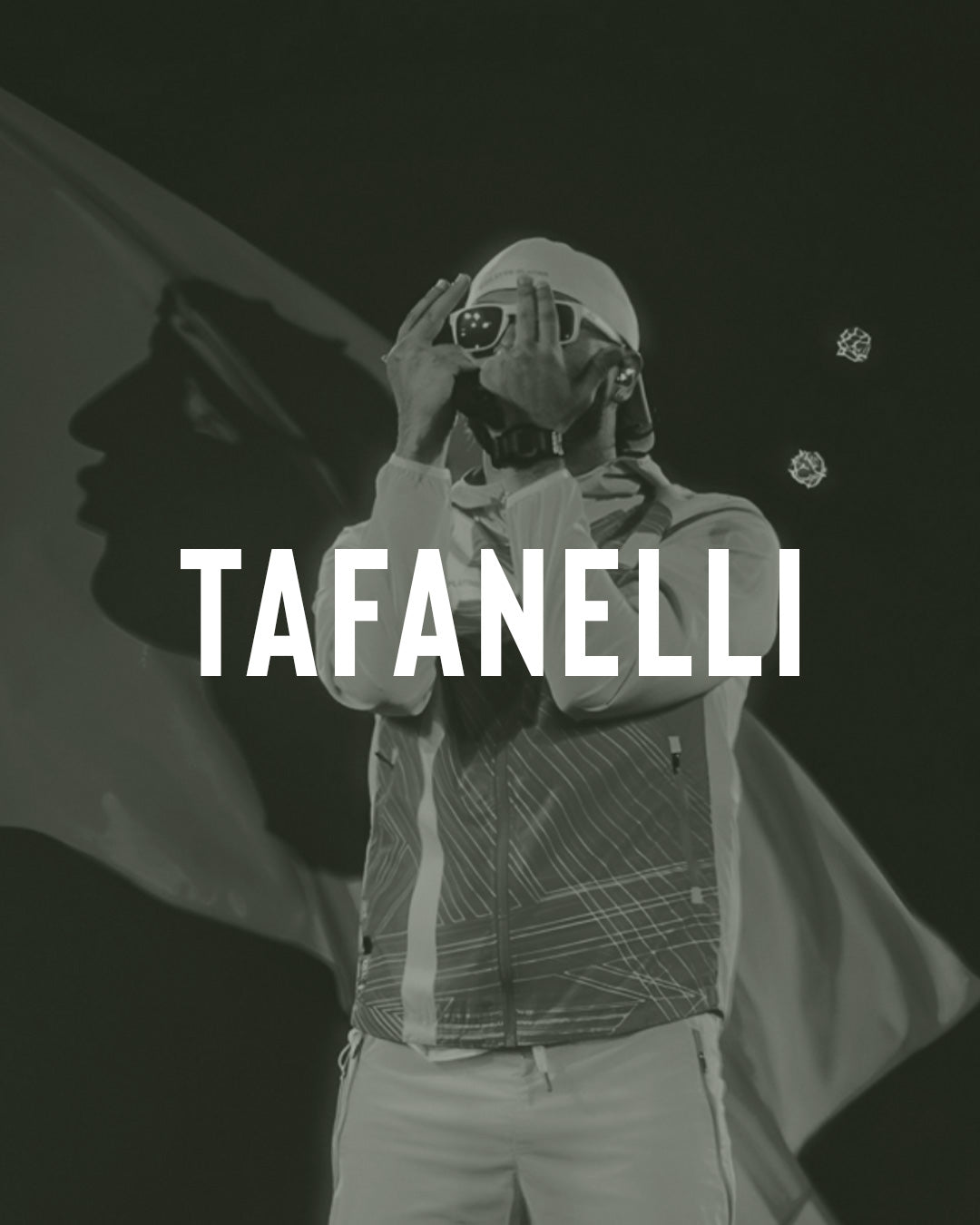
JUL and Corsica: Cargèse, I Muvrini, and the Calvi Rendezvous
On December 5, 2025, France’s most certified artist released an album featuring two Corsican duets, one of which was sung in the Corsican language. Eight months later, he returned to perform at Eden Port in Calvi for the fourth consecutive year. Behind what looks like a summer affinity lies a father from Cargèse, a lineage, and a debate that stirred the island all winter.
A father from Cargèse
Julien Mari is from Marseille, born in 1990, and no one embodies his city better than he does. But his connection to Corsica is not just a matter of a taste for holidays.
His father is from Cargèse, in Southern Corsica. The information has circulated for a long time without being truly documented, and it remains a subject of discussion for some. What is not debated is that the artist himself claims both territories: he is both a Southerner from Marseille and a Southerner from Corsica.
Cargèse is not like other villages. It is the Greek village of Corsica, founded in the 17th century by Greek families from Mani fleeing the Ottoman Empire, with its two churches facing each other—one Latin and one of Byzantine rite. A place that, for three and a half centuries, has known exactly what it means to belong to two cultures at once.
Coming from a village that holds two liturgies on the same street is perhaps the best schooling to understand that one can be from Marseille and from Corsica without having to choose.
TP on TP, two Corsican duets on the same album
The album TP sur TP, released on December 5, 2025, contains two collaborations with artists from the island. It is not a circumstantial feature, but a double statement on a single record.
- "À chacun sa victoire," a duet with I Muvrini, the most iconic group in contemporary Corsican music.
- "Per l'eternità," with young singer Marcu Antone Fantoni, the first track in his career where he sings in the Corsican language.
Two generations of island music on the same French rap album. This had never been done on such a scale.
"À chacun sa victoire," the duet with I Muvrini
You have to measure what I Muvrini represents to understand the significance of this event.
The Bernardini brothers' group has been taking Corsican polyphony to international stages since the 1980s. They have brought the language of the island to audiences who would never have encountered it otherwise, and they occupy a place in island culture that few groups hold in their own country.
The track opens with the group's voices before the rap enters. Two worlds that had no reason to intersect, yet hold together.
The reaction was swift. Part of the Corsican audience took this meeting poorly, and the group had to explain themselves publicly, defending the choice and affirming their respect for the artist. That I Muvrini had to justify collaborating with the most listened-to French musician of his generation says a lot about the tensions that any evolution of island music creates.
"Per l'eternità," the first text in the Corsican language
This is the other track, and the most striking one.
For the first time in over ten years of his career and dozens of albums, the artist sings in the Corsican language. A few measures, over guitar-dominated instrumentation, alongside Marcu Antone Fantoni.
Two verses summarize the intention. "O fratellu, femu luce a nostr'isula," which can be translated as: Oh brother, let us make our island shine. And this line, in French, which lays out the double grounding unequivocally: "Marseille à vie, c'est gravé dans mon cœur, moi c'est Corse à la mort, ses coutumes, ses valeurs" (Marseille for life, it's engraved in my heart, for me it's Corsica until death, its customs, its values).
The song speaks of identity, transmission, and the loss of honor, respect, and brotherhood. These are exactly the themes of the traditional island repertoire, carried by contemporary rhythms.
The collaboration happened simply. The artist had shared a cover of U prete Andria, a song written by Jean-Paul Poletti and performed by the young Marcu Antone, on his Instagram account. The duet was born from that.
The debate these tracks sparked
The feedback was mixed, and that is interesting.
On one hand, there were those who praised the risk-taking and saw it as unexpected visibility for the Corsican language and singing. Having an artist with this reach singing in Corsican means several million listeners exposed to a language classified as endangered by UNESCO.
On the other hand, there was criticism regarding the pronunciation and the very legitimacy of the approach. Proponents of a certain orthodoxy in island singing felt the language deserved better than a passage of a few measures.
A language that is no longer debated is a dead language. The fact that a track divides people proves above all that the matter still matters to many.
This debate is not new. It has permeated Corsican culture since the riacquistu of the 1970s: should we keep ancient forms intact, or accept that they transform at the risk of losing their nature? It is the same question that arose for polyphony, for names, and for the traditional costume.
And each time, the answer has been the same: what survives is what circulates.
Eden Port in Calvi, fourth summer in a row
On Saturday, August 8, 2026, he was back at the Eden Port, at the marina in Calvi. Doors at 8 p.m., on stage shortly before midnight, tickets at 159.99 euros, sold out.
This is the fourth consecutive year. The first date dates back to the summer of 2023, and all have been sold out.
The format has nothing to do with his usual concerts. A showcase in a seaside club, a few hundred people, no monumental production to hide behind. For someone who fills the Vélodrome, it is a much more exposed exercise.
Four summers in the same place, in a venue of this size, when one could play anywhere in August: this is no longer just a date, it is a habit.
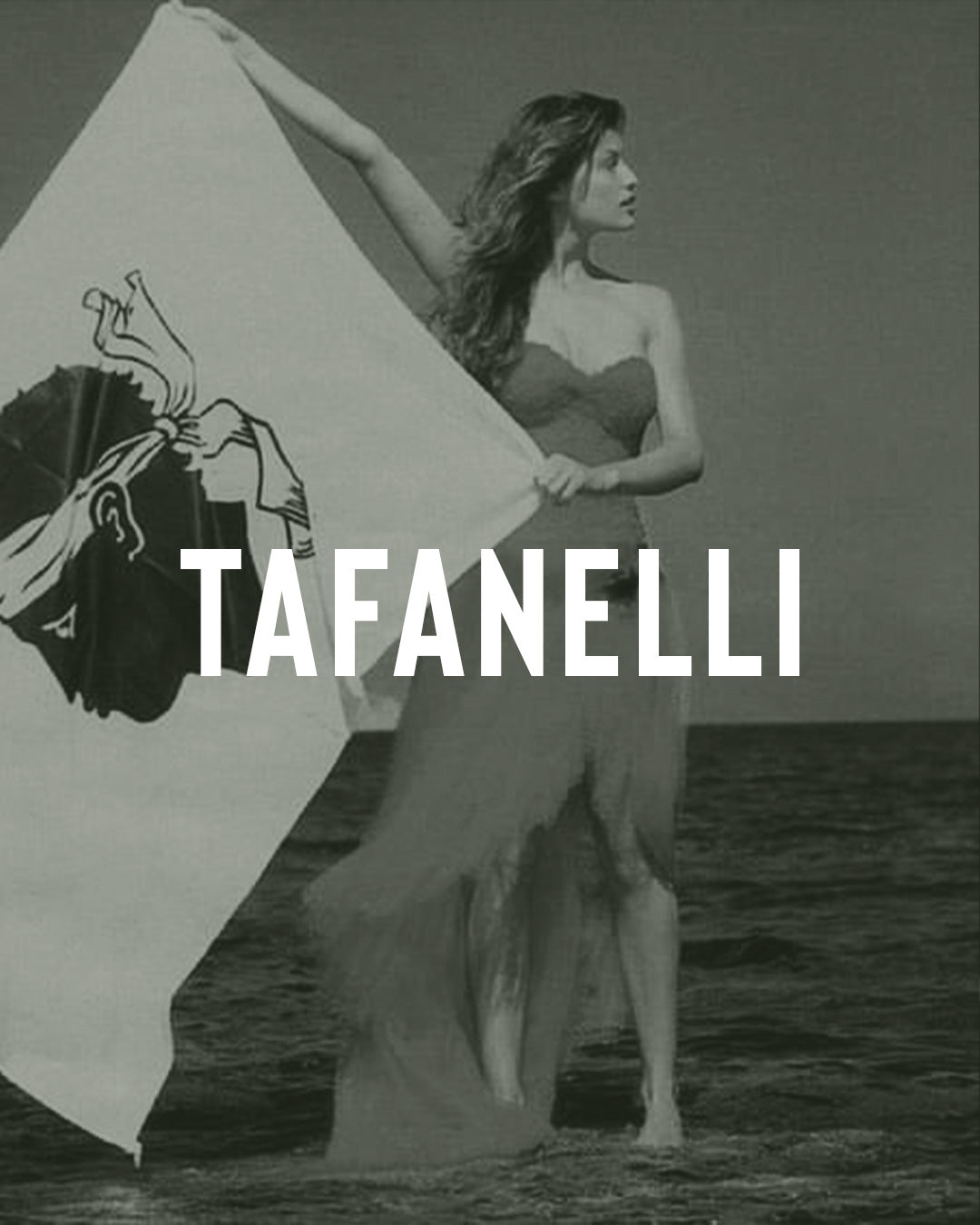
Furthermore, he regularly appears in concert with the Moor's Head flag and had already collaborated with Corsican singer Francè Zito before the TP sur TP duets.
Marseille and Corsica, one family
Beyond the specific case, there is a reality that we often forget to mention.
Marseille is the largest Corsican city in the world. Not administratively, but demographically: no town on the island houses as many Corsicans and descendants of Corsicans as the Phocaean city. The movement began in the 19th century and intensified after the two wars, when the inland villages emptied toward the continent.
Entire generations have made the same journey: the night boat to Marseille to work, the night boat to the island in August to return to the village. Hundreds of thousands of families, and many still do.
A Marseille artist who comes to play in Calvi every summer is therefore not crossing a border. He is retracing a journey his city knows by heart, and which his own family made before him.
Frequently Asked Questions
Is JUL Corsican?
He was born and raised in Marseille. His father is from Cargèse, in Southern Corsica, and he identifies with both territories. This origin remains a subject of discussion for some, but the artist himself affirms it in his lyrics.
Has he ever sung in the Corsican language?
Yes, in "Per l'eternità," a duet with Marcu Antone Fantoni on the album TP sur TP released on December 5, 2025. It is the only track of his career where he speaks in Corsican.
What is his duet with I Muvrini?
"À chacun sa victoire," also on TP sur TP. The track opens with the polyphonic group's voices before the rap enters.
When does he perform in Calvi?
Every summer since 2023, at the Eden Port, at the marina. In 2026, the showcase took place on Saturday, August 8. Dates are generally announced at the beginning of summer and sell out very quickly.
Why did the duet with I Muvrini cause controversy?
A part of the Corsican public deemed the meeting inappropriate. The group responded publicly, standing by the choice and expressing their respect for the artist. The debate focuses on the place of tradition in the face of contemporary forms.
What it says about the island, and about us
An artist who could play anywhere chooses a club in Balagne four summers in a row. A polyphonic group that has been filling venues for forty years accepts a duet with Marseille rap. A rapper records a few measures in an endangered language.
None of this was obvious, and all of it happened in the same year.
It is a shift we have been observing everywhere for a few seasons. Jacquemus held a fashion show at the Pietra lighthouse. The Orient Express Corinthian stopped on the island. Corsica is no longer a fallback destination; it is becoming a place people come to precisely because it is there.
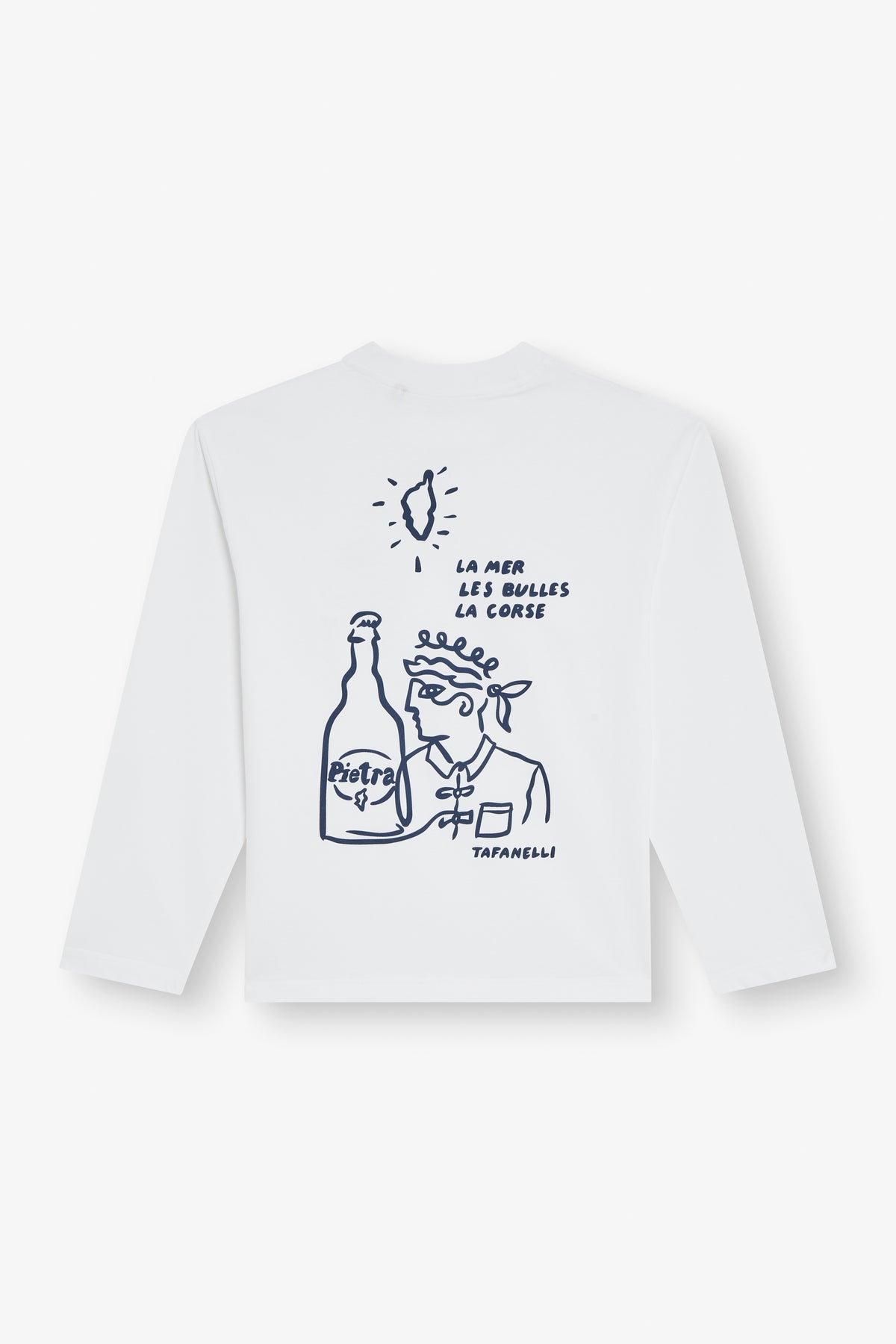
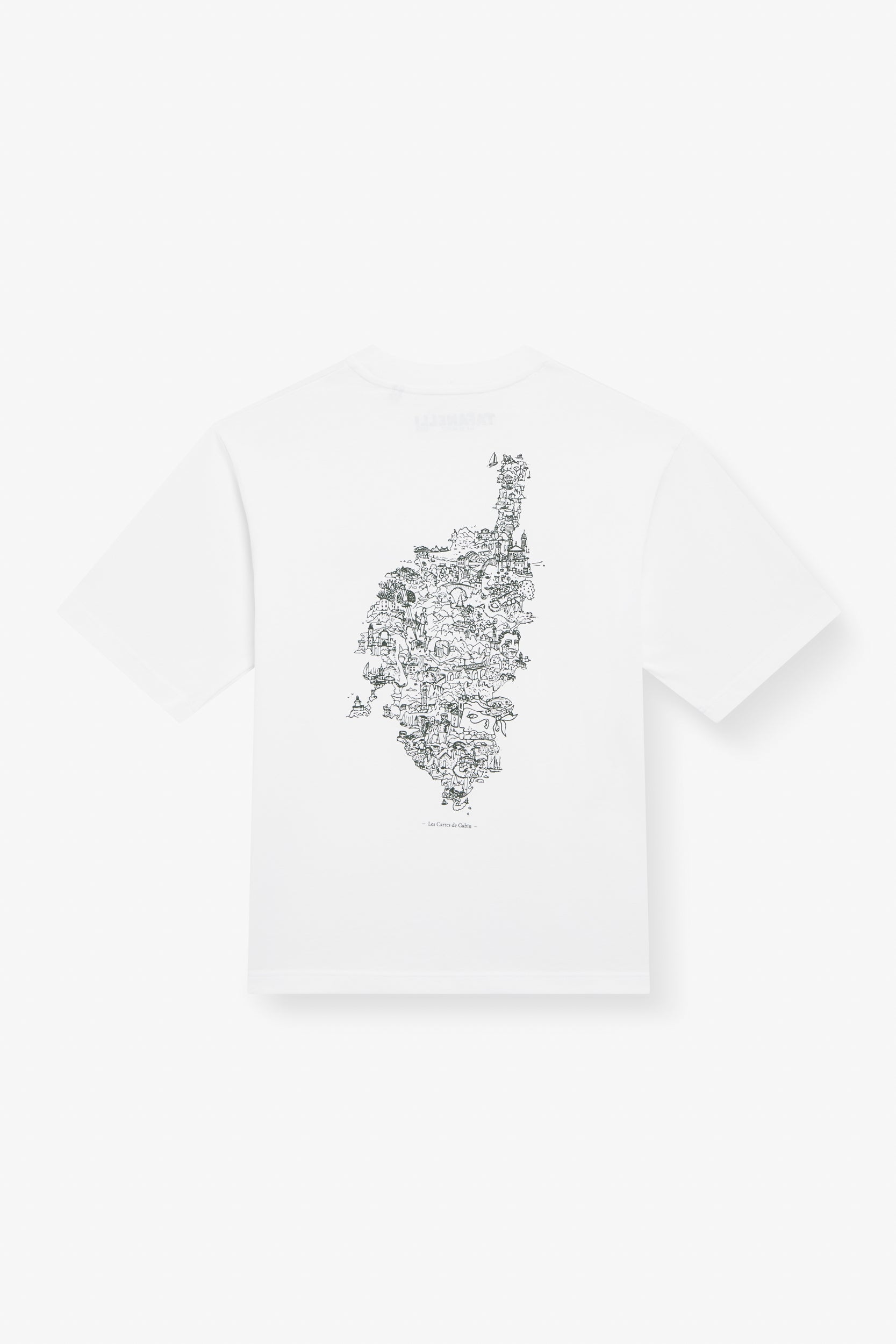
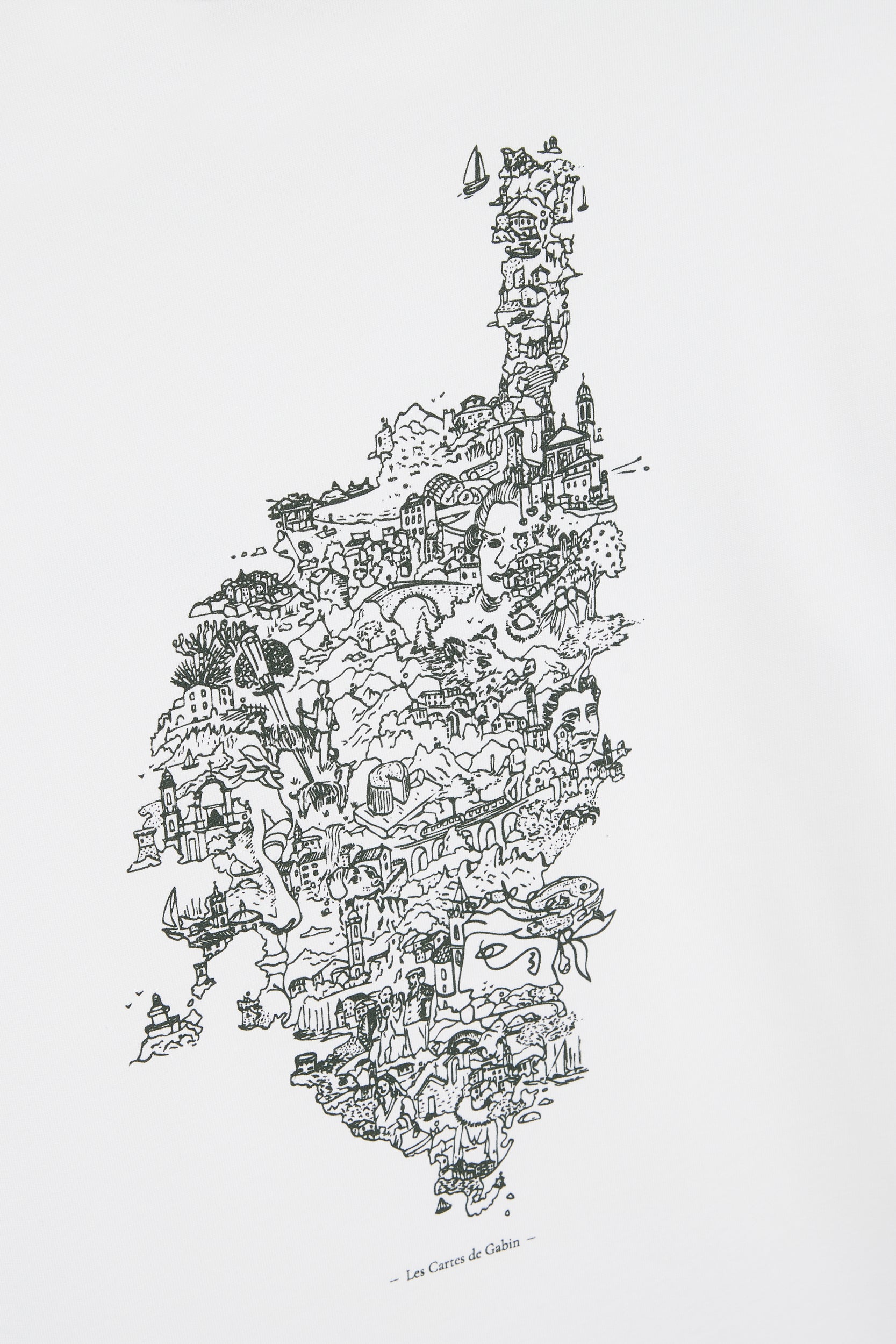
At TAFANELLI, we are making the same bet, with much less noise. A brand designed on the island, designs that tell real stories, pieces made in France and screen-printed by hand. And the same conviction: a culture is not preserved under a glass bell, it is worn.
Our pieces are available in Calvi at Chez Tao, au Bout du Monde, and U Nichjaretu, each with an exclusive piece found nowhere else. The map of our fourteen locations is online.
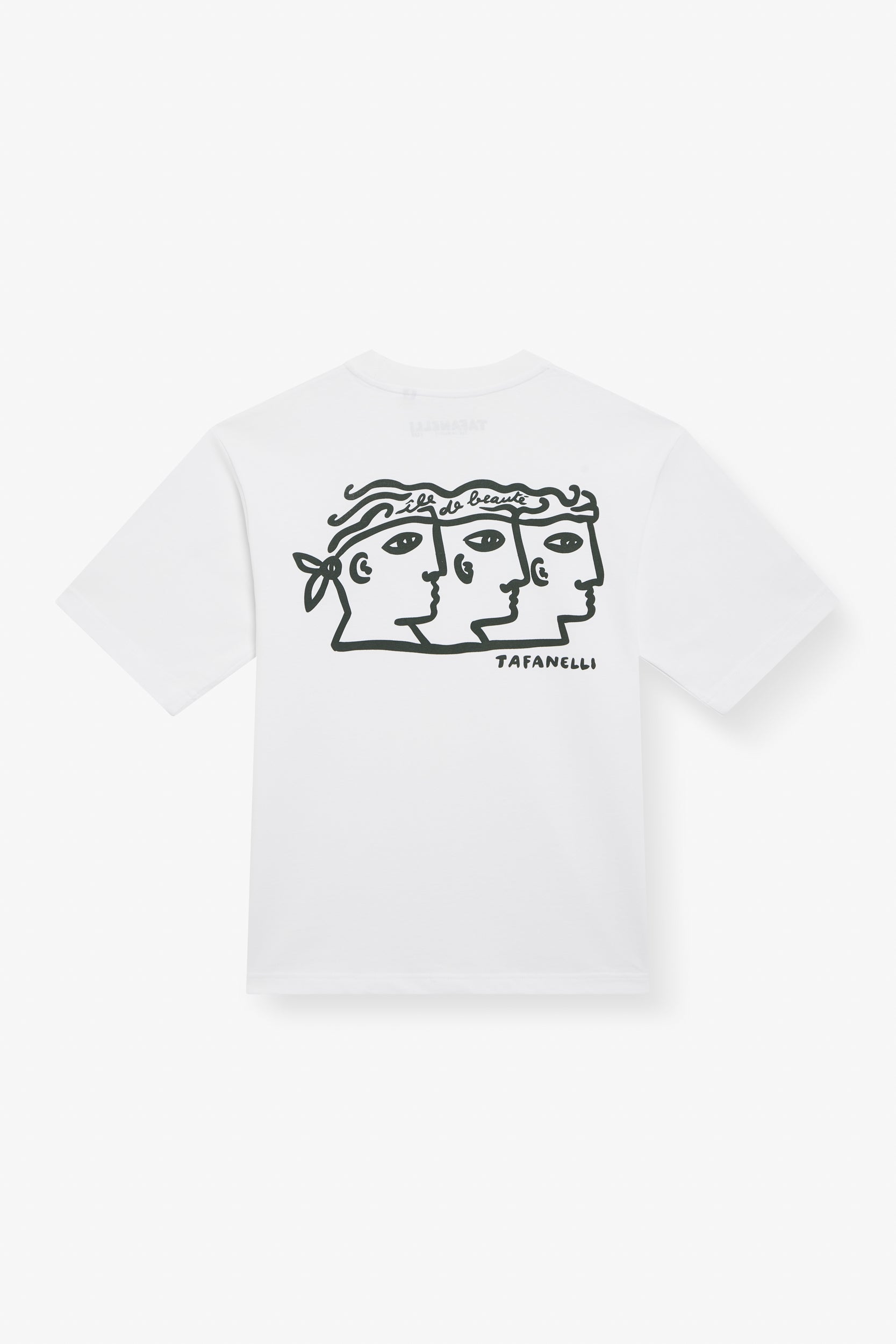
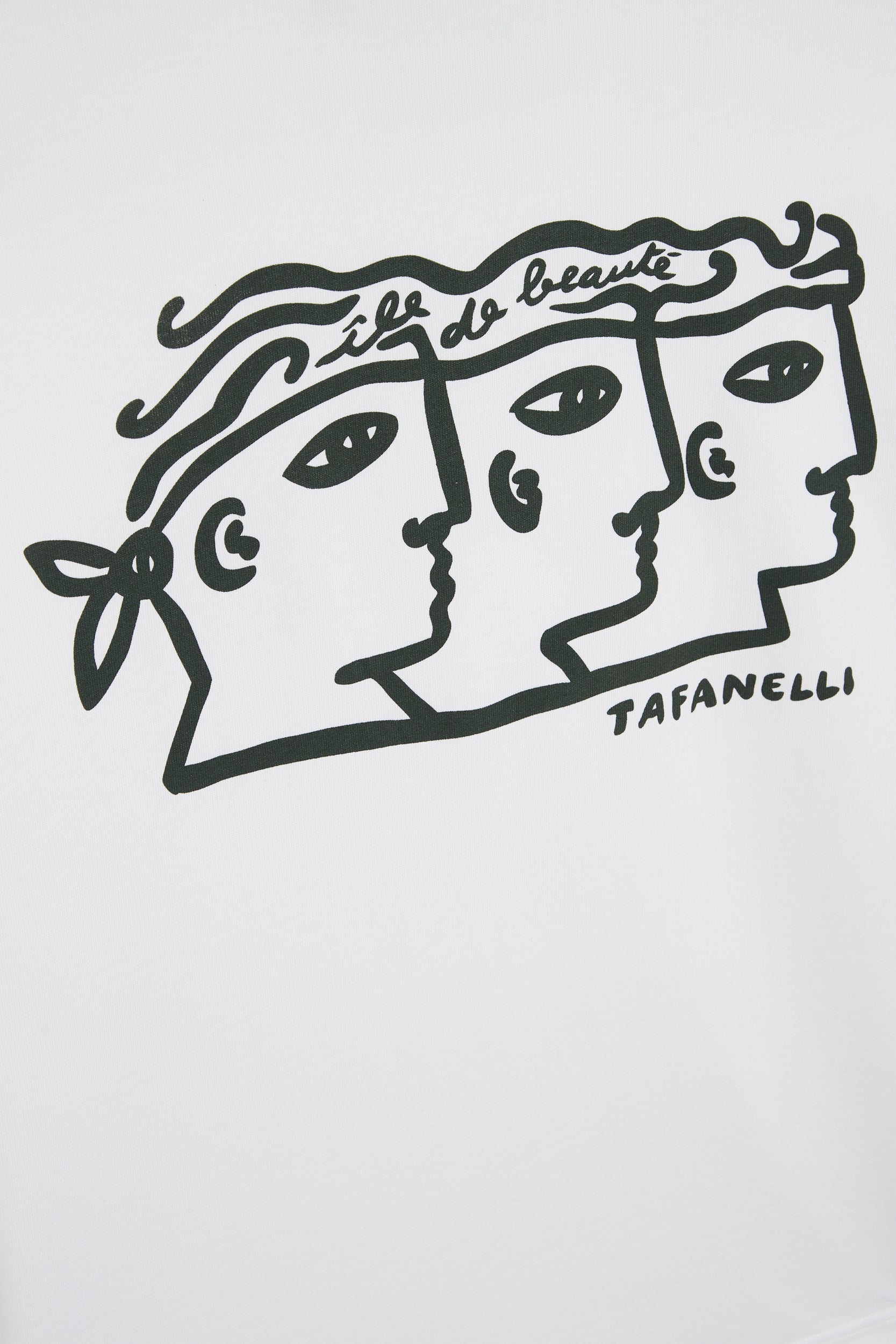
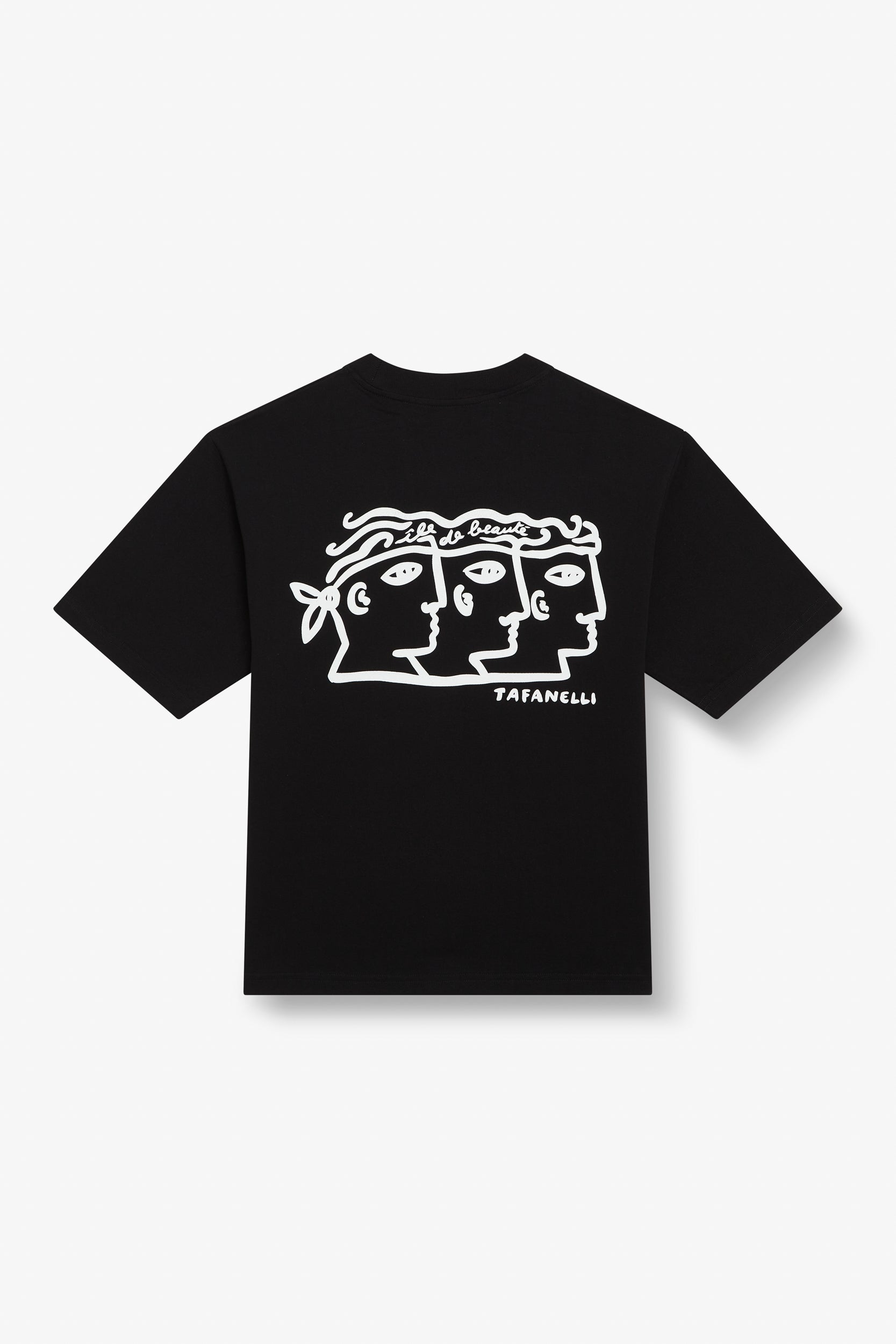
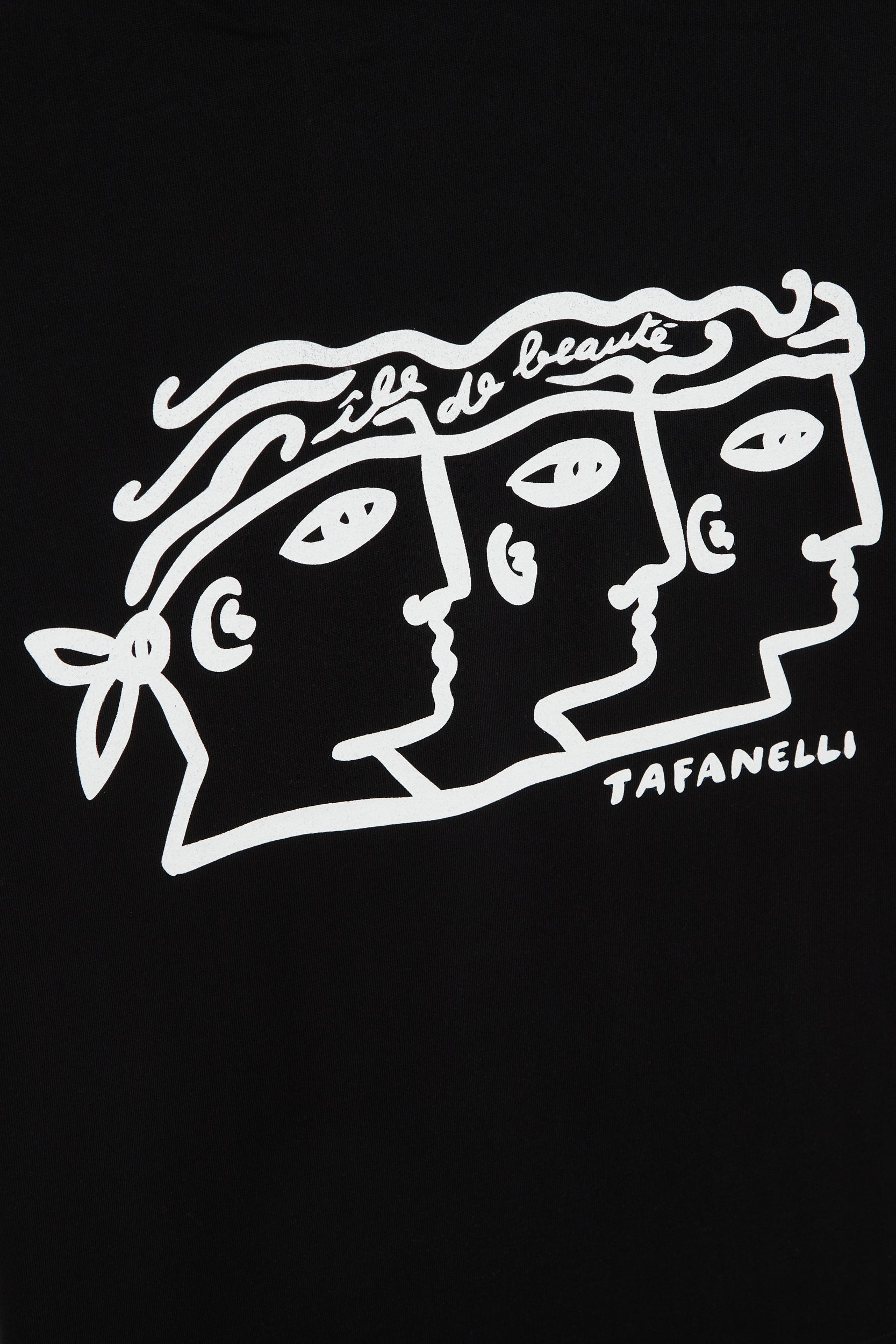
Our latest piece, La Trinità, bears the historical name of the island under three profiles facing the same horizon: mare, muntagna, machja. The sea, the mountain, the maquis.
To learn more:
- Cargèse, the Greek village of Corsica
- The paghjella, Corsican polyphony as UNESCO heritage
- The Corsican language, history and renaissance
- Calvi, the complete guide
- La Balagne, 2026 complete guide
- Corsican brand: how to recognize the real thing
When passing through Corsica, the customer becomes a friend.
A DOPU,
TAFA