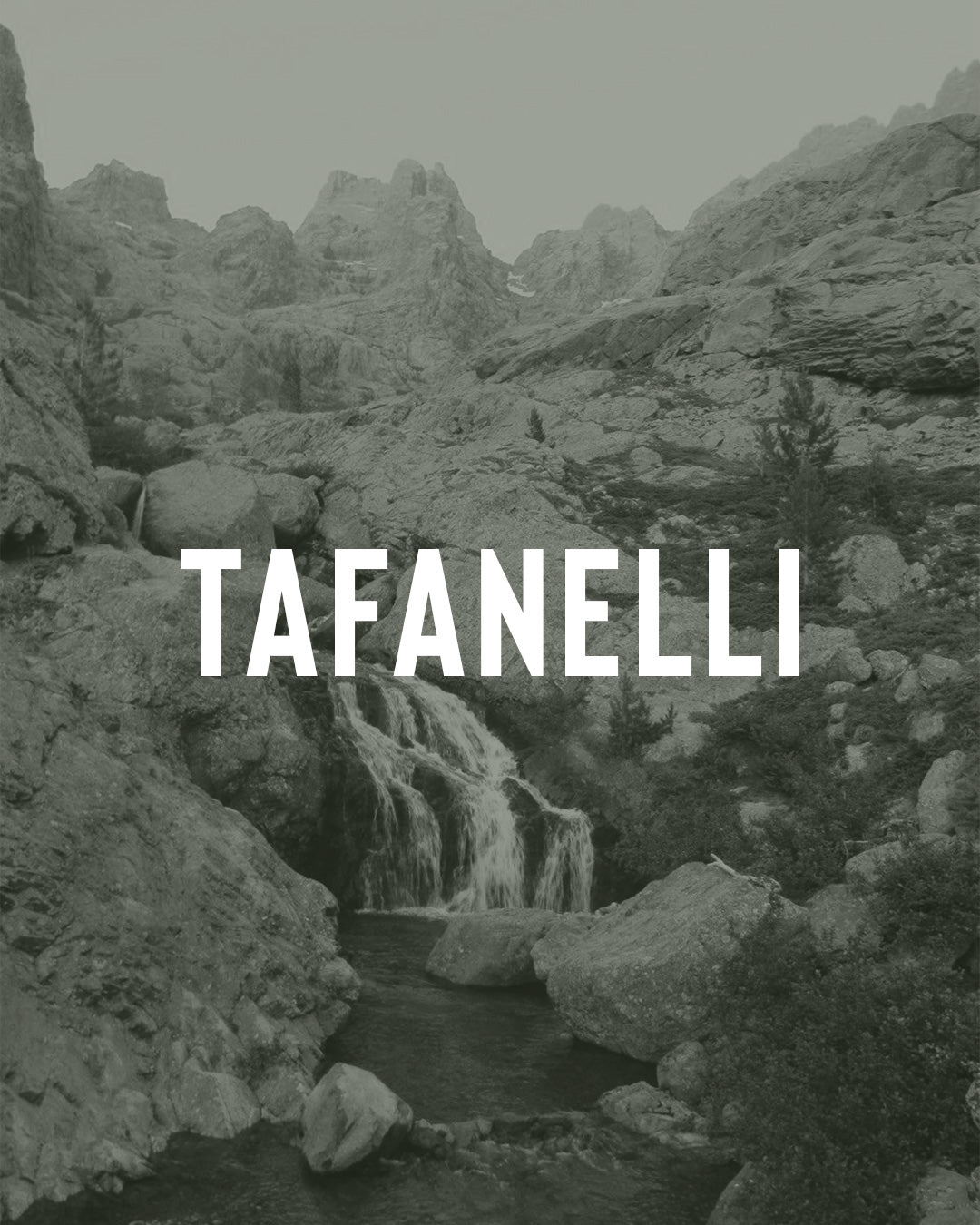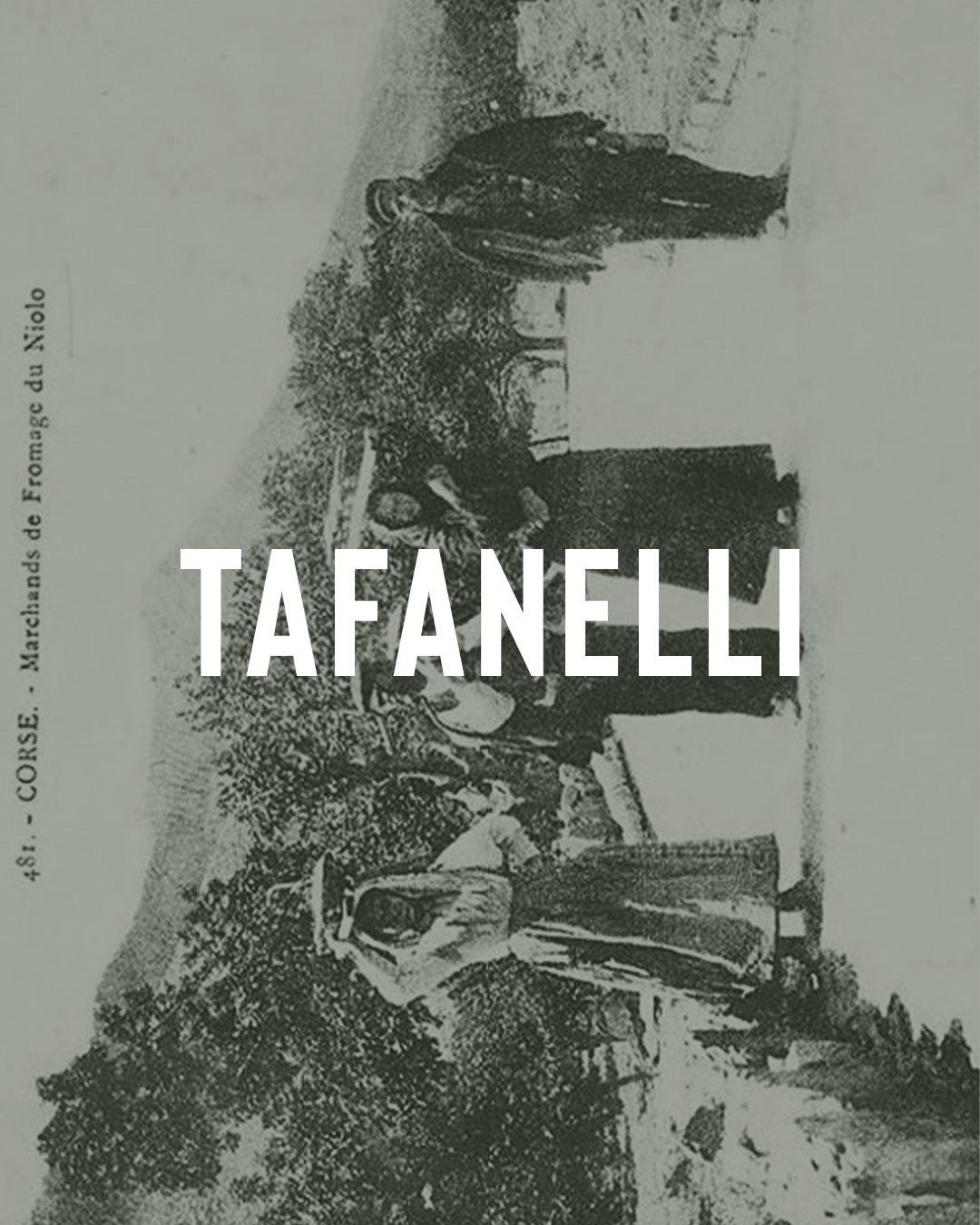
The Niolu and Lake Nino: in the heart of deep Corsica
The Niolu is the highest inhabited region of Corsica, a world of shepherds, laricio pines, and mountain peaks, nestled around Lake Calacuccia. At its center, at 1,743 meters, lies Lake Nino and its famous pozzines—water-logged meadows where wild horses graze. Here is the complete guide to the Niolu: the Lake Nino hike, the villages, the Valdu Niellu forest, and the island's greatest festival.
The Niolu, the mountain heart of Corsica
In the center of Upper Corsica, surrounded by the island's highest peaks, the Niolu (u Niolu) is a world apart. It is the highest inhabited region in Corsica, a high valley closed in on itself, long accessible only by snow-covered passes for part of the year.
This isolation has forged a distinct character. The Niolu is the land of shepherds par excellence, a land of transhumance toward the plains and coast, and also of an oral and musical tradition of rare intensity. Many of the great voices of the paghjella and the chjam'è rispondi come from these villages.
You enter via the Vergio Pass (1,477 m), the highest road pass on the island, or through the Scala di Santa Regina gorges, a spectacular fissure in the rock from Corte. In the center of the valley, the Calacuccia reservoir reflects the ridges and the Monte Cintu.
The Niolu is the Corsica that does not look at the sea. A Corsica of stone, snow, and herds, which has kept its language, its songs, and its sense of self because no one ever passed through it by accident.
Lake Nino and its pozzines
Lake Nino (lavu di Ninu) hides at 1,743 meters of altitude, on a vast plateau surrounded by ridges. With its 6.5 hectares, it is the second-largest lake in Corsica. It gives birth to the Tavignano, one of the island's great rivers, which meets the sea at Aléria.
But what makes this place unique is not the lake: it is the pozzines (pozzi). These vibrant green, water-saturated lawns, carved with basins and winding streams, form an alpine peat bog of unreal beauty. A landscape you would think was transported from Ireland or Iceland, placed in the middle of the Mediterranean mountains.
And then there are the wild horses. Horses, cows, and sometimes pigs live here in semi-freedom, belonging to the valley's shepherds. Seeing them graze in the pozzines, with the ridges of the Rotondu massif in the background, is one of the most powerful images Corsica can offer.
Warning: the pozzines are a fragile environment. The soil is spongy, and the vegetation takes years to recover. Walk on the trails and dry areas, never in the middle of the basins.
The Lake Nino hike
This is one of the most beautiful hikes in Corsica, and one of the most accessible among the great ones.
- Start: Vergio Pass (1,477 m), or the Poppaghia forest house.
- Duration: about 6 hours round-trip from Vergio Pass.
- Marking: yellow trail, well-marked.
- Itinerary: gentle climb through the pine forest, ascent of the Colga Valley, then the Colga sheepfolds (1,411 m) reached in about an hour, without difficulty. The path then steepens up to the bocca a Stazzona, from where the plateau and the lake suddenly appear.
The difficulty is moderate: the first part is easy, the final climb toward the pass requires endurance, and the descent on loose stones requires attention. Nothing technical, but a real day of mountain walking.
The GR20 passes by Lake Nino: it is one of the most photographed points on the trail. You will therefore cross long-distance hikers, loaded packs, in the middle of their stage.
From the lake, the most motivated can continue toward Capu Tozzu (2,007 m), which offers a complete panorama of the plateau, the pozzines, and the surrounding high peaks.
The Valdu Niellu forest
Before reaching the Vergio Pass, the road crosses the Valdu Niellu forest, one of the most beautiful forests in Corsica and the largest laricio pine forest on the island.
The laricio pine is an island pride: a tree with a straight, immense trunk, capable of exceeding 40 meters and living for several centuries. Its logs long served as masts for ships. Walking under these trees, in filtered light and thick silence, is an experience in itself, and a great option for a hot day.
The forest is home to several short, shaded paths, perfect for families, as well as the beautiful Radule waterfall, below the pass.
The villages of the Niolu
- Calacuccia: the main town, set on the edge of the reservoir, with a direct view of the Cintu. The convenient starting point for exploring the valley.
- Casamaccioli: on the other side of the lake, the village of the Santa, the most famous religious festival on the island.
- Albertacce: a crossroads village, with a small archaeological museum dedicated to local heritage.
- Lozzi: the starting point of the southern route to the Monte Cintu.
- Corscia: clinging to the slope, with beautiful views over the entire valley.
In these villages, you can still find high-altitude sheep and goat cheeses, mountain charcuterie, and honey produced from high-mountain practices. The Niolu is also renowned for its cheeses, some of the most distinctive on the island, to be discovered in our guide to Corsican cheeses.
A Santa di u Niolu, the island's festival
Every year around September 8th, the day of the Nativity of the Virgin, Casamaccioli hosts A Santa di u Niolu, one of the oldest and most important gatherings in Corsica.
It is simultaneously a pilgrimage, a fair, and a popular festival. People come from all over the island, and from much further away, for the procession of the statue of the Virgin, for the livestock and produce fair, and for the chjam'è rispondi jousts, those sung improvisations where poets answer each other in verse.
The most impressive moment remains the Granitula: the procession winds itself into a tight spiral, then unwinds in the other direction. A very ancient gesture, whose symbolism, no doubt predating Christianity, evokes death and rebirth. This figure is found in other island ceremonies, such as the Catenacciu of Sartène.
Practical information
- Access: from Corte via the Scala di Santa Regina, or from Porto via the Vergio Pass. Narrow and winding mountain roads; drive slowly.
- Best season: from June to October. The pozzines are at their greenest in June and early July. In September and October, the light is superb and the crowds are gone.
- Winter: snow regularly closes the Vergio Pass. Check road conditions.
- What to bring: plenty of water, windbreaker, sun protection, walking shoes. It can be cool at the lake even in August.
- Respect for the site: stay on the trails, do not walk in the pozzines, do not feed the horses, take your trash with you. Swimming in the lake should be avoided; the environment is fragile and protected.
- Early departure: late afternoon thunderstorms are common in the mountains in summer.
Frequently asked questions
How long does it take to get to Lake Nino?
About 6 hours round-trip from Vergio Pass, via a yellow-marked trail. Allow for a full day including the break at the lake.
What is a pozzine?
A pozzina (pozzi in the plural) is an alpine peat bog, water-logged and crossed by small basins and streams. It is a rare and fragile environment, typical of the high Corsican plateaus.
Are there really wild horses?
Yes. Horses, cows, and sometimes pigs belong to the valley shepherds and live in semi-freedom on the plateau for part of the year. They are domestic animals but are left to roam free: observe them from a distance, do not feed them.
Is the hike doable with children?
The climb to the Colga sheepfolds (about 1 hour, easy) is well-suited for families. The full lake hike requires a good habit of walking: 6 hours, with a serious climb at the end of the route.
What is the highest village in Corsica?
The villages of the Niolu are among the highest on the island, which makes this valley the highest inhabited region in Corsica.
The Niolu and TAFANELLI
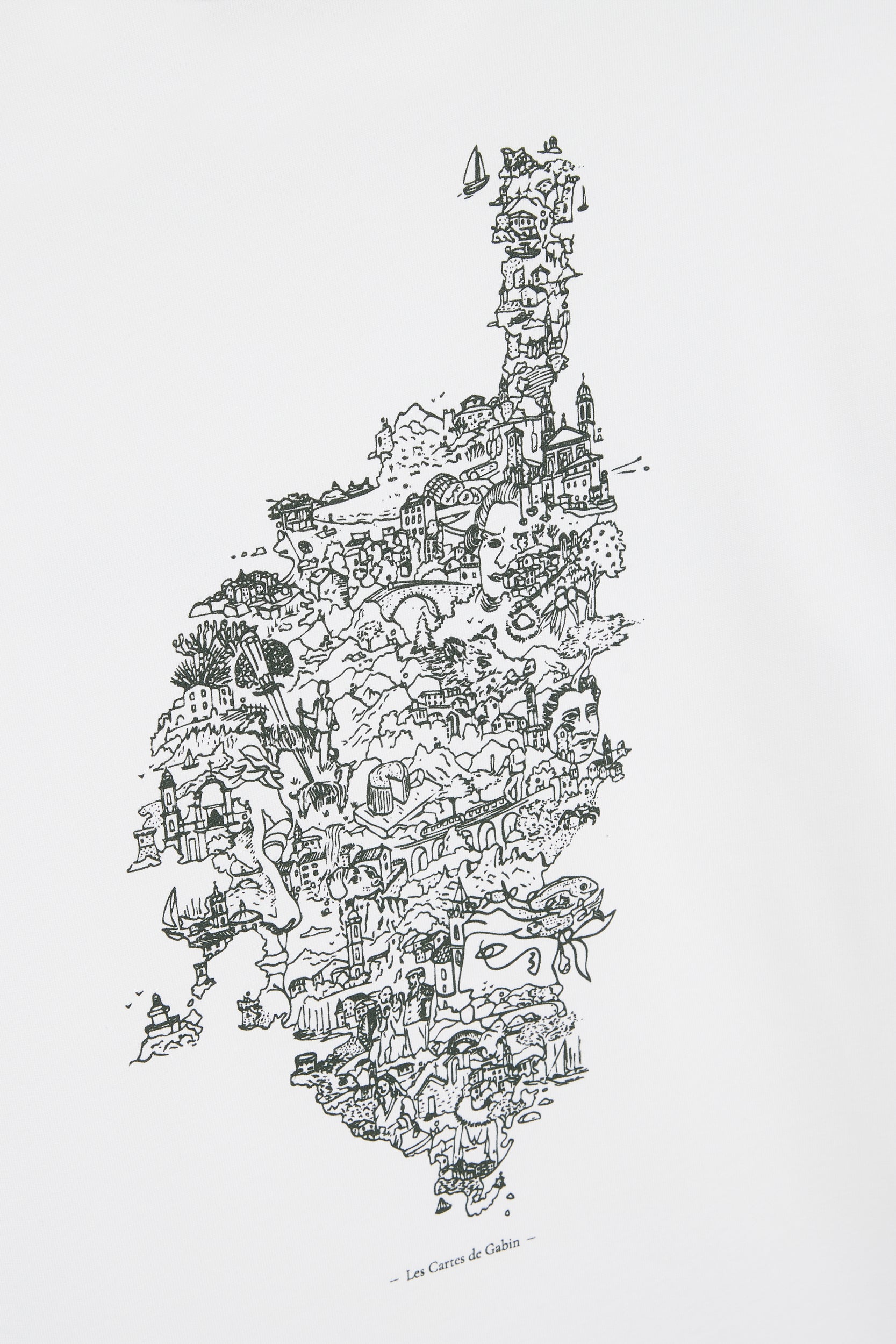
The Niolu is undoubtedly the place in Corsica where the idea of muntagna makes the most sense. Not the postcard mountain, but that of work, cold, herds, and voices responding to one another. A demanding Corsica that does not seek to please.
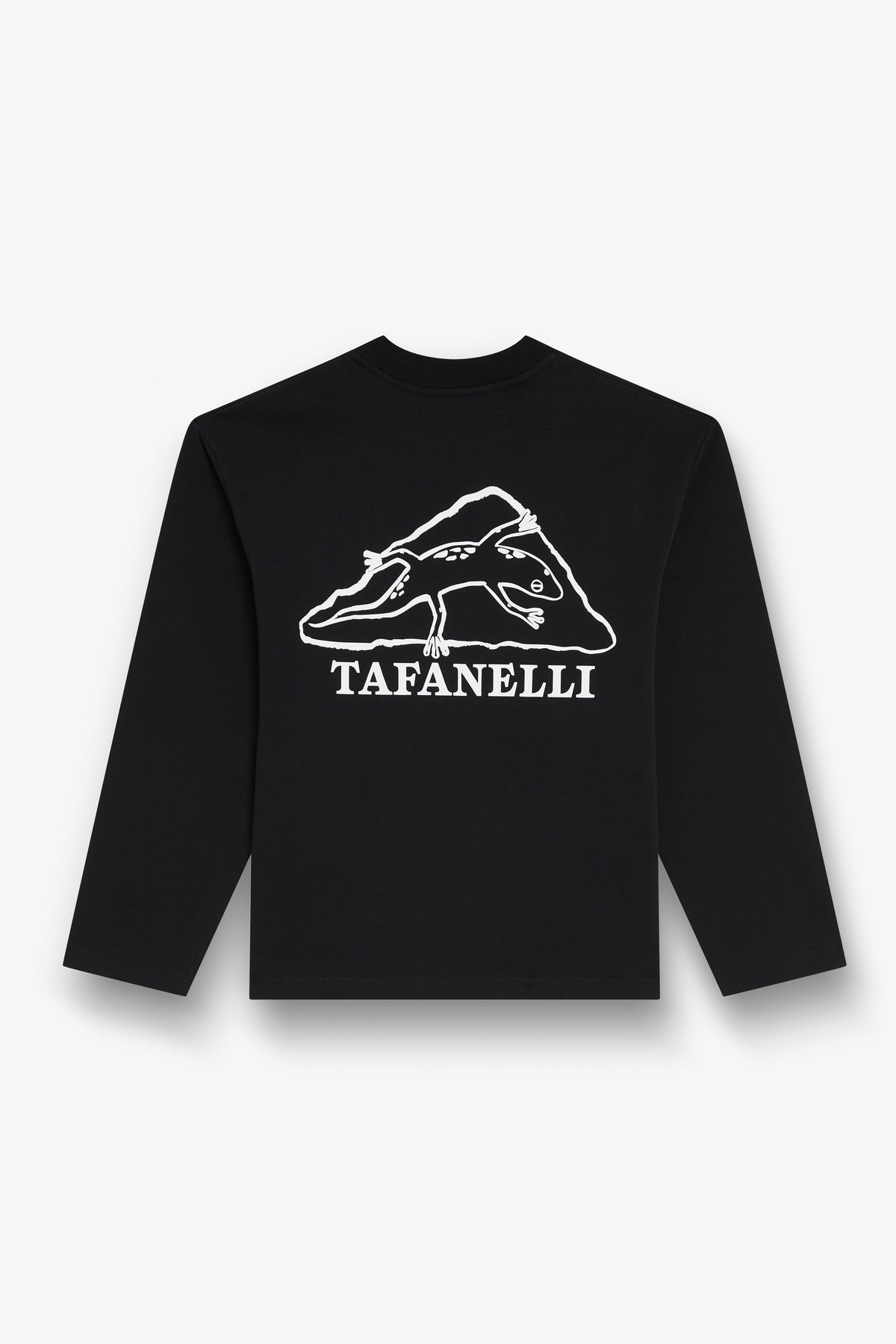
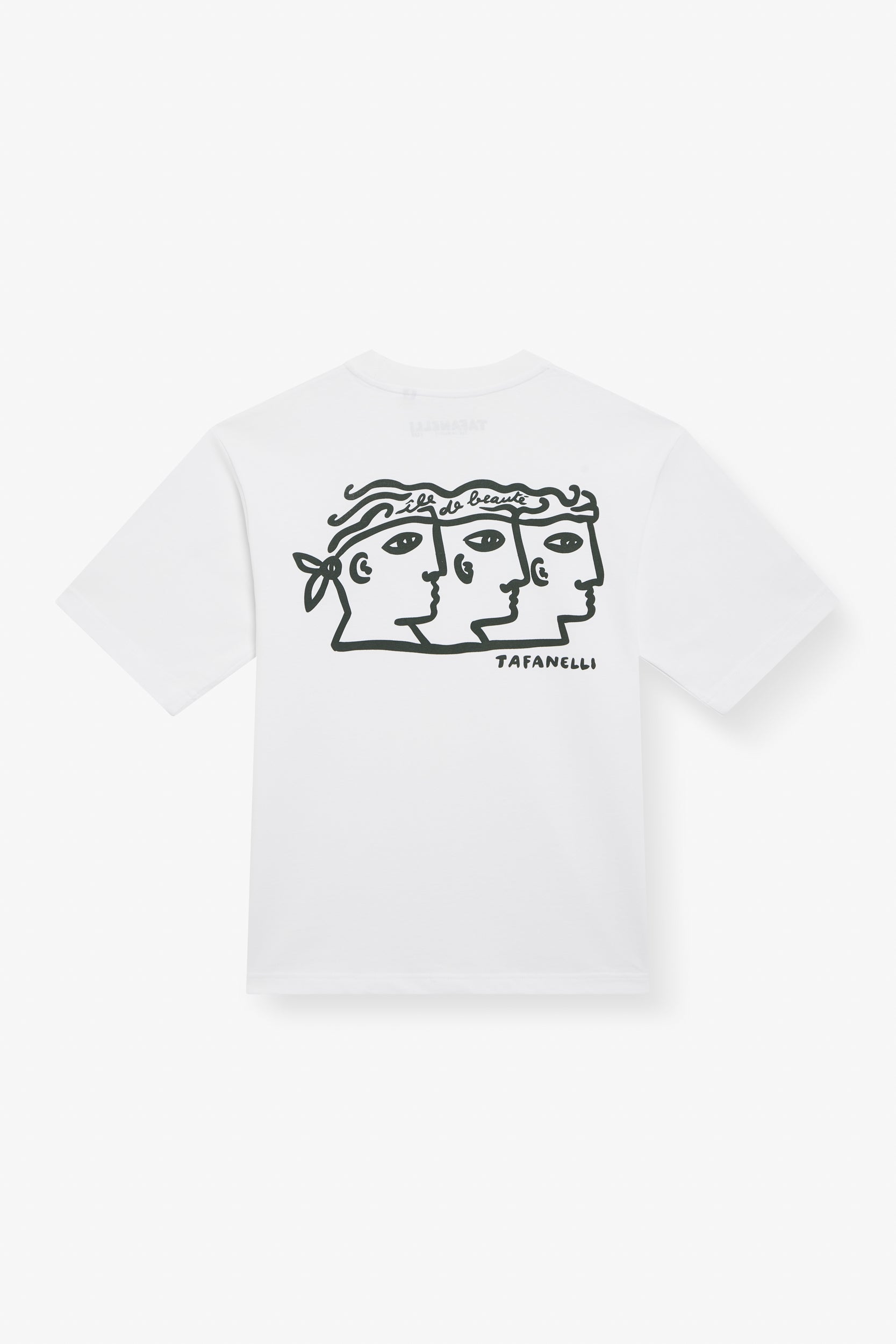
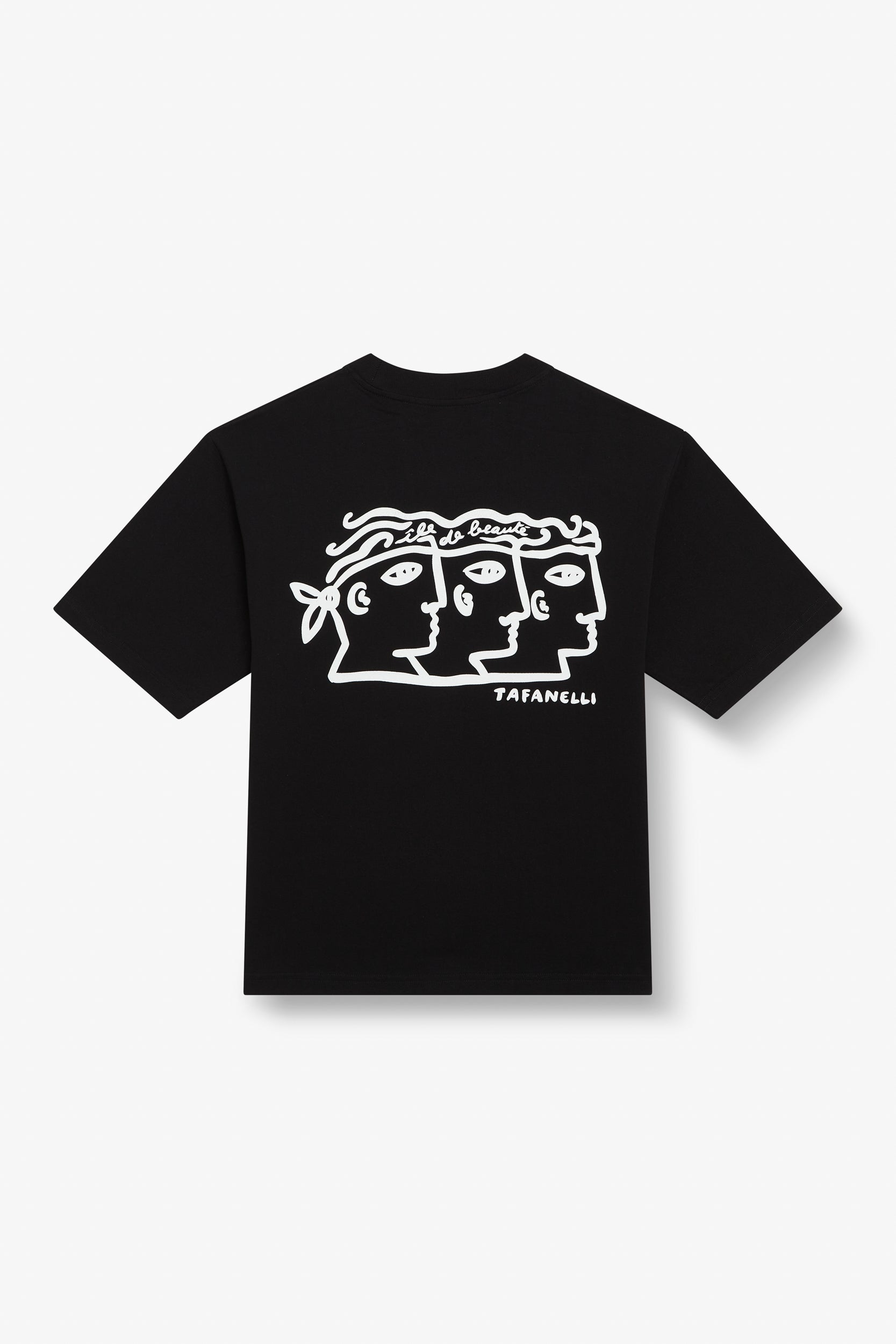
It is that part that we try to capture in our pieces, along with the other two: mare, muntagna, machja. Premium 280g/m² organic cotton t-shirts, made in France and hand-screenprinted, built to last.
The wardrobe for the high valley:
- The La Trinità t-shirt: mare, muntagna, machja.
- The "Corsica 1755" t-shirt: island pride.
- The TAFANELLI cap: there is no shade on the plateau.
To continue in the high-altitude Corsica:
- Monte Cintu, the roof of Corsica
- The GR20, complete guide
- The Restonica and the lakes of Corte
- Shepherds and transhumance
- The paghjella, Corsican polyphony
- TAFANELLI, Corsican brand and Mediterranean wardrobe
Passing through Corsica, the customer becomes a friend.
A DOPU,
TAFA