The Alta Rocca: a complete guide to inland Corsica
An hour from the southern beaches, the Alta Rocca is a different Corsica: one of granite villages at 900 meters, laricio pine forests, Bronze Age castelli, and tables where people still eat like they used to. Zonza, Levie, Quenza, Sainte-Lucie-de-Tallano, Bavella, L'Ospedale, Cucuruzzu. Here is the complete guide to the island's last great preserved territory.
What is the Alta Rocca?
The Alta Rocca ("the high rock") is the mountainous micro-region of southern Corsica, wedged between the beaches of Porto-Vecchio, the Taravo valley, and the lands of Sartène. It is part of the Corsica Regional Natural Park.
What is striking is the contrast. An hour's drive separates the overcrowded beaches of Palombaggia from the villages of the Alta Rocca, where you find shade, cool air, fountains, and squares where nothing happens. In the middle of August, it might be the south's best-kept secret.
It is also one of the most anciently inhabited territories in Corsica. You find traces of human occupation dating back several millennia, Bronze Age castelli, chapels, bridges, and a pastoral culture that has never completely disappeared.
The Alta Rocca is the Corsica that takes its time. You go up for three hours and stay for three days, because upon arriving, you realize you've spent your life going too fast.
Villages to see
Zonza
Perched at about 900 meters, Zonza is the crossroads of the Alta Rocca: it is from here that you access the Bavella needles, the L'Ospedale forest, and the other villages. Granite houses, slate roofs, fresh air, mountain restaurants. The ideal base camp.
Levie
The main village of the micro-region, with about 700 inhabitants. This is where you will find the Alta Rocca Museum and the access to the archaeological sites of Cucuruzzu and Capula. A lively village, with shops and real year-round life.
Sainte-Lucie-de-Tallano
One of the most beautiful villages in the area: old stone houses, a convent, and above all, an oil mill still in operation. Sainte-Lucie is famous for its olive oil pressed in the traditional way. It is also the land of orbicular diorite, the rare stone with circular patterns known as the Eye of Saint Lucy.
Quenza
At the gateway to the Coscione plateau, one of the most beautiful high-altitude plateaus on the island. The village has kept its fountains, laundry basins, old bread ovens, and a remarkable chapel. A starting point for hikes toward the shepherds' huts and the pozzines of Coscione.
And also
- Aullène and Serra-di-Scopamène: stone architecture, orriu (rock shelters), total authenticity.
- Carbini: its Romanesque Pisan church San Ghjuvanni Battista and its isolated bell tower, one of the most beautiful examples of Pisan art in Corsica.
- Sotta, San-Gavino-di-Carbini: the low gateways to the territory.
Cucuruzzu and Capula, 3,000 years of history
On the Levie plateau, two archaeological sites can be visited one after the other, connected by a forest path. It is the most beautiful dive into Corsican prehistory.
Cucuruzzu is a Bronze Age castellu, fortified around 1200 BCE. Its inhabitants used the natural rocky chaos, filling the gaps between the blocks to create a walled complex crowned by a circular tower intended for defense. You move between the rocks, enter the tower, and physically understand how these people lived thirty-two centuries ago.
Capula, nearby, superimposes the ages: a prehistoric site, reinforced in the Roman era, then transformed into a medieval fortress before being razed in the Middle Ages. Standing next to it is the San Lorenzu chapel.
The visit is done with an audio guide, through a magnificent oak forest. Allow about two hours on a path that is easy but features some rocky sections. It is shaded, so it is perfect in mid-summer.
The Alta Rocca Museum and the Lady of Bonifacio
In Levie, the Alta Rocca Museum is a small archaeological museum dedicated to the prehistory of the region. It perfectly complements a visit to Cucuruzzu.
Its centerpiece is the Lady of Bonifacio, the oldest human remains discovered on the island. A woman, likely disabled, buried with care several thousand years ago. It is a moving reminder that Corsica has been inhabited since long before the Greeks, Romans, Pisans, and Genoese.
The museum also presents the Cynotherium sardous, an endemic canine that is now extinct, and numerous objects from daily Neolithic life.
Nature: Bavella, L'Ospedale, the Piscia di Gallu
The Bavella needles
The territory's natural monument. The Bavella Pass is reached from Zonza, and the red granite needles there outline one of the most famous silhouettes in Corsica. Everything is detailed in our complete guide to Bavella.
The L'Ospedale forest
Between Porto-Vecchio and Zonza, the L'Ospedale forest unfolds its laricio pines and beeches around a large reservoir lake. The granite chaos, filtered light, and coolness make it an ideal escape when the coast becomes stifling.
The Piscia di Gallu waterfall
From L'Ospedale, a marked trail leads to Piscia di Gallu, a 60-meter waterfall that plunges into a granite cirque. Allow about 1.5 to 2 hours round trip, on a path that is easy at the start then rockier as you approach the viewpoint. Sturdy shoes are mandatory, and be careful on wet slabs. The flow is spectacular in the spring, more modest by the end of summer.
The Coscione plateau
Above Quenza, a vast high-altitude plateau resembling a green steppe, traversed by pozzines and free-roaming herds. One of the island's great pastoral expanses, in the spirit of Lake Nino and the Corsican transhumance.
The Alta Rocca terroir
It is a mountain country, therefore a country of pork, cheese, and chestnuts.
- Charcuterie: coppa, lonzu, prisuttu, figatellu, from pigs raised in semi-freedom. A pinnacle of Corsican charcuterie.
- Sheep and goat cheeses from the highlands, and of course, brocciu. See our guide to Corsican cheeses.
- Sainte-Lucie-de-Tallano olive oil, pressed at the village mill.
- Chestnut and maquis honey, among the most characteristic of the AOP. Our guide to Corsican honey.
- Wines from the sector and the nearby Sartenais region, to be discovered in our guide to Corsican wines.
The restaurants in Zonza, Levie, and Quenza serve mountain cuisine without pretense: Corsican soup, kid goat, wild boar, storzapreti, fiadone. You often eat better there, and for less money, than on the coast.
Practical information
- Access: about 40 km from Porto-Vecchio (1 hour), 45 km from Sartène. Narrow and winding mountain roads; drive slowly.
- Best season: from May to October. In July-August, it's the ideal refuge from the coastal heat, being 8 to 10°C cooler than by the sea.
- Autumn: the chestnut groves and forests take on superb colors, and there is no one around.
- Winter: snow is frequent at altitude; some roads may close.
- Where to stay: Zonza and Quenza concentrate the lodging, with mountain hotels and guesthouses. Levie for being closest to the sites.
- What to bring: walking shoes, a warm layer for the evening (at 900m altitude, the temperature drops fast), and cash—some village shops don't accept cards.
Frequently asked questions
Where is the Alta Rocca located?
In the mountainous interior of southern Corsica, between Porto-Vecchio, Sartène, and the Bavella massif. Allow about an hour's drive from Porto-Vecchio.
Which villages should not be missed?
Zonza, Levie, Sainte-Lucie-de-Tallano, and Quenza as a priority. Then Aullène, Serra-di-Scopamène, and Carbini for its Pisan church.
How much time is needed to visit the Alta Rocca?
A day allows you to see two or three villages and a site. Two to three days are necessary to truly enjoy it, by combining Bavella, Cucuruzzu, the Piscia di Gallu, and the villages.
What to do in Alta Rocca when it is very hot?
That is actually the best time to go up: the altitude, the L'Ospedale and Bavella forests, and shaded sites like Cucuruzzu offer real coolness, an hour away from the crowded beaches.
What is the Lady of Bonifacio?
These are the oldest human remains discovered in Corsica, exhibited at the Alta Rocca Museum in Levie. A major discovery for understanding the island's peopling.
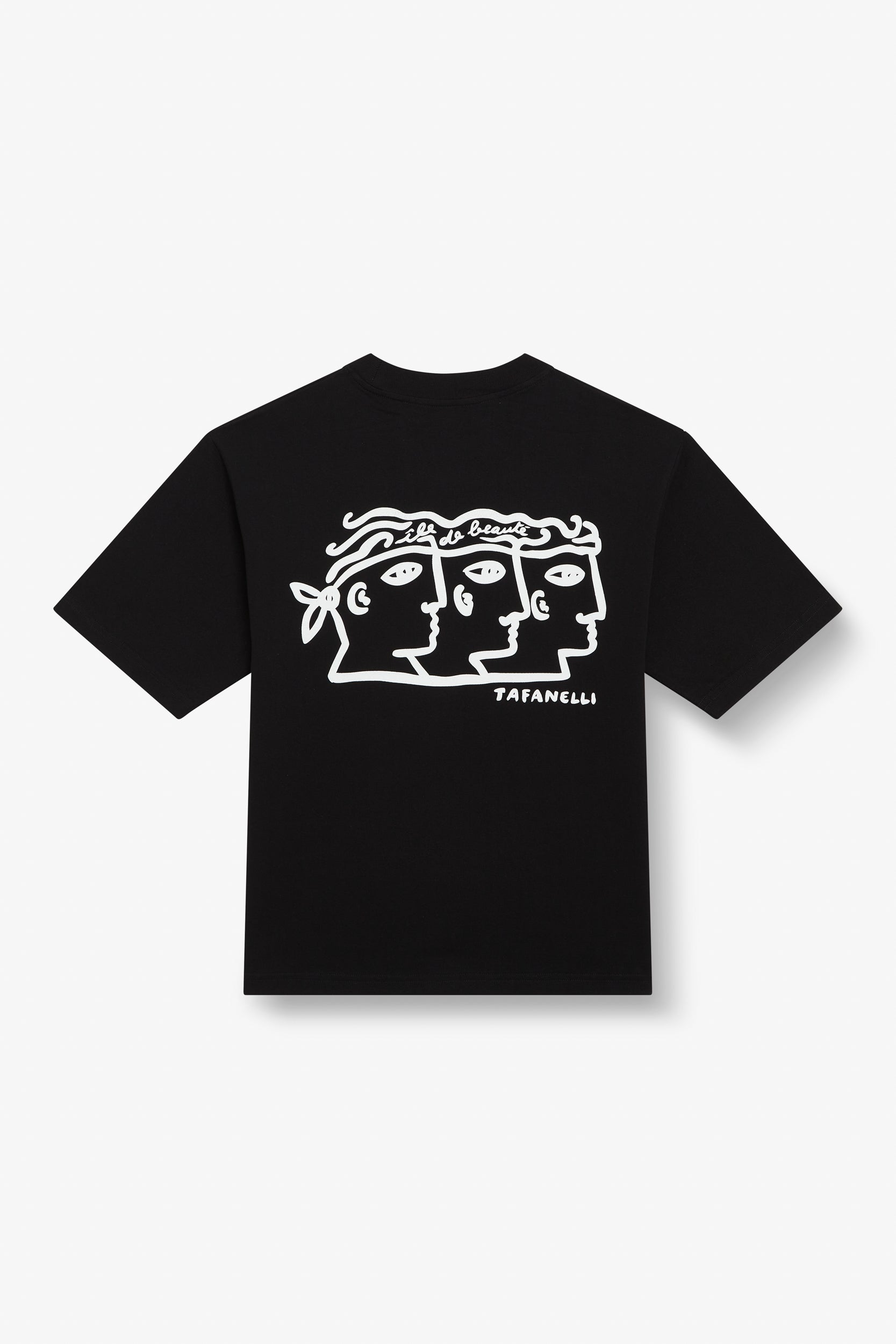
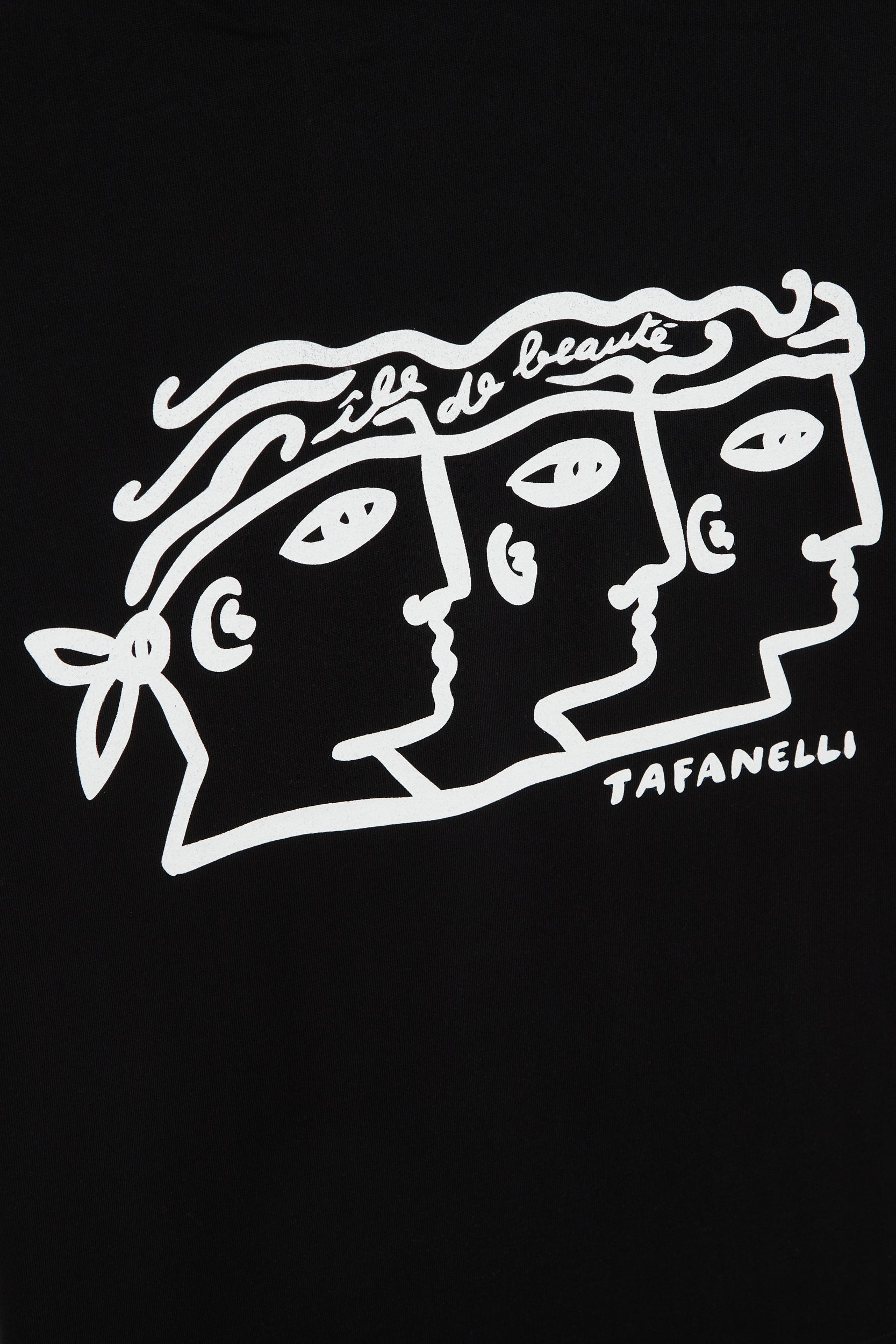
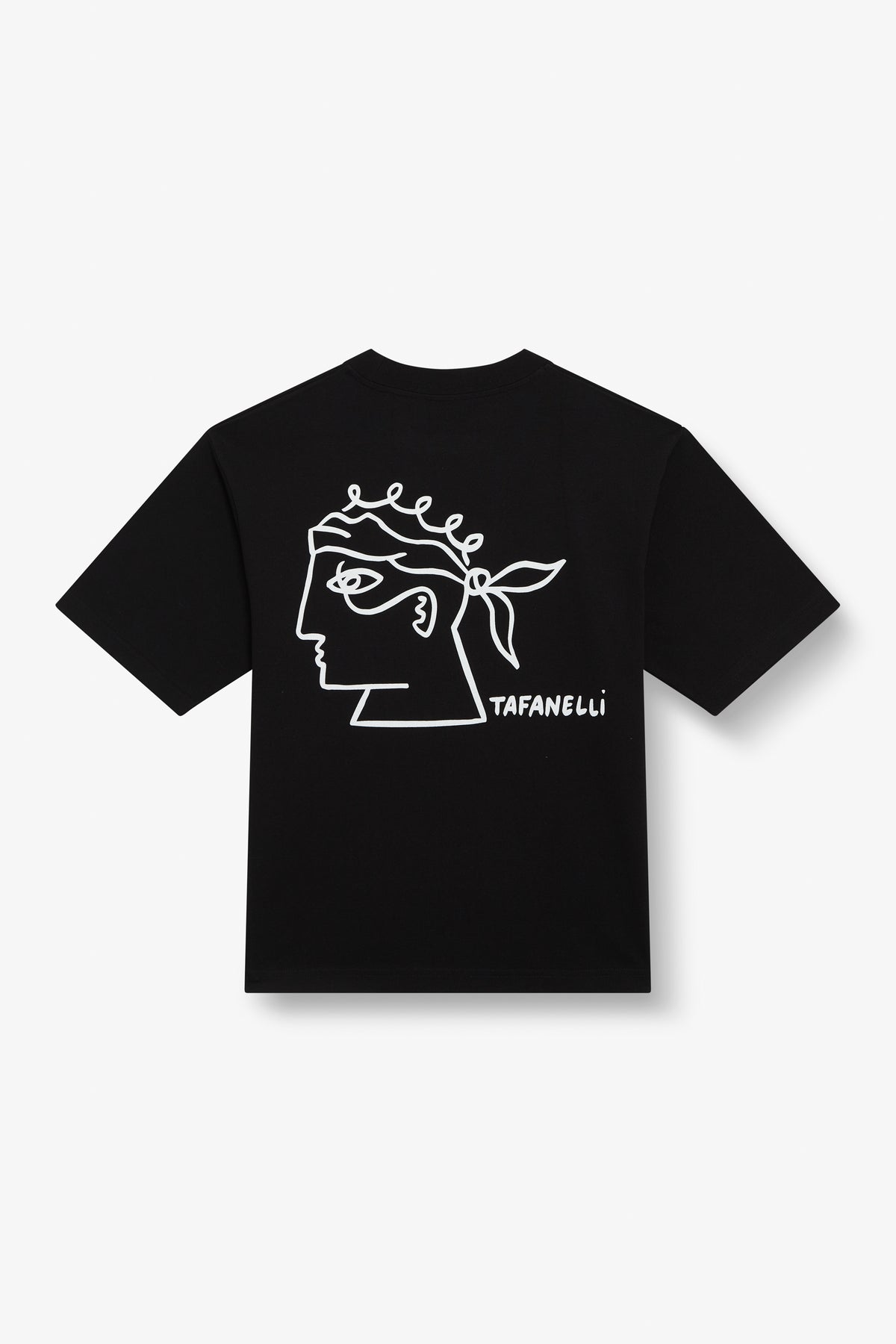
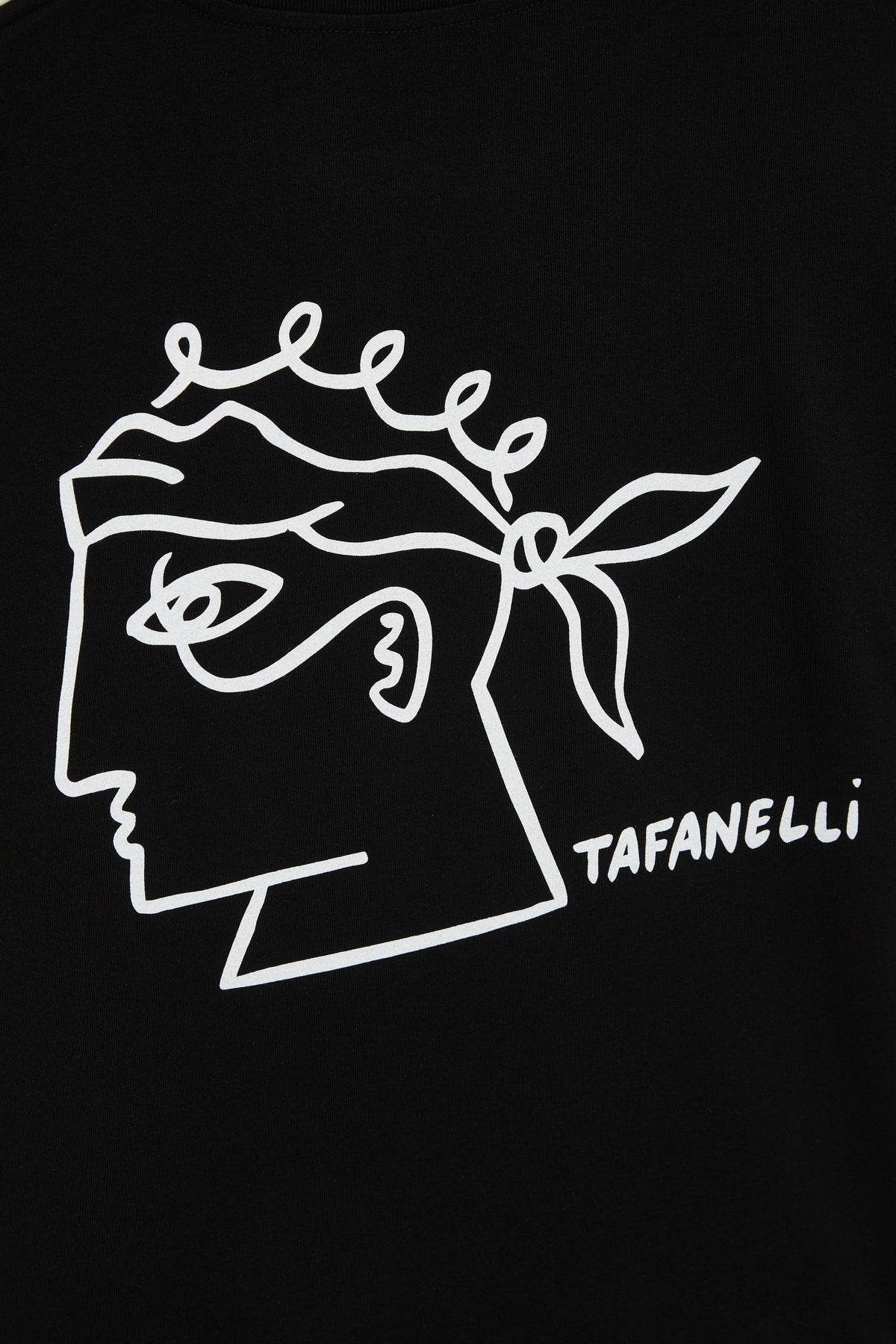
The Alta Rocca and TAFANELLI
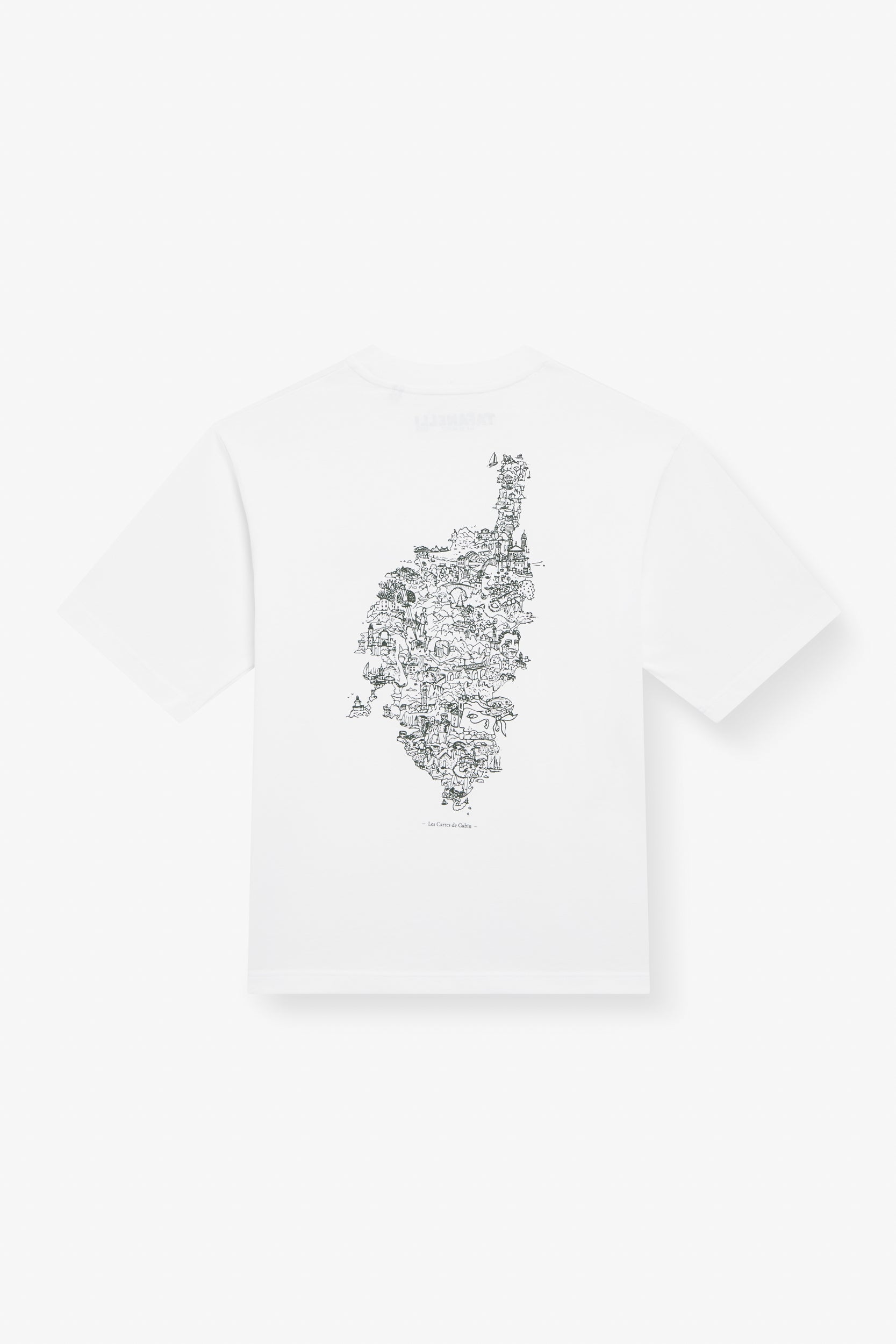
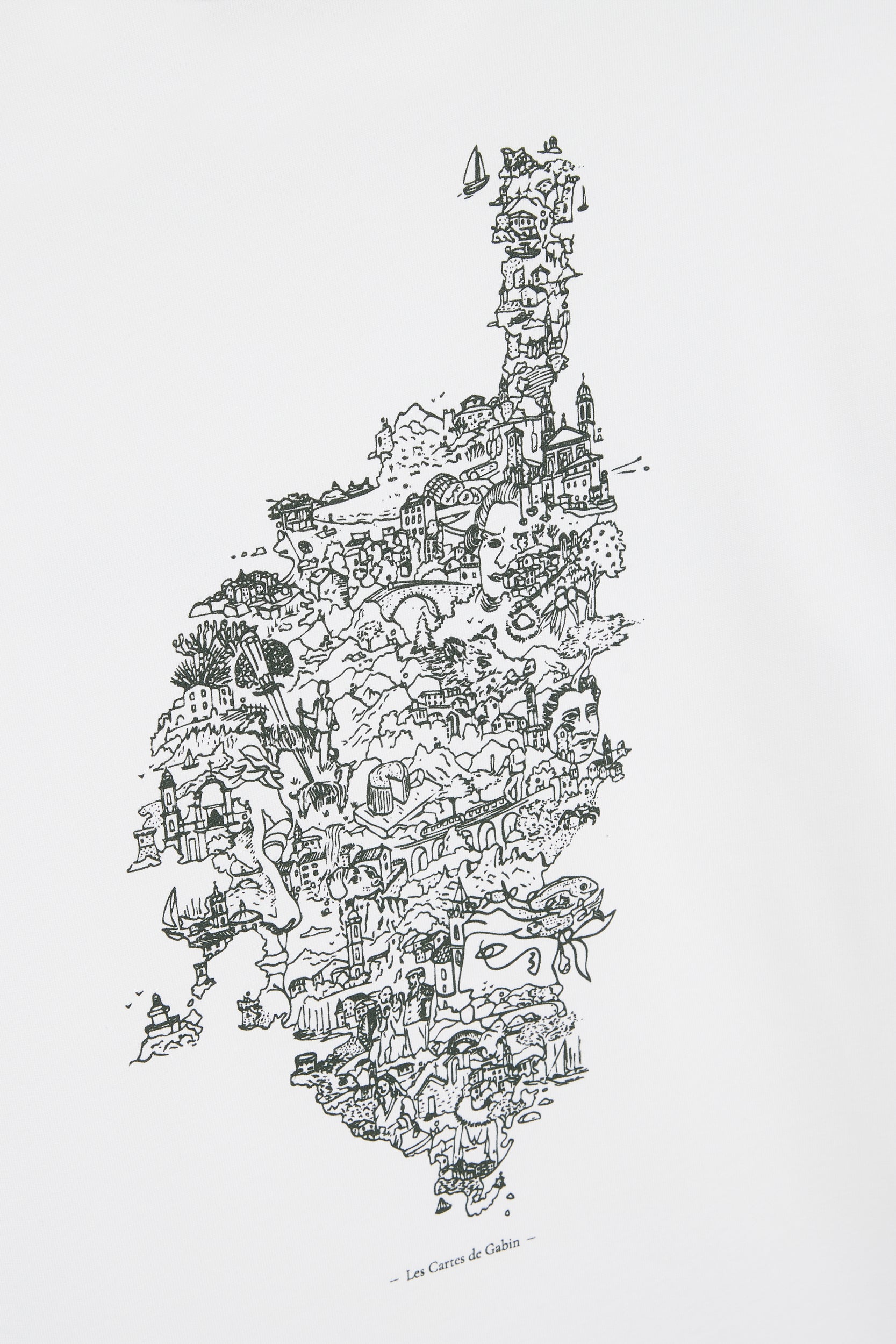
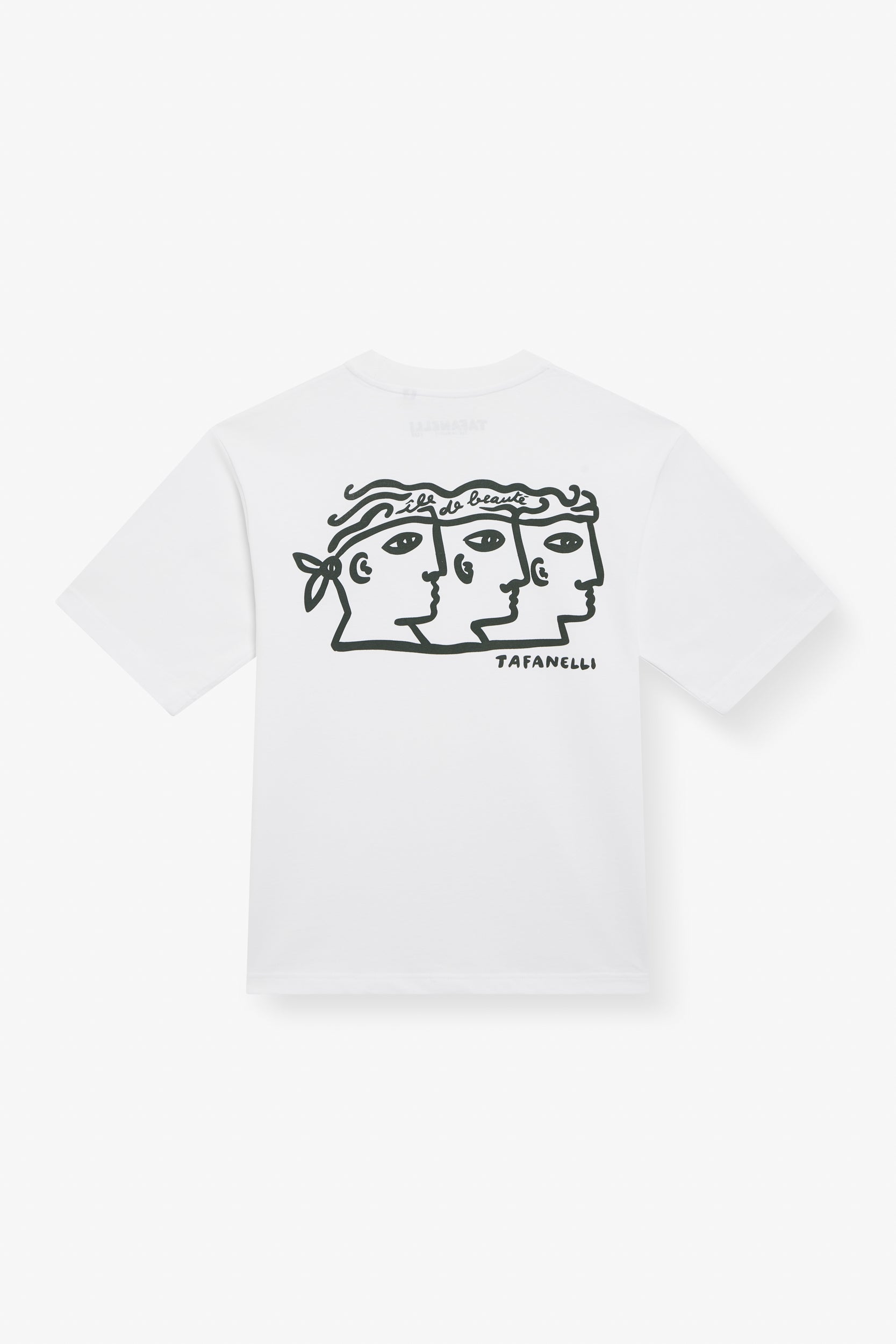
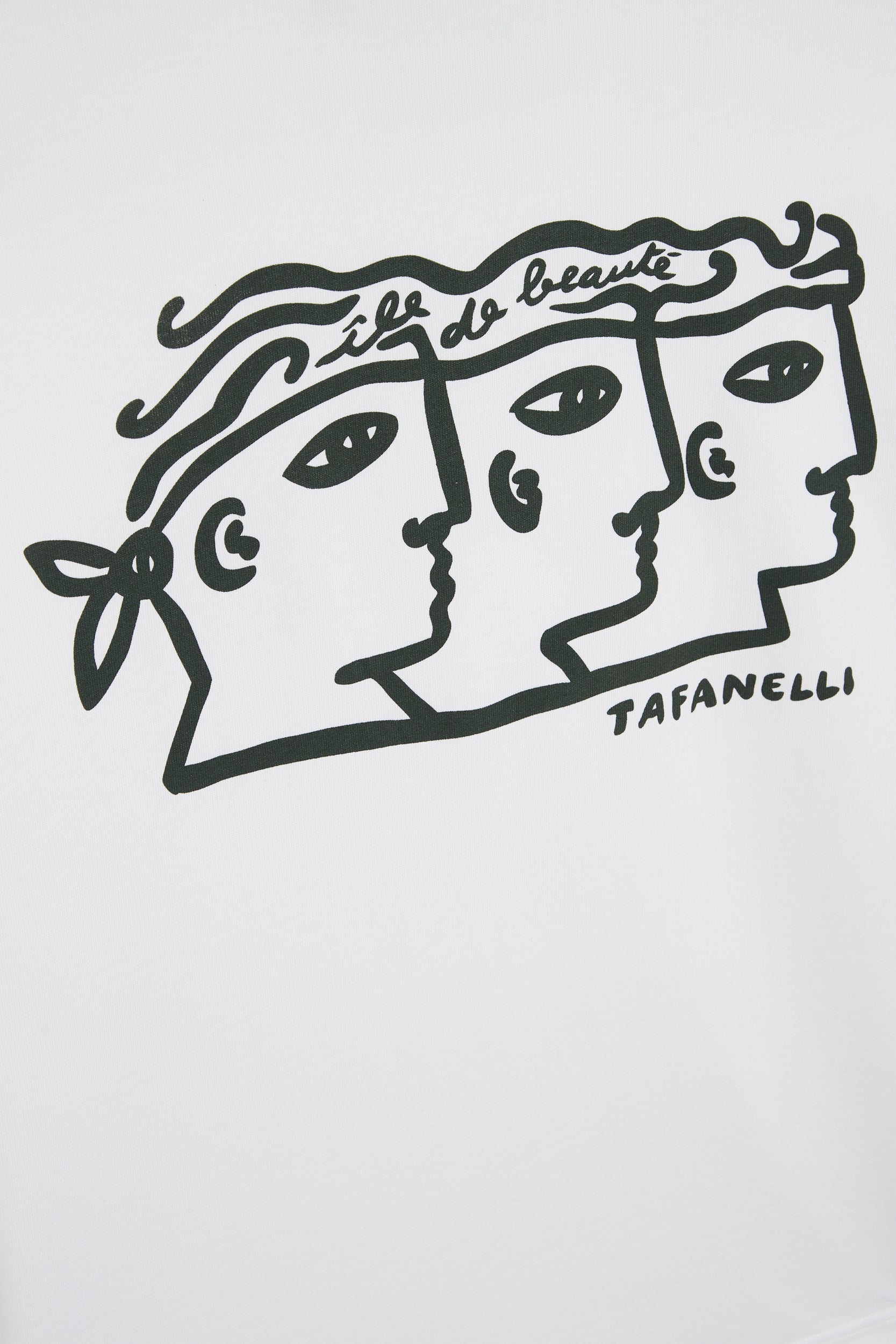
The Alta Rocca is proof that Corsica cannot be reduced to its coast. The granite, the shade of the laricio pines, the villages that have been standing for a thousand years, and the castelli that have held for three thousand: it is this depth that we try to put into our pieces.
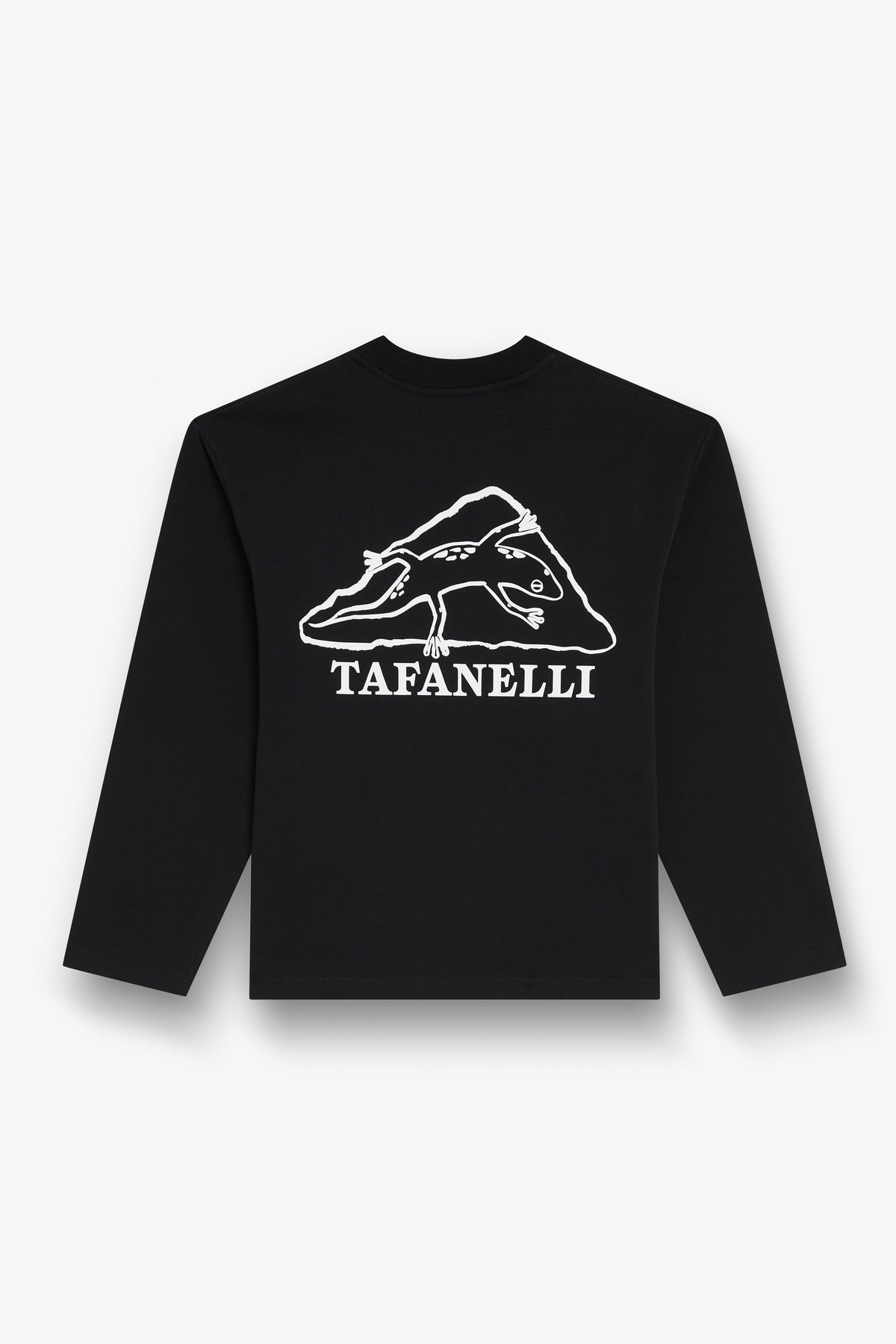
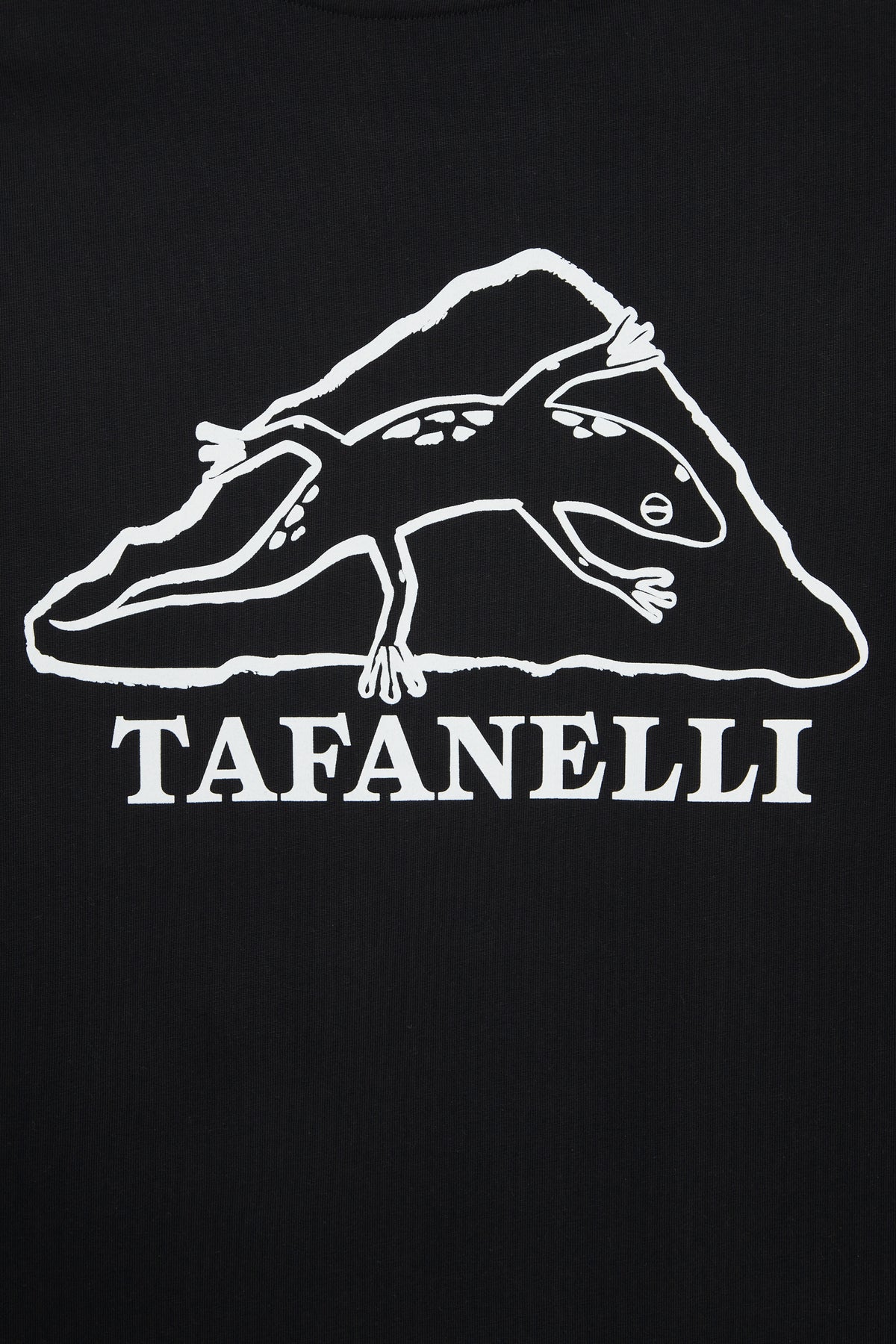
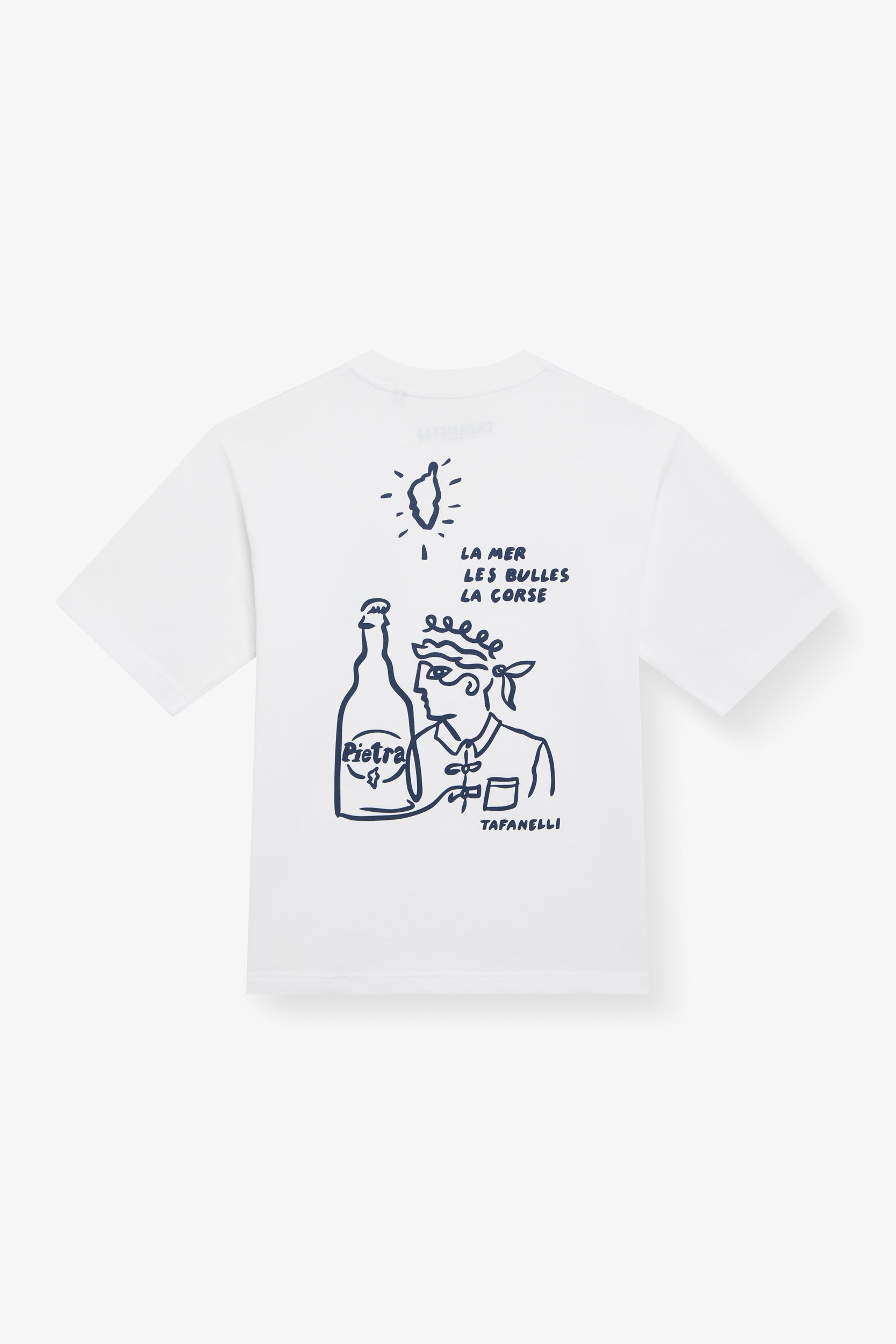
Our t-shirts are made of premium 280g/m² organic cotton, made in France and hand-screenprinted. Built to last, like everything we love here.
The wardrobe for inland Corsica:
- The La Trinità t-shirt: mare, muntagna, machja.
- The "Corsica 1755" t-shirt: island pride.
- The TAFANELLI cap: for the plateau trails.
To continue the exploration of the south:
- Bavella and its Needles
- Sartène, the most Corsican of towns
- Porto-Vecchio, the complete guide
- The Eye of Saint Lucy
- The 10 most beautiful perched villages in Corsica
- TAFANELLI, Corsican brand and Mediterranean wardrobe
When passing through Corsica, the customer becomes a friend.
A DOPU,
TAFA