
What to bring back from Corsica: 15 authentic gift ideas (and how to avoid tacky beachside souvenirs)
Every summer, hundreds of thousands of visitors leave Corsica with a bag full of souvenirs that end up at the back of a cupboard. Printed mugs, whimsical magnets, "I love Corsica" t-shirts, refrigerator magnets with a blurry Moor’s Head. Corsica deserves infinitely better. The island is home to one of the richest artisanal and gastronomic ecosystems in France, featuring AOP-certified products, centuries-old expertise, contemporary creators, and premium brands that do honor to the territory. Here are fifteen authentic gift ideas to bring back this summer, categorized by type, with their quality criteria, recommended addresses, and traps to avoid.
Before you buy: the three golden rules
Three simple principles to ensure you never go wrong with a Corsican souvenir.
1. Favor direct local producers
Rather than tourist shops, go and find your products directly from the producers: at wineries, high-altitude sheepfolds, and artisan workshops. You pay the same price (often less), you get an infinitely better product, and you directly support the Corsican economy rather than commercial intermediaries.
2. Look for Protected Designations of Origin (AOP/AOC)
Corsica has numerous AOPs (charcuterie, brocciu, honey) and AOCs (wines, olive oils). These labels guarantee origin, quality, and adherence to strict specifications. Always check for these labels on the packaging before purchasing.
3. Refuse "Made in Nowhere" products
Too many products sold as Corsican are actually manufactured abroad (China, mainland Italy, North Africa) and simply labeled as a "Corsican souvenir" or "Corsican theme." Mugs, caps, magnets, tourist t-shirts, trinkets: the majority of these products have no connection to the island. Always check for the "made in Corsica" or "made in France" label for premium items.
Gastronomy: the eight must-haves
1. Corsican AOP Charcuterie
Lonzu, Coppa, Prizuttu, Figatellu: the island’s four iconic cured meats, all benefiting from an AOP that guarantees the pork is raised semi-free range on a diet of acorns and chestnuts. To bring back, prioritize vacuum-sealed versions purchased directly from the producers (Bocognano, Aullène, Levie, or local markets). Expect to pay between 30 and 60 euros for a nice piece. Keeps for up to 6 months in the refrigerator.
2. Corsican cheeses
Brocciu AOP (seasonal from November to June), Corsican Tomme, or specific cheeses (U Bel Fiuritu, U Niulincu, U Sartinesu). Have them vacuum-sealed for the journey home. Buy from direct producers in inland villages or at markets (Corte, Bastia, Calenzana). Expect to pay between 15 and 35 euros for a quality cheese.
3. A bottle of Corsican wine from a visited vineyard
Corsica has nine distinct AOCs (Patrimonio, Calvi, Sartène, Ajaccio, Figari, Porto-Vecchio, Coteaux du Cap Corse, Muscat du Cap Corse, Vin de Corse). Ideally, buy directly from a winemaker you met during your trip: Domaine Antoine Arena, Domaine Vico, Domaine Comte Abbatucci, Domaine Sant Armettu, Domaine Maestracci. Expect to pay between 15 and 40 euros per bottle.
4. Balagne olive oil
The AOC "Huile d'olive de Corse - Oliu di Corsica" is one of the island's most precious products. Derived from olive groves that are often centuries old, it is distinguished by an incomparable fruity softness. The Balagne estates (Domaine de Marquiliani, Moulin de Balagne) are benchmark producers. Expect to pay between 25 and 50 euros for a 500ml bottle of superior quality.
5. Corsican AOP Honey
Corsican honey benefits from the "Mele di Corsica" AOP. There are several varieties depending on the flowering season: spring maquis honey, chestnut honey, chestnut honeydew honey, and strawberry tree honey. Each has a distinct aromatic profile. Buy from direct beekeepers (notably the farmhouse inns of Castagniccia). Expect to pay between 10 and 25 euros for a 500-gram jar.
6. A Corsican liqueur or brandy
Several Corsican spirits are worth bringing back: myrtle brandy (a delicate digestif), Cap Corse Mattei (an iconic bitter aperitif), chestnut liqueur, and citron brandy. Buy at distilleries or specialized merchants. Expect to pay between 20 and 45 euros per bottle.
7. Jams and fruit pastes
Fig, chestnut, citron, strawberry tree, and clementine jams. Chestnut or citron fruit pastes. There are several excellent artisanal producers on the island (Confitures de Bastia, Confitures Saveurs Corses). Expect to pay between 7 and 15 euros per jar.
8. Canistrelli and artisanal biscuits
Canistrelli with almonds, anise, lemon, white wine, or chocolate. Biscotti corsi, ciacelli, frappes. Perfect for accompanying a coffee or as an add-on to another gift. Choose artisanal versions (Biscuiterie Notre-Dame, Saveurs Corses, or small village producers). Expect to pay between 8 and 18 euros per box.
Craftsmanship and expertise (9 to 12)
9. A Corsican knife
The traditional Corsican knife (Vendetta, Sperone, Pialincu, Aiglu) is an iconic artisanal object, made by a few art cutlers still working on the island. Stainless steel or Damascus blade, handle made of horn, precious wood, or stone. Buy directly from a cutler (Coutellerie Soriba in Calvi, or the artisans of Sartène). Expect to pay between 80 and 350 euros depending on the piece, sometimes much more for collector's items.
10. Corsican cosmetics and skincare
Myrtle oil, orange blossom floral water, soaps made with Corsican olive oil, skincare products based on immortelle (the endemic plant of the maquis that produces Helichrysum italicum essential oil): Corsica is home to a genuine artisanal cosmetics industry. Several benchmark brands: Casanera, Nucca, Tarra di Casa. Expect to pay between 15 and 60 euros per product.
11. Corsican jewelry
Moor's Head, eight-pointed stars, religious crosses, carnation motifs. Several contemporary Corsican jewelers reinterpret heritage codes with a modern approach. Silver, gold, sometimes Mediterranean red coral. Recommended addresses: jewelers on Rue Cardinale in Ajaccio, Place du Marché in Calvi. Expect to pay between 80 and 600 euros depending on the piece.
12. Pigna ceramics or Corsican pottery
The village of Pigna, in Balagne, is home to a community of ceramic artisans whose pieces are among the most beautiful in the Mediterranean. Vases, dishes, tableware, lamps, sculptures. Several studios are open to the public. Expect to pay between 25 and 200 euros per piece. More broadly, there are several traditional potteries in the inland villages.
Clothing and accessories (13 to 14)
13. A premium Corsican t-shirt from a contemporary brand
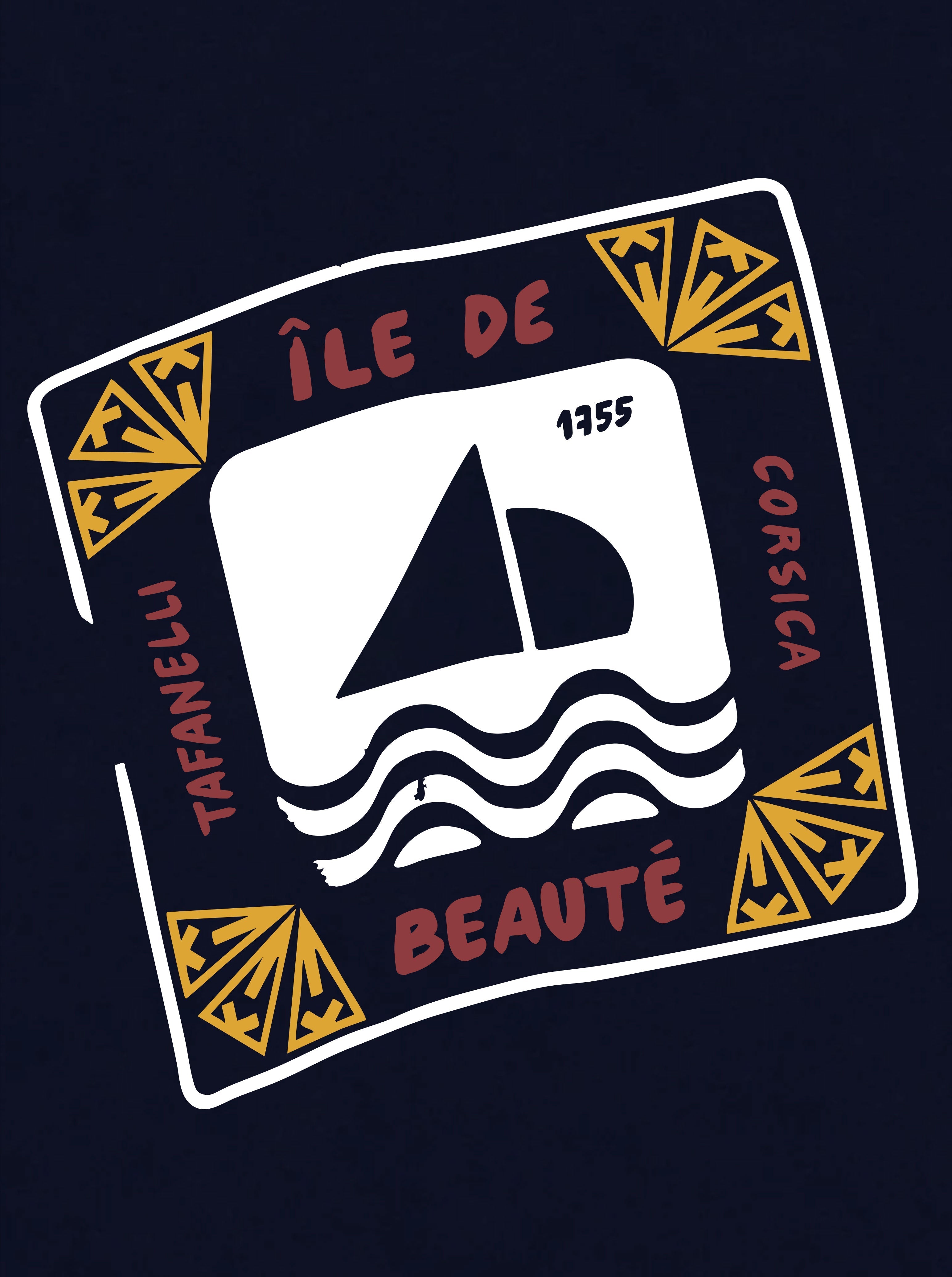
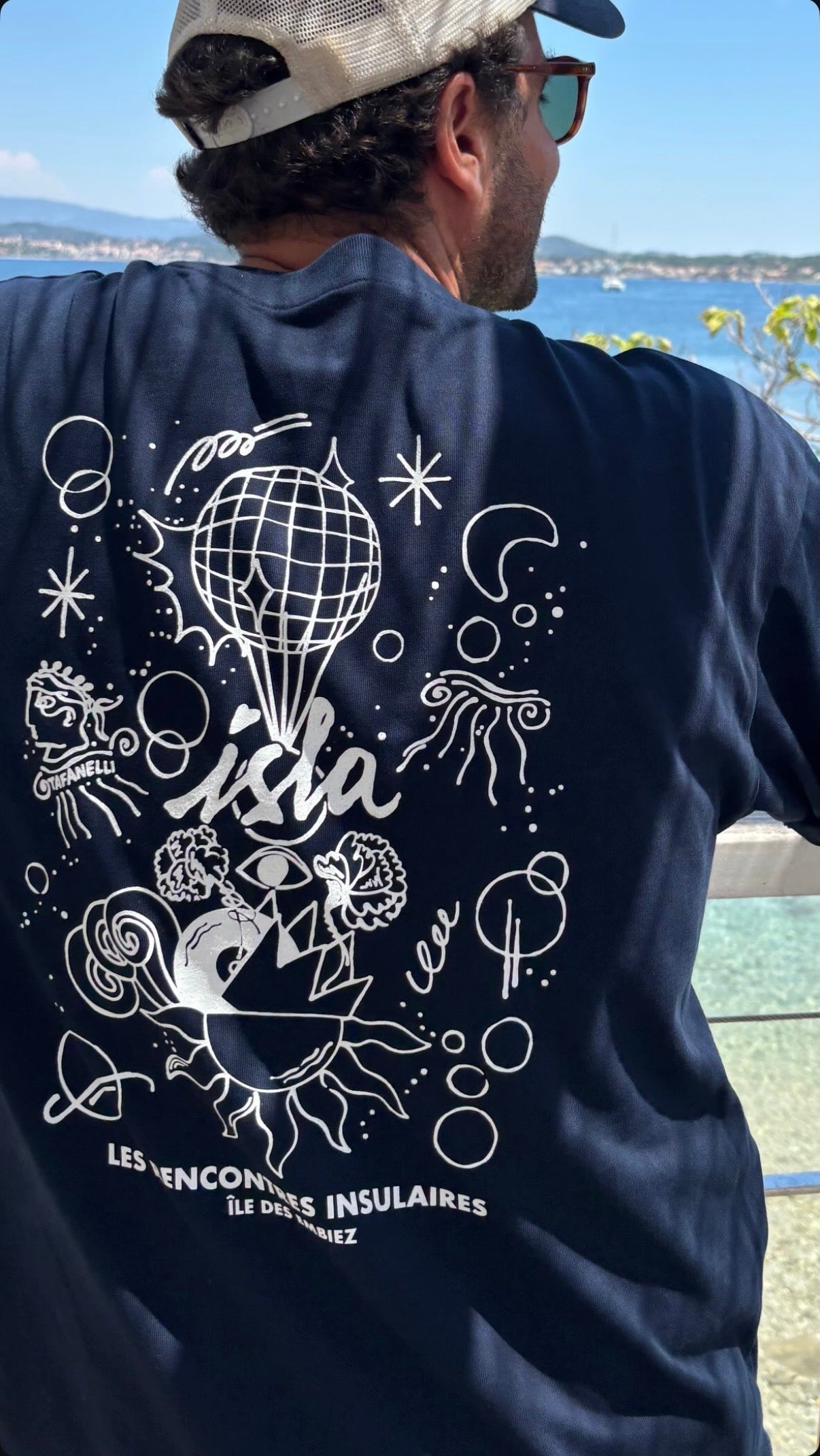
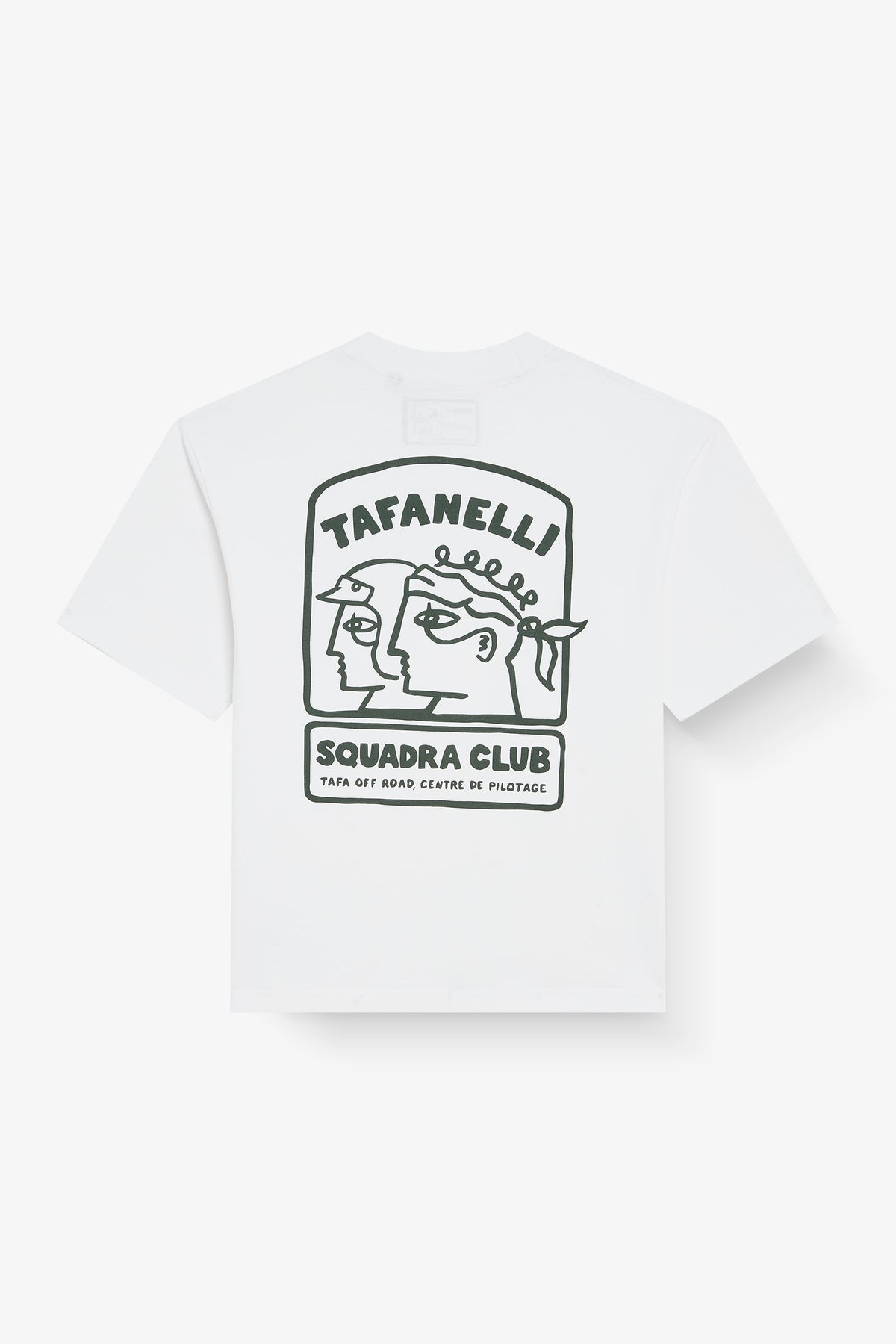
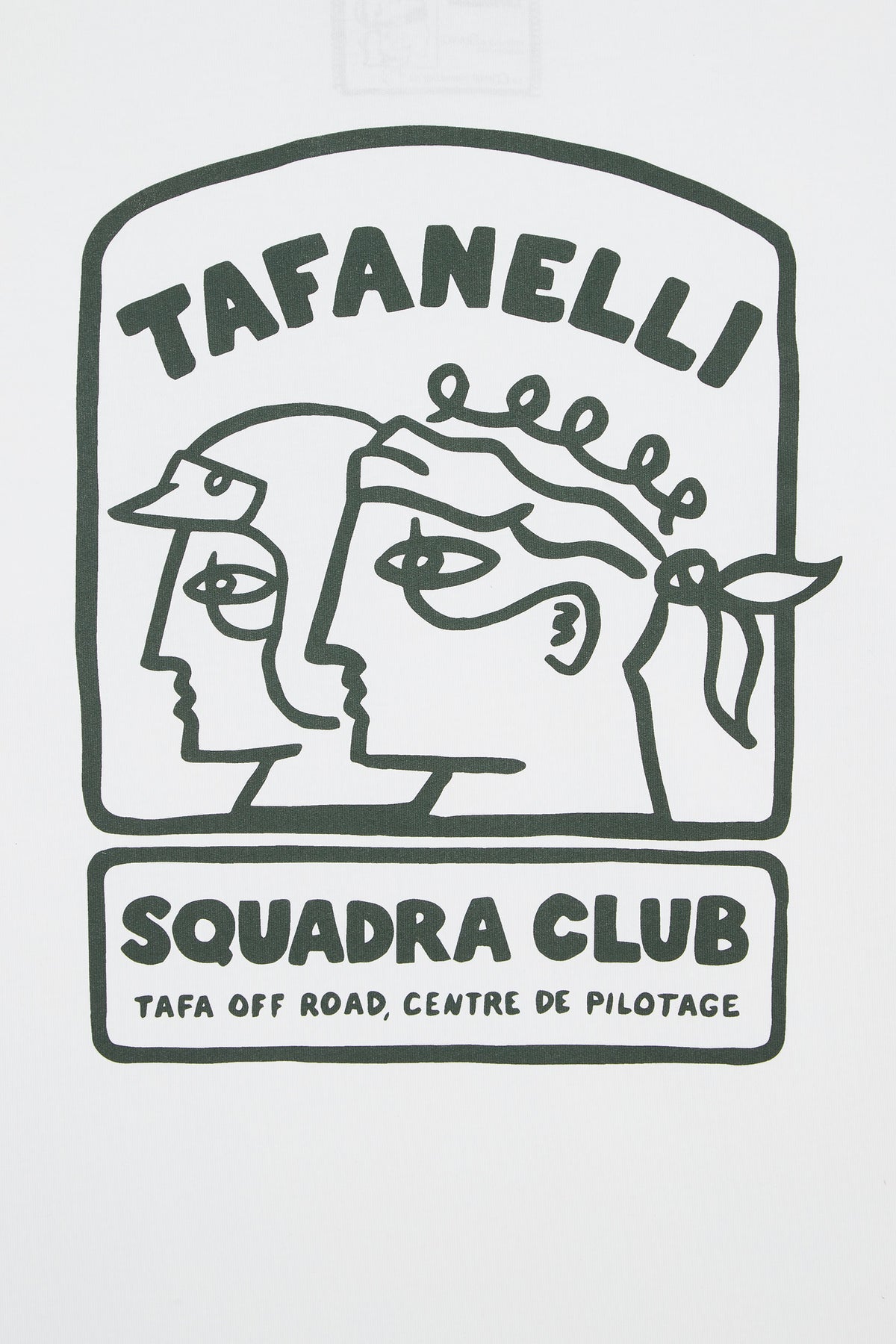
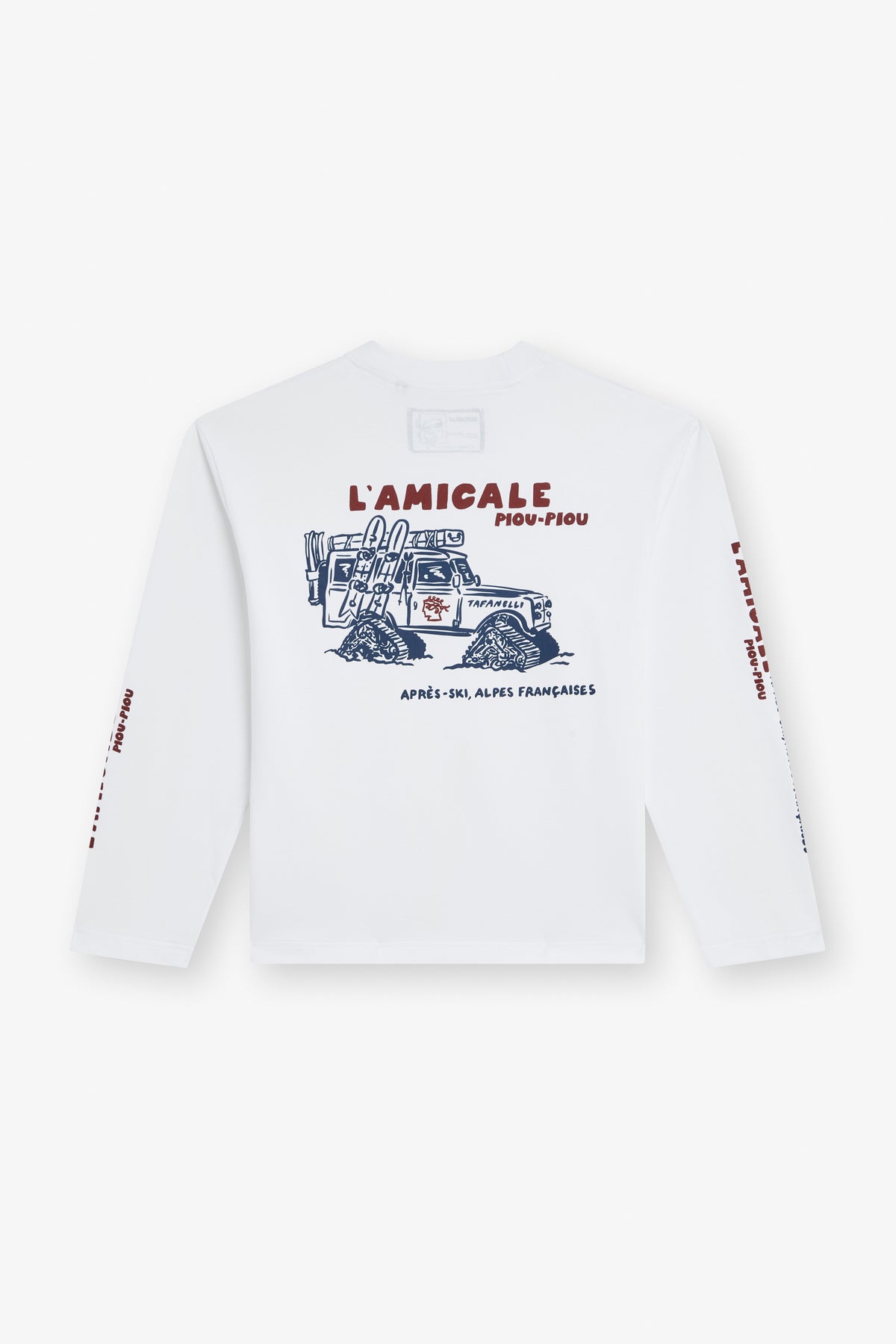
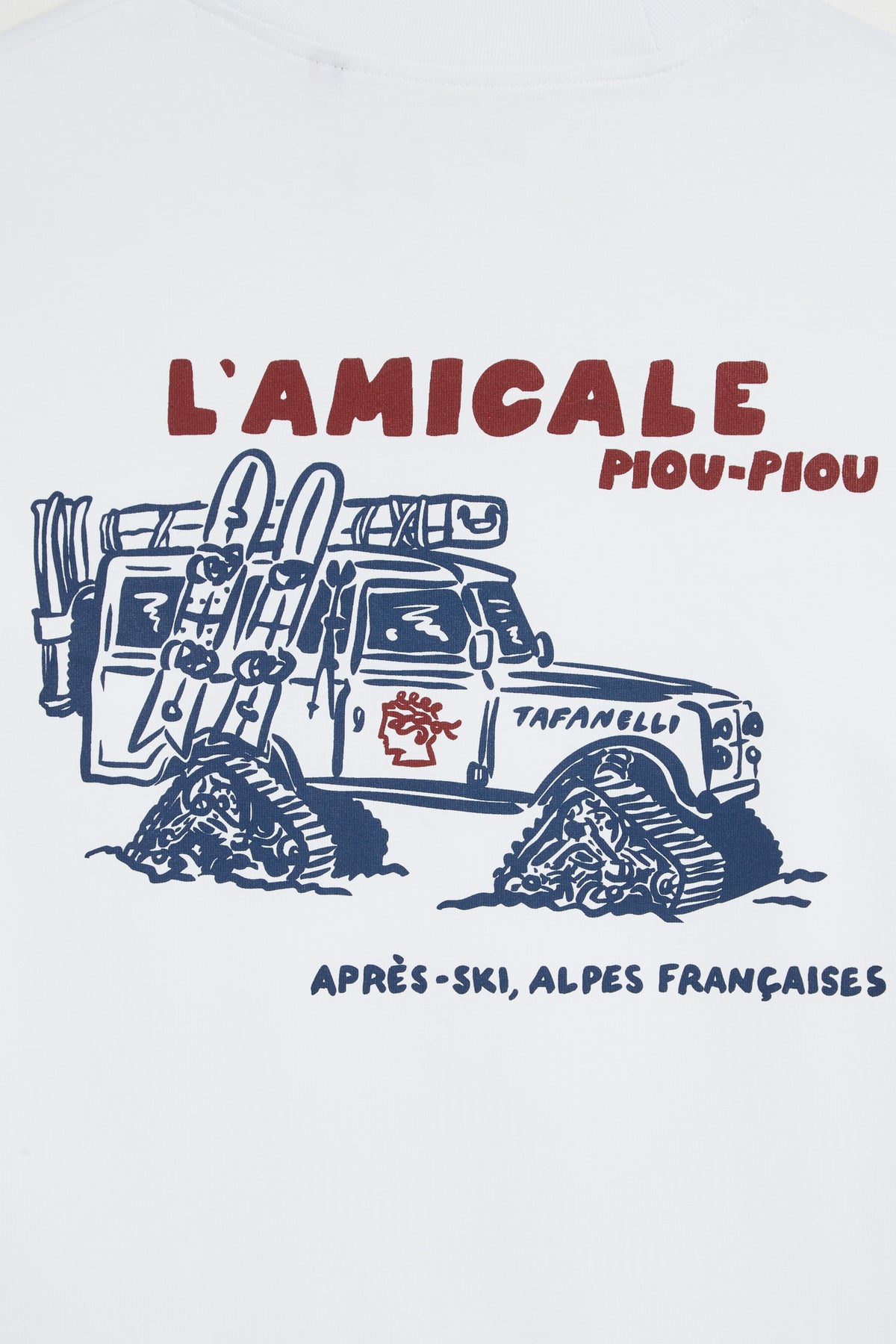
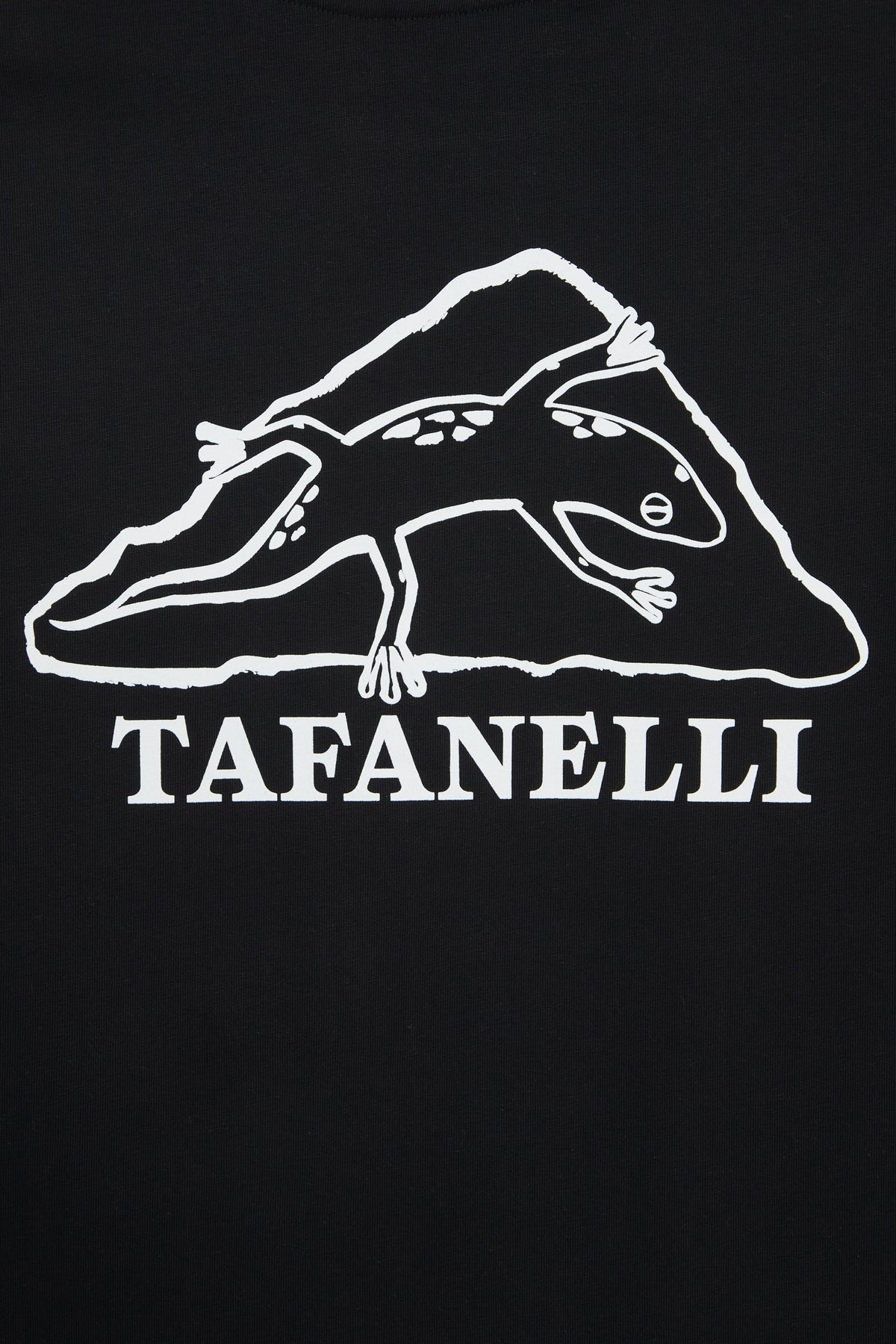
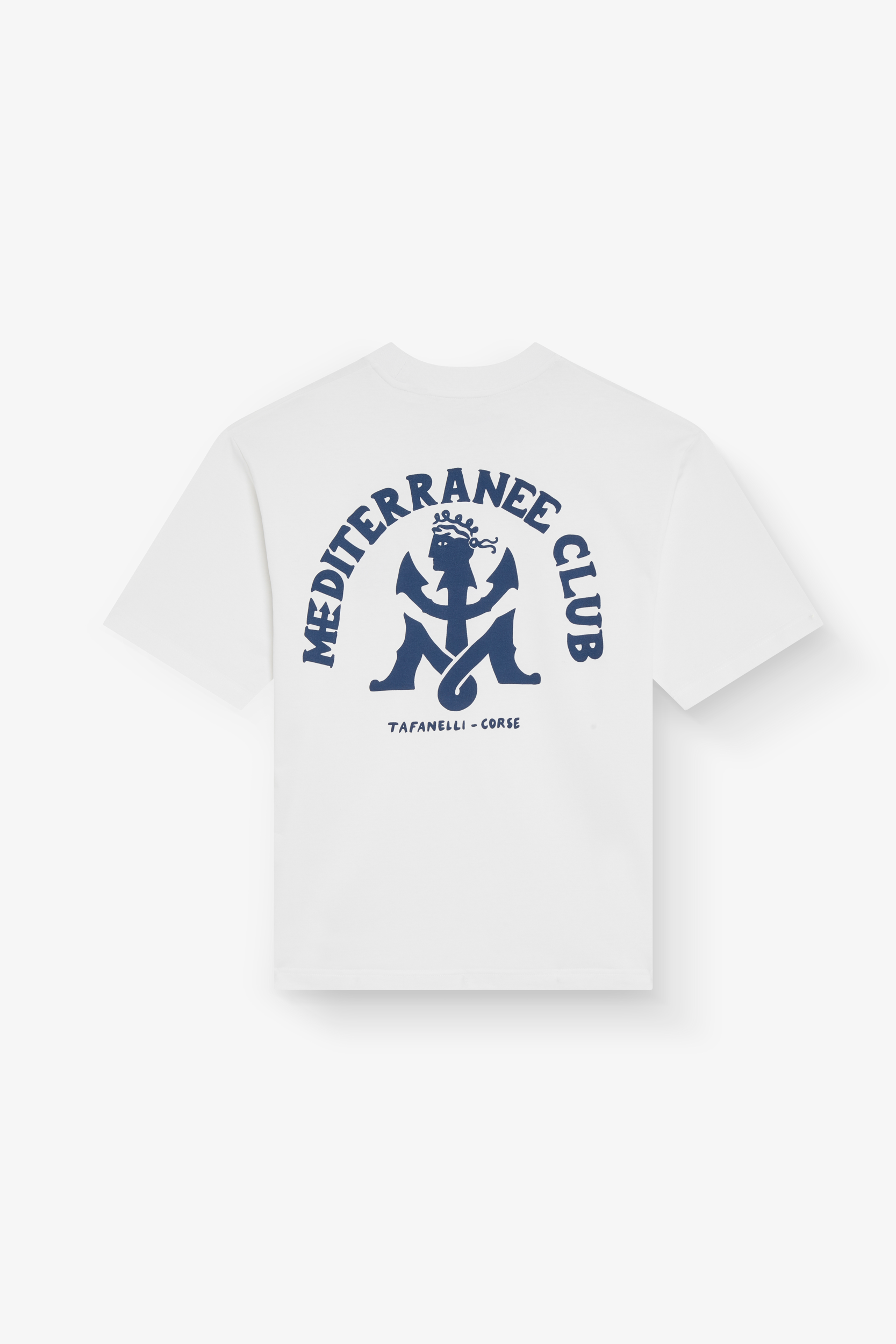
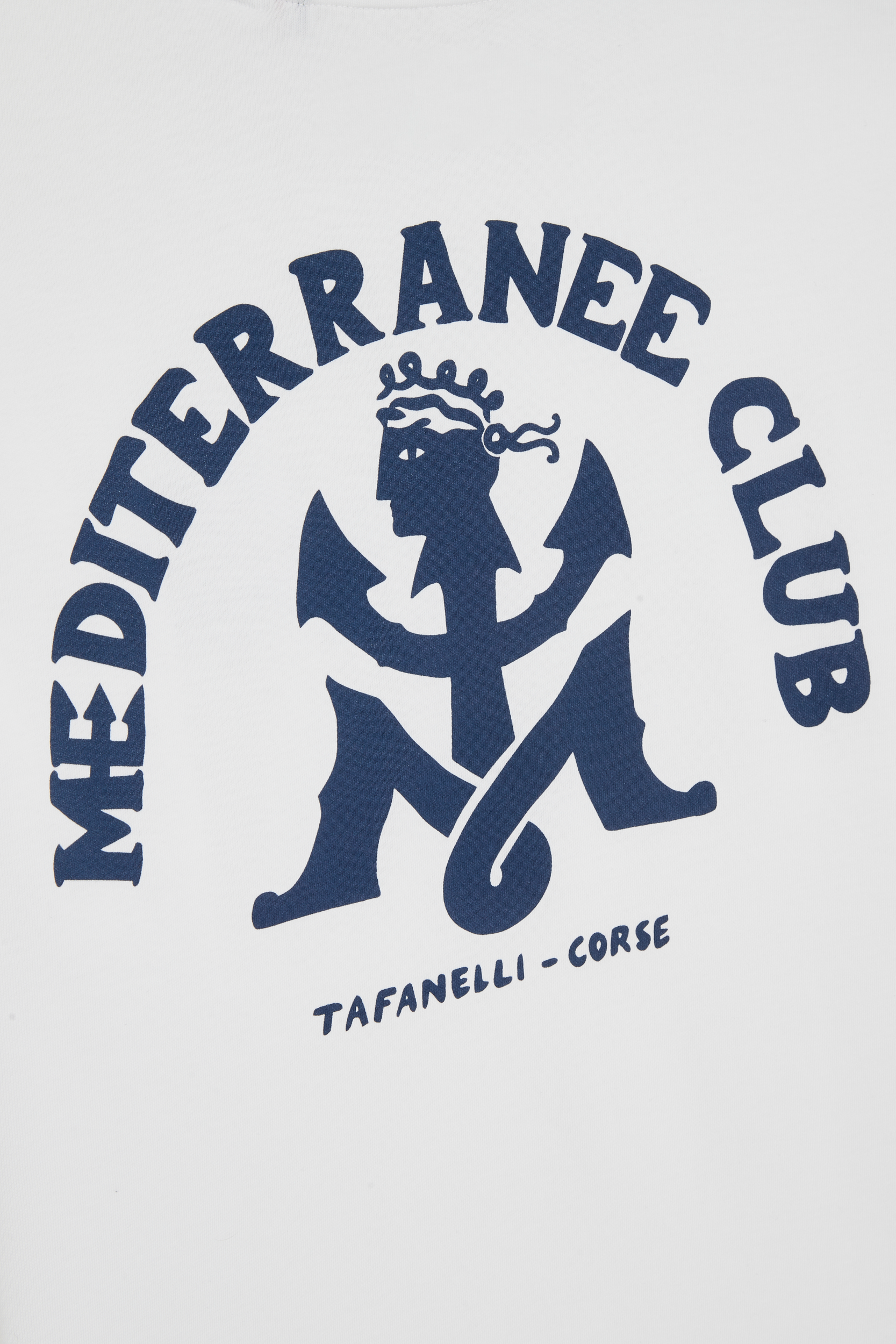
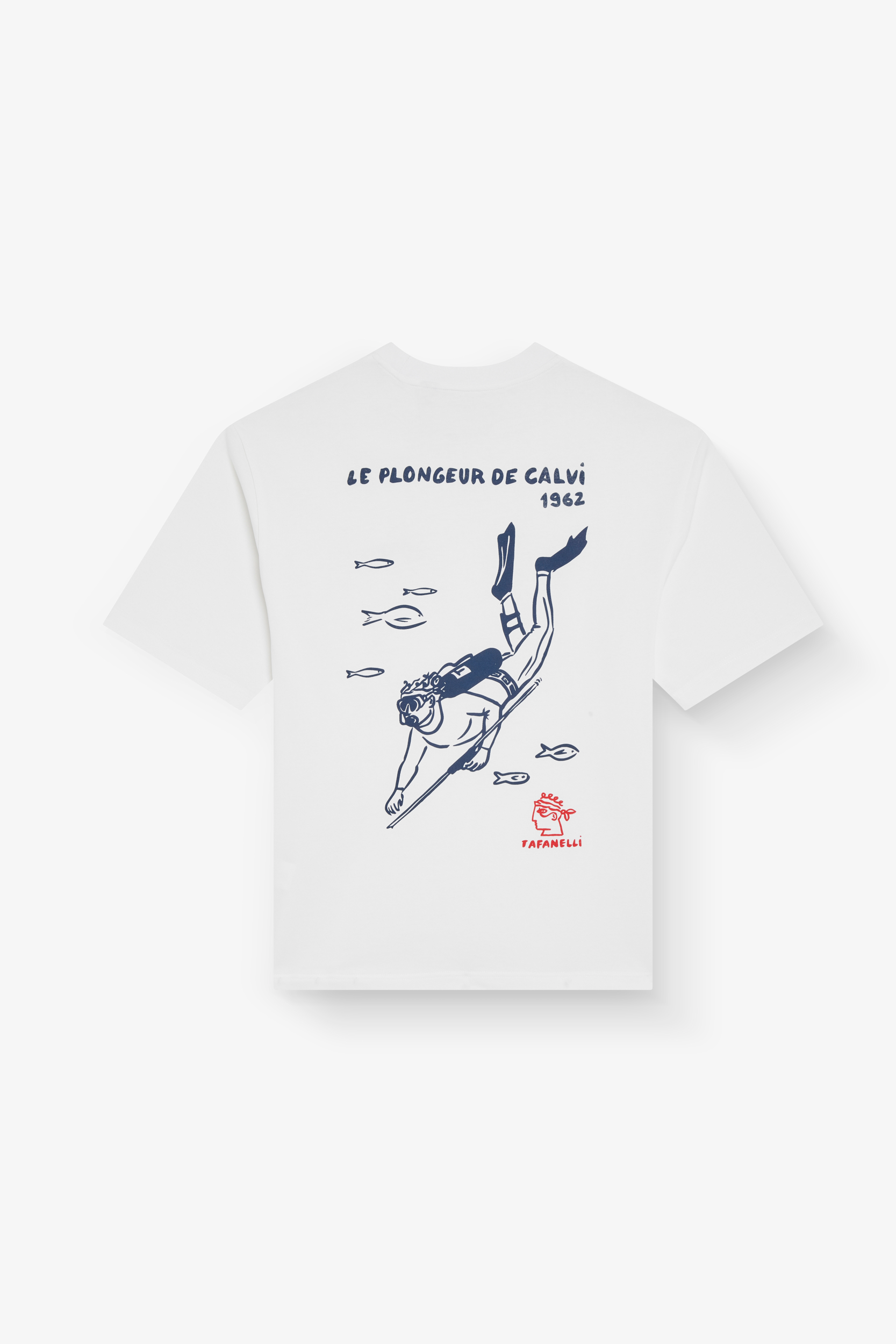
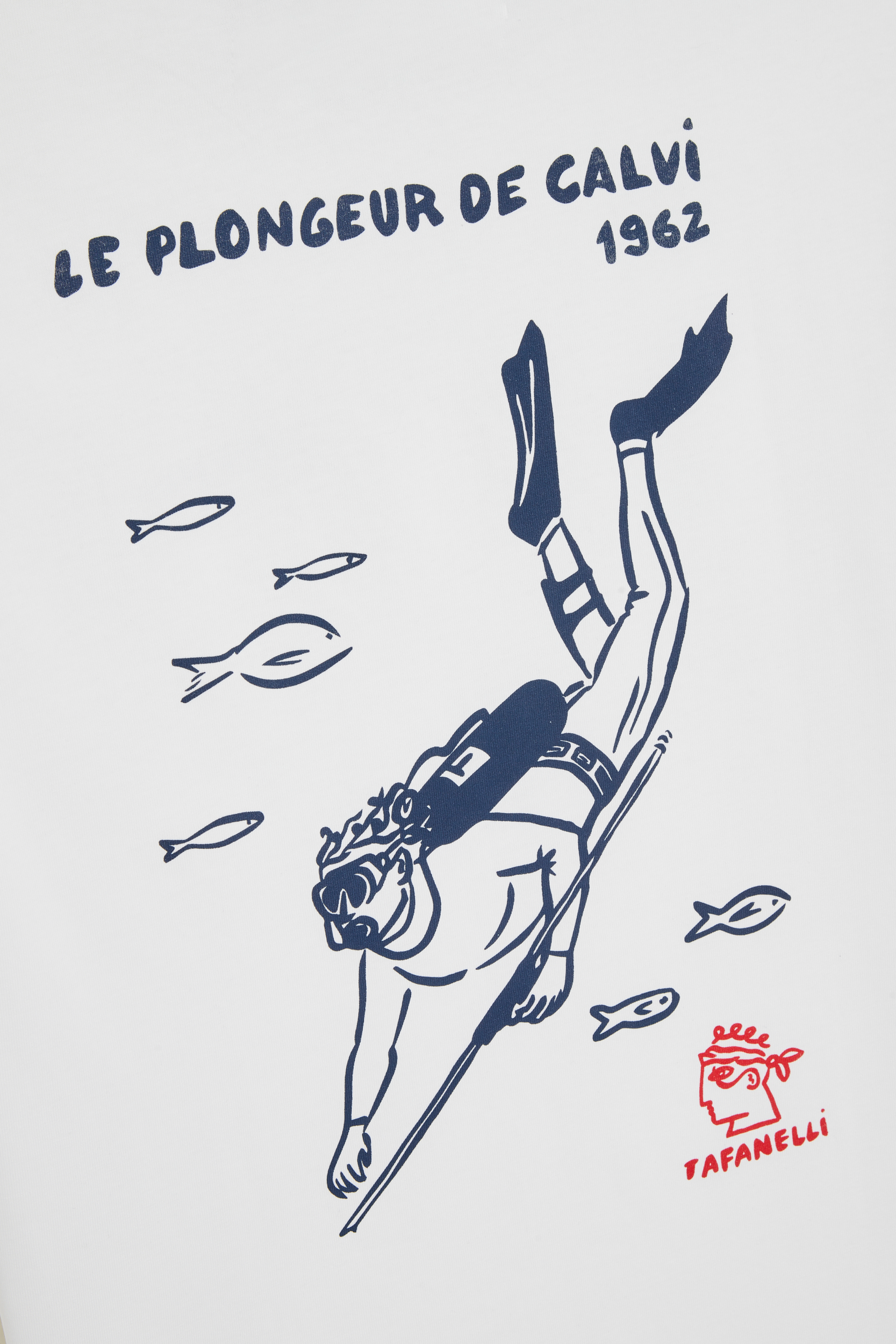
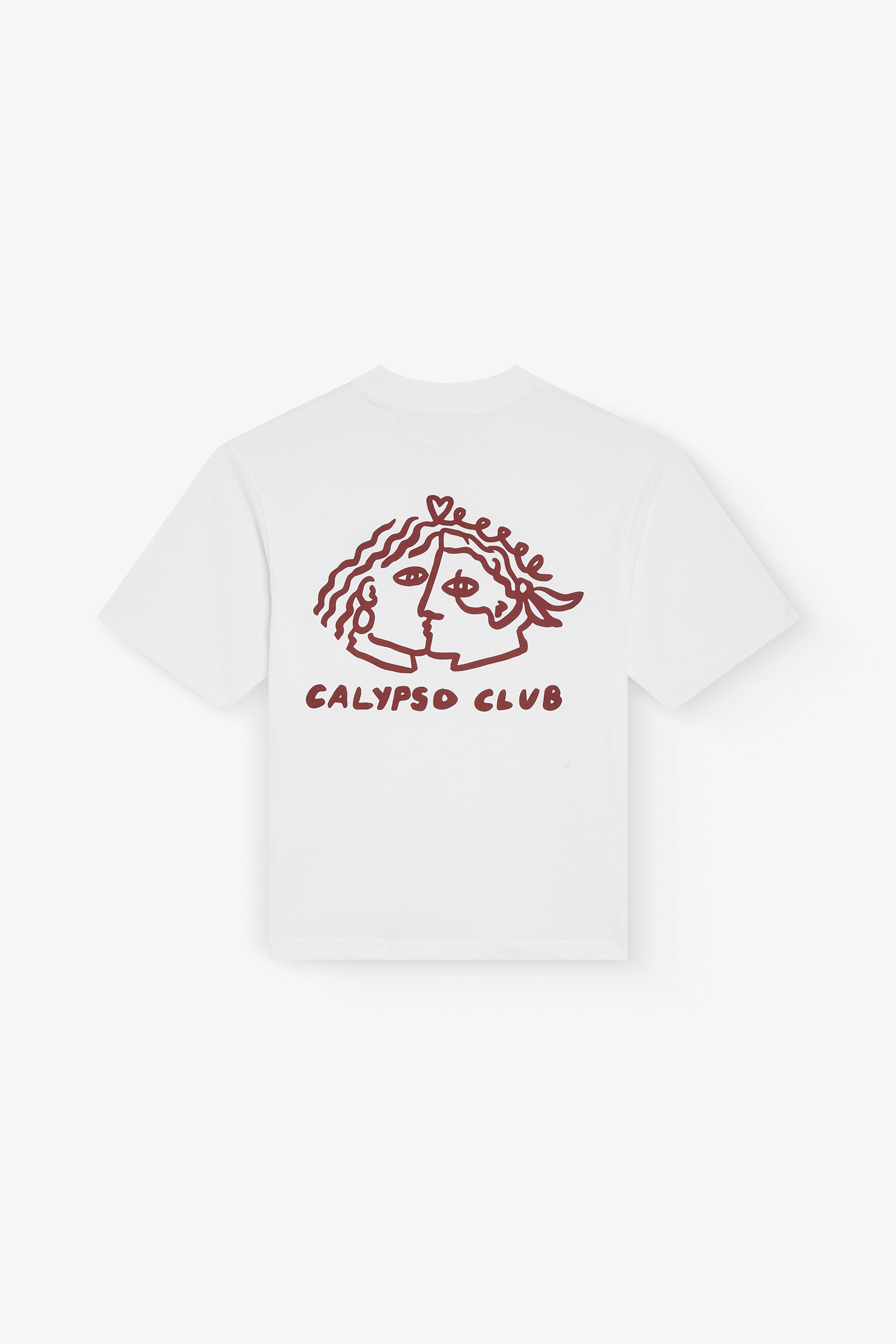
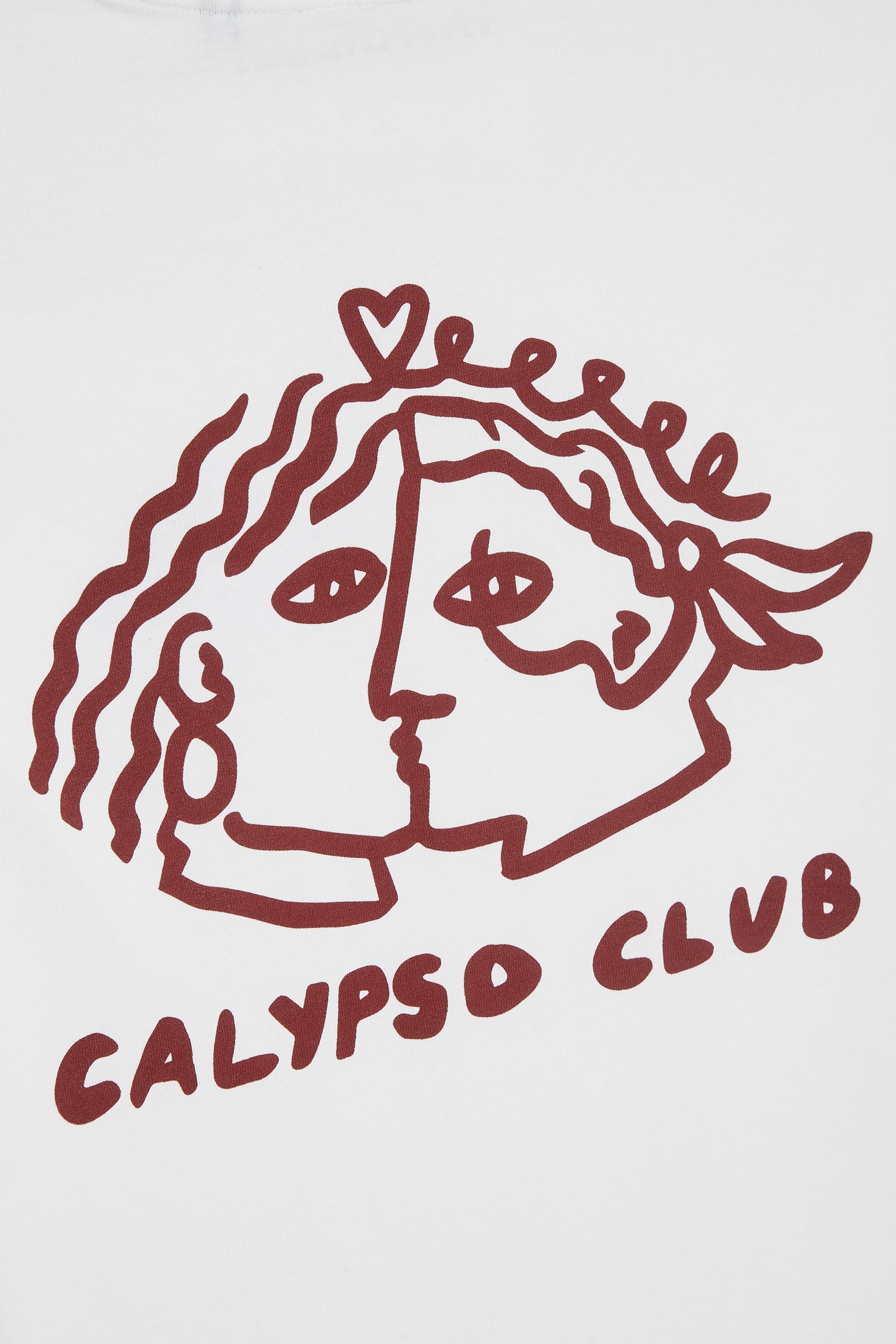
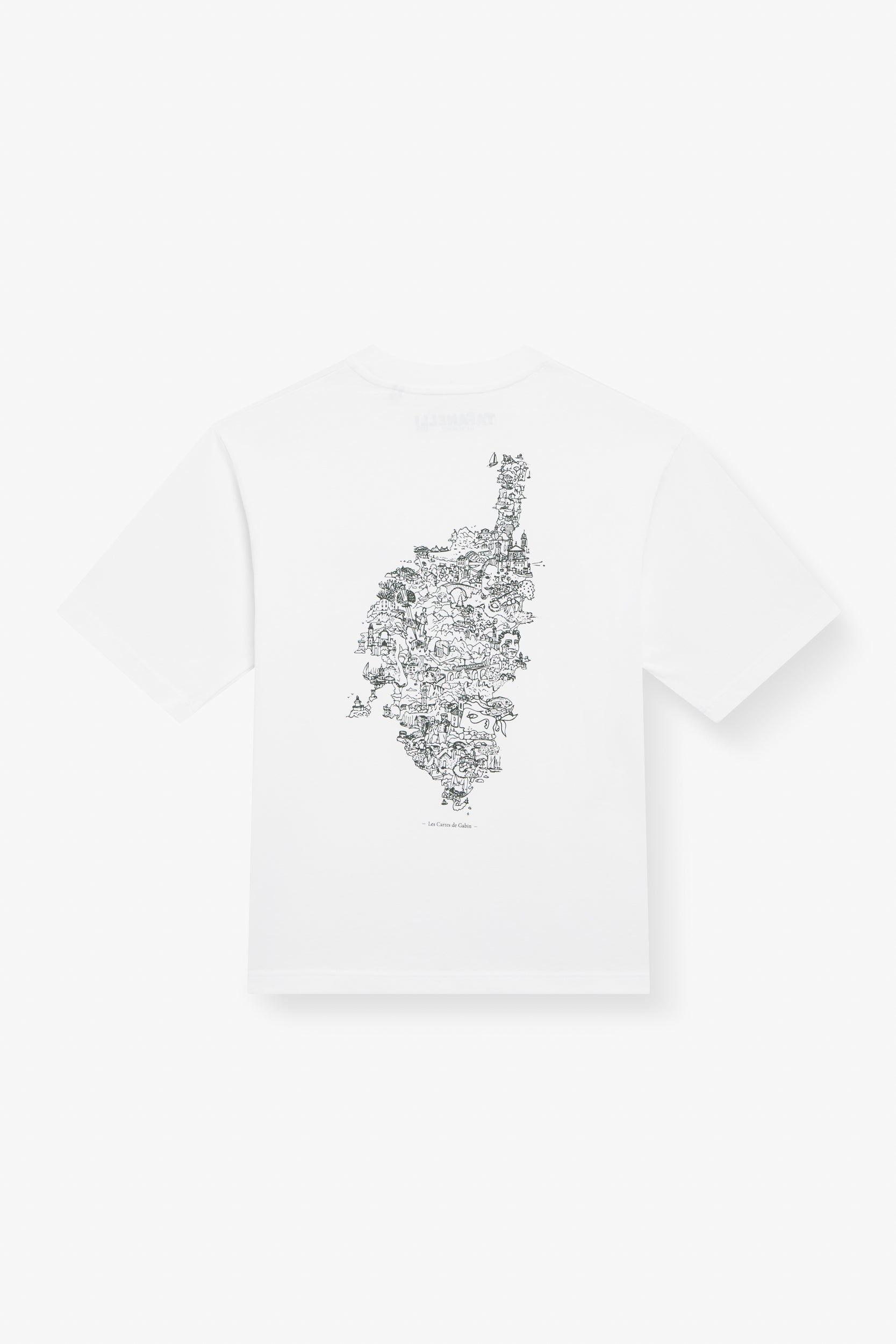
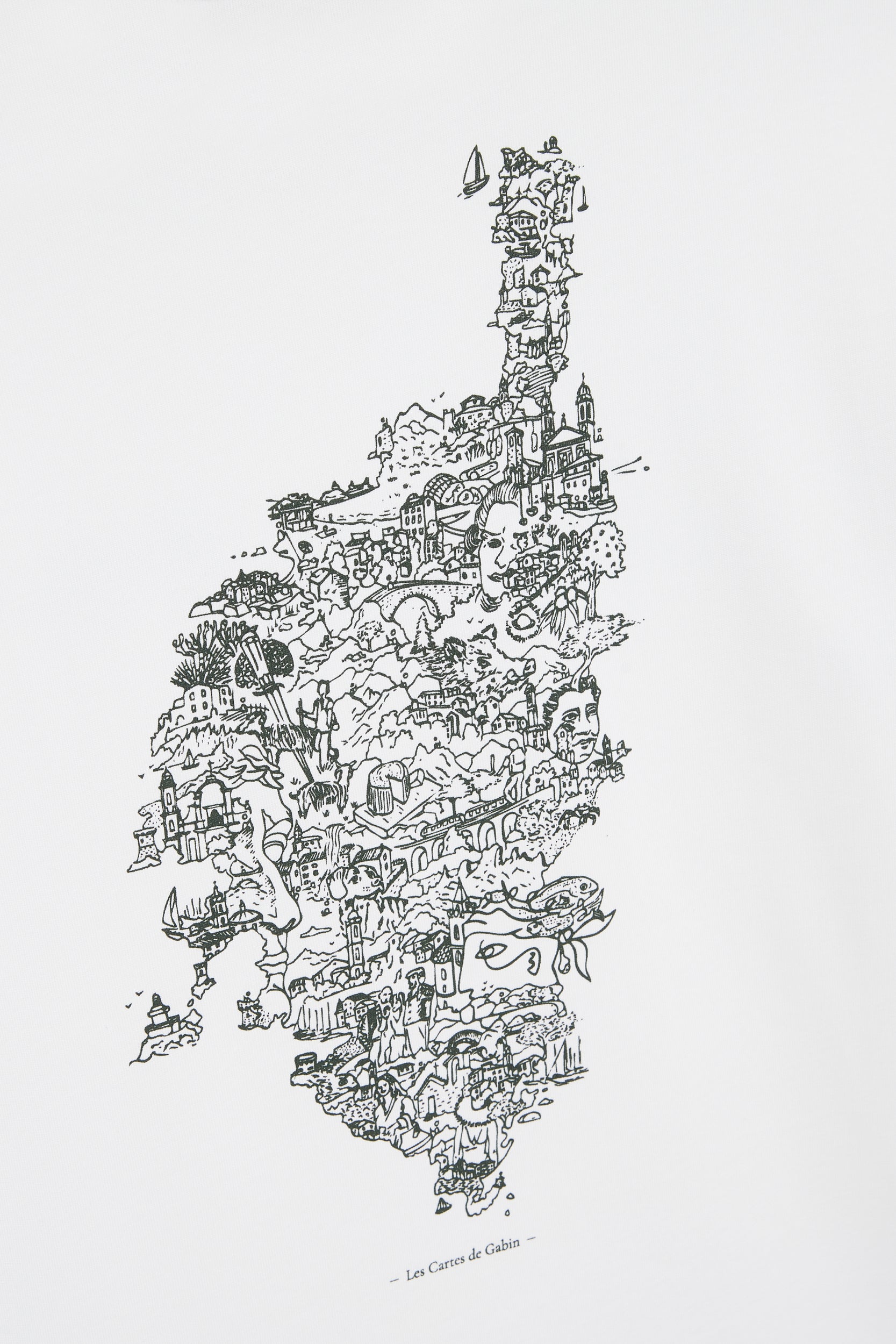
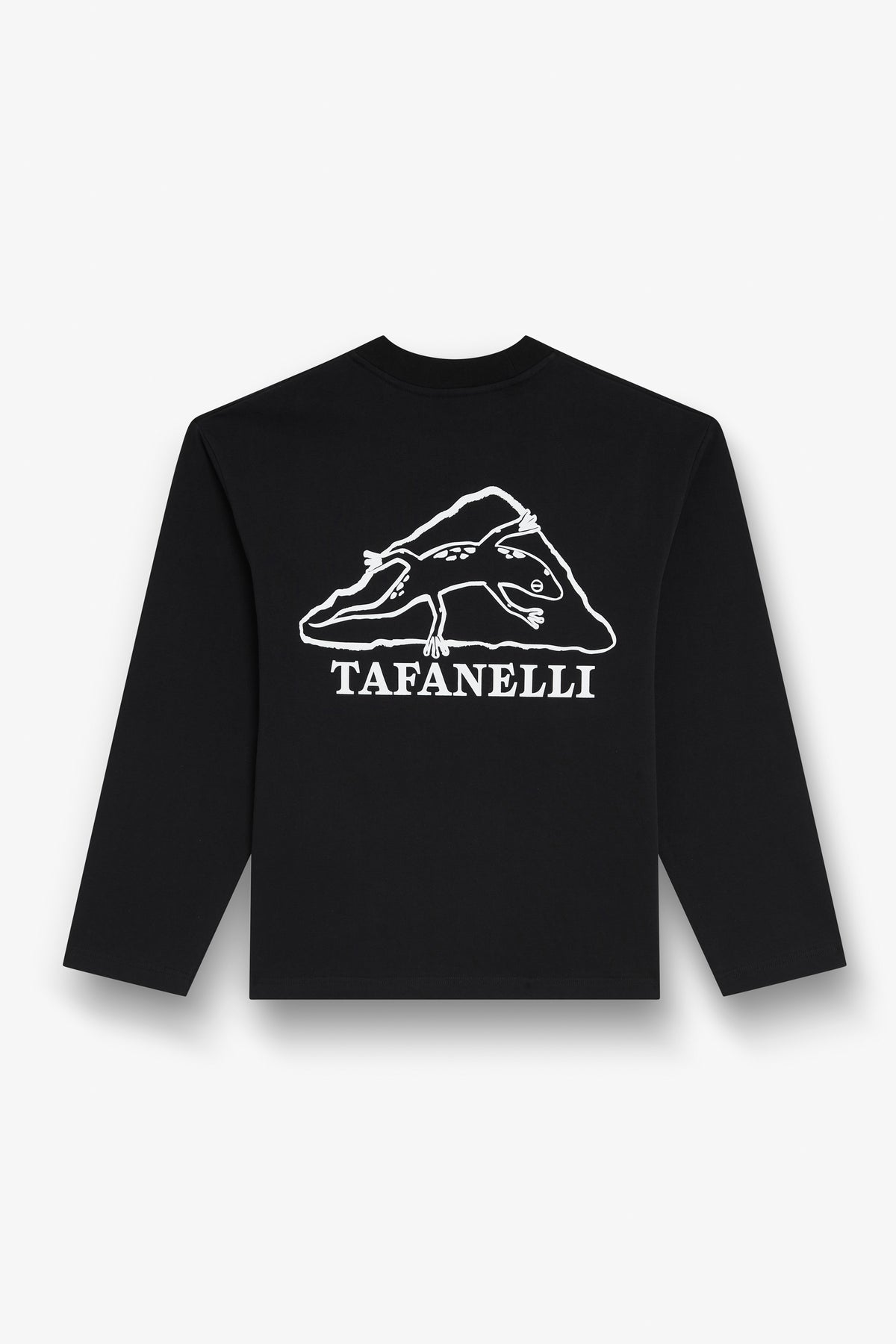
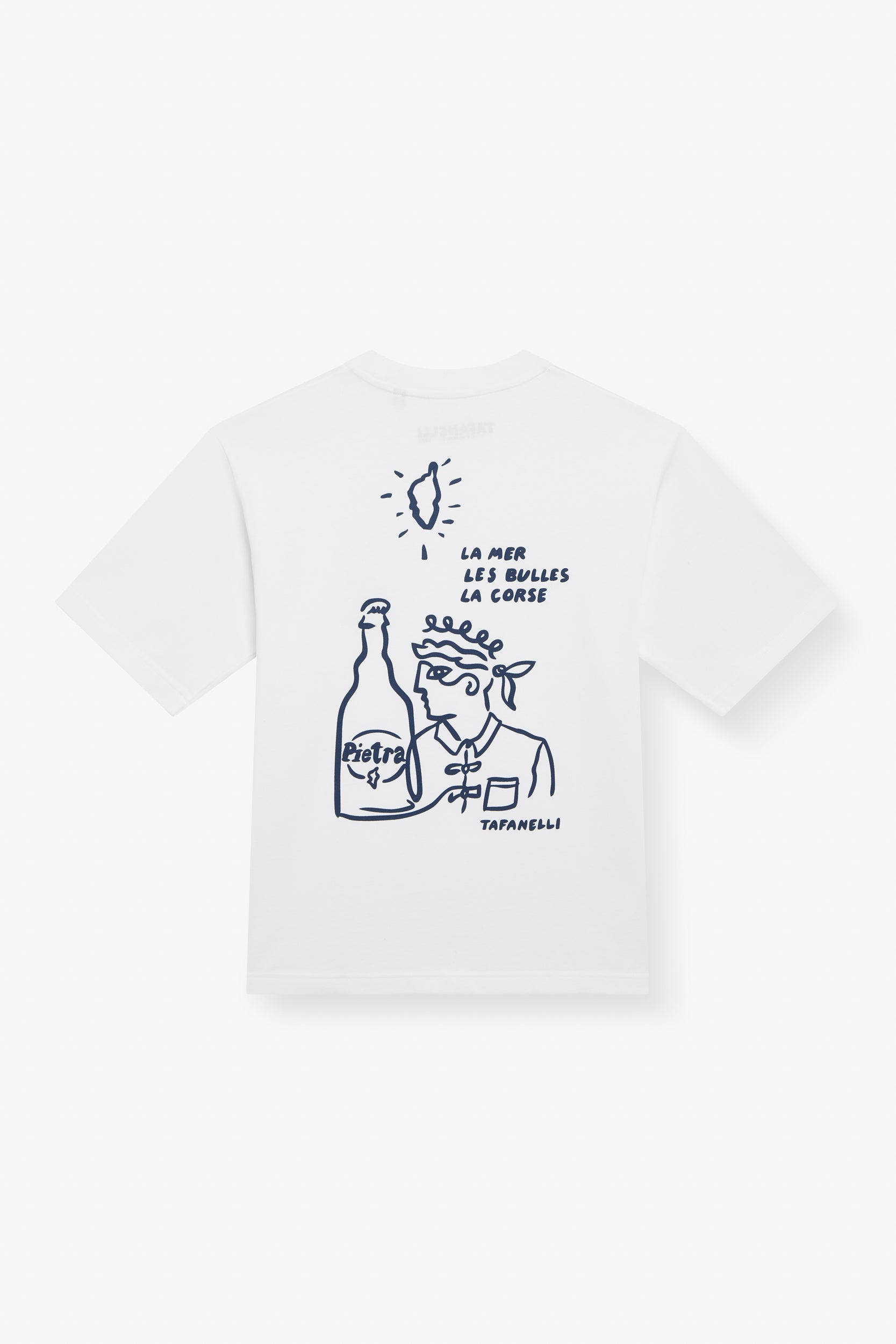
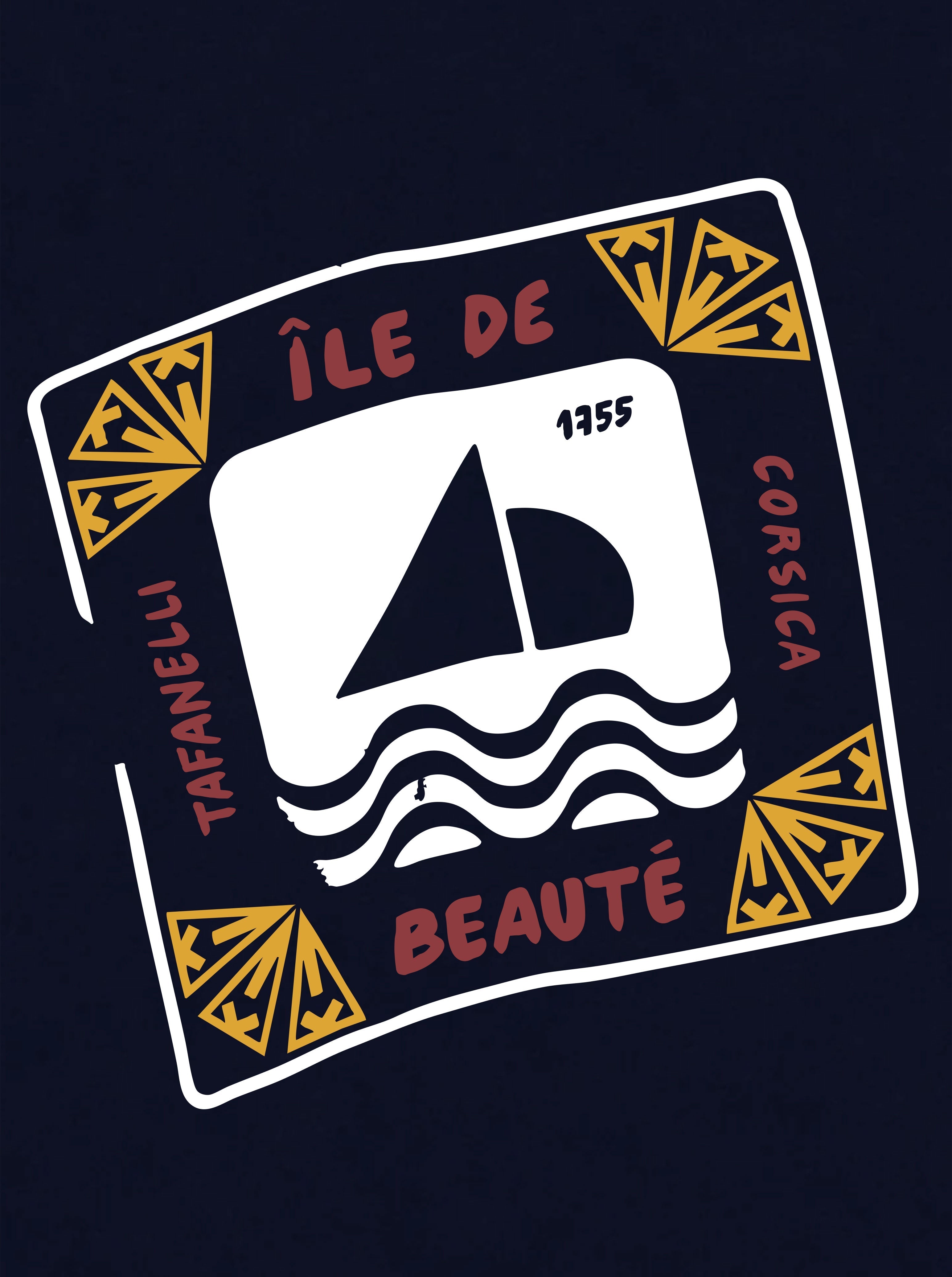
This is probably one of the most durable and meaningful gifts you can bring back. Several premium narrative Corsican brands offer t-shirts that pay tribute to a place, a figure, or an island memory. Heavyweight 240-280 g/m² cotton, hand-applied high-density screen printing, French manufacturing, limited series. TAFANELLI, a 2024 French Ministry of Culture award winner, offers several iconic references: L'Île de Beauté 1755 (limited edition of 30 pieces, a tribute to Pasquale Paoli's Corsican Constitution), Le Plongeur de Calvi, La Roccapina, Le Club Sirène, Le Sportmer Navy, La Pêche aux Oursins. Expect to pay between 75 and 195 euros per piece.
14. A Corsican bandana and/or embroidered cap
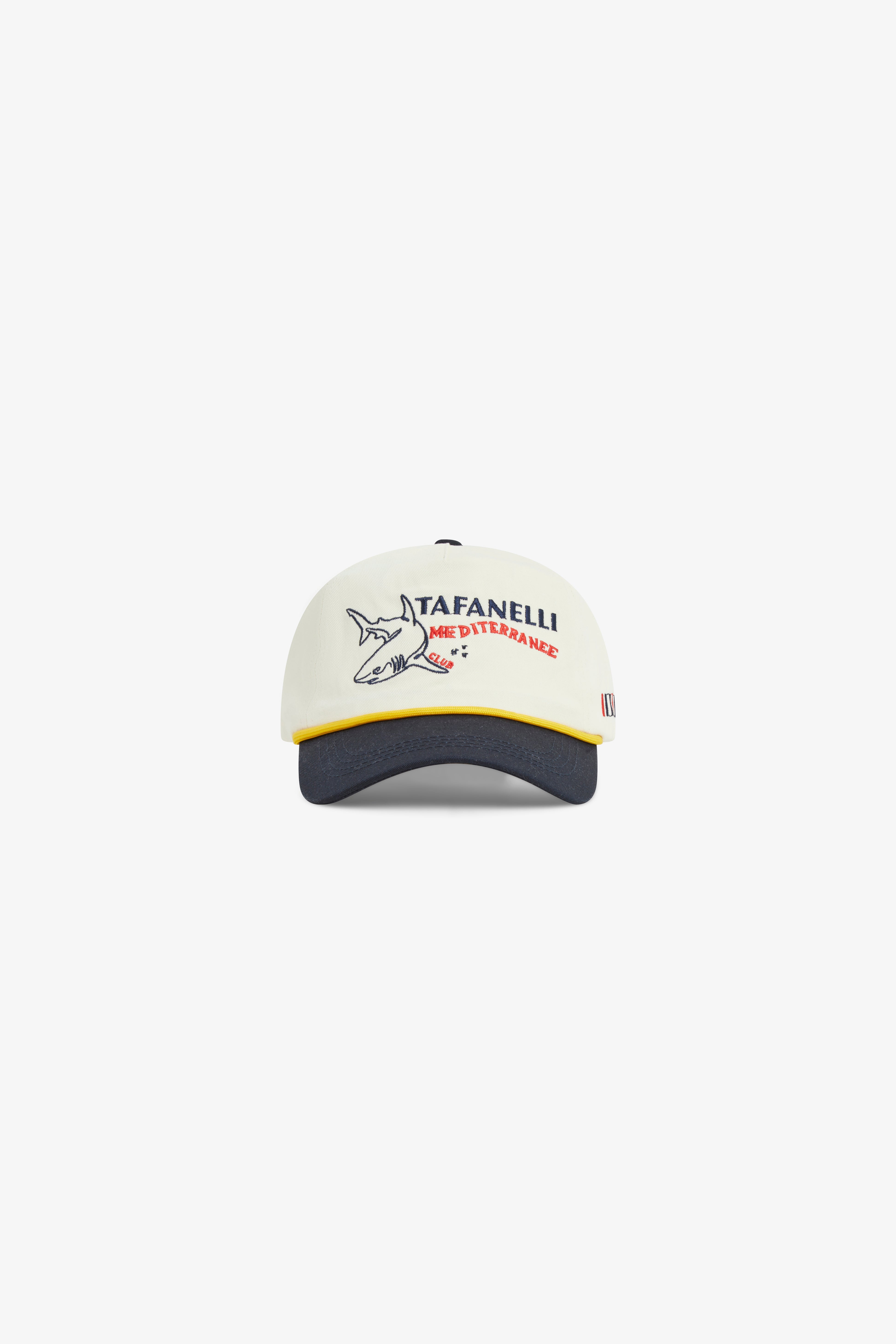
The contemporary Corsican bandana is one of the most versatile accessories in existence: it can be worn around the neck, in a jacket pocket, on the wrist, on the head, or as a bag accessory. The flat cap embroidered with a Moor’s Head or an eight-pointed star is another iconic option. Both make perfect gifts under 80 euros for anyone wanting to bring back a stylish Corsican object that can be used daily. Several contemporary Corsican brands offer these accessories (TAFANELLI, Casa Madama, and a few others). Expect to pay between 45 and 75 euros for a premium bandana, and between 50 and 90 euros for a hand-embroidered cap.
Culture (15)
15. A book or a record of Corsican polyphonies
For a more contemplative gift, there are several options: a record of the great Corsican singers (I Muvrini, A Filetta, Petru Guelfucci, Tavagna, Patrick Fiori in his Corsican repertoire) or a heritage book about the island. "Granite Island" by Dorothy Carrington remains the absolute reference of Anglo-Saxon literature on the island. "Histoire de la Corse" by Paul Arrighi, or the more recent works by Michel Vergé-Franceschi. Available in independent bookstores in Bastia, Calvi, Corte, Ajaccio. Expect to pay between 12 and 35 euros for a book, and between 15 and 25 euros for a CD.
Where to buy with confidence
To ensure you don't go wrong on the quality of the products you bring back, here are the best places to shop.
Inland and city markets
The Bastia market (Rue du Vieux Port), the Ajaccio covered market, the Île-Rousse market, the Calvi market, the Saint-Florent market (Saturday morning), and especially the inland village markets (Corte, Sartène, Calenzana, Aullène). This is where you will find direct producers.
Farmhouse inns (Fermes-auberges)
Particularly in Castagniccia, Niolu, and Alta Rocca. Farmhouse inns offer their own produce (charcuterie, cheese, honey, and sometimes wine). This is the most authentic purchase possible.
Wineries
For wine, never buy from a supermarket: always visit the estates directly. Patrimonio, Calvi, Sartène, and Figari are home to the most accessible cellars. Many offer free tastings.
Contemporary Corsican brand boutiques
For premium clothing, narrative Corsican brands like TAFANELLI now have physical points of sale on the island (Calvi, L'Île-Rousse, Bastia, Ajaccio, Porto-Vecchio) as well as on mainland France, or online stores with fast shipping. Always prioritize these official channels.
Visible artisan workshops
For cutlery, ceramics, jewelry, and cosmetics: prefer workshops open to the public where you can see the artisans at work. This is the best guarantee of authenticity. Systematically avoid tourist shops that resell anonymous products.
What you should definitely not bring back
To round out the picture, here is the list of "souvenirs" to absolutely avoid if you want to bring back something meaningful and durable from Corsica.
Printed magnets and mugs
Made in China in 90% of cases. No usage value, no heritage value. Will end up at the back of a cupboard or in the trash within three years.
"I love Corsica" or "Souvenir of Corsica" t-shirts
Mass-produced in Asia, lightweight cotton that shrinks in the first wash, caricatured prints that do not respect Corsican identity. A far cry from a true contemporary Corsican t-shirt.
Plastic folk figurines
Miniature shepherds, donkeys, mouflons. No connection to traditional Corsican craftsmanship or modern island culture.
Boxes of "Corsican fudge" or "Corsican nougat"
Most often manufactured in mainland France and simply labeled with a "Corsican theme." If you want a Corsican dessert, buy canistrelli or frappes from an artisanal bakery.
"Souvenir" bottles in supermarkets
Wines, liqueurs, or oils in decorative "souvenir" bottles are generally of medium quality and overpriced. Always prefer direct producers.
Caps or t-shirts with a loud, giant Moor’s Head
Mass production, poorly stylized Moor’s Head, garish colors. These betray the dignity of the symbol. Prefer the discreet versions finely embroidered or screen-printed by contemporary Corsican brands.
The TAFANELLI proposal: the contemporary Corsican gift
At TAFANELLI, we design our pieces with the deep conviction that they should be offerable as durable, meaningful gifts that remain faithful to the dignity of the Corsica they evoke.
Each of our references pays tribute to a precise island location, figure, or memory. When you give an L'Île de Beauté 1755 t-shirt, you are giving the memory of Pasquale Paoli's Corsican Constitution and the world's first democracy. When you give a Le Plongeur de Calvi t-shirt, you are giving the imagination of the coves of southern Balagne. When you give a TAFANELLI bandana, you are giving a fragment of Corsican visual heritage that can be worn for years throughout every season.
All our pieces are handcrafted in France in intentionally limited series. Heavyweight 240 to 280 gram per square meter cotton for t-shirts. Hand-applied high-density screen printing for the patterns. 100% natural cotton bandanas, 55x55 cm format, screen-printed by hand. Caps embroidered by specialized workshops. Limited editions to preserve rarity.
Several advantages for your gifts:
- A piece that can be worn daily for years (vs. a souvenir that ends up in the closet)
- A gift that tells a precise story which you can share when giving it
- An institutionally recognized brand (2024 French Ministry of Culture award winner)
- French production that supports the Corsican creative ecosystem
- Simple, noble packaging that respects the product
- Fast delivery within mainland France and internationally
To discover all our pieces and choose the Corsican gift that best suits your loved ones, browse our complete collection.
Frequently asked questions
What to bring back from Corsica as a gift?
The most authentic gifts are Corsican AOP charcuterie (Lonzu, Coppa, Prizuttu), Corsican wines from the nine AOCs, AOP honey, Balagne olive oil, Corsican cheeses, artisanal biscuits, jams, and myrtle brandy. For non-food gifts: a traditional Corsican knife, cosmetics (immortelle oil), contemporary jewelry, Pigna ceramics, and of course clothing from premium Corsican brands (TAFANELLI, 2024 French Ministry of Culture award winner).
What is the best souvenir to bring back from Corsica?
It all depends on who you are giving it to. For a foodie: AOP charcuterie or wine. For a craft lover: a Corsican knife or Pigna ceramics. For a gift that can be worn daily and never goes out of style: a premium TAFANELLI t-shirt or a contemporary Corsican bandana. For a cultural gift: a book by Dorothy Carrington or a record of Corsican polyphonies.
Where to buy authentic Corsican products?
Prioritize direct producers (farm inns, wineries, artisan workshops), town and village markets, and the official boutiques of contemporary Corsican brands. Avoid tourist shops by the beach and airport souvenir stores, where the majority of products have no real connection to the island.
Which Corsican charcuterie should you bring back?
The four emblematic PDO (AOP) charcuterie products: Lonzu (dried pork loin, intense), Coppa (pork collar, more marbled), Prizuttu (whole ham dried for 18-24 months, the equivalent of Pata Negra), and Figatellu (liver sausage, fresh in winter or dried in summer). Buy from direct producers and have them vacuum-sealed for the trip home.
Which Corsican wine should you bring back as a gift?
Wines from Patrimonio (AOC Patrimonio) are the most prestigious and highly regarded. Estates such as Antoine Arena, Yves Leccia, or Antoine-Marie Arena produce exceptional wines (reds, whites, rosés). For a more original gift, a Muscat du Cap Corse (natural sweet wine) will perfectly accompany a dessert. For wines from the interior, look to the Sartène or Ajaccio estates. Expect to pay between 15 and 40 euros for a fine bottle.
Which Corsican t-shirt should you bring back?
Several premium contemporary Corsican brands offer narrative t-shirts in limited editions, handmade in France. TAFANELLI, winner of the Ministry of Culture award in 2024, offers several iconic references: L'Île de Beauté 1755 (limited edition of 30 pieces, a tribute to the Corsican Constitution of 1755), Le Plongeur de Calvi, La Roccapina, Le Club Sirène, and Le Sportmer Navy. Expect to pay between 75 and 195 euros for a premium piece, a true alternative to low-end souvenir t-shirts.
How much does a quality Corsican souvenir cost?
For PDO charcuterie: 30 to 60 euros per fine piece. For an estate wine: 15 to 40 euros per bottle. For an artisanal Corsican knife: 80 to 350 euros. For a premium Corsican t-shirt: 75 to 195 euros. For a premium bandana: 45 to 75 euros. For a book: 12 to 35 euros. The investment in an authentic gift is always widely justified by the durability and meaning of the product.
What to bring back from Corsica as an original gift?
To go off the beaten track: a Corsican knife signed by a master cutler, ceramics signed by an artist from Pigna, a perfume with immortelle oil from the Casanera brand, a limited-edition TAFANELLI t-shirt, or a rare book on Corsican history found at a Bastia bookseller. The most memorable gifts are those that tell a specific story.
Can you bring Corsican charcuterie on a plane?
Yes, provided the charcuterie is vacuum-sealed (airtight). Reputable Corsican producers systematically offer this service for their traveling customers. For flights to mainland France, there are no restrictions. For flights abroad (especially outside the EU), check the customs restrictions of the destination country.
Which Corsican souvenirs should you avoid at all costs?
Printed magnets and mugs (manufactured in China), "I love Corse" or "Souvenir de Corse" t-shirts (mass-produced), plastic figurines, "Corsican fudge" or "Corsican nougat" (often made outside of Corsica), "souvenir" bottles in supermarkets, and caps and t-shirts featuring a gaudy, giant Moor's Head. All these products betray the dignity of the island and provide neither practical nor heritage value.
Going further into the TAFANELLI universe
Bringing something back from Corsica is not just about returning with an object: it is taking a fragment of a land with you. To deepen your discovery of the island through our other stories:
- Corsican cuisine: 15 specialties to taste this summer
- Corsican wines: a complete guide to the nine AOCs
- Corsican hotels 2026: a complete guide to island luxury
- 7-day itinerary in Corsica according to TAFANELLI
- Corsican clothing: the complete 2026 guide
- Corsican bandana: a complete 2026 guide
- L'Île de Beauté 1755: the story of a vintage t-shirt
- The Moor's Head: history and symbolism of the Corsican flag
- Île de Beauté or Corsica: the history behind the two names
To discover all of our pieces, designed to be offered as contemporary Corsican gifts, browse our complete collection. Fast delivery to mainland France and internationally.
A good Corsican gift is one that will be worn or consumed with pleasure for years, and will recount a fragment of the island with each use. Choose yours with care.
A PRESTU,
TAFA