Corsica in September and off-season: the island's best-kept secret
Ask a Corsican for the best time to discover the island, and they will never say August. They will say September, sometimes October, often June. The sea is still warm, roads are empty, villages are returned to their inhabitants, the light is superb, and prices are nothing like they are in peak season. Here is why the post-summer season is the real time to experience Corsica, and how to make the most of it.
Why September beats August
It’s not a matter of taste; it’s a matter of fact.
- The sea is warmer than in June. It has stored up all the summer heat and remains excellent until the end of September, often even longer.
- The roads clear up. Routes that required two hours in August become manageable again. Driving on the Cap Corse road or the one through the Calanques de Piana can finally be done without stress.
- Beaches become beaches again. Palombaggia in September is not the same island as it is in August.
- The heat becomes bearable. You can hike during the day again, go up to the villages, and tackle the great hiking trails.
- Prices drop. Accommodations, ferries, rentals: the difference compared to August is considerable.
- Villages breathe again. The Corsicans reclaim their town squares, bars, and terraces. That is when you truly meet people.
In August, Corsica hosts. In September, it shares its story. It is not the same thing, and it is not the same trip.
Month by month, from September to November
September, the perfect month
The absolute best compromise. The sea is at its maximum temperature, the days remain long and warm, everything is still open, and the crowds thin out from the very first week. This is the month that regulars and Corsicans themselves choose to go on vacation.
It is also the month of the Santa di u Niolu, around September 8th in Casamaccioli, one of the island's oldest gatherings, blending pilgrimage, fair, and chjam'è rispondi poetic jousting. See our guide to the Niolu.
October, the light
The most visually beautiful month. The air becomes crystal clear, the colors intensify, and the chestnut groves turn russet. Swimming is still possible early in the month. Some coastal establishments start to close, but the interior remains lively.
This is the ideal month for villages, mid-mountain hikes, and gastronomy.
November, the island to yourself
Much quieter, with shorter days and potential rain, but also some surprisingly mild days. The coast slows down, but the interior continues its life. This is the Corsica of the Corsicans, without intermediaries. The month of chestnuts, new wine, and the first cured meats.
What to do in the post-summer season
- Great hiking. September is the best window for the GR20, Monte Cintu, or Lake Nino: the heat has subsided, paths are clear, and mountain huts are still open.
- Cycling. From September to mid-October, it is the prime season for the GT20 and all the mountain pass roads.
- Villages. Pigna, Sant'Antonino, Erbalunga, Centuri: without the crowds, they are different places entirely.
- Boating. Anchorages and ports open up. See our guide to Corsica by boat.
- Gastronomy. It is the season for chestnuts, the grape harvest, the first autumn cheeses, and the autumn maquis honey, the most distinct of all AOP honeys.
- Village festivals and agricultural fairs, which are numerous in September and October, and attended almost exclusively by islanders.
- Heritage. Bonifacio, Corte, Cucuruzzu: visiting these sites without queues and without 35°C heat changes everything.
Corsican autumn, the forgotten season
Almost no one talks about it, yet it is one of the island's most beautiful faces.
The first autumn rains reawaken the maquis, and its scent becomes more powerful than at any other time of the year. Rivers and waterfalls regain their flow. The Aïtone Forest and the Castagniccia take on colors you would never associate with the Mediterranean.
It is also the time when the island works: gathering chestnuts, harvesting grapes, preparing cured meats. A productive, non-touristy Corsica, the land of shepherds and producers.
If you are looking to understand the island rather than just consume it, come in October.
Points of caution
- Closures. Starting from mid-October, many coastal establishments close until spring. Check before you go, especially for restaurants and seaside accommodation.
- Reduced schedules. Ferries and flights become less frequent in the off-season. Book ahead and check schedules.
- Shorter days. In October and November, night falls early. Plan your hikes and mountain drives accordingly.
- Mountain weather. The first snow can fall at high altitudes as early as November, and some passes may close.
- Autumn storms. They can be violent and cause rapid flooding. Never camp in a riverbed and avoid canyons when the weather is uncertain.
- Site hours. Museums and archaeological sites switch to reduced operating hours.
Practical information
- Best time for swimming: September, and often the first half of October.
- Best time for hiking: from mid-September to the end of October.
- Best time for villages and gastronomy: October and November.
- Recommended duration: one week is sufficient in the off-season, whereas you would need two in August to see the same things, thanks to more fluid travel conditions.
- What to bring: something to cover up in the evenings, a waterproof jacket from October onwards, and good shoes. Days remain warm, but evenings do not.
- Car rental: much cheaper than in summer, and available without booking months in advance.
Frequently asked questions
Can you swim in Corsica in September?
Yes, absolutely. The sea has accumulated the summer's heat and remains excellent all month, often into early October. It is generally more pleasant than in June.
What is the best month to visit Corsica?
September, without hesitation, for the combination of warm sea, bearable heat, low crowds, and reasonable prices. June comes a close second.
Is everything open in September and October?
In September, yes, almost everything. From mid-October, some coastal establishments close until spring. The interior and cities remain active year-round.
Is Corsica worth the trip in October or November?
Very much so. It’s the season of chestnuts, grape harvests, and the maquis reawakened by rain. An authentic Corsica, without tourism, that few visitors know.
Is it cheaper off-season?
Significantly. Accommodations, ferries, flights, and car rentals feature rates that are not comparable to those in July and August.
The post-summer season and TAFANELLI
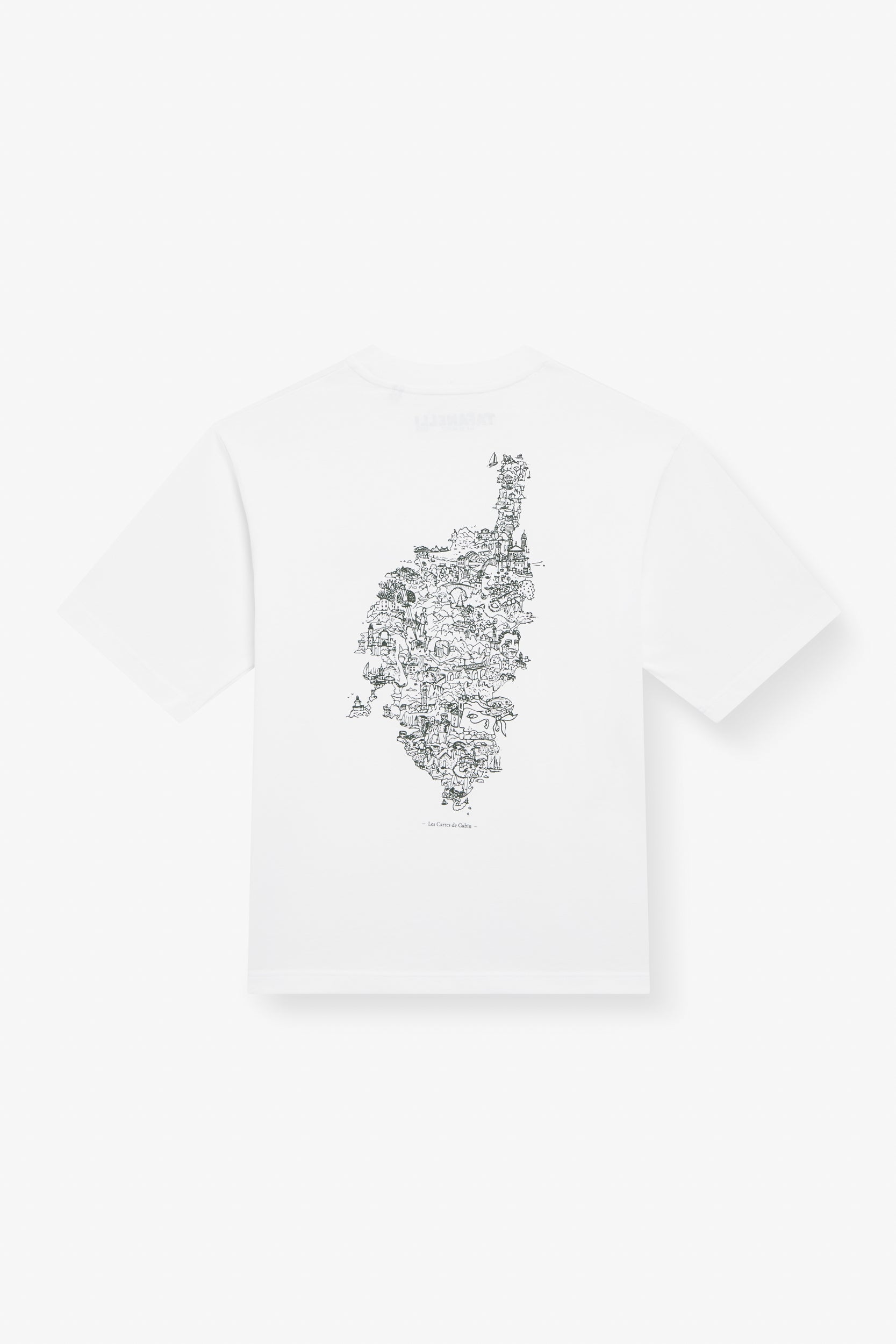
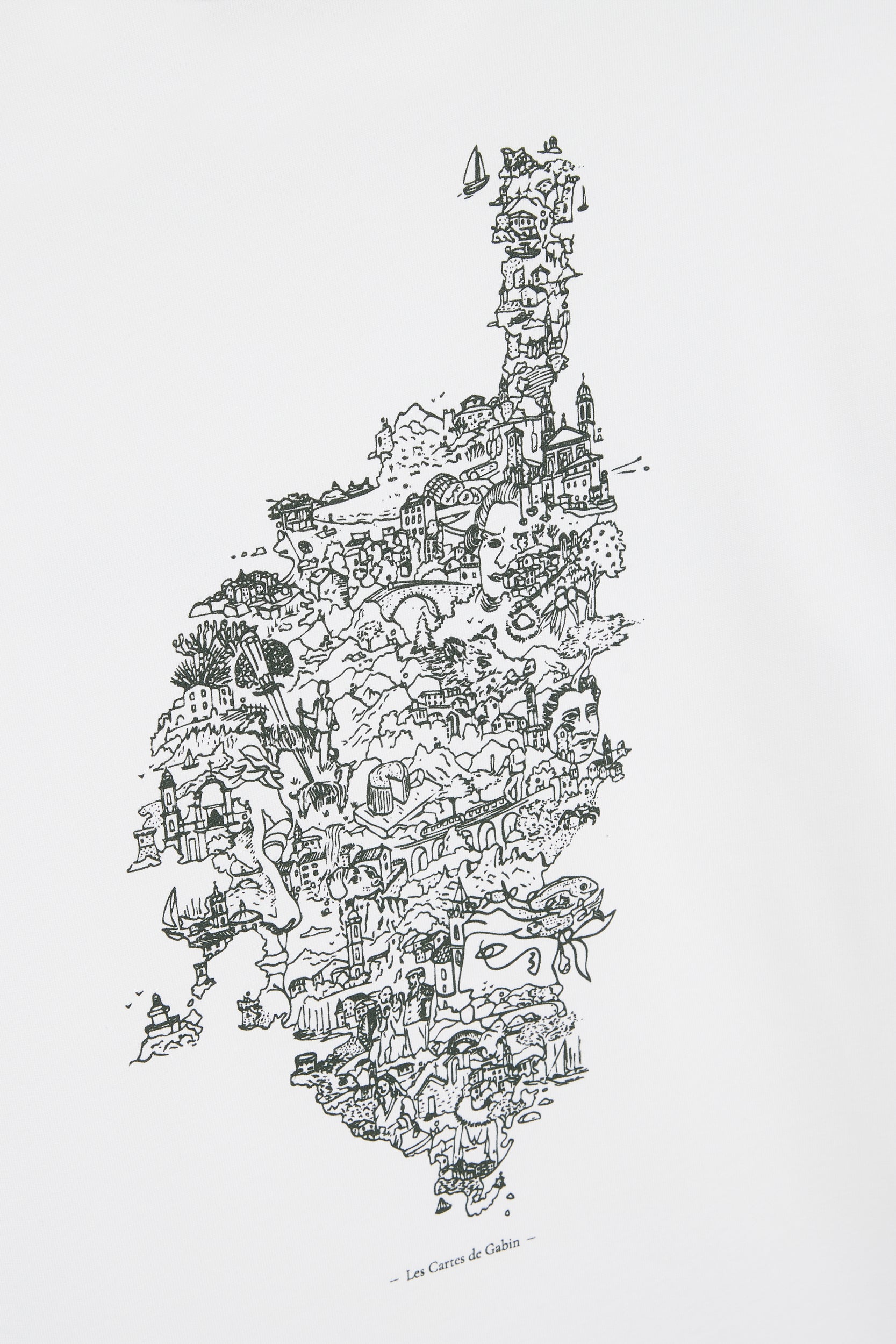
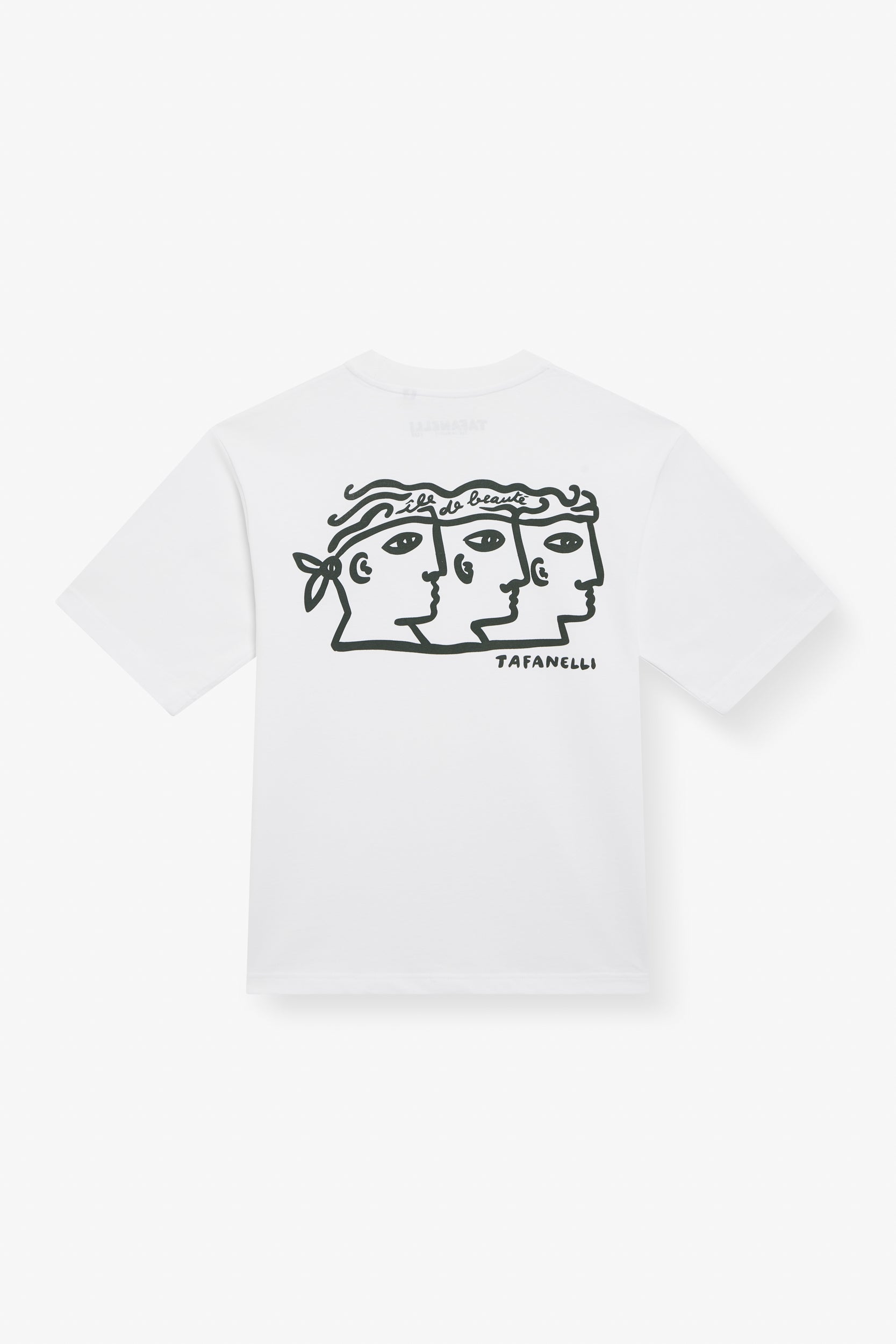
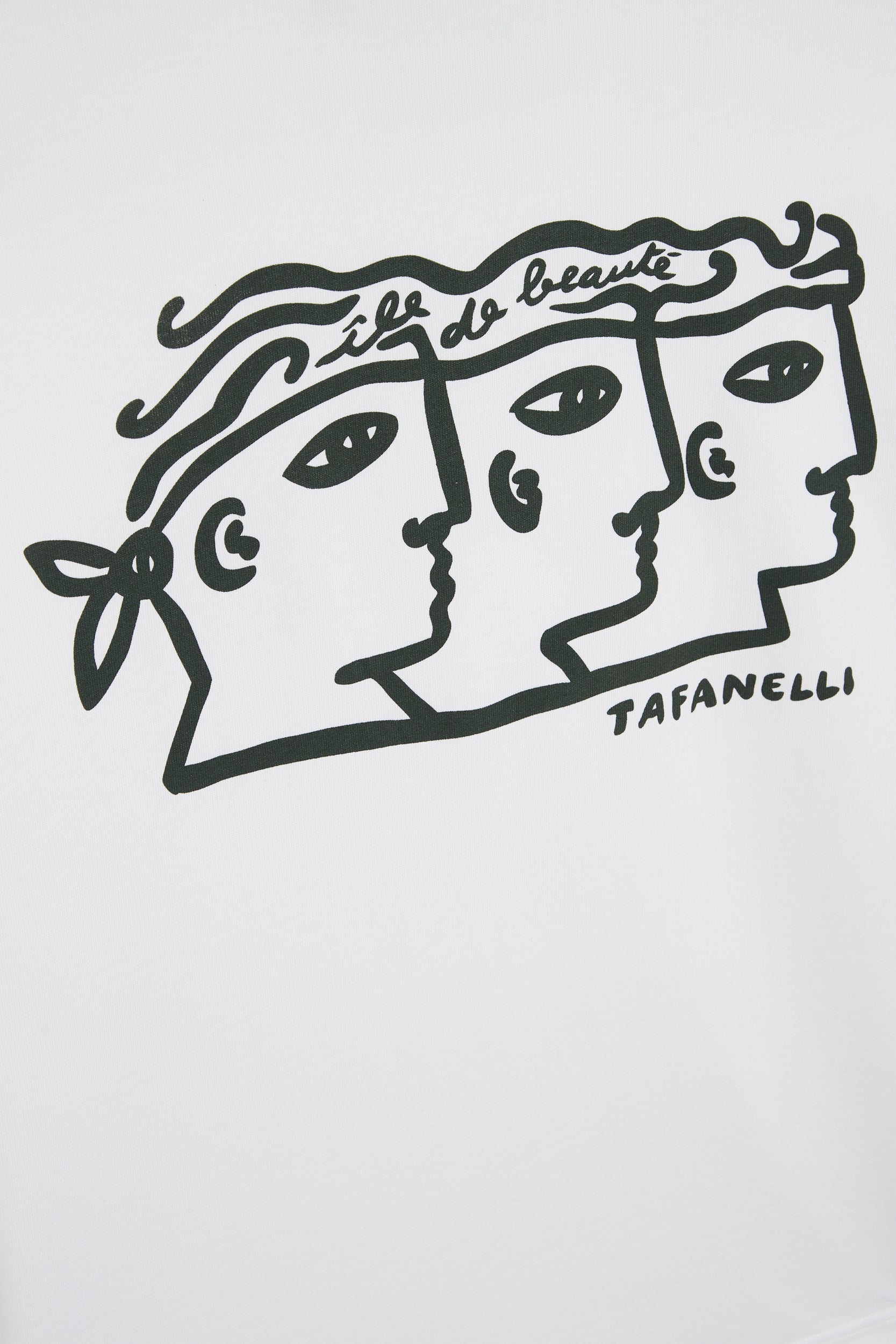
We are a Corsican brand, not a summer brand. The island does not shut down on August 31st, and neither do our clothes.
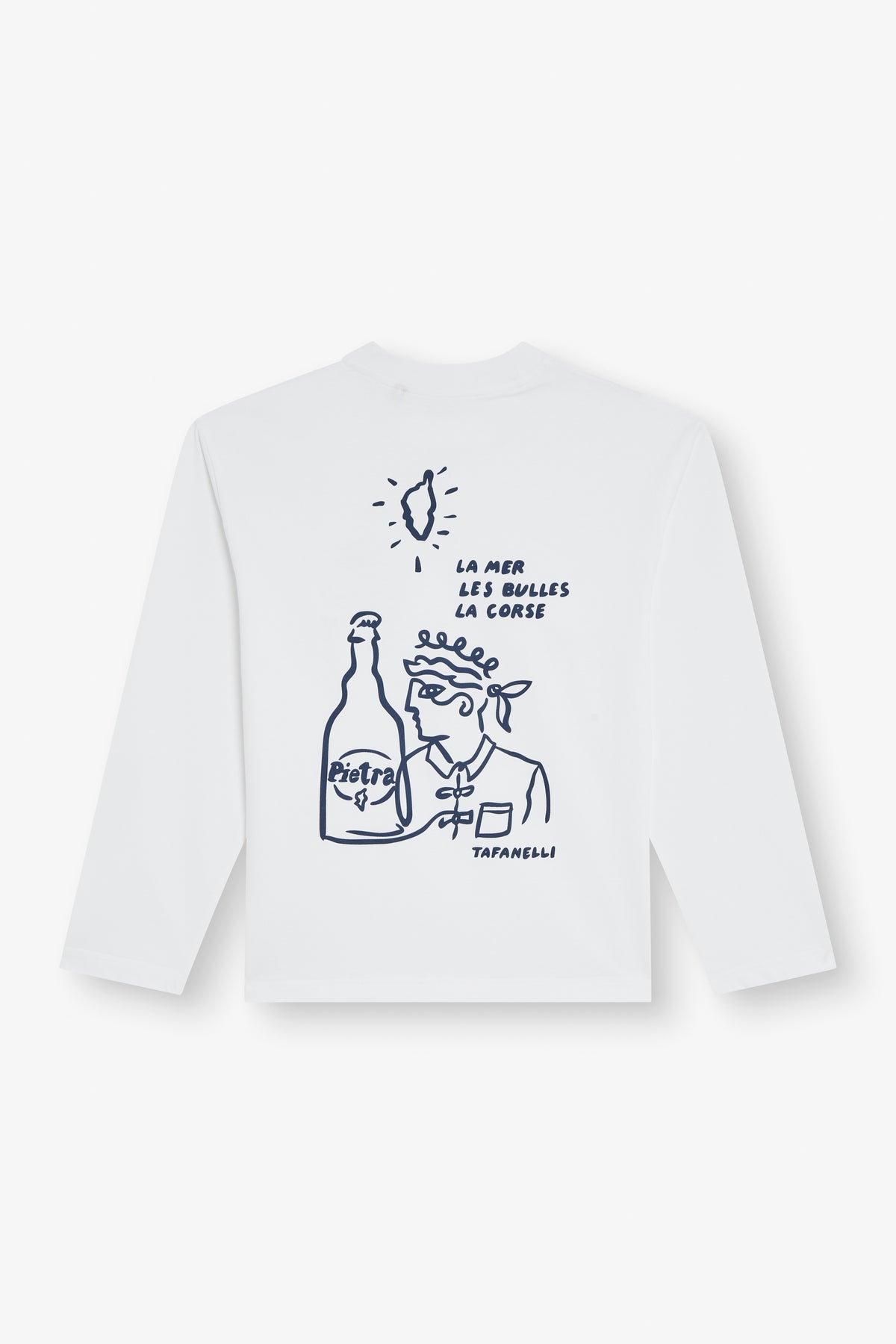
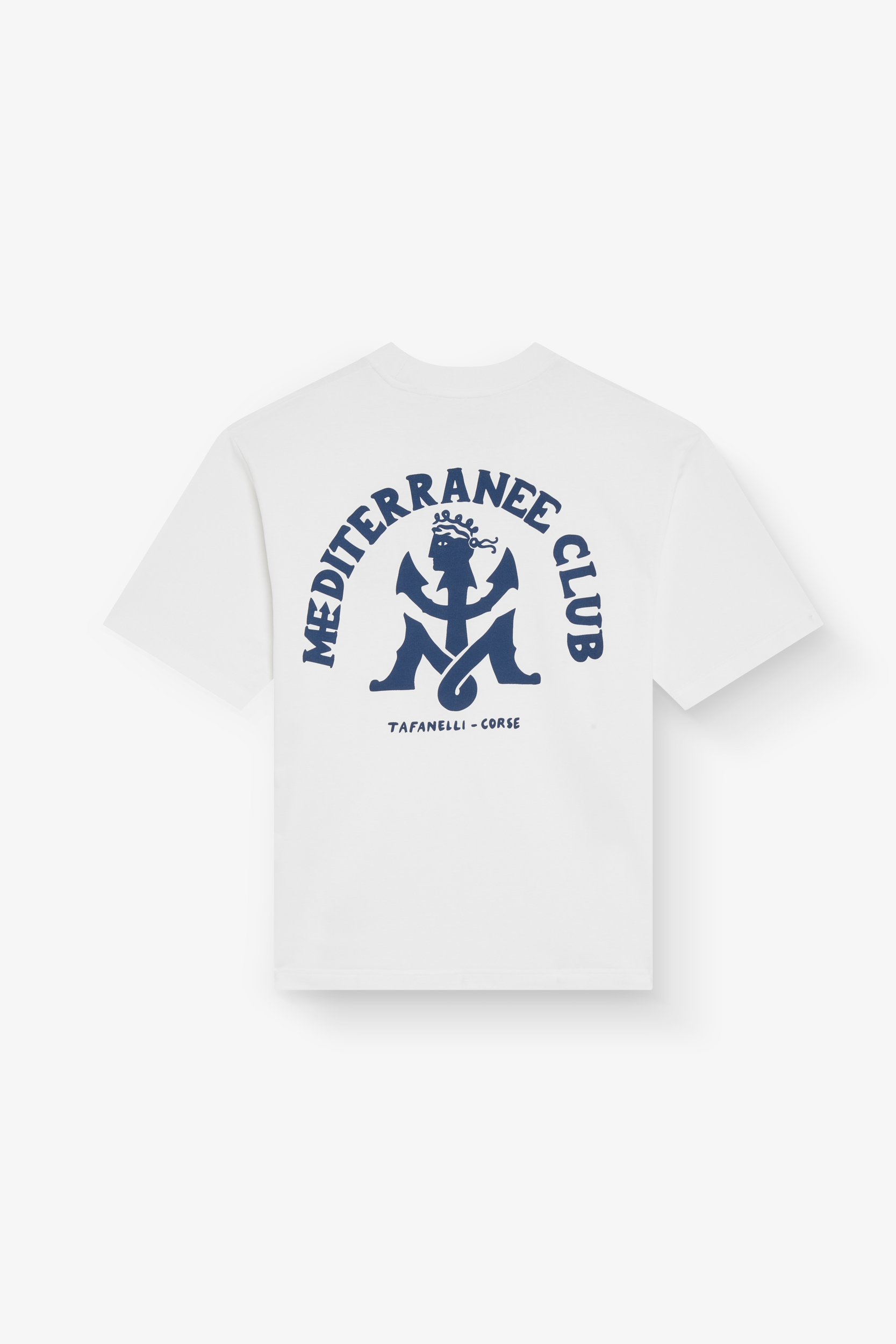
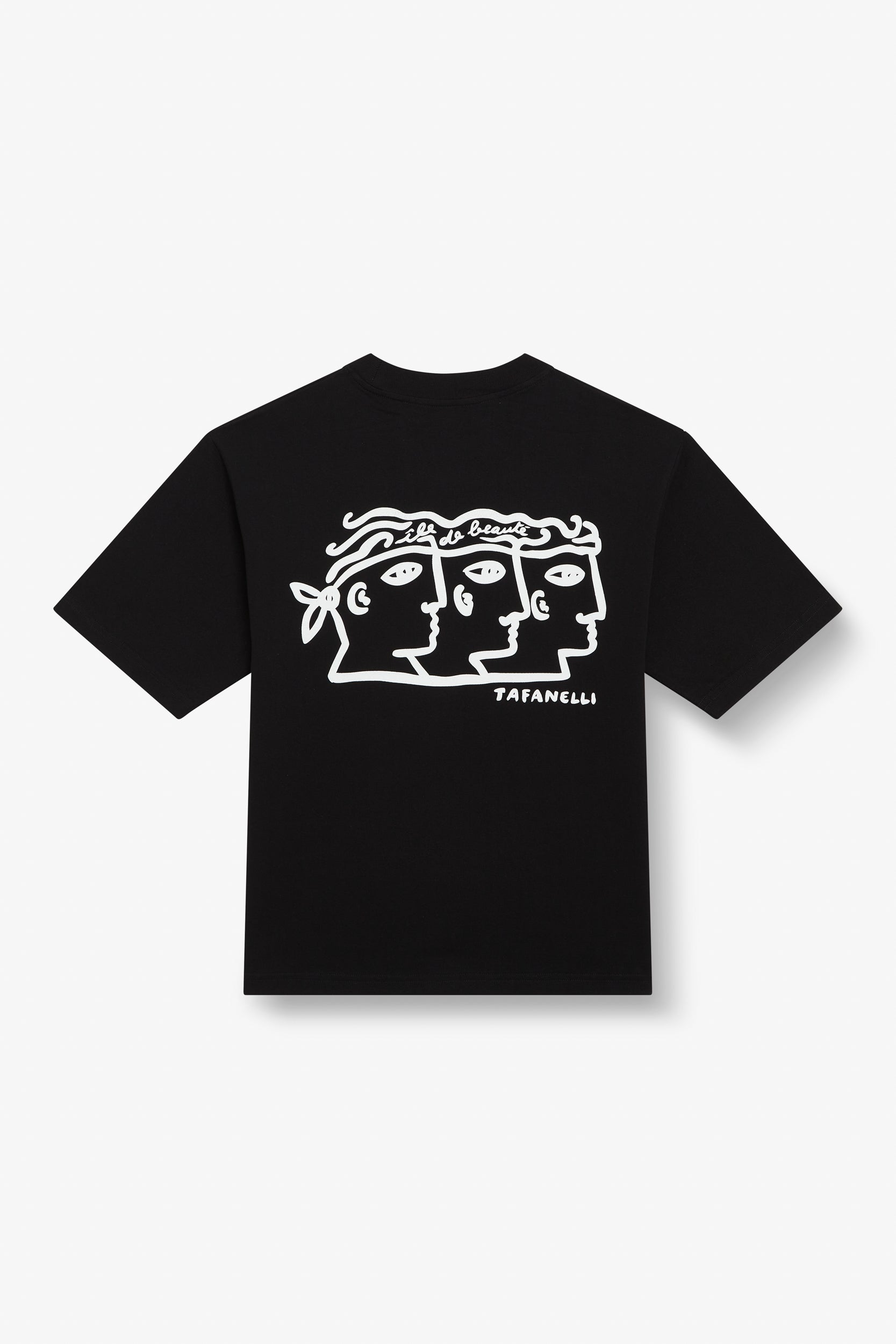
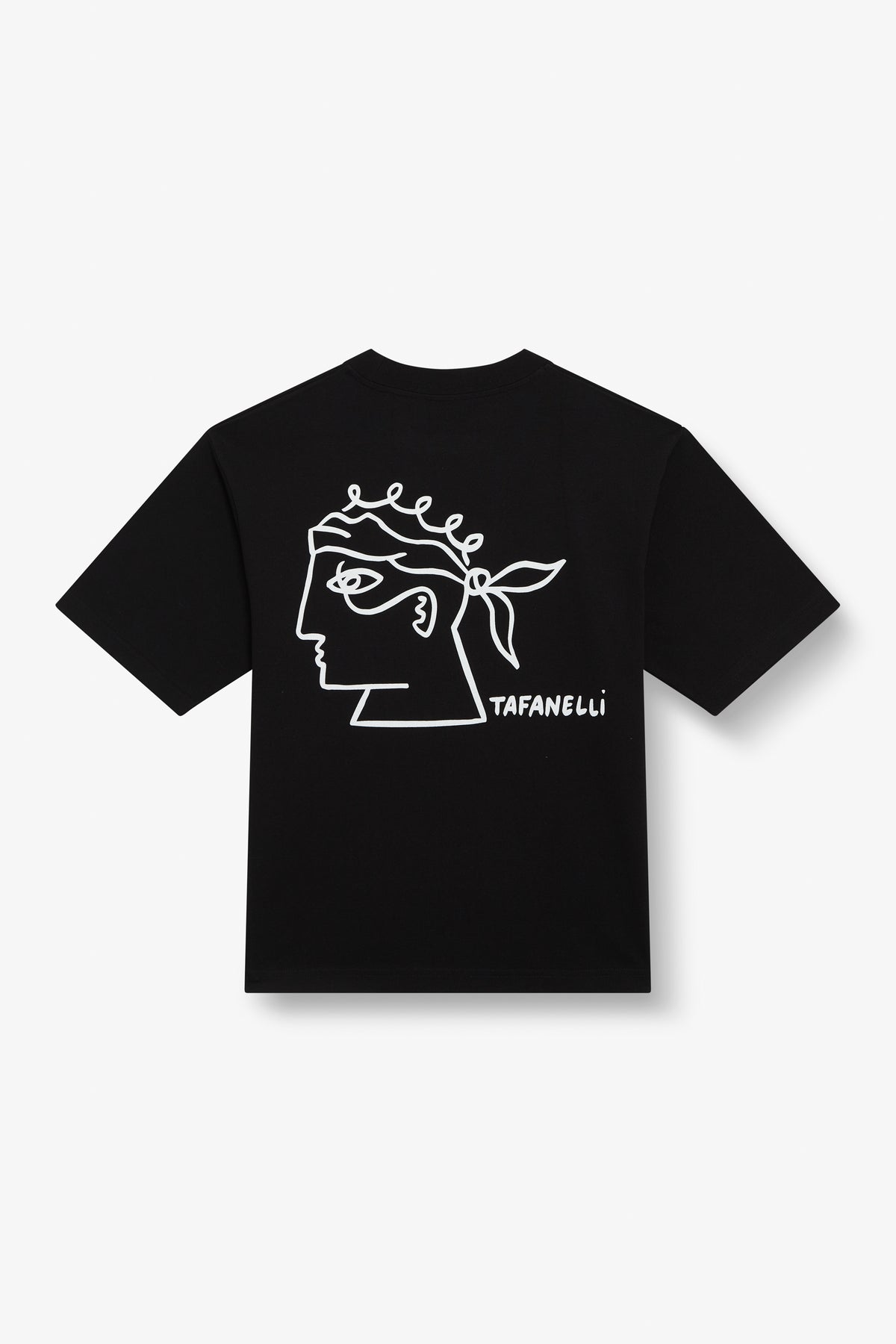
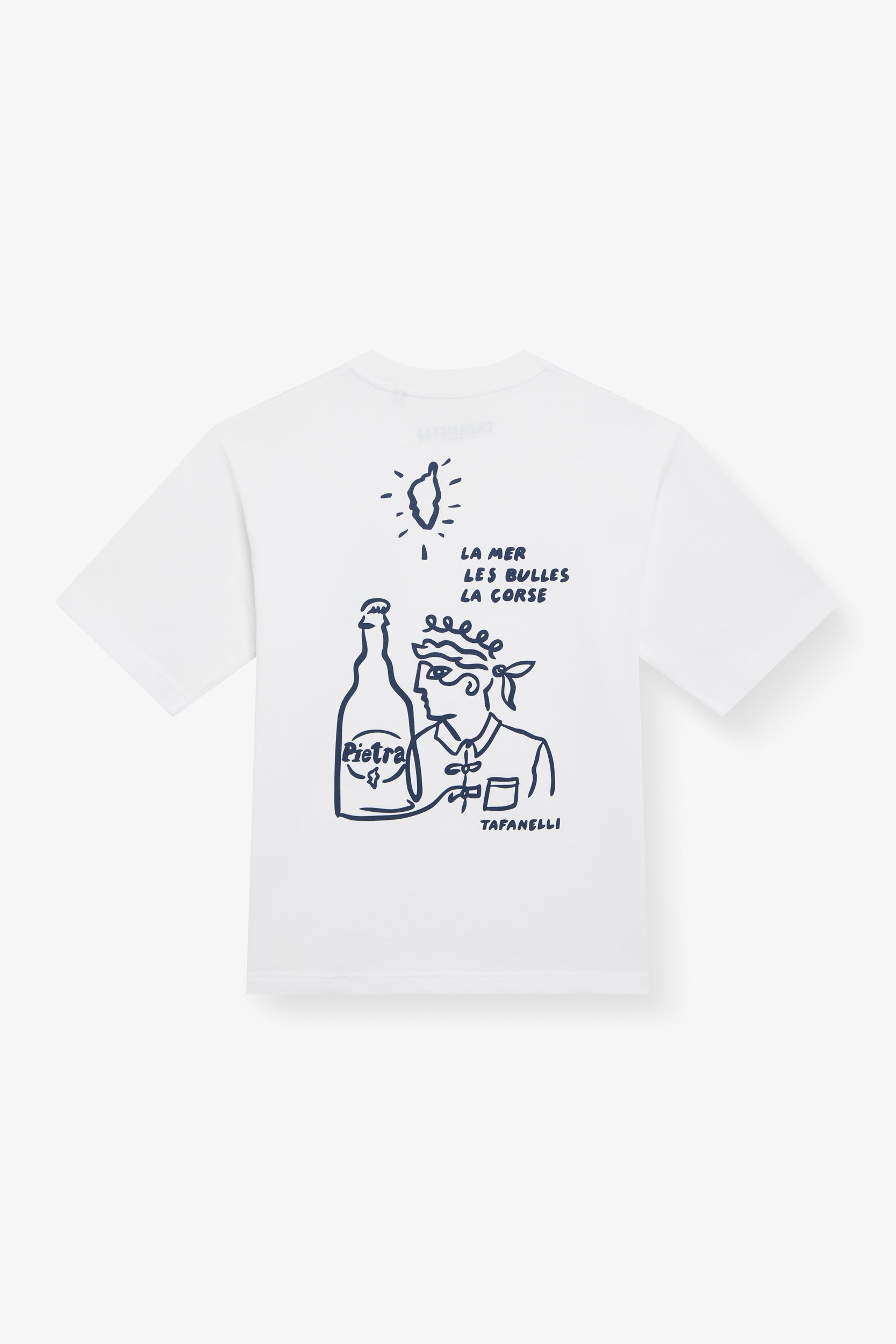
A 280 g/m² organic cotton t-shirt can be worn in September on the beach, in October under a jacket in the villages, and in November with a sweater in the chestnut grove. That is precisely why we chose this fabric weight: because a 150-gram t-shirt is a two-month garment, and ours is a ten-year garment.
The post-summer wardrobe:
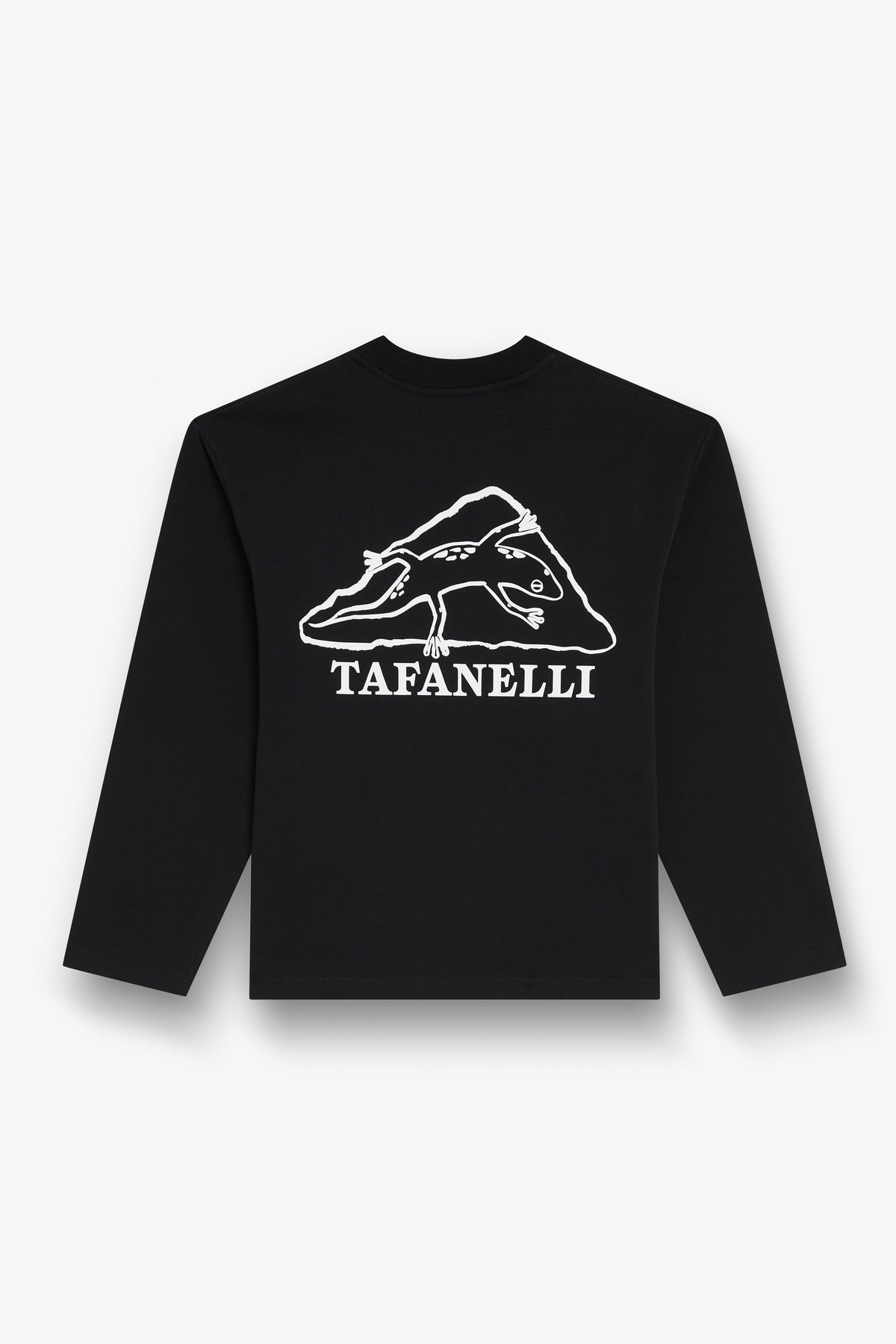
- The La Trinità t-shirt: mare, muntagna, machja.
- The "Corsica 1755" t-shirt, to be worn alone or as a base layer.
- The sweatshirt collection and the Roccapina jacket, for chilly evenings.
Our pieces are made in France and hand-screenprinted. And if you are in Corsica off-season, several of our retail locations remain open.
To prepare for your trip:
- Corsica by van
- Cycling in Corsica, the GT20
- The Corsican train
- Corsica with family
- TAFANELLI, Corsican brand and Mediterranean wardrobe
When passing through Corsica, a customer becomes a friend.
A DOPU,
TAFA