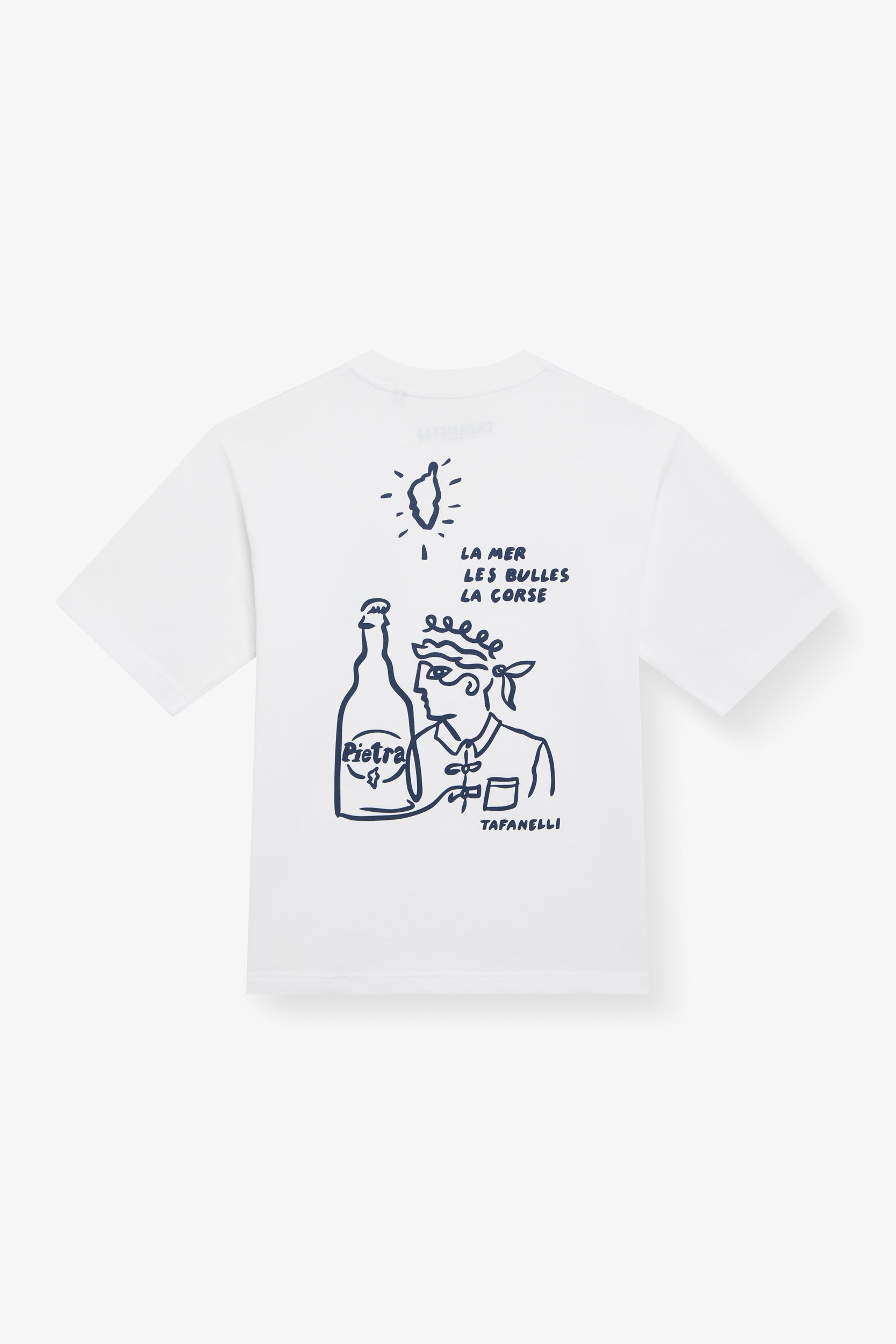
How to wash a screen-printed t-shirt so it lasts for years
A screen print is not just an image placed on the surface. It is a layer of ink pressed through a screen that partially penetrates the fiber before being heat-set. This is what gives it its density and texture, and it is also what makes it sensitive to three specific things: heat, friction, and aggressive products. Preserving a design does not require any miracle products. Just the right habits, and knowing which ones to avoid entirely.
Why screen prints get damaged
Unlike digital printing, screen printing adds substance. The ink is not a film glued onto the cotton; it anchors into the fiber and is then set with heat. A quality screen print, applied by hand with good inks, is durable.
Nevertheless, it has three enemies, which explain all the advice that follows.
- Heat. It expands the fiber and causes micro-cracks in the ink. This is what causes a design to crack, and then flake off.
- Friction. Micro-abrasions against the drum and other clothing dull the color long before it is visibly worn.
- Aggressive products. Bleach, chlorine-based stain removers, solvents, fabric softeners: they attack the pigment or coat it.
An industrial print fades. An artisanal screen print develops a patina. The difference lies in the thickness of the ink and how it is treated.
The one habit that changes everything
A single reflex solves half the problem: always turn the t-shirt inside out before washing it.
The design ends up on the inside, protected from the drum and the rest of the machine. It costs nothing, takes two seconds, and is the primary cause of dulled designs when forgotten.
Along the same lines: do not overload the machine. A drum that is too full means more friction and poor rinsing. Wash with textiles of similar colors.
Washing: temperature, cycle, spin
- Cold or 30 °C (86 °F) maximum. This is the most important rule. Any higher and the fiber expands and the ink cracks. Cold water cleans very well.
- Short and delicate cycle. Less time in the drum, less abrasion.
- Moderate spin, 800 RPM maximum. Violent spinning flattens and rubs the design.
- Never let a screen-printed t-shirt soak for a long time. Prolonged immersion softens the bond between the ink and the fiber.
- Do not wring out. Twisting breaks the design at the folds. Press between your hands, or roll in a dry towel.
Detergent and the three products to avoid
A gentle liquid detergent in a reasonable amount is sufficient. Diluted Marseille soap works just as well. Powders leave abrasive residues in the fiber.
Three products should be avoided.
- Fabric softener. Counter-intuitive, but it's a false friend. It coats the fibers and the ink in a film that dulls the design and clogs the cotton.
- Bleach and chlorine-based stain removers. They discolor the fabric and directly attack the pigment.
- Degreasing or oxidizing detergents. They slowly weaken the ink's bond, wash after wash.
A stain on the design
The rule differs depending on where it falls.
On bare cotton, you can gently massage with soap. On the design, only dab. Never rub, never use a brush, never use solvents. Treat from the inside whenever possible, placing an absorbent cloth under the area.
If the stain resists after three gentle attempts, it is better to accept it than to ruin the ink. The complete method, stain by stain, is here: removing a stain from a t-shirt.
Drying, where the damage happens
Never use a tumble dryer. This is the most important point on this page. The hot air makes the ink crack and harden, and permanently shrinks the cotton. A single cycle is enough.
Air dry inside out in a ventilated area, in the shade. Direct sunlight acts as a natural bleach and erases contrasts, especially on matte inks.
Dry flat on a towel, or on a wide hanger to avoid shoulder marks. Count the time it takes: in workshops, t-shirts come off the press to be dried slowly, and this rest period is what fixes the pigments into the fiber. The principle is the same at home.
Ironing: the iron must never touch the ink
An iron placed on a screen print will melt or crack it instantly. There is no fixing it.
- Iron inside out, at low temperature, 110 °C (230 °F) maximum.
- If you iron on the right side, place a thin cotton cloth between the iron and the design.
- Better yet: avoid the printed area entirely. A slightly wrinkled cotton is charming; a burnt screen print is irreparable.
- Contact-free alternative: a burst of steam from a distance, about ten centimeters (4 inches) away. It smooths the fabric, and the ink heated by the steam sometimes regains some of its vibrancy.
The detail is developed here: how to iron a t-shirt without damaging the design.
Storage and spacing out washes
The best wash is the one you don't do. Each time through the machine wears the garment down slightly.
- Air out rather than wash. A night in the fresh air is often enough for a lightly worn t-shirt.
- Treat stains locally rather than putting everything in the machine.
- Store folded flat, never on a hanger for long-term storage. When hung, the weight of the fabric stretches the knit, and the screen print eventually cracks along the tension line.
- Away from direct light. Pigment oxidation is slow, but it cannot be undone.
- Rotate your wardrobe. The more you rotate your pieces, the less each one wears out.
If the design is already cracking
We have to be honest: cracked ink cannot be repaired. No product will restore it.
However, you can stop it from progressing. Switch immediately to cold washing inside out, on a delicate cycle, with no spin. Remove all sources of heat, including low-temperature ironing. Dry flat.
On an artisanal screen print with thick ink, light and even cracking isn't always a defect. It gives the design a patina that brand-new items don't have, provided it remains homogeneous and doesn't flake off.
Ten-line summary
- Always inside out
- Cold or 30 °C max
- Short, delicate cycle
- Max 800 RPM spin
- Gentle liquid detergent, no powder
- No fabric softener, no bleach
- No prolonged soaking, no twisting
- Air dry in the shade, never tumble dry
- Iron inside out at 110 °C, never on the design
- Store folded flat, away from light
Care for a TAFANELLI piece
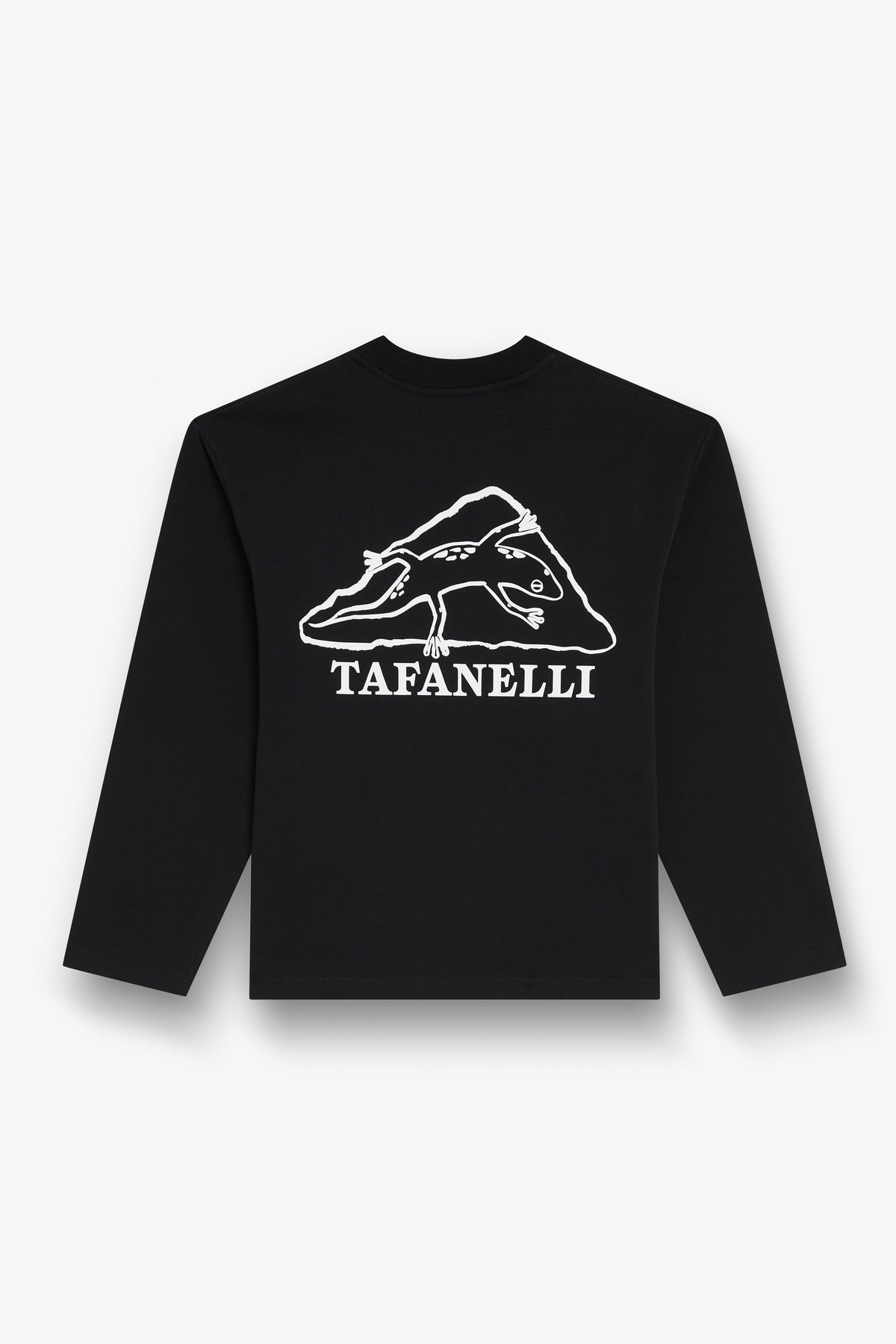
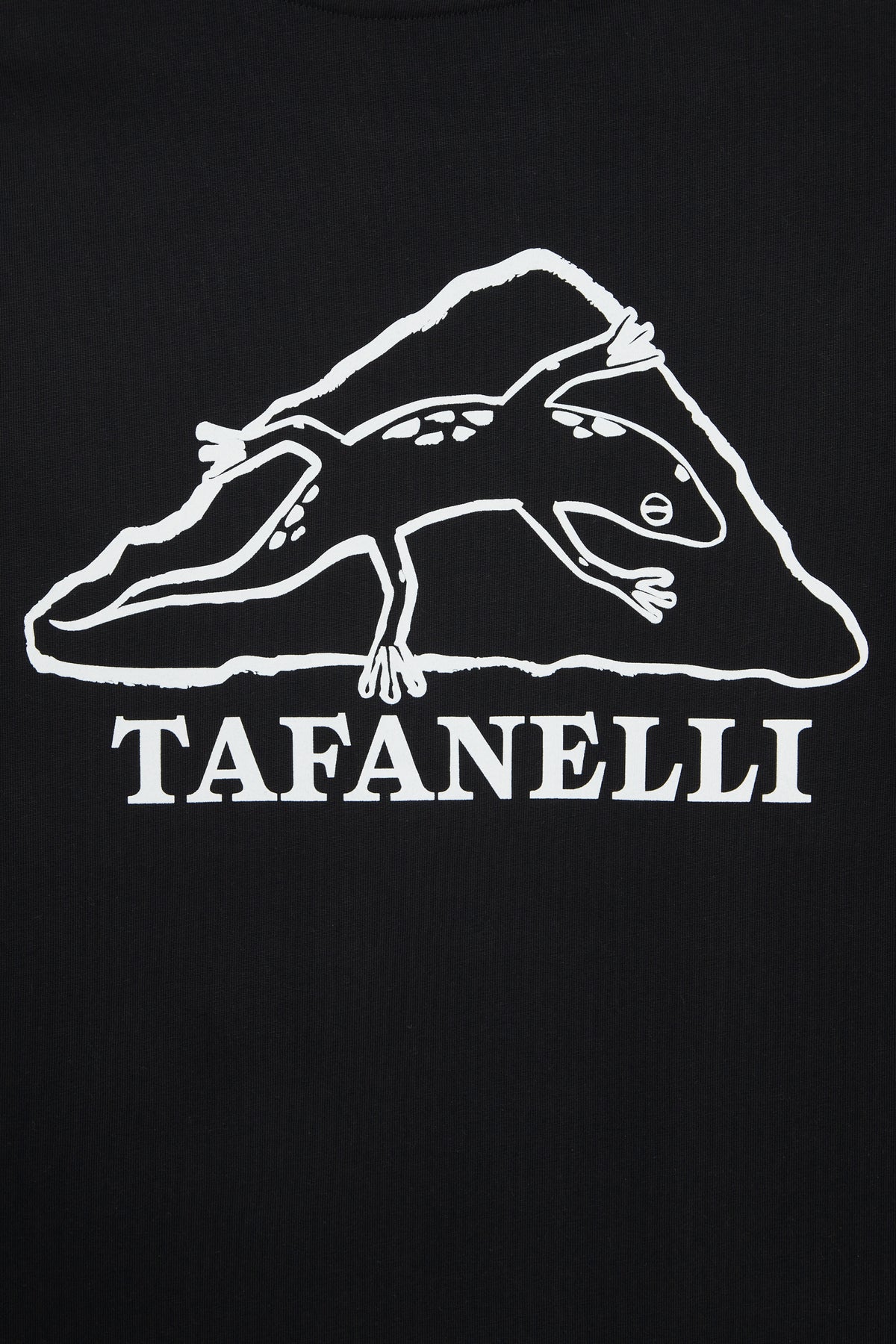
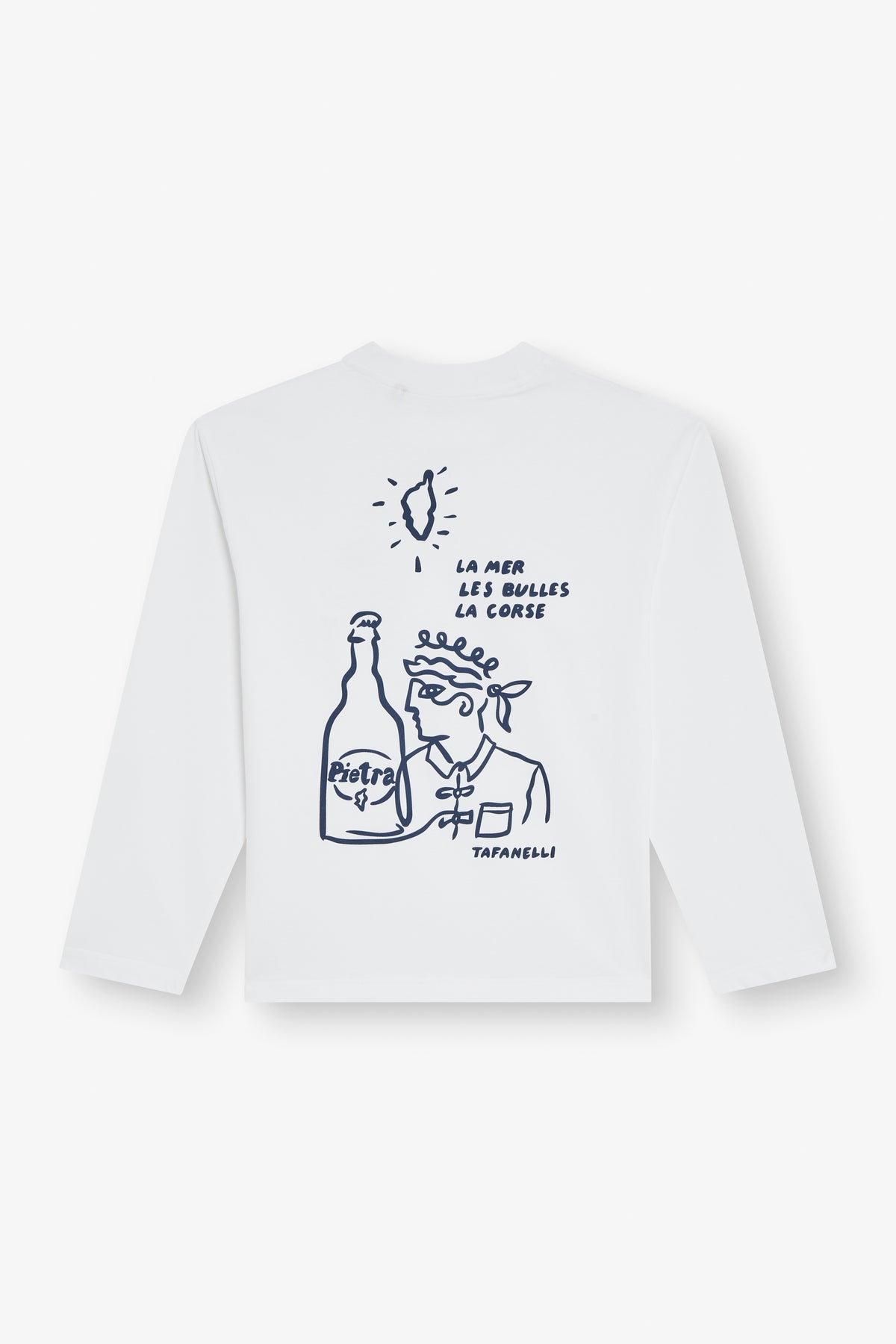
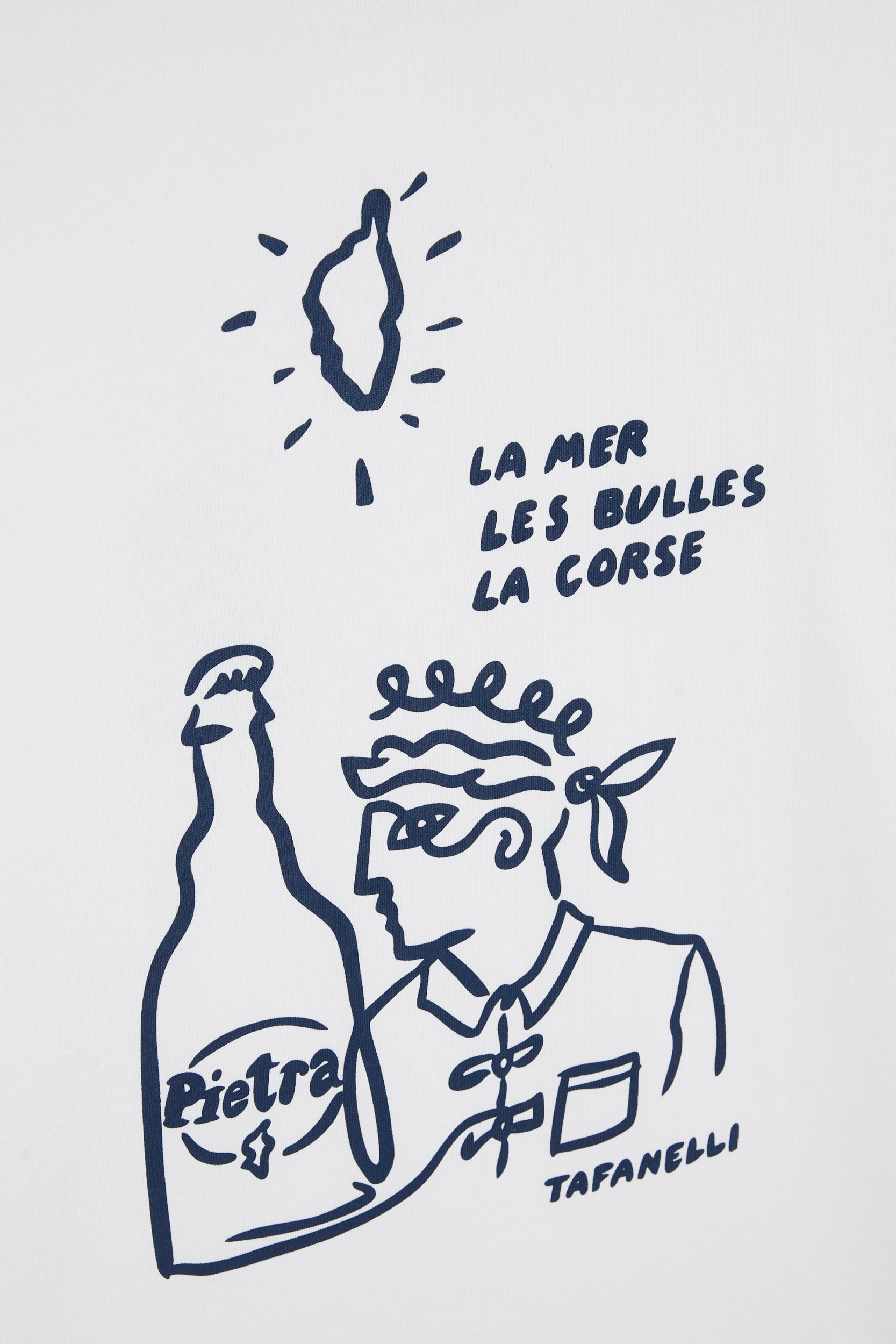
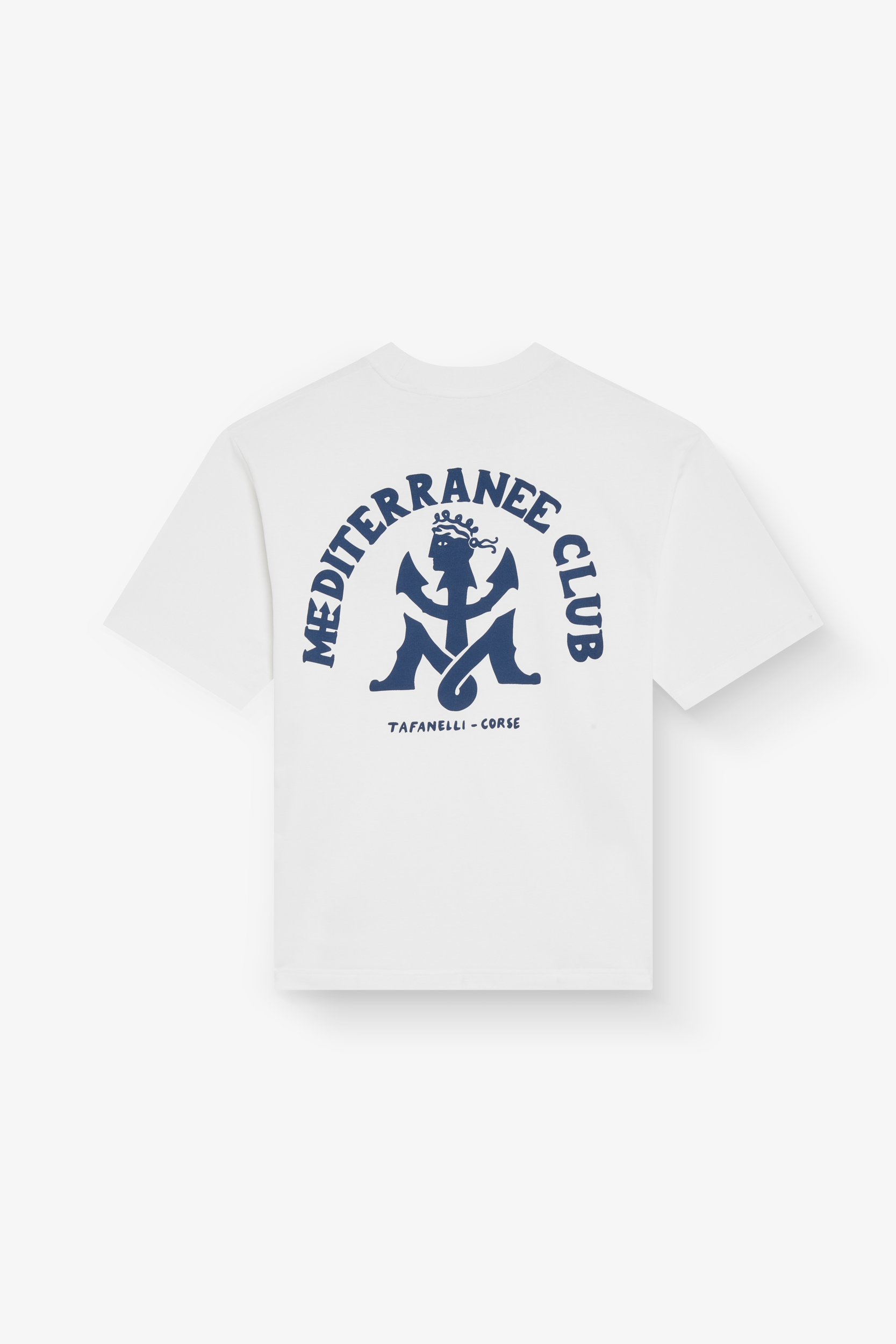
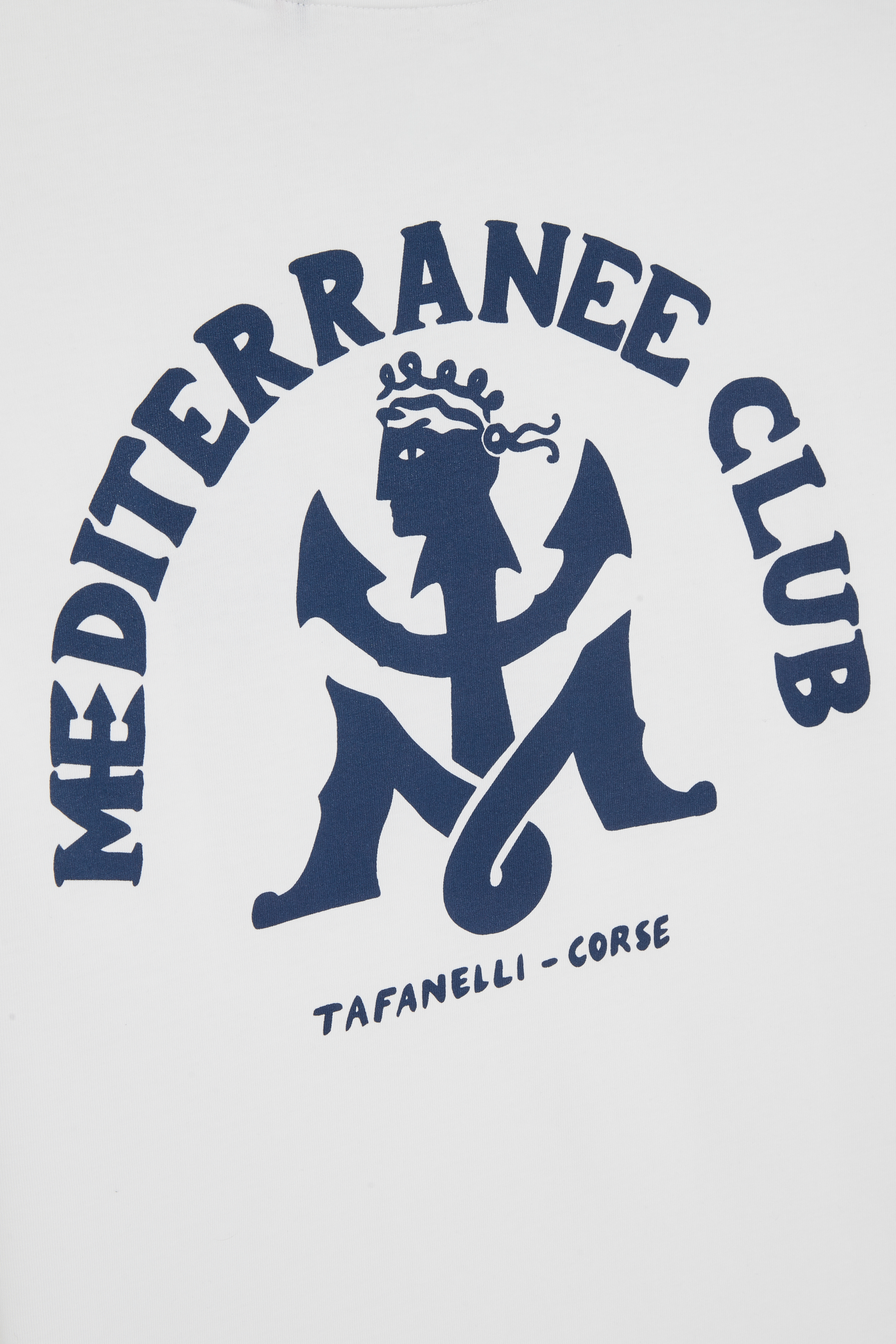
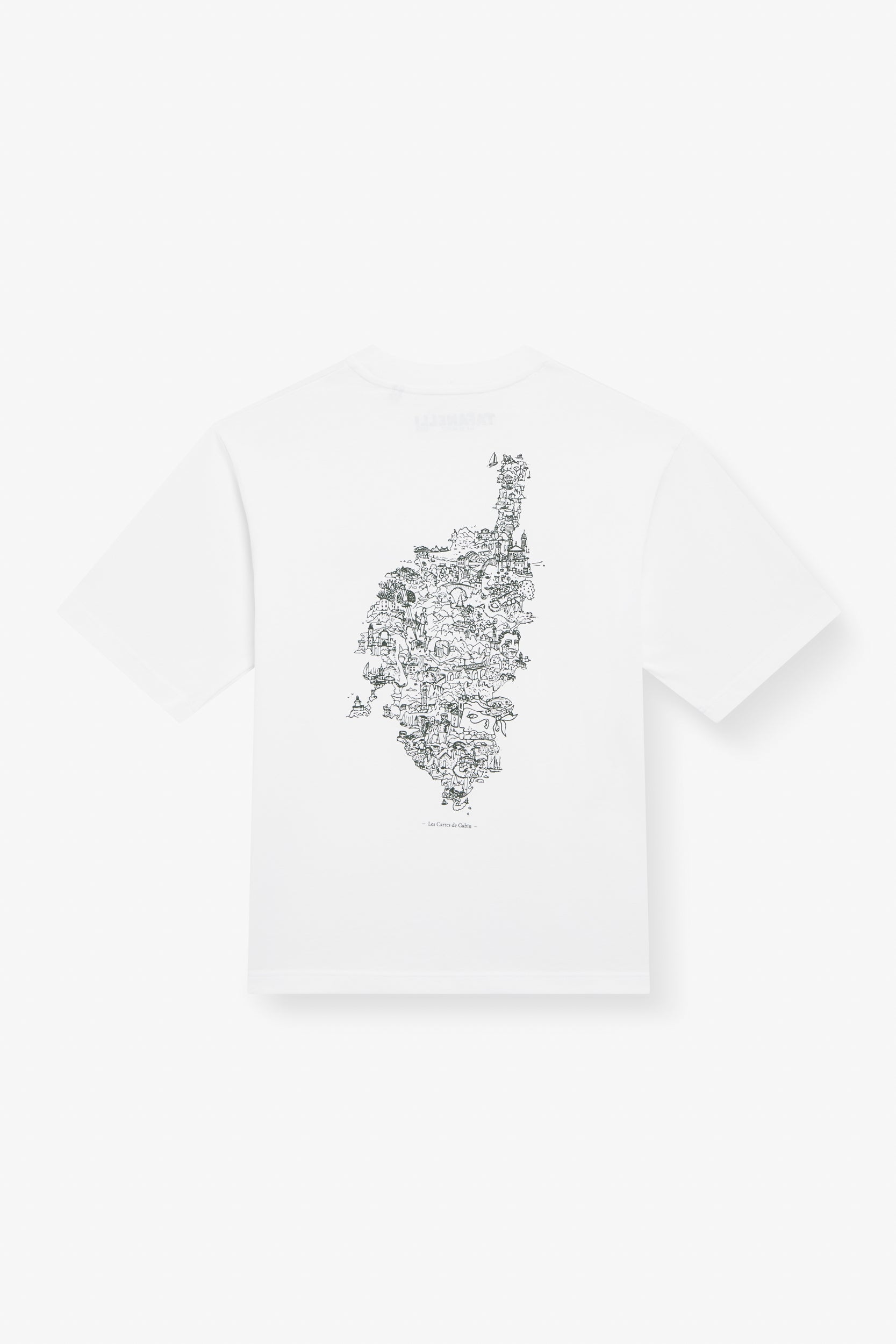
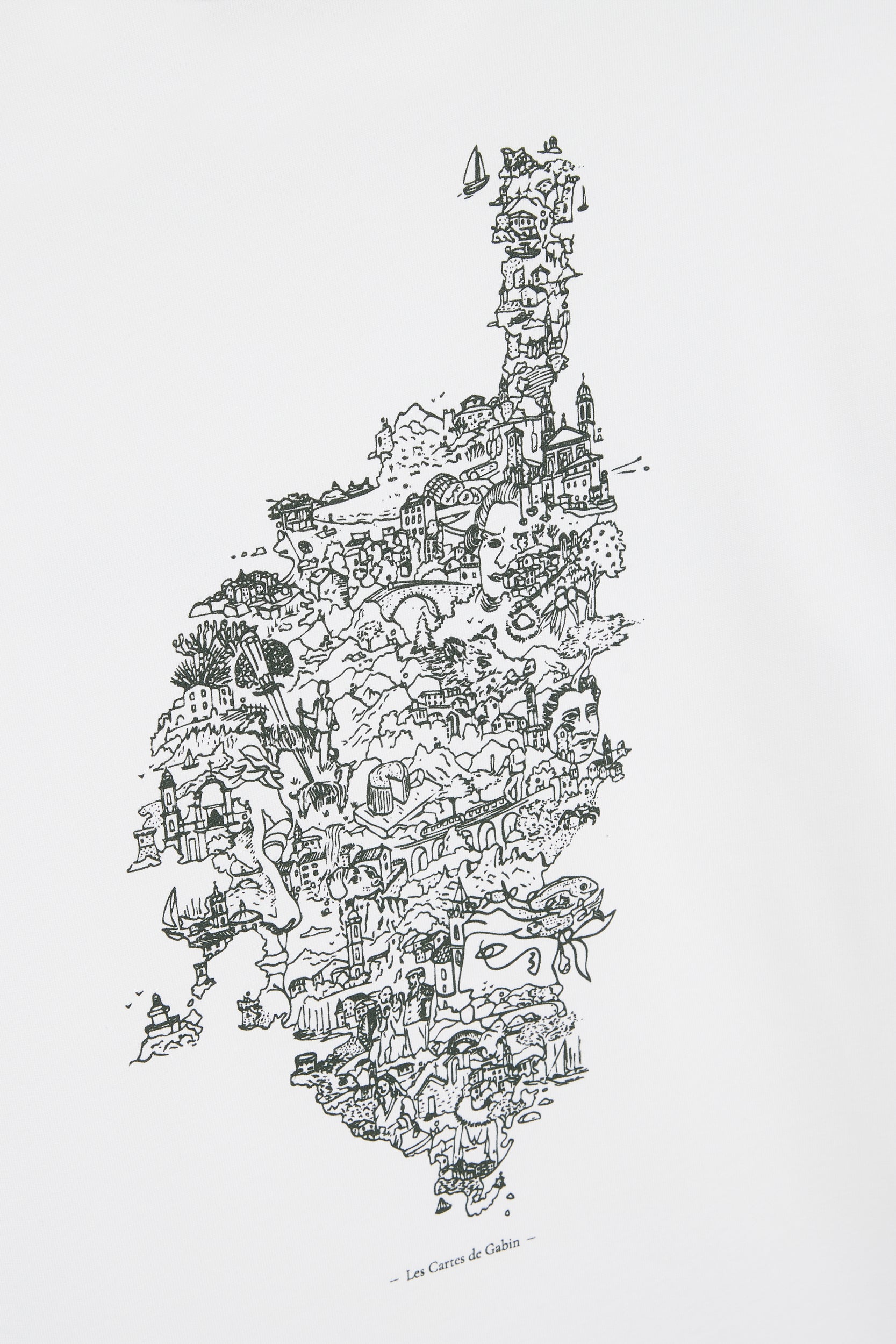
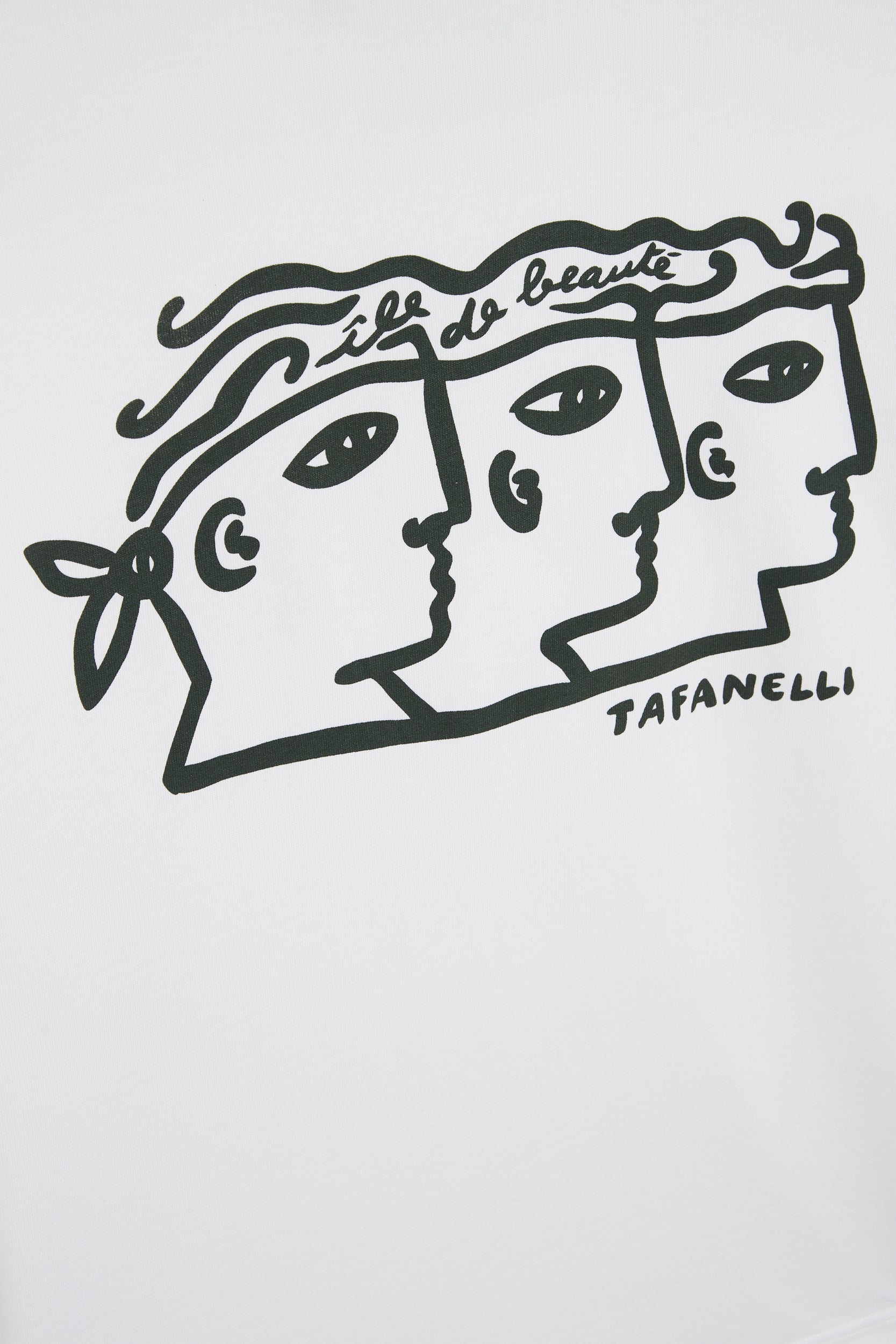
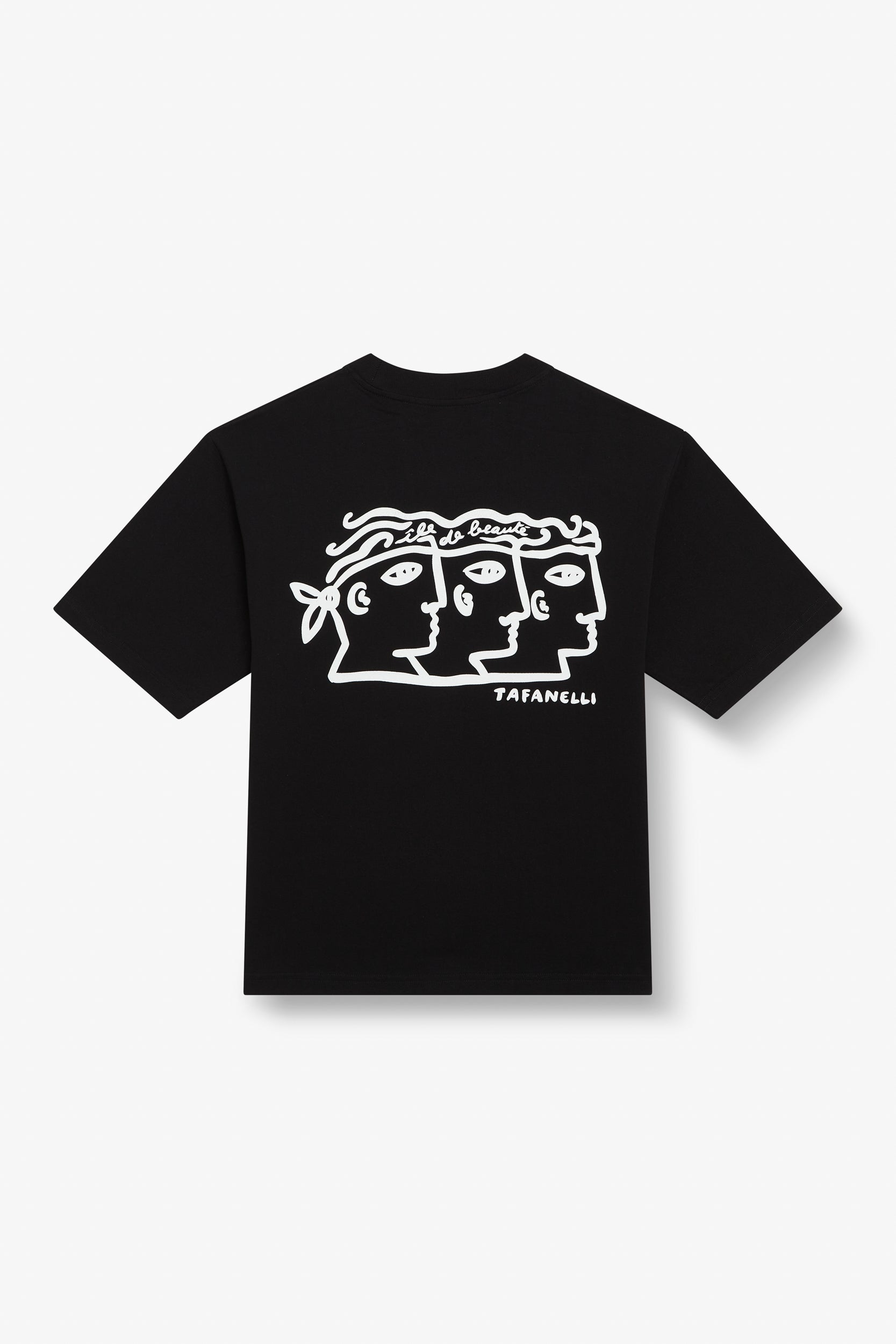
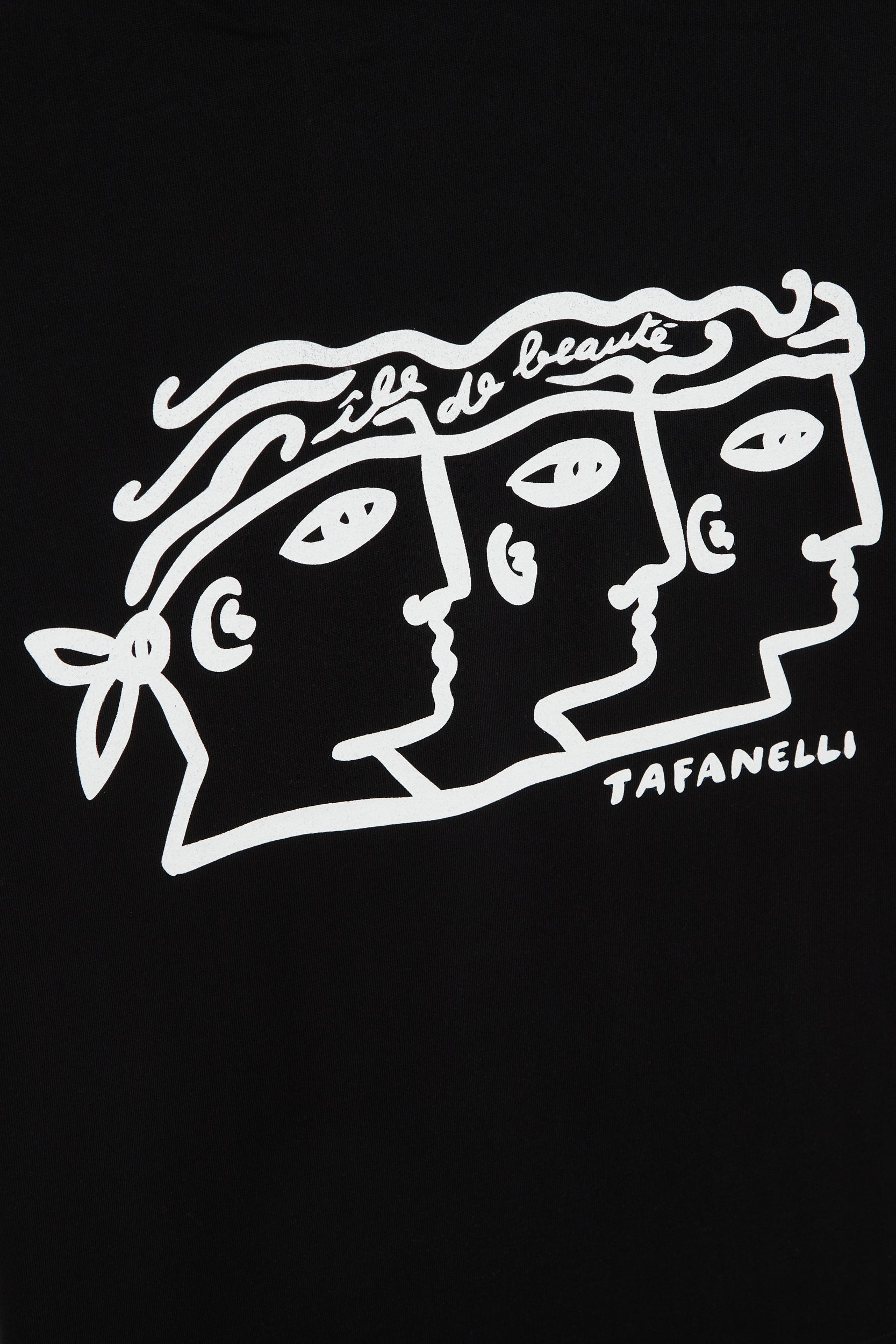
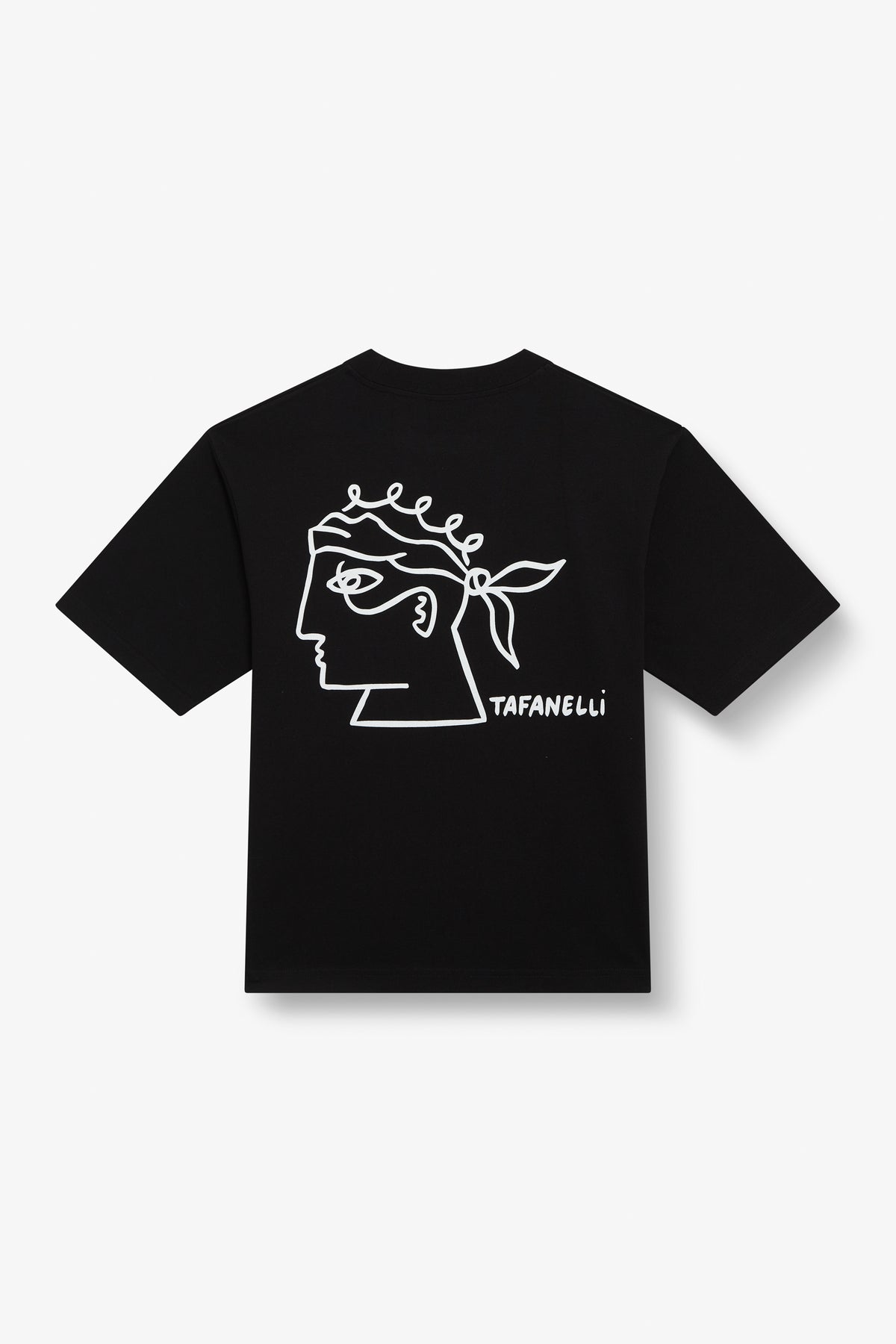
Our t-shirts are hand-screen printed on 280-gram premium organic cotton, pre-washed, and made in France. Ink applied by hand is thicker and richer than an industrial print: it gains depth over time, provided it is respected.
Taking care of this print means continuing the work of the person who applied it. In the workshop, the screen printer works slowly: they apply the ink, observe the fabric, and adjust the pressure. This attention shouldn't stop once the garment changes hands.
A few pieces from our wardrobe:
- LA TRINITÀ, black: sea, mountains, scrubland.
- THE MEDITERRANEAN DIVER: our marine icon.
- THE CALVI DIVER: a piece designed for a bay.
- LE CALYPSO: matte ink on dense cotton.
The entire collection can be seen in our t-shirt collection.
Frequently asked questions
How do I wash a screen-printed t-shirt without damaging the design?
Inside out, cold or 30 °C max, on a short, delicate cycle, with a gentle liquid detergent and no fabric softener. Moderate spin, then air dry in the shade. Never use a tumble dryer, and never iron the design.
Can you machine-wash a screen-printed t-shirt?
Yes, easily, provided you turn it inside out and stick to 30 °C on a delicate cycle. It's the heat and the tumble dryer that damage a screen print, not the machine itself.
At what temperature should I wash a screen-printed t-shirt?
Cold or 30 °C max. Any higher and the fiber expands, causing micro-cracks in the ink. This is the primary cause of cracked designs.
Why avoid fabric softener?
Because it leaves a film on the fibers and the ink. This film dulls the design, clogs the cotton, and reduces breathability. The t-shirt may feel softer after the first wash, but it will degrade faster afterward.
Can I put a screen-printed t-shirt in the dryer?
No, never. The hot air causes the ink to crack and harden, and permanently shrinks the cotton. A single session is enough to permanently mark the design.
How do I iron a screen-printed t-shirt?
Inside out, at 110 °C max. If you must iron the right side, place a thin cotton cloth between the iron and the design. It is best to avoid the printed area or use a quick burst of steam from a distance.
My screen print has cracked, can it be fixed?
No, cracked ink cannot be reconstituted. However, you can stop it from getting worse: wash cold inside out, avoid any heat source, dry flat. On thick, artisanal ink, slight and even cracking can be part of the patina.
Why wash a t-shirt inside out?
To keep the design on the inside, protecting it from friction against the drum and other garments. Micro-abrasions dull the color long before the wear becomes visible.
How often should I wash a screen-printed t-shirt?
As rarely as possible. Each machine cycle adds wear. For a lightly worn t-shirt, a night of airing out is often enough. Treat stains locally rather than washing the whole item.
How long does a well-maintained screen print last?
Several years easily, and much longer with thick, hand-applied ink. The difference comes down to three things: washing temperature, avoiding the dryer, and never placing an iron on the design.
To go further
- Hand-screen printing: our manifesto
- Removing a stain from a t-shirt
- Ironing without damaging the design
- Preventing dark t-shirts from fading
- How to wash a cap without damaging it
- Choosing the right t-shirt size
- What materials to wear in hot weather
- Why it took us four years to perfect our t-shirt
- Why a French-made t-shirt costs more than a 15-euro one
A well-maintained garment is a garment you keep. In the age of disposability, it is a small form of resistance, and the best way to get the most out of a beautiful screen print.
A DOPU,
TAFA
While passing through Corsica, a customer becomes a friend.