

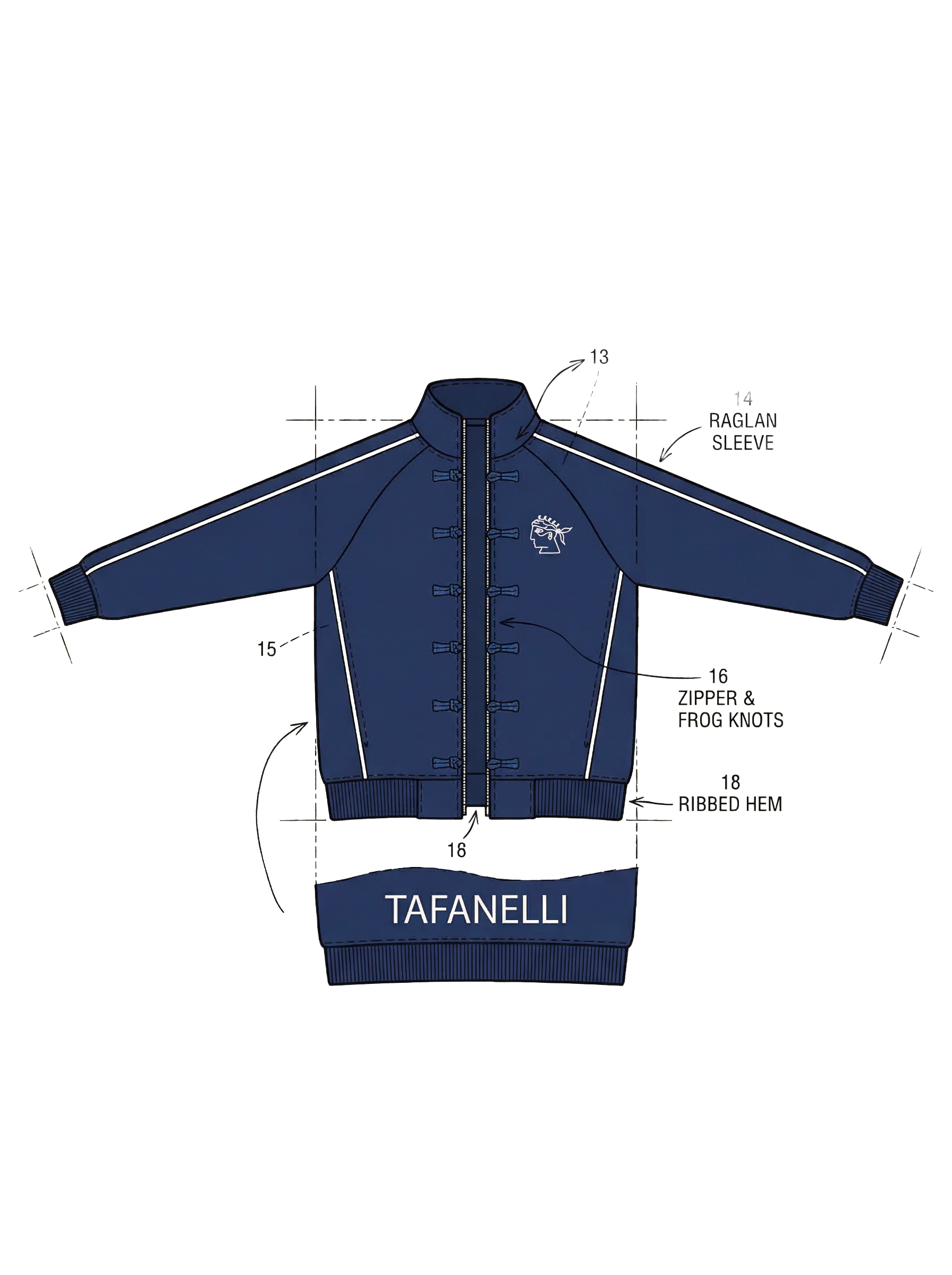
Why is Japanese clothing so sought after? Discover what makes it unique: precision, materials, culture, and relationship to time.

It is not a Chinese jacket, nor is it denim. "Bleu de Chine" owes its name to a dye imported from Asia in the 19th century and its cut to a century and a half of French manual labor. Origins, crite...

A t-shirt can last a few months or several years. Discover the factors that influence its lifespan: fabric, construction, and care.

A T-shirt that loses its shape in the wash may lose its fit or twist on the body. This often depends on the knit of the fabric, the weight, and the washing conditions.

Temperature, spin cycle, detergent, drying: discover how to wash a t-shirt correctly to preserve its fit, fabric, and lifespan for years to come.
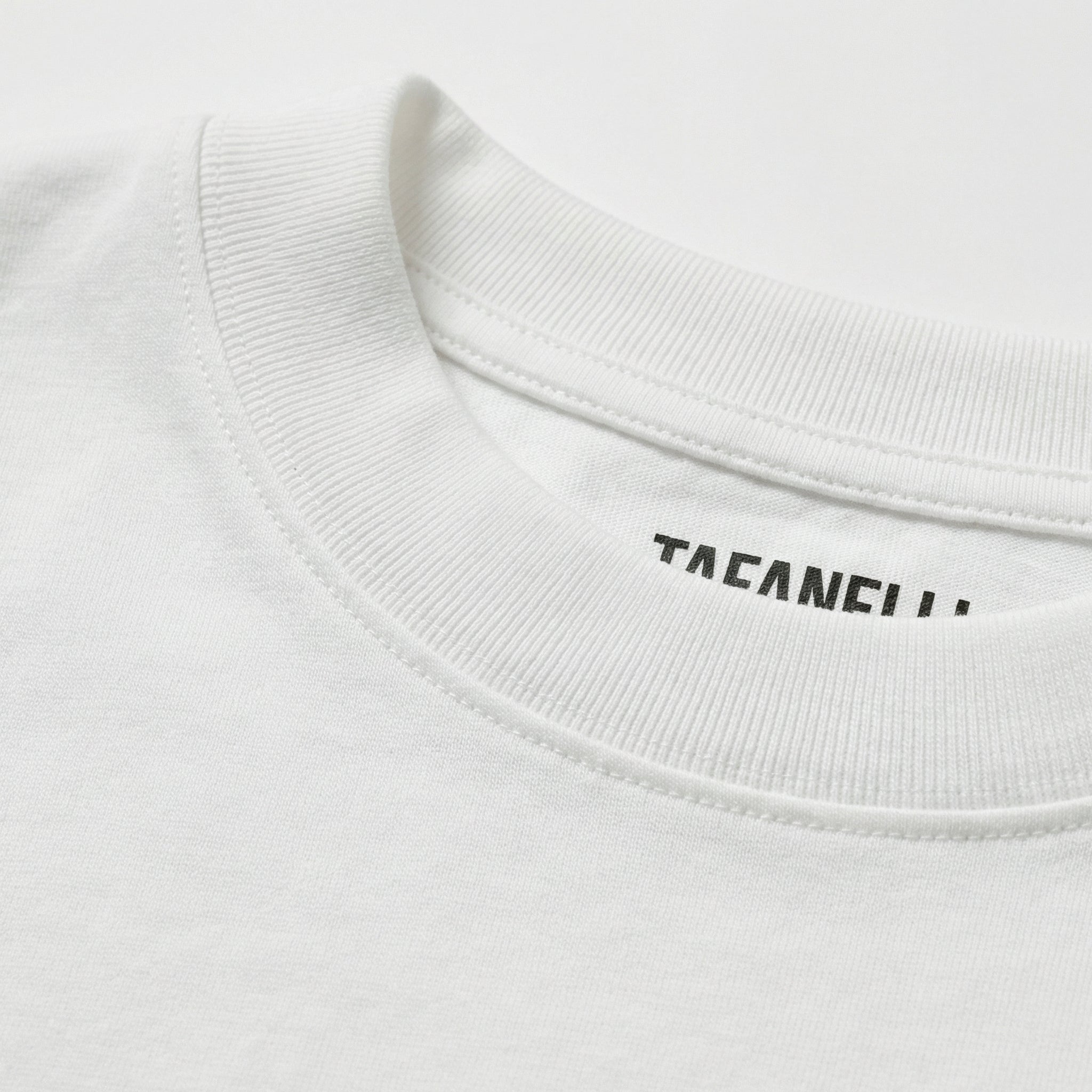
A t-shirt neckline that stretches out is a common problem. This can be caused by the ribbing, the fabric weight, or how the t-shirt is washed and dried. Here are the most common causes and how to p...
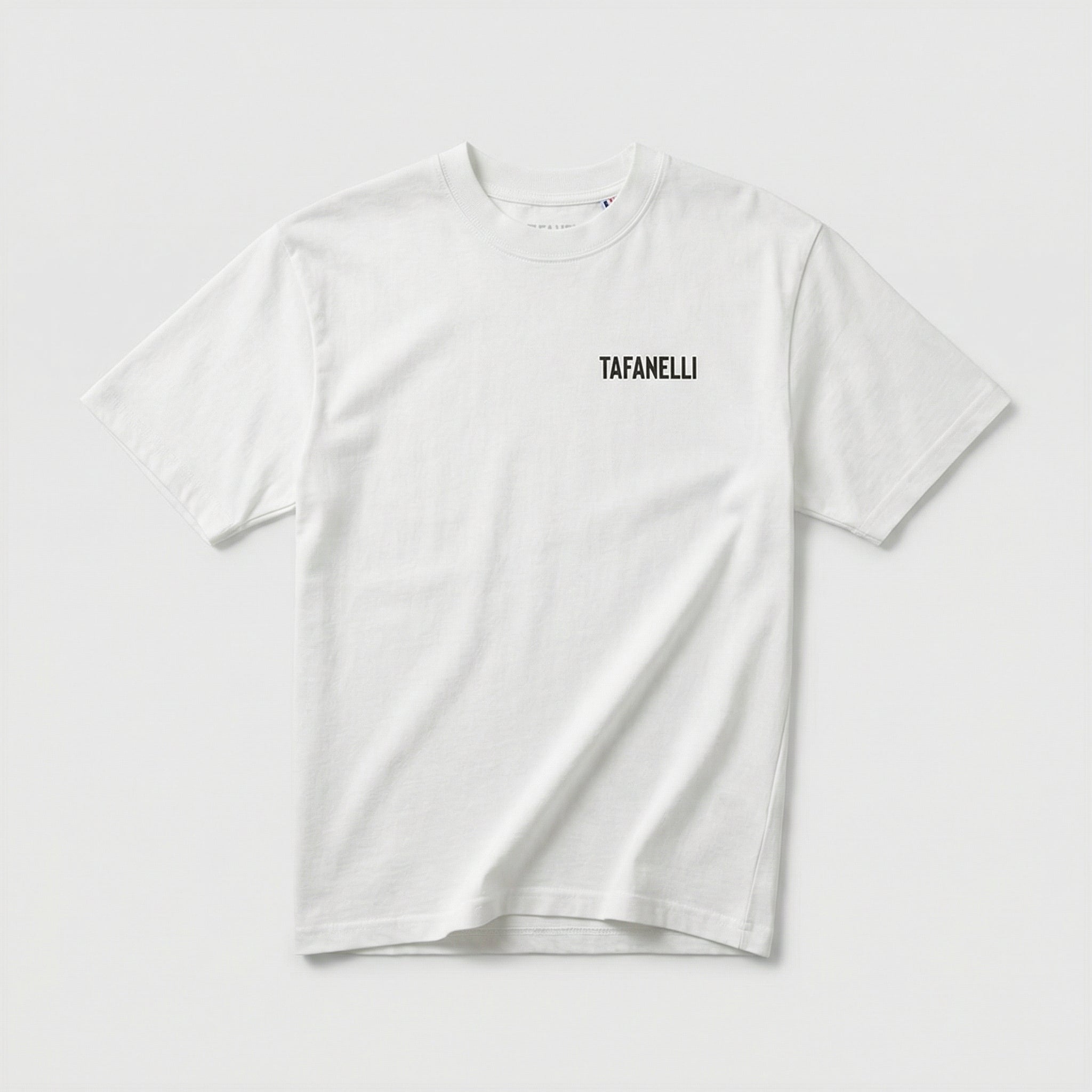
A t-shirt that smells bad after washing isn't necessarily dirty. The odor often comes from bacteria embedded in the fibers or from ineffective washing.
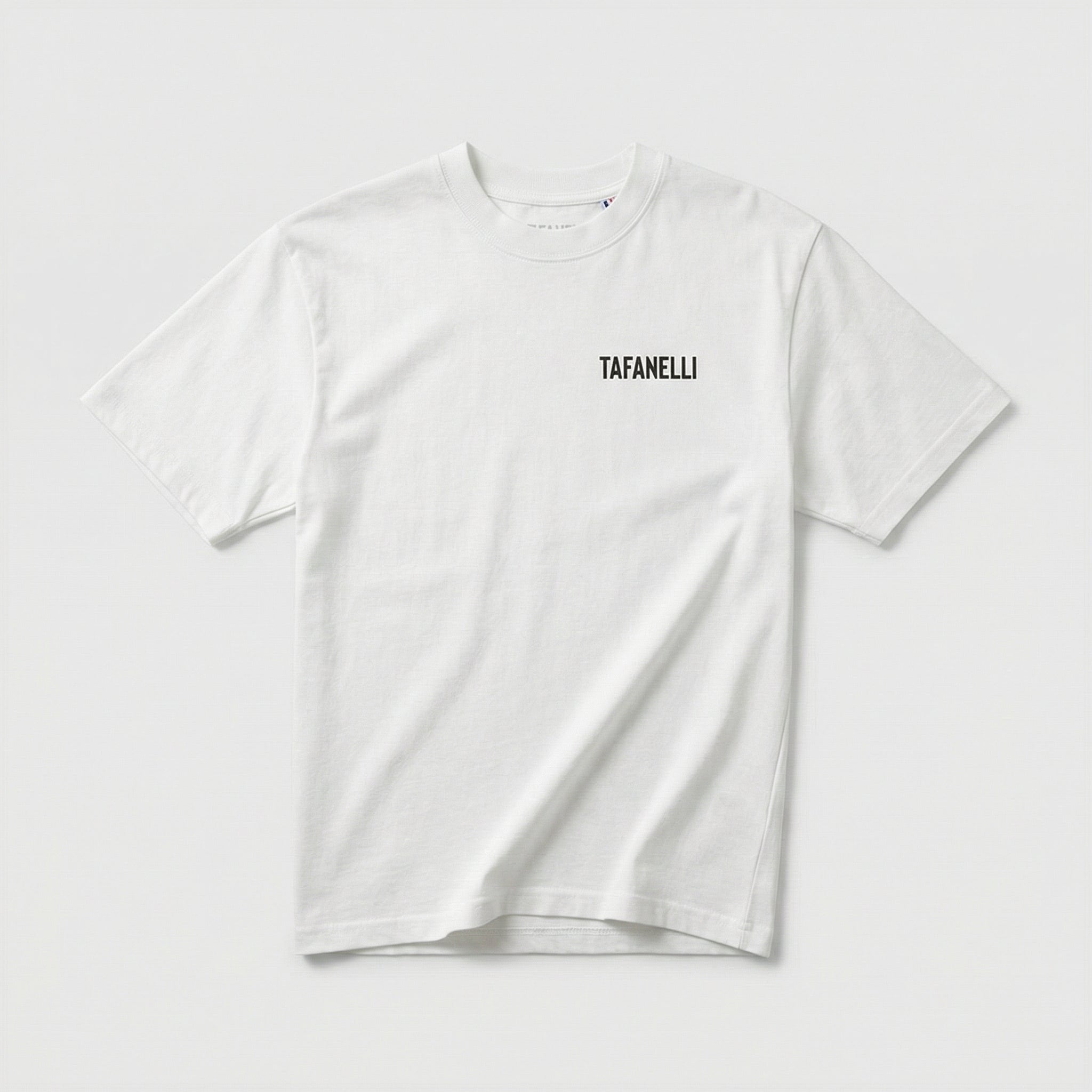
A t-shirt that twists after washing is not just an aesthetic flaw. It is often a sign of poorly stabilized knit or a cut made against the grain of the fabric.
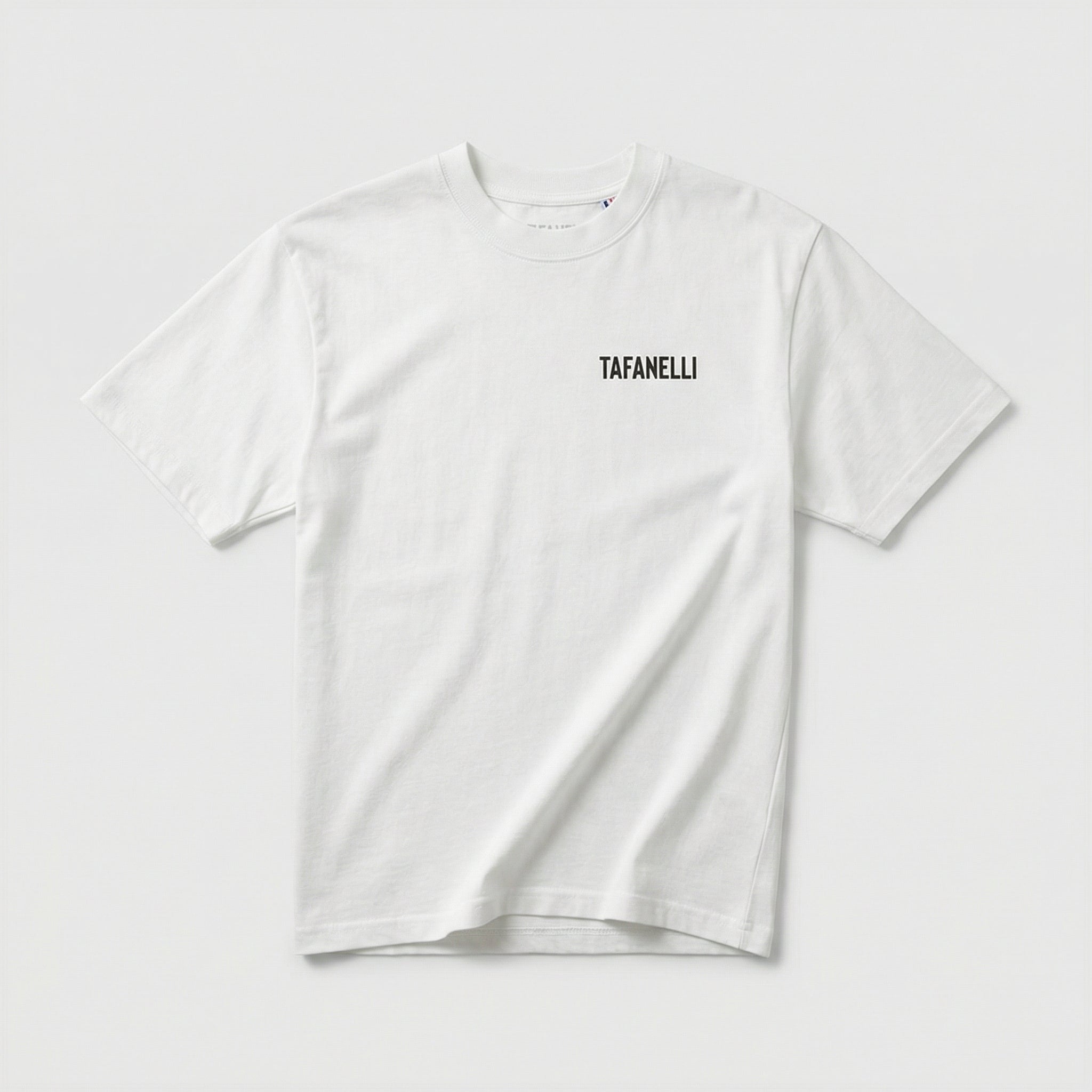
A t-shirt that loses its shape also loses its alignment and comfort. Here are the real causes and simple steps to maintain a stable fit, wash after wash.
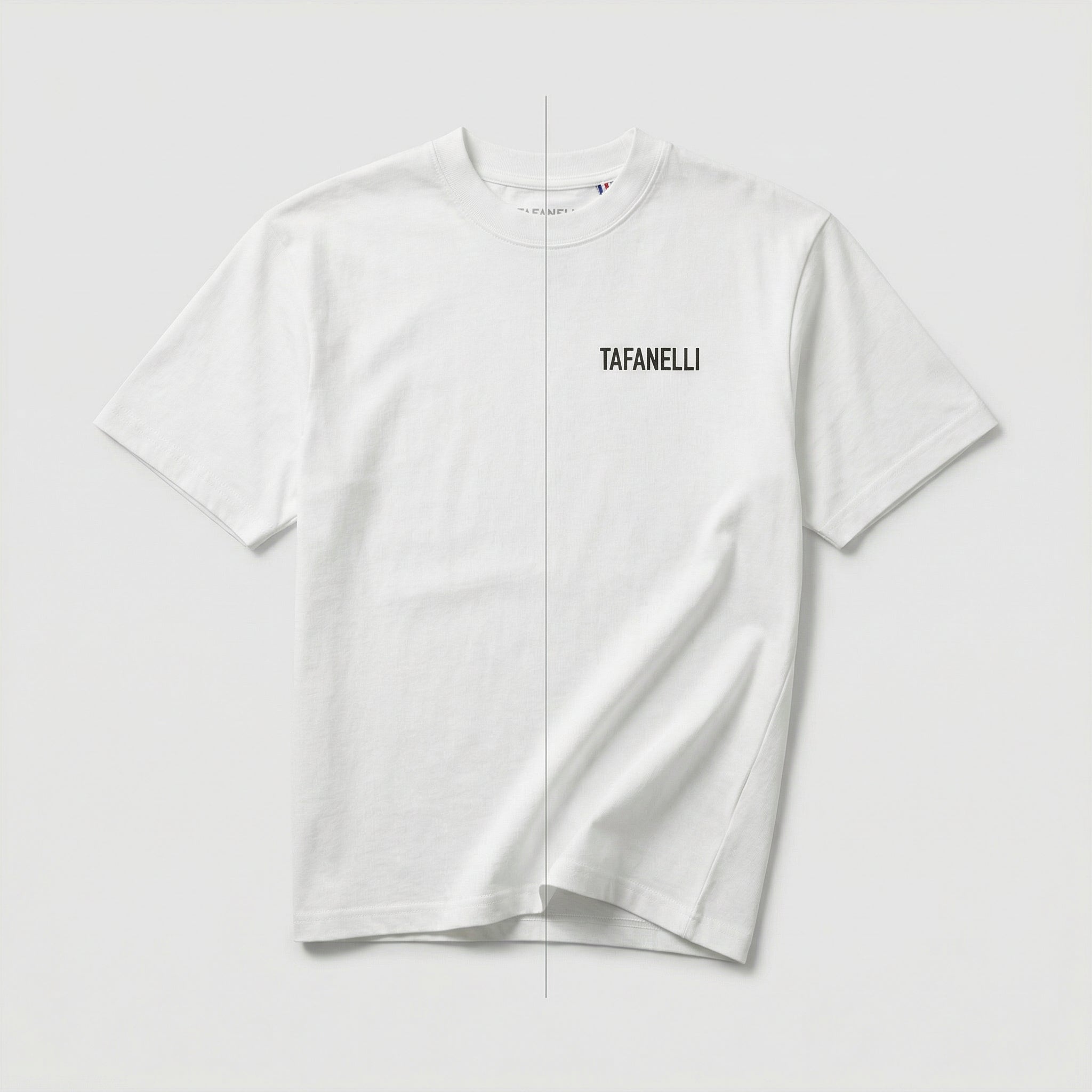
A t-shirt becoming rough after washing is no coincidence. Here is why the fiber hardens and how to regain a soft feel that lasts.
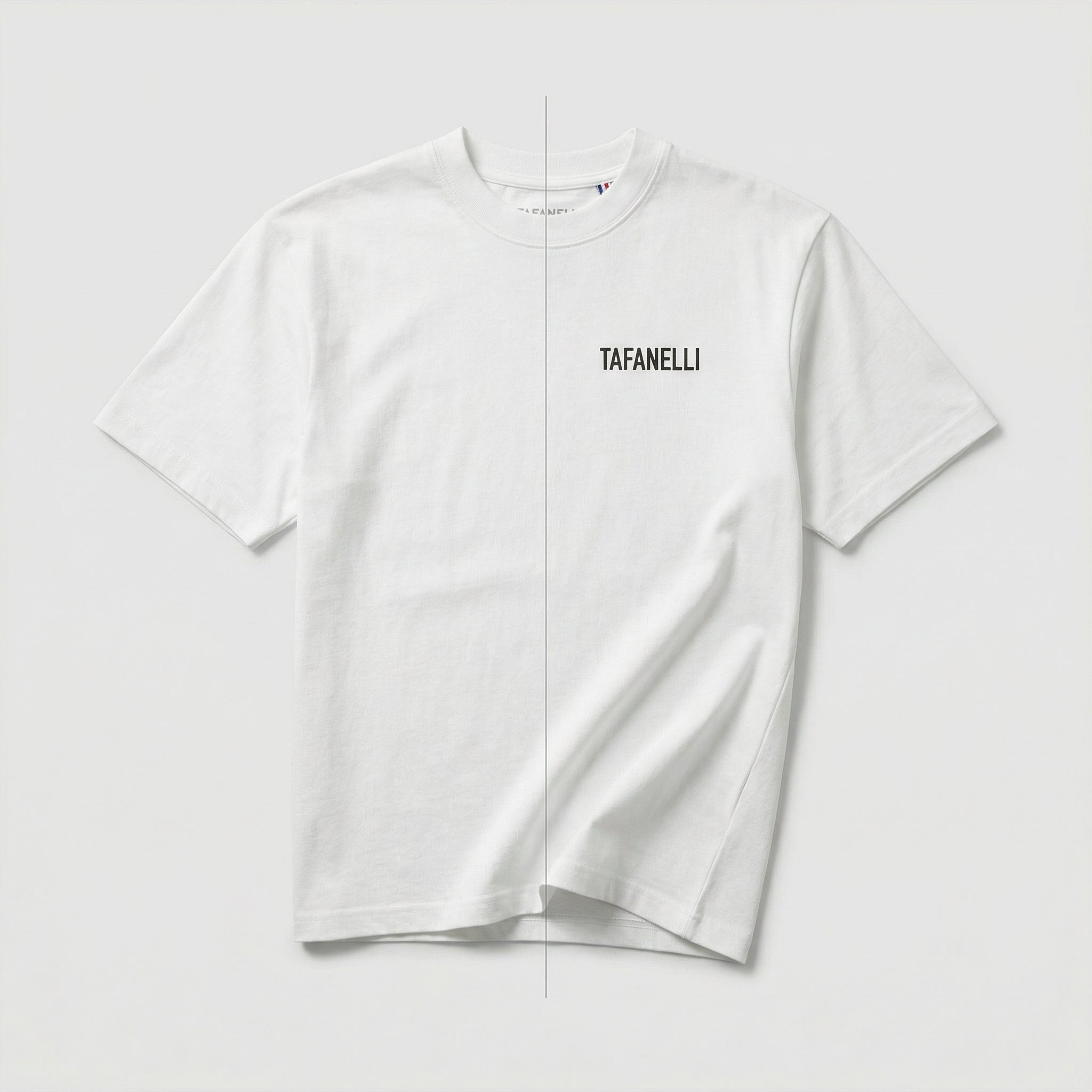
A twisted t-shirt seam is never a coincidence. Here is why it happens and how to choose a construction that stays straight wash after wash.
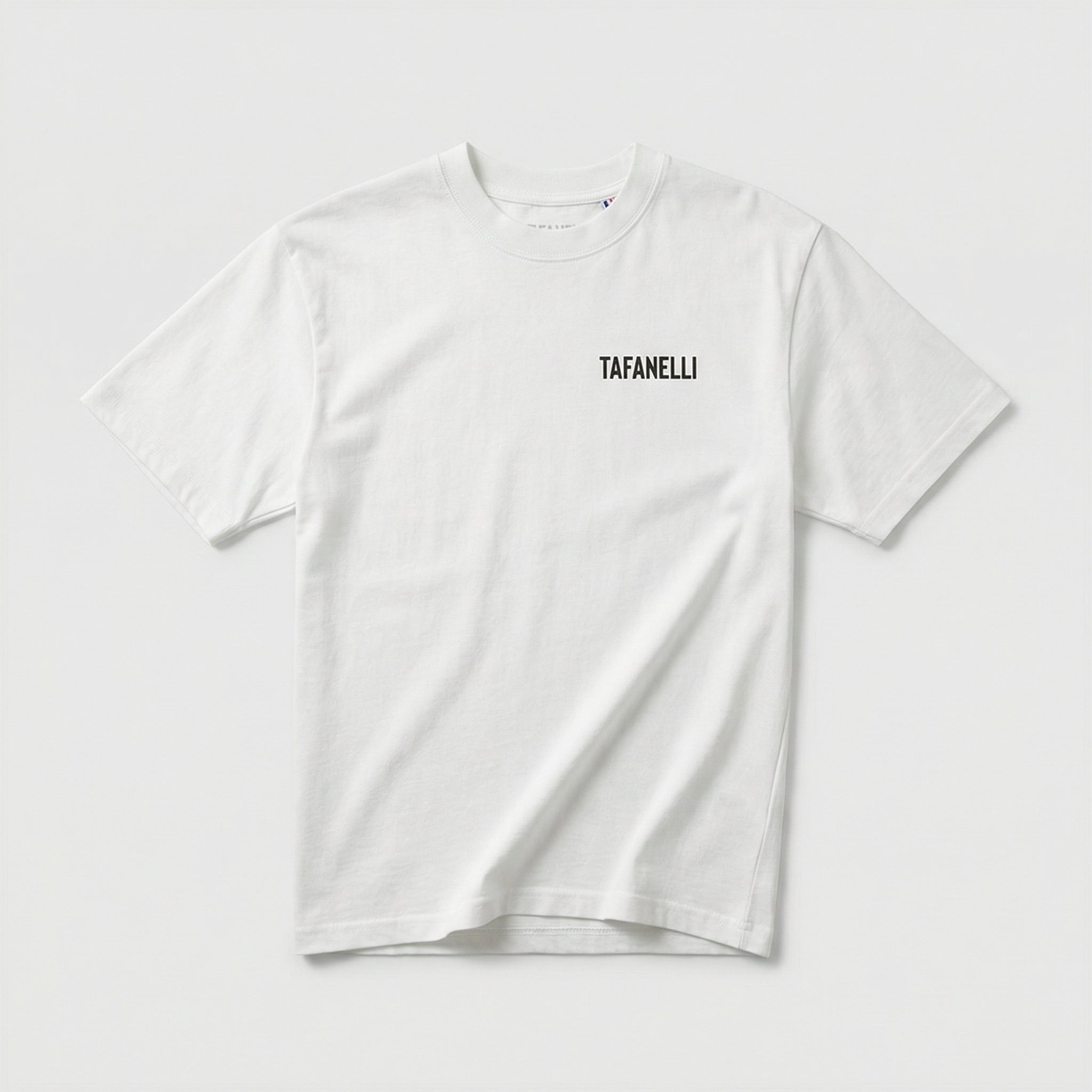
A t-shirt that "twists" after washing is no accident. Here is why it happens, how to limit the twisting, and how to choose a base that stays straight.