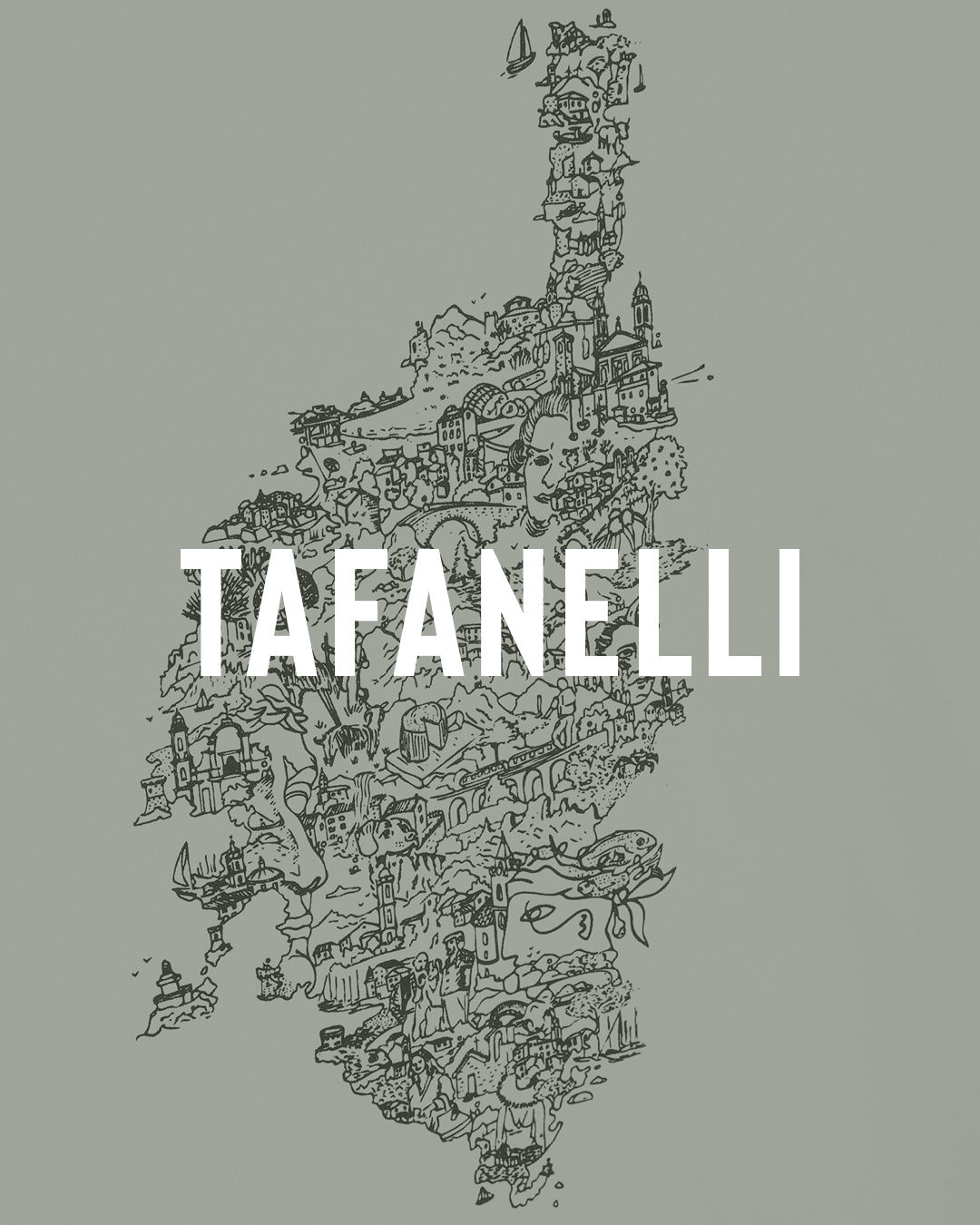
All Saints' Day in Corsica: I Santi, I Morti, and the tombs that watch the sea
On November 1st, Corsican cemeteries fill up with chrysanthemums and people who have returned from the mainland. The following night, water and chestnuts are left on the windowsill for those who are no longer here. And in Cap Corse, white marble tombs emerge from the maquis facing the sea, built by emigrants who wanted to die back home. All Saints' Day is not sad in Corsica. It is the moment when the island counts its own.
I Santi, I Morti: two days, not one
In French, we say "la Toussaint" and think of November 1st. In Corsican, we say two things.
I Santi, November 1st, the feast of all saints. And I Morti, November 2nd, the day of the dead. Two days, and between them a night that counts for more than both days combined.
On the mainland, the holiday has melted into a single afternoon at the cemetery. In Corsica, it has kept its three phases: the day we go to them, the night they come to us, and the day we pray for them.
Here, we don't say we are going to the cemetery. We say we are going to see the dead. It is not the same phrase, and it is not the same relationship.
November 1st at the cemetery
On the morning of All Saints' Day, from Bastia to Bonifacio, the cemeteries become the most lively places on the island.
We go as a family, all together, and we stay. We clean the grave, decorate it with chrysanthemums of all colors, and light candles. Then we talk. To the dead, first, and between the living afterwards, from grave to grave, because we run into the whole village there.
It is also the great day of return. Those who live in Marseille, Paris, or Lyon come back for All Saints' Day just as others come back for Christmas. Village houses light up again for three days. We don't just come to see the dead; we come to be counted among the living who belong here.
In Ajaccio, the tradition is particularly strong at the Sanguinaires cemetery, facing the sea. In the villages, it holds firm everywhere.
FOR THOSE WHO RETURN
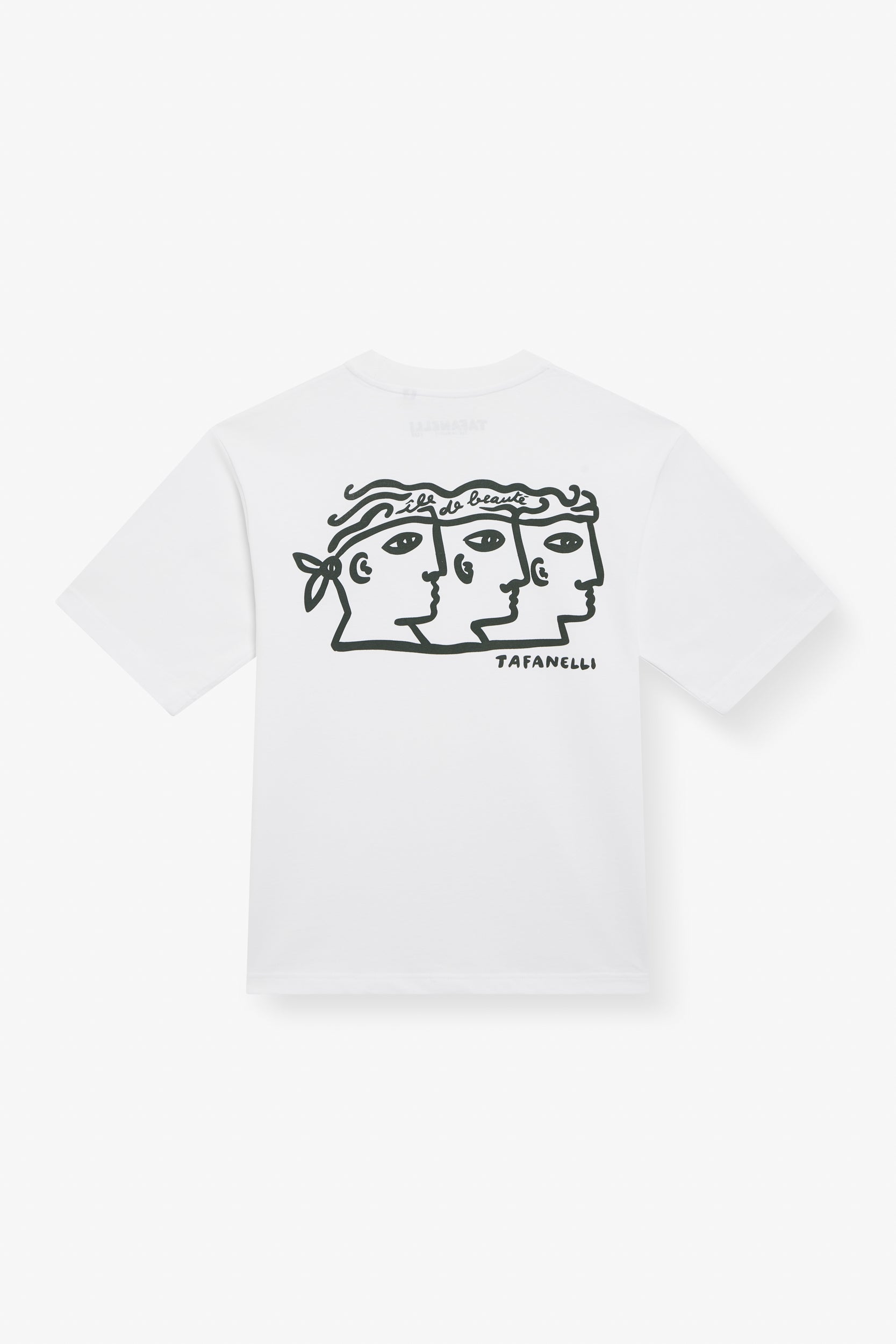
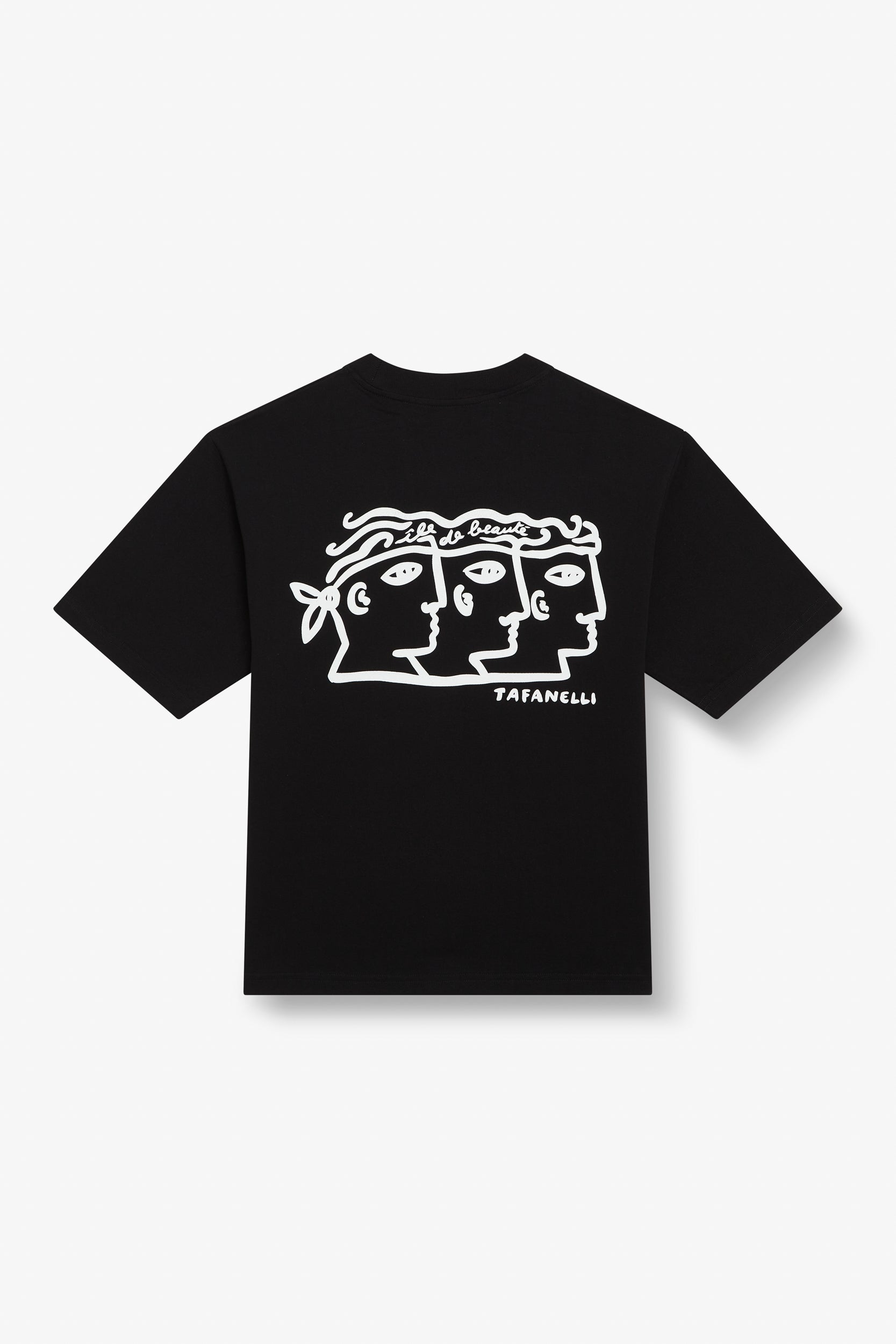
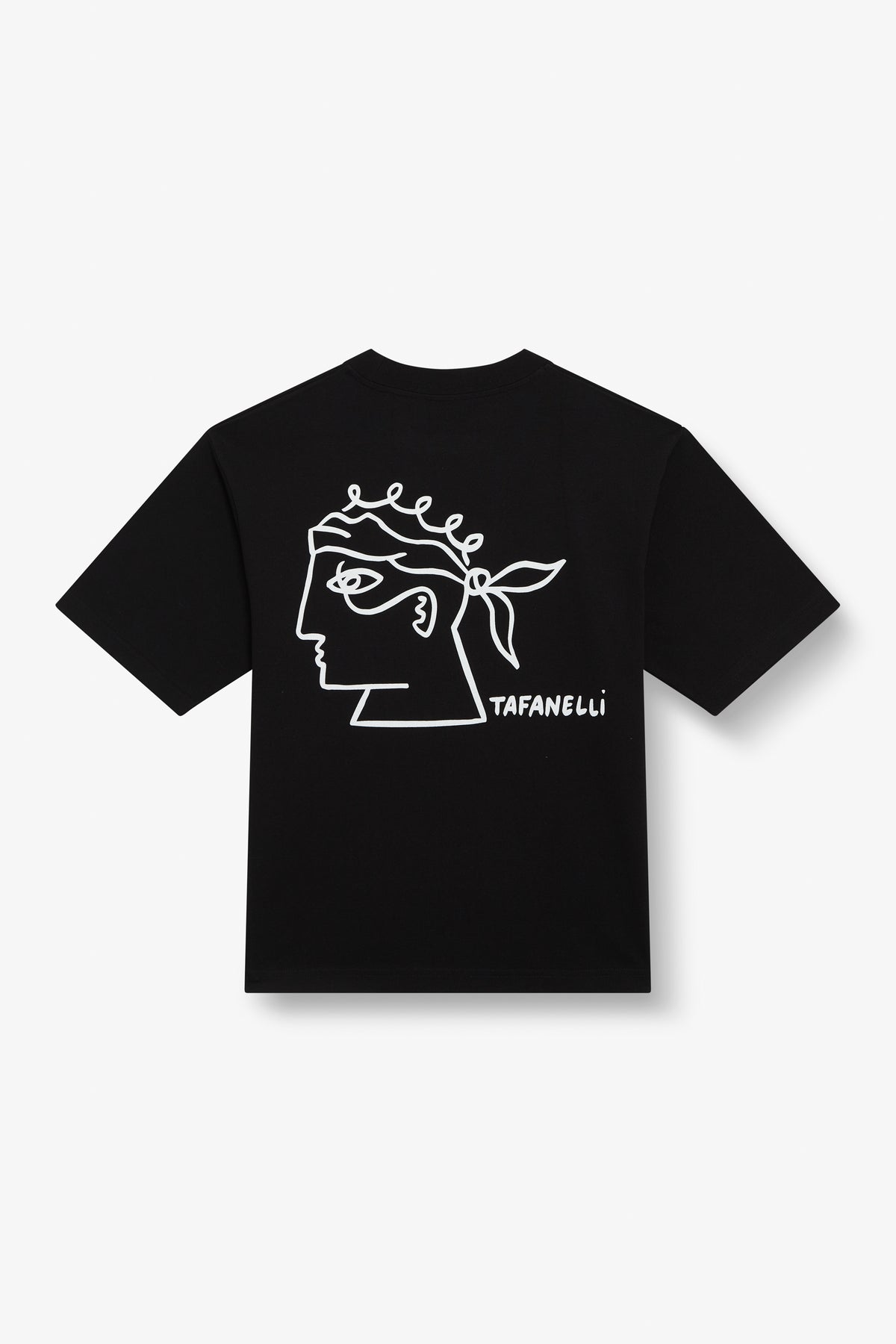
The Corsica 1755 t-shirt
The year of independence, hand-silkscreened on 280-gram organic cotton. The piece you wear when you return, and keep when you leave again.
See the Corsica 1755A notte di i morti: the night they return
On the night of November 1st to 2nd, tradition has it that the souls of the departed return to the houses they once inhabited.
So we wait for them. Before going to bed, we leave bread and water, or milk and chestnuts, on the table or the windowsill. In some families, we set a place for the departed. In others, we leave the house exactly as they left it, so they find their bearings.
The rites vary from one pieve to another, from one valley to another. But the principle is the same everywhere: that night, the border between the two worlds is thin, and we do what is necessary to make the crossing gentle.
This is not superstition. It is a way of saying that no one ever truly leaves the house, and that their place remains set.
The tombs of Cap Corse
There is something in Cap Corse that you don't see anywhere else. Tombs, isolated, often immense, that emerge from the maquis or the shade of umbrella pines, facing the sea.
Greek columns, Byzantine-inspired domes, lime-washed walls of an almost Arab whiteness, staircases, gates, gardens planted with palm and cypress trees. Inside, an altar, sculptures, sometimes paintings. These are not graves; they are family funerary chapels.
Who built them
In the 19th century, Cap Corse emptied of its men. They left to seek their fortune in the Americas, in Puerto Rico, Venezuela, Santo Domingo. We still call them "the Americans." Many never returned. Those who did return wealthy did two things: they built a house, and they built their tomb.
Around 1850, these monuments multiplied. A proverb from the time says it all: "Build your tomb on your property and you will go to paradise." Building your tomb on your own land was an assertion of the lineage's power. It was also, very concretely, a way to make the land inalienable. You don't sell a field where your parents rest.
Where to see them
- Sisco, the Battistini tomb.
- Cagnano, the Biaggi tomb.
- Barrettali, in the hamlets of Minerviu and Cunchigliu, where families competed in grandeur, facing the sea.
- Pino, the Bartolomei tomb, shaped like a boat and topped with sculpted anchors. A sailor who wanted to set off by boat one last time.
We don't visit them like monuments. We pass by them on the road to the Cap, we see them whitening in the maquis, and we understand something about the island without needing it to be explained.
The voceru and the veghja
To understand the Corsican All Saints' Day, one must understand how the island accompanies its dead the rest of the year.
A veghja is the wake. The deceased is never left alone. The family remains, neighbors take care of all the arrangements, and at midnight, u cunfortu is distributed—a collation that still exists in some villages.
U voceru, or u lamentu, is the song. A funeral lament, improvised and sung by women, the voceratrici, during the wake. A song that tells the story of the dead, addresses them, sometimes even calls for vengeance. It is one of the oldest forms of Corsican song tradition, and one of the most moving.
The voceru has almost disappeared in its ritual form. But it has left something behind in the way the island mourns: out loud, singing, and without shame.
What we eat on All Saints' Day
As always in Corsica, the holiday revolves around the table, and the table varies by region.
- Chestnuts, everywhere. It is their season, and they are what we leave at the window for the dead. See our article on the chestnut and the Castagniccia.
- Bastelle and sciacce in the South, dough turnovers filled with chard and brocciu.
- The family meal, after the cemetery, which brings together those who returned and those who never left.
Nothing festive in the continental sense. But a meal where we talk about those who are no longer here, and where their place, sometimes, remains set.
Why this says everything about the island
One could see in all this an island turned toward its dead. It is the opposite.
The Corsican All Saints' Day is the holiday of those who return. The emigrants from the Cap who wanted to be buried on their land. The children from Marseille who take the boat for a November weekend. The souls we wait for at the window with chestnuts. Everyone returns, and the island counts.
This is an island that has spent its history watching its own leave, and which invented a holiday to ensure they return at least once a year. If you are looking to understand what it means to belong to Corsica, it is not August 15th you should look at. It is November 1st.
And then, winter begins. As we have written: Corsica in winter, the season when the island belongs to those who stay.
Frequently asked questions
How do you say All Saints' Day in Corsican?
I Santi, for November 1st. November 2nd, the day of the dead, is called I Morti. The two days are distinct, and the night that separates them, a notte di i morti, has its own tradition.
What do people do in Corsica on November 1st?
Families go to the cemetery, clean and decorate the graves with chrysanthemums, light candles, and stay for a long time. It is also one of the major return days for Corsicans living on the mainland.
What is the "night of the dead" in Corsica?
On the night of November 1st to 2nd, the souls of the deceased are supposed to return to their homes. We leave bread and water, or milk and chestnuts for them on the table or by the window. Some families set a place for the departed.
What are the tombs of Cap Corse?
Family funerary chapels, often monumental, built starting in the 19th century by emigrants returning from the Americas and by local notable families. Isolated in the maquis, facing the sea, they combine a tomb and an altar. The most remarkable are found in Sisco, Cagnano, Barrettali, and Pino.
What is a voceru?
A sung funeral lament, improvised by women during the wake. One of the oldest forms of Corsican song. Its ritual practice has almost disappeared, but it has left a lasting mark on how the island experiences mourning.
Can we visit Corsican cemeteries on All Saints' Day?
These are places of family remembrance, not tourist sites. If you pass by, do so with discretion and respect. The tombs of Cap Corse can be seen from the road and understood without needing to enter them.
All Saints' Day and TAFANELLI
We live in Bastia. The tombs of the Cap are twenty minutes from our place; we pass by them every time we head up to Centuri. And on November 1st, we know where our parents, our friends, and half of our customers are: at the village, among the chrysanthemums.
What this holiday tells is exactly what we try to put into our pieces. An island of people who left and are coming back. A land you don't sell. A way of keeping the place set.
The Corsica 1755 t-shirt bears the year the island decided it belonged to itself. The Trinità carries its three elements—the sea, the mountain, the maquis—the very same ones from which the Cap tombs emerge. And our sweatshirt collection is made for November mornings at the cemetery, when the sun hasn't yet crested the ridge.
To go further: what a Corsican brand means, and September 8th, the other great day of return.
Chestnuts and water on a windowsill, a night in November. It’s a small thing. It’s the whole island.
When passing through Corsica, the customer becomes a friend.
A DOPU,
TAFA
Sources: Corse Net Infos, "I Santi I Morti and Notte di i morti" dossier. Visit Corsica, "Tombs of Cap Corse." Cap Corse Tourism. Linguanostra, "voceri e lamenti." Studies on death, Cairn. Article established September 9, 2026.