September 8th in Corsica: Lavasina, the Santa di u Niolu, and why the island celebrates the Virgin
Every September 8th, Corsica comes to a standstill for the Nativity of the Virgin. In Lavasina, in Cap Corse, three thousand people descend by torchlight to the sea. In Casamaccioli, in the Niolu, the oldest fair on the island spirals around a statue. This is not just another festival. It is the day the island remembers to whom it entrusted itself in 1735.
Why September 8th is the quintessential Corsican festival
The Nativity of the Virgin has been celebrated on September 8th throughout the Catholic Church for centuries. But in Corsica, this day has a depth found nowhere else.
In January 1735, in Orezza, the Consulta proclaimed the island's independence and placed it under the protection of the Virgin. Corsica chose its sovereign: a Regina di Corsica. The song dedicated to her, the Dio vi salvi Regina, became the island's anthem, and remains so to this day.
Since then, the Virgin is everywhere. More than one hundred and twenty churches and oratories are dedicated to her on the island. And September 8th, the day of her birth, is when all of Corsica, from the Cap to the Niolu, celebrates her at once.
On September 8th, it is not Corsica going to mass. It is Corsica visiting its queen.
Two places concentrate this fervor, just a few dozen kilometers apart, yet they could not be more different.
Lavasina: the painting, the storm, and the miracle
Lavasina is a hamlet in Brando, on the east coast of Cap Corse, ten minutes north of Bastia. A cove, a pebble beach, a bell tower. And a sanctuary nicknamed the Lourdes of Corsica.
The story begins in the 17th century with a family of merchant sailors, the Danese. A client from Rome, unable to pay them, gave them an anonymous painting of the Virgin in settlement. Upon opening the package, they found the exact amount they were owed. They placed the painting on the altar of their family chapel.
In 1675, a nun from Bonifacio, Sister Marie-Agnès, took refuge in this chapel to escape a storm. She was paralyzed in her legs. She rubbed herself with oil from the lamp lighting the painting, and the pain vanished.
News of the miracle spread across the island. A sanctuary was built and inaugurated on September 7, 1677. The following day, September 8th, the Nativity of the Virgin was celebrated there for the first time. It has been three hundred and forty-nine years since it was last interrupted.
CAP CORSE, OUR SIDE OF THE ISLAND
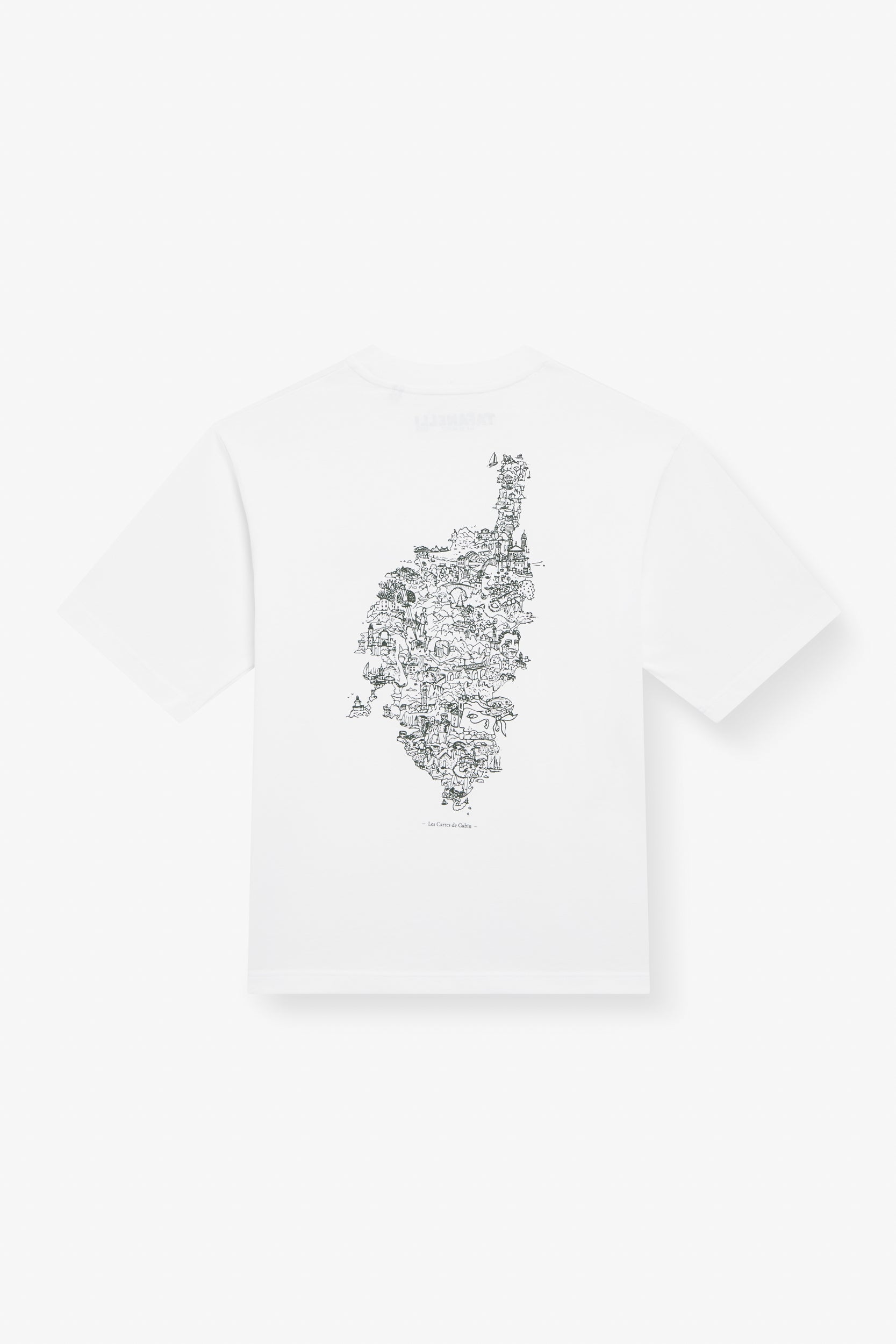
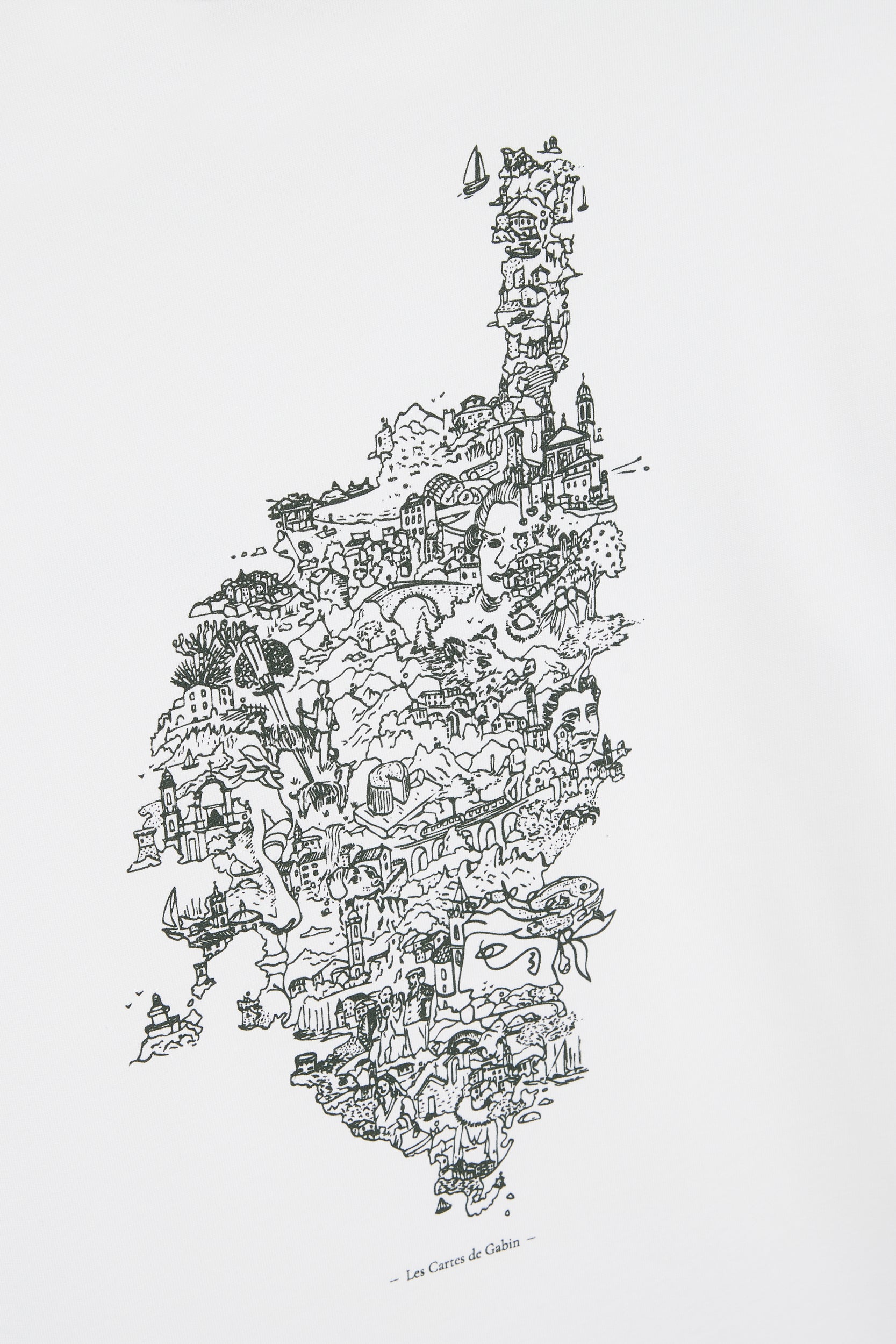
La Trinità
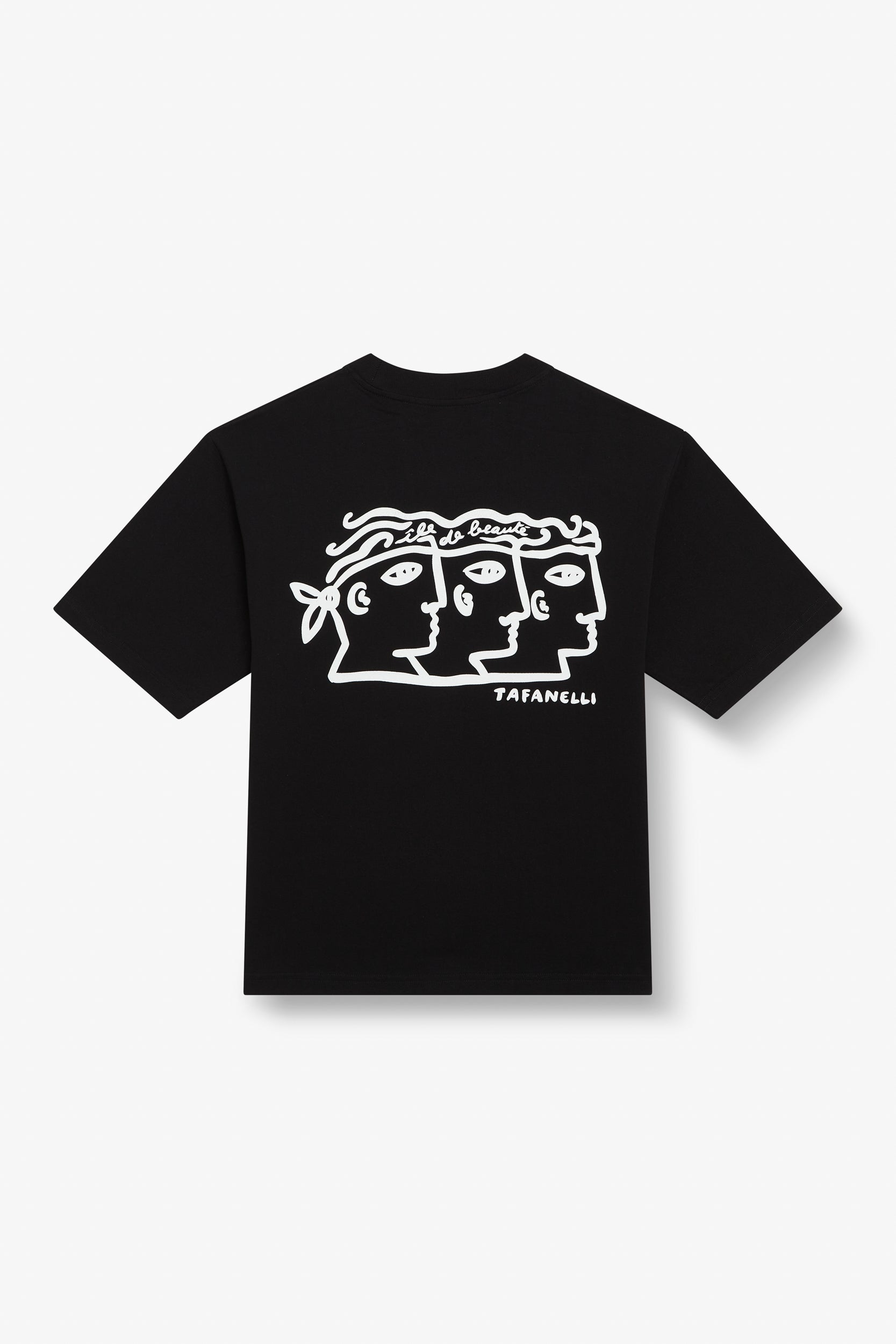
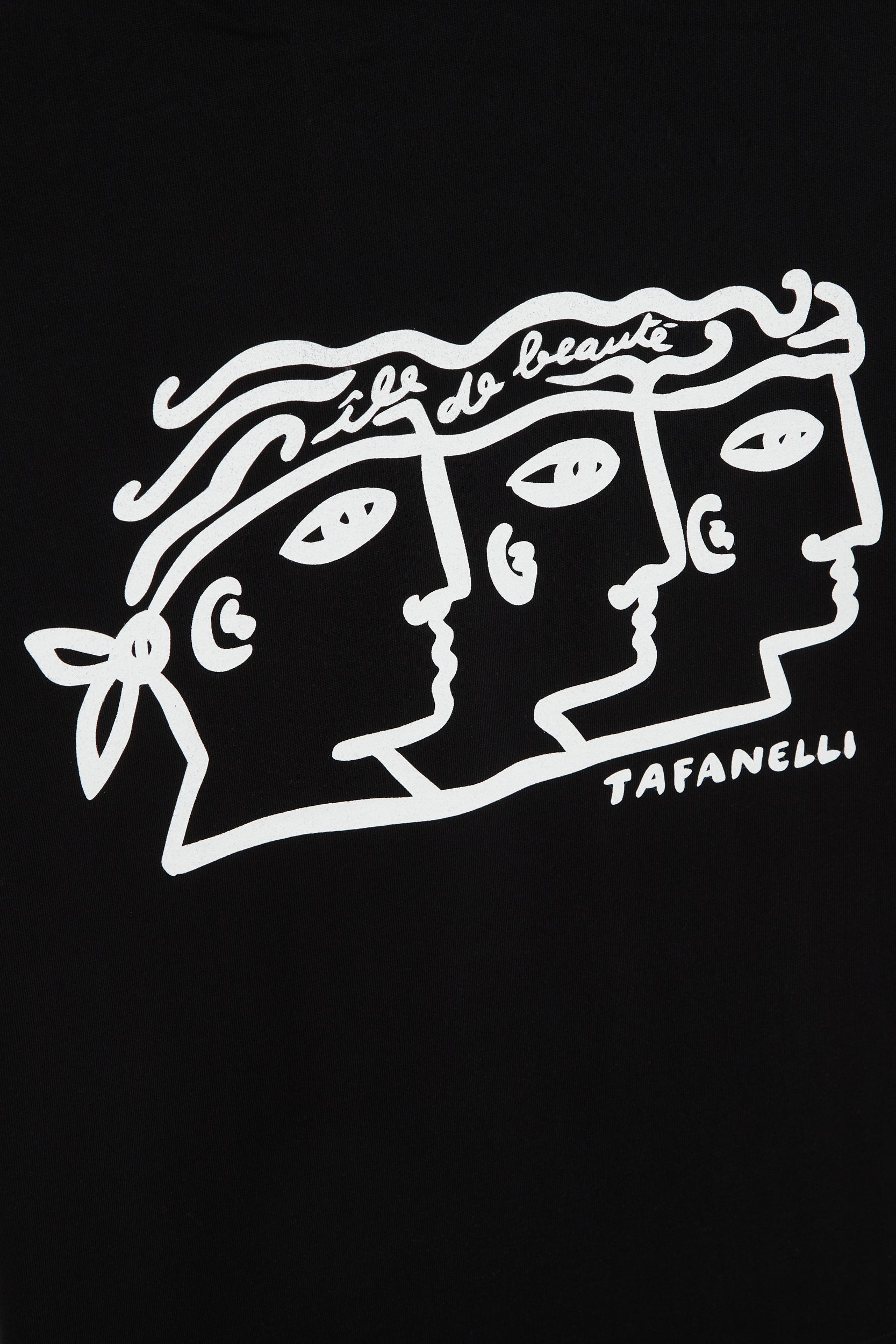
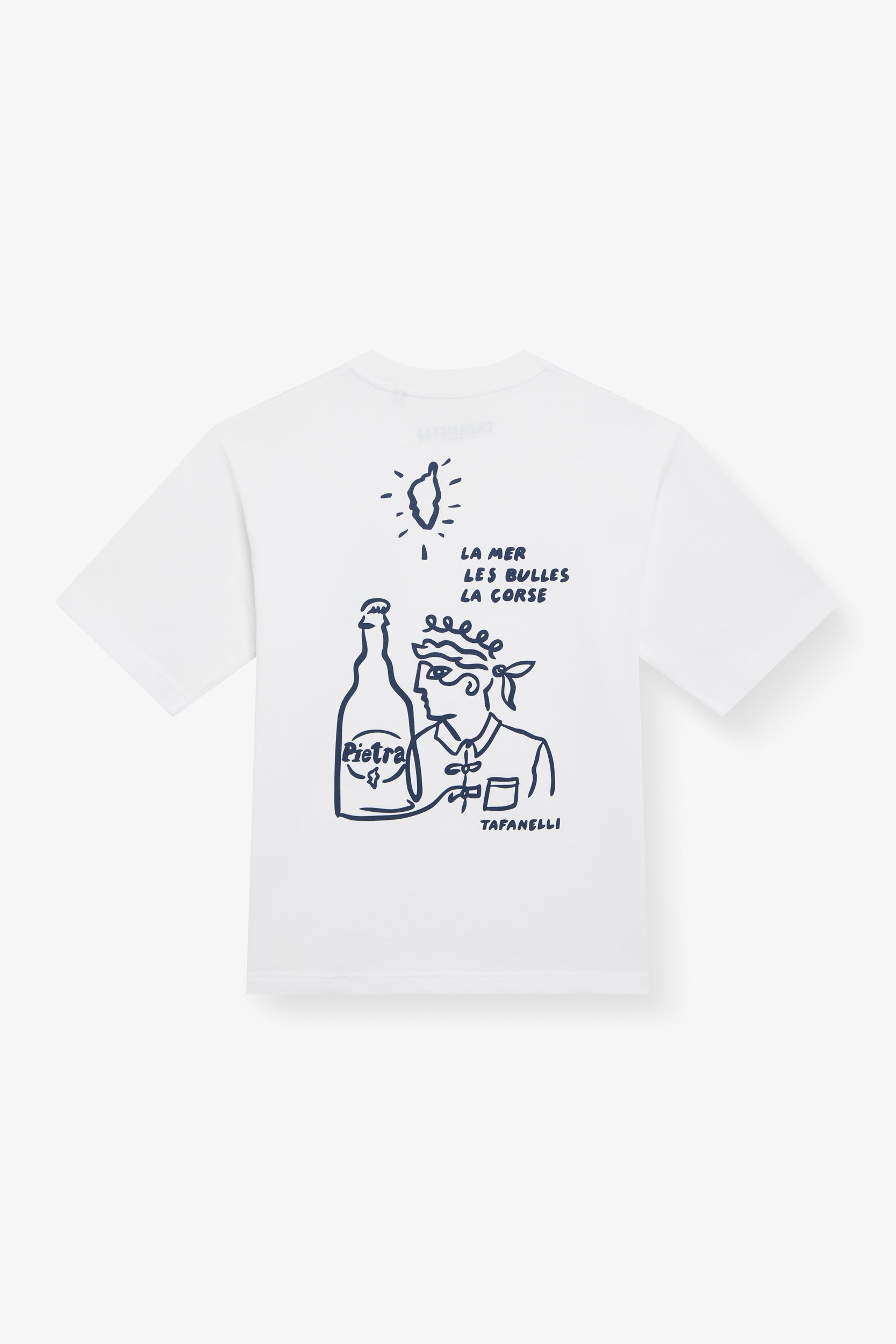
Mare, muntagna, machja. The three elements that make Corsica, hand-silkscreened on thick organic cotton. The t-shirt for those who know where they come from.
View La TrinitàLavasina today: the torches and the sea
The celebration does not last one day, it lasts ten. A novena opens on August 30th and closes on the evening of September 7th, with the moment everyone awaits.
September 7th, 9:00 PM: the torchlight procession
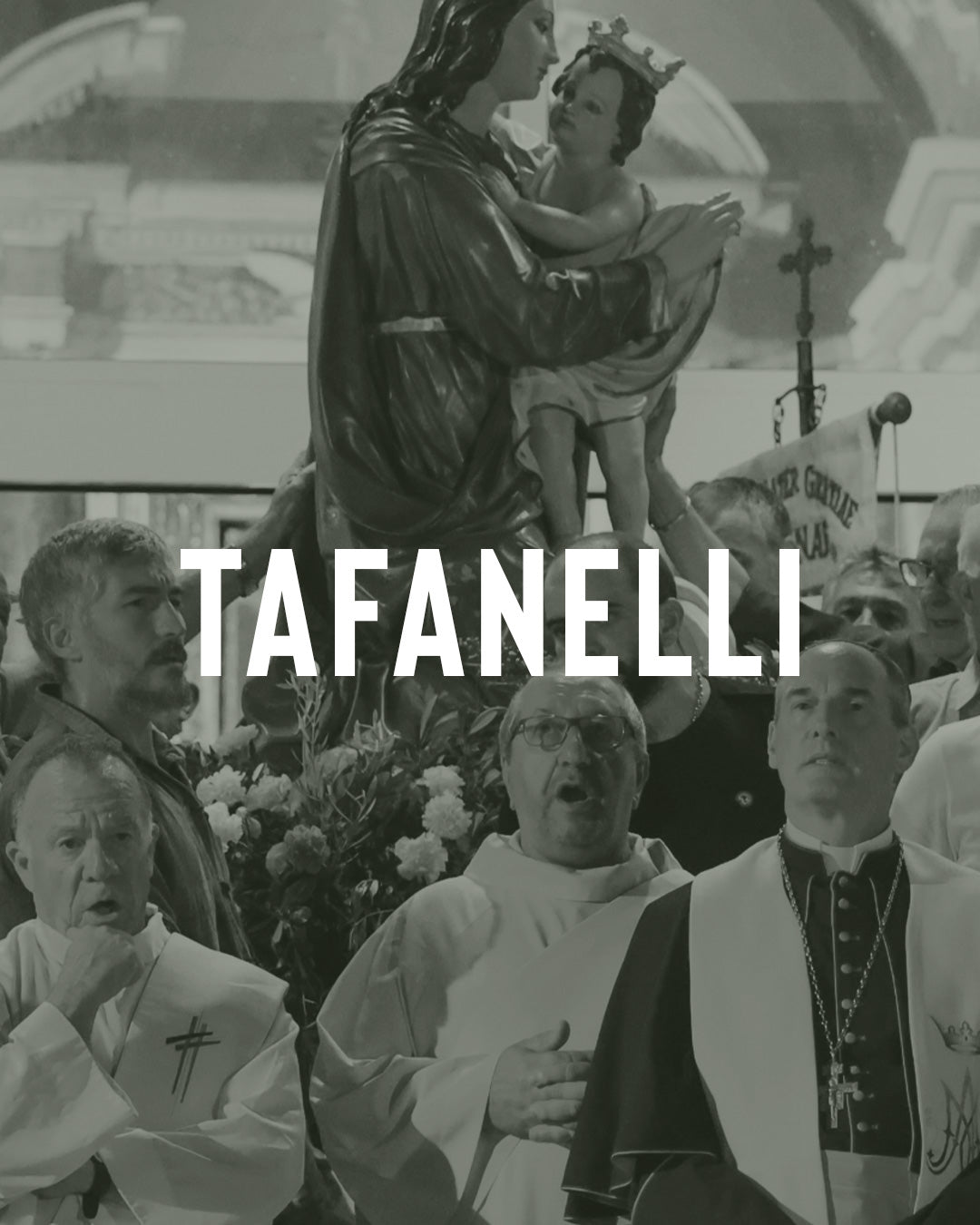
About three thousand people accompany the statue of the Madonna from the sanctuary to the beach bordering it. Torches, chants, the black sea at the end of the procession. In 2026, the solemn mass that followed was presided over by Cardinal François Bustillo, Bishop of Ajaccio.
If you only see one thing of the Corsican September 8th, this is it. A procession that ends with feet in the water, in the Cap, at night.
September 8th: the day
- Mass at 8:00 AM and 9:00 AM
- Solemn mass at 10:30 AM
- Vespers and procession at 4:00 PM
- Final mass at 6:30 PM
Between services, the hamlet comes alive: families picnic on the pebbles, pilgrims arrive from all over the Cap and Bastia, some still coming by sea as in the old days.
A Santa di u Niolu: the shepherds' fair
Change sides. Leave the sea, go up into the Niolu, the high valley at the foot of Cintu, and arrive in Casamaccioli.
There, September 8th has a different face. A Santa di u Niolu is the oldest fair in Corsica. It has been held without interruption since 1830, and its origin is pastoral: it was the meeting place for shepherds returning from transhumance, the time to sell, buy, and meet before winter.
Today it combines three things that only Corsica knows how to keep together.
- The solemn mass, with the confraternities and chants.
- A Granitula, the spiral procession: the statue of the Virgin is carried by the confraternities who wind slowly upon themselves, like a snail shell, on the fairgrounds. It is found elsewhere on the island, but the one in Niolu is the most famous.
- The fair and the chjam'è rispondi, those jousts of improvised sung poetry where two men answer each other in verse, in front of everyone, sometimes for hours.
In 2026, it was the one hundred and ninety-sixth edition. Producers, artisans, breeders, families from the Niolu, and visitors who came from far away. Four days, from September 5th to 8th, in a village that has about a hundred inhabitants the rest of the year.
September 8th in the villages
Lavasina and Casamaccioli are the two hubs, but September 8th is celebrated everywhere. Dozens of villages bring out their statue, organize their procession, and sing their mass. Often in polyphony, that paghjella that UNESCO has listed as part of the world's intangible cultural heritage.
It is the same spirit as August 15th, three weeks earlier, but with something more solemn. August 15th is still a summer festival. September 8th is already a back-to-school festival.
To understand the place of the Virgin on the island, you must also see the Catenacciu of Sartène, on Good Friday, or the underwater Virgin of Calvi. Corsica does not practice its faith by halves.
After the Santa, back to business
There is a saying in Corsica heard every year at this time: "after the Santa." After the Santa, we go back to work. After the Santa, children go back to school. After the Santa, summer is over.
September 8th is the true border of the island's year. Before, it's the season, the visitors, the full roads. After, the island becomes itself again. It is no coincidence that the shepherds made it their return meeting point from transhumance: it is the day one comes back down.
If you want to see what comes next, we have written it down: Corsica in September and autumn, then Corsica in winter.
Frequently asked questions
What happens on September 8th in Corsica?
It is the Nativity of the Virgin, protector of the island since the 1735 Consulta. All of Corsica celebrates her: masses, processions, fairs. The two most important gatherings are Lavasina, in Cap Corse, and A Santa di u Niolu in Casamaccioli.
Where is Lavasina located?
In the commune of Brando, on the east coast of Cap Corse, about ten kilometers north of Bastia. The Notre-Dame des Grâces sanctuary overlooks a small cove and its pebble beach.
Why is Lavasina called the Lourdes of Corsica?
Because of the 1675 miracle: a nun paralyzed in her legs, having taken refuge in the chapel during a storm, was healed after rubbing herself with oil from the lamp of the Virgin's painting. The sanctuary was built in the aftermath and has attracted pilgrims since 1677.
When does the Lavasina torchlight procession take place?
On September 7th at 9:00 PM, the eve of the Nativity. About three thousand people accompany the statue of the Madonna to the beach. It is the highlight of the festival.
What is the Santa di u Niolu?
The oldest fair in Corsica, held every September 8th in Casamaccioli since 1830. Originally a meeting for shepherds returning from transhumance, it now mixes solemn mass, a spiral procession called Granitula, an artisanal fair, and sung poetry jousts.
What is the Granitula?
A spiral procession. The confraternities carrying the statue wind slowly upon themselves, like a snail shell, then unwind. It is practiced in several Corsican villages, with the most famous one being in Casamaccioli.
Can visitors attend these festivals?
Yes, and you will be welcome, provided you respect what you see. These are living religious festivals, not shows. One watches, keeps silent during the singing, and does not get in front of the bearers.
September 8th and TAFANELLI
Lavasina is ten minutes from where we are. We are writing to you from Bastia, and on the evening of September 7th, we know exactly where half the people we know are.
What this festival tells is what we try to put into our pieces: an island that doesn't apologize for its traditions, that makes them live rather than preserving them, and that knows that after the Santa, we come back down and get back to work. The flag, the polyphony, the shepherds: everything we design comes from there.
- The La Trinità t-shirt: mare, muntagna, machja, the three Corsicas united.
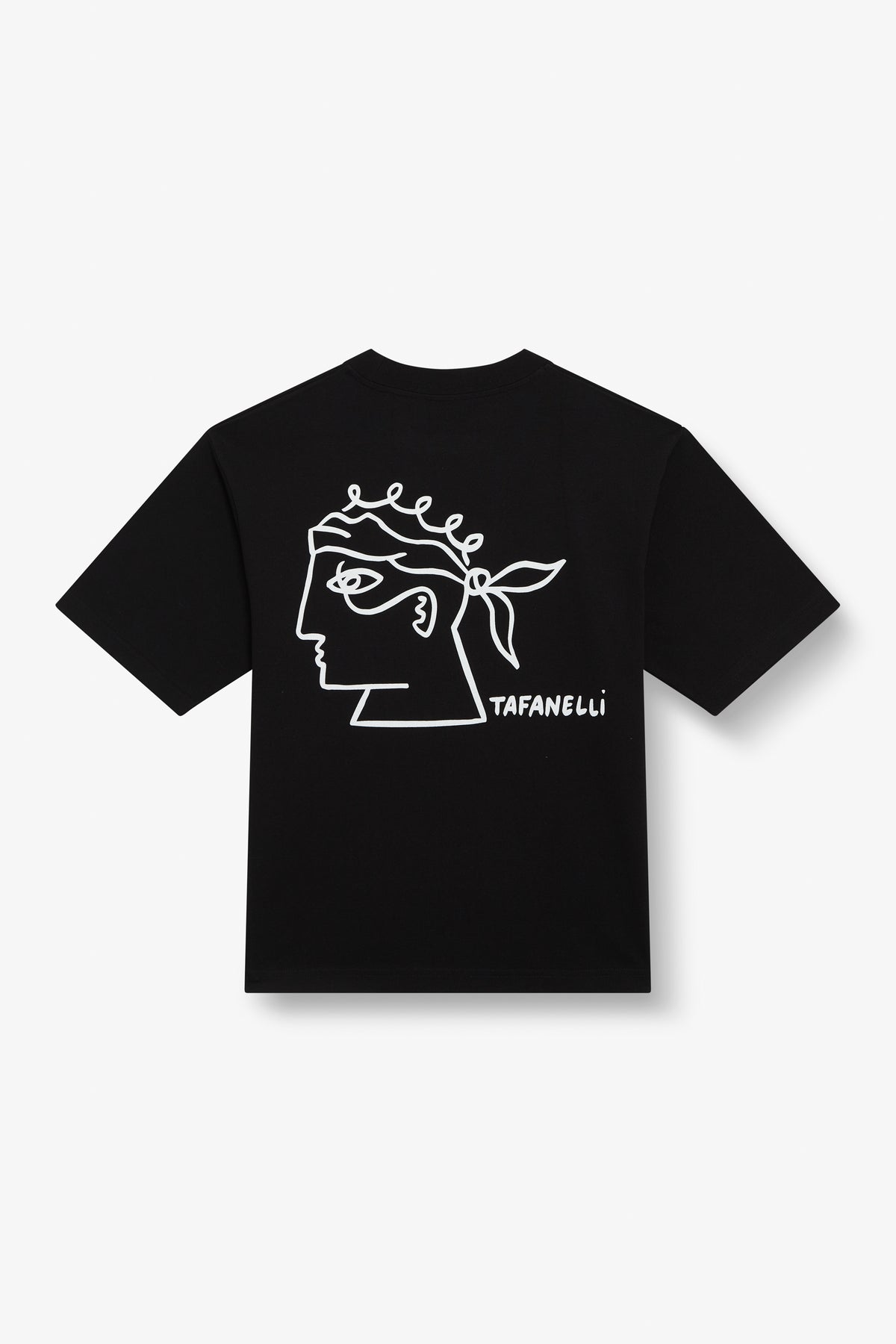
- The Corsica 1755 t-shirt, the year of independence.
- The sweatshirt collection, for September evenings on the Lavasina pebbles.
To go further: what it means to be a Corsican brand.
Three thousand torches descending toward the sea on a September evening in the Cap. It cannot be explained. You have to go.
In visiting Corsica, the client becomes a friend.
A DOPU,
TAFA
Sources: Notre-Dame de Lavasina Sanctuary, Catholic Church of Corsica, Corse Net Infos, Agenda Culturel Corse, Alta Frequenza, Stampa Paese. Article established on September 9, 2026.